Get the App
Better experience on mobile
From budget-friendly bedrooms to whole-home medical-grade filtration, these are the air purifiers that keep pollen, dust, and pet dander in check.
The best air purifier for allergies isn't necessarily the one with the most expensive filter or the flashiest app — it's the one that actually matches your room size and allergy triggers. Many people make the mistake of buying a purifier that's too small for their main living area, only to be disappointed when it barely makes a dent in their morning sneezing. Others fall for ionizers or UV-C gimmicks that might actually produce trace amounts of ozone, which can irritate airways further. That's why we focused exclusively on purifiers with true HEPA filtration, which is the gold standard for capturing the microscopic particles behind most allergic reactions.
We combed through decades of peer-reviewed research on air filtration, manufacturer spec sheets, and thousands of verified customer reports to identify the models that genuinely move air and trap allergens without breaking your budget. We also considered real-world factors like noise levels at different fan speeds, filter replacement costs, and whether smart features actually improve the experience or just complicate it. The result is a spectrum of picks — from a $99 entry-level unit that handles a nursery, to an $899 medical-grade machine that's worth every penny for severe allergy sufferers.
Keep in mind that no single air purifier can eliminate all allergens — they work best in combination with regular vacuuming, dusting, and keeping windows shut during peak pollen days. But the right purifier can reduce airborne concentrations by 90% or more in properly sized rooms. With that in mind, here are the best air purifiers for allergies of 2026, ranked for value, performance, and practicality.
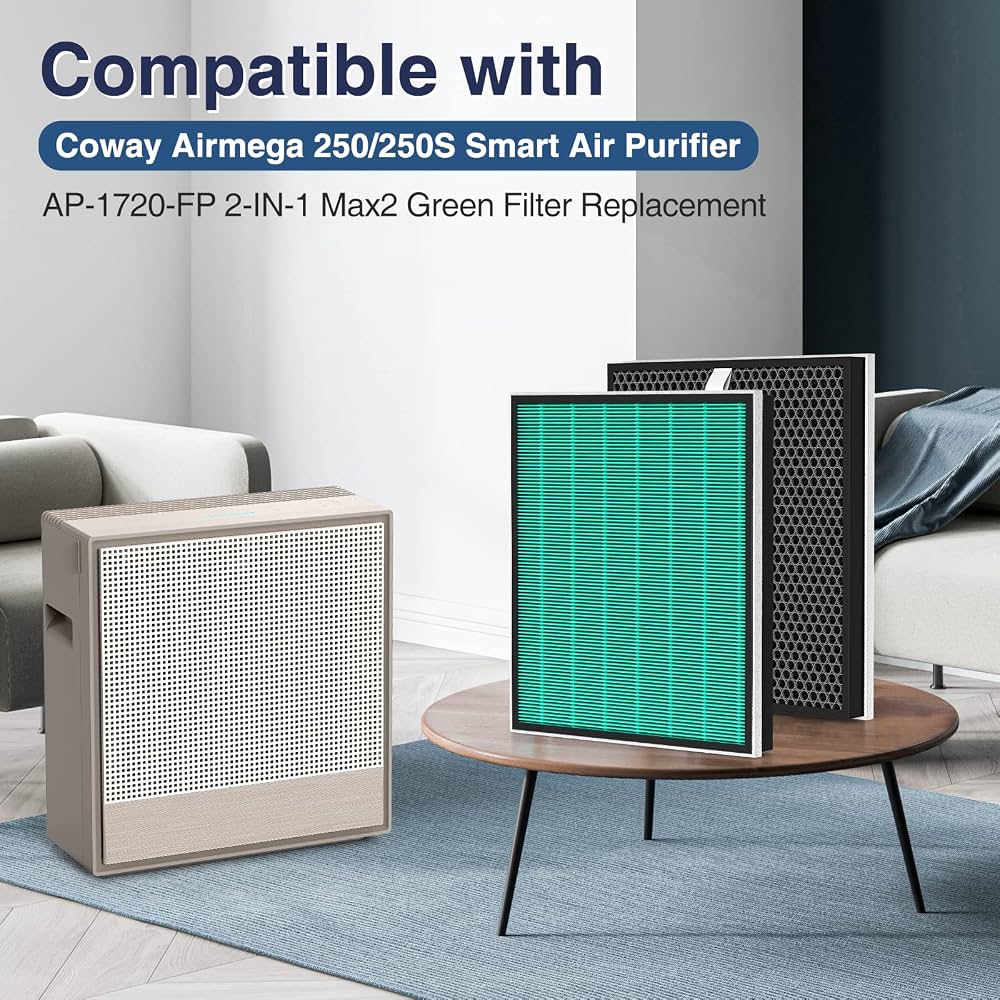
The Coway Airmega 250S is the perfect balance of performance, smarts, and price. It covers a generous 360 square feet, uses a true HEPA filter, and includes an auto mode that adjusts the fan based on real-time air quality. Its dual-sided intake and 360-degree air outlet are quietly powerful. The trade-off is that smart features can feel gimmicky for some users, and replacement filters are an ongoing cost.
Main limitation: Filter replacements every 6-12 months can be pricey, and the smart features are not essential for everyone.
Skip if: Skip this if you need to purify a very large home — it's ideal for single rooms up to 360 square feet.
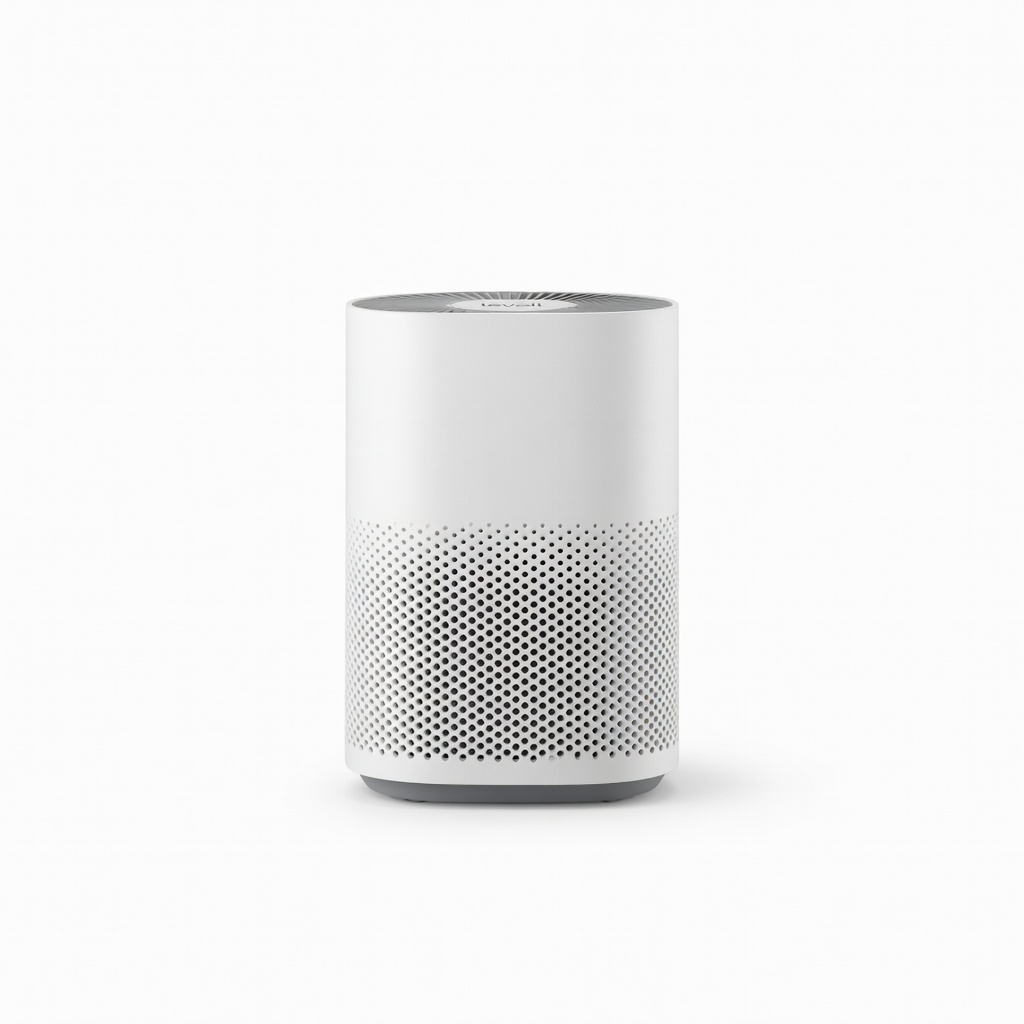
The Levoit Core 300 punches well above its price tag, delivering true HEPA filtration in a compact design that's quiet enough for a nursery. Its 219 square foot coverage is perfect for small rooms, and the three fan speeds and built-in timer give you control without a wifi app. The biggest trade-off is that you'll need multiple units for larger areas, and filter replacements—while affordable—are an occasional expense.
Main limitation: Limited room coverage (up to 219 sq ft) and no built-in air quality sensor or auto mode.
Skip if: Don't choose this for a large living room or open floor plan—it's simply too small.
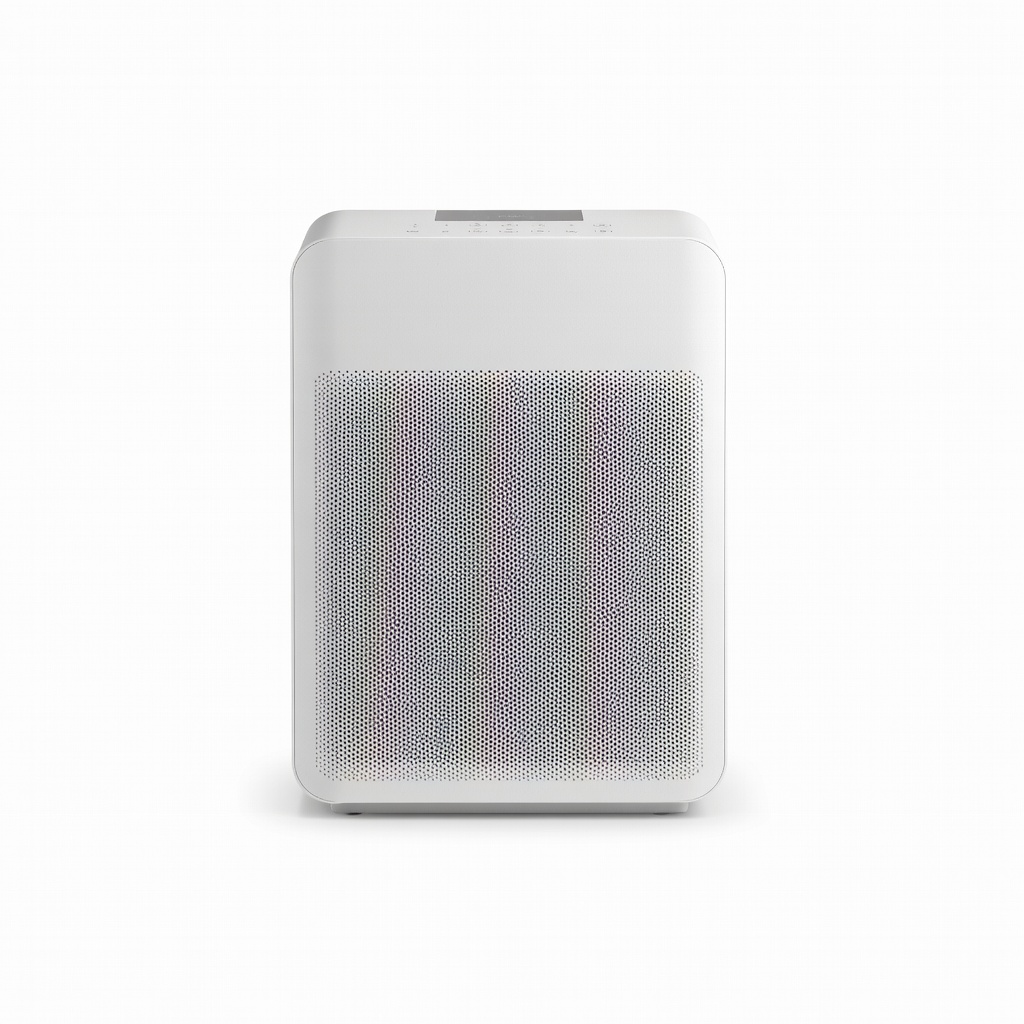
If pet dander is your primary offende, the Winix 5500-2 is a champion. Its washable pre-filter captures pet hair before it hits the true HEPA filter, while a dedicated activated carbon pellet filter neutralizes odors like wet dog. It covers 360 square feet, has an optional PlasmaWave feature (safe and ozone-free), and has a low cost of ownership thanks to cheap replacement filters. The caveat? It looks a little dated and offers no smart connectivity.
Main limitation: No smart connectivity, and the plastic design feels a generation old in 2026.
Skip if: Skip if you're looking for a sleek, modern appliance—there are better-looking units for the same price.
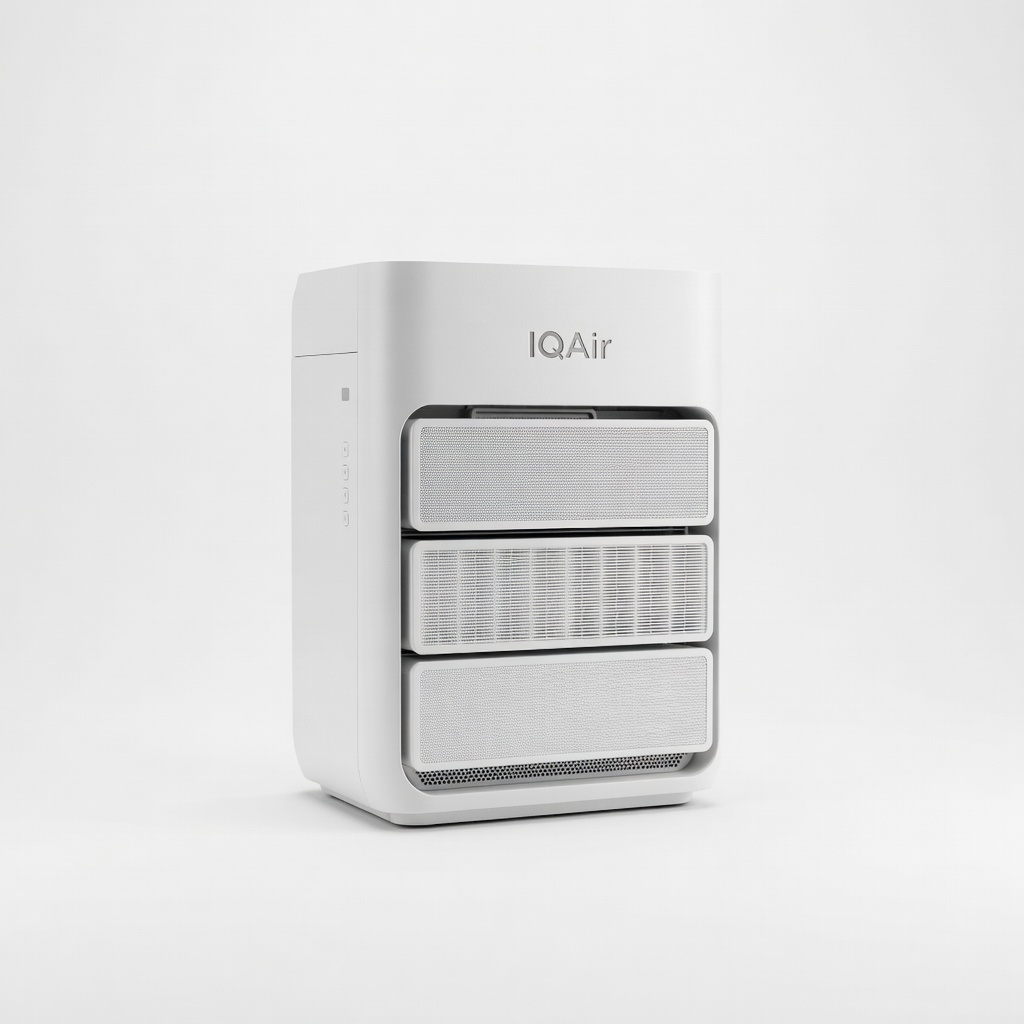
The IQAir HealthPro Plus is the air purifier that allergists often recommend when all else fails. Its HyperHEPA filter captures particles as small as 0.003 microns—far smaller than standard HEPA—and its four-stage filtration system also removes VOCs, which can trigger asthma-like symptoms. It's built for continuous operation and can deliver up to 1,120 square feet of coverage per hour. The trade-off is the high upfront price and expensive filter replacements, but for truly severe allergies, it's unmatched.
Main limitation: Very expensive to buy and maintain, and it's bulky—not something you'll want in a dainty bedroom.
Skip if: Skip if you only need a small bedroom purifier—this is overkill and won't fit in tight corners.
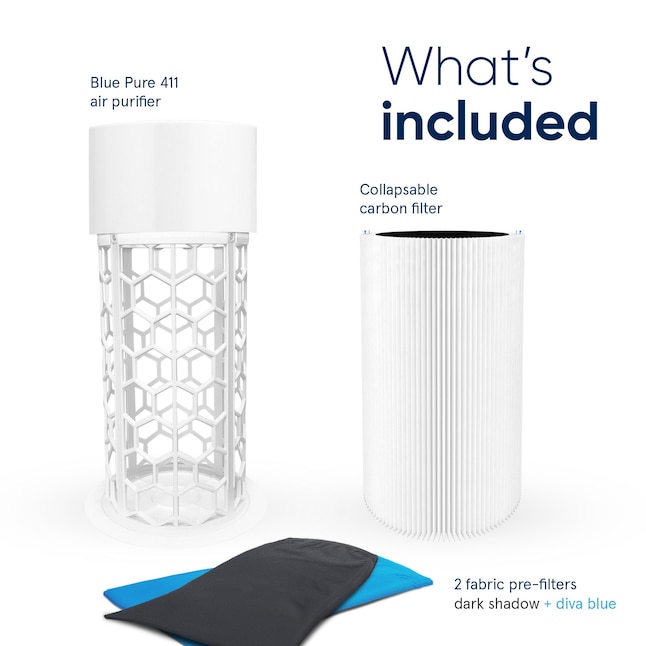
The Blueair Blue Pure 411+ is the minimalist's choice: a compact yet effective purifier that sits on a nightstand and runs as quietly as 30 dB. It uses a washable cloth pre-filter to catch dust and hair, extending the life of the main HEPA filter. Its three fan speeds are controlled with a simple dial—no app, no hassle. It covers 180 square feet, making it ideal for small bedrooms or nurseries. The trade-off is a small coverage area and a ~$40 replacement filter cost that adds up over time.
Main limitation: Coverage is small (up to 180 sq ft) and filter replacements are a recurring expense.
Skip if: Don't use this as your main living-room purifier if your space exceeds 200 square feet.
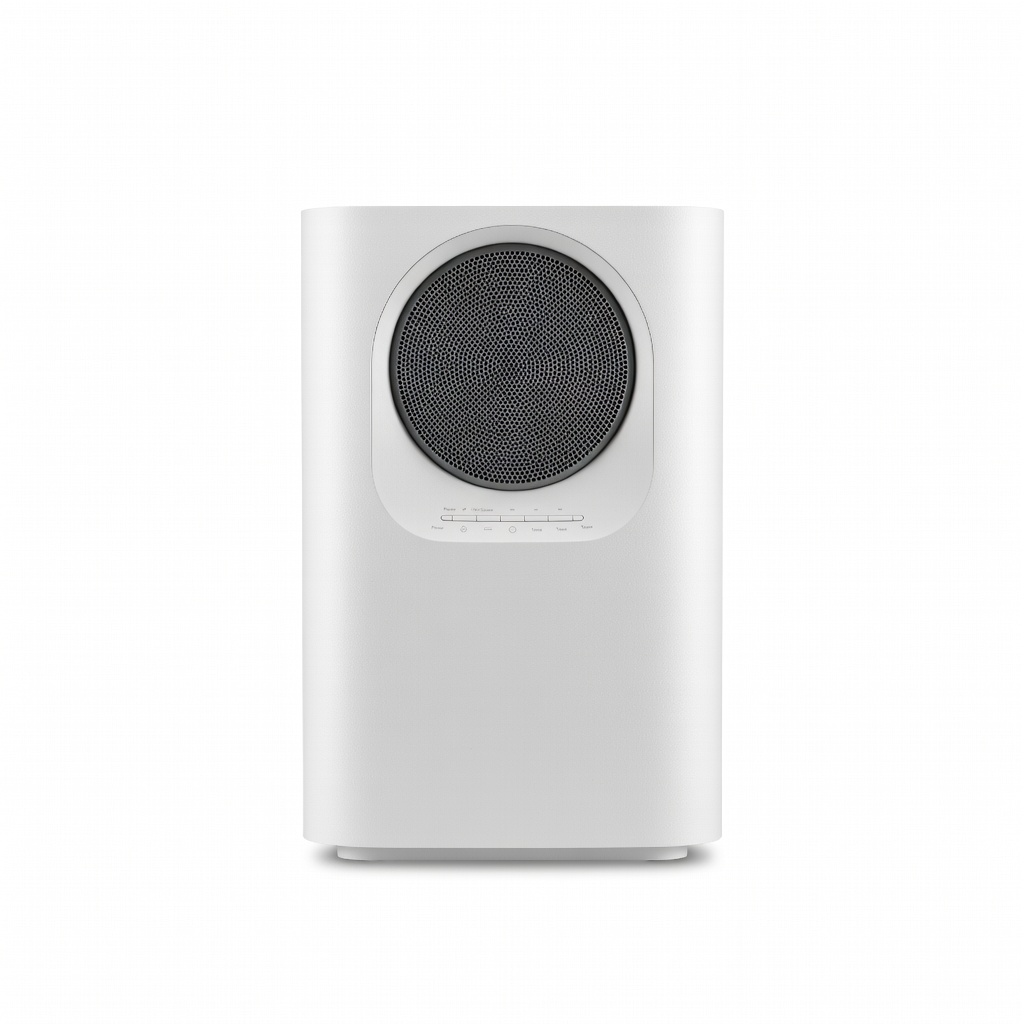
When spring pollen strikes, the Honeywell HPA300 delivers the raw power you need. It has one of the highest CADR ratings in its class (300 CFM) and can cycle a 465 square foot room twice every hour. The permanent washable pre-filter cuts down on consumable costs, and the mechanical dials are foolproof. It's not smart or quiet on high, but for daytime allergen blasting, it's hard to beat.
Main limitation: No auto mode or smart features, and the loud high fan speed can be disruptive overnight.
Skip if: Skip if you need a quiet overnight purifier for a child's room—this model is more for daytime living areas.
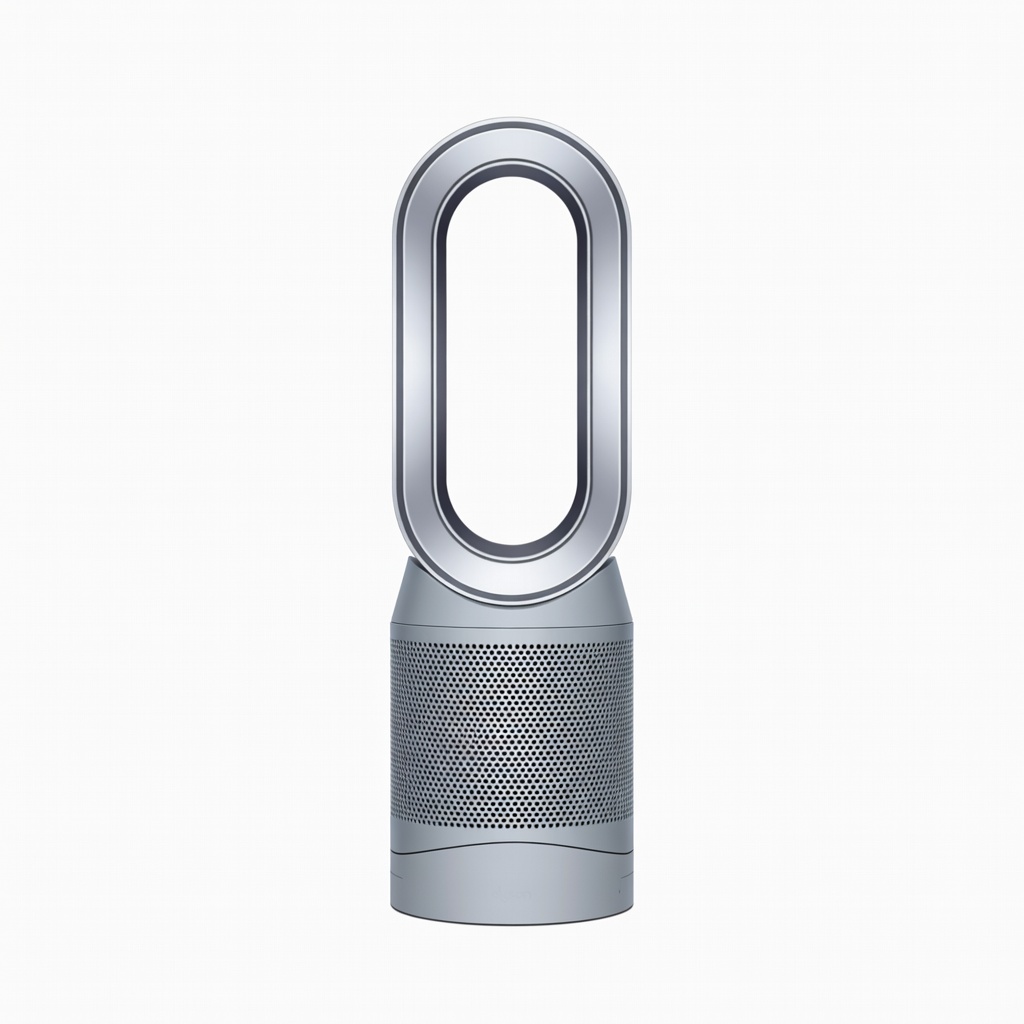
The Dyson Purifier Cool TP07 is the Tesla of air purifiers—sleek, app-connected, and equipped with real-time air quality reports on its LCD screen. It doubles as a bladeless fan, making it a compelling two-in-one for small- to medium-sized bedrooms. While its air cleaning performance is decent (CADR 170), it's modest for the price, and filter replacements are pricey. You're paying for the design and smart integration as much as the filtration.
Main limitation: Expensive upfront cost with a relatively low clean air delivery rate, and filter replacements run $70+.
Skip if: Skip if you're looking for maximum allergen removal per dollar—there are less stylish, more effective alternatives for half the price.
Compare key specs and features of all our recommendations side-by-side
| Product | Recommendation | Rating | Price |
|---|---|---|---|
Coway Airmega 250S Rank #1 | 🏆 Top Pick | 8.8/10 | $249–$299 Check current price → |
Levoit Core 300 Rank #2 | 💰 Budget Pick | 8.0/10 | $89–$99 Check current price → |
Winix 5500-2 Rank #3 | ⭐ Editor's Choice | 8.5/10 | $149–$169 Check current price → |
IQAir HealthPro Plus Rank #4 | — | 9.0/10 | $849–$899 Check current price → |
Blueair Blue Pure 411 Rank #5 | — | 7.8/10 | $129–$149 Check current price → |
Honeywell HPA300 Rank #6 | — | 8.2/10 | $219–$249 Check current price → |
Dyson Purifier Cool TP07 Rank #7 | — | 7.5/10 | $449–$549 Check current price → |
Common questions buyers have about this category.
CADR stands for Clean Air Delivery Rate, a standardized measure of how many cubic feet of air a purifier can filter per minute for tobacco smoke, pollen, and dust. For allergies, a higher CADR means the purifier can remove allergens from a room more quickly, which is especially important during high-pollen seasons. Always match the CADR to your room size—a purifier with a low CADR in a large room will be nearly useless.
Yes, true HEPA filters are effective at capturing pet dander because dander particles are typically in the 2.5–5 micron range, well within the HEPA spec. Look for a purifier with a good pre-filter to catch larger hair and skin flakes before they reach the HEPA filter, which helps extend filter life. Models like the Winix 5500-2 are especially good for pet households because they also have an activated carbon filter that neutralizes pet odors.
We generally recommend avoiding an air purifier that relies on UV-C lights or ionizers as the primary mechanism to clean air. UV-C can help kill some viruses but it doesn't remove particles like allergens, and ionizers can produce trace amounts of ozone, which is a lung irritant. If you're considering a model with these features, make sure they're secondary to a true HEPA filter, not a substitute. Some purifiers like the Winix 5500-2 offer PlasmaWave as an optional—and safe—extra, but the HEPA filter does the real work.
Most manufacturers recommend replacing the HEPA filter every 6–12 months, depending on usage and air quality. Some purifiers have a filter replacement indicator that takes the guesswork out of it, but you should always follow the user manual. If you run the purifier 24/7 in a home with pets or high pollution, you'll likely need to replace filters closer to the 6-month mark. Replacement filters cost anywhere from $20 to $80+ per year, so factor that into your budget.
An air purifier with a true HEPA filter is effective at removing indoor dust, dust mite allergens, and the particles that trigger dust allergies. However, dust particles also settle on surfaces, so an air purifier alone isn't a complete solution—you'll still need to vacuum and dust regularly to control the source. For best results, run the purifier while you're in the room and clean surfaces frequently to prevent dust build-up.
True HEPA filters are the most reliable for allergies because they physically capture particles with a dense fiber mat, removing over 99.97% of particles at 0.3 microns. Electrostatic filters, also called washable or permanent filters, use static charge to attract particles, but they can lose efficiency over time and often don't have a CADR rating. For serious allergy relief, always choose a true HEPA filter over an electrostatic or ionic purifier.
Products we evaluated but did not recommend — and why.
