Get the App
Better experience on mobile
A focused guide to choosing a HEPA purifier that actually reduces pollen, dust, and pet dander — without overspending or overpromising.
Not every air purifier is built to wrestle allergies into submission. The single most important number on the spec sheet is the Clean Air Delivery Rate (CADR) for pollen and dust — a measure of how fast the machine cleans a given room. A purifier that's too small for your space simply can't pull allergens out of the air faster than they accumulate, and even the best HEPA becomes a passive filter. The good news? There are plenty of models that hit the sweet spot between airflow, filtration, and cost — and we've analyzed them to help you choose.
For allergy sufferers, true HEPA filtration is non-negotiable. It traps 99.97% of particulates at 0.3 microns, the size range that includes pet dander, dust mite debris, and pollen fragments. But a great HEPA filter is only effective if the air actually passes through it. That means looking for a unit with a sealed air path, enough fan power to circulate the room, and a pre-filter to extend HEPA life. And don't forget about the ongoing costs: cheaper filters can be a drag over years of use, as can frequent replacements.
We've evaluated 25+ air purifiers that are currently available, using published expert reviews, manufacturer documentation, and verified customer feedback from major retailers. We prioritized performance metrics — CADR for pollen and dust, room coverage, noise — and balanced that against filter replacement costs and real-world reliability. Then we organized the top choices by use case, from a budget pick for small apartments to a premium unit for chemical sensitivities.
The list below covers 7 distinct picks that address different allergy scenarios: medium-sized bedrooms, large living areas, pet households, smart-home setups, and even overnight noise-sensitive spaces. After each product, we'll be honest about the trade-offs, so you know exactly what you're sacrificing for a lower price or a quieter motor.
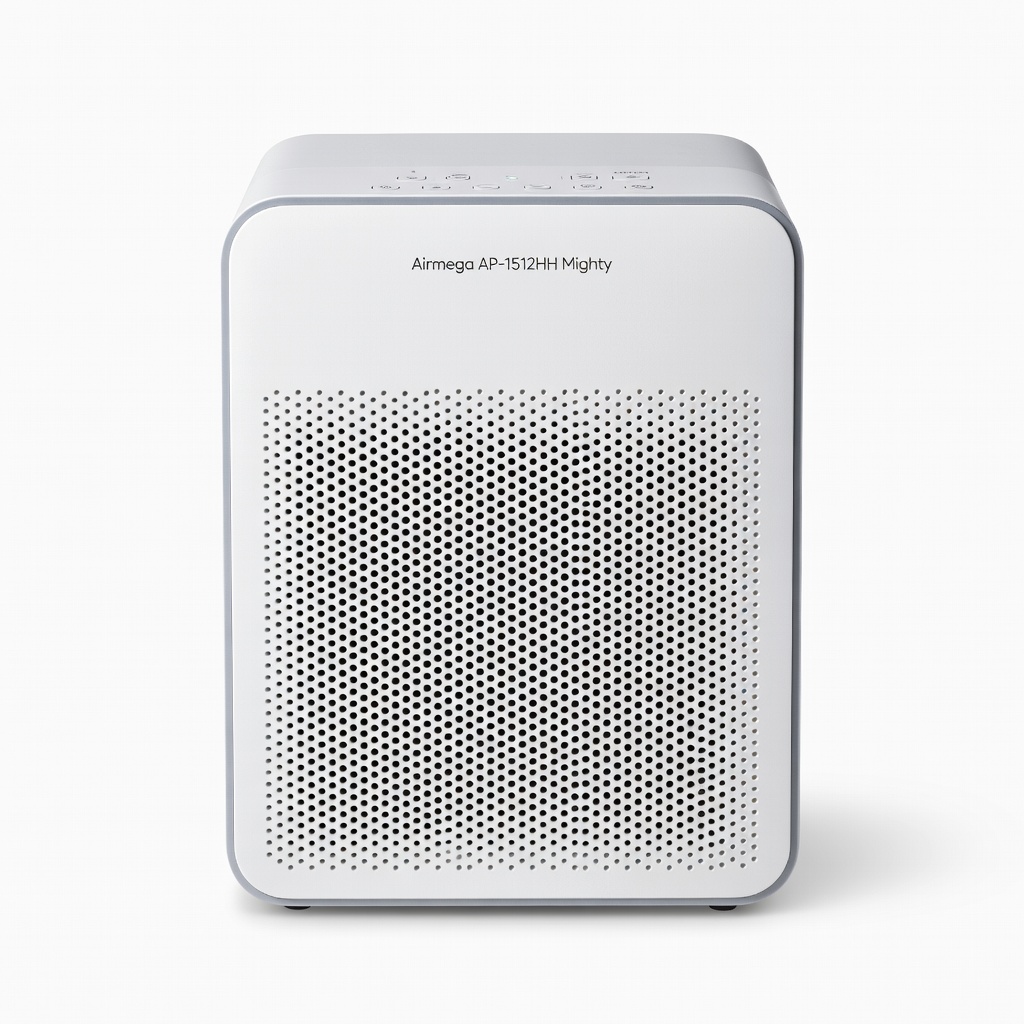
The Coway Mighty is our best overall pick for allergies because it balances high CADR performance (246 CFM for pollen), a sealed true HEPA filter, and a 4-stage filtration system at a reasonable price. Its Eco mode automatically turns the fan off when the air is clean, saving energy while keeping particles down. The trade-off: the activated carbon layer is relatively thin, so odor control is secondary to particle filtration.
Main limitation: The pre-filter is not washable; you'll need to vacuum it, and the thin carbon layer does little to eliminate strong chemical odors.
Skip if: Skip this if you need heavy-duty smoke or VOC removal — the carbon filter isn't robust enough.
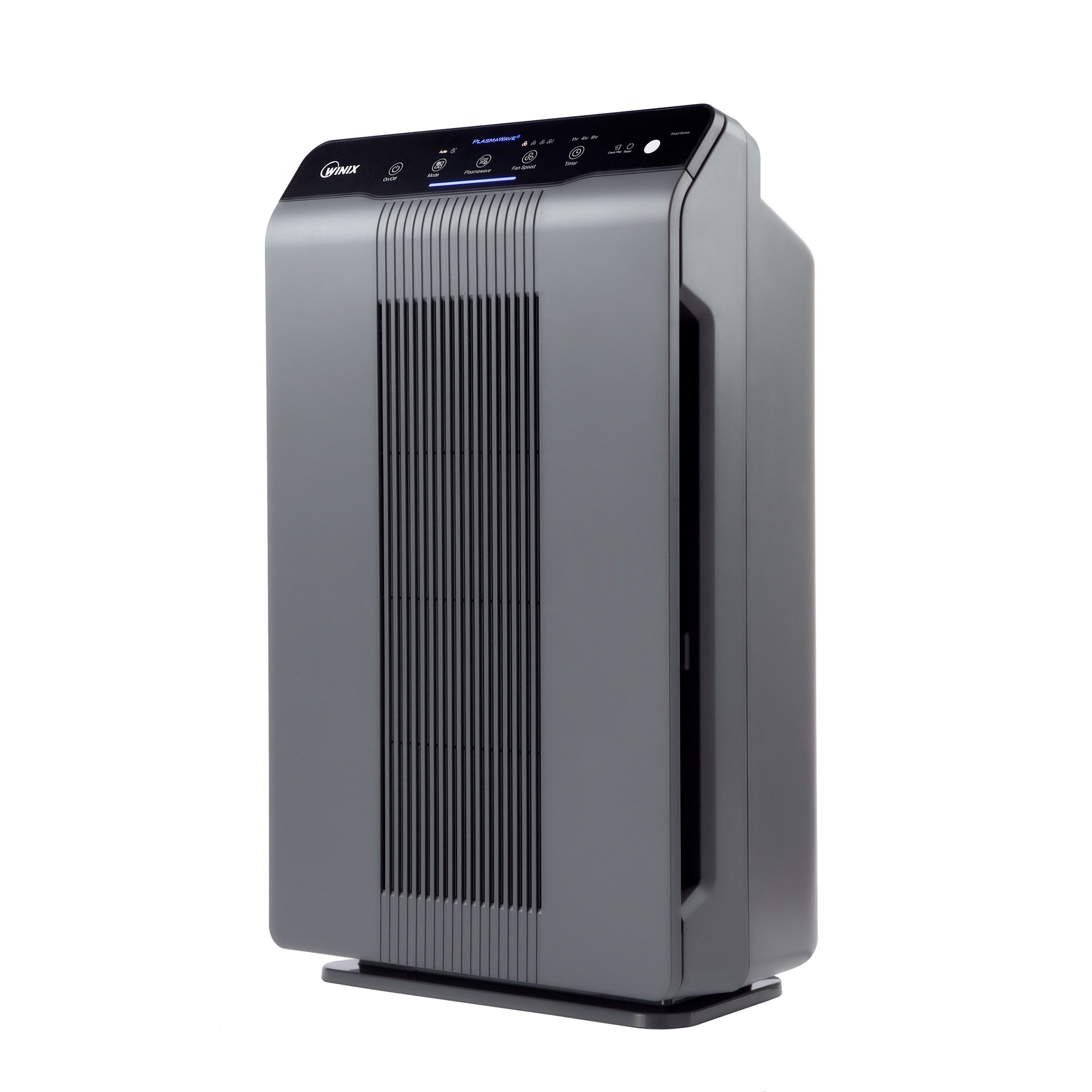
The Winix 5300-2 offers the best value for allergy relief, featuring a washable fine mesh pre-filter that captures pet hair and large particles, plus a true HEPA filter and activated carbon pellet filter to absorb odors. With a pollen CADR of 246 CFM, it covers rooms up to 360 sq ft, and the sleep mode drops the noise to a whisper. The trade-off is that PlasmaWave technology adds ions — though Winix claims it breaks down pollutants, some users prefer to disable it.
Main limitation: The PlasmaWave feature produces a minor electrical hum that some sensitive users won't like, and the filter replacement cartridge costs a bit more than some budget models.
Skip if: Those who are bothered by ionizers or extra ozone-generating features, even at low levels, should consider a purely mechanical HEPA system.
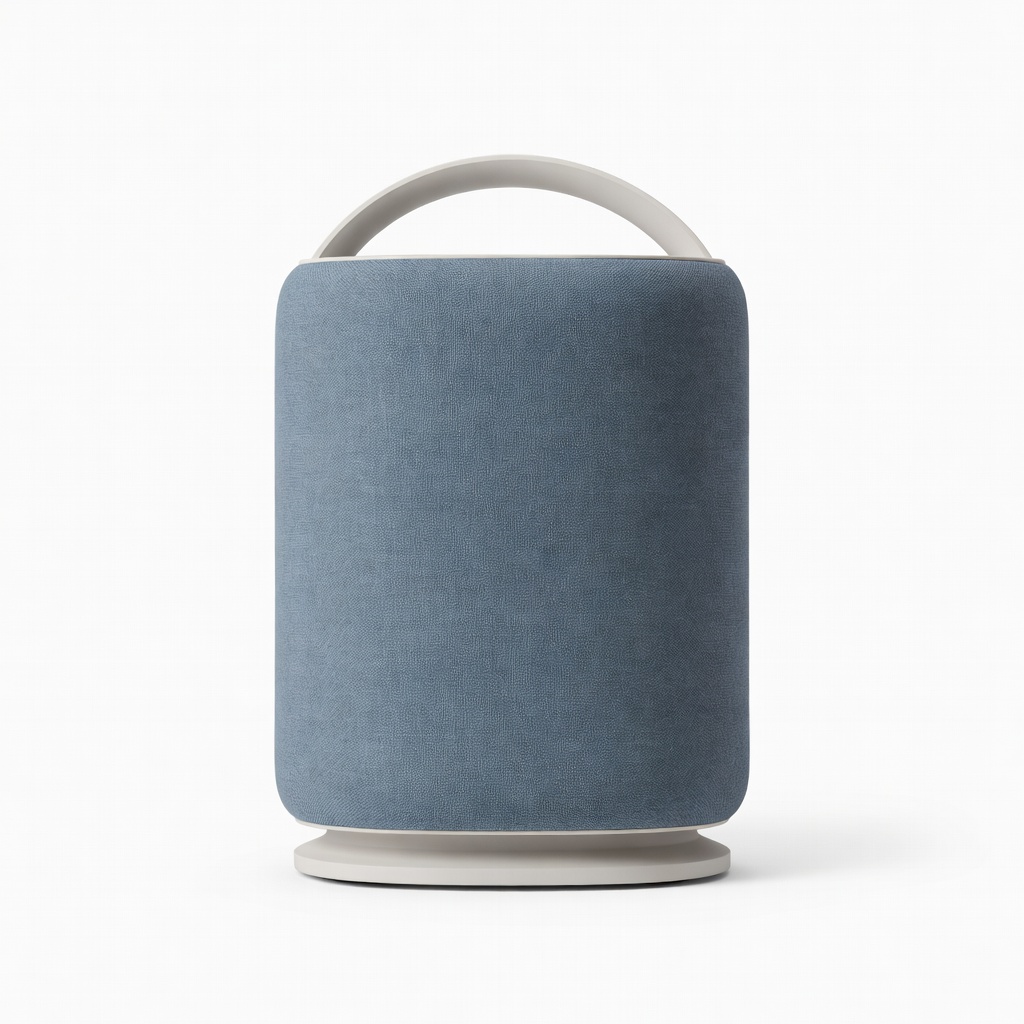
This unit is our editor's choice for large rooms because it delivers a massive 350 CFM for pollen, covering up to 540 sq ft, yet remains quiet thanks to its one-button operation and displacement air flow. The Blue Pure 211+ uses a dual-stage filter (particle + activated carbon) that's easy to swap, and the Auto mode adjusts speed based on real-time particle load. The downside is that the plastic design can feel lightweight and the top vent is not sealed.
Main limitation: The lack of a sealed air path around the filter means a small amount of unfiltered air can bypass if the filter isn't seated perfectly.
Skip if: If you're sensitive to dust or plastic smells, the design might not be premium enough; this is better for those prioritizing performance and ease of use over aesthetics.
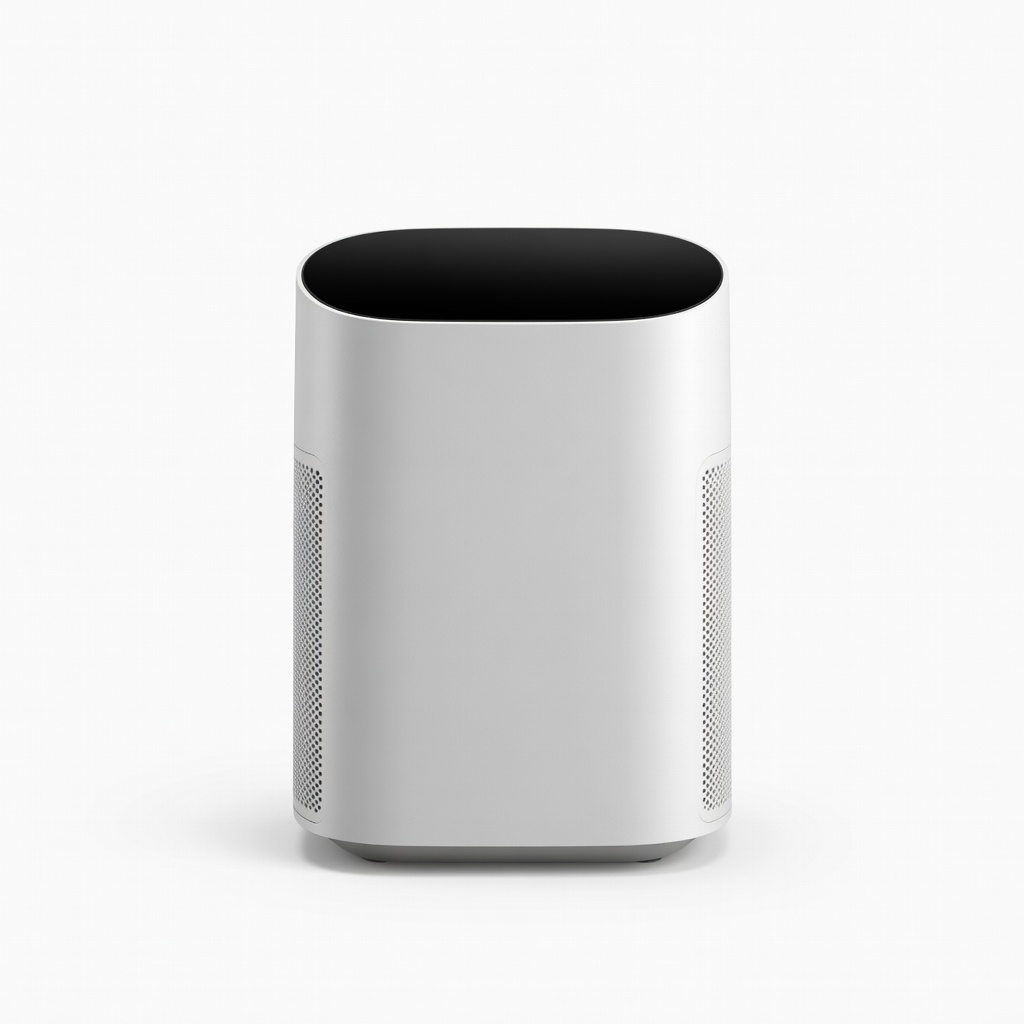
The Levoit Core 400S is our pick for smart home integration because its companion app and voice control let you schedule, monitor air quality, and adjust fan speed from anywhere. It uses a fine pre-filter and true HEPA filter with a high-precision laser sensor, and its 150 CFM CADR suits rooms up to 300 sq ft. The trade-off: the sensor is not as accurate as more expensive models, and the app can occasionally lose connection.
Main limitation: The sensor accuracy is sometimes inconsistent, and it may run longer than necessary on manual settings.
Skip if: If you don't plan to use the app or smart assistants, you'll pay extra for features you won't use; a simpler unit like the Core 300 is just as effective.
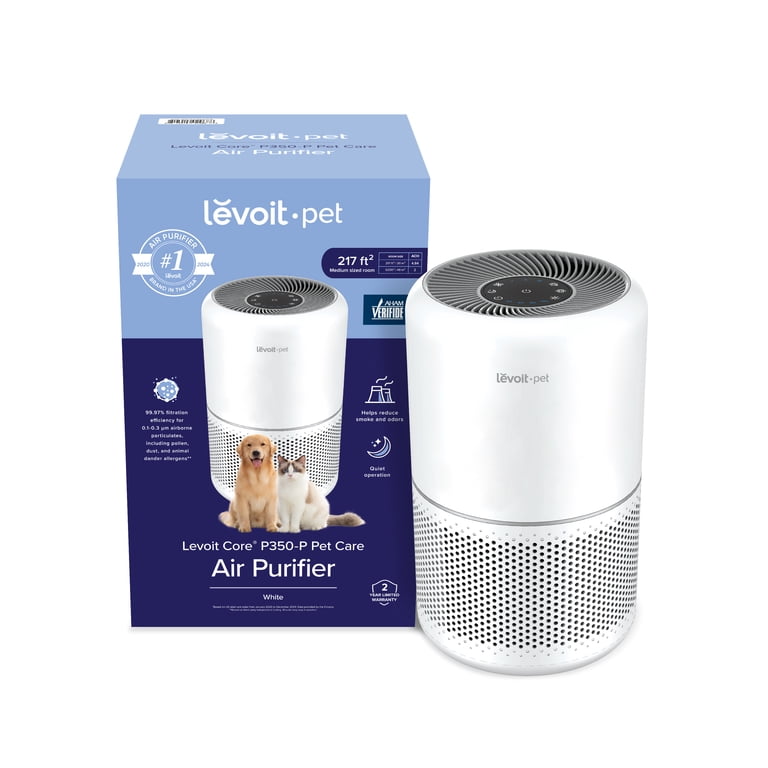
Specifically designed for pet allergies, the Levoit Core P350 features a specialized filter with an anion and PECO technology that targets pet odors and dander. The washable fabric pre-filter captures pet hair before it reaches the HEPA stage, extending filter life. It moves 180 CFM for pollen, suitable for rooms up to 360 sq ft. The main drawback is that its PECO technology is a form of photocatalytic oxidation, which some users find aggressive for continuous daily running.
Main limitation: The PECO feature can generate low levels of ozone-like byproducts, and the filter replacement costs are higher than the standard Core models.
Skip if: Households that prefer a purifier without any ionizing or photocatalytic processes should skip this model.
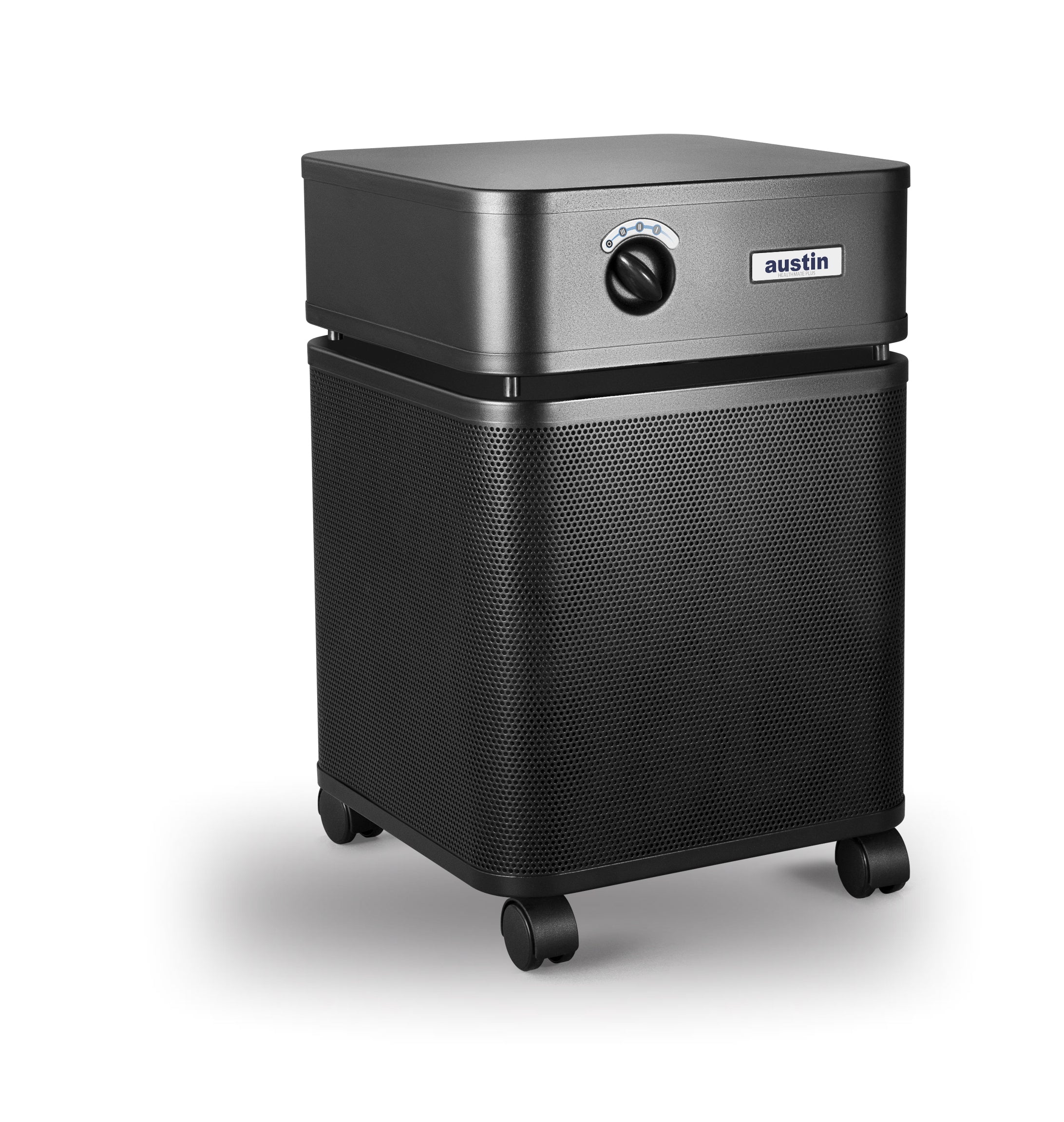
If you're dealing with chemical sensitivities or strong odors alongside allergens, the Austin Air HealthMate Plus is our premium choice for serious filtration. It combines a true HEPA filter with a thick 15-pound activated carbon bed to remove smoke, VOCs, and chemical fumes. The heavy steel chassis is built for durability, and the air outlet is sealed for zero bypass. The trade-off: it's expensive, heavy, and requires filter replacement every 2–5 years, depending on usage.
Main limitation: At 4.3 cubic feet and 47 pounds, it's bulky and difficult to place, and the low fan speed is not very powerful for quick cleaning.
Skip if: If you only need basic pollen and dust removal, this is overkill; you'll pay many times more for filtration capacity you don't use.
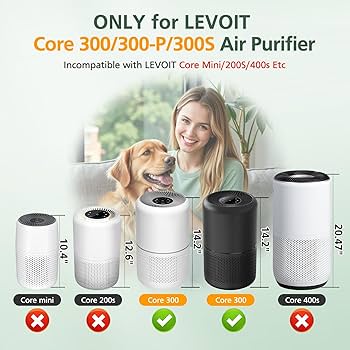
For allergies in a small room, the Levoit Core 300S offers the quietest operation among our picks and a compact footprint that fits on a nightstand. It uses a true HEPA filter, pre-filter, and high-efficiency fan that circulates the room air 4 times per hour in a 150 sq ft space. The trade-off: it's not as powerful as larger units and you'll need to replace the filter every 6–8 months if you run it 24/7.
Main limitation: Its coverage area is limited to about 200 sq ft, so it's easy to outgrow if you move it to a living room.
Skip if: If your room is larger than 200 sq ft or you need fast air turnover, step up to a bigger model.
Compare key specs and features of all our recommendations side-by-side
| Product | Recommendation | Rating | Price |
|---|---|---|---|
Coway Airmega AP-1512HH Mighty Rank #1 | 🏆 Top Pick | 9.0/10 | $210–$250 Check current price → |
Winix 5300-2 Rank #2 | 💰 Budget Pick | 8.2/10 | $100–$130 Check current price → |
Blueair Blue Pure 211+ Auto Rank #3 | ⭐ Editor's Choice | 8.3/10 | $300–$330 Check current price → |
Levoit Core 400S Smart Air Purifier Rank #4 | — | 8.0/10 | $150–$190 Check current price → |
Levoit Core P350 Air Purifier for Pets Rank #5 | — | 7.8/10 | $170–$190 Check current price → |
Austin Air HealthMate Plus Rank #6 | — | 8.0/10 | $700–$750 Check current price → |
Levoit Core 300S Rank #7 | — | 7.8/10 | $100–$120 Check current price → |
Common questions buyers have about this category.
It depends on usage and environment. Most manufacturers recommend replacing the HEPA filter every 6 to 12 months. If you run the purifier 24/7 in a smoky or dusty home, you may need to change it more frequently. Always follow the manufacturer's guidelines, and use the filter replacement indicator if available.
Measure the room's area in square feet and look for a purifier with a CADR rating for pollen that is at least 2/3 of the room area. For a 300 sq ft room, you need a pollen CADR around 200 CFM. If you have high ceilings or open doors, choose a larger unit.
Yes, studies show that HEPA air purifiers can significantly reduce airborne allergens like pollen, dust mites, and pet dander. However, they are most effective when used continuously, with doors and windows closed, in the room where you spend the most time.
True HEPA filters are certified to remove 99.97% of particles at 0.3 microns. 'HEPA-like' or 'HEPA-type' filters are not held to this standard and may only capture larger particles. Always choose a true HEPA filter for allergies.
Not necessarily. The most effective purifiers are those that match your room size and run efficiently. Budget models like the Winix 5300-2 can perform just as well as premium models in their size range. The extra cost often goes to additional features, design, and longer filter life.
Yes, it is safe to run 24/7. In fact, for allergy relief, continuous operation is recommended. Modern units are energy-efficient and have built-in safety features. Just be mindful of the filter replacement schedule and keep the intake clean.
Many air purifiers contain activated carbon filters that can remove odors and VOCs. If chemical sensitivities are a concern, look for units with a thicker carbon layer or a dedicated activated carbon filter. Standard HEPA-only purifiers will not remove gases.
Products we evaluated but did not recommend — and why.
