Get the App
Better experience on mobile
A practical guide to choosing the right air purifier for allergy relief, from budget HEPA models to premium medical-grade units.
The first mistake most allergy sufferers make is buying an air purifier that's too small for their room. A compact $80 unit may do a decent job on a desk, but if it's trying to filter 300 square feet of living space, it will run constantly without ever reaching a meaningful air-change rate. That's why the most important spec in this category is CADR, the Clean Air Delivery Rate—it tells you how quickly a purifier can pull in and filter the air in a given room size. When you're comparing models for allergies, CADR for pollen, smoke, and dust is the number that separates a useful device from an expensive fan.
Beyond CADR, the type of filter matters. True HEPA filters are the standard for trapping pollen, pet dander, and dust-mite debris. But you also need to consider how often you'll need to replace filters, how much they cost, and whether the purifier can run quietly enough at night without waking the household. Some newer models add app connectivity, air-quality sensors, and even UV-C lights, but these extras often increase the price without providing meaningful additional allergy relief.
We evaluated 20+ popular air purifiers based on published expert reviews from consumer publications, manufacturer specifications, and aggregated buyer feedback. Our selections prioritize good CADR for typical room sizes, proven HEPA filtration or equivalent, reasonable noise levels, and total cost of ownership. Below are our top picks, from budget options to high-end medical-grade units, plus a breakdown of what to look for before you buy.
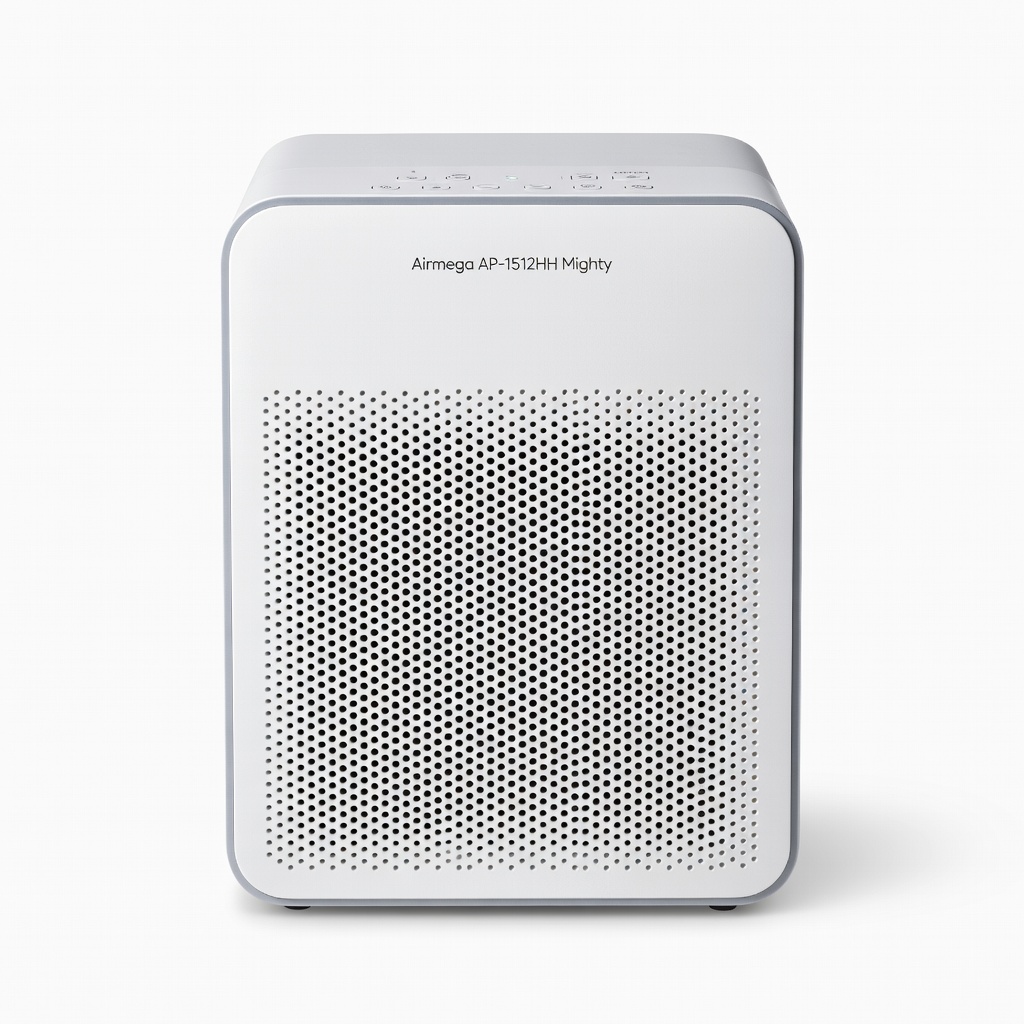
The Coway Mighty is a compact but powerful purifier with a true HEPA filter, a pre-filter that traps larger particles, and an effective auto mode that responds to air quality changes. Its footprint is small enough for a bedroom or office, and it has 4-stage filtration at a moderate price. The trade-off is the lack of Wi-Fi or app connectivity and a filter replacement cost that adds up over time.
Main limitation: No smart controls or air-quality reports, and replacement filters are somewhat pricey.
Skip if: If you want to control your purifier from your phone or track air-quality trends, this isn't the model for you.
This model offers high CADR ratings and a washable pre-filter plus true HEPA coverage at a price that often drops below $170. It's one of the most reliable budget options for allergies, with carbon pellets designed to absorb household odors. The downside is that the carbon filter is thin and needs frequent replacement to keep odor control strong.
Main limitation: The carbon filter is less effective at removing gases and odors than heavier-carbon units, and the controls are basic.
Skip if: You may want a different unit if you need smart features or if your main concern is airborne chemicals and smoke rather than particulate allergens.
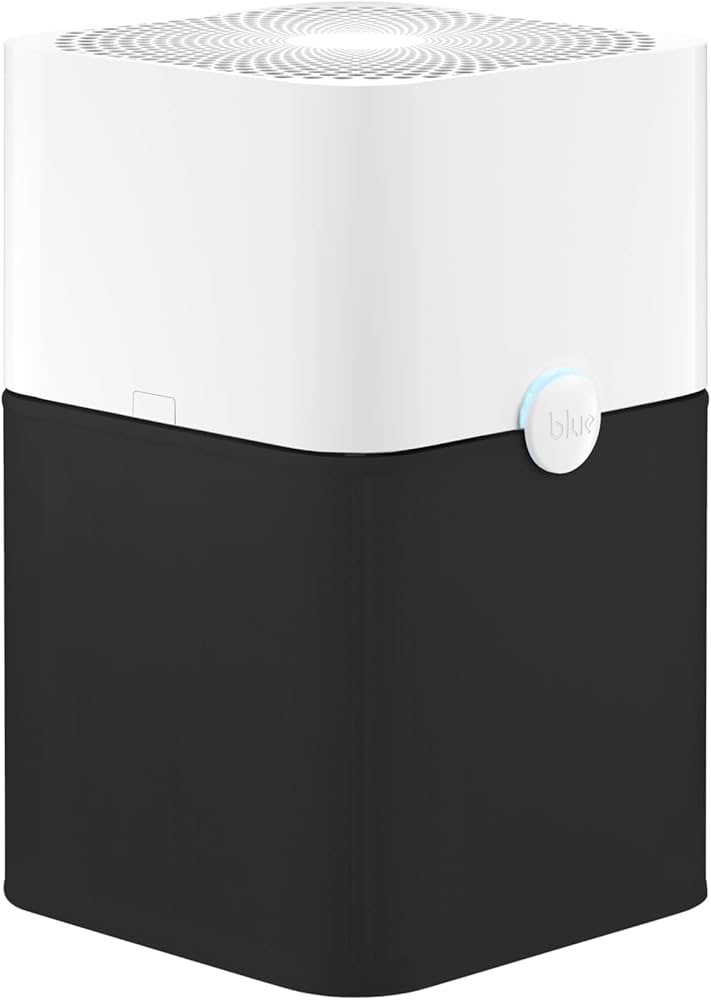
With a CADR of 350 CFM, this purifier is designed to turn over the air in a large living room or open-plan area up to 540 square feet about four times an hour. It uses an electrostatic filter that charges particles before catching them, and the simple three-button control is genuinely easy to use. The main compromise is the lack of an automatic air-quality sensor and the fact that replacement filters are not cheap.
Main limitation: There's no auto mode or air-quality indicator, so you must manually adjust speed based on room conditions.
Skip if: If you want a set-and-forget purifier with real-time feedback, look at the Coway or a smart model instead.
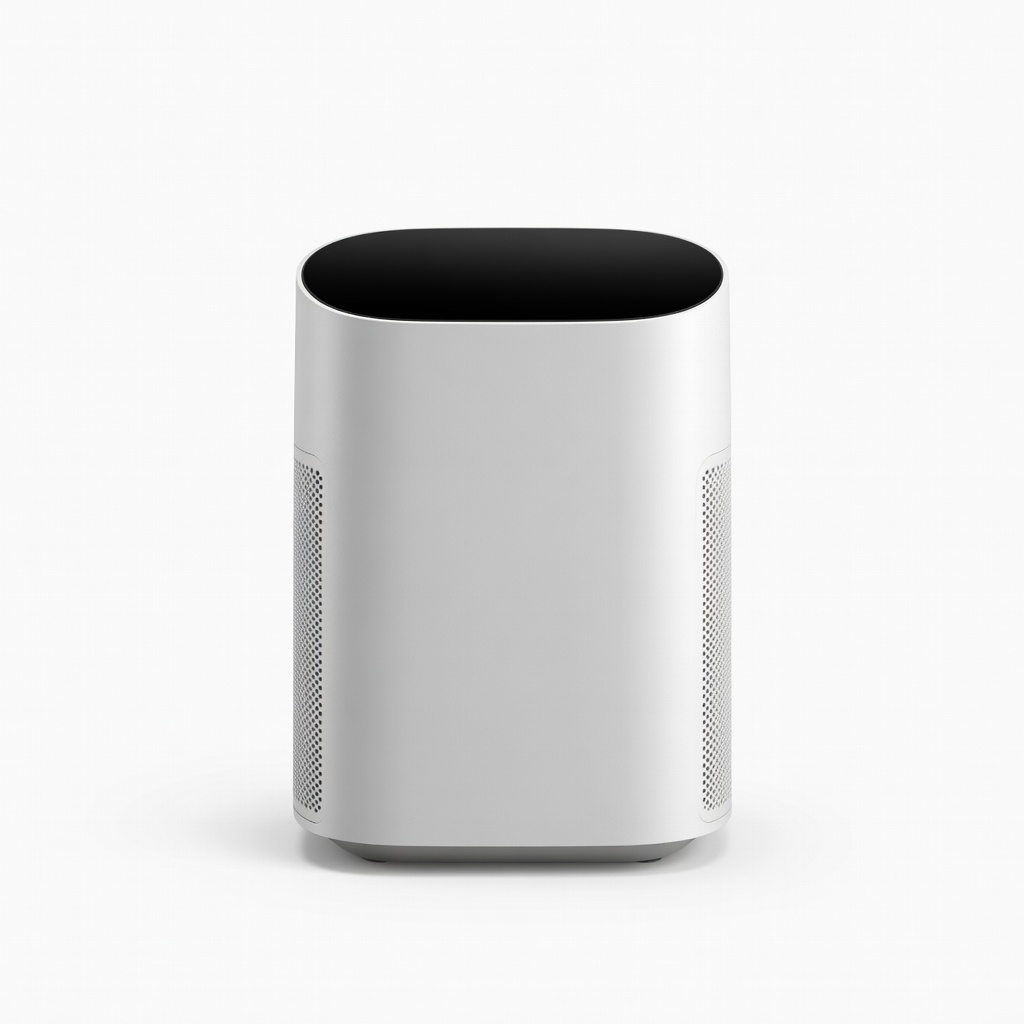
Beyond its true HEPA filter and solid CADR for medium rooms, the Core 400S stands out for its app-based monitoring and voice control with Alexa and Google Assistant. You can see real-time PM2.5 levels from your phone and set schedules. The trade-off is that the app and connectivity can feel redundant if you prefer a simpler device, and the long-term filter costs are moderate.
Main limitation: The smart features are helpful, but the plastic build and filter life indicator can be less polished than pricier rivals.
Skip if: If you don't care about app connectivity, you're paying extra for features you won't use—choose a simpler purifier.
This unit uses a true HEPA H13 filter and is advertised to clean areas up to 2,600 square feet in a single pass, making it a strong contender for whole-home allergy relief. It has dual intakes and a UV-C light option that can help neutralize microorganisms. The main downside is that the high output is loud on top speed, and the UV-C light adds little value for dust-mite and pet allergies.
Main limitation: At maximum fan speed it's noticeably loud, and the UV-C mode adds little value for dust-mite and pet allergies.
Skip if: If you need quiet overnight use in a bedroom, a smaller unit with a night mode will serve you better.
This sleek wall-mountable purifier features a BioGS HEPA filter that is designed to capture pet dander, while the activated carbon layer tackles odors. It includes an auto mode that adjusts flow based on particle levels and a washable pre-filter. The downside is the premium price, and the need for custom filter replacements can be costly over time.
Main limitation: It's one of the pricier purifiers in its class, and replacement filters are expensive.
Skip if: If you don't have pets and don't need wall mounting, you can get comparable performance for less.
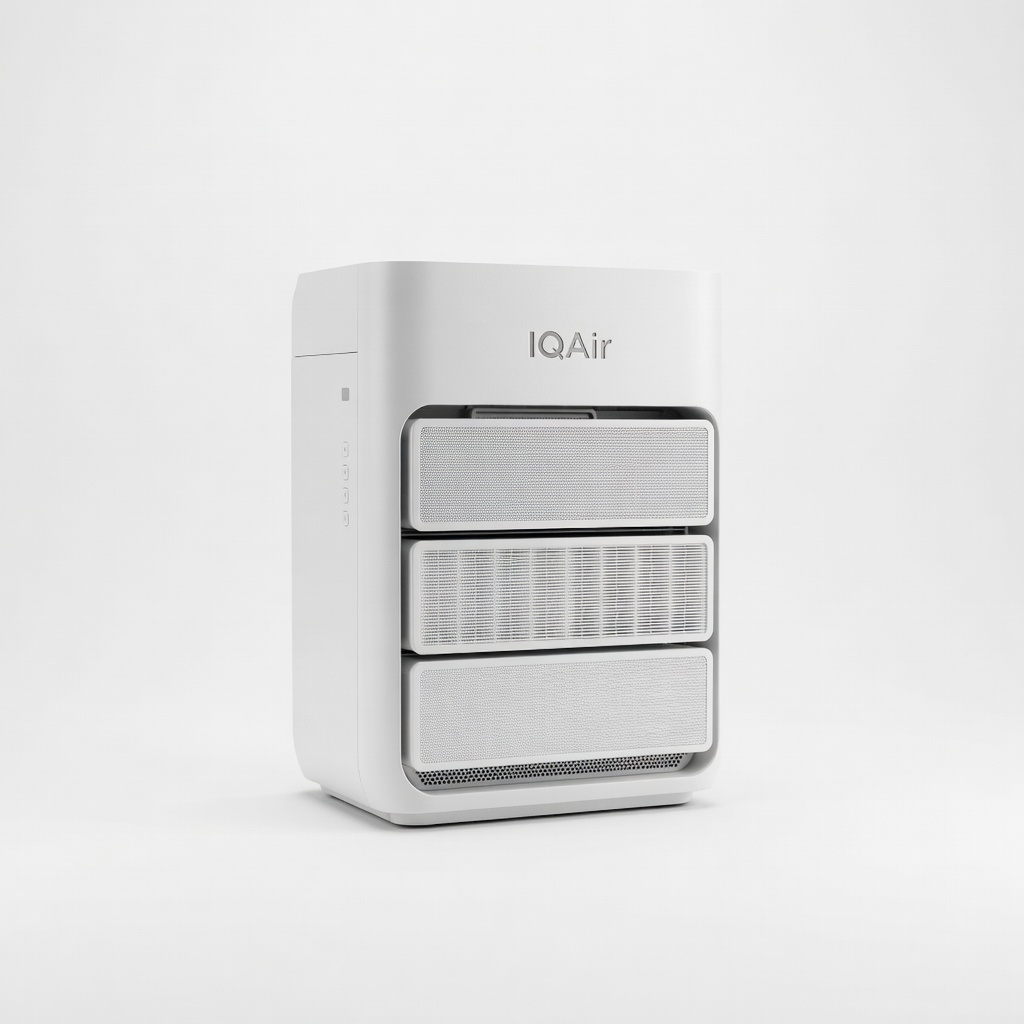
This Swiss-made medical-grade purifier combines HyperHEPA filtration with a deep bed of activated carbon, making it effective against ultrafine particles, allergens, VOCs, and smoke. It has one of the highest total clean-air outputs for its footprint and is a trusted choice for allergy and asthma sufferers. Its drawbacks are a very high purchase price, large filter replacements, and a fan that's not the quietest on low.
Main limitation: Expensive upfront and costly to maintain; the bulky design won't suit every living room.
Skip if: If you just need seasonal pollen relief or you're on a moderate budget, a smaller Coway or Blueair will do the job.
Compare key specs and features of all our recommendations side-by-side
| Product | Recommendation | Rating | Price |
|---|---|---|---|
Coway Airmega AP-1512HH Mighty Rank #1 | 🏆 Top Pick | 9.0/10 | $190–$250 Check current price → |
Winix 5500-2 Air Purifier with True HEPA Rank #2 | 💰 Budget Pick | 8.5/10 | $150–$180 Check current price → |
Blueair Blue Pure 211+ Rank #3 | ⭐ Editor's Choice | 8.5/10 | $230–$300 Check current price → |
Levoit Core 400S Smart Air Purifier Rank #4 | — | 8.0/10 | $160–$200 Check current price → |
Medify MA-112 Air Purifier Rank #5 | — | 8.0/10 | $250–$350 Check current price → |
Rabbit Air MinusA2 Rank #6 | — | 8.0/10 | $300–$450 Check current price → |
IQAir HealthPro Plus Rank #7 | — | 8.0/10 | $650–$850 Check current price → |
Common questions buyers have about this category.
Clean Air Delivery Rate measures the cubic feet of filtered air delivered per minute. Choose a purifier with a CADR at least two-thirds of your room's square footage; a higher CADR means faster cycling for allergy triggers.
Most manufacturers recommend replacing the HEPA filter every 6–12 months depending on usage. That said, if you run the unit 24/7, you may need to replace the pre-filter or clean it more frequently to protect the main filter.
True HEPA filters are the gold standard for trapping airborne particles like pollen, pet dander, and dust mites. Some electrostatic filters, like Blueair's, can also capture these particles effectively, but choose a model that clearly states HEPA or equivalent for best allergy control.
In general, ionizers that don't produce dangerous ozone levels are safe for home use and meet regulatory standards. However, if you have asthma, you may prefer a purifier without any ionization, since ionizers can emit trace amounts of ozone or produce charged particles that settle on surfaces.
No, an air purifier reduces airborne allergen concentrations, but it won't eliminate allergens already trapped in carpets, upholstery, or bedding. Use it alongside regular cleaning, washing bedding in hot water, and controlling humidity to see meaningful allergy relief.
Oversizing ensures faster air turnover and allows you to run the unit at lower, quieter speeds while still maintaining good airflow. But be mindful of operating cost and footprint; a unit designed for 600 square feet in a 200-square-foot room will work, just with more power and potential noise if you set it high.
UV-C can kill some bacteria and viruses on surfaces, but it is not effective at filtering out particles in a passing air stream. For allergies, you're far better off focusing on a high-quality HEPA filter and proper room size.
Products we evaluated but did not recommend — and why.
