Get the App
Better experience on mobile
The best air fryers for a family of four don't just have big baskets — they have reliable presets, even crisping, and easy cleanup.
The biggest mistake family-size air fryer shoppers make is choosing a bargain 3-quart basket that looks adequate but is too small to cook a full package of chicken thighs. A family of four needs at least 5.5 quarts of usable capacity, and ideally features like presets, even heat distribution, and dishwasher-safe parts.
Over the past few years, many manufacturers have shifted toward larger, smarter models that can roast a whole chicken, cook a double batch of fries, and even handle full meals thanks to dual baskets or toaster-oven formats. But not every big air fryer delivers the crunchy, evenly browned results you expect — some run hot in one corner and leave the rest pale.
We sorted through the market based on technical specs, published reviews, and long-term owner feedback to identify which air fryers actually hold up for families of four. We looked at capacity, footprint, cooking performance, preset usefulness, cleaning effort, and real-world price. Whether you want a budget-friendly workhorse, a dual-basket time-saver, or a premium model that doubles as a toaster oven, this guide covers the best options in 2026.
Our picks range from $70 to $350, so there's something for every kitchen and budget. Each recommendation includes a clear trade-off, because no single air fryer is perfect for every home — but these are the ones that repeatedly earn praise from owners and experts alike.
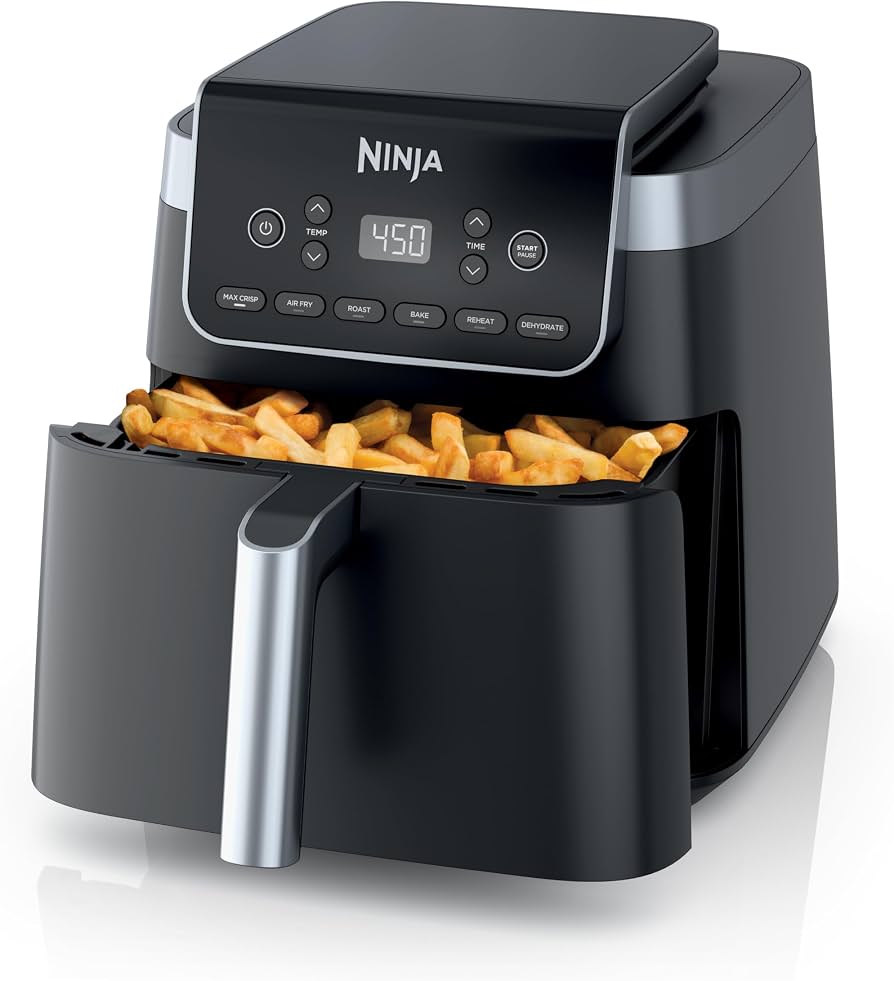
A versatile 6-in-1 cooker that crisps, roasts, broils, and dehydrates with 6.5 quarts of capacity — enough for a 4-pound chicken or a full tray of fries. It uses Cyclonic Air Technology for even browning, but its nonstick basket has a large footprint on the counter.
Main limitation: The square basket is bulky, and the nonstick finish can scratch if you use metal utensils.
Skip if: If you prefer a more compact, rounded basket design, this might take up more counter space than other 6-quart models.
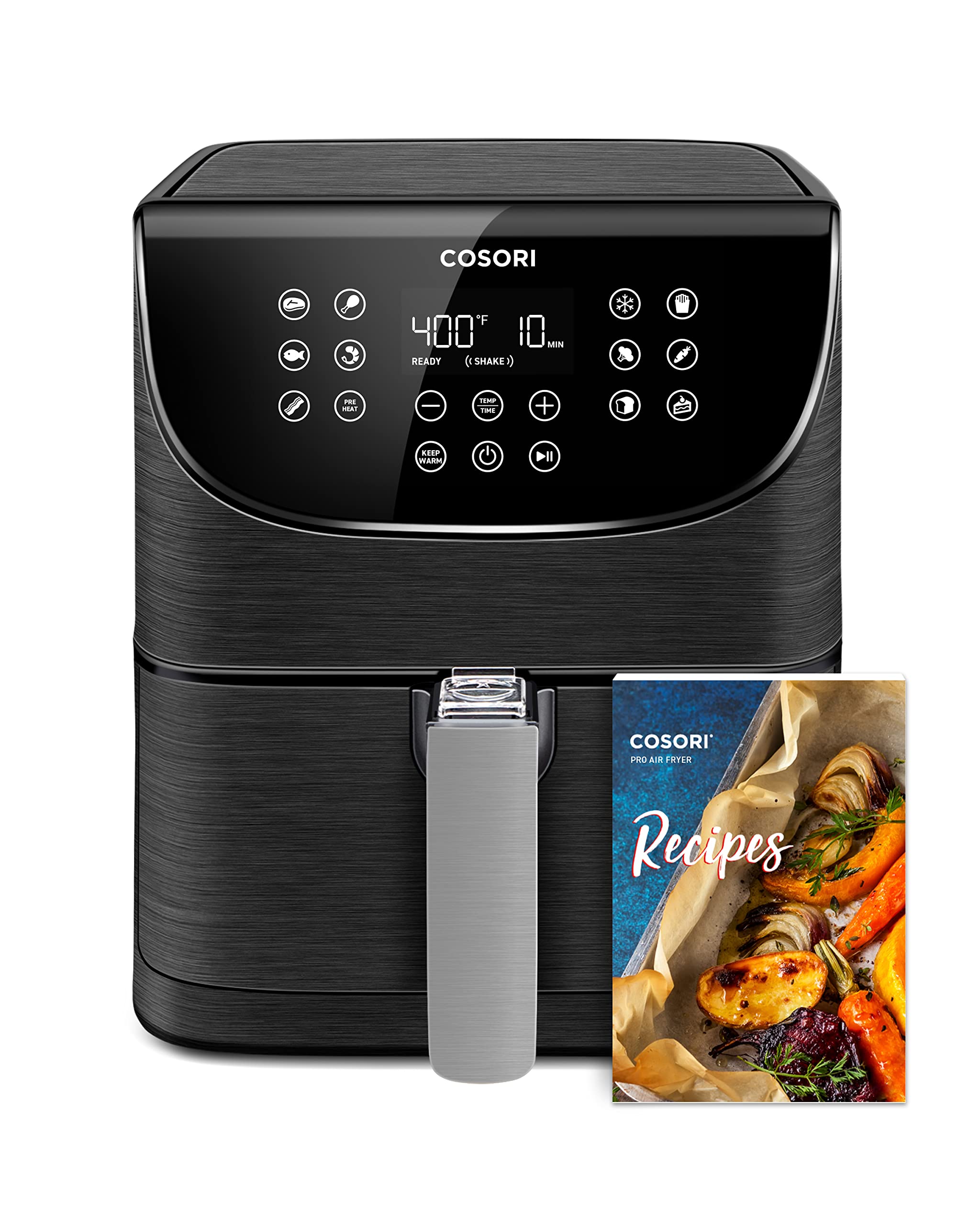
A budget-friendly 5.8-quart air fryer with 9 presets and a shake reminder, delivering crisp results for a family of four without the premium price. It preheats quickly and has a clear digital display, though the basket is a bit light-duty.
Main limitation: The outer shell is mostly plastic and the basket's nonstick coating may wear faster than higher-end models.
Skip if: If you plan to cook for more than four people regularly, the 5.8-quart capacity may feel tight.
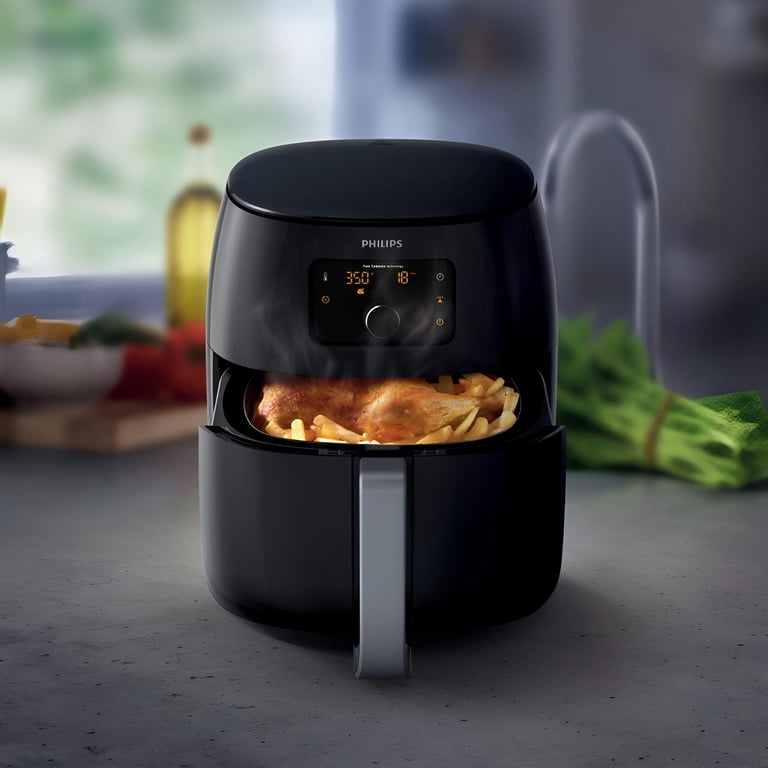
The XXL uses patented Fat Removal technology and a 7.3-quart basket for extra-crispy results with up to 90% less fat. The Smart Sensing adjusts cooking time and temperature automatically, and the basket is wide and easy to clean — but it's one of the priciest air fryers and has a dedicated air fryer only (no rotisserie).
Main limitation: High price tag, and some users find the digital menu overly complicated with too many options.
Skip if: If you only need a basic air fryer and don't want to spend over $200, skip this unless you prioritize extra-crispy texture.
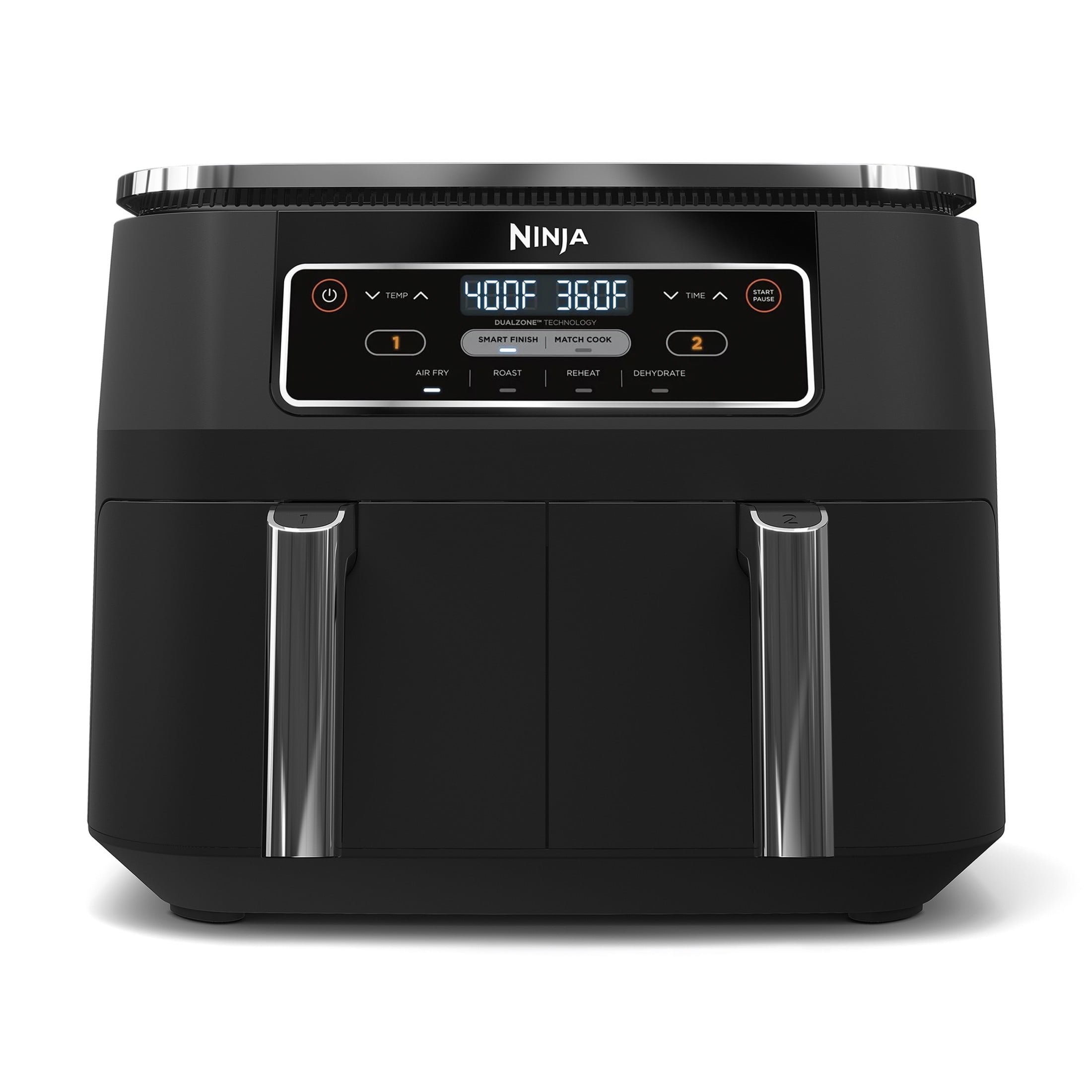
Two independent 4-quart baskets let you cook two foods at different times and temperatures simultaneously, syncing them to finish together. Smart matching system even lets you use both zones as one large one for bigger batches — though the baskets are heavy and take up more drawer space.
Main limitation: Heavier baskets and a bigger footprint than single-basket models, and both zones share a single heating element bank that can cause uneven cooking in one zone when full.
Skip if: If you rarely find yourself cooking two items at once, the extra complexity and bulk aren't worth the premium.
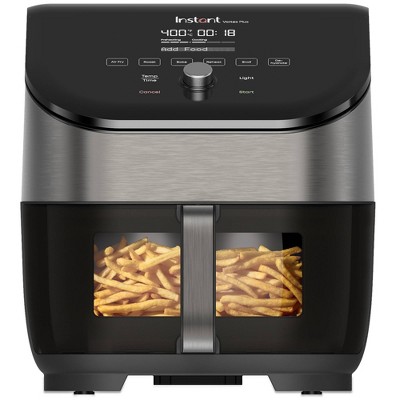
A five-in-one air fryer with a handy see-through window and a built-in probe for cooking. The bright interior and rotating display make it easier to see your food, but the cooking performance in oven mode is less even than basket-only fryers.
Main limitation: The interior light and window are nice but not essential, and the fan noise can get loud at high temps.
Skip if: If you prefer absolute quiet operation and don't need a viewing window, a more compact model will do.
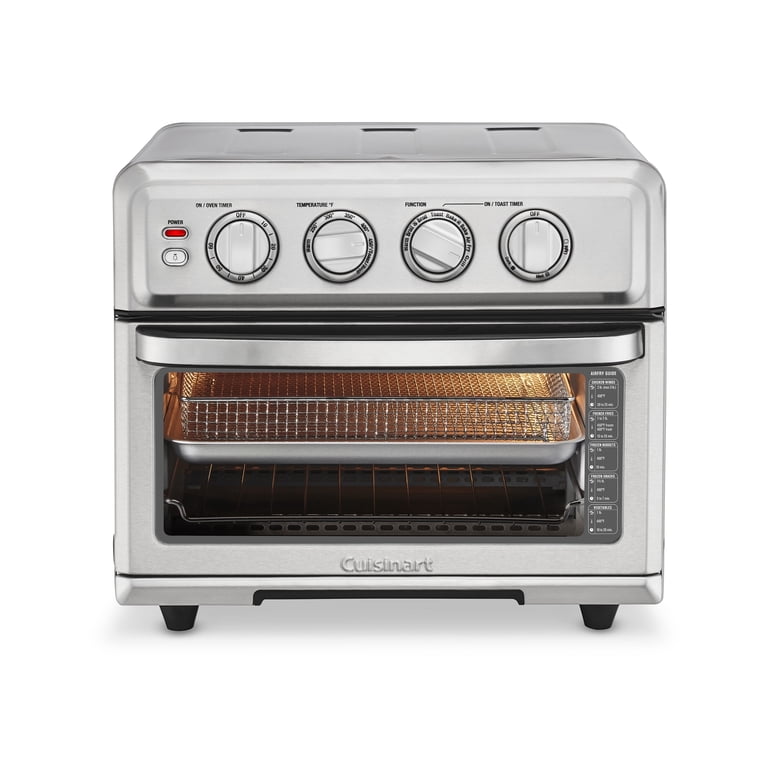
This 15.5-quart countertop oven air-fries, bakes, broils, toasts, and can dehydrate with a large 6-slice capacity. It's perfect for replacing your toaster oven and air fryer in one appliance, but it takes up significant countertop space and air frying requires a longer preheat than a basket-style fryer.
Main limitation: Large footprint, and the air-fry mode can't match the crispness of a dedicated basket fryer for high-moisture foods like wings.
Skip if: If you already have a full-size toaster oven and want a dedicated air fryer for speedy snacks, this combo is too big and slow.
Compare key specs and features of all our recommendations side-by-side
| Product | Recommendation | Rating | Price |
|---|---|---|---|
Ninja Foodi 6-in-1 6.5 QT Air Fryer Rank #1 | 🏆 Top Pick | 9.0/10 | $130–$160 Check current price → |
Cosori Pro LE 5.8 QT Air Fryer Rank #2 | 💰 Budget Pick | 8.0/10 | Around $70–$90 Check current price → |
Philips Premium Airfryer XXL HD9865 Rank #3 | ⭐ Editor's Choice | 8.5/10 | $300–$400 Check current price → |
Ninja Foodi DualZone 8 QT Air Fryer Rank #4 | — | 8.5/10 | $180–$230 Check current price → |
Instant Vortex Plus 6.5 QT Air Fryer Rank #5 | — | 8.0/10 | $120–$150 Check current price → |
Cuisinart TOA-70 AirFryer Toaster Oven Rank #6 | — | 8.0/10 | $250–$300 Check current price → |
Common questions buyers have about this category.
For a family of four, you'll want an air fryer with at least 5.5 to 6 quarts of capacity. That size can fit around 4 pounds of chicken wings or a 4-pound roast, which is enough for 4–6 servings. If you often cook whole chickens or batch-cook side dishes, consider a 7+ quart model.
Yes, you can use aluminum foil or parchment paper in an air fryer as long as they are placed in the basket and not covering the heating element or blocking airflow. Parchment paper with holes is best to promote even circulation. Always check the manufacturer's instructions for safe placement.
Unplug the air fryer and let it cool completely before cleaning. Most baskets and crisper plates are dishwasher-safe, but hand washing with warm soapy water and a non-abrasive sponge is gentler on the nonstick coating. Wipe the interior with a damp cloth to remove oil residue, and never submerge the base unit in water.
Yes, an air fryer is worth it if you want to cook crispy foods with less oil and shorter cooking times. For a family of four, a 5.5–6.5 quart model can prepare a full meal of protein and sides in one go, saving energy compared to a conventional oven and cutting calories by up to 75% compared to deep frying.
A dedicated air fryer uses a powerful, rapidly circulating fan to achieve a crispy, browned crust with minimal oil, and its enclosed basket speeds up cooking. A toaster oven air fryer (like the Cuisinart TOA-70) has a larger interior and often includes multiple heating elements, making it more versatile for baking and toasting, but it preheats slower and produces less consistent crisping on high-moisture foods.
You can cook a whole chicken in an air fryer if it fits and is under the weight limit (usually 4–5 pounds for a 6.5-quart basket). For a whole chicken, you'll typically roast at 350–375°F for about 50–60 minutes, or until internal temperature reaches 165°F. Larger capacity models like the Philips XXL make this easier.
Air fryers generally consume between 1400 and 1700 watts, which is less than a full-sized oven but comparable to a microwave on high. Because they heat up faster and cook faster, they use less energy overall than a conventional oven for the same job. Over a typical week of use, the cost difference is small, but a smaller household might save a few dollars a month versus using the oven.
Products we evaluated but did not recommend — and why.
