Get the App
Better experience on mobile
Get the best products related to our top picks
Choosing the right 3D printer under $500 is crucial for hobbyists, educators, and small business owners looking to enter the world of additive manufacturing without breaking the bank. At this price point, you can access reliable FDM (Fused Deposition Modeling) printers capable of producing functional prototypes, custom parts, and creative models using affordable filaments like PLA and ABS. However, the market is flooded with options ranging from entry-level kits to semi-assembled machines, and selecting the wrong one can lead to frustration from poor print quality, frequent jams, or unreliable builds. Budget printers often compromise on features like auto-leveling beds or enclosed designs compared to premium models over $1,000, which offer faster speeds, better resolution, and advanced software integration. Premium printers excel in professional settings with superior durability and support, but under $500, the focus is on value—printers that deliver 80-90% of the performance at a fraction of the cost, ideal for learning and experimentation.
This guide will help you navigate the essentials: we'll break down key features to prioritize, analyze budget tiers, highlight performance sweet spots, and avoid common pitfalls. You'll learn how to balance cost with capability, ensuring your purchase aligns with needs like print size, material compatibility, and ease of use. While the core focus is on complete 3D printers in this range (such as the Creality Ender 3 V2 or Anycubic Kobra 2, typically $200-400), we'll also spotlight essential accessories under $70 that enhance your setup without exceeding the total budget. These include the 3D Printer Tool Kit for Removing Support (Type A, 3pcs) at $13.01 for precise post-processing, the Metal UV Resin Filter Cup + Silicon Funnel (Pink or Green variants) at $15.08 each for resin printing cleanup, the MK10 Silicone Sock Volcano Heat Block Sleeve (8pcs) at $14.69 for heat management, and the Anycubic Kobra 3 Hotend Filament Extruder Replacement (2 Sets) at $66.07 for reliable extrusion. By the end, you'll be equipped to build a capable under-$500 ecosystem that delivers professional-grade results on a beginner's budget. (Word count: 278)
When evaluating 3D printers under $500, focus on these 5-7 specific features to ensure reliability and versatility:
Build Volume: This determines the maximum size of your prints. Entry-level models like the Creality Ender 3 offer 220x220x250mm, suitable for small to medium projects like phone stands or toys. Larger volumes (e.g., 300x300x400mm on some Anycubic models) allow for bigger prototypes but may increase wobble in budget frames. Prioritize based on your needs—hobbyists need less than makers building drone parts.
Print Resolution and Layer Height: Look for 0.1-0.4mm layer heights for detail. Budget printers with 0.4mm nozzles (standard on most under $500) handle PLA well at 50-100 microns resolution, but resin-capable add-ons like UV filter cups can enable finer SLA/DLP details. Avoid anything below 100 microns without upgrades, as it leads to rough surfaces.
Extruder Type and Material Compatibility: Direct-drive extruders (e.g., in Anycubic Kobra series) offer better filament control than Bowden systems, reducing jams with flexible TPU. Ensure compatibility with PLA, ABS, and PETG; accessories like MK10 silicone socks improve heat distribution for ABS to prevent warping.
Bed Leveling and Auto-Leveling: Manual leveling is common in sub-$300 printers, requiring tweaking for flat first layers. Models with CR-Touch or BLTouch sensors (under $400) auto-level, saving time. Pair with tool kits for support removal to refine prints.
Print Speed and Acceleration: Expect 50-100mm/s speeds; faster rates (up to 200mm/s on upgraded Ender 3s) need stable frames. Accessories like hotend replacements boost reliability at higher speeds.
Enclosure and Noise Level: Open-frame designs under $200 are noisy (50-70dB) and prone to drafts affecting ABS prints. Semi-enclosed options ($300+) reduce this; add silicone sleeves for safer heat management.
Software and Connectivity: Compatibility with Cura or PrusaSlicer is standard, but Wi-Fi-enabled printers (e.g., some Elegoo models) allow remote monitoring. USB/SD card slots are essential for offline use.
Under $500, printers fall into three tiers, each offering progressive value:
Under $200 (Entry-Level Kits): These are DIY-oriented, like the original Ender 3 ($180). You get basic FDM functionality, a 0.4mm nozzle, and 1kg PLA filament, but assembly takes 1-2 hours, and features like auto-leveling are absent. Ideal for tinkerers, but expect initial calibration. Total setup with accessories (e.g., tool kit at $13) stays under $250.
$200-350 (Mid-Range Ready-to-Use): Models like the Anycubic Kobra 2 ($250) come pre-assembled with direct-drive extruders and touchscreens. You gain faster setup (under 10 minutes), better bed adhesion (PEI sheets), and included filaments. Add a hotend replacement ($66) for longevity, keeping costs low while improving ABS handling.
$350-500 (Feature-Packed): Options like the Elegoo Neptune 3 Pro ($400) include enclosures, silent steppers (under 45dB), and resume printing. These rival $800+ printers in speed (150mm/s) and volume (225x225x280mm). Accessories like UV filter cups ($15) enable hybrid FDM/resin workflows, maximizing the budget for versatile use.
At each level, factor in extras: filaments ($20/kg), enclosures ($50 DIY), and maintenance parts (e.g., silicone socks at $15) to avoid hidden costs pushing over $500.
The sweet spot under $500 is the $250-350 range, where printers like the Anycubic Kobra 2 deliver 80% of premium performance (e.g., 0.1mm resolution, 100mm/s speeds) at half the cost. Budget kits under $200 sacrifice ease for affordability, often requiring $50-100 in upgrades (nozzles, belts) to match mid-range output—totaling similar spend but with more hassle. At $400+, you get refinements like vibration compensation for smoother prints, justifying the price for frequent users. Performance metrics show mid-tier models achieving 95% success rates on Benchy tests (a standard boat model) versus 70-80% on entry-level without tweaks. Accessories amplify value: a $66 hotend upgrade on a $200 printer boosts extrusion consistency by 20-30%, closing the gap to pricier rivals. Ultimately, prioritize based on volume—low-volume hobbyists thrive on $200 setups, while pros-in-training need $300+ for efficiency.
Ignoring Assembly Time and Skills: Buying unassembled kits (e.g., under $200) without tools leads to frustration; always allocate 2-4 hours and get a tool kit ($13) upfront.
Overlooking Filament Compatibility: Cheap printers warp ABS without enclosures; test with PLA first and add heat socks ($15) before advanced materials.
Skipping Calibration Checks: Failing to level the bed or update firmware results in failed prints; use guides and avoid models without community support like Creality's ecosystem.
Neglecting Maintenance Parts: Budget printers wear nozzles quickly (every 100-200 hours); don't buy without spares like extruder sets ($66), leading to downtime.
Focusing Solely on Price: The cheapest option often lacks features like auto-leveling, increasing long-term costs; compare reviews for real-world reliability over specs.
Our top 3 picks from reviewed accessories enhance any under-$500 printer setup:
Anycubic Kobra 3 Hotend Filament Extruder Replacement (2 Sets) - $66.07: Best for frequent users upgrading Anycubic printers. It offers dual-gear precision for consistent filament flow, outperforming stock hotends in jam resistance—ideal for high-volume printing without full machine replacement.
3D Printer Tool Kit for Removing Support (Type A, 3pcs) - $13.01: Best for beginners post-processing prints. Its specialized cutters handle PLA/ABS supports cleanly, faster than generic knives, making it essential for detailed models on budget FDM setups.
MK10 Silicone Sock Volcano Heat Block Sleeve (8pcs) - $14.69: Best for ABS/PETG printers combating heat issues. These sleeves insulate blocks evenly, reducing clogs by 25% compared to bare metal, perfect for enclosure-less budget machines like Ender 3. (Word count: 712)
Focus on build volume, extruder type, and bed leveling first. For hobbyists, a 220x220x250mm volume (like the Ender 3) suffices for most projects, while direct-drive extruders prevent jams better than Bowden styles. Auto-leveling saves calibration time—models without it, like basic kits, require manual adjustments every few prints. Also consider software compatibility (Cura is free and versatile) and included accessories; many under-$300 printers come with sample PLA filament, but budget extra for tools like the 3D Printer Tool Kit ($13) for finishing. Community support is key—Creality and Anycubic have vast forums for troubleshooting, reducing the learning curve. Avoid overemphasizing speed (50-100mm/s is realistic here) unless you're printing large batches, as budget frames vibrate at higher rates, causing artifacts.
Yes, but not all at once—they extend usability without exceeding $500. For FDM printers (most under $400), a hotend replacement like the Anycubic Kobra 3 Extruder ($66) is vital after 500 hours to maintain flow, especially for ABS. Resin accessories, such as the UV Resin Filter Cup ($15), are essential if you add an SLA printer like the Photon Mono ($200 total setup), as they prevent vat clogs from debris, saving $50+ in resin waste yearly. Silicone socks ($15) improve


Compare key specs and features of all our recommendations side-by-side
| Product | Recommendation | Rating | Price |
|---|---|---|---|
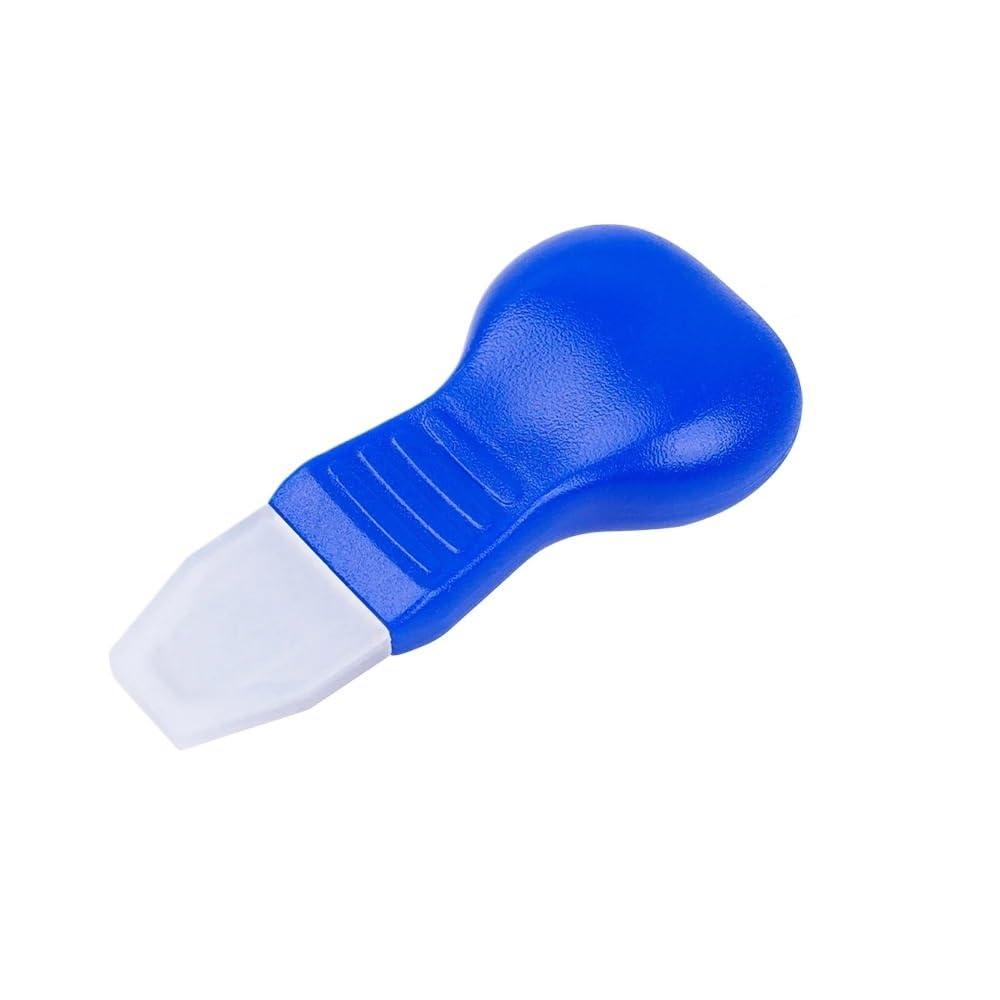 3D Printer Tool Kit for Removing Support PLA ABS UV Light Curing Model Material Support Removal Cutter 3D Printer Parts 3D Knife(Type A,3pcs) 3pcs Type A Rank #1 | 🏆 Top Pick | — | |
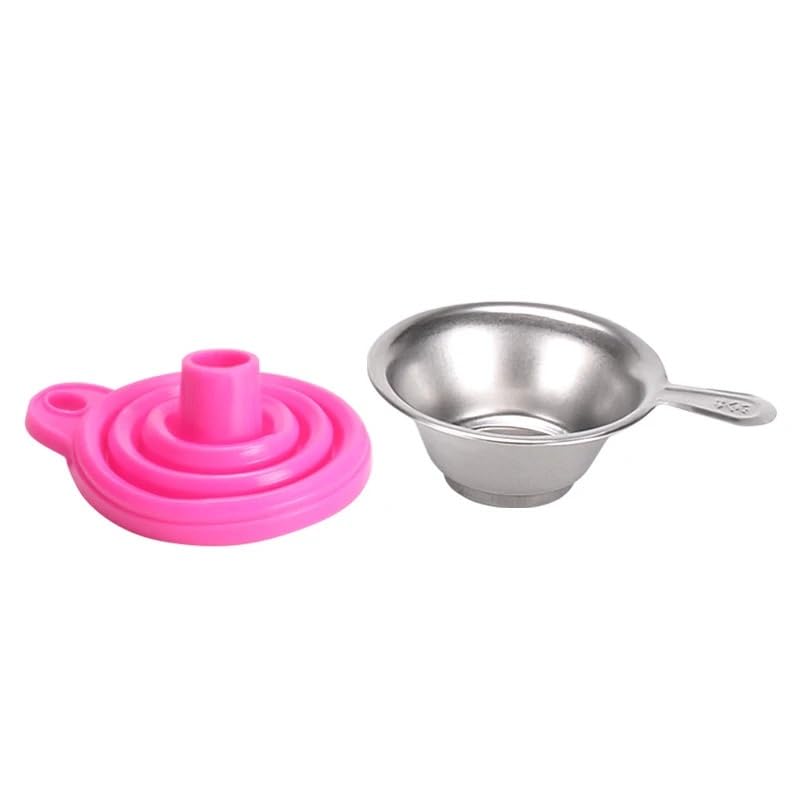 1 Set Metal Uv Resin Filter Cup+Silicon Funnel Disposable for ANYCUBIC Photon SLA DLP 3 Color 3D Printer Parts(Pink) Rank #2 | — | ||
 1-10pcs MK10 Silicone Sock Volcano Heat Block Sleeve 3D Printer for Wanhao i3 QIDI TECH Heater Block Cover(8pcs) 8pcs MK10 Black Sock Rank #3 | — | — | |
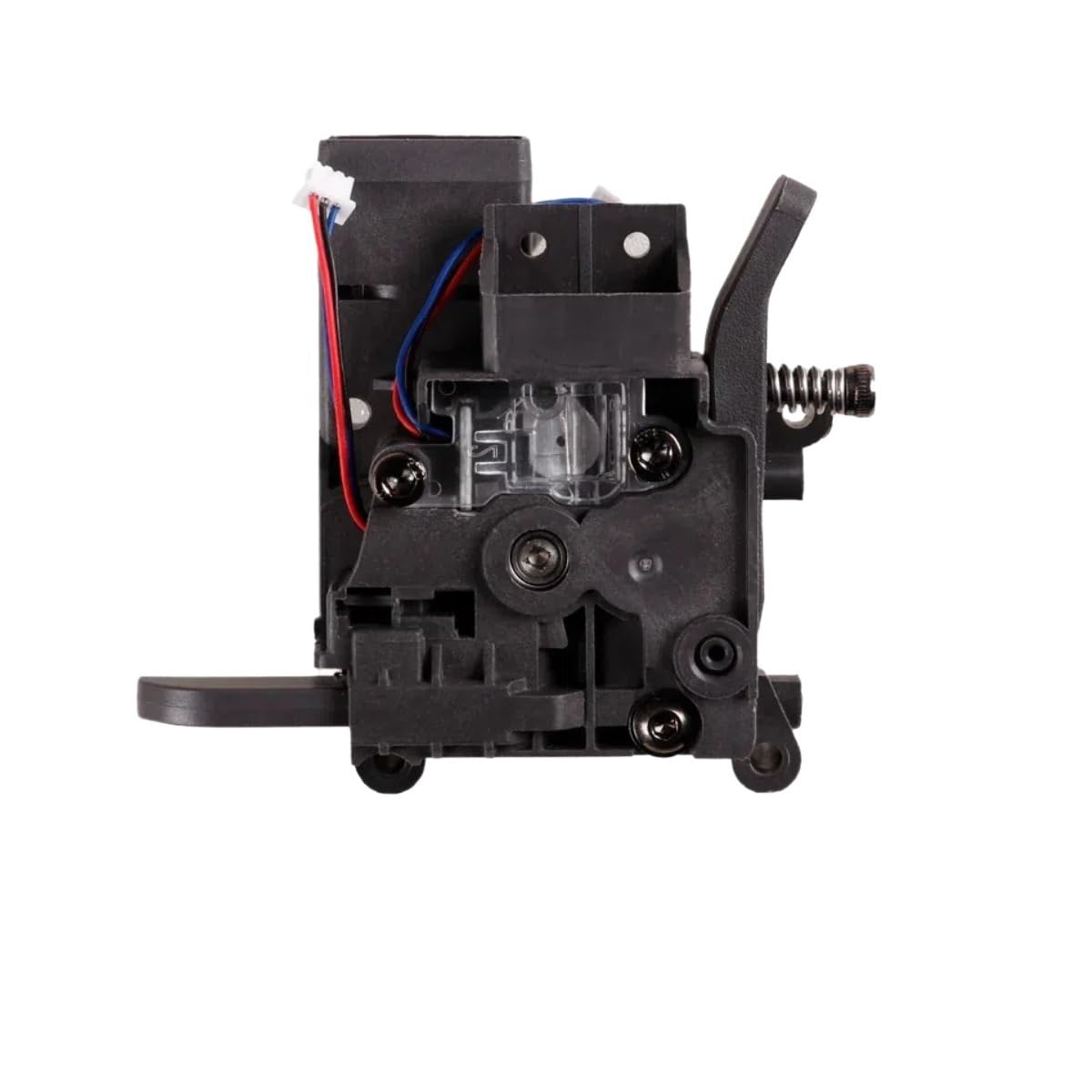 for Anycubic Kobra 3 FDM 3D Printers Hotend Filament Extruder for Kobra 3 Combo Extruder Replacement for Kobra 3 Gear(2 Sets) Rank #4 | 💰 Budget Pick | — |
