Get the App
Better experience on mobile
Top gaming monitors delivering equal or superior performance, features, and value at lower prices or with unique advantages over the pricey Samsung Odyssey.
Users seek alternatives to the Samsung Odyssey gaming monitors—particularly popular models like the 49-inch G9 series priced around $999—due to steep costs, limited availability during sales, OLED burn-in risks despite mitigations, and preferences for different curvatures, panel types, or ecosystems. Competitors often match the super ultrawide immersion and high refresh rates while offering better warranties, dual-mode flexibility, or superior color accuracy at similar or reduced prices. Ecosystem lock-in, like Samsung's Tizen smart features, also pushes gamers toward pure gaming-focused rivals.
Key considerations include panel technology (QD-OLED for infinite contrast vs. IPS for clarity or VA for value), refresh rate (144-360Hz), response time (0.03-1ms), HDR peak brightness (1000+ nits), resolution support, connectivity (HDMI 2.1, DP 2.1 for 4K/240Hz), curve radius (1000-1800R), ergonomics, and burn-in warranties (3+ years ideal). Budget, desk space, GPU power (RTX 40-series+ for ultrawide OLED), and use case—esports, immersion, console, or hybrid productivity—matter most.
This guide highlights top picks across budgets: budget beasts like the KTC G49P under $600 for entry-level ultrawide thrills; overall champ ASUS PG49WCD for feature-packed parity; premium Philips with extras. Smaller 4K options like MSI excel for clarity, while Sony suits consoles. Ideal for casual gamers (budget), enthusiasts (overall/premium), esports pros (high-Hz), and console owners.
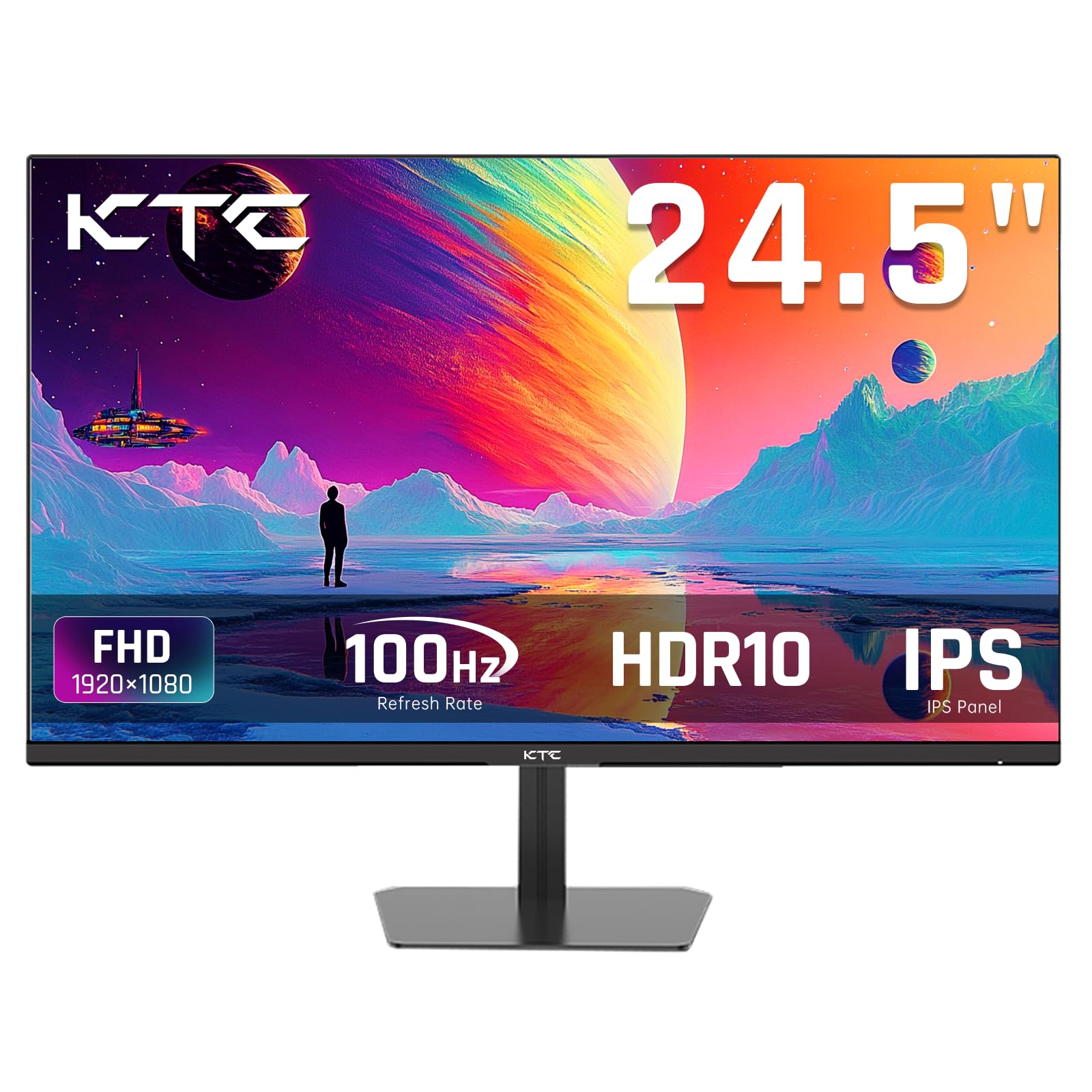
KTC G49P offers a massive 49-inch VA panel at 5120x1440 resolution, 144Hz refresh, 1ms MPRT response, 3,500:1 contrast, 95% DCI-P3, VESA DisplayHDR 1000 (1000 nits peaks), and aggressive 1000R curve. Includes FreeSync Premium Pro, speakers, KVM, USB hub, and ports like HDMI 2.1/DP 1.4. Main advantages over Odyssey: drastically lower price with solid gaming performance, deep blacks for VA, low input lag, and easy setup—no burn-in worries. It excels in dark scenes and value, per Amazon/Reddit reviews praising bang-for-buck immersion in sim racing/FPS. Trade-offs: no OLED per-pixel lighting (weaker HDR highlights), average brightness in SDR (~350 nits), and lesser brand polish/support. Best for budget-conscious gamers entering super ultrawide without $1000+ spend. Approx. $570.
Key Difference: Provides Odyssey-like super ultrawide scale and curve at half the price with strong VA contrast.
Price: $430 cheaper
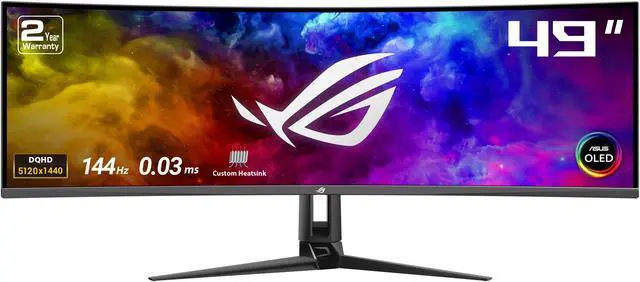
The ASUS ROG Swift OLED PG49WCD is a 49-inch super ultrawide QD-OLED gaming monitor with 5120x1440 resolution at 240Hz (or dual-mode 5120x2160 at 144Hz for 'dual 4K'), 0.03ms GtG response, 99% DCI-P3 coverage, DisplayHDR True Black 400 with 1000+ nits peaks, and 1800R curve. It features G-Sync Ultimate, ASUS OLED Care (anti-burn-in), ROG lighting, KVM switch, USB hub, and comprehensive ports (HDMI 2.1, DP 1.4). Advantages over Samsung Odyssey G9 include versatile dual-mode for productivity/gaming flexibility, superior uniformity, and stronger NVIDIA ecosystem integration. It matches OLED blacks and speed but adds better text clarity tweaks and 3-year burn-in warranty. Trade-offs: slightly pricier and curve may cause distortion for some. Best for immersive PC gamers wanting the closest Odyssey match with extras. Approx. $1,300.
Key Difference: Unique dual-mode resolution switches between ultrawide 240Hz and 4K 144Hz for unmatched versatility.
Price: $300 more expensive
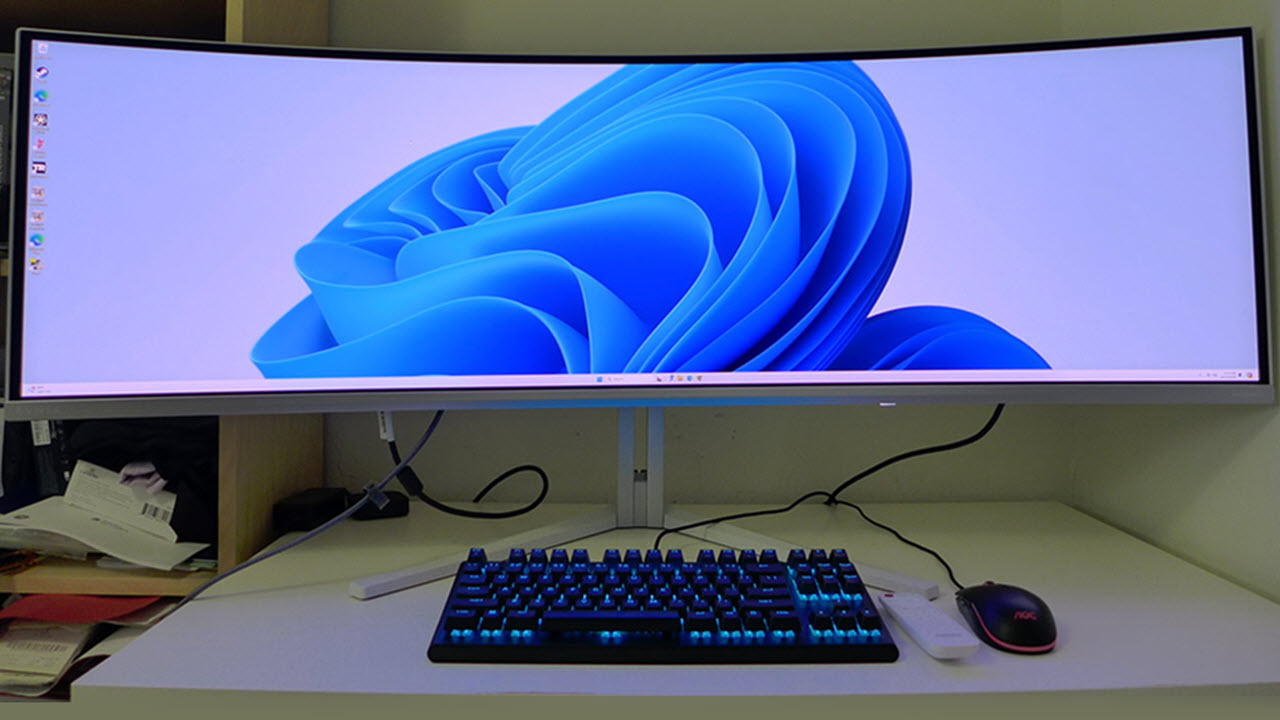
Philips Evnia 49M2C8900 is a luxury 49-inch QD-OLED with 5120x1440 at 240Hz, 0.03ms GtG, 99% DCI-P3, 1400 nits HDR peaks, 1800R curve, and unique Ambiglow RGB lighting that syncs with on-screen action. Supports HDMI 2.1 (48Gbps), DP 1.4, USB-C 90W PD, KVM, and 3-year burn-in warranty. Beats Odyssey in immersive extras like dynamic backlighting for room ambiance, brighter sustained HDR, and multitasking tools. Expert reviews (RTINGS, TFTCentral) note excellent motion, low fringing post-firmware, and cinema-grade colors. Trade-offs: higher cost, OLED text issues for heavy desktop use, and power draw. Best for premium enthusiasts craving showpiece immersion with smart lighting. Approx. $1,400.
Key Difference: Integrated Ambiglow RGB lighting creates immersive room-sync effects beyond pure display performance.
Price: $400 more expensive
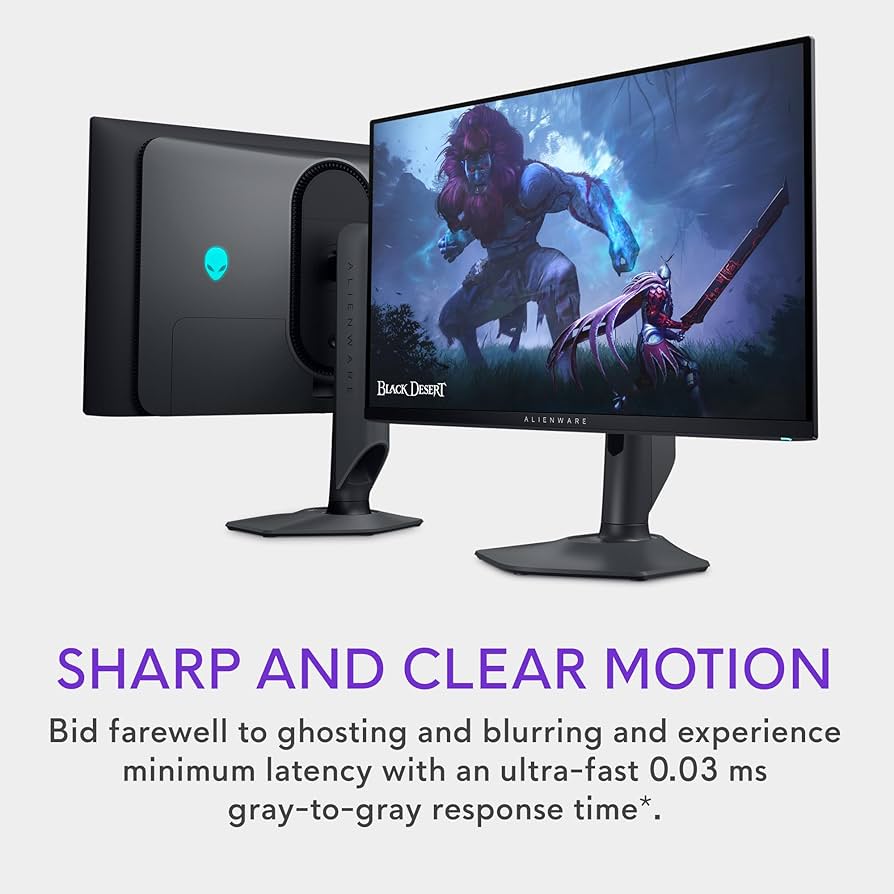
Dell Alienware AW2725DF is a 26.7-inch QD-OLED esports beast at 2560x1440, blistering 360Hz refresh, 0.03ms response, Dolby Vision HDR (1000 nits peaks), 99.3% DCI-P3, and flat panel with AlienFX lighting. Features G-Sync, Console Mode, 3-year burn-in warranty, HDMI 2.1, DP 1.4. Outshines Odyssey for pros with insane frame rates for twitch shooters (CS2, Valorant), clearer motion than 240Hz ultrawides, compact size for focus. Tom's Hardware/RTINGS praise zero blur, low lag (~3ms), and pixel-perfect clarity. Trade-offs: smaller/no curve reduces immersion, needs beefy GPU for 360Hz. Best for esports competitors prioritizing speed over size. Approx. $900.
Key Difference: 360Hz refresh rate crushes for ultra-competitive play where every millisecond counts.
Price: Similar price
Sony INZONE M9 is a 27-inch 4K IPS Mini-LED monitor with 144Hz, 1ms GtG, full-array local dimming (96 zones), 1000 nits peaks, 95% DCI-P3, and HDMI 2.1 x2 for 120Hz VRR on PS5/Xbox. Includes Auto HDR Tone Mapping, low-latency Game Mode, USB hub, and 2-year warranty. Superior to Odyssey for consoles via PS5-optimized features, brighter SDR/HDR for living rooms, no burn-in risk. Reviews (IGN, Digital Foundry) highlight seamless 4K/120Hz, vivid colors, and controller-friendly OSD. Trade-offs: smaller size, no OLED contrast depth, lower refresh for PC esports. Best for PS5/Xbox gamers wanting plug-and-play excellence. Approx. $900.
Key Difference: PS5-specific optimizations like Auto Tone Mapping deliver perfect console HDR out of the box.
Price: Similar price
MSI MPG 321URX QD-OLED packs a 32-inch 4K (3840x2160) panel at 240Hz, 0.03ms GtG, 99% DCI-P3, 1000 nits HDR peaks, flat design, G-Sync/FreeSync, HDMI 2.1, USB-C 90W, and 3-year burn-in coverage. Edges Odyssey in pixel-perfect sharpness for single-player titles, desktop use, and future-proofing; RTINGS rates it top gaming monitor for color/motion. Advantages: cheaper, better text rendering (less fringing), compact for desks. Trade-offs: smaller scale lacks ultrawide FOV, VA-like curve absent. Best for 4K enthusiasts balancing gaming/productivity. Approx. $900.
Key Difference: Native 4K resolution offers sharper details and higher density than Odyssey's stretched ultrawide.
Price: $100 cheaper
LG 49WQ95C-W is a 49-inch Nano IPS flat super ultrawide at 5120x1440 144Hz, 5ms GtG (1ms MBR), 98% DCI-P3, 400 nits HDR400, USB-C 90W, 4x HDMI/DP, speakers, and 3-year warranty. Stands out from Odyssey with burn-in-free reliability, superior motion clarity/text sharpness, accurate colors for creative work. Pros praise hybrid use (Photoshop + gaming), wide viewing angles. Trade-offs: lower contrast (1000:1), no deep OLED blacks, milder curve (none). Best for productivity pros needing ultrawide multitasking + casual gaming. Approx. $1,100.
Key Difference: IPS panel eliminates burn-in risks while excelling in color accuracy and text for hybrid workflows.
Price: $100 more expensive
Compare key specs and features of all our recommendations side-by-side
| Product | Recommendation | Rating | Price |
|---|---|---|---|
ASUS ROG Swift OLED PG49WCD Rank #1 | — | — | Check price → |
KTC G49P Rank #2 | 💰 Budget Pick | — | Check price → |
Philips Evnia 49M2C8900 is a luxury Rank #3 | — | — | Check price → |
Dell Alienware AW2725DF is a 26.7-inch Rank #4 | — | — | Check price → |
Sony INZONE M9 Rank #5 | — | — | — |
MSI MPG 321URX QD-OLED Rank #6 | — | — | — |
LG 49WQ95C-W Rank #7 | — | — | — |
