Get the App
Better experience on mobile
Achieve stunning art-mode aesthetics, superior picture quality, and massive savings with frame-like TVs and high-performance alternatives that outperform the Samsung Frame.
The Samsung Frame TV revolutionized lifestyle TVs with its picture-frame design, customizable bezels, matte anti-glare screen, and Art Mode featuring a vast library of digital artwork. However, at $1,299 for the 55-inch model, its premium pricing, Tizen OS ecosystem limitations, ongoing Art Store subscription costs ($5/month), and solid-but-not-class-leading QLED performance drive users to seek alternatives. Availability issues for bezel kits and better value from competitors also play a role.
Key considerations for alternatives include frame-like aesthetics and art mode quality, display tech (OLED for perfect blacks, Mini-LED for brightness), smart platforms (Google TV, webOS, Roku), HDR support, refresh rates (60Hz vs 120/144Hz for gaming), sound quality, and wall-mount compatibility. Prioritize matte screens for art viewing and high nits for bright rooms.
Top picks range from direct frame competitors like Hisense CanvasTV (best overall value) and TCL NXTFRAME (budget art TV) to performance beasts like Mini-LEDs from TCL/Hisense and premium OLEDs from LG/Sony. Budget options suit casual art enthusiasts, gaming picks excel in responsiveness, bright-room TVs handle glare, and premium models deliver cinema-grade visuals—perfect for different needs and wallets.
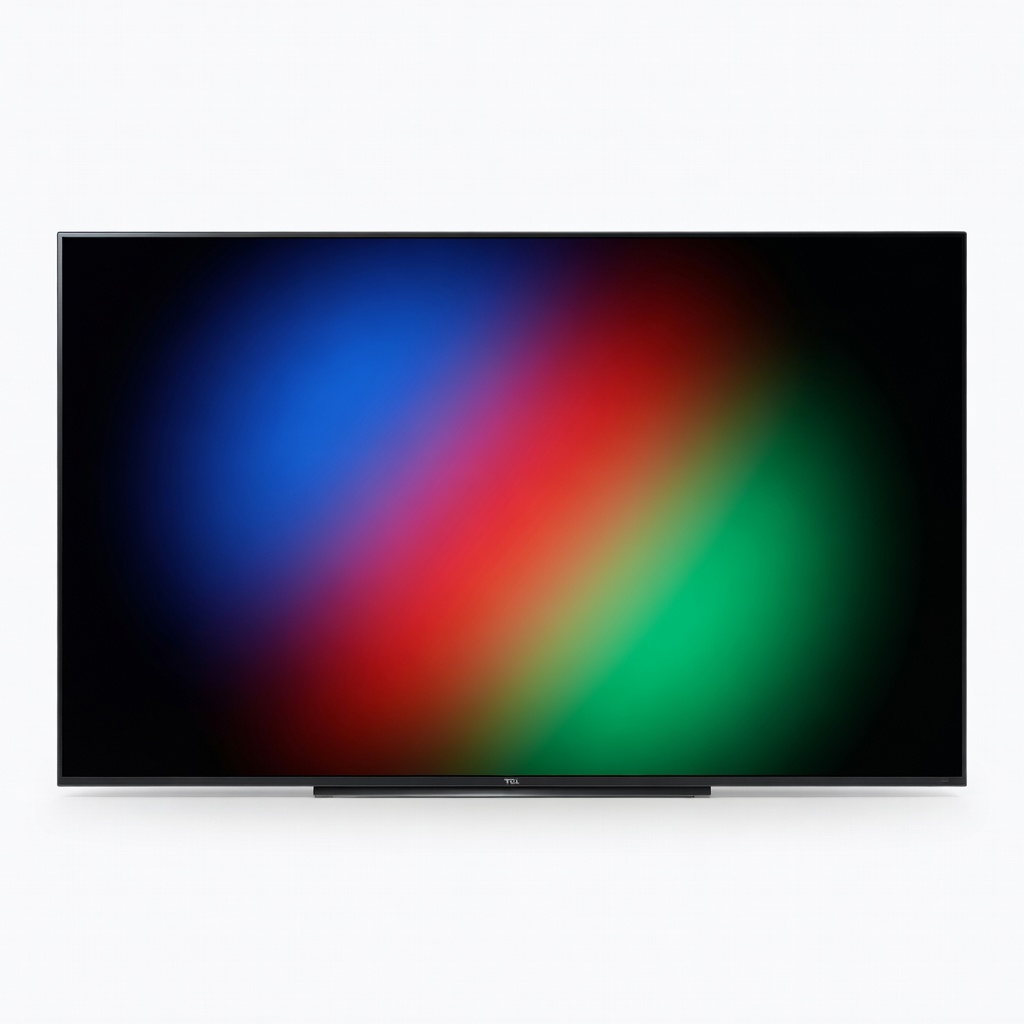
TCL's 55-inch NXTFRAME mirrors the Frame TV's design with a super-slim profile, magnetic customizable bezels (sold separately but affordable), ultra-matte anti-reflection screen, and dedicated Art Mode with thousands of free images via Google TV. Powered by QD-Mini LED backlight with up to 500 dimming zones, it hits 1,000 nits peak brightness for vivid 4K HDR (Dolby Vision), outperforming Frame's standard QLED in contrast and black levels. Key wins: Half the price, faster Google TV interface, 120Hz refresh for sports/gaming, and built-in voice control. It handles bright rooms better and supports AirPlay 2. Limitations: Art library smaller than Samsung's (but free), average audio (2.1ch), and bezels not as premium-feeling. Ideal for budget-conscious users prioritizing frame-like style with modern performance. Price range: $850-$950.
Key Difference: QD-Mini LED delivers deeper blacks and higher brightness than the Frame's basic QLED at a fraction of the cost.
Price: $400 cheaper
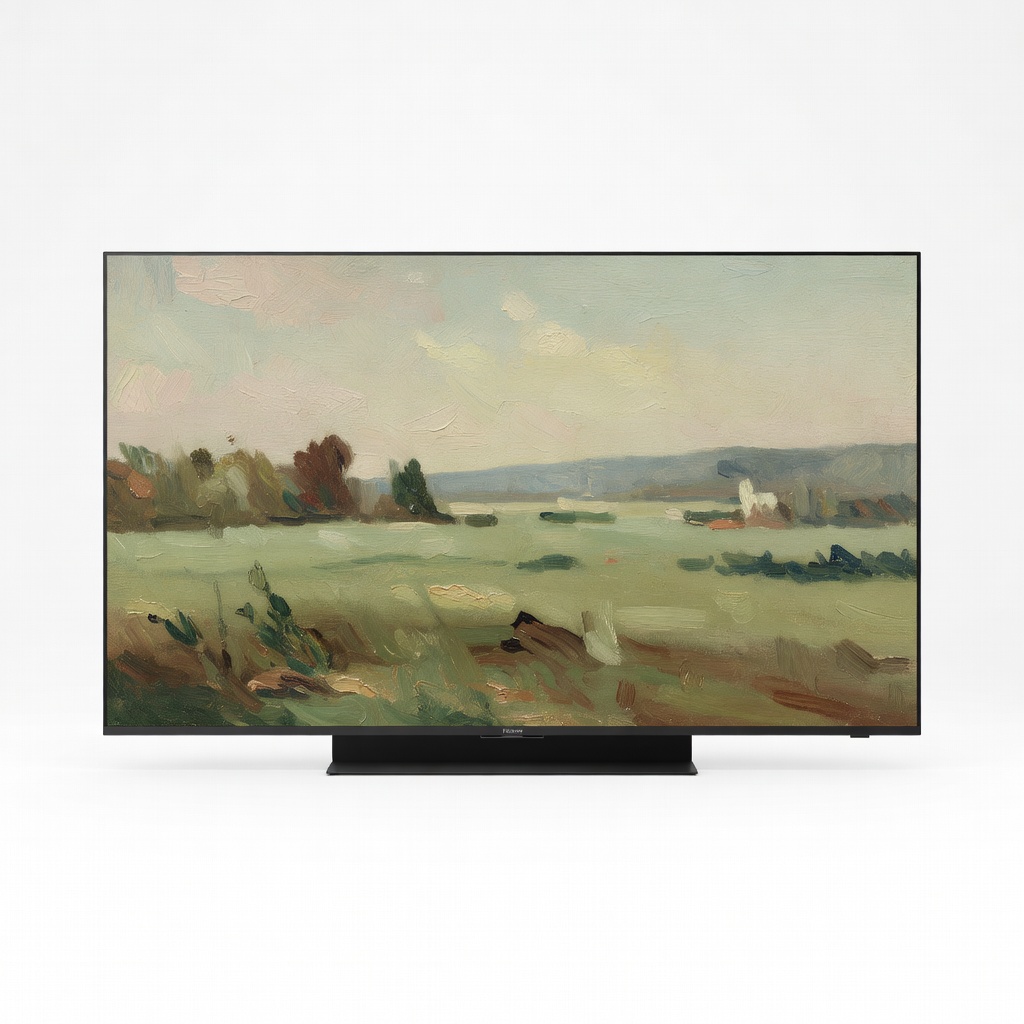
The Hisense 55-inch CanvasTV is a direct Frame rival with a flush-wall mount, swappable wooden bezels (included), matte anti-glare screen, and Google TV platform loaded with free art from museums like the Louvre—no subscription needed. It features QLED Quantum Dot tech for vibrant 4K HDR colors (Dolby Vision IQ), 700 nits brightness, and a slim 1.4-inch depth for art-like display. Advantages over Samsung Frame include lower price, superior smart features with hands-free Google Assistant, better app ecosystem, and included frame options without extras. It delivers punchier contrast via full-array local dimming and smoother motion with 120Hz processing. Trade-offs: Slightly thicker bezels and average built-in sound (4.1ch 40W, pair with soundbar); no 144Hz gaming. Best for art lovers wanting Frame aesthetics at better value without subscriptions. Price range: $900-$1,000.
Key Difference: Offers free lifetime art access and included customizable bezels, unlike Samsung's paid subscriptions and add-ons.
Price: $300 cheaper
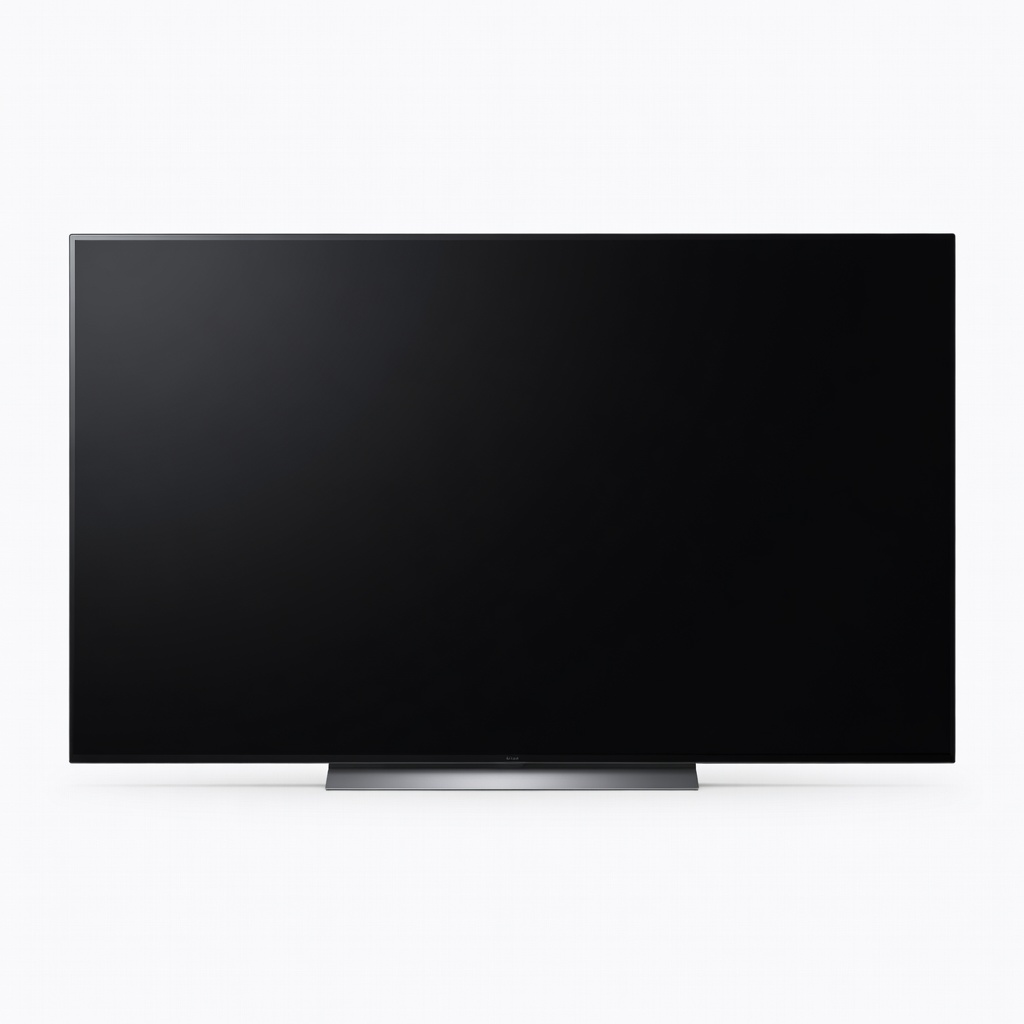
LG's 55-inch OLED evo G4 elevates beyond Frame with perfect black levels, infinite contrast, and self-lit pixels for stunning 4K HDR (Dolby Vision), plus a 'Gallery Mode' that displays art flawlessly against its razor-thin bezels and zero-gap wall mount. Brightness reaches 1,500 nits with MLA tech, far surpassing Frame's 500-700 nits. Advantages: WebOS 24 smart platform (thinner, faster than Tizen), 144Hz gaming with NVIDIA G-Sync/VRR/DLG, AI picture/sound upscaling, and Four HDMI 2.1 ports. It excels in dark rooms for movies and supports infinite art apps. Trade-offs: Higher price, risk of burn-in (mitigated by features), no physical frame bezels (but gallery design mimics art). Perfect for cinephiles and gamers wanting OLED perfection over Frame gimmick. Price range: $2,200-$2,400.
Key Difference: OLED technology provides true blacks and wider viewing angles, making art and movies look gallery-worthy unlike QLED.
Price: $1,000 more expensive
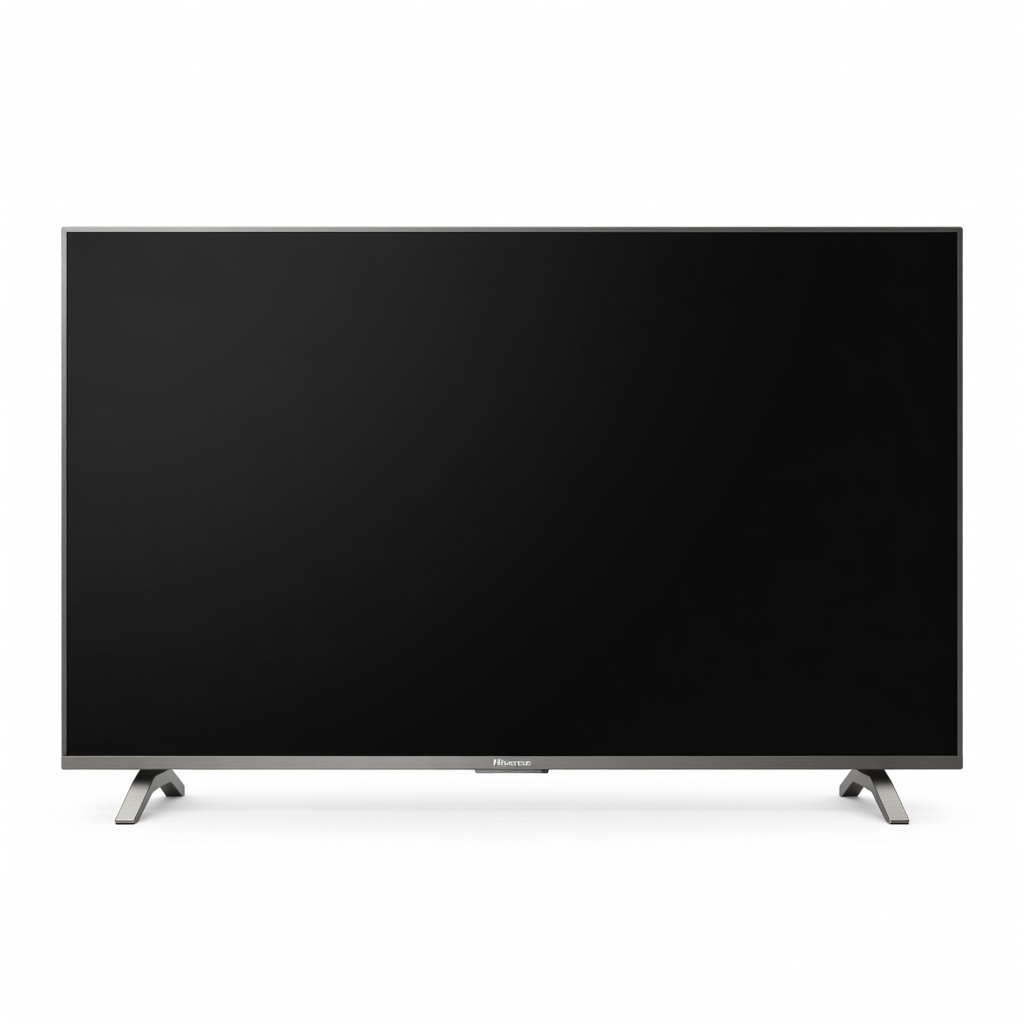
The Hisense 55-inch U8N Mini-LED crushes Frame for gamers with 3,000+ nits peak brightness, 1,600 dimming zones for pinpoint contrast, 144Hz native refresh, VRR/ALLM/FreeSync Premium Pro, and four HDMI 2.1 ports. Google TV offers smooth navigation, Dolby Vision Gaming, and low 9.5ms input lag. Over Frame: Insanely bright for HDR gaming, better motion handling, Dolby Atmos sound (2.1.2ch 60W), and half the price—picture rivals $2,000 TVs. Art mode exists but secondary to performance. Drawbacks: No dedicated frame bezels (add separately), bulkier stand. Best for PS5/Xbox users in bright rooms needing top gaming specs without Frame's style focus. Price range: $800-$900.
Key Difference: 144Hz gaming features and extreme brightness make it a powerhouse for consoles, far beyond Frame's 60Hz casual viewing.
Price: $450 cheaper
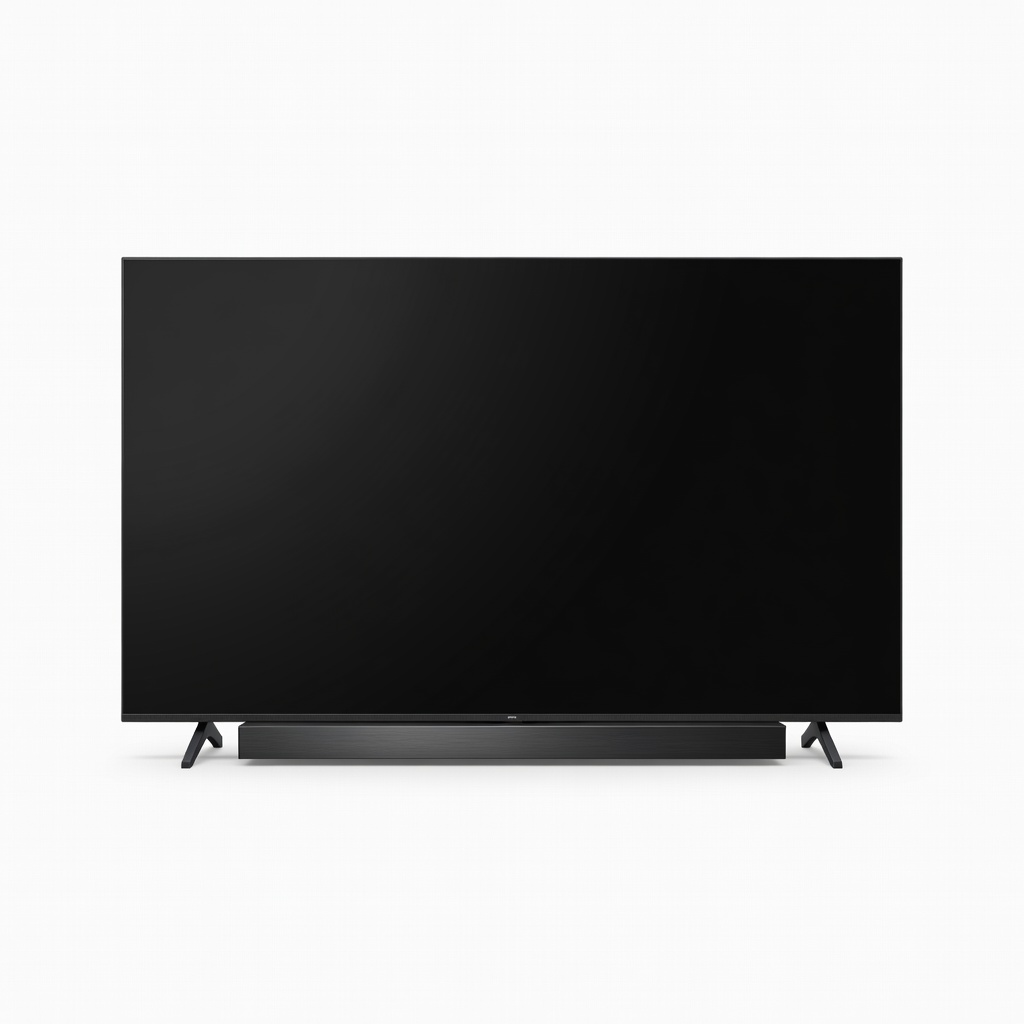
TCL's 55-inch QM8 Mini-LED dominates bright environments with 5,000+ nits peak (real-world 2,000), 5,000+ dimming zones for zero bloom, vibrant QLED colors, and 144Hz VRR gaming on Google TV. It outshines Frame's glare-prone screen with superior anti-reflection and handles ambient light effortlessly. Wins: Dolby Vision IQ, IMAX Enhanced, punchy 2.1ch sound, AirPlay, and unbeatable value—brighter, more accurate HDR than premium QLEDs. Art mode available via apps. Cons: Larger footprint, no stock frame design. Suited for living rooms with lots of windows where Frame washes out. Price range: $850-$950.
Key Difference: Unmatched peak brightness prevents glare and washout in sunny rooms, where Frame struggles.
Price: $400 cheaper
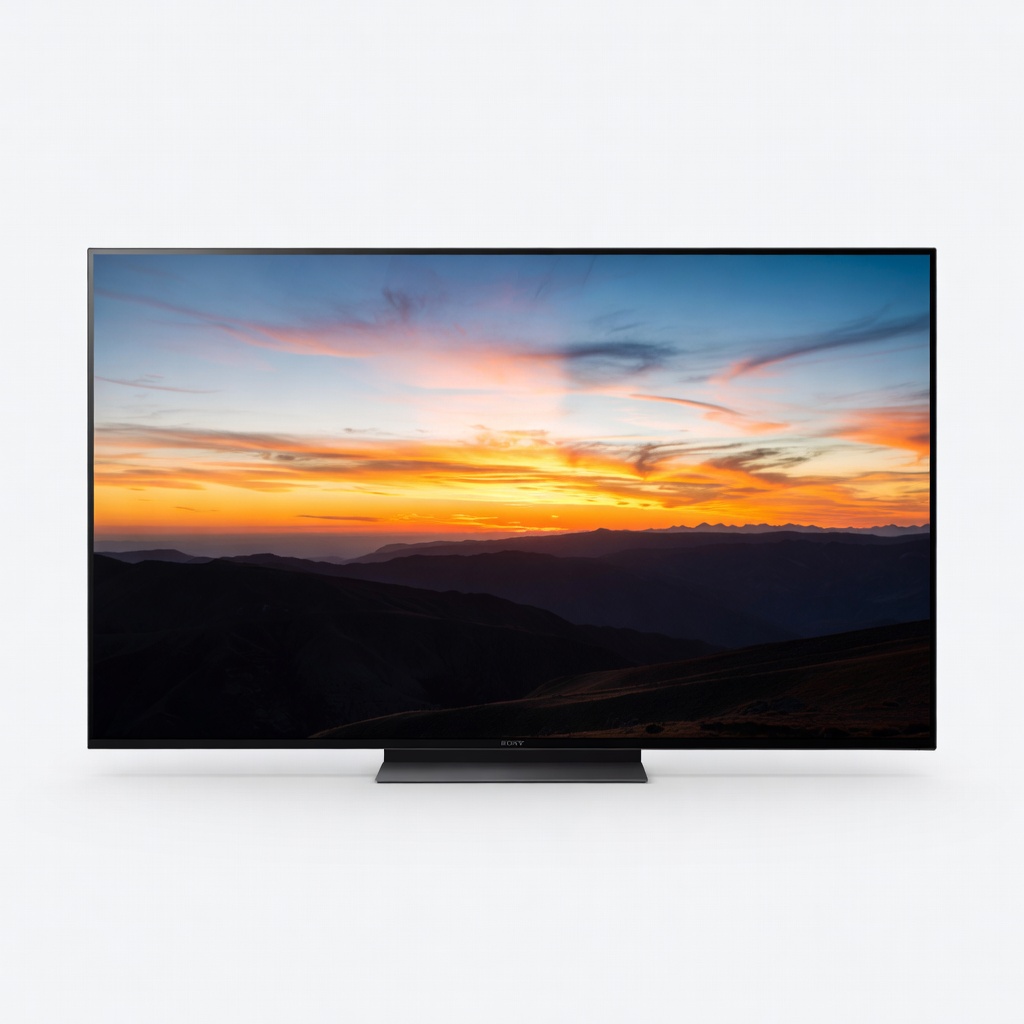
Sony's 55-inch Bravia 8 OLED delivers cinematic mastery with XR processor for Hollywood-tuned colors/contrast, Acoustic Surface Audio+ (screen vibrates as speaker), perfect blacks, and Dolby Vision/Atmos. Google TV with PS5 optimization (Auto HDR Tone Mapping). Beats Frame: Studio-calibrated accuracy, wider angles, 120Hz XR Motion Clarity, thinner design—movies pop like theater. Gallery mode for art. Downsides: Pricier, 120Hz (not 144Hz). For film buffs seeking reference quality over Frame's lifestyle focus. Price range: $1,350-$1,450.
Key Difference: Sony's XR processing and acoustic audio create immersive, accurate movie experiences unmatched by Frame.
Price: $150 more expensive
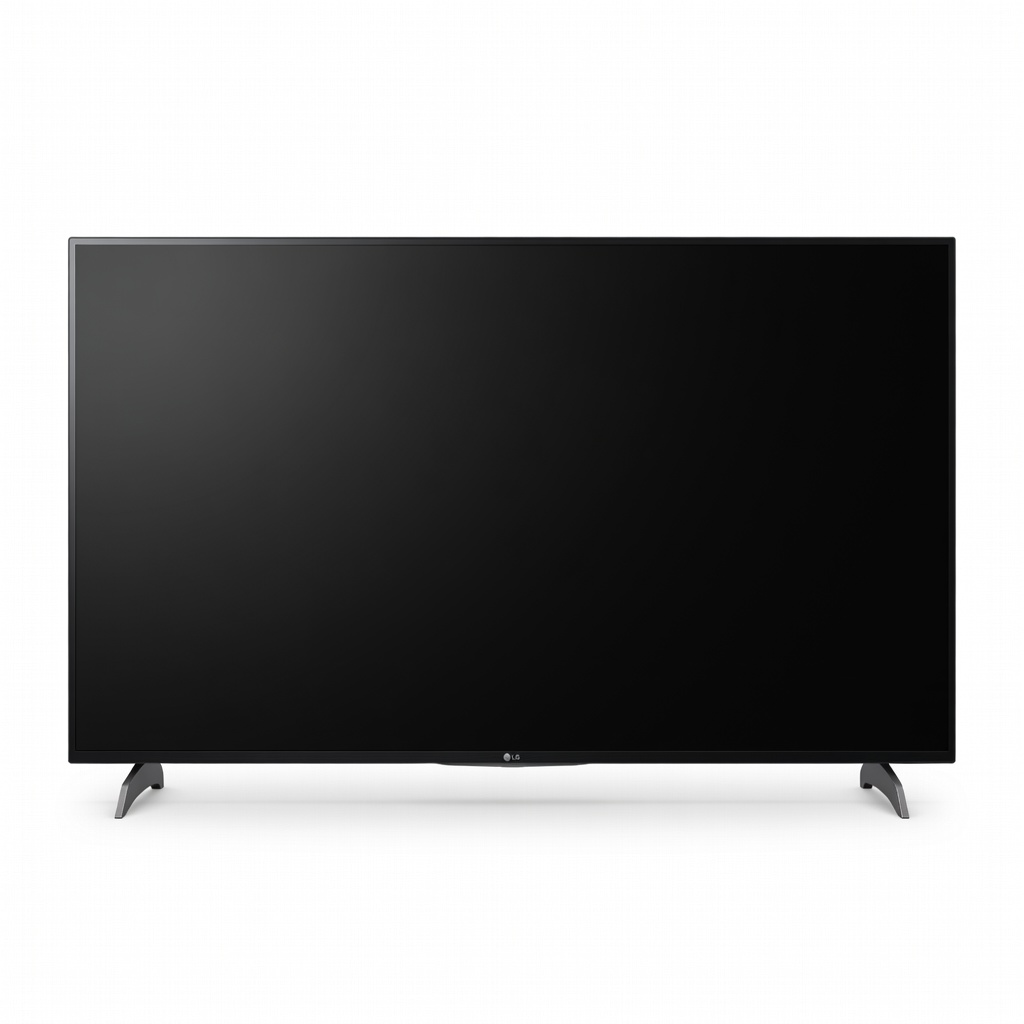
LG's 55-inch B4 OLED switches to intuitive webOS (ThinQ AI), with perfect blacks, 1300 nits brightness, Dolby Vision, and Gallery Design Mode for art display. 120Hz gaming, four HDMI 2.1. Advantages over Tizen Frame: Smoother interface, Magic Remote, better Apple AirPlay/HomeKit integration, entry-OLED value. Trade-offs: Entry-level α8 processor (still excellent), basic sound. Best for webOS fans escaping Samsung ecosystem. Price range: $850-$950.
Key Difference: webOS provides a more user-friendly, voice-controlled experience with stronger smart home ties than Tizen.
Price: $350 cheaper
Compare key specs and features of all our recommendations side-by-side
| Product | Recommendation | Rating | Price |
|---|---|---|---|
Hisense 55-inch CanvasTV Rank #1 | — | — | Check price → |
TCL 55-inch NXTFRAME QD-Mini LED TV Rank #2 | 💰 Budget Pick | — | Check price → |
LG 55-inch OLED evo G4 Rank #3 | — | — | Check price → |
Hisense 55-inch U8N Series Mini-LED TV Rank #4 | — | — | Check price → |
TCL 55-inch QM8/QM851G Mini-LED TV Rank #5 | — | — | Check price → |
Sony 55-inch Bravia 8 OLED Rank #6 | — | — | Check price → |
LG 55-inch B4 OLED Rank #7 | — | — | Check price → |
