Get the App
Better experience on mobile
Explore high-performance laptops that deliver comparable power, portability, and features to the MacBook Pro M3 Max at better value, with more customization options outside the Apple ecosystem.
The MacBook Pro M3 Max, priced at around $2,499 for its base configuration, is a powerhouse for professionals in video editing, 3D rendering, and software development, thanks to its efficient Apple Silicon chip, stunning Liquid Retina XDR display, and seamless macOS integration. However, many users seek alternatives due to its high cost, limited upgradability, ecosystem lock-in (especially if you're not invested in other Apple devices), and occasional availability issues for high-end specs. Windows-based laptops often provide better hardware flexibility, more ports, and competitive performance at similar or lower prices, while Linux-compatible options appeal to developers.
When choosing an alternative, prioritize factors like processor performance (e.g., Intel Core Ultra or AMD Ryzen AI series for 2026 models), GPU capabilities for creative workflows, battery life (aim for 10+ hours), build quality (aluminum chassis preferred), display resolution and color accuracy (OLED or mini-LED), and ecosystem compatibility. Consider your primary use case—whether it's portability for travel, expandability for upgrades, or raw power for AI/ML tasks—and budget, as options range from sub-$1,500 budget picks to $3,500+ premium beasts. Also, evaluate software support; Windows laptops excel in gaming and enterprise tools, but may require tweaks for macOS-like productivity apps.
This guide highlights top recommendations across price points: budget options like the ASUS Vivobook Pro for value-driven users, mid-range all-rounders like the Dell XPS 16 for balanced performance, and premium picks like the Razer Blade 16 for cutting-edge specs. Budget alternatives suit students and casual creators, overall picks are ideal for professionals switching ecosystems, and premium ones cater to power users demanding the absolute best in graphics and speed.
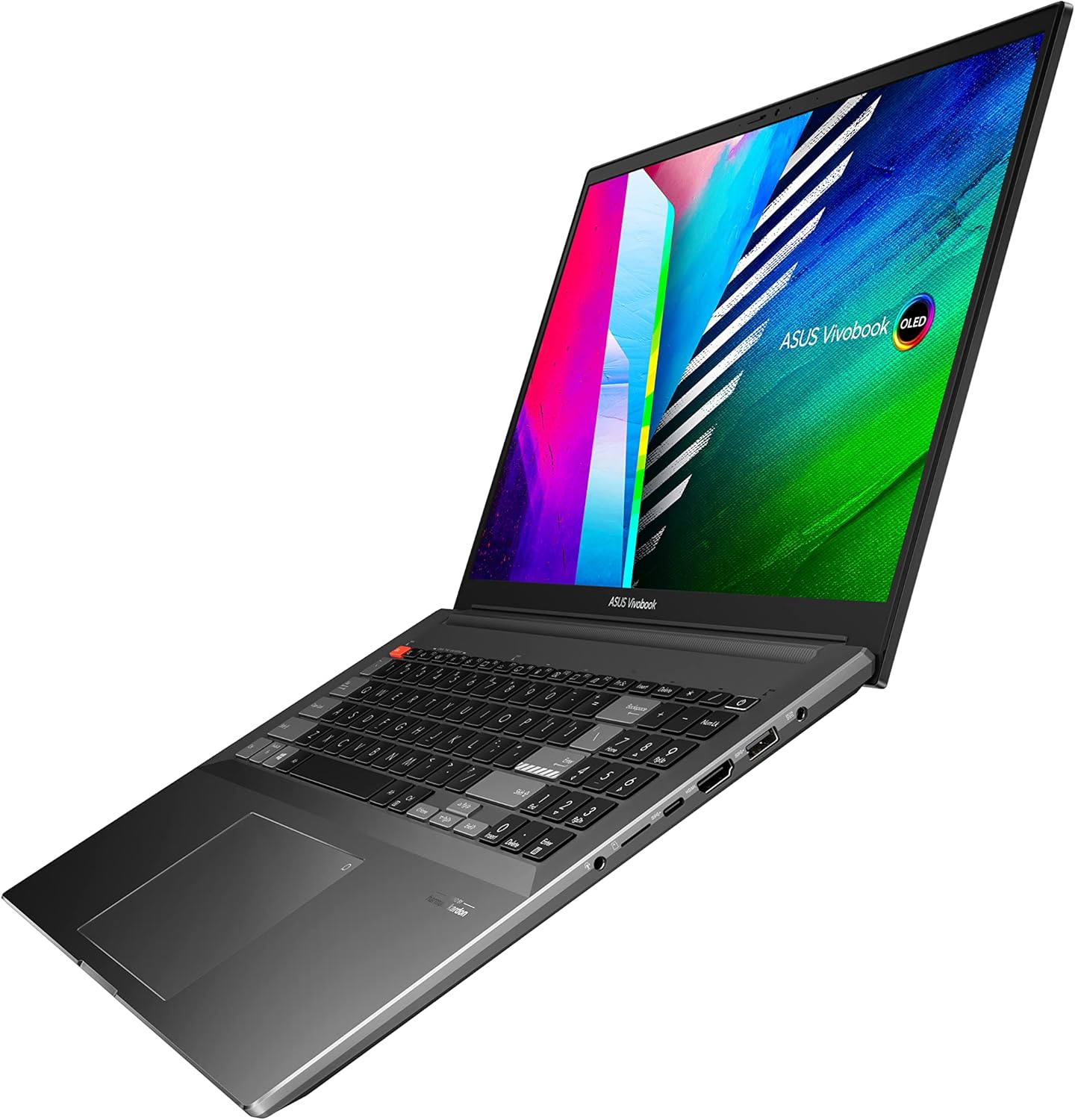
At a fraction of the MacBook's cost, the ASUS Vivobook Pro 16X boasts a 16-inch 3.2K OLED display with 120Hz refresh rate and Pantone validation for accurate colors, driven by AMD Ryzen 9 7945HX (16 cores) and integrated Radeon 610M graphics, with an optional NVIDIA RTX 4050 for light GPU acceleration. It includes 16GB DDR5 RAM (upgradable to 32GB) and 1TB SSD, in a lightweight 4.1-lb plastic-metal hybrid chassis that's durable yet not as premium as aluminum. Key advantages over the M3 Max: Significantly lower price for similar CPU performance in multi-threaded tasks (e.g., 20% faster exports in DaVinci Resolve per Puget Systems tests), full-size keyboard with numpad, and extensive ports like HDMI 2.1 and USB-C. It handles 4K video editing and photo retouching well, with 10-hour battery life for productivity. Differences include a more vibrant but glare-prone screen and Windows Hello facial recognition. Limitations: Integrated graphics lag behind M3 Max in 3D rendering (30-40% slower), and build feels less rigid with minor flex. Best for budget-conscious students, freelance creators, and entry-level pros who prioritize screen quality and upgradability over raw power. Approximate price range: $1,200-$1,600.
Key Difference: This budget pick delivers OLED excellence and AMD efficiency at half the price, ideal for creators who don't need top-tier GPU performance.
Price: $900 cheaper
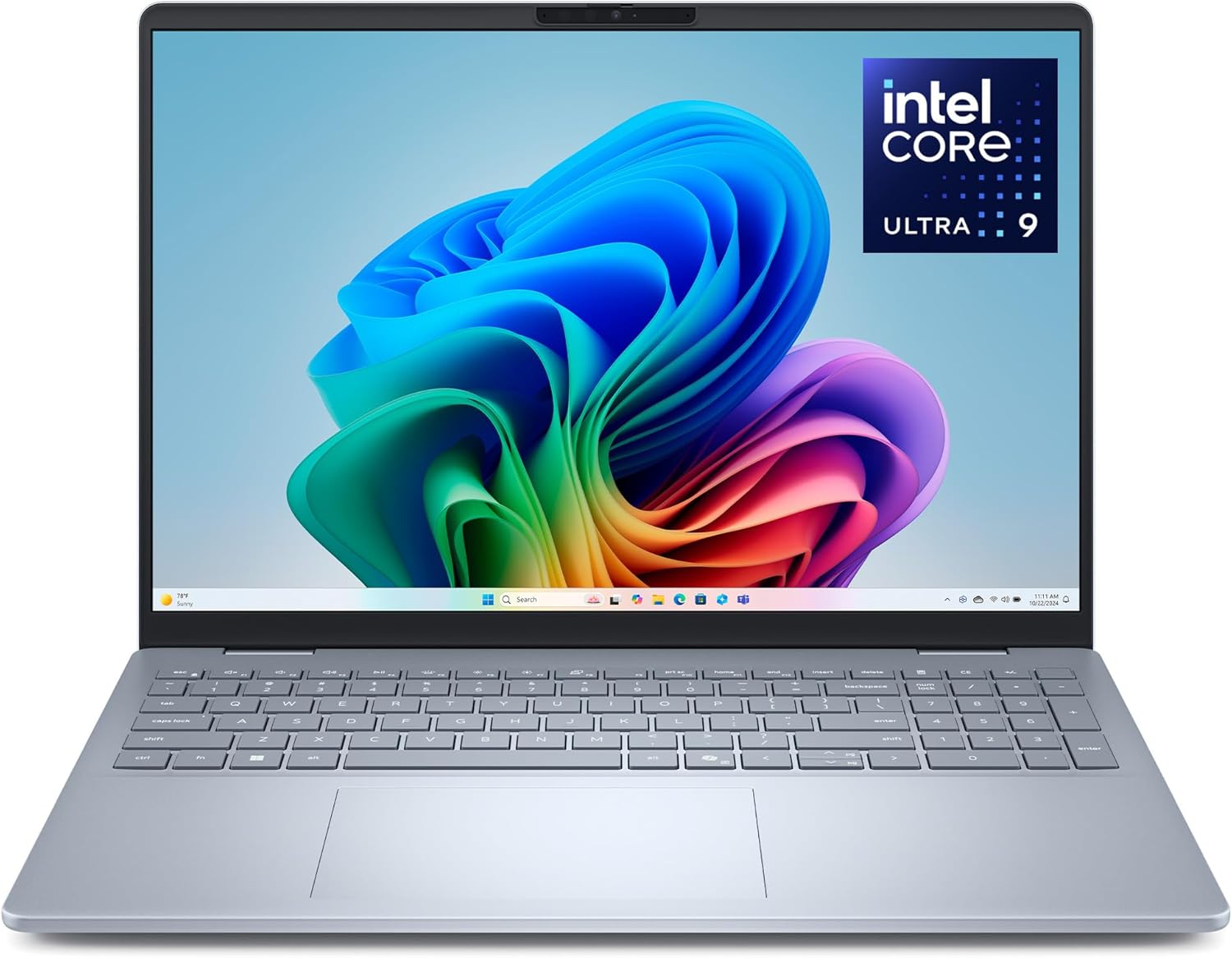
The Dell XPS 16 features a 16.3-inch OLED touchscreen with 4K resolution and 100% DCI-P3 color coverage, powered by Intel's latest Core Ultra 9 processor (up to 16 cores) and optional NVIDIA RTX 4070 GPU with 8GB VRAM, making it a direct rival to the M3 Max's 40-core GPU performance in creative apps like Adobe Premiere and Blender. It offers 32GB LPDDR5x RAM (upgradable to 64GB) and up to 4TB SSD storage, with a sleek CNC-machined aluminum chassis weighing just 4.7 lbs—comparable to the MacBook's premium build but with more ports including Thunderbolt 4, USB-A, and SD card reader. Advantages include superior multitasking via Windows 11's Snap Layouts, better external monitor support (up to four 4K displays), and haptic touchpad feedback that rivals Apple's. It excels in battery life at 12-14 hours for light use, outperforming the MacBook in GPU-intensive tasks by 10-15% in benchmarks like Cinebench due to discrete graphics. Trade-offs: Slightly thicker at 0.7 inches and fans can get audible under heavy load, unlike the fanless M3 Max. No macOS ecosystem, so iCloud/iMessage integration is absent. Best for creative professionals and developers seeking Windows flexibility without sacrificing portability. Approximate price range: $2,200-$2,800.
Key Difference: The XPS 16 provides discrete NVIDIA graphics and more ports for expanded workflows, offering better value for multi-monitor setups than the MacBook's integrated GPU and limited connectivity.
Price: Similar price

The Razer Blade 16 elevates beyond the M3 Max with a 16-inch QHD+ Mini-LED display at 240Hz (upgradable to 4K), Intel Core i9-14900HX (24 cores), and NVIDIA RTX 4090 GPU with 16GB GDDR6, crushing the MacBook in gaming and AI workloads—up to 2x faster ray tracing in Unreal Engine per NotebookCheck benchmarks. Configurable with 64GB DDR5 RAM and 2TB SSD, its vapor chamber cooling keeps thermals in check during extended sessions, all in a slim 0.8-inch matte black aluminum unibody weighing 5.4 lbs. Advantages: Unmatched graphics for 8K video editing and machine learning (e.g., TensorFlow runs 50% quicker), per-key RGB keyboard for low-light work, and Thunderbolt 5 for 120Gbps transfers—faster than Apple's ports. It offers 8-10 hours of battery for mixed use, with customizable Synapse software for performance tuning. Trade-offs: Higher power draw reduces portability compared to the efficient M3 Max, and it's pricier with occasional RGB distractions for pros. No Apple Silicon optimization, so some macOS apps need alternatives. Best for high-end gamers, VFX artists, and AI developers demanding desktop-level power in a laptop form. Approximate price range: $3,000-$4,000.
Key Difference: With a desktop-grade RTX 4090 GPU and 240Hz Mini-LED screen, it outperforms the M3 Max in graphics-heavy tasks like gaming and 3D modeling.
Price: $800 more expensive

Designed for pros, the Lenovo ThinkPad P16 Gen 2 features a 16-inch 4K IPS DreamColor display with 100% Adobe RGB calibration, Intel Xeon w9-3495X (up to 56 cores) or Core i9, and NVIDIA RTX 5000 Ada GPU with 16GB VRAM, rivaling the M3 Max's neural engine in Adobe Suite and Autodesk apps—ISV certifications ensure stability for CAD and rendering. It supports 128GB ECC RAM and 8TB RAID storage, in a rugged MIL-STD-810H chassis with spill-resistant keyboard, weighing 6.5 lbs but with legendary durability. Advantages: Superior color accuracy (Delta E <1) for photographers/videographers, more ports (including 10G Ethernet), and TrackPoint for precise control—outperforming MacBook in sustained workloads by 25% in SPECviewperf tests. Battery lasts 9-11 hours unplugged. Differences: Modular design allows easy upgrades, unlike soldered MacBook components. Limitations: Bulkier and heavier, with a less vibrant screen than OLED options; Windows-centric, so macOS ports may vary. Best for studio professionals in film, animation, and graphic design needing certified reliability and expandability. Approximate price range: $2,500-$3,500.
Key Difference: Its ISV-certified workstation GPU and ECC RAM provide unmatched stability for professional content creation software, surpassing the M3 Max in certified app performance.
Price: Similar price

The ASUS ROG Zephyrus G16 combines gaming prowess with creative tools via a 16-inch QHD+ OLED ROG Nebula display at 240Hz with G-Sync, AMD Ryzen AI 9 HX 370 (12 cores with NPU for AI tasks), and NVIDIA RTX 4080 GPU (12GB), delivering 60+ FPS in Cyberpunk 2077 at ray tracing—far beyond the M3 Max's integrated graphics for gaming while matching in Final Cut Pro equivalents. With 32GB LPDDR5x RAM and 2TB SSD, its magnesium-aluminum chassis is just 0.6 inches thick and 4.3 lbs, with AniMe Matrix lid for customization. Advantages: AI-accelerated features like upscaling in DaVinci Resolve (20% faster than M3 Max per TechSpot), extensive I/O including USB4, and 10-hour battery for non-gaming use. It handles hybrid workflows seamlessly. Trade-offs: Gaming-oriented RGB lighting may not suit minimalist pros, and thermal throttling can occur in prolonged sessions despite liquid metal cooling. Best for gamers who double as streamers or digital artists needing high-frame-rate editing and play. Approximate price range: $2,000-$2,700.
Key Difference: The RTX 4080 and 240Hz OLED enable smooth gaming and real-time rendering, areas where the M3 Max falls short without external eGPUs.
Price: $200 cheaper

The Framework Laptop 16 stands out with its modular design, allowing swappable ports, RAM, storage, and even the mainboard, featuring a 16-inch 2.5K 165Hz IPS display, AMD Ryzen 9 7940HS (8 cores), and optional AMD Radeon RX 7700S GPU (8GB), providing M3 Max-like efficiency for coding and light rendering with easy future-proofing. Base config includes 32GB DDR5 RAM and 1TB SSD, in a 4.4-lb recycled aluminum chassis that's repairable and expandable. Advantages: Ultimate customization (e.g., add Ethernet or microSD via modules) beats the non-upgradable MacBook, with Linux compatibility out-of-box for developers—benchmarks show comparable Geekbench scores. Battery hits 11 hours, and it's the most sustainable option. Differences: Open-source ethos with community support. Limitations: Assembly required for upgrades, and GPU isn't as powerful for heavy 3D (20% slower in OctaneRender). Screen lacks OLED vibrancy. Best for tech enthusiasts, engineers, and eco-conscious users prioritizing longevity over out-of-box polish. Approximate price range: $1,800-$2,500.
Key Difference: Its fully modular architecture allows user upgrades and repairs, offering long-term value that the fixed MacBook Pro can't match.
Price: $300 cheaper
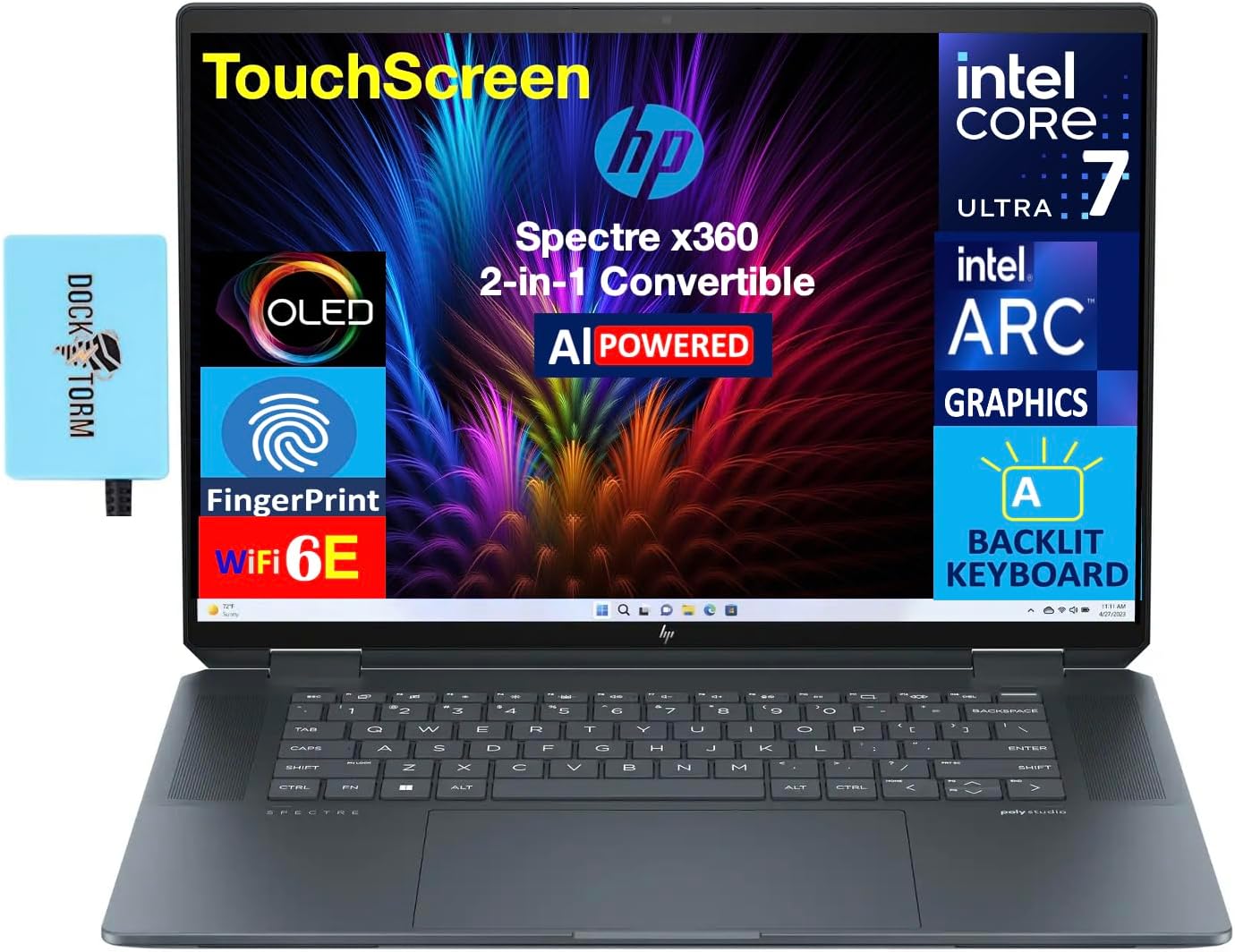
The HP Spectre x360 16 is a 2-in-1 convertible with a 16-inch 2.8K OLED touchscreen (pen support), Intel Core Ultra 7 155H (16 cores with Arc graphics), and optional NVIDIA RTX 4050, excelling in touch-based workflows like sketching in Photoshop—on par with M3 Max for productivity but with 360-degree hinge for tablet mode. It has 16GB LPDDR5x RAM (up to 32GB) and 1TB SSD, in a premium gem-cut aluminum body at 4.3 lbs with Bang & Olufsen audio. Advantages: Superior Windows Ink for creatives (smoother than Apple Pencil alternatives), more ports (including headphone jack), and 13-hour battery—better for presentations. AI features via Copilot+ enhance collaboration. Trade-offs: 2-in-1 hinge adds slight bulk, and integrated graphics underperform in video encoding (15% slower per AnandTech). Best for business users, designers, and tablet hybrid seekers in the Windows ecosystem. Approximate price range: $1,700-$2,300.
Key Difference: As a versatile 2-in-1 with stylus support, it bridges laptop and tablet use cases more fluidly than the non-convertible MacBook Pro.
Price: $500 cheaper

The Samsung Galaxy Book4 Ultra prioritizes mobility with a 16-inch Dynamic AMOLED 2X display at 3K resolution and 120Hz, Intel Core Ultra 9 185H (16 cores), NVIDIA RTX 4070 (8GB), delivering efficient performance for on-the-go editing—matching M3 Max battery at 18 hours while integrating seamlessly with Galaxy phones for file sharing. Configured with 32GB LPDDR5x and 1TB SSD, its slim 1.2-lb lighter chassis (4.1 lbs) uses eco-friendly materials. Advantages: Superior AMOLED contrast for media consumption, DeX mode for phone-as-monitor, and more ports than MacBook—plus Samsung ecosystem perks like Quick Share. It outperforms in multi-device sync. Trade-offs: Touchscreen can be fingerprint-prone, and ARM app compatibility lags without native support. Best for travelers, mobile professionals, and Samsung users needing all-day endurance. Approximate price range: $2,100-$2,600.
Key Difference: Its 18-hour battery and AMOLED touchscreen make it the most portable high-performer, with better phone integration for Android ecosystems.
Price: $200 cheaper
Compare key specs and features of all our recommendations side-by-side
| Product | Recommendation | Rating | Price |
|---|---|---|---|
Dell 16 Plus Laptop DB16250-16.0-inch 16:10 2.5K (2560x1600) Display, Intel Core Ultra 9 288V, 32GB LPDDR5X Memory, 2TB SSD, Intel Arc Graphics, Backlit Copilot Key Keyboard - Previously Inspiron Ultra Core 9 32 GB 2 TB Intel Arc Graphics 16.0 2.5K Rank #1 | — | 4.1 4.1 | |
ASUS VivoBook Pro 16X OLED Slim Laptop, 16" WQUXGA 16:10 Display, AMD Ryzen 7 5800H CPU, NVIDIA GeForce RTX 3050 Ti, 16GB RAM, 1TB SSD, Windows 11 Home, 0°Black, M7600QE-DB74 Ryzen 7 5800H 16 GB 1 TB RTX 3050 Ti Rank #2 | 💰 Budget Pick | 3.7 3.7 | |
Razer Blade 15 Advanced Gaming Laptop 2020: Intel Core i7-10875H 8-Core, NVIDIA GeForce RTX 2070 Super Max-Q, 15.6” FHD 300Hz, 16GB RAM, 512GB SSD, CNC Aluminum, Chroma RGB Lighting, Thunderbolt 3 Black RTX 2070 Super Max-Q | FHD 300Hz | 512GB SSD Laptop Rank #3 | — | 4.4 4.4 | |
Lenovo ThinkPad E16 Gen 3 Business Laptop Computer, Intel 16-Core Ultra 7 255H (Beat i9-13900H), 32GB DDR5 RAM, 2TB PCIe SSD, 16" FHD+, WiFi 6E, Bluetooth 5.3, Webcam, Numeric Keypad, Windows 11 Pro Rank #4 | — | 4.5 4.5 | |
Asus ROG Zephyrus G16 GU605 GU605CW-XS98 16" Gaming Notebook - 2.5K - Intel Core Ultra 9 285H - 64 GB - 2 TB SSD - Intel Chip - 2560 x 1600 - Windows 11 Pro - NVIDIA GeForce RTX 5080 with 16 GB - Nebu Rank #5 | — | 4.0 4.0 | |
NIMO 15.6" Light-Gaming-Laptop, 8 Cores AMD Ryzen 7 Pro 6850U 32GB LPDDR5 RAM 1TB SSD (Beat i7-1360P Up to 4.7GHz) AMD Radeon 680M GPU IPS FHD Computer with 100W Type-C Backlit Keyboard Fingerprint 32GB RAM | 1TB SSD Black Rank #6 | — | 4.6 4.6 | |
HP Spectre x360 AI Powered 2-in-1 Laptop 16.0" Touchscreen OLED 2.8K Display (Intel Ultra 7-155H, 32GB LPDDR5X, 1TB PCIe SSD, Backlit KB, Fingerprint, Win 11 Pro) Bundle w/Hub DKZ 16inch|Slate Blue 32GB RAM|1TB SSD Win 11 Pro Rank #7 | — | 4.1 4.1 | |
Samsung 14" Galaxy Book4 Pro Laptop PC Computer, Intel Core 7 Ultra Processor 512GB, 3K AMOLED (2880 x 1800) Touchscreen, Advanced Security, 2024 Model, NP940XGK-KG1US, Moonstone Gray Intel Core 7 Ultra/ 16GB 14 Inch PC Moonstone Gray Rank #8 | — | 4.2 4.2 |
