Get the App
Better experience on mobile
If the iPad Pro 12.9's high price or Apple ecosystem lock-in doesn't suit your needs, explore these top tablet alternatives that deliver comparable power, versatility, and value across budgets and use cases.
The iPad Pro 12.9-inch remains a powerhouse for professionals, creatives, and media enthusiasts, boasting Apple's M4 chip, tandem OLED display, and seamless integration with the iPadOS ecosystem. However, at a starting price of $1,099, many users seek alternatives due to its premium cost, limited customization options, or preference for non-Apple ecosystems like Android or Windows. Factors such as availability of stylus support, battery life, software updates, and expandability (e.g., microSD slots on Android tablets) often drive these searches, especially as remote work and digital art evolve in 2026.
When choosing an alternative, consider your primary use case—productivity, drawing, entertainment, or portability—along with screen size (aim for 12-14 inches for a similar experience), processor performance, RAM/storage options, and ecosystem compatibility. Budget plays a key role too; cheaper options sacrifice some premium features like ProMotion displays, while pricier ones add keyboard/stylus bundles or hybrid laptop functionality. Key considerations include build quality, camera systems for video calls, and long-term software support, as tablets now rival laptops for multitasking.
This guide highlights top recommendations across price points: budget picks under $400 for casual users, mid-range options around $800 for balanced performance, and premium alternatives over $1,000 for power users. The iPad Air suits Apple loyalists wanting savings, Samsung's Galaxy Tab series excels in Android versatility, and Microsoft's Surface Pro targets Windows productivity pros. Whether you're a student, artist, or business traveler, there's an alternative tailored to enhance value without compromising core functionality.

The 13-inch iPad Air with M2 chip delivers a Liquid Retina display (2732x2048 resolution, 60Hz), 8GB RAM, and storage from 128GB to 1TB, supporting the Apple Pencil Pro and Magic Keyboard. It handles demanding tasks like 4K video editing and AR apps with ease, thanks to the efficient M2 processor offering similar performance to the M1 iPad Pro. Key advantages include staying within the Apple ecosystem for seamless iCloud, AirDrop, and app compatibility, at a fraction of the Pro's cost, plus all-day battery life (up to 10 hours). It differs by lacking the Pro's OLED tandem display and 120Hz ProMotion, opting for a laminated LCD that's still sharp but less vibrant in HDR. Limitations: no Face ID (uses Touch ID) and fewer pro-level camera features. Ideal for students, casual creators, and Apple users upgrading without overspending. Approximate price range: $750 - $1,000.
Key Difference: The iPad Air provides near-Pro performance in the same ecosystem at a significantly lower entry price, making it perfect for value-conscious Apple fans.
Price: $350 cheaper

The Lenovo Tab P12 has a 12.7-inch 3K LTPS display (2944x1840, 60Hz), MediaTek Dimensity 7050 processor, 8GB RAM, 128GB-256GB storage (expandable to 1TB), and includes a stylus and keyboard folio in some bundles. It features quad JBL speakers with Dolby Atmos, 10,200mAh battery for 14-hour video playback, and Android 13 (upgradable). Over the iPad Pro, it offers incredible value with microSD expansion, a 3.5mm jack, and kid-proof modes via Lenovo Kids Space, plus easier repairability. It excels in web browsing, light gaming, and note-taking with precise stylus input. Differences: lower refresh rate and no OLED mean it's not as premium for creatives, and software updates are shorter (2-3 years). Trade-offs include average cameras and occasional bloatware. Best for budget Android users, students, and families seeking a large-screen tablet outside Apple's ecosystem. Approximate price range: $250 - $400.
Key Difference: As an affordable Android option, the Tab P12 emphasizes expandability and bundled accessories, providing ecosystem freedom at a low cost compared to Apple's premium pricing.
Price: $850 cheaper

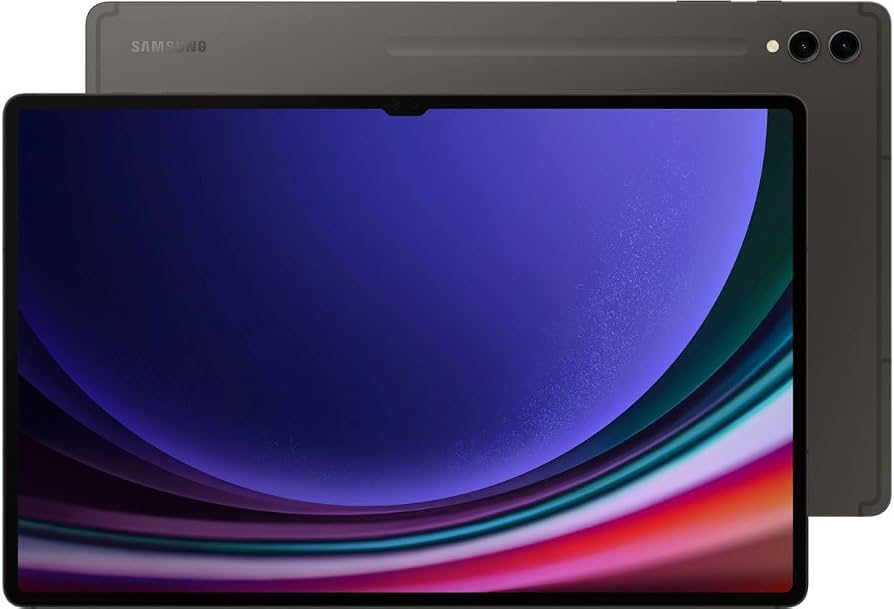
The Samsung Galaxy Tab S9 Ultra features a massive 14.6-inch Dynamic AMOLED 2X display with 120Hz refresh rate, Snapdragon 8 Gen 2 processor (upgradable to Gen 3 in 2026 models), up to 16GB RAM, and storage options from 256GB to 1TB expandable via microSD. It includes the S Pen stylus for free, IP68 water resistance, and DeX mode for desktop-like productivity. Advantages over the iPad Pro include better multitasking with up to four apps on screen, superior expandability, and longer software support (up to 7 years of updates). It excels in media consumption with vibrant colors and quad speakers tuned by AKG, plus 5G connectivity for on-the-go use. Trade-offs involve a bulkier design (732g vs. iPad's 682g) and One UI software that may feel less polished than iPadOS for some creative apps. Best for Android enthusiasts, professionals needing flexibility, and users prioritizing screen real estate. Approximate price range: $1,100 - $1,400.
Key Difference: The Galaxy Tab S9 Ultra offers a larger, expandable storage setup and desktop-mode multitasking that's more versatile for productivity than the iPad Pro's ecosystem.
Price: Similar price

The Microsoft Surface Pro 11 (2024/2026 refresh with Snapdragon X Elite) boasts a 13-inch PixelSense Flow display (2880x1920, 120Hz), up to 32GB RAM, 1TB SSD storage, and full Windows 11 support, functioning as a true 2-in-1 laptop with detachable keyboard (sold separately). It includes two USB-C Thunderbolt ports, excellent webcams for Teams calls, and stylus support via Surface Slim Pen 2. Over the iPad Pro, it shines in desktop app compatibility (e.g., full Adobe Suite, Microsoft Office), hybrid versatility for work, and superior multitasking with Windows Snap layouts. Battery lasts 14+ hours, and AI features like Copilot+ enhance productivity. Drawbacks: higher starting price, kickstand design can feel less tablet-like for pure media use, and ARM-based chips may have app compatibility hiccups (though improving). Best for Windows professionals, developers, and hybrid workers needing laptop power in tablet form. Approximate price range: $1,200 - $2,000 (with accessories).
Key Difference: The Surface Pro 11 runs full Windows for unparalleled software ecosystem access, turning it into a portable laptop alternative to the iPad's tablet-focused iPadOS.
Price: $100 more expensive

With a 12.4-inch Dynamic AMOLED 2X screen (2800x1752, 120Hz), Snapdragon 8 Gen 2, 12GB RAM, and 256GB-512GB storage (expandable), the Galaxy Tab S9+ includes S Pen, DeX for desktop mode, and multi-window support for up to three apps. It offers 45W fast charging, IP68 rating, and 5G options. Advantages include better file management, USB-C hub compatibility for external displays/monitors, and integration with Samsung DeX for productivity akin to a PC, surpassing the iPad's Stage Manager in flexibility. It handles spreadsheets, video conferencing, and light editing superbly with quad speakers and slim bezels. Trade-offs: Android apps may not be as optimized for large screens as iPadOS, and no built-in cellular on base models without upgrade. Suited for business users, remote workers, and multitaskers who value Android's openness over Apple's walled garden. Approximate price range: $900 - $1,100.
Key Difference: DeX mode transforms the Tab S9+ into a desktop workstation, offering more robust productivity tools than the iPad Pro's iPadOS limitations.
Price: $200 cheaper
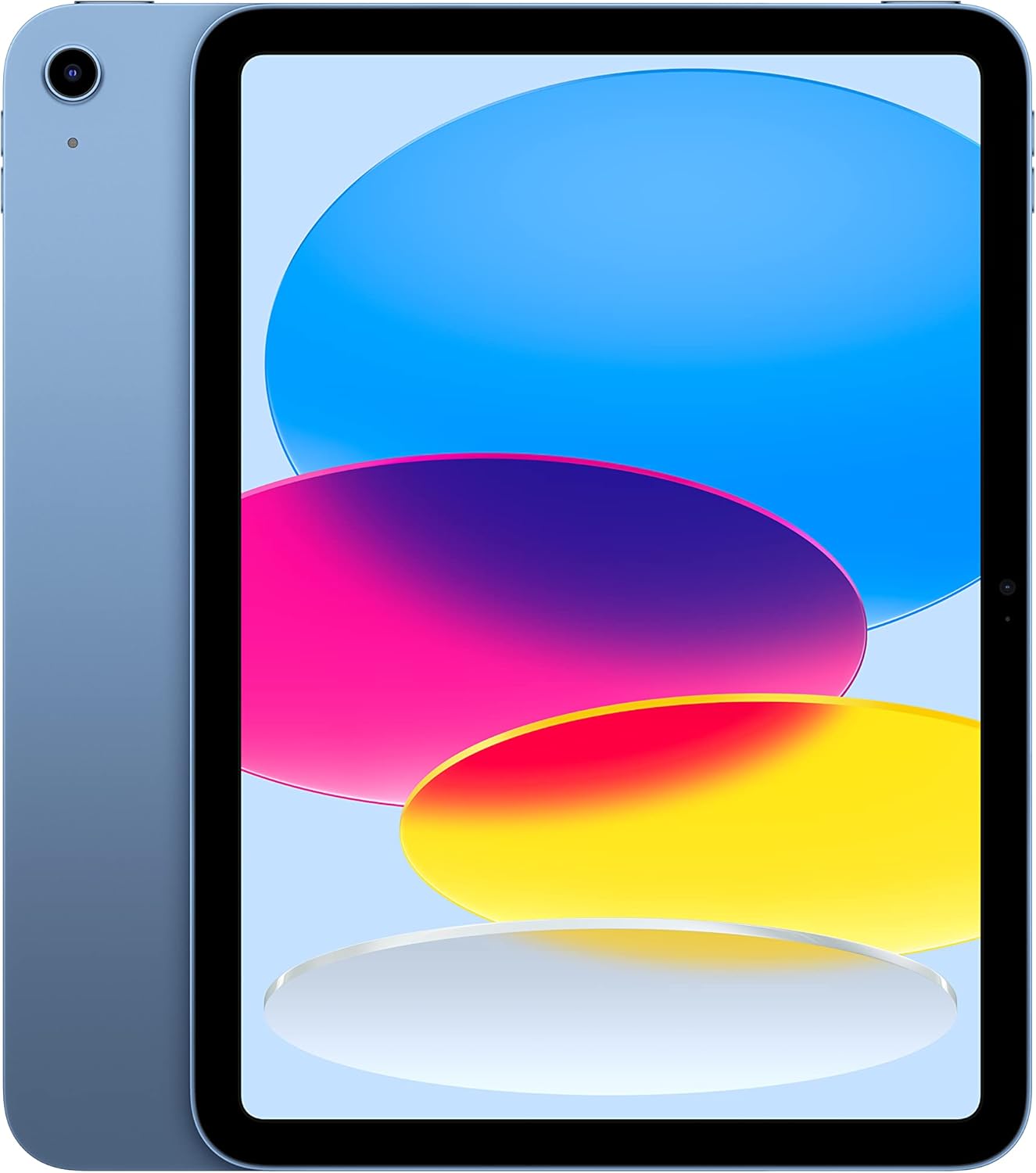
The 10.9-inch iPad (10th Gen) features a Liquid Retina display (2360x1640), A14 Bionic chip, 4GB RAM, and 64GB-256GB storage, compatible with Apple Pencil (1st Gen) and basic keyboards. It supports 4K video playback, Center Stage camera for calls, and up to 10 hours of battery. Compared to the Pro, it's lighter (477g) and more affordable, with excellent color accuracy for streaming Netflix, YouTube, or reading e-books via Apple Books/Kindle apps. Advantages: seamless integration with Apple TV+, AirPlay, and Family Sharing for shared media libraries, plus True Tone for eye comfort. It differs by having a 60Hz screen and no LiDAR, making it less ideal for AR but perfect for casual use. Limitations: base storage is low, and performance lags in heavy multitasking. Great for families, travelers, and entertainment-focused users wanting an Apple device without Pro premiums. Approximate price range: $300 - $500.
Key Difference: Optimized for Apple's media ecosystem with superior streaming integration, the iPad 10th Gen delivers entertainment value at a budget price without the Pro's overkill specs.
Price: $800 cheaper

The 2nd Gen Google Pixel Tablet (2026 projected) sports an 11-inch LCD (2560x1600, 60Hz), Tensor G3 chip (or successor), 8GB RAM, 128GB-256GB storage, and comes with a charging speaker dock for smart home hub functionality. It supports USI stylus and includes Google Assistant, Duo calls, and seamless Chromecast integration. Advantages versus iPad Pro: deeper Google services tie-in (Photos, Drive, YouTube Premium), always-on display when docked, and cleaner stock Android with 7 years of updates. It shines in AI features like Magic Editor for photos and real-time translation. Battery lasts 12 hours, with eco-friendly materials. Trade-offs: smaller screen and no high refresh rate limit immersive viewing, plus weaker GPU for gaming/editing. Ideal for Google loyalists, smart home users, and those prioritizing AI and cloud syncing over raw power. Approximate price range: $500 - $600.
Key Difference: Integrated with Google's AI and smart home ecosystem, the Pixel Tablet serves as a versatile hub that's more connected for everyday tasks than the iPad Pro's isolated environment.
Price: $500 cheaper
Compare key specs and features of all our recommendations side-by-side
| Product | Recommendation | Rating | Price |
|---|---|---|---|
 Samsung Galaxy Tab S9 Ultra (Wifi) SM-X910 WIFI 256GB Graphite A+ (Renewed) Graphite 14.6 Inches 256 GB Wi-Fi Rank #1 | — | 4.4 4.4 | |
Apple iPad Air 13-inch with M3 chip Built for Apple Intelligence, Liquid Retina Display, 128GB, 12MP Front/Back Camera, Wi-Fi 6E, Touch ID, All-Day Battery Life — Blue Wi-Fi 128GB Blue Without AppleCare+ Rank #2 | 💰 Budget Pick | 4.8 4.8 | |
Fintie Case for 13 Inch Microsoft Surface Pro 11/10/9 - Multiple Angle Viewing Portfolio Business Cover with Pocket & Stylus Holder, Compatible with Type Cover Keyboard, Ice Blue Rank #3 | — | 4.6 4.6 | |
SAMSUNG Galaxy Tab S9+ Plus 12.4” 256GB WiFi 7 Android AI Tablet, Snapdragon 8 Gen 2 , AMOLED Screen, S Pen Included, Long Battery Life, Auto Focus Camera, US Version, 2023, Graphite (Renewed) Graphite 256 GB S9+ Wifi Tablet Only Rank #4 | — | 4.3 4.3 | |
 Apple iPad (10th Generation): with A14 Bionic chip, 10.9-inch Liquid Retina Display, 64GB, Wi-Fi 6, 12MP front/12MP Back Camera, Touch ID, All-Day Battery Life – Blue WiFi 64 GB Blue without AppleCare+ Rank #5 | — | 4.8 4.8 | Check price → |
Lenovo Idea Tab Pro with Google Gemini - Student Tablet - 12.7” 3K LCD Display - 8 GB Memory - 128 GB Storage - MediaTek Dimensity 8300 - Includes Pen and Folio Case Rank #6 | 💰 Budget Pick | 4.4 4.4 | |
 Google Pixel Tablet 2025 Rank #7 | — | 4.4 4.4 | Check price → |
