
Quick Verdict
The Sony WH-1000XM5 is an outstanding choice for air travel, delivering industry-leading noise cancellation, superb comfort, and a battery that easily outlasts any flight. The only real downside is its non-folding, bulky case, which is a significant trade-off for constant travelers. Overall, for most flyers, the XM5 is as good as it gets.
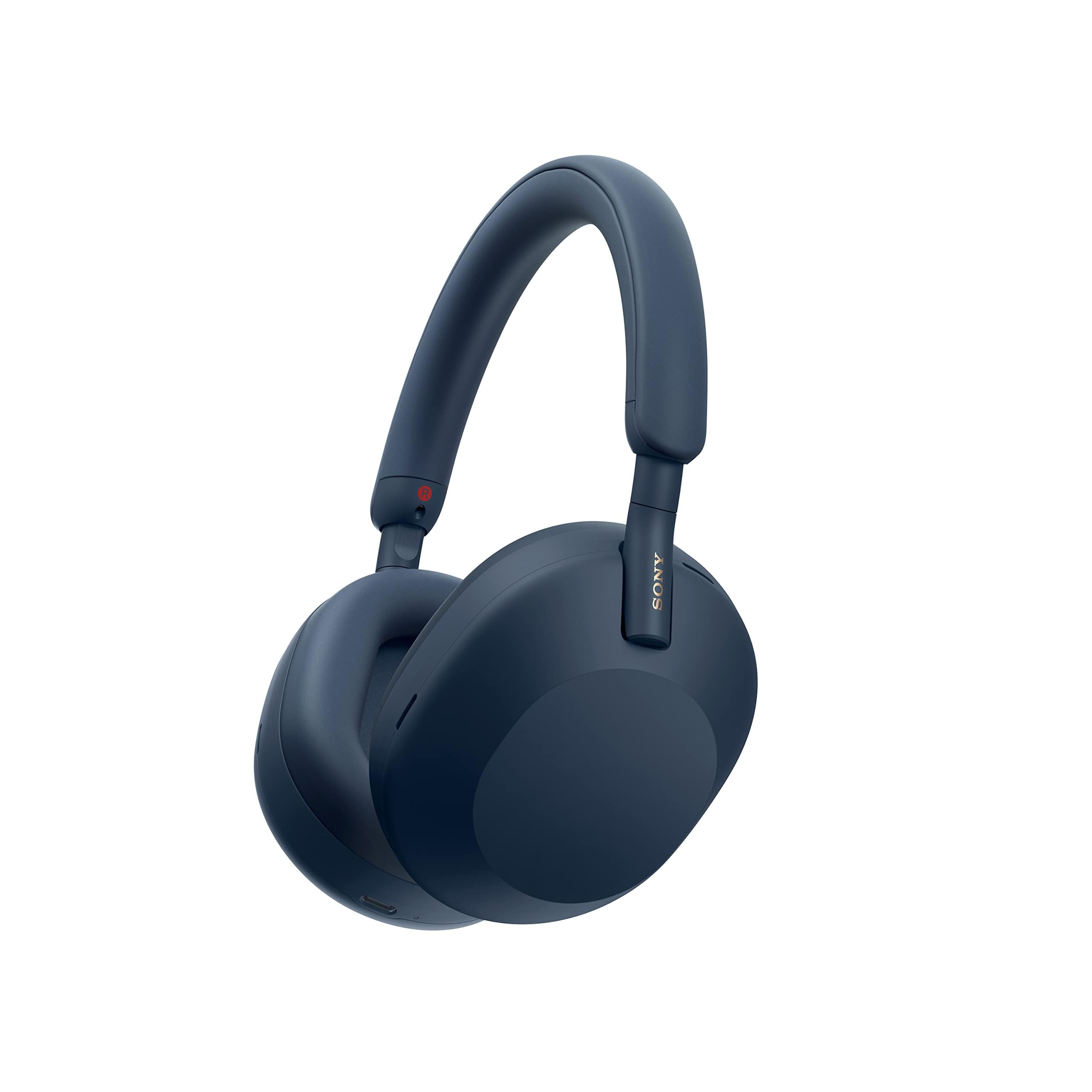
Sony WH-1000XM5
$329.99

✓ Key Strengths
- •Class-leading active noise cancellation that dramatically reduces jet engine rumble and cabin chatter
- •30-hour battery life (with ANC) covers even the longest non-stop flights, plus a 3-minute quick charge for 3 hours
- •Extremely comfortable for long periods, with deep, roomy earcups and soft padding
- •ANC continues to work when connected via the included 3.5mm cable to seat-back entertainment
- •Multipoint Bluetooth lets you stay connected to your phone and laptop simultaneously
- •Excellent sound quality and LDAC support for streaming hi-res audio from your device
- •Speak-to-chat and quick attention modes make it easy to talk to flight attendants without removing the headphones
- •Physical buttons for power and volume are easy to use blind, while touch controls are intuitive
✗ Key Weaknesses
- •Does not fold flat; included hard case is bulky and takes up significant carry-on space
- •Thinner headband can create pressure on the head after 4-6 hours for some users
- •Requires an adapter (or a Bluetooth transmitter) to connect to many airplane seat-back screens with dual-pin jacks
- •More expensive than many excellent alternatives, making it a poor value if you travel infrequently
- •Touch controls can be accidentally triggered when adjusting the headphones, causing unexpected pauses or mode changes
- •ANC is less effective at cancelling sudden, high-pitched sounds like crying babies compared to the Sony WH-1000XM4's tuned algorithm (though it's still very good)
What is Sony WH-1000XM5?
What is air travel?
Detailed Analysis
👍 Perfect For
- ✓Frequent business or leisure travelers who want the absolute best noise cancellation and comfort for long-haul flights
- ✓Passengers who use inflight entertainment and also want to use their headphones with a laptop or phone via multipoint
- ✓Travelers who prioritize sound quality and battery life over packability
- ✓People who need a headphone for both flights and noisy offices/hotels, making the larger case less of a problem
- ✓Flyers who often take aisle and window seats and want quick attention mode for flight attendant interactions
👎 Not Ideal For
- ✗Budget-conscious travelers who only fly a few times a year and can get 80% of the performance for half the price in models like the Anker Soundcore Life Q30
- ✗Minimalist packers who hate bulky cases and need a headphone that folds flat into a small pouch; the Sony WH-1000XM4 is a better fit
- ✗Travelers who use overhead bin storage exclusively and want a headphone that can slip into a zip pocket
- ✗Those who prefer earbuds for flying and want a lower-profile option to sleep against a pillow
Use Case Scenarios
Long-Haul Economy Traveler
You're sitting in a cramped economy seat for 8-12 hours on a transatlantic or transpacific flight. Noise is constant, and you want to sleep or watch movies without disturbance.
✓ Strengths
- Exceptional ANC turns a roaring cabin into a quiet room
- 30+ hour battery means you'll never worry about charging on a multi-leg trip
- Deep earcups and plush cushions are comfortable for 8-10 hour stretches
- Wired connection to inflight entertainment keeps ANC fully operational
- Cups stay cool enough for long-wear comfort compared to some pleather alternatives
✗ Weaknesses
- The bulky case is tough to jam into a full backpack on a budget airline
- After ~6 hours, some users feel pressure on the top of the head from the thinner headband
- Touch panel on the right cup can be accidentally activated while lying against a pillow
💡 Workarounds
- Pack the XM5 in the included hard case, but remove it when possible and place it under the seat in front of you; the case is sturdy enough for this
- Rotate the headphones slightly on your head every few hours to relieve headband pressure
- Disable touch controls via the Sony Headphones Connect app during the flight to avoid accidental taps, and use the physical buttons instead
For a long-haul economy passenger, the XM5's noise cancellation and comfort are unmatched, and the battery outlasts any flight. The only downside is portability, but the case can still fit in a personal item if you pack carefully.
Frequent Business Traveler on Short-Hop Flights
You fly 2-4 hour flights weekly, spend time in airport lounges, and need to take conference calls from your laptop before boarding. Portability and multipoint connection are key.
✓ Strengths
- Multipoint Bluetooth is rock-solid for connecting to both phone and laptop
- Great call quality for web meetings and quick phone calls
- Quick attention mode lets you mute and listen to the environment when boarding or talking to gate agents
- 30-hour battery and quick charge mean you can forget the charging cable occasionally
- Pleasant voice prompts help you know when devices are connected
✗ Weaknesses
- Carrying case is too bulky for a professional briefcase
- Not a drastic improvement over the cheaper XM4, which folds flat, for the added size
- Touch controls can be over-sensitive when you're rushing in a busy airport
💡 Workarounds
- Use a soft third-party travel pouch when you're in a pinch, though you sacrifice protection
- Purchase a compact Bluetooth headphone case (like the VEDO or Mizudan) that's slightly smaller than the stock case, though still not foldable
- Disable key touch gestures in the Sony app to prevent accidental taps while stowing headphones
The XM5 is excellent for the actual flying and call experience, but its larger, non-folding case is a real compromise for frequent business travelers who value minimal packing. If portability is critical, the XM4 or Bose QC45 fit better in a briefcase.
In-Flight Entertainment Enthusiast
You love watching movies and playing games on the seat-back screen during flights. You need a wired connection to your seat's audio jack and want the best sound and isolation while still being able to hear your phone.
✓ Strengths
- Wired audio cable preserves ANC and high-fidelity sound
- Excellent soundstage for movies makes dialog crisp and effects immersive
- No battery drain when using wired mode, though ANC still uses battery — Sony says ANC works in wired mode, but it will drain the battery
- Case has a dedicated spot for the cable, keeping it organized in your bag
- Quick attention mode lets you hear announcements without pulling off the headphones
✗ Weaknesses
- Dual-prong airplane jacks require an adapter, not included
- Large case makes it a hassle to carry the cable and headphones to your seat
- Touch controls can be triggered when adjusting the headphones during a movie, causing accidental pauses
💡 Workarounds
- Carry a dual-prong to 3.5mm adapter (usually under $10 on Amazon) for older planes
- Use an AirFly Pro Bluetooth transmitter to connect to seat-back screens wirelessly, but be aware that it uses its own battery
- In the Sony Headphones Connect app, set touch controls to 'Playback Control Only' or disable the sensor via 'Lock Touch Sensor' to avoid accidents
The XM5 is a superb companion for seat-back screens thanks to its high-quality wired connection and effective ANC. The need for an adapter on some planes and the bulky case hold it back from being perfect for this specific use.
Budget-Conscious Traveler
You're on a tight budget, fly a few times a year, and want good noise cancellation and battery life without spending $300+ on headphones. You're open to alternatives.
✓ Strengths
- Unmatched ANC for if you have the money and want maximum quiet
- Better build quality and more comfortable for long flights than budget alternatives
- 30-hour battery outclasses most budget options (though Q30 has 40h)
- Multipoint and call quality are much better than budget models
✗ Weaknesses
- High initial price
- Non-folding design adds to travel bulk
- You're paying for technology you may not fully use on just a few flights a year
💡 Workarounds
- Consider the Anker Soundcore Life Q30 as a budget alternative, which still offers ANC and comfort for a fraction of the price
- Look for refurbs or open-box XM5 on Amazon to save money without losing quality
- If you choose the XM5, use its 3.5mm cable on flights instead of relying solely on Bluetooth to extend battery life
For a budget-minded traveler, the XM5 is more expensive than necessary and impractical due to its bulky case. You can find alternatives with good ANC and battery life at half the price, making the XM5 a 'only if money is no object' pick for this group.
Light Traveler / Weekend Getaway
You're a light traveler who only carries a backpack for a quick 2-hour weekend flight. You need headphones that pack small, don't weigh you down, and still perform decently.
✓ Strengths
- If you can accept the bulk, the ANC is superb for a short flight
- Excellent battery life means no charging worries on a weekend trip
- The included case is hard, so you could check it in luggage (not ideal but doable)
✗ Weaknesses
- Bulky case eats up the majority of a small backpack
- Non-folding design makes it awkward to stuff into overhead bins or under the seat
- Overkill for a 2-hour flight when simpler, foldable alternatives are cheaper
💡 Workarounds
- Buy a soft travel pouch and accept the risk, or use the XM5 as your 'everyday' headphones and wear them around your neck when not in use
- Instead, consider the Sony WH-1000XM4, which folds flat and has a much smaller carrying case, but still offers 90% of the ANC and sound quality
- Use the XM5's 3.5mm cable and physical buttons to avoid having to deal with the touch panel in a cramped seat
For light travelers who prioritize small packing, the XM5's large case and non-folding design make it impractical. It works fine in absolute terms, but alternatives offer far better portability for this use case.
Related Products You Should Consider
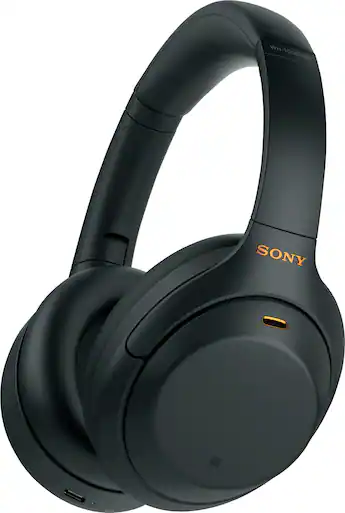
Sony WH-1000XM4 Wireless Noise-Cancelling Headphones
$248.00
Why recommend: Offers comparable ANC and battery life in a foldable design that's far easier for air travel and carry-on storage.
Best for: Travelers who want a premium noise-cancelling headphone but find the XM5's case too bulky.
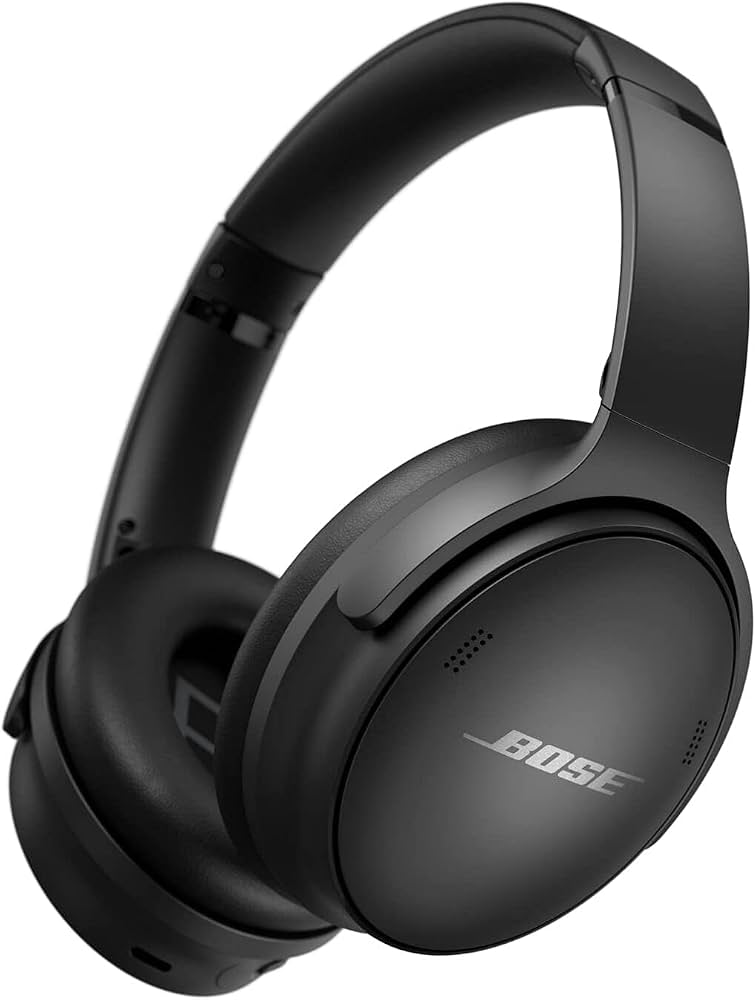
Bose QuietComfort 45 Wireless Noise-Cancelling Headphones
$229.00
Why recommend: A foldable, lightweight alternative with comparable noise cancellation and comfort, ideal for travelers who prioritize portability.
Best for: Travelers who prefer Bose's comfort and a compact design over the XM5's larger case.
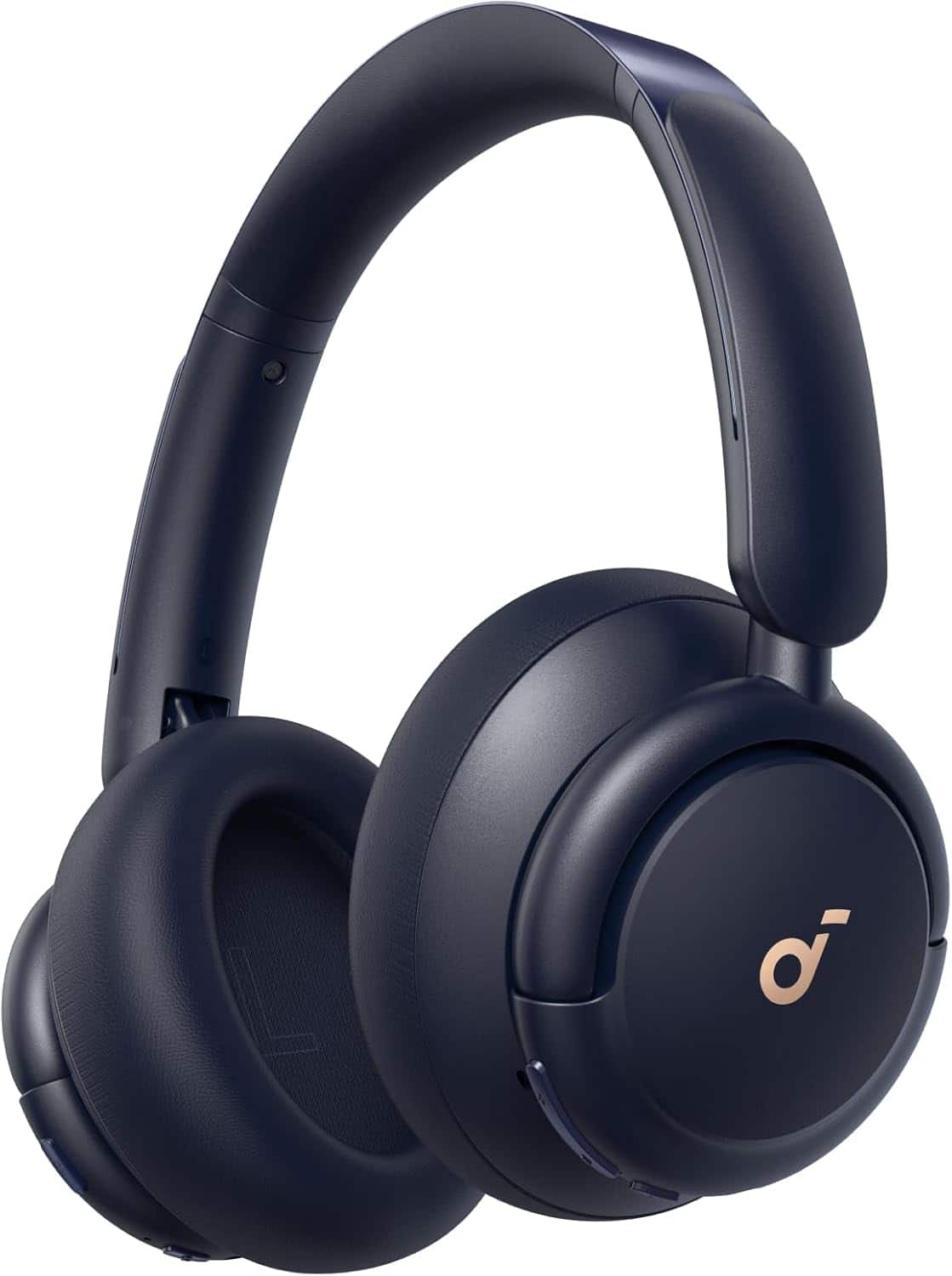
Anker Soundcore Life Q30 Hybrid Active Noise Cancelling Headphones
$79.99
Why recommend: Provides excellent value for air travel, offering solid ANC, long battery, and foldable portability at a fraction of the cost.
Best for: Budget-conscious travelers and occasional flyers who want decent noise cancellation without premium prices.
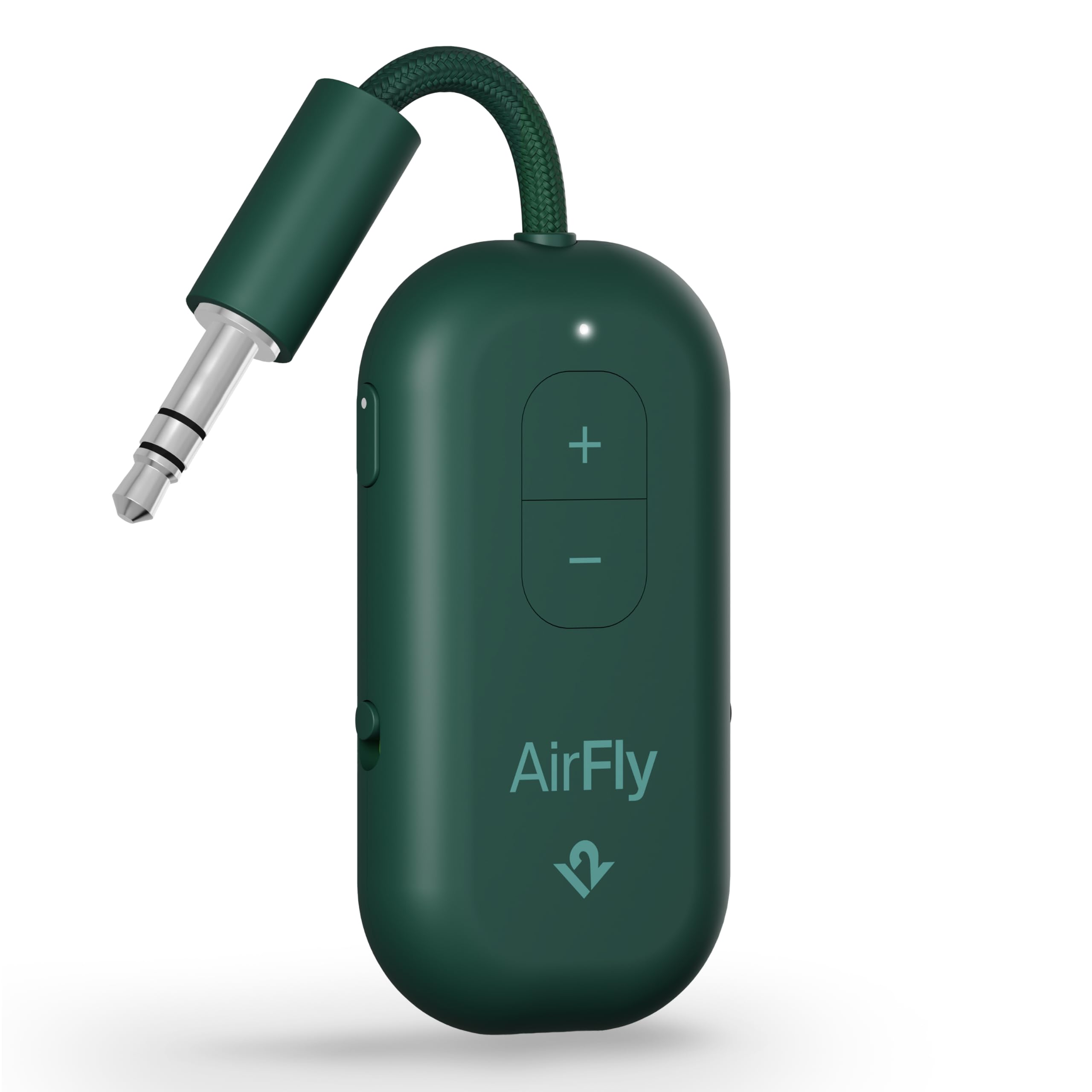
Twelve South AirFly Pro Bluetooth Transmitter
$54.99
Why recommend: Enables wireless connection to seat-back entertainment systems, preserving the XM5's ANC and your freedom to move around.
Best for: Frequent flyers who want to enjoy inflight movies without tethering their XM5 to a cable, or who use Bluetooth earbuds exclusively.
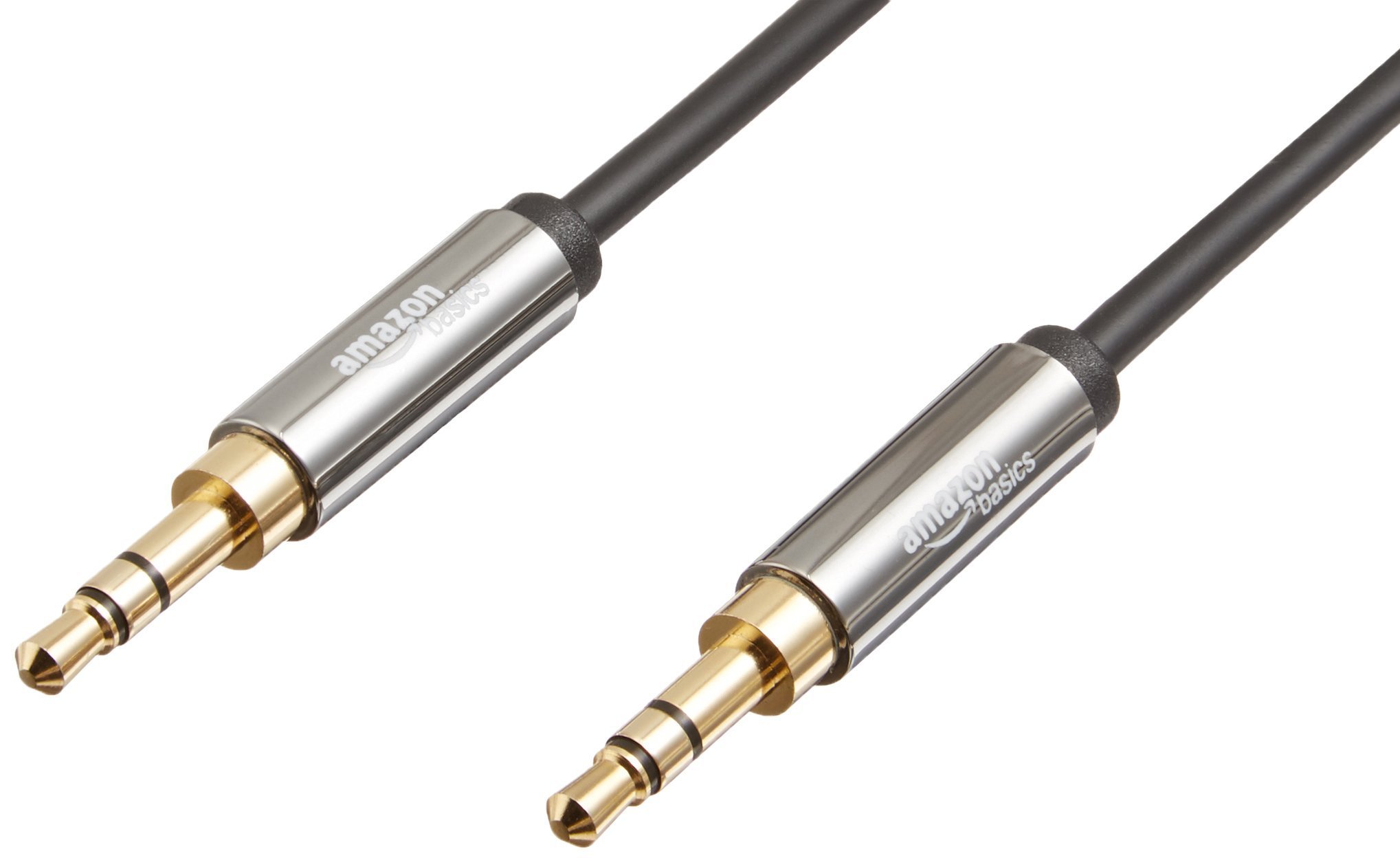
Amazon Basics 3.5mm to 3.5mm Stereo Audio Cable (4 ft)
$6.99
Why recommend: Affordable backup cable for wired inflight entertainment, ensuring you're never without a way to connect to seat-back screens.
Best for: Travelers who want a spare cable or a longer one for convenience on different seat configurations.
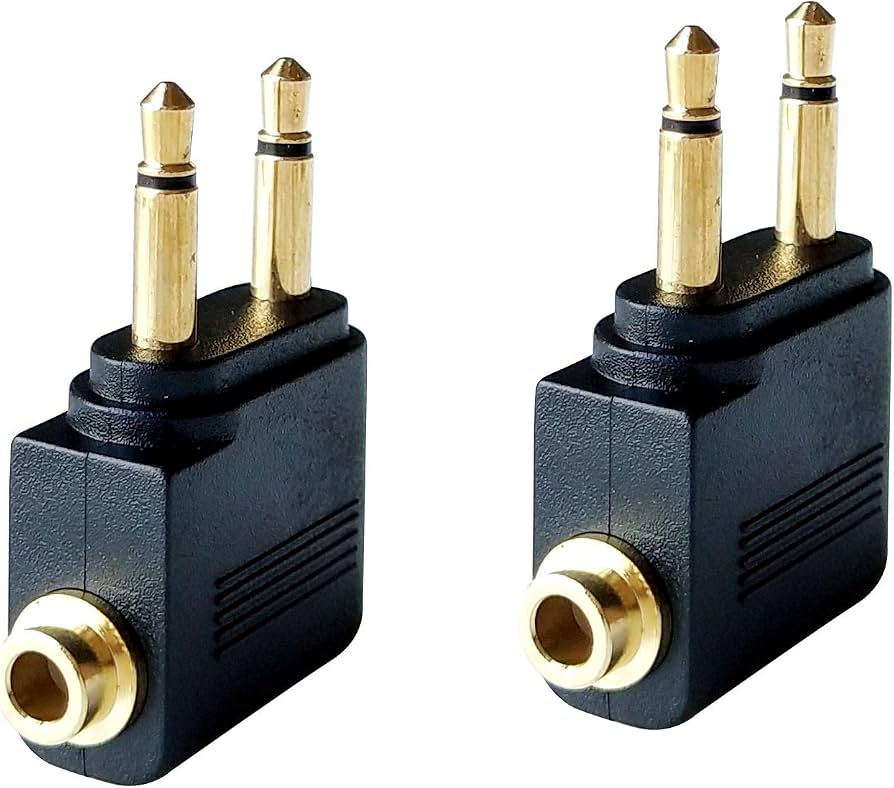
Airplane Headphone Adapter (Dual 3.5mm to Single 3.5mm)
$7.99
Why recommend: Essential accessory for using the XM5 on older planes with dual-prong audio jacks — cheap, tiny, and dependable.
Best for: Travelers who fly on older aircraft or want a simple backup in their bag at all times.
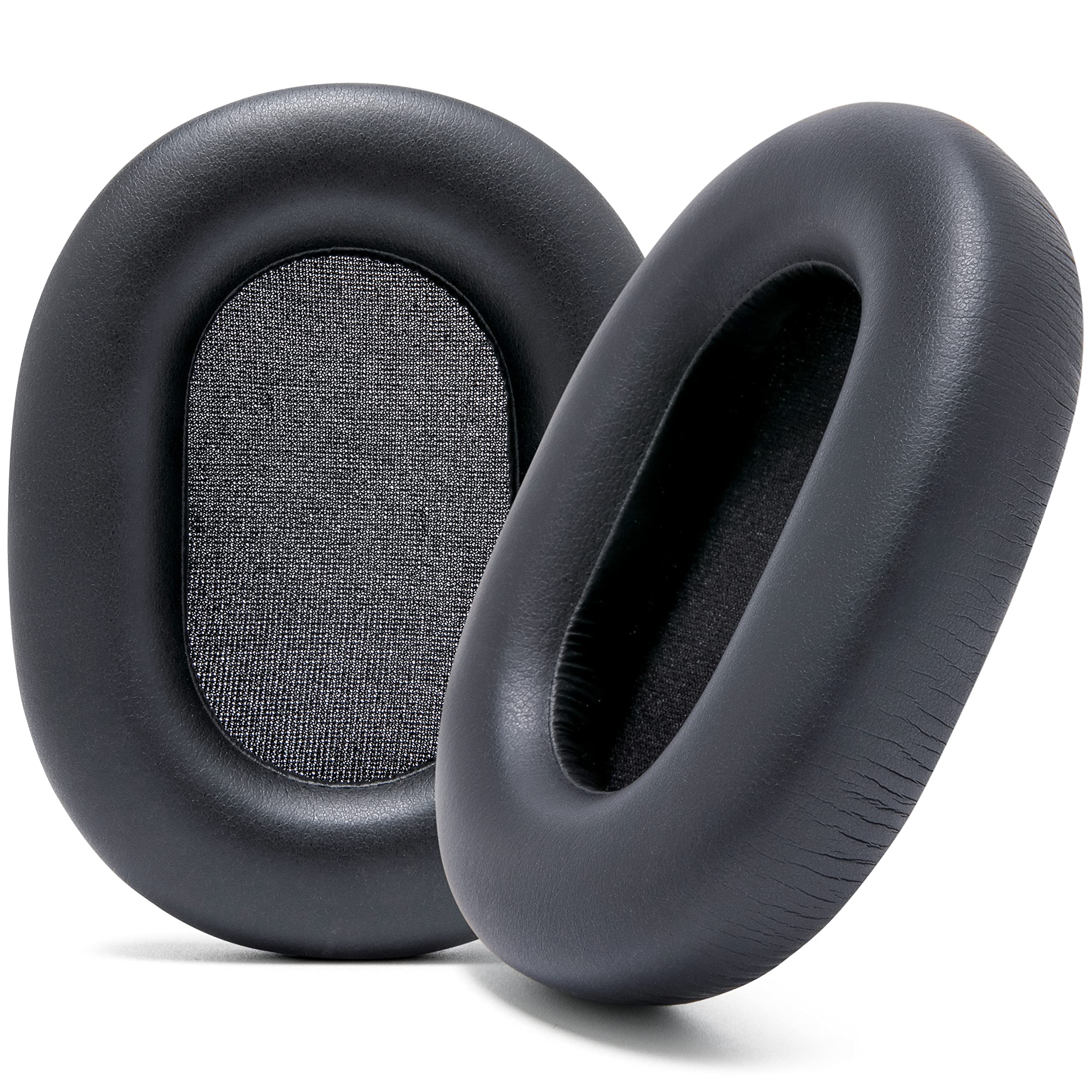
Wicked Cushions Replacement Ear Pads for Sony WH-1000XM5
$24.99
Why recommend: Replacement ear pads extend the comfort and cleanliness of your XM5, protecting your investment through years of travel.
Best for: Regular travelers who want to maintain hygiene and comfort, or who want to customize the color of their headphones.
Bottom Line
Ready to get the Sony WH-1000XM5? Check the latest price on Amazon.
🛒 Buy on AmazonAs an Amazon Associate we earn from qualifying purchases.
Frequently Asked Questions
Is the Sony WH-1000XM5 good for air travel?
Yes, the Sony WH-1000XM5 is one of the best headphones for air travel due to its class-leading noise cancellation, 30-hour battery life, and comfortable earcups. The only major downside is its non-folding design and bulky case, which can be inconvenient for packing. If you can live with that, it's exceptional.
Can you use the Sony WH-1000XM5 on an airplane?
Absolutely. You can use them wirelessly with your phone or tablet via Bluetooth after takeoff, or connect them with the included 3.5mm audio cable to the seat-back entertainment system. Many older planes have dual-prong jacks, so you'll need a small adapter. ANC still works in wired mode.
Does the Sony WH-1000XM5 work with the airplane's seat-back screen?
Yes, if the seat-back screen has a standard 3.5mm headphone jack, you can plug in the included cable. If it uses the older dual-prong system, you'll need a dual-prong to single 3.5mm adapter. Alternatively, you can use a Bluetooth transmitter like the AirFly Pro to connect wirelessly.
How good is the noise cancellation on the Sony WH-1000XM5 for flights?
The noise cancellation is phenomenal, especially for low-frequency sounds like jet engines. It uses eight microphones and two processors to actively cancel noise, and most travelers report that it reduces engine roar to a whisper, making your flight much quieter and more restful.
How long does the Sony WH-1000XM5 battery last on a long-haul flight?
With ANC turned on, the XM5 lasts up to 30 hours, which is more than enough for the longest non-stop flights. With ANC off, it lasts up to 40 hours. A 3-minute quick charge gives you about 3 hours of playback, so you're never caught without power.
Is the Sony WH-1000XM5 comfortable for 10+ hour flights?
Yes, most users find them comfortable for many hours because of the deep, soft earcups and moderate clamping force. However, some people experience slight pressure on the top of the head after 4-6 hours due to the thinner headband. Take short breaks or adjust the fit if needed.
What is the best alternative to the Sony WH-1000XM5 for air travel?
The Sony WH-1000XM4 is a top alternative if you want a folding headphone with almost as good ANC. The Bose QuietComfort 45 is also excellent, with a more compact folding design and slightly lighter weight. For budget travelers, the Anker Soundcore Life Q30 is a solid, much cheaper choice.
Does the Sony WH-1000XM5 have good quality for making calls at the airport or in-flight?
Yes, the XM5 is one of the better noise-cancelling headphones for calls. Its four microphones and AI-based noise reduction isolate your voice well in busy environments. Multipoint lets you take calls on your laptop and phone seamlessly.
Is the Sony WH-1000XM5 worth it for occasional flyers?
Possibly, if you also use it daily for commuting or office work and want the best ANC. However, if you only fly a few times a year, you might be better off with a cheaper model like the Anker Soundcore Life Q30, which still provides good noise cancellation and battery life for much less.
What is the carrying case like for the Sony WH-1000XM5? Does it fit easily in a carry-on?
The case is a hard-shell clamshell that's about 7.5 x 9.5 x 3 inches — larger than the XM4's folded case. It will fit in a carry-on or backpack, but it takes up a lot of space. Many travelers wish the XM5 folded flat. If portability is your top priority, consider the XM4 or QC45.
Can I use the Sony WH-1000XM5 with sleep masks or neck pillows?
Yes, but the over-ear design means you might not be able to lay your head directly against a pillow because the earcups stick out. Some travelers find that noise-cancelling earbuds are better for sleeping on planes. The XM5 is more suitable for active sitting, not curling up against a window.