
Quick Verdict
The Sonos Ray is a good solution for improving TV dialogue clarity, especially in small rooms and at low volumes. Its Speech Enhancement and Night Sound features make a real difference, but it lacks the dedicated center channel and advanced customization of some competitors. For most viewers, it will be a worthwhile upgrade over TV speakers.
✓ Key Strengths
- •Speech Enhancement mode effectively boosts vocal frequencies, making dialogue clearer.
- •Night Sound reduces loud effects while preserving speech, perfect for low-volume listening.
- •Compact design fits easily under most TVs and works well in small rooms.
- •Seamless integration with Sonos ecosystem allows expansion with surround speakers and Sub.
- •User-friendly setup via HDMI ARC or optical, plus the Sonos app EQ for customization.
- •Balanced sound quality with surprisingly good bass for its size.
- •Great low-volume performance, ideal for bedrooms and apartments.
✗ Key Weaknesses
- •No dedicated center channel; virtual center may be less effective for off-angle listeners.
- •Speech Enhancement has limited adjustment compared to products like Zvox with user-tunable boost.
- •Only HDMI ARC and optical connections; no HDMI passthrough or eARC.
- •No DTS support, which may affect audio playback from some sources.
- •At $279, it is pricier than some budget soundbars with equally strong dialogue modes.
- •Lacks advanced hearing aid-like features, such as per-user hearing compensation.
What is Sonos Ray?
What is improving TV dialogue clarity?
Detailed Analysis
👍 Perfect For
- ✓Seniors or individuals with mild hearing loss who need a noticeable improvement in TV dialogue.
- ✓Apartment residents who watch TV at low volumes and need Night Sound features.
- ✓Sonos ecosystem owners who want a compact soundbar that pairs with existing speakers.
- ✓Bedroom TV viewers who want a small, unobtrusive soundbar with clear vocals.
- ✓First-time soundbar buyers looking for a simple, high-quality audio upgrade.
👎 Not Ideal For
- ✗Home theater enthusiasts with large rooms who need room-filling sound and Atmos support.
- ✗Users with severe hearing loss who require highly customizable speech boost like a Zvox device.
- ✗Budget-conscious shoppers who want the cheapest viable dialogue improvement solution.
- ✗Those needing multiple HDMI inputs or legacy analog connections.
Use Case Scenarios
TV Viewer with Mild Hearing Loss
An older adult or someone with mild hearing impairment who frequently misses dialogue while watching TV.
✓ Strengths
- Speech Enhancement directly targets vocal frequencies.
- Night Sound helps in quiet environments where hearing aids might not work.
- EQ adjustments allow fine-tuning to personal hearing preferences.
✗ Weaknesses
- Limited range of voice boost compared to specialized devices.
- No per-user hearing profile calibration.
💡 Workarounds
- Pairing the Ray with the Sonos Sub Mini can reduce distortion and improve overall clarity.
- Use custom EQ presets in the Sonos app to cut bass and boost mid-range.
- Place the Ray closer to ear level on a low cabinet to improve high-frequency clarity.
The Ray helps significantly for mild hearing loss, providing a noticeable boost in dialogue clarity. It's not a medical-grade solution, but it succeeds where typical TV speakers fail.
Apartment Dweller Watching Late Night TV
A person living in an apartment who wants to enjoy TV at low volumes without disturbing neighbors, while still understanding dialogue.
✓ Strengths
- Night Sound significantly reduces volume spikes, perfect for shared walls.
- Speech Enhancement ensures quiet dialogue is still clear.
- Compact size avoids obstructing the TV screen even in tight spaces.
✗ Weaknesses
- Night Sound can slightly muddy audio dynamics, but it's a fair trade-off.
- No wireless subwoofer included, but bass might not be needed in an apartment.
💡 Workarounds
- Use Night Sound and Speech Enhancement together for best results.
- Place the Ray on a shelf rather than inside a cabinet to avoid muffled sound.
- Consider adding Sonos One SL as surrounds for a more immersive but still quiet experience.
The Sonos Ray excels in low-volume, clarity-focused listening. It's practically built for apartment dwellers who need to keep the peace while still enjoying TV.
Sonos Ecosystem Enthusiast
An existing Sonos user with other speakers like a Sonos One or a Sub, who wants a soundbar for their TV that integrates with their current setup.
✓ Strengths
- Seamless integration with Sonos ecosystem and app.
- Grouping with other speakers for a whole-home audio setup.
- Pairing with One SLs and Sub improves soundstage and dialogue separation.
✗ Weaknesses
- Still lacks a dedicated center channel, so dialogue may not anchor perfectly.
- Requires additional investment in more Sonos components for the full experience.
💡 Workarounds
- Add Sonos One SL as surrounds and a Sonos Sub Mini to free up the Ray for better mid-range response.
- Use Trueplay room calibration (available on iOS) to fine-tune audio levels for your space.
- Experiment with speaker volume levels in the Sonos app to prioritize front channels.
The Ray is a valuable entry-point for Sonos owners, and the ability to build a larger system makes it a versatile choice. It doesn't match the Beam in terms of center channel clarity, but the ecosystem benefits add value.
First-Time Soundbar Buyer on a Budget
A consumer looking for an affordable way to improve TV dialogue, upgrading from built-in TV speakers, without spending a fortune.
✓ Strengths
- Clear improvement over typical TV speakers.
- Speech Enhancement is built-in and easy to enable.
- Sleek design that fits a modern living room.
✗ Weaknesses
- Higher price than some dialogue-first alternatives.
- No included subwoofer, which some might expect at this price point.
💡 Workarounds
- Look for sales or refurbished units to lower the cost.
- If budget is the top priority, consider the Zvox AV157 for simpler, dialogue-focused performance.
- Use the optical cable (included) to avoid the need for HDMI ARC on older TVs.
The Ray is a decent choice for a first-time buyer, but it's not the absolute best value if dialogue clarity is the main concern. It trades some pure dialogue performance for aesthetics and ecosystem.
Home Theater Enthusiast with a Large Living Room
Someone with a large living room seeking a cinematic experience, with dialogue clarity as one of many audio requirements (surround, bass, immersion).
✓ Strengths
- Speech Enhancement still helps, but overall performance is underwhelming.
- Can be integrated as part of a larger Sonos system, but you'd need more speakers.
✗ Weaknesses
- Insufficient volume and output for large rooms.
- Virtual center channel lacks precision at wide seating angles.
- No Dolby Atmos, no DTS, no eARC – all missing features likely desired by enthusiasts.
💡 Workarounds
- If you already own other Sonos speakers, consider upgrading to the Sonos Beam Gen 2 or Arc for better center channel and immersion.
- Place the Ray at ear level and sit directly in front to get the best virtual center effect.
- Add a Sonos Sub to help fill the room with bass, but it won't solve dialogue clarity issues.
The Ray is not suitable for large home theater setups. It simply lacks the power and features needed to deliver dialogue clarity in a big room.
Related Products You Should Consider
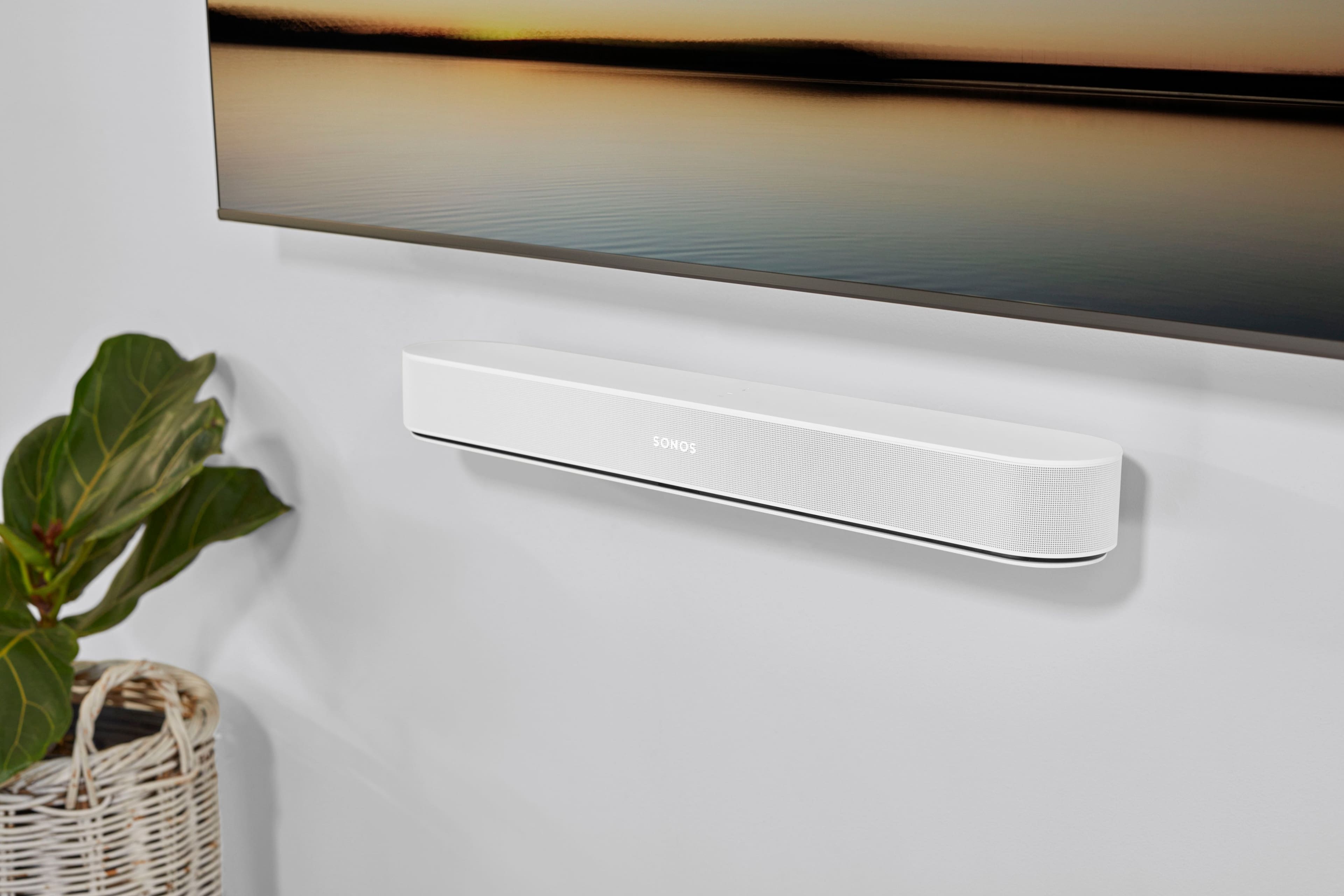
Sonos Beam (Gen 2) – Smart Soundbar
$449.00
Why recommend: This is the direct upgrade path for Ray owners who need better dialogue clarity and more advanced features.
Best for: Sonos users in medium rooms, home theater enthusiasts who want Atmos and eARC, and anyone who finds the Ray's virtual center insufficient.

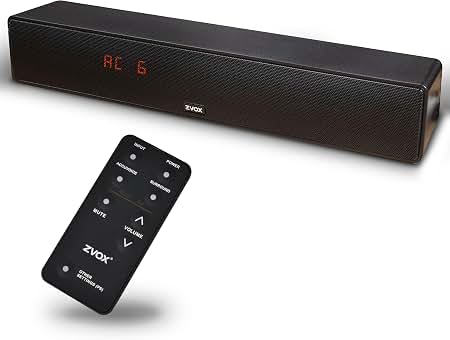
Zvox AV157 Dialogue Enhancing Soundbar
$299.00
Why recommend: This is the top alternative if your primary goal is TV dialogue clarity. It has more aggressive speech enhancement than the Ray and includes a dedicated Voice Boost control.
Best for: Seniors, hearing-impaired viewers, and people who prioritize dialogue above all other audio features.
Amazon Basics Digital Optical Audio Cable
$8.99
Why recommend: This is a budget-friendly accessory that ensures your Ray can be connected to any TV with an optical output.
Best for: Users with older televisions without HDMI ARC, or anyone needing a backup cable.
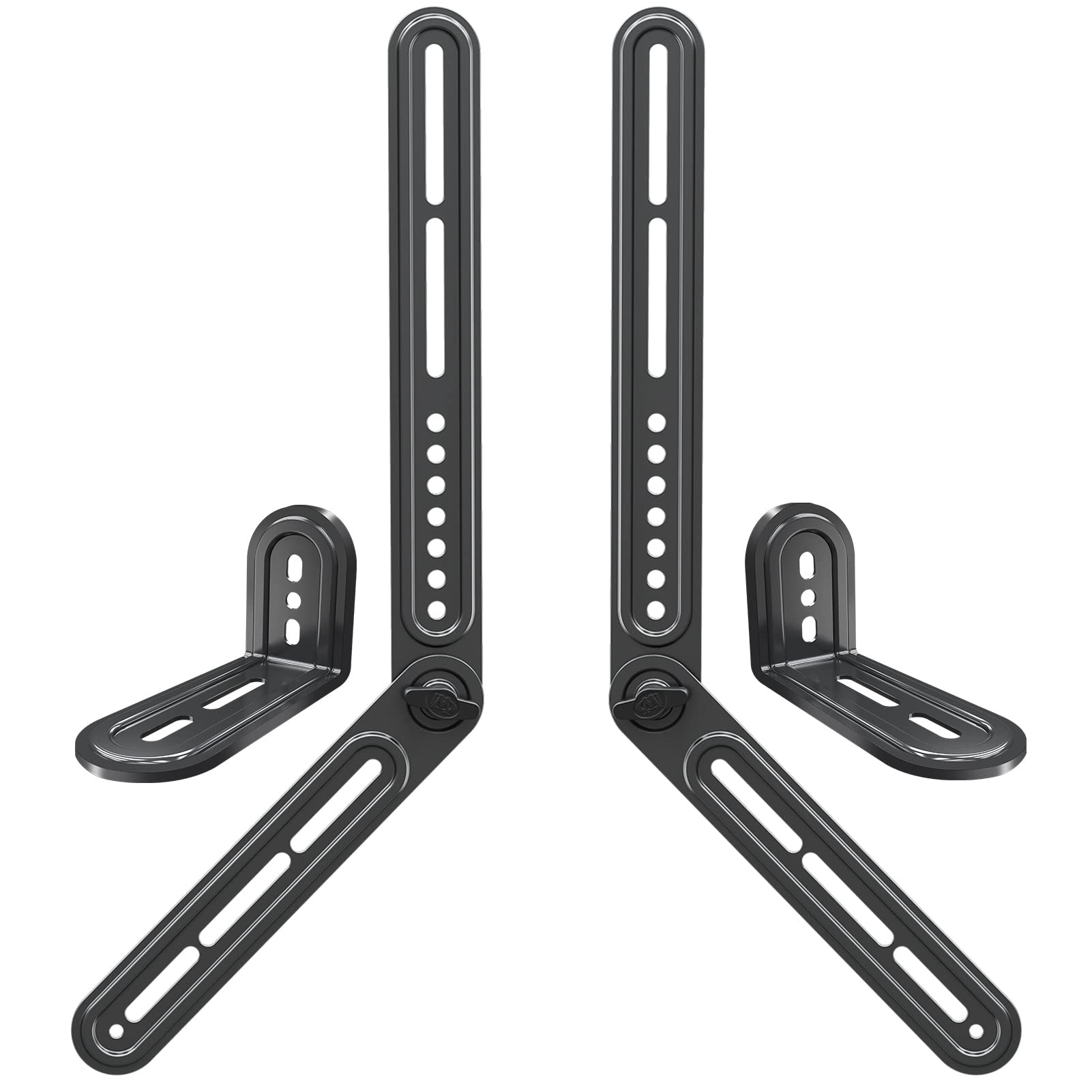
Mounting Dream Adjustable Soundbar Mount
$29.99
Why recommend: Placing the Ray at the right height and angle can noticeably affect dialogue clarity, and this mount makes that easy.
Best for: Apartment dwellers, wall-mount TV users, and anyone looking to declutter their TV stand.
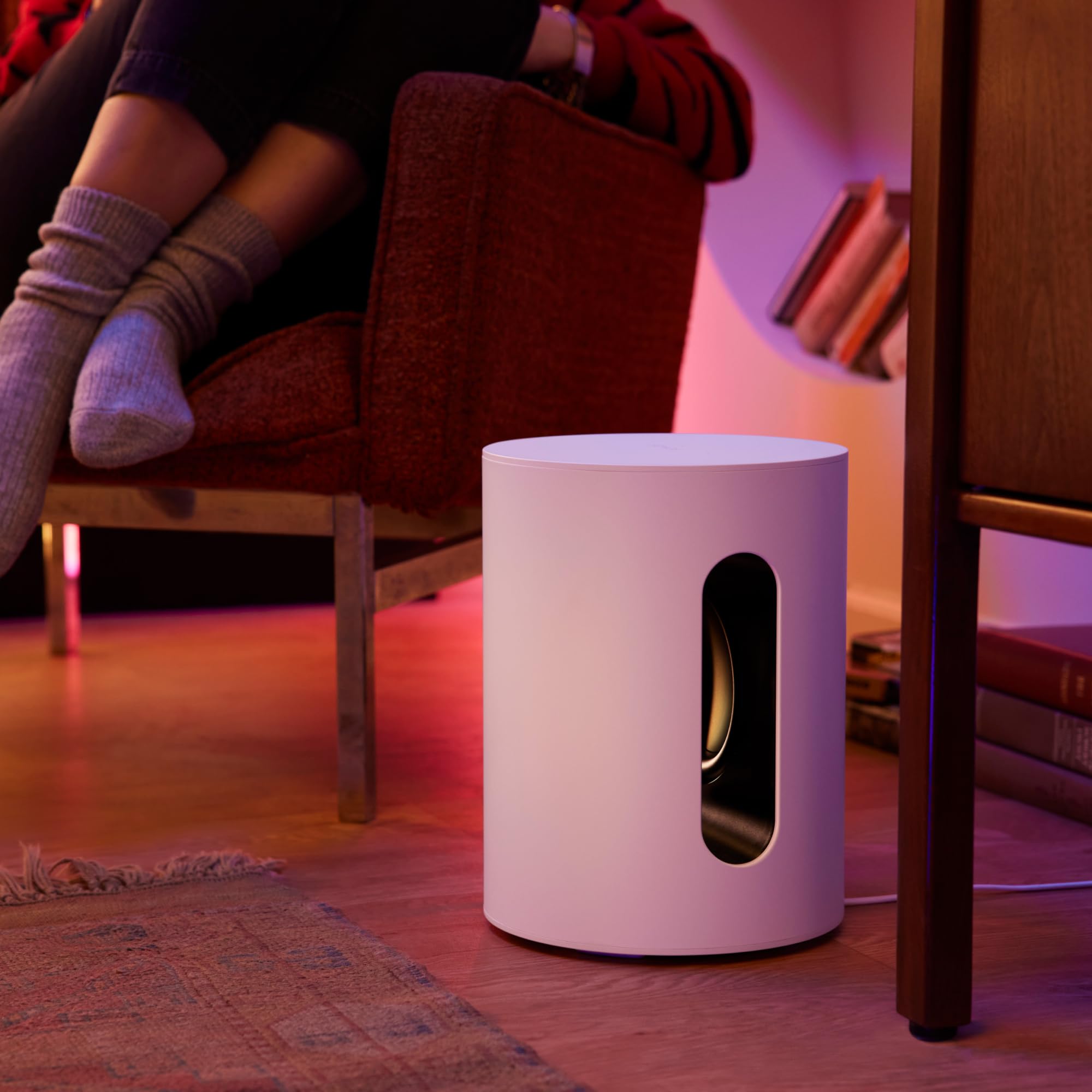
Sonos Sub Mini wireless subwoofer
$429.00
Why recommend: It complements the Ray by removing the driver burden of bass, allowing for clearer vocals and better overall sound.
Best for: Sonos owners who want better bass without sacrificing space, and those looking to boost overall sound quality for TV and music.
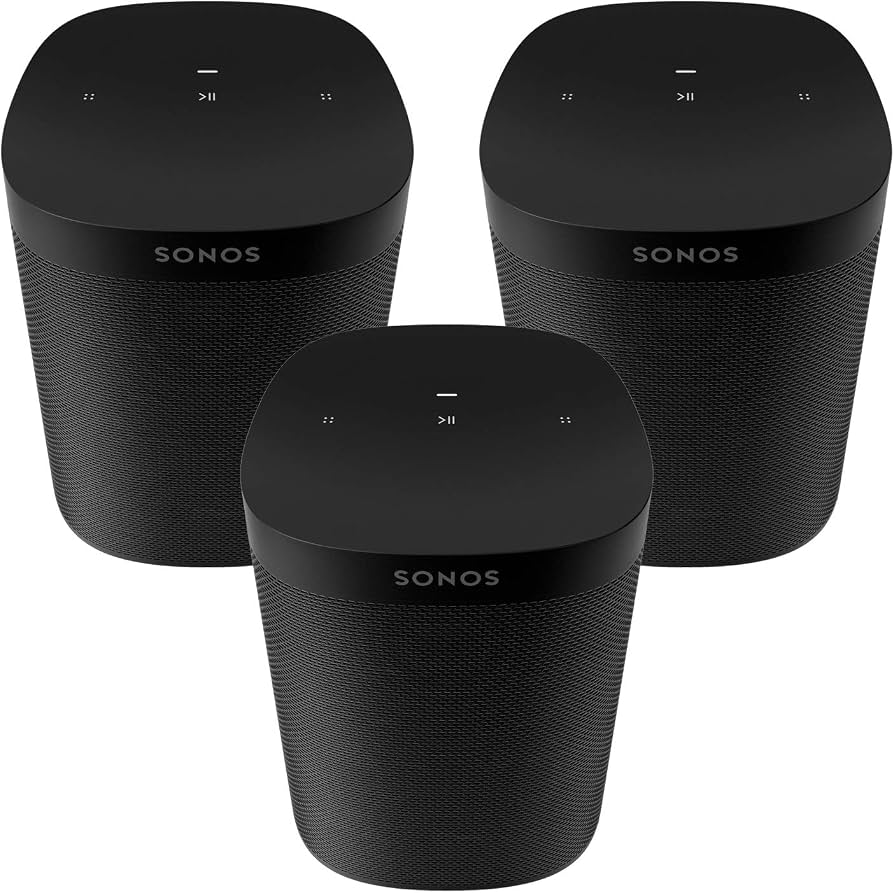
Sonos One SL (Pair) – Sonos Surround Speakers
$219.00
Why recommend: Adding surrounds to the Ray transforms it into a more capable home theater system, which can indirectly help dialogue clarity by providing better acoustic separation.
Best for: Sonos users who want a cinematic experience in a small space, and those who watch a lot of action movies and need clear voices amid explosions.
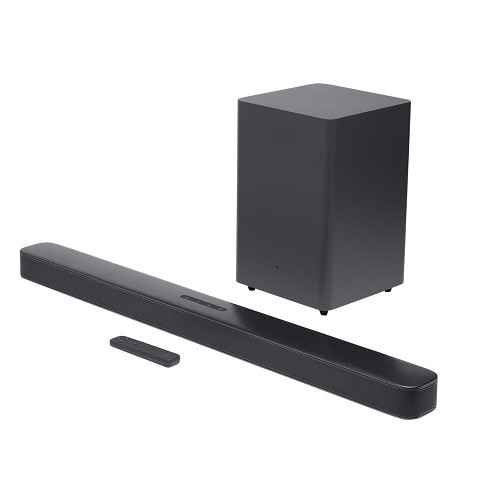
JBL Bar 2.1 Deep Bass Soundbar
$199.00
Why recommend: This is a cost-effective alternative that delivers solid audio performance and includes a subwoofer, making it a better value for many buyers.
Best for: Budget-conscious shoppers who want an all-in-one soundbar with good dialogue clarity and strong bass without extra purchases.
Bottom Line
Ready to get the Sonos Ray? Check the latest price on Amazon.
🛒 Buy on AmazonAs an Amazon Associate we earn from qualifying purchases.
Frequently Asked Questions
Is Sonos Ray good for improving TV dialogue clarity?
Yes, the Sonos Ray is good at improving TV dialogue clarity, thanks to its Speech Enhancement and Night Sound features. Many users find that these modes make a significant difference, especially at low volumes and in small rooms. However, it's not the best-in-class for this purpose; dedicated dialogue soundbars like Zvox AV157 offer more aggressive voice boosting.
Does Sonos Ray have speech enhancement?
Yes, the Sonos Ray includes a Speech Enhancement mode that you can enable from the Sonos app. It boosts vocal frequencies to make dialogue clearer, and it can be used along with Night Sound for late-night TV viewing.
Can you use Sonos Ray with a large TV?
Absolutely. The Sonos Ray works with any TV that has HDMI ARC or optical audio output. Its compact size fits under large screens without blocking the screen, but its audio output may not be sufficient for a very large room.
Is Sonos Ray worth it for dialogue?
If your primary issue is hearing dialogue clearly and you're already a Sonos fan or want a compact soundbar, yes. It offers a strong improvement over TV speakers. But if you need severe hearing assistance, consider a dedicated product like Zvox.
What are alternatives to Sonos Ray for dialogue?
The Zvox AV157 is the top alternative for pure dialogue clarity. Other options include the Sonos Beam Gen 2 (an upgrade) or budget bars like JBL Bar 2.1. Each has different strengths in terms of voice boost and ecosystem.
How to set up Sonos Ray for best dialogue clarity?
In the Sonos app, enable Speech Enhancement and Night Sound. Also, use the EQ to reduce bass and boost mid-range frequencies. Place the soundbar at ear level or slightly angled upward, and ensure no obstructions between the bar and your seating position.
Does Sonos Ray work with older TVs?
Yes, if the TV has an optical audio output. The Sonos Ray comes with an optical adapter cable so you can connect to TVs without HDMI ARC. Note that you'll need to use the optical cable for audio, and the Sonos Ray will still be controlled with your TV remote.
Can I add Sonos Ray to an existing Sonos system?
Yes, the Sonos Ray can be paired with other Sonos products like a Sub and One SL speakers to create a full home theater system. You can group speakers for playback or use them as surrounds in the Sonos app.
Is Sonos Ray better than a soundbar with a center channel?
For dialogue clarity, a soundbar with a dedicated center channel (like the Sonos Beam or larger bars) will generally be better because it physically anchors voices. The Ray uses virtual processing to simulate a center, which is good but not as precise, especially for off-angle listeners.
How does Sonos Ray compare to Sonos Beam for dialogue?
The Sonos Beam (Gen 2) is superior for dialogue because it has a dedicated center channel, virtual Dolby Atmos, and more precise speech enhancement. It costs more, but it's also a step up in overall audio performance.
What accessories improve Sonos Ray dialogue clarity?
Using an optical cable for stable connection, a soundbar mount to position it at ear level, and a Sonos Sub Mini to offload bass can all indirectly improve dialogue clarity. Additionally, adding Sonos surrounds creates a more immersive audio stage that helps confirm dialogue.
Is Sonos Ray good for movies?
Yes, for small to medium rooms, the Sonos Ray is good for movies, delivering clear dialogue and virtual 5.1 surround. However, for a true home theater experience with intense bass and immersion, you'd need to add a Sub and surrounds, or consider a higher-end model.