
Quick Verdict
The Shure SM7B is an outstanding microphone for vocal recording, blending warmth, clarity, and exceptional noise rejection. It's a top pick for podcasts, voiceover, and music vocals, provided you have a good interface or gain booster. If you can meet its gain requirements, it's an investment that will serve you for decades.

Shure SM7B
$399.00

✓ Key Strengths
- •Warm, smooth vocal character with a presence bump that adds definition
- •Excellent off-axis rejection minimizes background noise and room tone
- •Built-in pop filter and shock mount reduce plosives and mechanical noise
- •Rugged all-metal construction built to last decades
- •Flexible tone controls (bass roll-off and presence boost) for tailoring the sound
- •Handles high SPL without distortion, suitable for loud singers
- •No need for phantom power, works with any standard XLR input
- •Proven professional track record and widespread praise
✗ Key Weaknesses
- •Very low output level requires a high-gain preamp or a cloud/lifter device
- •Slightly dark top end on some voices; may need EQ to add 'air'
- •Heavy and bulky, so requires a sturdy stand or boom arm
- •Not a USB microphone; requires an audio interface for connection
- •Bigger investment when you factor in the cost of necessary accessories
What is Shure SM7B?
What is vocal recording?
Detailed Analysis
👍 Perfect For
- ✓Podcasters and radio hosts who want a broadcast-standard voice
- ✓Singers recording from home in untreated rooms
- ✓Streamers and YouTubers who want a premium look and sound
- ✓Voiceover artists needing a versatile, reliable mic
- ✓Studio owners looking for a durable workhorse microphone
👎 Not Ideal For
- ✗Beginners with minimal budgets who can't afford an interface and gain booster
- ✗Vocalists who want a bright, airy condenser character
- ✗Musicians who need a mic for quiet, acoustic instruments (this is for vocals)
- ✗Traveling performers who need a compact, lightweight setup
Use Case Scenarios
Podcasting and Live Streaming
Capturing spoken-word vocals for podcasts, live streams, and YouTube videos in a home or office setting.
✓ Strengths
- Excellent background noise rejection
- Built-in pop filter and shock mount
- Warm, broadcast-friendly tone
- Durable and reliable for long sessions
✗ Weaknesses
- Needs a high-gain interface or booster
- Heavy, requiring a sturdy boom arm
💡 Workarounds
- Use a Cloudlifter CL-1 to boost signal
- Use a Gator Frameworks boom arm for support
- Place mic 6-8 inches from mouth for best tone
The SM7B is perfectly suited for podcasting/streaming thanks to its noise rejection, built-in pop filter, and smooth vocal character. With the right gain setup, it delivers a professional broadcast sound that enhances content quality.
Professional Studio Vocals
Tracking lead and backing vocals for songs in a controlled recording studio.
✓ Strengths
- Warm, mix-ready sound
- High SPL handling for loud vocalists
- Reduces headphone bleed
- Reliable and consistent
✗ Weaknesses
- Lacks the airy top end of a condenser
- Requires high-gain preamp for optimal level
💡 Workarounds
- Use presence boost switch to add clarity
- Try a Cloudlifter to ensure clean gain
- Add subtle high-shelf EQ in mixing if needed
A top-tier dynamic mic that works for most studio vocals, but not the first choice for engineers wanting ultra-transparent high-frequency detail. Still, it excels in many recording situations and offers excellent reliability.
Home Studio in an Untreated Room
Recording vocals from a basic home studio with no acoustic panels, using an entry-level audio interface.
✓ Strengths
- Superb rejection of room reverb and ambient noise
- Built-in pop filter saves additional gear
- Works well without expensive acoustic treatment
✗ Weaknesses
- Low output can cause noise on entry-level interfaces
- May sound dark on some voices without EQ
💡 Workarounds
- Use a Cloudlifter CL-1 for clean gain
- Use a boom arm to position mic close to the mouth
- Apply gentle EQ in your DAW to brighten if needed
The SM7B is a lifesaver for home studios, effectively minimizing noise and room tone. While it needs a gain boost, it delivers professional-quality vocals with minimal acoustic treatment.
On-the-Go and Field Recording
Recording vocals or voice memos in various locations, such as interviews or fieldwork, with portable equipment.
✓ Strengths
- Extremely durable and unlikely to break in transit
- Good sound quality if you can carry the necessary gear
✗ Weaknesses
- Heavy and bulky, not portable
- Requires external power and preamp
- No integrated USB or battery operation
💡 Workarounds
- Use a lightweight recorder with high gain, such as the Zoom F6
- Invest in a padded case for transport
- Consider a smaller mic like the SM58 for field work
The SM7B is studio-bound gear; its weight, size, and need for external equipment make it a poor choice for on-the-go recordings. Alternatives are far more practical for field work.
Budget-Conscious Beginner
A first-time buyer with a limited budget who wants a professional-sounding vocal mic without investing in extra gear.
✓ Strengths
- Excellent sound quality that will grow with the user
- Longevity and durability make it a one-time purchase
✗ Weaknesses
- High upfront cost plus hidden accessory costs
- Requires tech knowledge for gain staging and setup
- Not a plug-and-play USB microphone
💡 Workarounds
- Start with a budget interface and a FiFine or ATR2100x USB mic
- Buy used or wait for sales on the SM7B
- Invest in a Cloudlifter when budget permits
The SM7B is a great mic, but its cost and setup requirements make it less ideal for beginners with limited budgets. More accessible options provide workable quality without the complexity.
Related Products You Should Consider
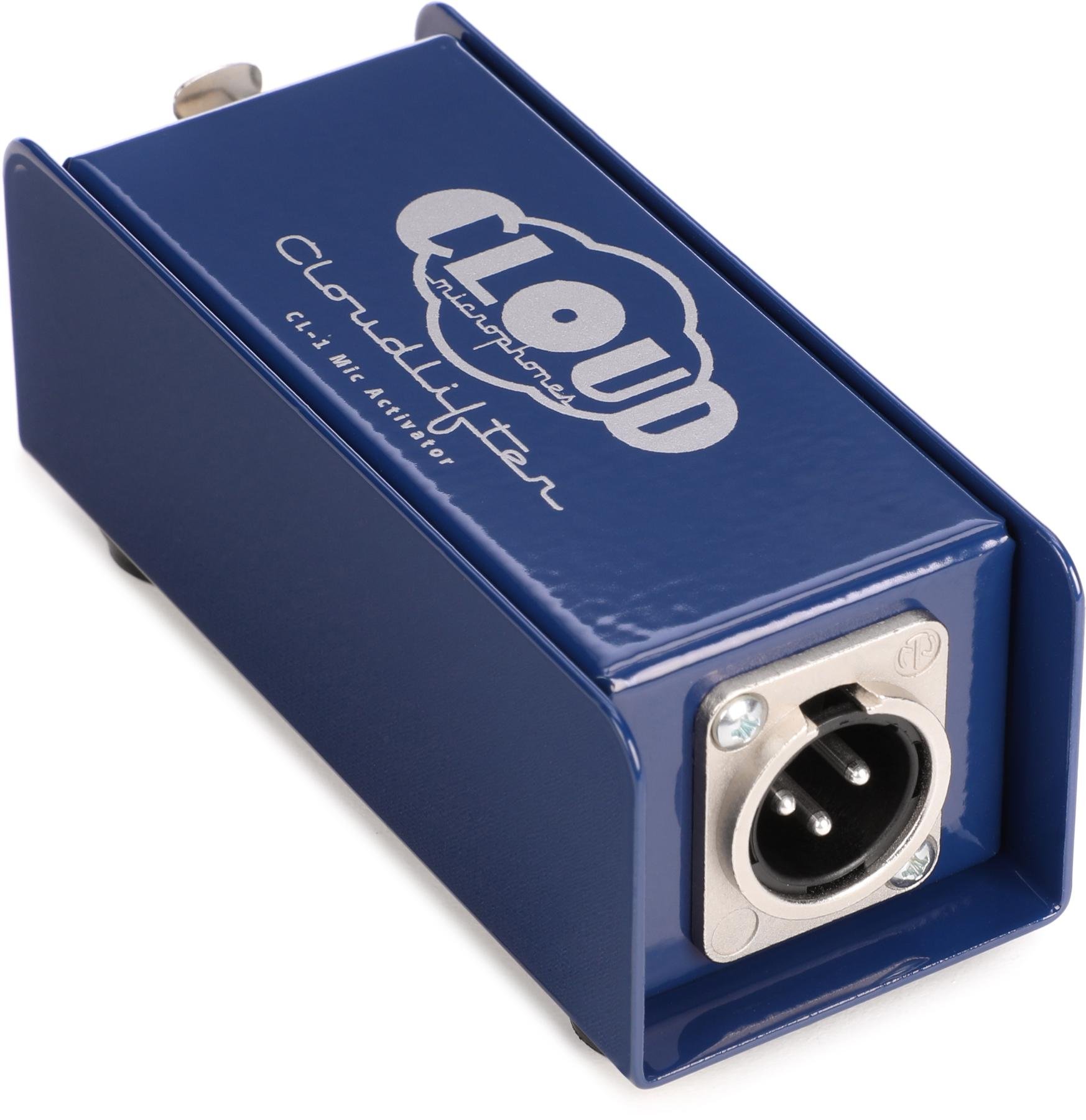
Cloudlifter CL-1
$149.99
Why recommend: Essential gain booster for the SM7B to achieve clean, professional recordings.
Best for: SM7B owners with interfaces under $300, podcasters, and home studio users.
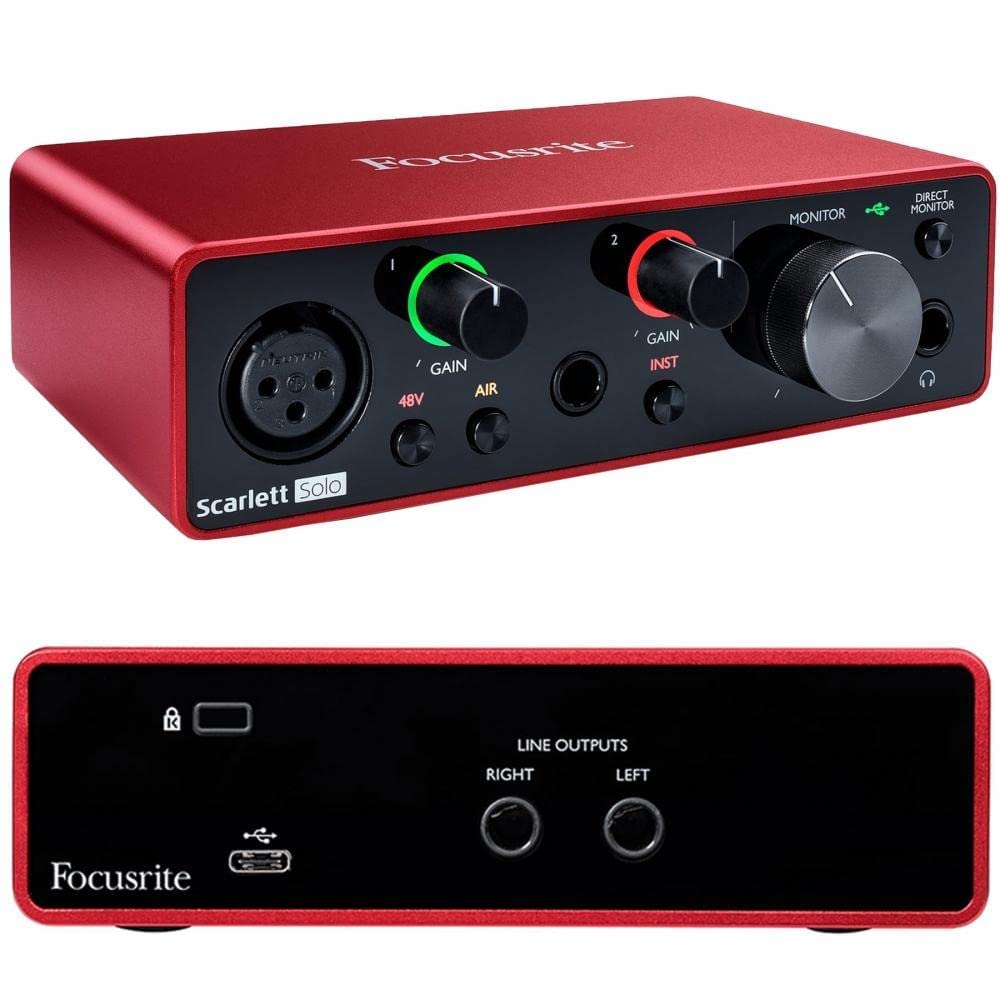
Focusrite Scarlett Solo (3rd Gen)
$119.00
Why recommend: Affordable, high-quality interface that pairs well with the SM7B (especially with a Cloudlifter).
Best for: Solo podcasters and vocalists needing a compact, reliable audio interface.
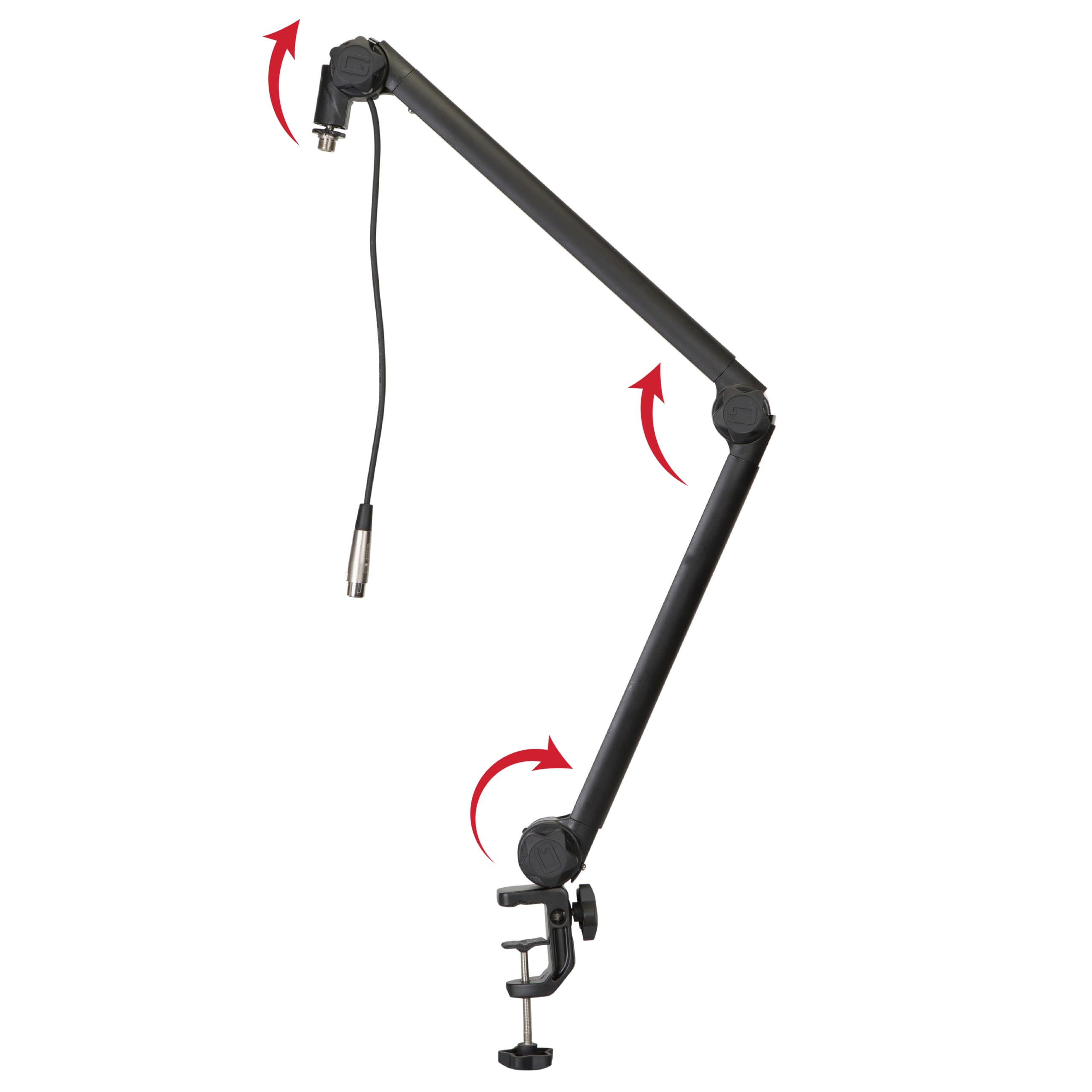
Gator Frameworks Deluxe Tabletop Mic Stand
$35.00
Why recommend: Stable, heavy-duty mic stand that prevents the SM7B from tipping over.
Best for: Podcasters, streamers, and home studio users with desk-only setups.
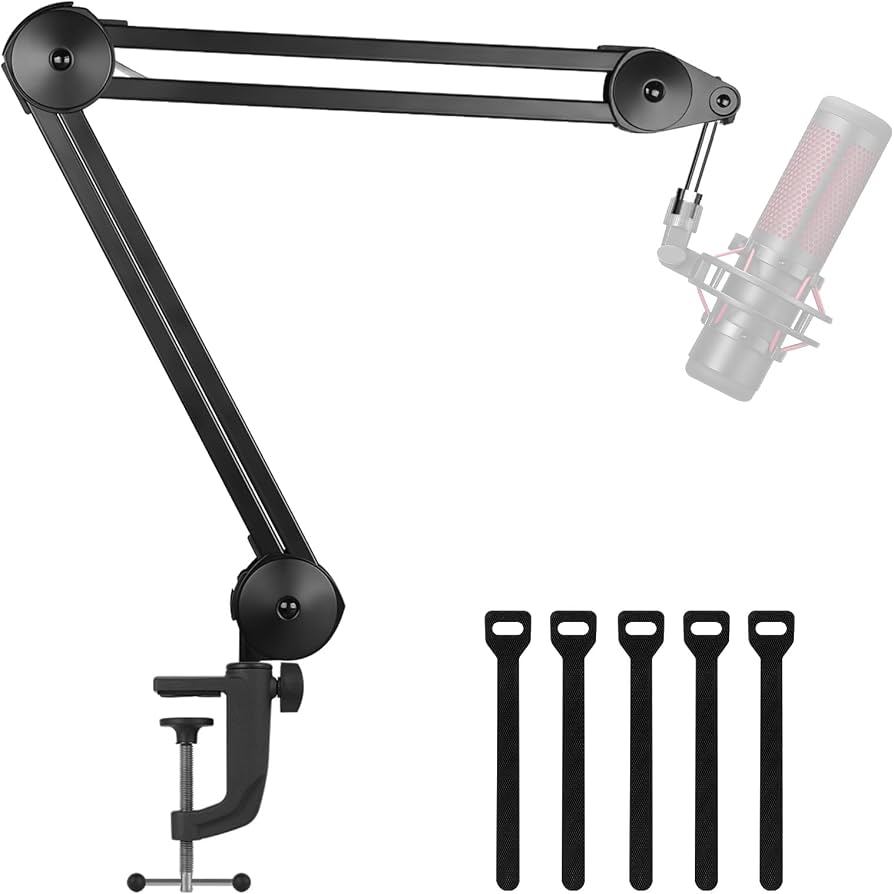
InnoGear Microphone Suspension Boom Arm
$45.99
Why recommend: Affordable boom arm that holds the SM7B and saves desk space.
Best for: Budget-conscious streamers and podcasters who need flexible mic placement.
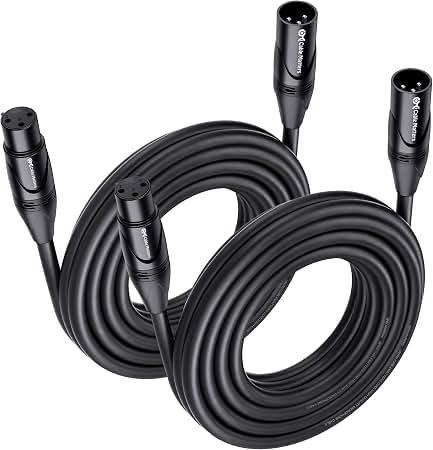
LyxPro 20 ft XLR Microphone Cable
$15.99
Why recommend: High-quality, affordable XLR cable ensuring clean signal transfer from the SM7B.
Best for: Anyone needing a reliable, durable cable for their microphone setup.

Audio-Technica AT2020
$99.00
Why recommend: Budget-friendly condenser alternative with a brighter sound for vocal recording.
Best for: Beginners on a tight budget who have a treated room and want detailed vocal recordings.
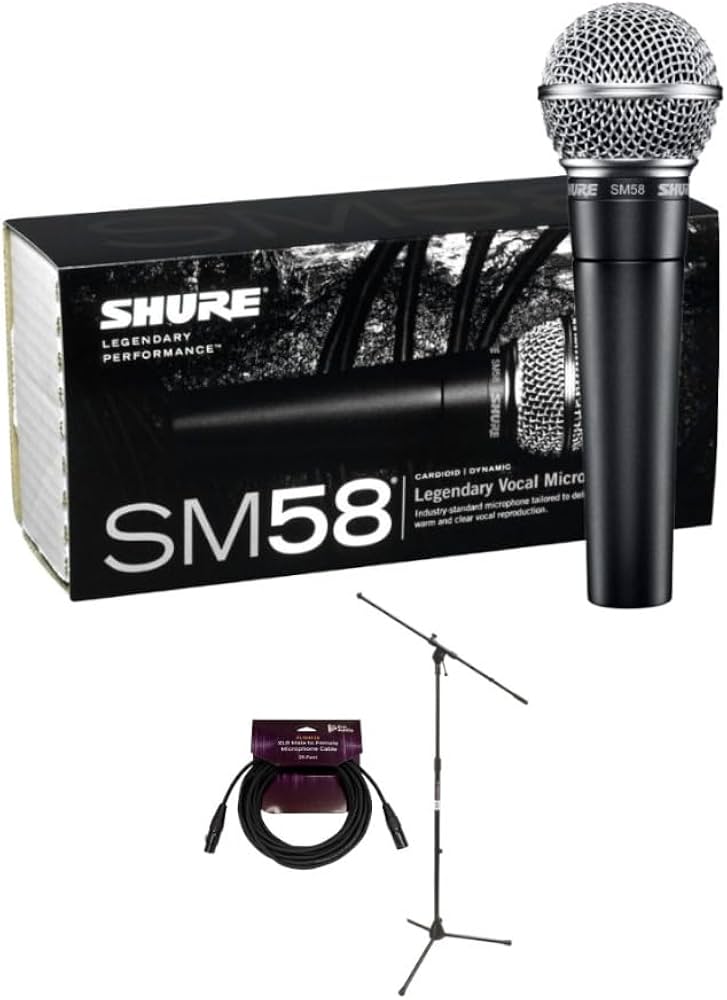
Shure SM58
$99.00
Why recommend: Affordable, versatile dynamic mic that's a great starter alternative to the SM7B.
Best for: Beginners, live performers, and anyone needing a budget-friendly dynamic microphone.
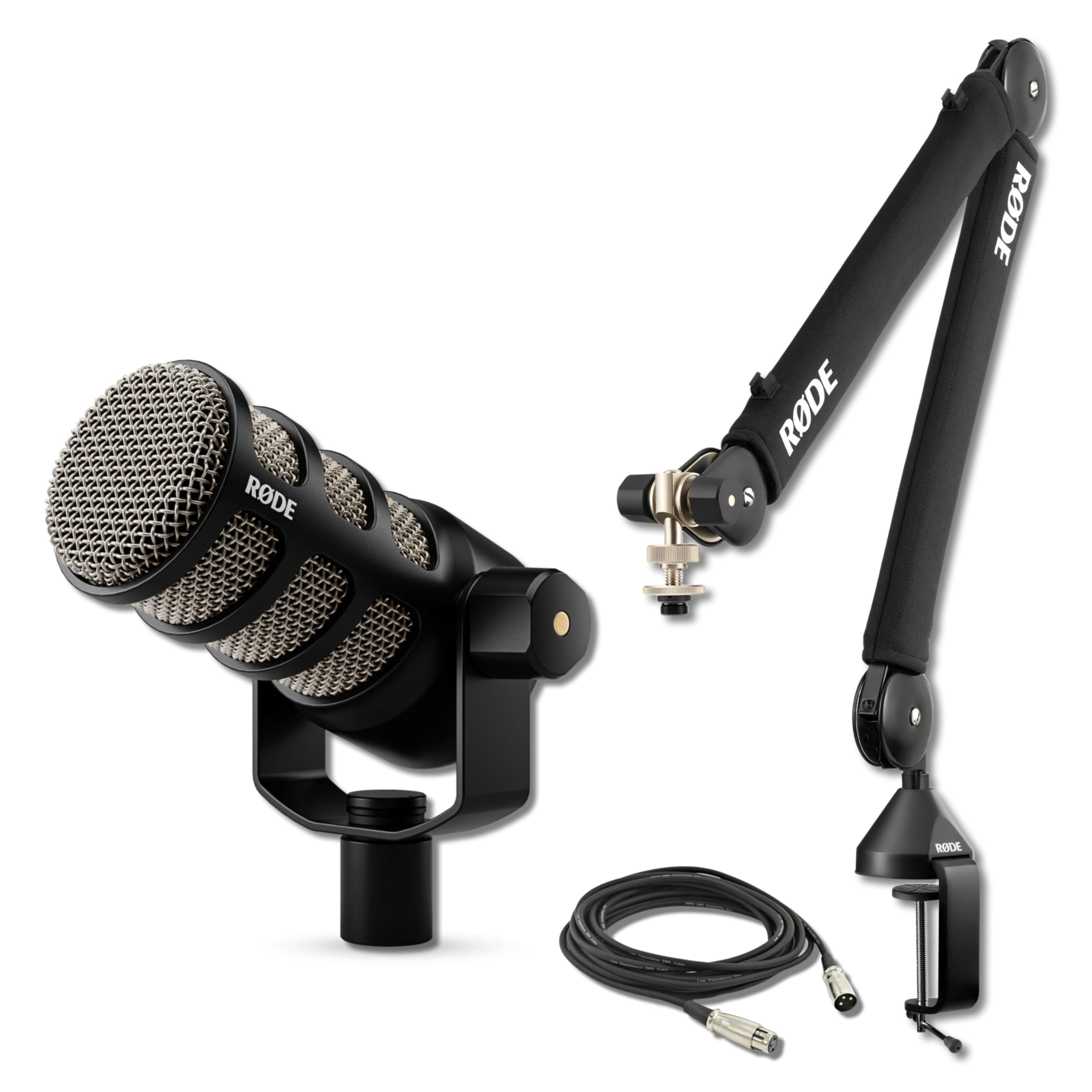
Rode PodMic
$99.00
Why recommend: Excellent budget dynamic mic that rivals the SM7B for spoken word at a lower price.
Best for: Podcasters, streamers, and content creators on a budget seeking broadcast-quality sound.
Bottom Line
Ready to get the Shure SM7B? Check the latest price on Amazon.
🛒 Buy on AmazonAs an Amazon Associate we earn from qualifying purchases.
Frequently Asked Questions
Is the Shure SM7B good for vocal recording?
Yes, the Shure SM7B is excellent for vocal recording. It delivers a warm, smooth sound with good noise rejection, making it a favorite for podcasters, singers, and voiceover artists. However, it needs a capable preamp or a booster like the Cloudlifter CL-1 to achieve optimal recording levels.
Can I plug the SM7B directly into my computer?
No, the SM7B is an XLR microphone and requires an audio interface or mixer to connect to a computer. You'll need an interface with phantom power (though the SM7B doesn't need it) and enough gain to bring the signal up to a usable level.
Does the SM7B need a Cloudlifter?
The SM7B has a low output, so a Cloudlifter (or other in-line preamp) is highly recommended when using an entry-level audio interface. It provides +25 dB of clean gain, eliminating the need to push your interface preamp to noisy levels. High-end interfaces with 60+ dB of gain may not need it.
What audio interface should I use with the SM7B?
Popular choices include the Focusrite Scarlett Solo or 2i2, Universal Audio Volt series, or Audience iD14. Look for an interface with at least 60 dB of gain and low noise floor. If your interface doesn't have enough gain, pair it with a Cloudlifter CL-1.
Is the SM7B better than a condenser for vocals?
It depends. The SM7B is a dynamic mic with a warmer, darker sound and better noise rejection, making it great for untreated rooms and loud sources. Condenser mics capture more detail and air, but are more sensitive to room noise. For most home setups, the SM7B is often the better choice.
How do I reduce background noise with the SM7B?
The SM7B's tight cardioid pattern already rejects a lot of environmental sound. Position the mic close to your mouth (2–6 inches) to increase the signal-to-noise ratio, use a noise gate in your DAW to remove silence, and consider acoustic foam panels for larger rooms. A boom arm that absorbs vibrations also helps.
Can the SM7B record loud vocals without distortion?
Yes, the SM7B can handle extremely high sound pressure levels (up to 180 dB SPL) without distortion, so it won't clip even with loud singers or screamers. However, your audio interface's preamp may clip if you push the gain too high, so it's important to set proper levels.
What are the best alternatives to the SM7B for vocals?
Depending on budget and needs: Rode PodMic (budget dynamic), Shure SM58 (classic live mic), Audio-Technica AT2020 (budget condenser), Electro-Voice RE-20 (broadcast dynamic), or the Shure MV7 (USB/XLR hybrid). Each has its own tonal character and price point.
Is the SM7B good for YouTube videos?
Absolutely. Many YouTubers use the SM7B for voiceovers and esports commentary. Its blend of durability, visual appeal, and professional sound makes it ideal for content creation. Just remember to pair it with a good interface and gain booster.
How do I position the SM7B for singing?
Place the SM7B directly in front of your mouth, about 2–4 inches away, angling it slightly off-axis to reduce plosives. Use a pop filter for extra protection. Experiment with the bass roll-off switch to control proximity effect if you're working close.
Does the SM7B require phantom power?
No, the SM7B is a dynamic microphone and does not require phantom power. It works with any standard XLR input. Be careful not to send phantom power to certain dynamic mics, but the SM7B can handle it (though it's unnecessary).
How can I make the SM7B sound brighter?
Engage the presence boost switch (+5 dB at 5 kHz) for extra presence, or apply a gentle high-shelf EQ in your DAW to add air above 10 kHz. Alternatively, move the mic slightly closer to enhance clarity due to proximity effect, though this may also boost low-end.