
Quick Verdict
The Fitbit Charge 6 is a good fitness tracker for casual hiking trail tracking, but it lacks the offline maps, navigation tools, and battery endurance needed for serious backcountry adventures. For day hikes on known trails, it is an excellent value.
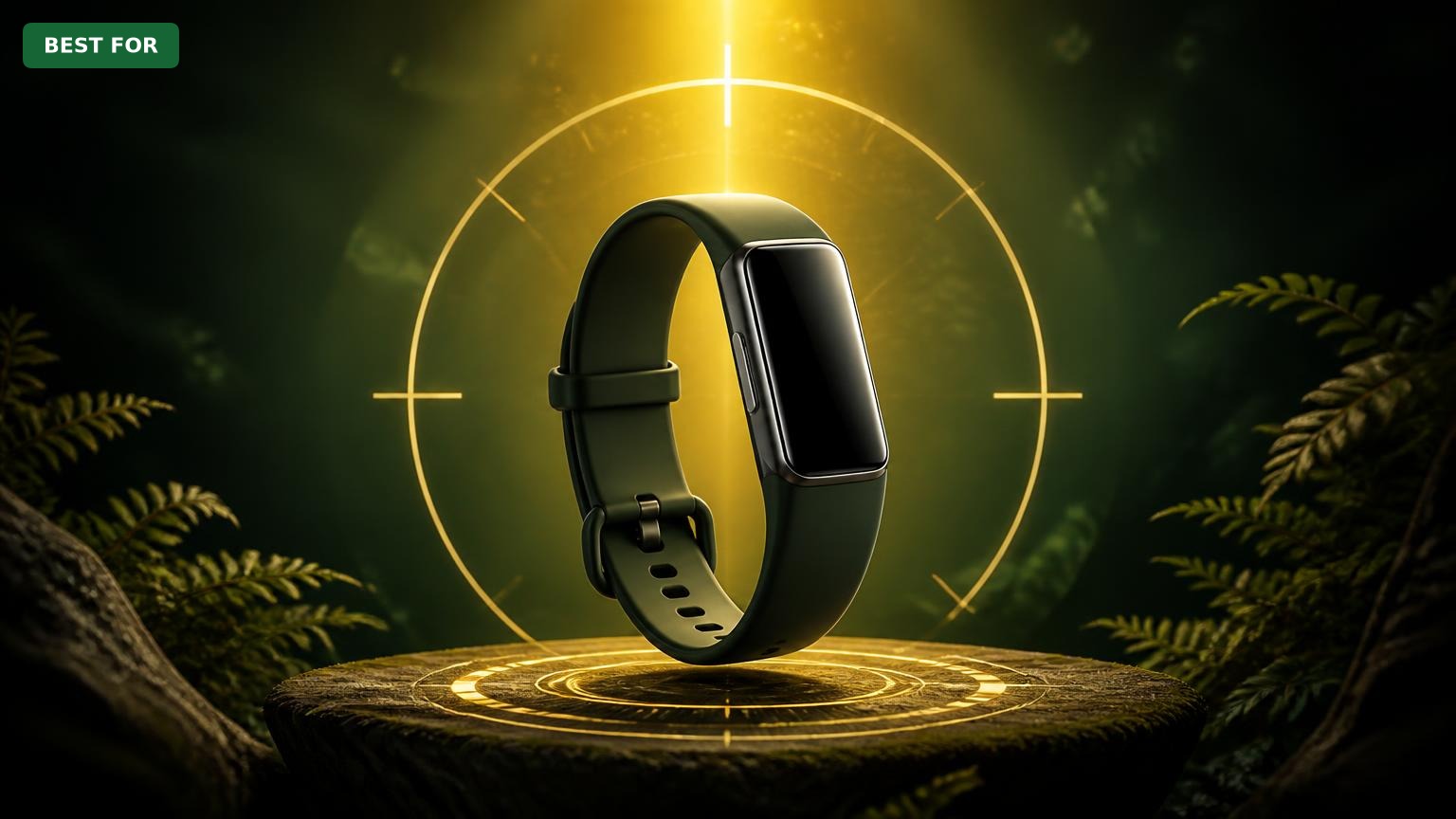
Fitbit Charge 6
$159.95

✓ Key Strengths
- •True built-in GPS tracks your trail route without needing your phone
- •Dedicated Hike mode makes starting a hiking workout quick and easy
- •Lightweight and comfortable for all-day wear
- •7-day battery in smartwatch mode and about 8 hours with continuous GPS
- •Water-resistant to 50m, so rain and stream crossings are not a problem
- •Fitbit app shows your route map and elevation profile after the hike
✗ Key Weaknesses
- •No offline maps or breadcrumb navigation on the watch
- •Small AMOLED display is not practical for viewing trail maps
- •Cannot import or follow GPX routes
- •Continuous GPS battery lasts only about 8 hours, too short for multi-day trips
- •Elevation data is GPS-based and can be inaccurate under dense tree cover
What is Fitbit Charge 6?
What is hiking trail tracking?
Detailed Analysis
👍 Perfect For
- ✓Casual day hikers who want distance, pace, and heart rate without carrying a phone
- ✓Fitness enthusiasts who use hiking as a workout and want Active Zone Minutes
- ✓Weekend trail walkers on well-marked trails who value comfort and simplicity
- ✓People who want an everyday fitness tracker with occasional light trail use
👎 Not Ideal For
- ✗Backcountry hikers who rely on their device for route navigation
- ✗Multi-day backpackers who need more than 8 hours of GPS battery
- ✗Trail runners who need advanced performance analytics and precise pace
- ✗Hikers who want a rugged outdoor watch with full color topo maps
Use Case Scenarios
Casual Weekend Hiker on Marked Trails
This hiker goes to local state parks a few times a month, follows trail signs, and wants to log distance, pace, calories, and heart rate.
✓ Strengths
- GPS route tracking works without a phone
- Hike mode is extremely intuitive
- Active Zone Minutes motivate you to push harder
- Lightweight for all-day wear
- Long battery life that lasts through the whole week
✗ Weaknesses
- Small screen makes it hard to see map details
- No turn-by-turn guidance or backtrack function
💡 Workarounds
- Use the Fitbit app on your phone for live map view if needed
- Carry your phone with a trail app like AllTrails as a backup
- Get a simple compass for emergency orientation
For a casual hiker on signed trails, the Charge 6 covers all the essentials: route logging, fitness stats, comfort, and battery life. It feels nearly perfect for that use.
Backcountry Backpacker Needing Navigation
This hiker spends multiple days on unmarked or faint routes, using topo maps, waypoints, and GPS tracks to navigate.
✓ Strengths
- Records a basic GPS track if used in short bursts
- Supports sleep and heart rate tracking at night if charged
- Far lighter than a handheld GPS
✗ Weaknesses
- No offline maps or nav support
- No route import or waypoint marking
- GPS battery is far too short for backpacking trips
- Small screen and no compass/barometer
💡 Workarounds
- Carry a Garmin eTrex 32x or phone with downloaded topo maps for navigation
- Use the Charge 6 only for heart rate and sleep tracking
- Turn on GPS only at important junctions to preserve battery
The Charge 6 does not provide the core navigational features and endurance backpackers rely on. Using it as a primary hiking navigation device would be dangerous and impractical.
Fitness-Focused Day Hiker
A hiker uses trail hikes as an outdoor workout, tracking heart rate zones, elevation gain, pace, and calories to improve fitness.
✓ Strengths
- Real-time heart rate and Active Zone Minutes
- Tracks distance, pace, and elevation gain
- GPS is reliable on open trails
- Battery life easily covers a day hike plus the rest of the week
- Comfortable enough that you'll forget you're wearing it
✗ Weaknesses
- GPS-based elevation can be misleading on technical trails
- No barometric altimeter or compass
- Some advanced training stats require Fitbit Premium
💡 Workarounds
- Use the Fitbit app's elevation profile alongside your phone's barometer or mapping app
- Set daily Active Zone Minutes goals to stay training-focused
- Pair with a phone to get more detailed route segments
For a fitness-focused day hiker, the Charge 6 offers a solid, comfortable, and motivating set of tools. It is not perfect in extremely technical terrain, but it is more than enough for most workout hikes.
Trail Runner on Hills and Singletrack
A runner uses hiking trails for trail running and wants accurate pace, distance, heart rate, and a watch that won't fall off or chafe.
✓ Strengths
- Built-in GPS and real-time pace
- Lightweight design is comfortable for running
- Heart rate tracking adequate for steady state runs
- Tracks pace and distance well on open trails
✗ Weaknesses
- No trail running-specific features
- GPS accuracy can suffer under dense forest canopy
- No advanced running metrics like cadence or stride length
- No onboard maps for exploring new routes
💡 Workarounds
- Use a chest strap heart rate monitor for more accurate HR
- Carry your phone for navigation with offline maps
- Review routes in Strava or Fitbit app after running
The Charge 6 is a decent fitness tracker for trail runners, but it lacks the performance features and GPS precision that serious trail runners typically want.
Multi-Day Ultra-Endurance Hiker
A hiker attempts really long one-day distances (25–40 miles) or multi-day pushes and needs all-day GPS tracking plus reliable navigation.
✓ Strengths
- Very light and won't weigh down your wrist
- Can track heart rate and sleep between GPS tracks
- Simple buttons and touchscreen even in cold weather
✗ Weaknesses
- GPS battery is not enough for a full long day
- No offline maps or navigation features for remote routes
- No route import to follow a pre-planned endurance track
- Small display is difficult to read while moving fast
💡 Workarounds
- Pair with a Garmin eTrex or another GPS device for navigation
- Use GPS in intervals and carry a power bank for mid-hike charging
- Pre-plan a workout segment and rely on a paper map for details
The Charge 6 is not built for ultra-endurance hiking. Battery and navigation limitations are too severe for this demanding use case.
Related Products You Should Consider
Anker PowerCore 10000 Portable Charger
$25.99
Why recommend: Every long hiker needs extra power for their devices. This compact charger is affordable and lightweight, and it makes the Charge 6 usable on longer day hikes.
Best for: Day hikers who want to keep both a GPS-tracking phone and a Fitbit Charge 6 powered through the whole day.
Garmin eTrex 32x Handheld GPS
$249.99
Why recommend: If your hiking trips involve unmarked land or you need advanced navigation, the eTrex is a proven, relatively affordable option. It is a true alternative to the Charge 6's basic GPS logging.
Best for: Backcountry hikers, scouts, search and rescue volunteers, and map-and-compass enthusiasts.
Garmin Instinct 2 Rugged GPS Watch
$299.99
Why recommend: This watch solves the Charge 6's main hiking weaknesses—battery, maps, and navigation—while still offering fitness tracking.
Best for: Serious hikers, backpackers, and trail runners who want a rugged do-it-all outdoor watch.
Osprey Daylite Plus Daypack
$75.00
Why recommend: A good daypack is essential for hiking, and the Osprey Daylite Plus balances weight, capacity, and comfort for a very reasonable price.
Best for: Day hikers and light travelers who want a simple, high-quality pack for 2–8 hour hikes.
Cascade Mountain Tech Trekking Poles (Aluminum)
$49.95
Why recommend: Trekking poles can make your hiking sessions more comfortable and help you complete longer trail tracking without injury. This is a well-rated budget set.
Best for: Hikers with knee issues, people carrying heavy packs, and anyone hiking steep terrain on a regular basis.
CamelBak Podium Chill Insulated 21oz Water Bottle
$19.99
Why recommend: Hydration is a core part of good hiking performance, and this bottle is one of the most popular on Amazon for its temperature retention and convenience.
Best for: Hikers who want a portable, leak-resistant bottle for long days on the trail.
Bottom Line
Ready to get the Fitbit Charge 6? Check the latest price on Amazon.
🛒 Buy on AmazonAs an Amazon Associate we earn from qualifying purchases.
Frequently Asked Questions
Is Fitbit Charge 6 good for hiking trail tracking?
Yes, for casual day hikes on marked trails. It records your GPS route, distance, pace, elevation, and heart rate in the Hike mode. It is not good for backcountry navigation because it lacks offline maps, waypoints, and breadcrumb features.
Can you use Fitbit Charge 6 for hiking trail tracking?
Absolutely. Use the Hike exercise mode. The built-in GPS tracks your path and the Fitbit app shows your route with elevation after syncing. You can also see real-time stats on the watch: distance, pace, calories, and heart rate.
Is Fitbit Charge 6 suitable for serious hiking?
It is suitable for serious fitness hiking on known trails, but not for serious backcountry navigation. If you need offline topo maps, long continuous GPS battery, and route-following abilities, you should choose a Garmin Instinct 2 or a dedicated GPS handheld like the eTrex.
Does Fitbit Charge 6 have offline maps?
No. The Fitbit Charge 6 does not have offline maps. You can view your recorded route in the Fitbit app after the hike, but you cannot load a topographic map onto the watch or see your location in real time.
How long does the battery last on Fitbit Charge 6 with GPS?
Battery life with continuous GPS is about 8 hours. In day-to-day smartwatch mode, the Charge 6 lasts up to 7 days. So you can comfortably track a long day hike, but not a multi-day trek.
Can I import GPX routes into Fitbit Charge 6?
No. Unlike Garmin watches, the Charge 6 does not support GPX route import. You cannot follow a pre-planned trail route on the watch. You would need to carry a phone or separate GPS device for that.
Is Fitbit Charge 6 better than a phone app for hiking?
For quick wrist-based stats and route logging without handling your phone, yes. For live navigation, offline maps, and detailed route planning, a phone app like AllTrails or a dedicated GPS device is better.
What's better than Fitbit Charge 6 for hiking trail tracking?
Garmin Instinct 2, Garmin Forerunner 255, and Garmin eTrex handheld are all better for navigation and have longer GPS battery. They also support offline topo maps and route following, making them better for serious hiking trail use.
Does Fitbit Charge 6 measure elevation gain?
Yes, it estimates elevation gain and loss using GPS. There is no barometric altimeter in the Charge 6, so in dense tree cover or under cliffs, elevation data can be less precise than a dedicated outdoor watch.
Is Fitbit Charge 6 waterproof enough for hiking in rain?
Yes. The Charge 6 is water-resistant to 50 meters, so rain, sweat, and water splashes are completely fine. You can even swim with it, though it is not designed for scuba diving or watersports where buttons are pressed underwater.