
Quick Verdict
The Audio-Technica AT2020 is a solid, budget-friendly condenser microphone that performs admirably for vocal recording, especially for beginners and project studios. It offers clear, detailed sound and good noise rejection, but its bright character and lack of features keep it from being an excellent professional choice.

Audio-Technica AT2020
$99.00

✓ Key Strengths
- •Outstanding audio clarity for its price—captures vocal details naturally without excessive coloration in the midrange.
- •Cardioid polar pattern rejects off-axis sound, reducing room noise and bleed from other instruments during solo recording.
- •Handles high SPL (up to 144 dB) without distortion, accommodating loud vocalists and even guitar cabs.
- •Wide frequency response (20-20,000 Hz) ensures both low-end fullness and airy highs are reproduced.
- •Durable metal construction and included pivoting stand mount make it a reliable long-term investment.
- •requires only 48V phantom power—compatible with almost any audio interface or mixer.
- •Consistent performance across units, a hallmark of Audio-Technica's quality control.
- •Affordably priced, often under $100, making it an accessible entry point into professional-quality recording.
✗ Key Weaknesses
- •Slightly bright high-frequency emphasis can make some sibilant voices harsh; may require EQ or a de-esser.
- •No high-pass filter, pad, or variable polar patterns—limiting flexibility in different recording situations.
- •Requires phantom power, meaning it cannot be used with basic consumer audio inputs.
- •Highly sensitive to room reflections and background noise; demands a relatively quiet, treated space.
- •The included stand mount is functional but not a proper shock mount—footfall and desk vibrations can be picked up.
- •No pop filter included, so plosives are a problem unless one is purchased separately.
What is Audio-Technica AT2020?
What is vocal recording?
Detailed Analysis
👍 Perfect For
- ✓Home studio beginners recording their first vocal tracks affordably
- ✓Podcasters and voice-over artists who need a clear, professional-sounding microphone
- ✓Musicians and singer-songwriters on a budget who want studio-quality captures
- ✓Streamers and YouTubers looking to upgrade from their headset microphone
- ✓Those who record vocals in reasonably quiet rooms and are willing to add a pop filter and reflection filter
👎 Not Ideal For
- ✗Professional studio engineers who demand a completely neutral or technically adjustable microphone
- ✗Singers with extreme sibilance or shrill voices that the bright top end could exacerbate
- ✗Recording in untreated, echoey rooms without any acoustic treatment or a reflection filter
- ✗Performers who need a microphone for live stage use—condenser mics like this are too sensitive and feedback-prone
- ✗Users who prefer a very warm and dark vocal sound (the AT2020 is brighter)
Use Case Scenarios
Home Studio Vocal Recording (Beginner)
An aspiring musician sets up a small home studio to record vocals for demos, YouTube covers, or practice sessions. They have a basic audio interface and a reasonably quiet but not professionally treated room.
✓ Strengths
- Excellent clarity and detail for the price
- Easy to achieve good results with minimal experience
- Robust build with reliable performance
- Works well with different vocal styles when paired with a pop filter
- Affordable entry point into professional-grade recording
✗ Weaknesses
- Sensitive to untreated room reflections
- The included stand mount is not a true shock mount
- May need EQ to tame high-frequency harshness on some voices
💡 Workarounds
- Add acoustic foam or rugs to absorb reflections
- Purchase a third-party shock mount like the InnoGear Mic Shock Mount
- Invest in a pop filter for plosive control
- Record in a closet or use a reflection filter for a 'dead' sound
The AT2020 offers exceptional value for a beginner home studio, delivering professional-quality vocal capture with minimal setup. Its minor limitations are easily overcome with inexpensive accessories and basic acoustic treatment.
Podcast and Voice-Over Recording
A podcaster or voice-over artist records spoken word content in a small office or home room. They need a microphone that provides clear, intelligible speech without a lot of post-processing.
✓ Strengths
- Speech sounds clear and articulate
- Cardioid pattern minimizes background noise
- Low self-noise (20 dB) is acceptable for speech
- Works well with a pop filter and boom arm for a clean setup
- Cost-effective, allowing investment in other gear like a mixer or audio processor
✗ Weaknesses
- May capture mouth noises and sibilance excessively
- No built-in shock mount—footsteps can be heard
- Requires a low-noise preamp to avoid hiss when recording quiet passages
💡 Workarounds
- Use a pop filter and set a de-esser in software
- Mount the mic on a boom arm with a shock mount to isolate vibrations
- Use a high-quality audio interface with low distortion
- Consider an external noise gate or use noise reduction in editing
The AT2020 is ideal for solo podcasting and voice-over work, providing broadcast-like clarity at a low cost. Minor issues with sibilance can be managed with tools, but its sensitivity requires a controlled environment for optimal results.
Professional Studio Vocal Tracking
A professional studio engineer records vocalists for commercial releases in a controlled acoustic environment. They require microphones with predictable response, features like pads and filters, and a certain sonic character.
✓ Strengths
- Predictable cardioid pattern simplifies mic placement
- Slightly bright EQ can add clarity to mixes
- Durable construction withstands constant use
- Inexpensive enough to dedicate to a specific style
✗ Weaknesses
- Not neutral; requires corrective EQ on many voices
- Higher self-noise than high-end condensers
- No filters or pads for sonic shaping
- Build quality is good but not at the level of boutique microphones
💡 Workarounds
- Use high-quality signal path with a top-tier preamp to minimize noise
- Employ a high-pass filter in the recording software or mixing console
- Pair with a mic that offers pads and filters if needed
- Use the AT2020 for specific purposes (e.g., harmonica, acoustic guitar) rather than lead vocals
For professional studio vocal tracking, the AT2020 is capable but not ideal. Its bright character and lack of controls place it below premium microphones, though it can still be used effectively with additional effort and the right vocalist.
Live Vocal Performance
A musician sings vocals live on stage with a band, requiring a microphone that rejects feedback, can be held or placed on a stand, and is rugged enough for the road.
✓ Strengths
- Handles high SPL up to 144 dB
- Cardioid pattern reduces some feedback risk
- Metal body might survive drops better than plastic mics
- Could be used for acoustic performances with careful monitoring
✗ Weaknesses
- Extremely sensitive to feedback; unusable in typical on-stage volumes
- Requires phantom power, causing potential issues in some venues
- No switchable polar patterns to adapt to different stages
- Not designed for handheld use (no built-in pop filter, side-address design awkward)
💡 Workarounds
- Use a dynamic microphone like the Shure SM58 instead
- If using the AT2020, ensure in-ear monitors and a heavily treated stage
- Place the mic far from monitors and use a tight cardioid pattern
- Consider a condenser with an on/off switch and a shock mount for live situation
The AT2020 is fundamentally a studio microphone. For live vocals, it is nearly unusable due to feedback and phantom power requirements; a dynamic mic is the recommended alternative.
Related Products You Should Consider
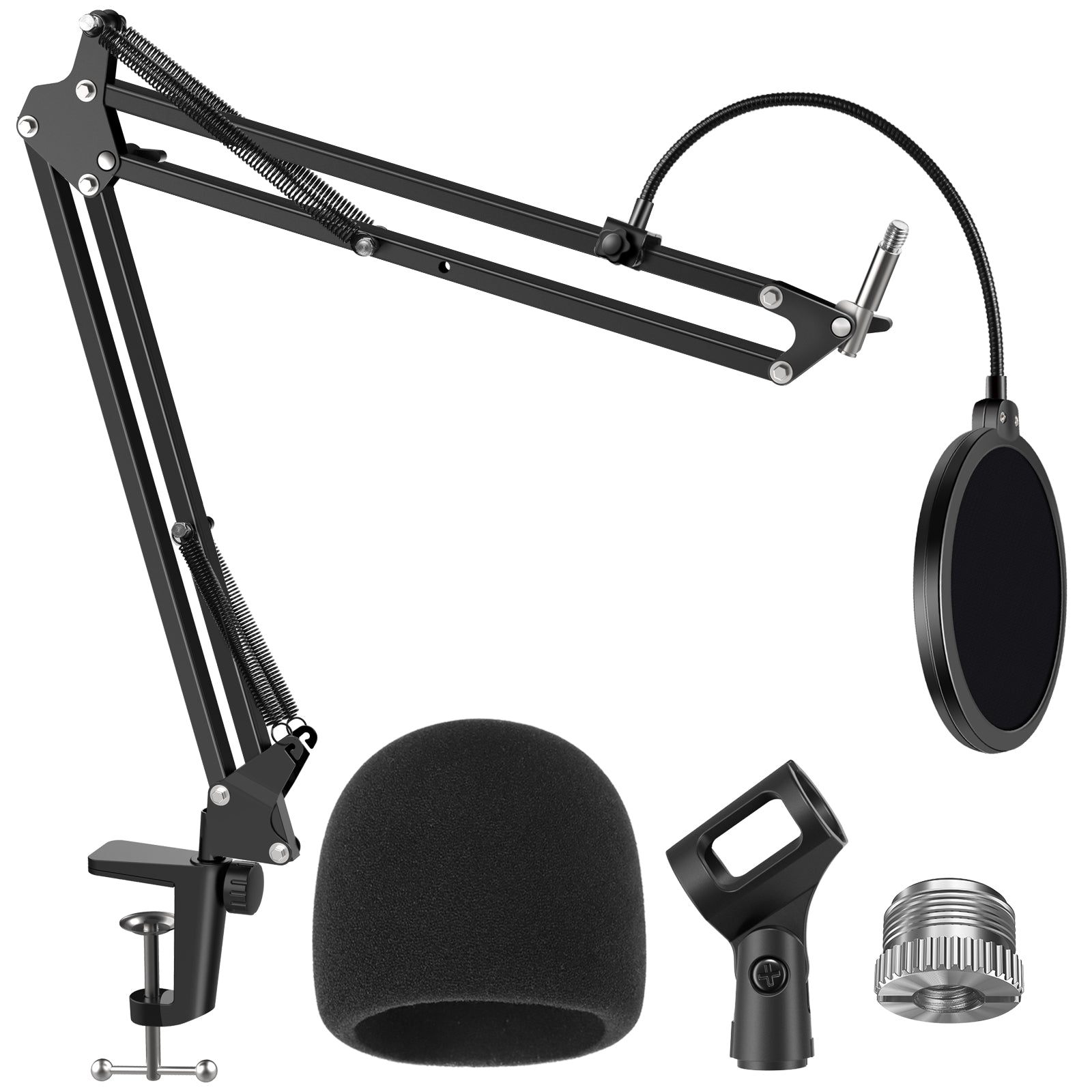
InnoGear Microphone Pop Filter with Wind Screen
$8.99
Why recommend: To avoid popping sounds on P's and B's, a pop filter is non-negotiable. This budget-friendly option works perfectly with the AT2020 and is easy to attach to a boom arm or stand.
Best for: Beginners and podcasters who need a simple, effective pop filter.
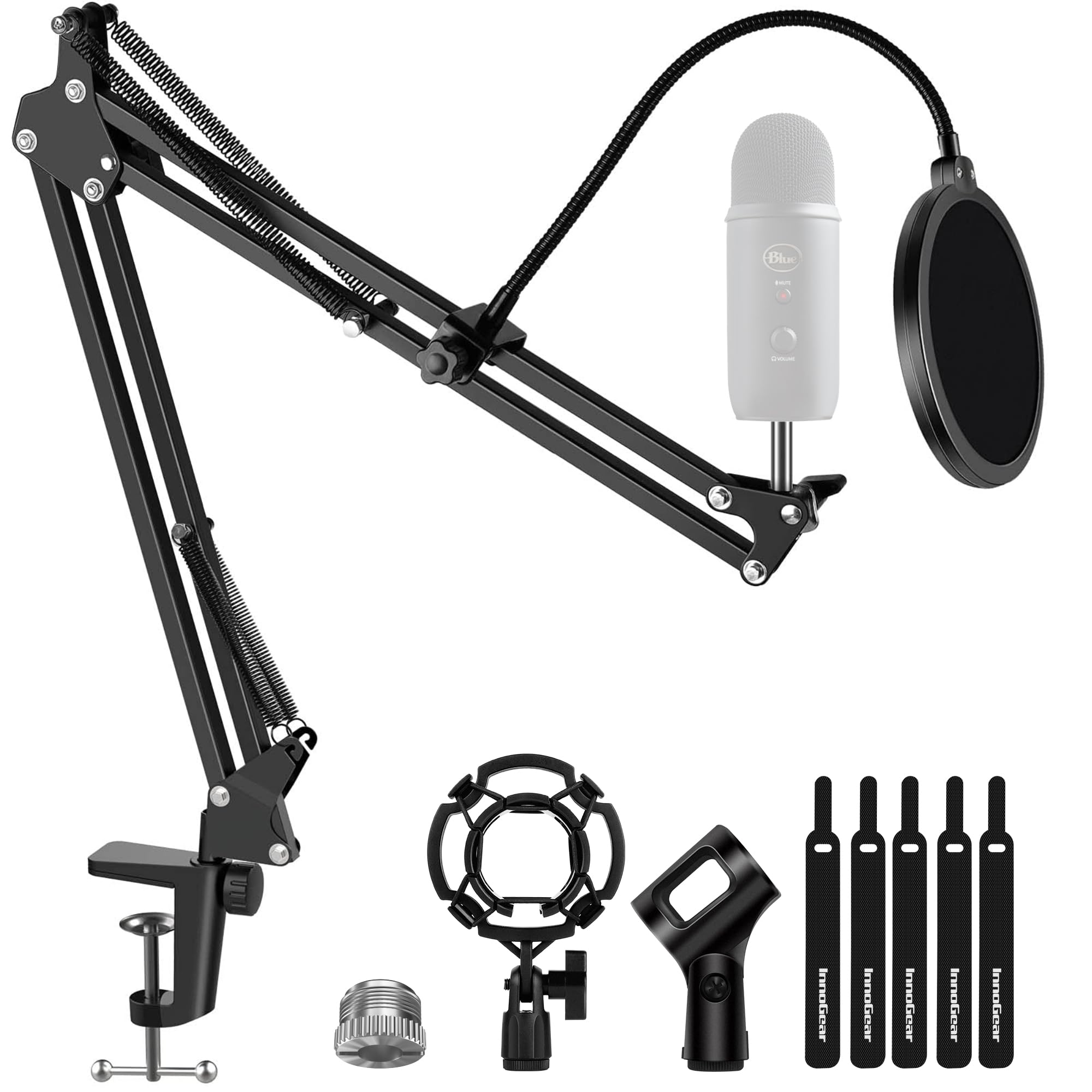
InnoGear Microphone Shock Mount for 48mm Microphones
$15.99
Why recommend: The included mount does not isolate vibrations well. A shock mount is essential when recording in homes or buildings with floor vibrations; it reduces low-frequency noise greatly.
Best for: Anyone recording vocals in a less-than-ideal space, especially on wooden floors or near heavy traffic.
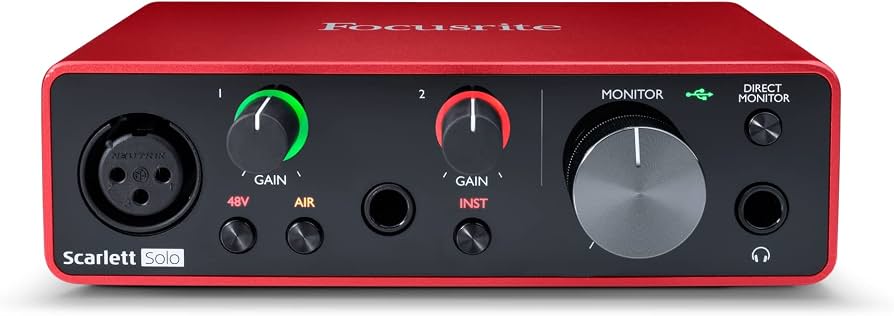
Focusrite Scarlett Solo (3rd Gen) USB Audio Interface
$139.99
Why recommend: The AT2020 is an XLR condenser and cannot be plugged directly into a computer. This interface is the most popular choice for this mic, offering reliable performance and user-friendly controls.
Best for: Beginners and intermediate users who need a high-quality interface for their AT2020 and maybe one instrument.
Pyle Professional Dynamic Microphone (PDM58)
$25.99
Why recommend: If you do live vocals or need a mic for untreated rooms, a dynamic mic like this Pyle is more suitable. It's affordable and rugged, making it a good complement to the studio-oriented AT2020.
Best for: Musicians who need a live performance mic or a vocal mic resistant to feedback.
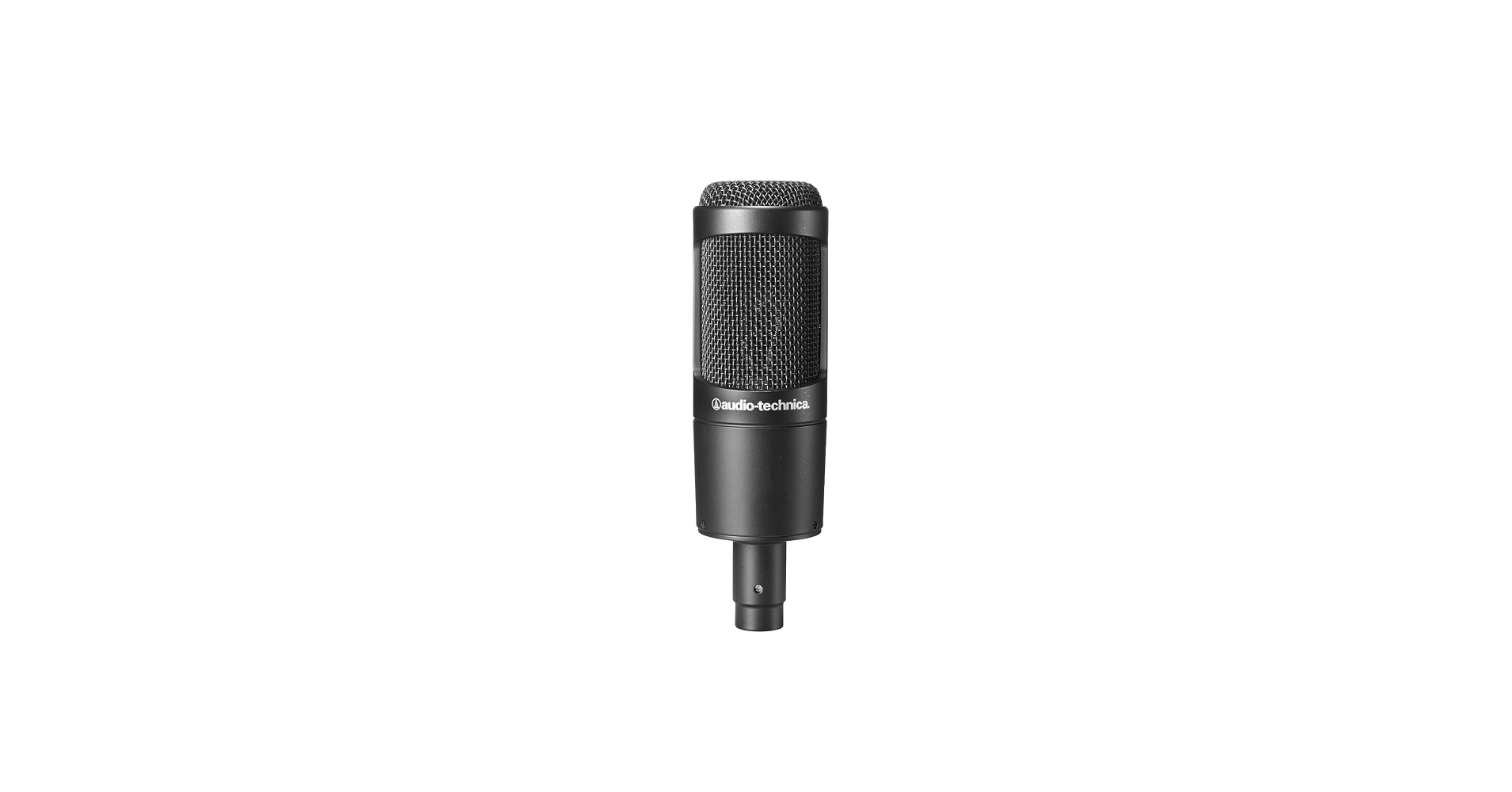
Audio-Technica AT2035 Large Diaphragm Condenser Microphone
$149.00
Why recommend: If you find the AT2020 too bright or need additional controls, the AT2035 is a direct upgrade within the same brand. It reduces sibilance and provides more flexibility when recording loud sources.
Best for: Home studio owners who have outgrown the AT2020 and need a more refined mic without spending a fortune.
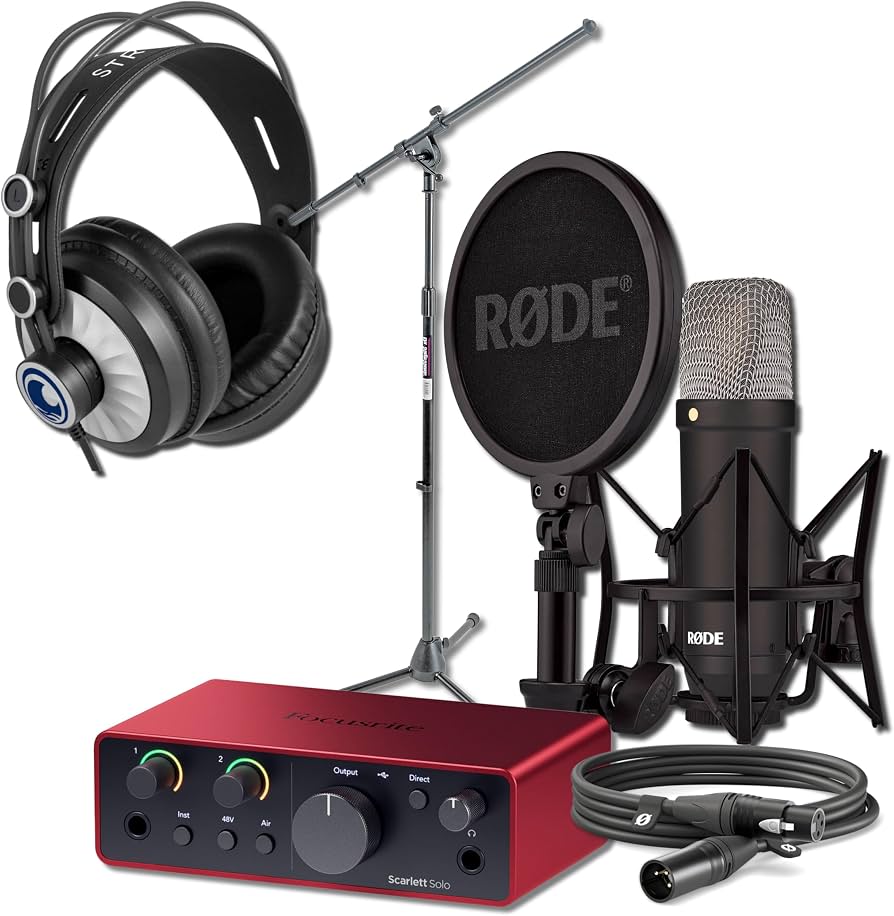
Rode NT1 Complete Vocal Recording Bundle
$269.00
Why recommend: If you want a more neutral and quieter mic than the AT2020, the Rode NT1 is excellent. It captures vocals transparently and is a favorite among professionals, coming with all necessary accessories.
Best for: Serious home recordists who want a premium microphone that returns to a natural sound.
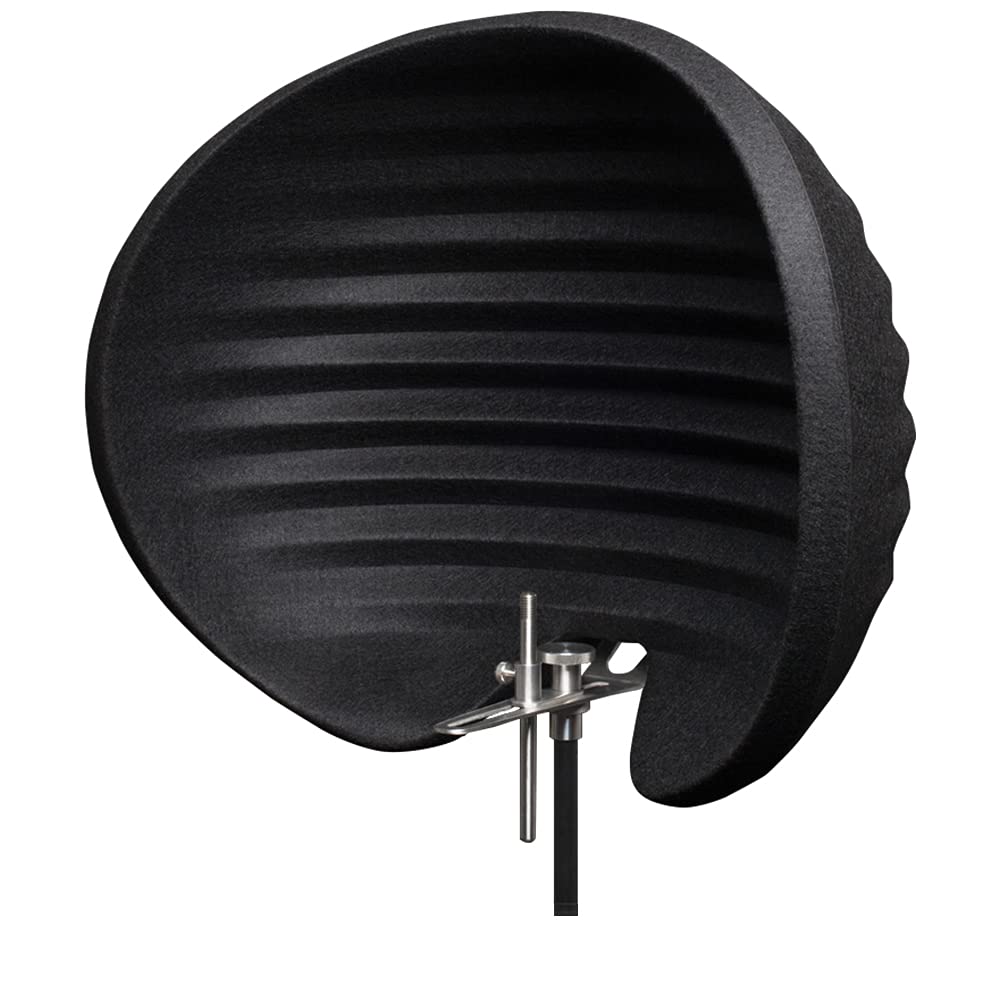
Aston Microphones Reflection Filter
$99.99
Why recommend: The AT2020's sensitivity means it picks up room acoustics. A reflection filter is a practical solution for those who cannot treat their room extensively.
Best for: Home studio users, podcasters, and voice-over artists in small, reverberant rooms.
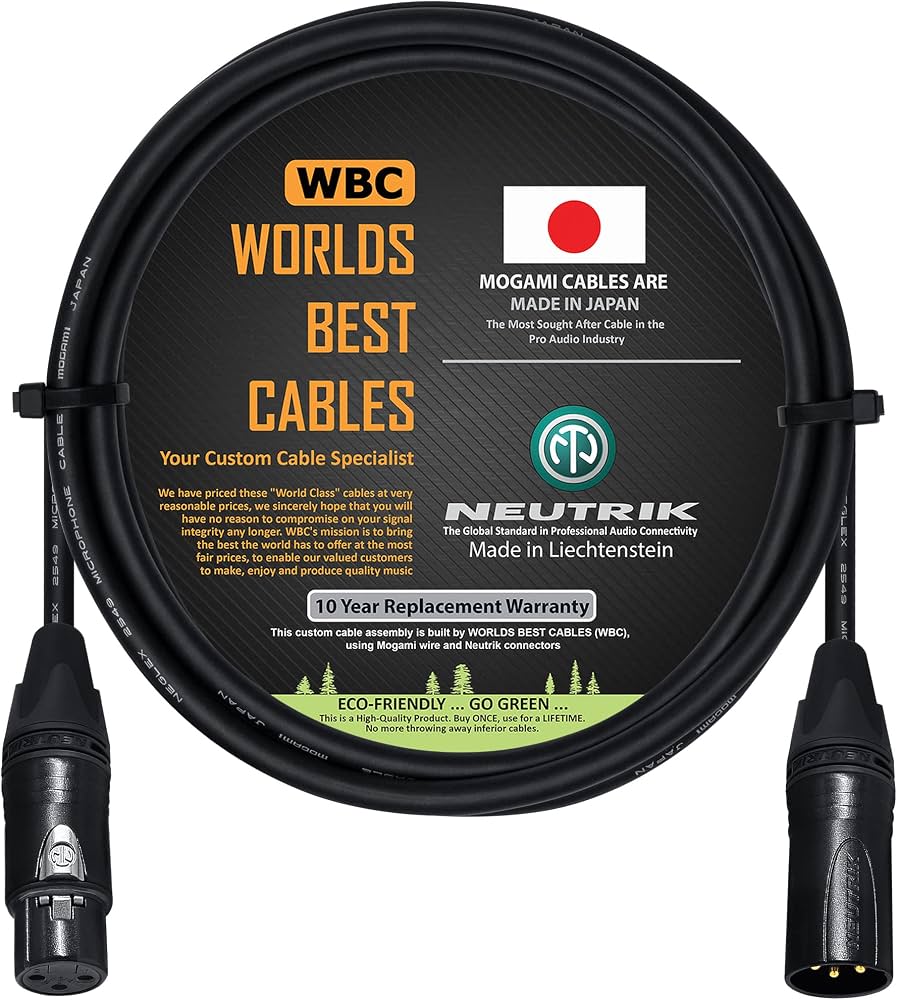
Mogami 2549 XLR Microphone Cable (10')
$35.95
Why recommend: A good cable is the critical link in the signal chain. This cable is well-shielded and built to last, making it a worthwhile investment alongside your mic.
Best for: Users who want peace of mind and the best possible sound integrity.
Bottom Line
Ready to get the Audio-Technica AT2020? Check the latest price on Amazon.
🛒 Buy on AmazonAs an Amazon Associate we earn from qualifying purchases.
Frequently Asked Questions
Is the Audio-Technica AT2020 good for vocal recording?
Yes, the AT2020 is an excellent budget condenser microphone for vocal recording. It captures clear, detailed vocals and rejects off-axis noise. Its bright top-end suits many voices, but it may require slight EQ for sibilant or overly bright voices.
Can you use the AT2020 for vocal recording without an audio interface?
No, the standard AT2020 uses an XLR output and requires 48V phantom power, which is typically provided by an audio interface, mixer, or dedicated phantom power supply. If you want to connect directly to a computer, consider the AT2020USB+ variant.
Is the AT2020 good for podcasting?
Yes, the AT2020 is a popular choice for podcasting because it delivers clear, speech-oriented sound. Its cardioid pattern helps minimize room noise, and its affordability makes it accessible. A pop filter and a quiet room are recommended.
What's better than the AT2020 for vocal recording?
At a similar price, the Audio-Technica AT2035 offers a pad, high-pass filter, and lower self-noise. For a more neutral sound, the Rode NT1 is excellent. For live vocals, a dynamic mic like the Shure SM7B or SM58 is better. Ultimately, 'better' depends on your specific vocal and recording environment.
Does the AT2020 require phantom power?
Yes, the AT2020 is a condenser microphone and requires 48V phantom power to operate properly. Most audio interfaces and mixers supply this.
How do I set up the AT2020 for vocal recording?
Connect the AT2020 to an audio interface with a quality XLR cable, enable 48V phantom power, and position the mic about 6-12 inches from your mouth. Use a pop filter and shock mount. Set the gain so your peaks hit around -6 dBFS, and record at a sample rate of 48 kHz/24-bit for best results.
Is the AT2020 good for recording loud vocals?
Yes, the AT2020 can handle high sound pressure levels up to 144 dB SPL without distortion, making it suitable for loud vocals. However, the lack of a pad switch means you must be careful not to overload the mic's preamp.
Does the AT2020 sound good on female vocals?
Many users find the AT2020 works well on female vocals, adding clarity and presence. However, if the singer has a very bright or sibilant voice, the mic's treble emphasis may be too pronounced, requiring EQ adjustments.
Do I need a shock mount for the AT2020?
While the included pivot mount does not isolate vibrations well, adding a shock mount significantly reduces low-frequency noise from footsteps, desk banging, and building vibrations. It is highly recommended for vocal recording in home environments.
What is the difference between the AT2020 and AT2035 for vocals?
The AT2035 features a 10dB pad and a high-pass filter, lower self-noise (12 dB vs 20 dB), and a slightly flatter frequency response. It is a more versatile mic for handling loud sources and often yields a warmer vocal sound. The AT2020 is brighter and less expensive.
Can I use the AT2020 for live singing?
It is not recommended. As a condenser, it is highly sensitive and prone to feedback in live settings. A dynamic microphone is much better suited for stage use. Use the AT2020 in the studio only.
What is the best interface for the AT2020 for vocal recording?
The Focusrite Scarlett Solo is the most recommended interface due to its clean preamps, phantom power, and ease of use. Other options include the Audient iD4, PreSonus AudioBox, and universal options like the MOTU M2.