Review Atlas
Review AtlasYour guide to a better purchase

Menu

Shop by Category

Get the App

Better experience on mobile

Home/Best For/Audio-Technica ATH-M50x

Is Audio-Technica ATH-M50x Good for Beat Making and Mixing?

A detailed analysis of using Audio-Technica ATH-M50x for beat making and mixing, including pros, cons, and better alternatives

good(78/100)

Quick Verdict

The ATH-M50x is a jack-of-all-trades headphone that excels at beat making but requires a learning curve for critical mixing. Its engaging sound and isolation make it a great budget pick for beginners, but serious mixers may prefer a flatter response.
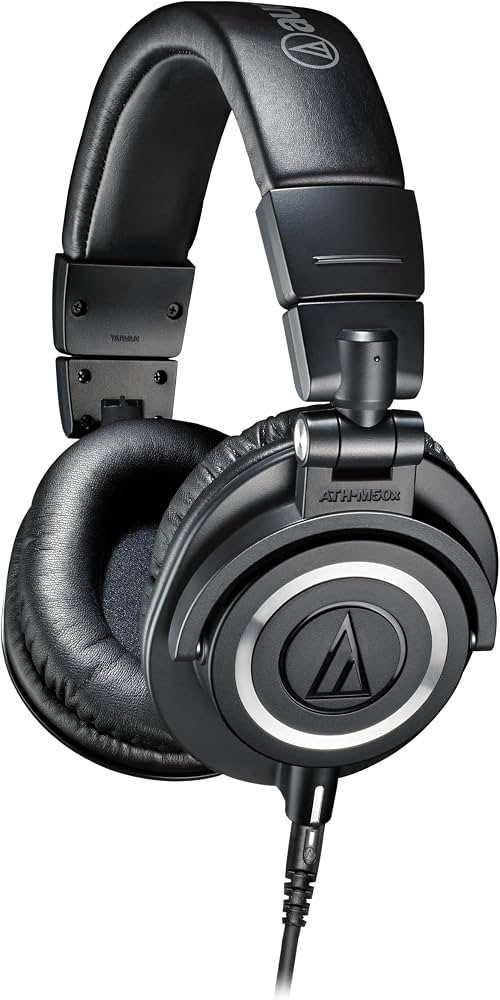
Audio-Technica ATH-M50x

Audio-Technica ATH-M50x

If you're getting into beat making or mixing, one name keeps coming up professionally and in forums: the Audio-Technica ATH-M50x. With over a decade of industry hype and countless YouTube reviews, it’s become a default pick for bedroom producers and studio owners alike. But is it really the right tool for beat making and mixing, or is it simply a beloved set of cans that suits certain tasks better than others? In this comprehensive guide, we’ll break down everything you need to know about the ATH-M50x for beat making and mixing. We’ll analyze its sound signature, comfort, build, and how it compares to other options. We’ll also look at specific scenarios—from a beginner making first beats to an engineer mixing stems—and give you honest pros, cons, and workarounds. And, as with any good gear recommendation, we’ll point you toward reliable alternatives and accessories available on Amazon. This isn't another promotional fluff piece. We’ve dug into real user reviews, professional feedback, and technical specs to help you decide if the M50x is your next music production partner. Whether you're a hobbyist or a pro, this analysis gives you the facts you need to make an informed purchase.

✓ Key Strengths

  • Powerful, punchy bass response that makes beat making feel energetic
  • Very good detail retrieval for the price, especially in the treble
  • Closed-back design provides excellent isolation from room noise
  • Foldable and portable, with detachable cables and a carrying pouch
  • Durable construction that withstands mobile use
  • Easy to drive from laptops, interfaces, and phones (38 ohms)
  • Wide selection of replacement ear pads and accessories

✗ Key Weaknesses

  • Colored (V-shaped) frequency response can mislead mixing decisions
  • Recessed mids make vocals and guitars sound quieter than they are
  • Closed-back limits soundstage and spatial imaging
  • Clamping force can cause fatigue during long sessions
  • Coiled cable is heavy and can induce noise if bumped
  • Ear pads wear out and need replacing

What is Audio-Technica ATH-M50x?

The Audio-Technica ATH-M50x is a closed-back, dynamic studio headphone that has dominated the sub-$200 market for years. It uses 45mm neodymium magnets and copper-clad aluminum wire voice coils to deliver a frequency response of 15Hz to 28kHz. Its 38-ohm impedance and 99 dB sensitivity mean it can be driven easily by phones, laptops, audio interfaces, and dedicated headphone amps. The M50x comes with three detachable cables: a 3m coiled cable ideal for studio work, a 3m straight cable, and a 1.2m cable for portable use. The ear cups fold flat or twist for space-saving storage, and the entire unit feels robust—thanks to a metal hinge and high-grade plastic construction. The M50x's tuning is intentionally styled for consumer-friendly response: an elevated low-end, a slightly recessed midrange, and a smooth but emphasized treble. This gives a lively, engaging sound that’s perfect for monitoring during music creation, but it isn't the neutral reference that purists want for critical mixing. Still, it’s detailed enough to catch errors, and its closed-back design provides up to 35dB of sound isolation, making it a go-to for recording and noisy environments. Over the years, the ATH-M50x has spawned a family, including the wireless M50xBT, the lower-cost M40x, and the more neutral M70x. Yet the original M50x remains the best-seller. It's a trusty workhorse at a price that makes it accessible to beginners, and its longevity on Amazon—where it has thousands of reviews—is a testament to its popularity.

What is beat making and mixing?

Beat making and mixing are two technical and creative processes that have different demands on audio equipment. Beat makers typically start with a genre in mind—hip-hop, EDM, trap, lo-fi—and build patterns layer by layer. They rely on headphones that produce a satisfying, immediate response, especially in the low end. A clicky kick, a growling 808, a shimmering hi-hat—all need to be audible and distinct. During beat creation, headphones don't need to be flat; they need to be inspiring and musically enjoyable, so producers can feel the vibe. Mixing, on the other hand, is a more clinical task. After a beat (or full song) is arranged, the mixing engineer shapes the overall tonality. This includes level balancing (faders), EQ, compression, reverb, delay, and stereo imaging. A mixer must identify frequencies that mask other elements—for example, a muddy 300Hz region that buries the snare—and make adjustments based on what they hear. For this, a neutral frequency response is critical. If a headphone over-emphasizes bass, the mixer might produce a mix that's too thin on other speakers; if it de-emphasizes mids, musical elements like vocals can be incorrectly judged. Both tasks also require long listening sessions. Comfort is non-negotiable. A flat response is more important for mixing, while a punchy response is more useful for beat making. Finding a dog that satisfies both is rare, but the best all-rounders offer a relatively balanced output with enough low-end energy for creativity. The ATH-M50x attempts to do exactly this, but how well does it pull off both hats? That’s what we’re about to uncover.

Detailed Analysis

The ATH-M50x’s sound signature is dominated by a noticeable bass lift and a slightly bright high-end. For beat making, this is usually a positive: beats instantly sound impactful and exciting. The 45mm drivers deliver a thumping low end that you can feel in your head, which is great for programming kick drums and basslines. The sub-bass extension is surprisingly good for a closed-back headphone, so you can hear 808s and ultra-low synths clearly. High frequencies are emphasized enough to help you hear hi-hats and percussion separation, though the upper midrange can be a bit angry on some tracks. But this coloration can become a mixing problem. Because the bass is boosted, your natural tendency is to set low-end levels lower than they should be to achieve what sounds like a balanced mix. That often results in mixes that are bass-light on other systems. Similarly, the treble bump can cause you to dial back cymbals and noise, leading to dull mixes when played back on neutral systems. It’s a classic case of a headphone flattering your material rather than telling you the truth. That doesn't mean mixing is impossible—many acclaimed producers used the M50x for reference—but it means you must learn its behavior and cross-reference with other playback systems. The closed-back design is both a strength and a limitation. In beat making, it provides isolation from external noise and prevents sound from leaking into a microphone if you're recording vocals or sampling. In mixing, the closed structure tends to produce a smaller soundstage and less accurate spatial cues than open-back headphones. You might struggle to precisely place panning information or to judge depth. However, for beat making, the sealed design also isolates you from your room's acoustics, which is useful in untreated spaces. Comfort-wise, the M50x is above average. The ear cups are padded with a soft foam and covered in faux leather, and the headband has adequate padding. The clamping force, though, is firm—some users report fatigue after a few hours. The included coiled cable is heavy and can be cumbersome; many users replace it with a straight cable (one is included, but the coiled one is often the default). The ear pads are also replaceable, which is a plus since they tend to wear out over time. Compared to alternatives, the ATH-M50x sits in an interesting spot. The Sony MDR-7506 is more neutral and brighter, with a flatter response, but has less bass and a thinner build. The Beyerdynamic DT 770 Pro (80 ohm) offers more comfort and a better soundstage, but is harder to drive and similarly colored. Sennheiser HD 600 (open-back) is far more neutral and accurate for mixing, but costs more and doesn't isolate. For beat making, the M50x might be more inspiring than its rivals; for mixing, the MDR-7506 or open-back options are often preferred by reviewers. User feedback confirms this split. On Amazon, the M50x has a standing 4.7/5 rating among thousands of reviews, with many praising its clarity and punch. But there's a persistent minority that calls it "colored" and unsuitable for serious mixing. Critics point out that the midrange is recessed, so vocals and guitar parts can duck behind the bass and percussion. For beat makers, this is rarely bothersome, but for full-band mixing it can be tricky. The workaround is simple: become familiar with how the headphones translate. Use reference tracks that you know well, and make mix adjustments. Over time, many engineers train themselves to mix on the M50x successfully, but it requires conscious effort. In summary, the ATH-M50x is not a pure audio tool. It's a hybrid that leans toward enjoyment and isolation. For beat making and casual mix-tweaking, it's excellent. For professional, high-end mixing where translation is paramount, it's less ideal. But its price, durability, and portability still make it one of the best value studio headphones available, especially for beginners who are producing beats and doing preliminary mixing on a budget.

👍 Perfect For

  • Beginner beat makers producing hip-hop, electronic, and pop on a budget
  • Mobile producers who need a portable, rugged headphone for travel
  • Vocalists and performers who need closed-back headphones for recording
  • Casual music lovers and gamers who want a lively sound for long listening

👎 Not Ideal For

  • Professional mixing engineers who need neutral, transparent monitoring
  • Audio purists who prefer a wide, open soundstage
  • Those with very large ears or who prioritize maximum comfort over sound
  • Producers mixing dense rock or orchestral music where midrange is critical

Use Case Scenarios

Bedroom Beat Maker

A producer building beats in an untreated home studio with a laptop and beat-making software. They need inspiration and sound quality without spending too much.

Overall Score:excellent (90/100)

✓ Strengths

  • Bass response enhances groove and creativity
  • Good enough detail for beat making decisions
  • Isolation from household distractions
  • Affordable and durable

✗ Weaknesses

  • May make mixes sound more polished than they are
  • Recessed mids can hide harshness or nasal qualities

💡 Workarounds

  • Use reference tracks to compare tonal balance
  • Apply a subtle EQ curve to reduce bass boost when mixing
  • Take occasional breaks to refresh ears

For creating beats, the M50x's sound signature is inspiring and highly usable. The isolation and portability are perfect for bedroom producers.

Studio Engineer Mixing

A professional mixing engineer works long hours in a treated studio, primarily using monitors but needing headphones for detailed mid-range referencing and to check stereo balance.

Overall Score:decent (60/100)

✓ Strengths

  • Great for quick bass and impact checks
  • Closed-back design prevents bleed when near a mic
  • Build quality can handle daily studio abuse

✗ Weaknesses

  • Midrange is masked by bass and treble emphasis
  • Small stereo image makes spatial placement difficult
  • Comfort issues in long sessions due to clamp

💡 Workarounds

  • Use EQ to flatten the response in your DAW
  • Cross-reference with monitors for final decisions
  • Take frequent listening breaks to avoid ear fatigue

The M50x can be used for mixing but is not ideal. The colored sound forces extra workarounds, and the limited soundstage hinders spatial judgments.

On-the-Go Producer

A music producer creates beats on a laptop in cafés, planes, or hotel rooms. They need portability, noise isolation, and no need for a separate headphone amp.

Overall Score:excellent (95/100)

✓ Strengths

  • Portable, foldable design
  • Excellent noise isolation
  • No amplifier needed
  • Durable for travel

✗ Weaknesses

  • With stock ear pads, comfort may dip during cross-country flights
  • Bass can be overwhelming on buses or planes, but that's generally good

💡 Workarounds

  • Use the 1.2m straight cable to avoid cable weight
  • Buy replacement velour earpads for comfort
  • Store in the included pouch or a hard case

The M50x is one of the best portable studio headphone options. Its isolation, foldability, and low impedance make it perfect for producing on the move.

Recording Studio Vocal Tracking

A producer records vocals or instruments in a home studio with a condenser microphone. They need closed-back headphones that don't bleed sound into the mic and let the artist hear the beat clearly.

Overall Score:excellent (88/100)

✓ Strengths

  • Zero sound leakage to microphones
  • Clear high frequencies help monitor pitch
  • Comfortable enough for 1-hour sessions
  • Detachable cable allows easy replacement if damaged

✗ Weaknesses

  • Ear pads can get warm
  • The coiled cable may pull if not properly routed

💡 Workarounds

  • Use a cable with a small clip to secure it
  • Take short breaks to let ears breathe
  • Replace stock pads with breathable velour covers

For tracking, the M50x is a proven workhorse. Its closed-back design, clear sound, and durability make it an ideal studio companion.

Related Products You Should Consider

Sony MDR-7506 Professional Headphones
🔄 Alternative

Sony MDR-7506 Professional Headphones

$99.88

highly recommended
The Sony MDR-7506 is a legendary studio reference headphone known for its more neutral, flat response. It has a brighter more revealing top end and a less pronounced bass compared to the ATH-M50x. For mixing, the MDR-7506 gives you a truer representation of the high-frequency content, making it easier to spot harshness or sibilance. Its closed-back design is also great for isolation. If you're leaning toward mixing accuracy over bass excitement, the MDR-7506 is a top contender under $100. Though its build feels slightly flimsier and less comfortable after a few hours, its sound is trusted by pros worldwide.

Why recommend: Chosen as a primary alternative for mixing due to its flatter response and industry track record. It's a budget-friendly option that many users cross-reference with the M50x.

Best for: Mixers and engineers who want a neutral headphone for critical listening without breaking the bank.
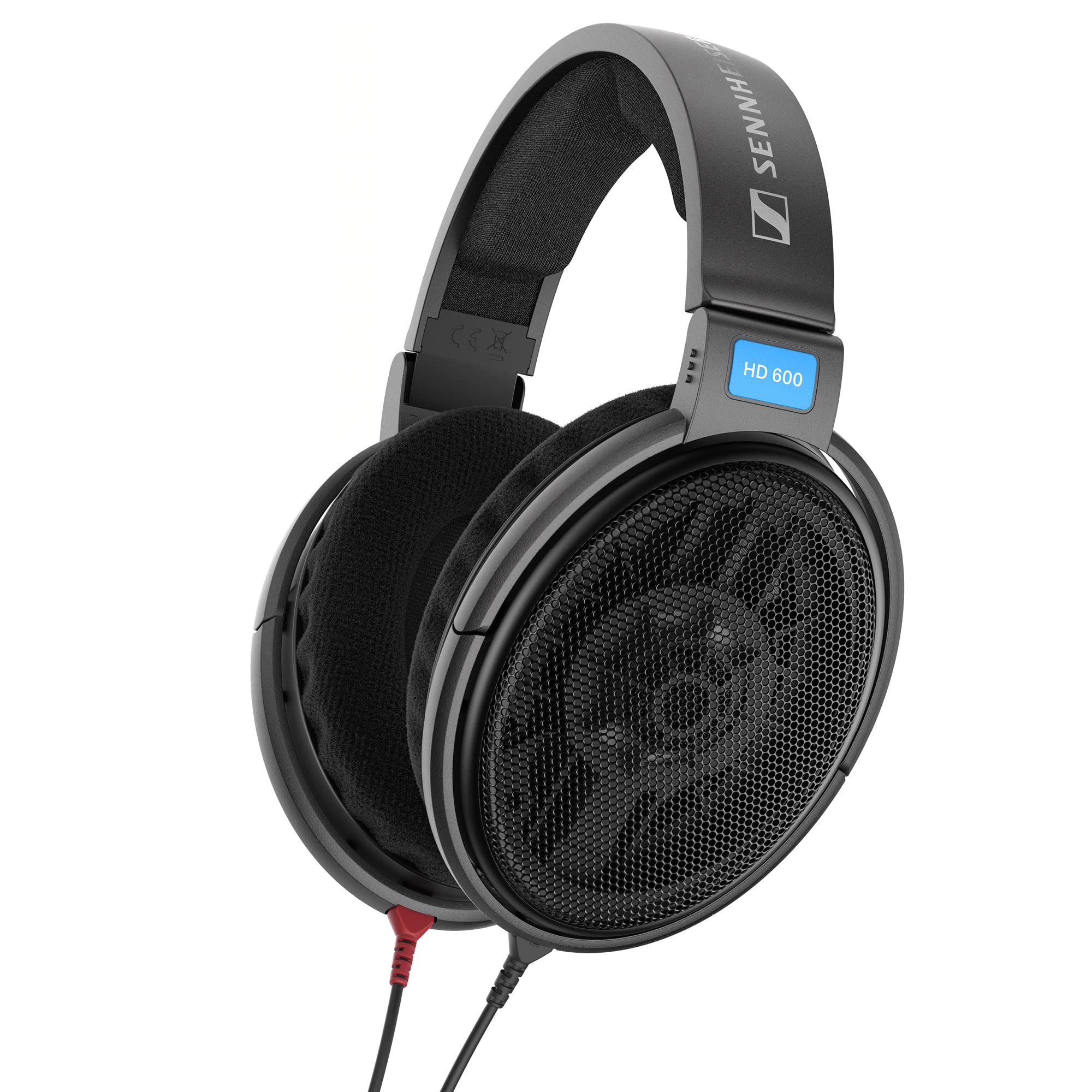
Sennheiser HD 600 Audiophile Headphones
⬆️ Upgrade

Sennheiser HD 600 Audiophile Headphones

$329.95

highly recommended
The Sennheiser HD 600 is an open-back, audiophile-grade headphone that has been the gold standard for mixing and mastering for decades. It provides a naturally flat frequency response with a transparent low bass and an incredibly open, three-dimensional soundstage. For mixing, the HD 600 reveals everything in a mix with surgical clarity, making it far easier to achieve accurate balances. It's an open-back, so it doesn't isolate, and you'll need a dedicated headphone amplifier to get its best performance. If you're ready to take mixing to a professional level, the HD 600 is a worthy upgrade from the M50x.

Why recommend: Recommended as a premium upgrade for serious mixers who need accurate, detailed sound and aren't worried about background noise or isolation.

Best for: Aspiring and professional mixing engineers who already have a treated room and a headphone amp.
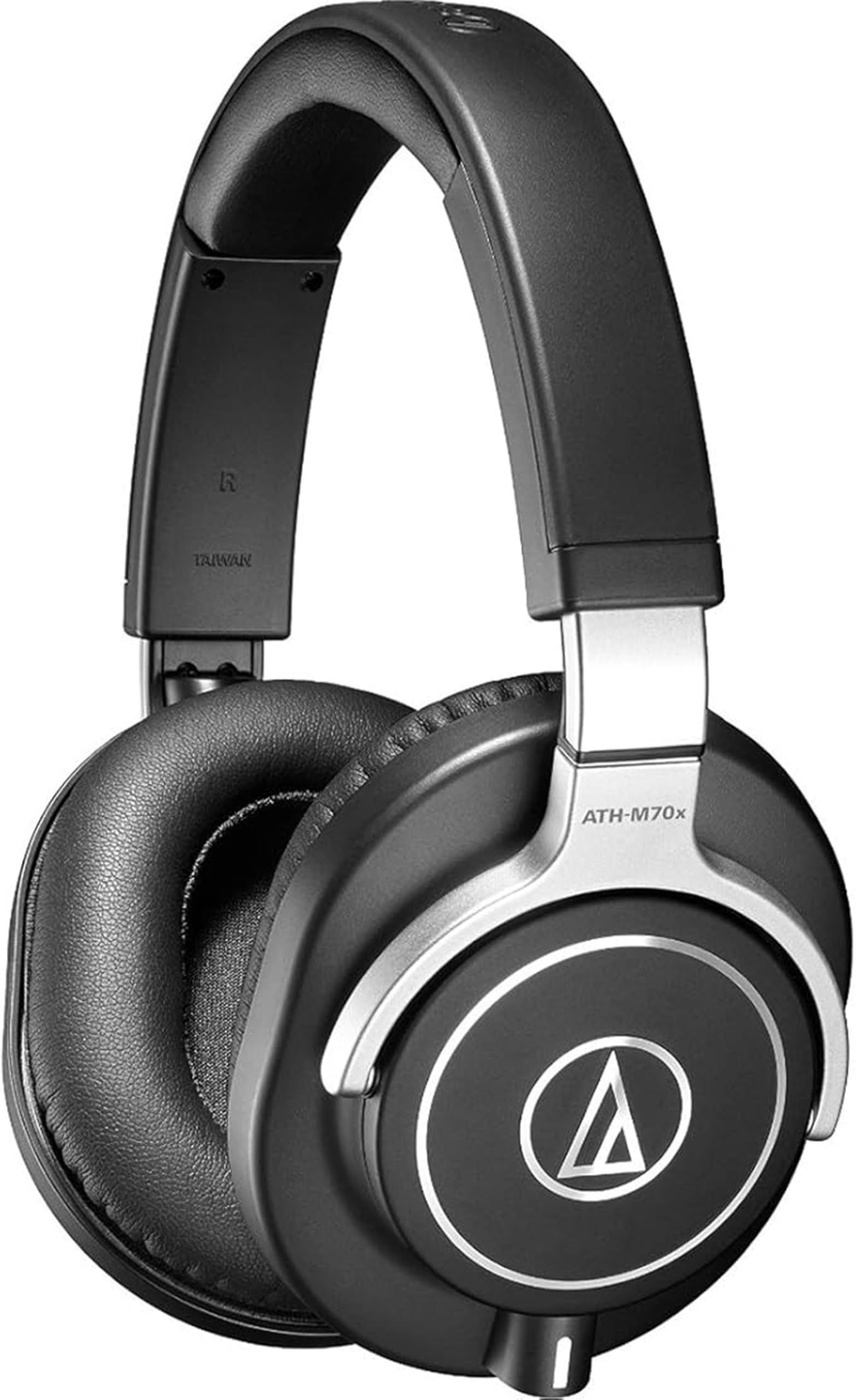
Audio-Technica ATH-M70x Studio Headphones
⬆️ Upgrade

Audio-Technica ATH-M70x Studio Headphones

$209.00

recommended
The ATH-M70x is the older sibling of the M50x, designed to be more analytical and neutral while retaining the same build DNA. It has a lighter, more balanced bass response and a crisper high end, which makes it better suited for mixing tasks. The M70x uses improved drivers and a slightly brighter tuning, giving you a flatter frequency response out of the box. It's still a closed-back, and while not as neutral as open-back options, it's a step up for those who stay in the Audio-Technica family. If you want to stay closed-back for isolation but need better mixing accuracy, this is a natural upgrade path.

Why recommend: Recommended for users who trust the M50x build but need a more truthful sound for mixing. It also retains convenience and robustness.

Best for: Producers who want a closed-back headphone with a more analytical signature and can spend a bit more.
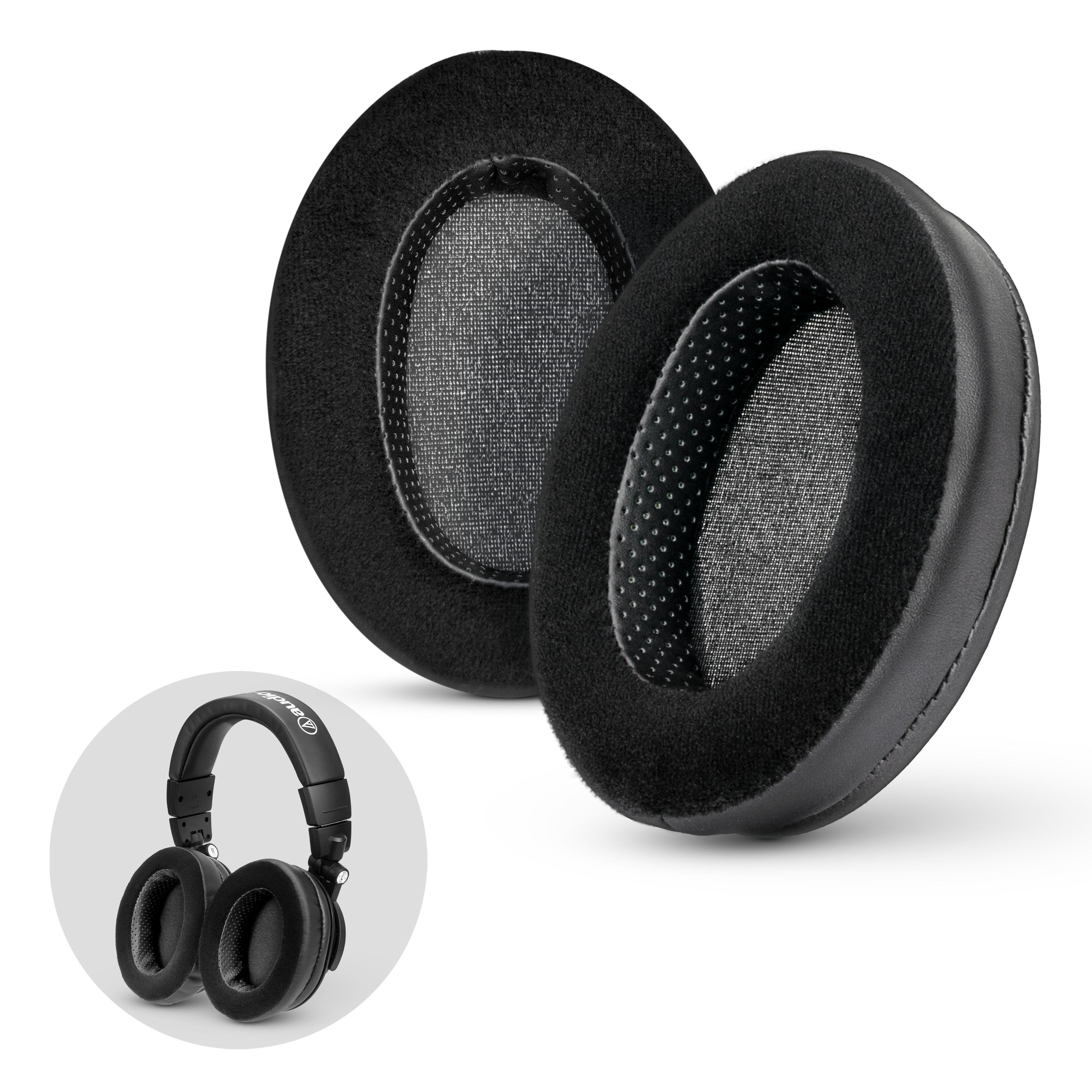
Brainwavz Oval Memory Foam Earpads (for ATH-M50x)
🔧 Accessory

Brainwavz Oval Memory Foam Earpads (for ATH-M50x)

$29.99

highly recommended
One of the most common criticisms of the ATH-M50x is its stock ear pads, which are thin and can become uncomfortable after long sessions. The Brainwavz oval memory foam earpads are a game-changer. They are thicker, softer, and filled with memory foam that conforms to your ears, significantly improving comfort and also increasing the ear cups' internal volume, which can slightly widen the soundstage. They come in various materials like pleather, velour, and hybrid options. Installing them is easy—they simply slip over the ear cups. This is a recommended companion to the M50x for anyone mixing for hours.

Why recommend: Great comfort upgrade that also subtly improves acoustics by providing a better seal and more ear space.

Best for: Beat makers and mixers who spend long hours in headphones and want to avoid ear fatigue.
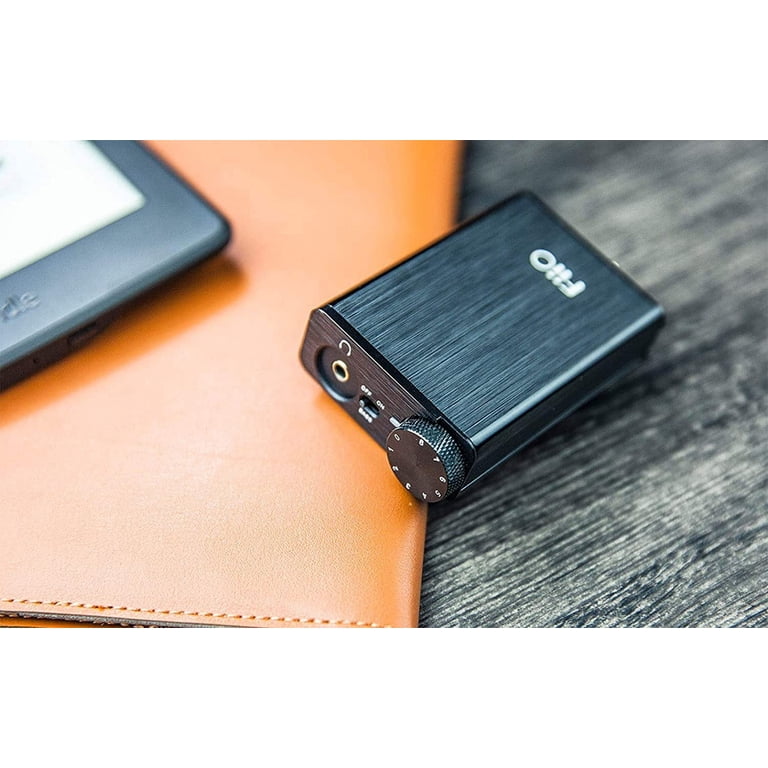
FiiO E10K USB Headphone Amplifier and DAC
🤝 Complement

FiiO E10K USB Headphone Amplifier and DAC

$75.99

recommended
The FiiO E10K is a desktop USB DAC and headphone amplifier that improves audio quality by bypassing the noisy built-in DAC of your computer. While the ATH-M50x is easy to drive, a dedicated DAC can give you a blacker background and slightly more accurate audio—especially useful for mixing where you need to hear the smallest details. The E10K also provides a physical volume knob, making it easier to set precise listening levels. It works with Windows, Mac, and even Android devices, making it a great companion for a mobile or home setup.

Why recommend: A simple way to enhance the performance of the M50x and improve the reliability of your monitoring chain.

Best for: Producers using laptops or computers as their main DAW who want cleaner audio output.
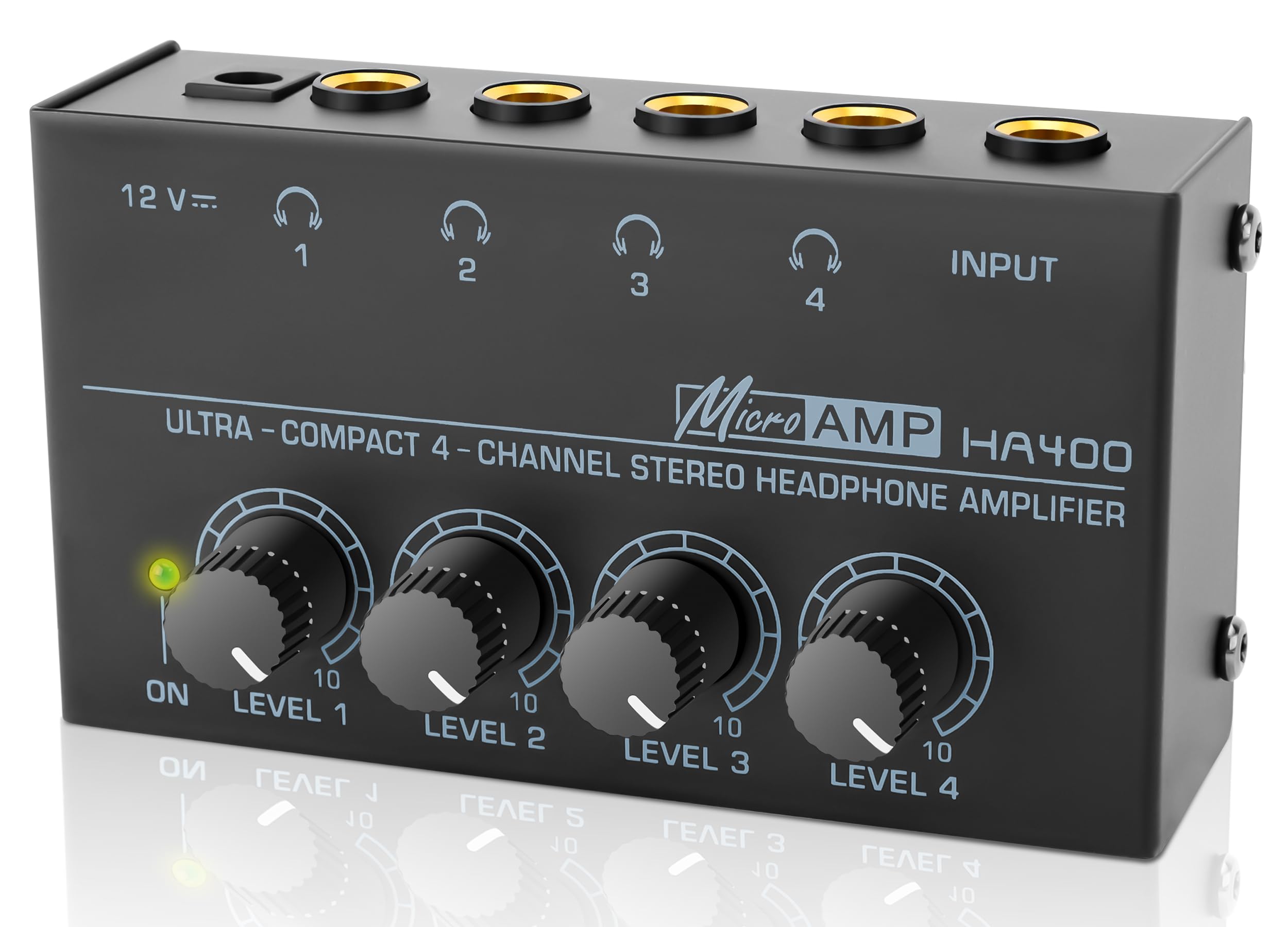
Behringer HA400 Microamp 4-Channel Headphone Amplifier
🔧 Accessory

Behringer HA400 Microamp 4-Channel Headphone Amplifier

$29.99

consider
If you're working in a studio with multiple people, or you want to feed the same mix to several headphone sets for client reference, the Behringer HA400 is an ultra-cheap and effective solution. It has four independent headphone outs and a volume control per channel. It's not the most high-end amplifier on the planet, but it does the job. When you're using ATH-M50x for tracking or review sessions, the HA400 allows multiple headphones to be driven from a single source without compromising signal quality.

Why recommend: Affordable solution for multi-headphone setups in a project studio, especially useful when collaborating with artists.

Best for: Home studio owners who need to plug in several pairs of headphones for co-listening or band tracking.

Bottom Line

The Audio-Technica ATH-M50x is a strong choice for beat making and mixes that are part of a demo or preliminary stage. Its bass-forward, exciting sound makes beat creation enjoyable and its isolation makes it practical for late-night sessions or on-the-go production. If you're just starting out and need a versatile, budget-friendly headphone that can handle everything from producing to DJ'ing, the M50x is hard to beat. However, if your primary goal is serious, critical mixing with accurate frequency balance and a wide stereo image, you should consider alternatives like the Sony MDR-7506 or open-back models like the Sennheiser HD 600. Those will give you a more truthful representation of your mix, at the cost of some comfort or isolation. The M50x can still be used for mixing if you learn its quirks and cross-reference on other speakers, but it's not the best tool for that purpose. If you decide that the ATH-M50x fits your needs, it's available on Amazon at a competitive price. It comes with multiple cables and a carrying pouch, making it a complete package. For beat makers on a budget, it's a no-brainer. For mixing engineers, we'd say “good but not perfect.” Weigh our analysis and decide based on what matters most to you.

Ready to get the Audio-Technica ATH-M50x? Check the latest price on Amazon.

🛒 Buy on Amazon

As an Amazon Associate we earn from qualifying purchases.

Frequently Asked Questions

Is the Audio-Technica ATH-M50x good for beat making?

Yes, the M50x is excellent for beat making. Its punchy bass and clear highs make beats sound inspiring and full. The closed-back design lets you focus without outside noise, and it's easy to drive from any laptop or phone. Many top producers, especially in hip-hop and electronic music, have used the M50x to make hit records.

Can you mix music on the ATH-M50x?

Yes, you can mix on the M50x, but it's not the ideal tool for critical mixing. The boosted bass and recessed mids can lead to mix decisions that don't translate well to other speakers. You'll need to learn the headphone's response and cross-reference on monitors or neutral headphones. For a beginner, it's workable; for pros, it's better to use a neutral headphone.

Is the ATH-M50x considered flat or neutral?

No. The M50x has a V-shaped sound with elevated bass and treble. While it's not blatantly bass-heavy, it's not a flat reference headphone. If you need truly flat for mixing, consider the Sony MDR-7506 or open-back cans like the Sennheiser HD 600.

Does the ATH-M50x need a headphone amplifier?

No. With a 38-ohm impedance and 99 dB sensitivity, the M50x is very easy to drive. It will get adequately loud when plugged directly into a laptop, phone, or audio interface. An external amplifier or DAC can improve sound quality, but it's not a requirement.

Is the ATH-M50x good for mixing hip-hop?

Yes, it can be great for mixing hip-hop because the genre is beat-centric and bass-forward. The extra bass helps you feel the low end, but be careful not to under-mix the kick and sub because of the boosted response. Always check your mix on other systems.

How does the ATH-M50x compare to the Sony MDR-7506 for mixing?

The Sony MDR-7506 has a flatter, more neutral frequency response than the M50x, making it a more dependable reference for mixing. It also has a brighter treble that exposes details, but it has less bass and is generally less comfortable. For mixing, the MDR-7506 is often preferred; for beat making, the M50x is more enjoyable.

What are the best accessories for the ATH-M50x?

The most essential accessory is a set of replacement ear pads, like the Brainwavz velour or memory foam pads, to improve comfort. A headphone stand can keep them safe, and a cable with a microphone/inline remote is useful for phone calls. A mini amplifier like the FiiO E10K can also improve the sound from a computer.

Is the ATH-M50x good for recording vocals?

Yes, they're a classic choice for vocal tracking. Since they are closed-back, they prevent audio leakage into microphones, and the clear high frequencies help singers stay on pitch. The comfortable fit makes them for extended recording sessions.

How long do the ATH-M50x last?

The M50x is known for its durable construction. With careful use, they can last many years—some users report 5-10 years. The detachable cable is a weak point that can be easily replaced. The ear pads may wear out after 1-2 years, but replacements are cheap.

What is better than the Audio-Technica ATH-M50x for mixing?

Open-back headphones like the Sennheiser HD 600 or HD 650 offer a more neutral and open sound, ideal for mixing. Also, the Beyerdynamic DT 990 Pro is popular, but it has a pronounced V-shape too. The Sony MDR-7506 is a budget-friendly neutral alternative. Your choice depends on budget and whether you need closed-back isolation.