
Quick Verdict
The Apple Watch SE (2nd Gen) is a strong contender for half-marathon training, offering reliable tracking, running metrics, and smartwatch conveniences at an affordable price. While it falls short in battery life and advanced analytics compared to dedicated running watches, it's more than sufficient for most half-marathon trainees, especially beginners and iPhone users. Give it a green light if you're okay charging nightly and prioritizing everyday wear alongside your training.
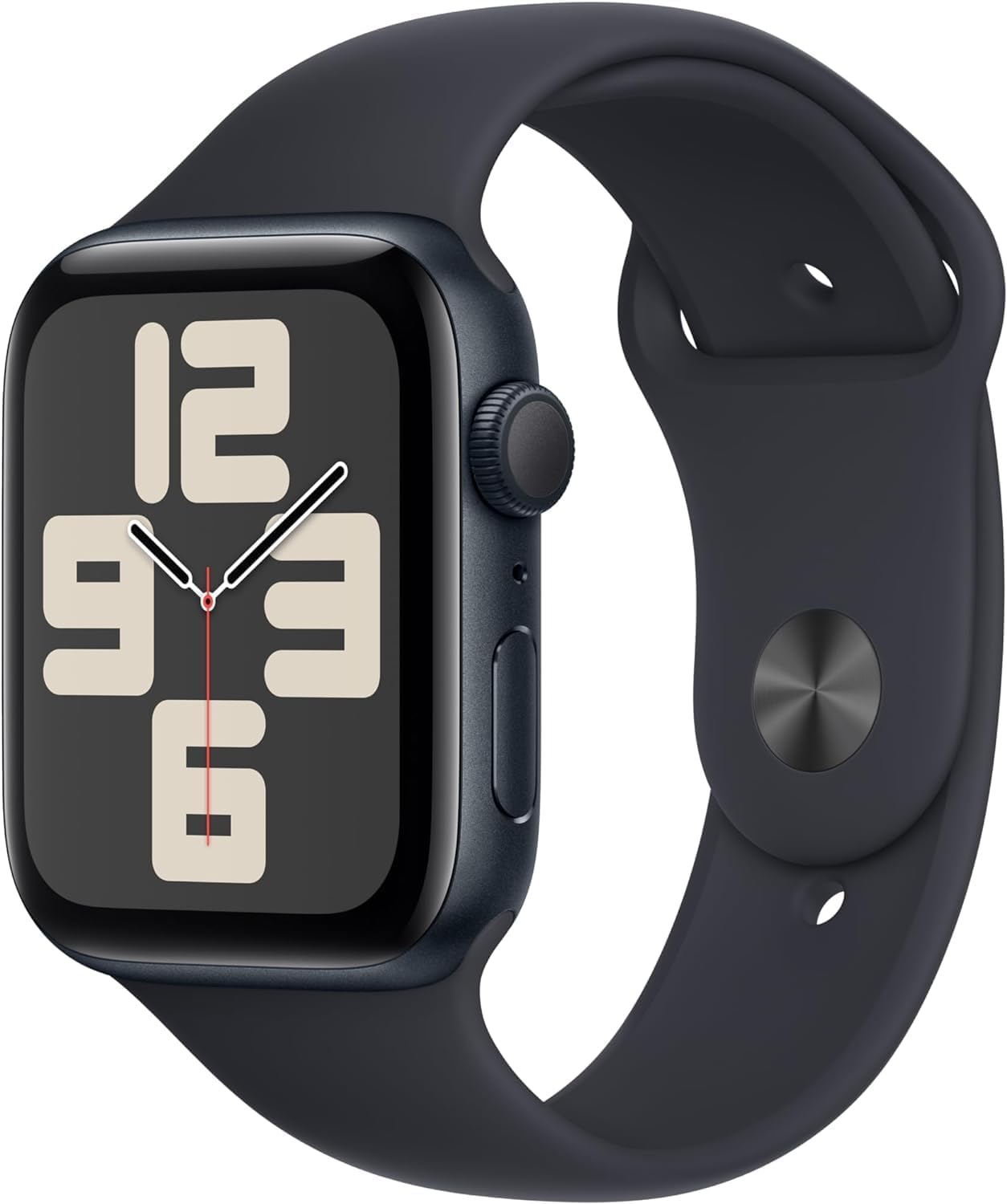
Apple Watch SE (2nd Gen)
$249.99

✓ Key Strengths
- •Excellent value for iPhone users who want a smartwatch and running watch in one
- •Accurate GPS and heart rate tracking for the vast majority of training runs
- •Running form metrics (cadence, stride length, ground contact time) via watchOS 9
- •Custom interval workouts and structured interval coaching
- •Apple Fitness+ integration with on-screen metrics during streaming runs
- •Water resistance to 50m and durable aluminum case
- •Fall Detection and Crash Detection for safety during solo runs
- •Seamless pairing with Bluetooth headphones and music streaming without needing to carry the phone
✗ Key Weaknesses
- •Battery life is only 18 hours, requiring nightly charging and careful budgeting on long training days
- •No always-on display, so you must raise your wrist to see your pace
- •Missing advanced training metrics like recovery time and training load that Garmin provides
- •GPS is not dual-band, so accuracy in dense areas can suffer
- •No native support for running training plans; you must rely on third-party apps or manual setup
- •Lacks offline mapping and breadcrumb navigation for exploring new routes
What is Apple Watch SE (2nd Gen)?
What is half-marathon training?
Detailed Analysis
👍 Perfect For
- ✓Beginner runners preparing for their first half-marathon who want a simple, motivating way to track daily runs
- ✓iPhone users who want a smartwatch for everyday notifications and connectivity while also training
- ✓Casual runners who train 2-4 times per week and prioritize ease of use over advanced data
- ✓Budget-conscious athletes who need a reliable watch without paying Series 8 or Ultra prices
- ✓Fitness enthusiasts who appreciate Apple Fitness+ integration and guided workouts
👎 Not Ideal For
- ✗Serious, data-driven athletes who need recovery insights, training load, and recommended workouts
- ✗Runners who train for long distances and require multi-day battery life (e.g., 10+ hours of GPS)
- ✗Those who want always-on display or dual-band GPS for maximum accuracy in challenging environments
- ✗Android users who won't be able to use the watch's full functionality (requires iPhone)
Use Case Scenarios
Beginner Runner's First Half Marathon
A new runner following a couch-to-half-marathon plan runs 3-4 times per week, gradually increasing long runs from 3 to 10+ miles. They want a simple, motivating watch that tracks distance, pace, and heart rate without overwhelming them.
✓ Strengths
- Simple, intuitive workout tracking
- Accurate heart rate for steady-state runs
- Custom intervals and walking/running goals are easy to set
- Comfortable for long stretches of wear
- Positive motivation through Apple's activity rings and achievements
✗ Weaknesses
- Battery life requires nightly charging
- No always-on display
- May not provide enough guidance for structured training plans beyond basics
💡 Workarounds
- Use a training plan app like Runna or Watch to Marathon, which syncs workouts to the watch
- Set reminders to charge the watch daily at a set time
- Use the 'Workout' app's built-in intervals for simple tempo or Fartlek sessions
The SE hits the sweet spot for beginners: it's affordable, easy to use, and covers all core needs. The minor compromises aren't deal-breakers for someone just aiming to finish.
Experienced Runner Looking for a Smart Running Watch
A runner with several half-marathons under their belt is considering the Apple Watch SE as a companion to a Garmin or Coros, or as a replacement, wanting a balance of training data and smartwatch features.
✓ Strengths
- Running form metrics offer useful data to improve efficiency
- Custom interval workouts for structured sessions
- Surprisingly good battery life for a 2-hour run (uses ~15-20%)
- Excellent activity tracking across multiple sports
- Strava and TrainingPeaks integration
✗ Weaknesses
- No recovery or training load feedback
- No daily suggested workouts from the watch itself
- Requires third-party apps to get a structured plan
- GPS can be less accurate in wooded or urban areas
💡 Workarounds
- Pair the SE with a third-party app like Runna or TrainingPeaks to get guided plans
- Use a heart rate chest strap for more accurate interval HR data
- Manual tracking of recovery via Apple Health data or an app like Athlytic
It's a good running watch that works well for structured workouts, but experienced runners who rely on data-driven training will miss the advanced analytics. It's a decent choice if you prioritize smartwatch features over running recovery insights.
Long-Last Battery Critical Runner
A trail runner or someone who trains for long distances (20+ miles) needs a watch that will last for hours of GPS tracking, not just a half-marathon. They often run ultra distances and want a reliable watch for adventure runs.
✓ Strengths
- Lightweight and comfortable for everyday wear
- Sufficient for a half-marathon (2-3 hours) on a single charge
- Crash Detection may provide safety on remote trails
✗ Weaknesses
- Battery life severely limits long runs and multi-day training
- No onboard offline maps for long trail navigation
- GPS without dual-band lowers accuracy in dense tree cover
- No barometer? Actually SE has an altimeter (always-on), but not a barometer used for weather; still okay, but not as robust
💡 Workarounds
- Use a portable Apple Watch charger (e.g., Charmast) for backpacking or ultra support crew
- Consider a different watch if you regularly run more than 2 hours
- Use airplane mode? Not possible for GPS
Battery life is the overriding factor for long-distance runners, and the SE simply doesn't cut it. It's fine for a single half-marathon, but for training runs that exceed 2-3 hours, you'll need a purpose-built endurance watch.
Tech-Savvy Runner Who Loves Apple Fitness+
A runner who subscribes to Apple Fitness+ enjoys guided treadmill workouts, strength training, and yoga. They want a watch that seamlessly integrates with those sessions and tracks runs outdoors as well.
✓ Strengths
- Seamless integration with Apple Fitness+ for guided classes
- Burn Bar, Activity Rings, and celebrations
- Automatic sync of metrics during workouts on screens
- Supports custom interval workouts alongside Fitness+
- Great overall connectivity with iPhone and Apple TV
✗ Weaknesses
- Requires a Fitness+ subscription (paid after initial trial)
- GPS battery drain is still an issue for long runs
- Not all Fitness+ classes are running-specific; you'll need to use third-party apps for structured running plans
💡 Workarounds
- Subscribe to Apple Fitness+ (usually included in Apple One) to maximize the experience
- Use the 'Workout' app for outdoor runs and Fitness+ for treadmill/strength days
- Pre-download audio workouts to avoid using phone data during runs
If you're already invested in Apple's ecosystem, the SE delivers an unmatched immersive fitness experience. It's a smart choice for anyone who wants a versatile training companion with entertaining and structured workouts.
Related Products You Should Consider
Apple Watch SE (2nd Gen) - 44mm GPS
$279.99
Why recommend: We recommend choosing the 44mm size if you have larger wrists or prefer a more prominent screen for running metrics.
Best for: Runners who want a larger display and are willing to compromise on wrist bulk.
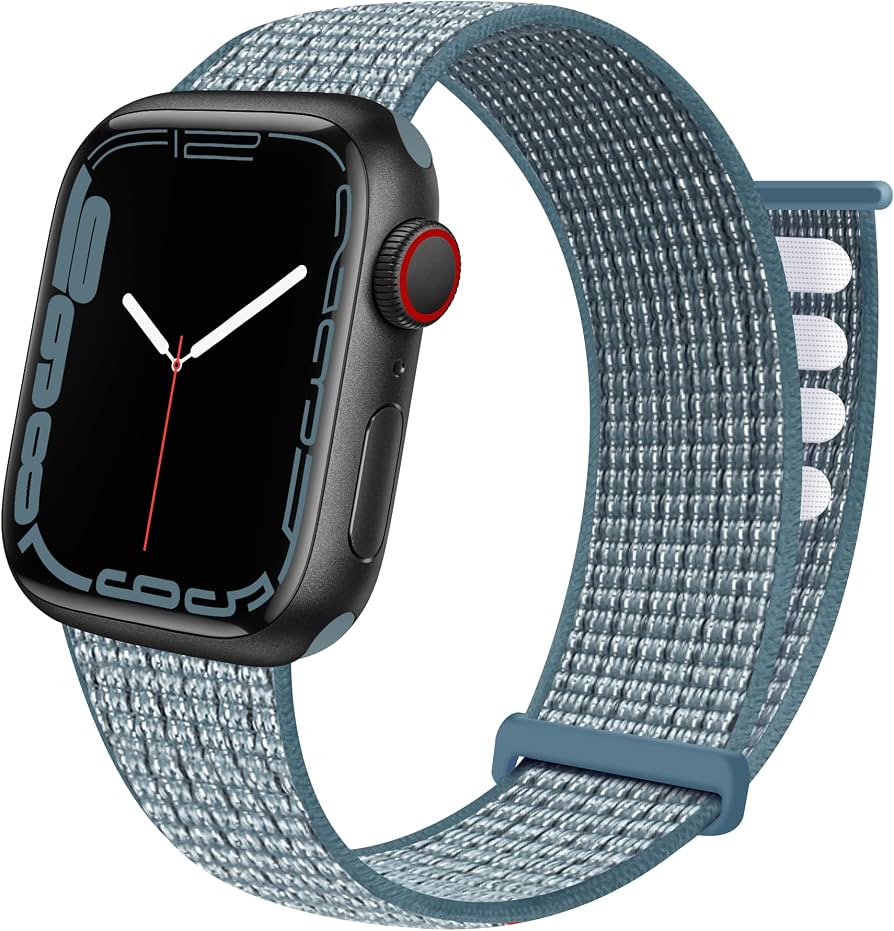
Apple Watch Sport Loop (44mm) - Various Colors
$49.00
Why recommend: It's an excellent upgrade over the default fluoroelastomer Sport Band, especially for runners with sensitive skin.
Best for: Runners who sweat a lot, those who run in hot weather, or anyone looking for a comfy everyday band.
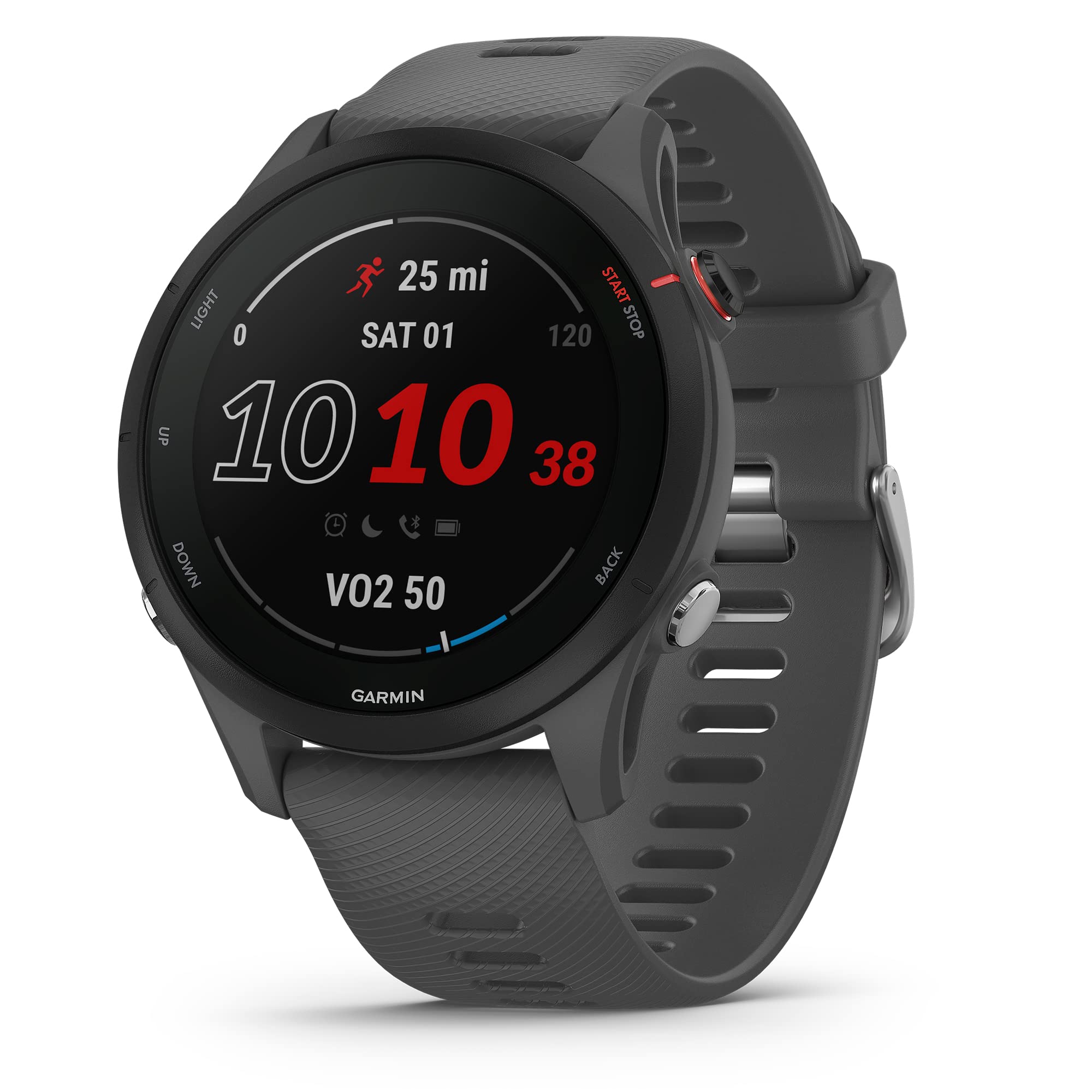
Garmin Forerunner 255
$349.99
Why recommend: If you're serious about improving your half-marathon time and want structured coaching, this is the watch to get.
Best for: Serious runners, triathletes, data enthusiasts, and anyone tired of daily charging.
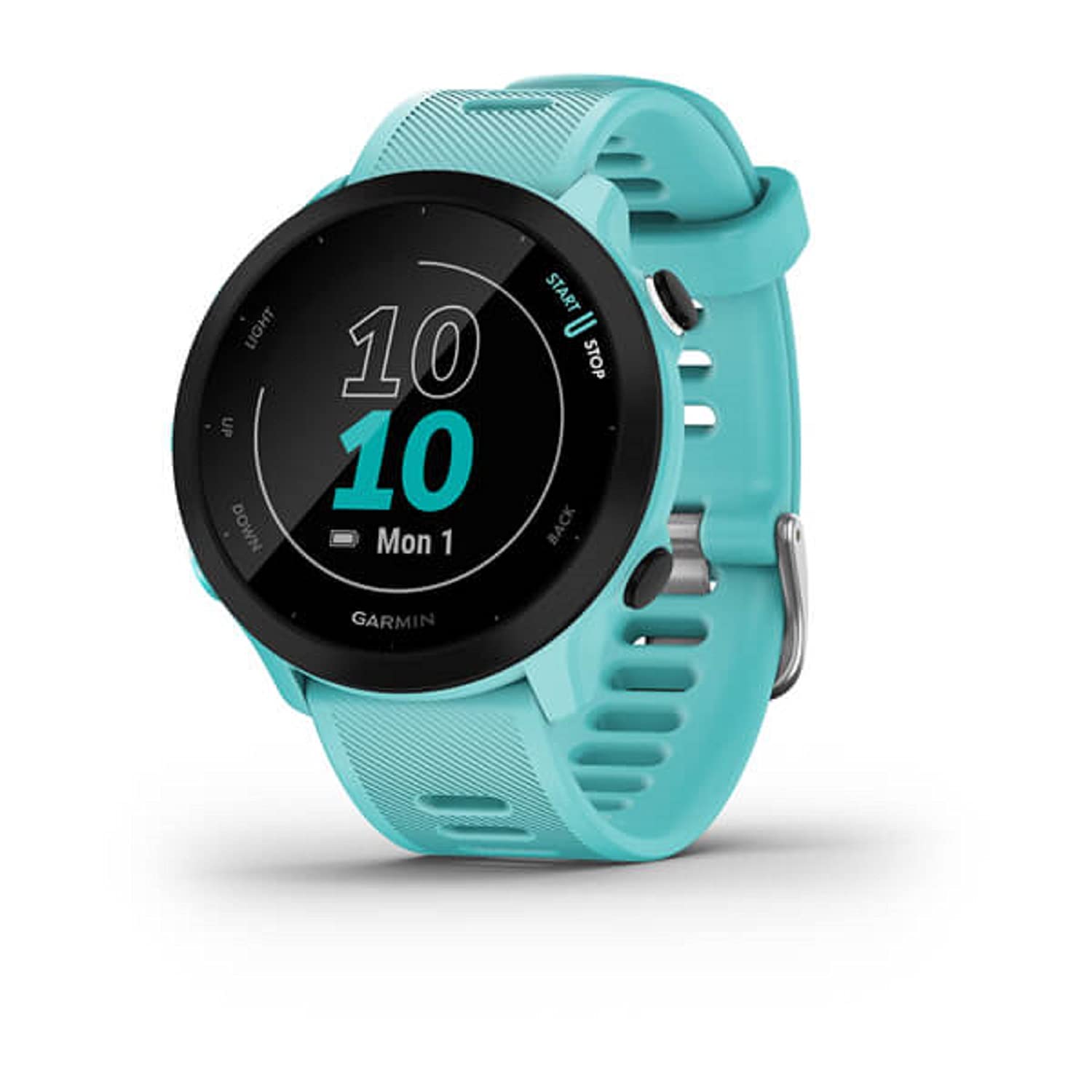
Garmin Forerunner 55
$199.99
Why recommend: If you want a no-frills running watch that just works without the distractions of notifications, the Forerunner 55 is a great pick at a similar price to the SE.
Best for: Runners who want simplicity, long battery life, and don't need app integrations.
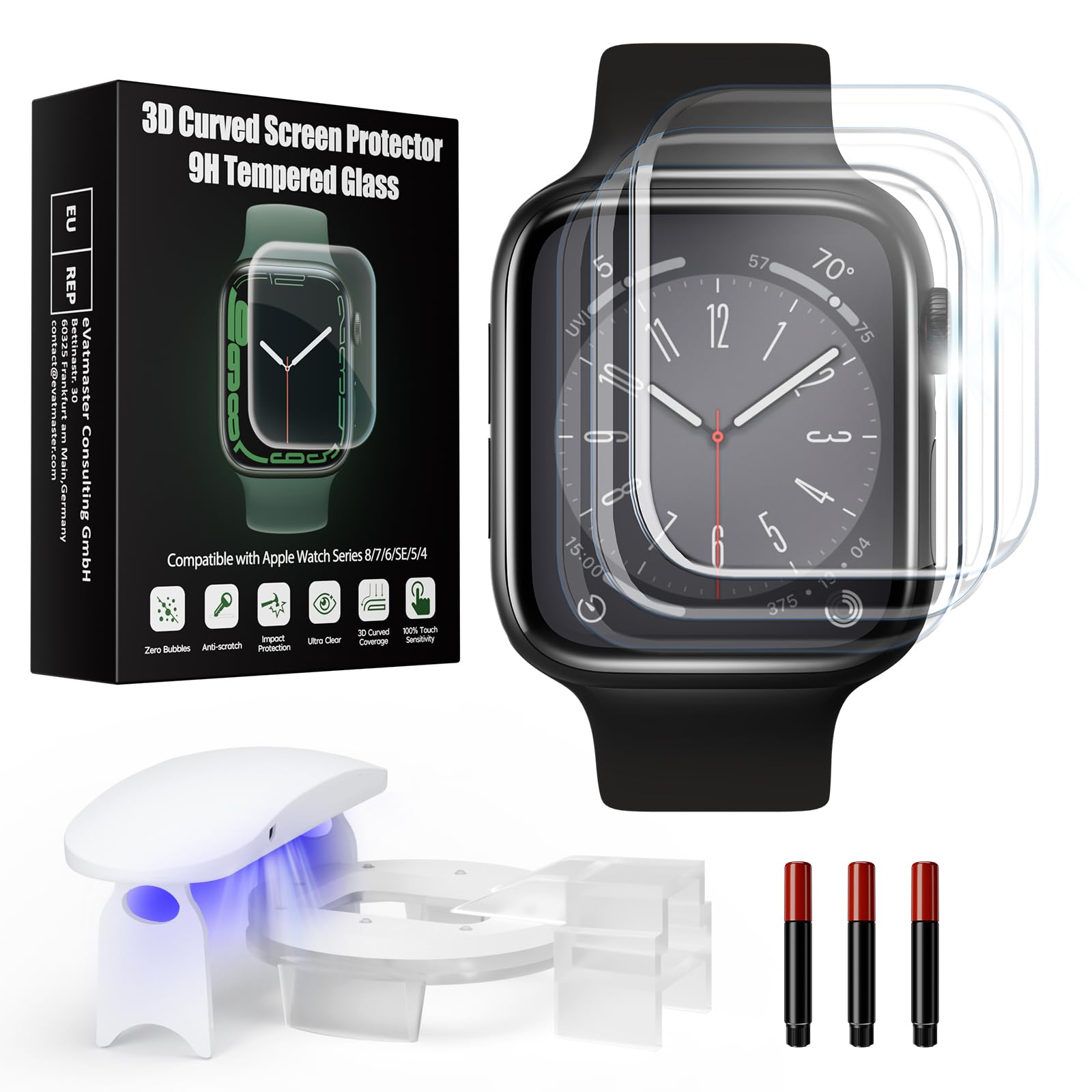
Amazon Basics Screen Protector for Apple Watch SE (2nd Gen)
$7.99
Why recommend: For the price, it's a no-brainer. A screen protector will keep your watch looking new through countless miles.
Best for: Anyone who wants peace of mind against scrapes and bumps.
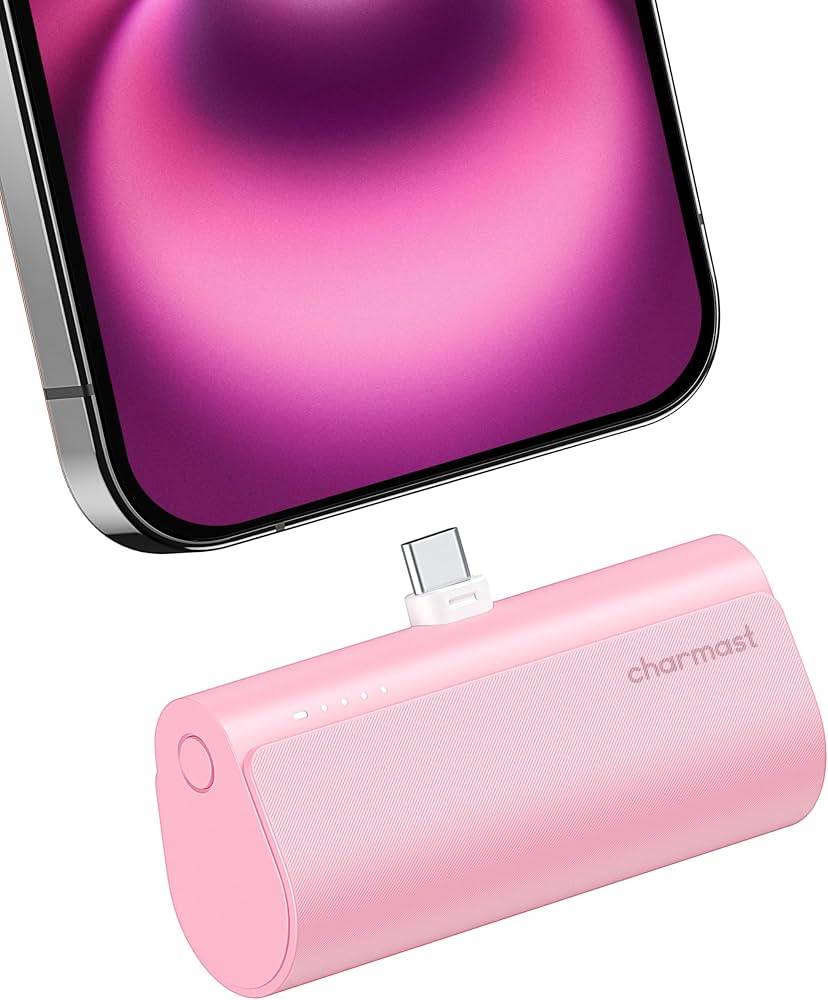
Charmast Portable Apple Watch Charger
$29.99
Why recommend: Battery anxiety is the SE's biggest weakness, and this accessory directly addresses it.
Best for: Runners who need a mid-day top-up, or those who travel to races and worry about finding an outlet.
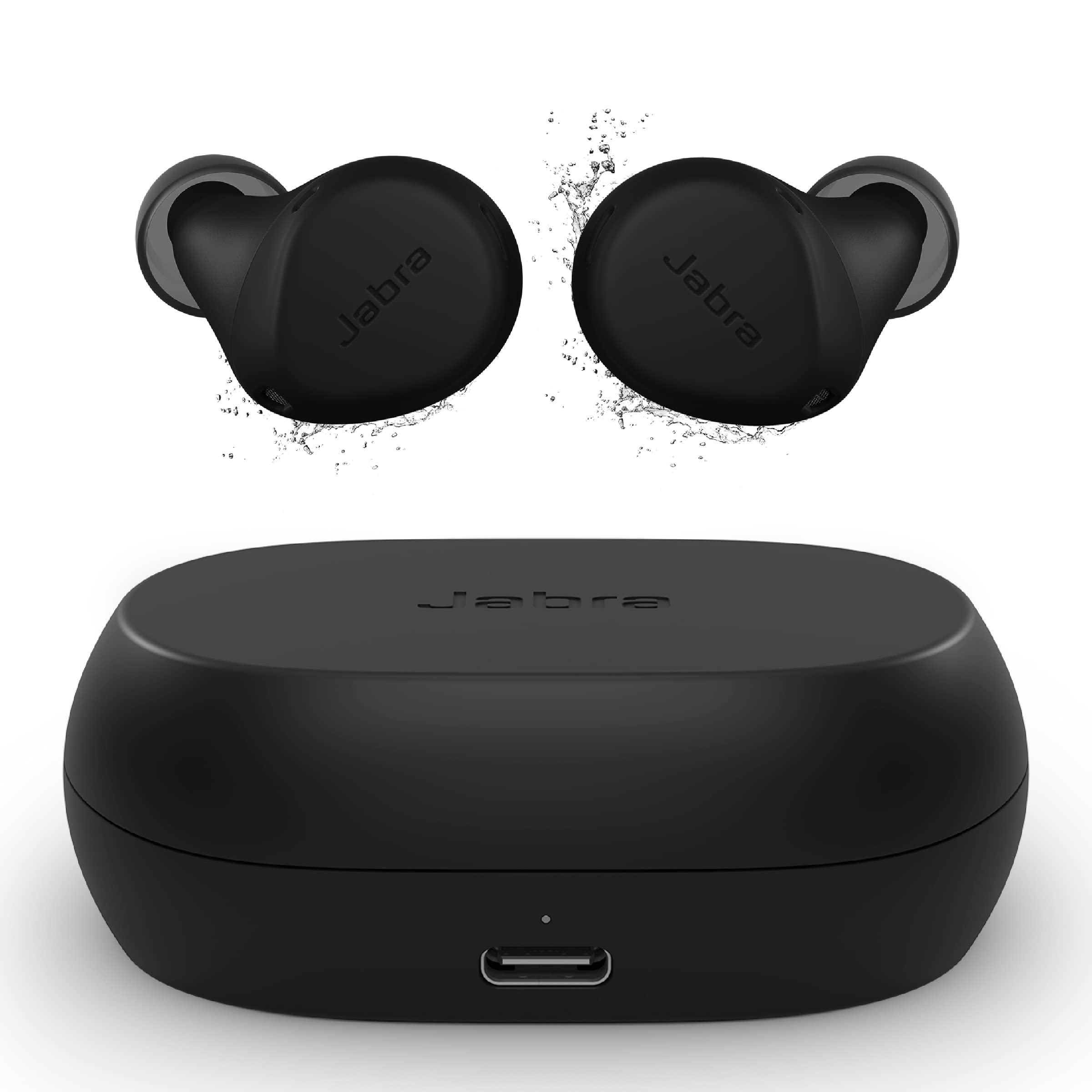
Jabra Elite 7 Active Wireless Earbuds
$149.99
Why recommend: The Apple Watch SE doesn't have built-in speakers you want to use on a run; wireless earbuds are a must-have.
Best for: Athletes who want a reliable, high-performance audio companion without breaking the bank.
Bottom Line
Ready to get the Apple Watch SE (2nd Gen)? Check the latest price on Amazon.
🛒 Buy on AmazonAs an Amazon Associate we earn from qualifying purchases.
Frequently Asked Questions
Is Apple Watch SE (2nd Gen) good for half-marathon training?
Yes, it is a good choice for most half-marathon trainees, especially beginners and iPhone users. It tracks distance, pace, heart rate, and running form metrics accurately. However, it lacks advanced recovery insights and has a modest battery life, so serious runners may prefer a dedicated running watch like the Garmin Forerunner 255.
Can you use Apple Watch SE (2nd Gen) for half-marathon training without a phone?
Yes. The GPS model can track your runs and record workouts without your iPhone nearby. You can listen to music via Bluetooth headphones if you've synced your library, and you can still view your activity data once you're back in range of your phone. For live music streaming or emergency calls, you'd need the Cellular version.
Does Apple Watch SE (2nd Gen) have GPS?
Yes, every Apple Watch SE (2nd Gen) has built-in GPS (the GPS + Cellular version also adds mobile connectivity). It uses standard GPS, which works well for most running routes, though in dense urban areas or heavy tree cover, distance and pace may be slightly off compared to dual-band GPS watches.
How long does the Apple Watch SE (2nd Gen) battery last during a half-marathon?
During a 2-hour half-marathon, the battery will typically drop from 100% to around 80-85% if you have GPS and heart rate enabled. This is well within its capacity, so you can run the entire race without worrying about battery. However, using the watch for a full day with training, notifications, and always-on display (if enabled) may bring it down quickly.
Can Apple Watch SE (2nd Gen) track my running cadence and stride length?
Yes, with watchOS 9 installed, the Apple Watch SE (2nd Gen) can measure cadence, stride length, vertical oscillation, and ground contact time. These metrics appear in the Workout app's post-run summary and can inform your running form improvements.
Is there a training plan feature on Apple Watch SE (2nd Gen)?
No, the built-in Workout app does not include adaptive training plans or daily suggested workouts like Garmin watches. However, you can build custom interval workouts and use third-party apps such as Runna, TrainingPeaks, or Watch to Marathon to get structured training plans that sync to the watch.
Can I use Apple Watch SE (2nd Gen) for treadmill runs?
Yes, you can select 'Indoor Run' in the Workout app. It uses your arm movement to estimate distance and pace. To improve accuracy, you can calibrate the watch by running 20 minutes at an easy pace on a treadmill after a few GPS outdoor runs. The calibration helps the watch better estimate speed without GPS.
How does Apple Watch SE (2nd Gen) compare to Garmin Forerunner 255 for half-marathon training?
The Garmin Forerunner 255 offers far better battery life (14 days vs 18 hours), dual-band GPS for superior accuracy, and advanced training metrics like HRV status and recovery time, which the Apple Watch SE lacks. However, the Apple Watch SE has a superior smartwatch experience, a better screen, and deeper integration with iPhone apps and Apple Fitness+. If training analytics are your priority, choose the Garmin; if you want a versatile smartwatch that can also run, the SE is great.
Is Apple Watch SE (2nd Gen) water-resistant for running in the rain?
Yes, the Apple Watch SE (2nd Gen) is water-resistant to 50 meters under ISO 22810:2010. That means it's safe to run in the rain, sweat on, and even swim with, though it's not designed for scuba diving or high-velocity water sports. It's perfect for all-weather training.
What are the best accessories for Apple Watch SE (2nd Gen) for half-marathon training?
Top accessories include a comfortable Sport Loop band, a screen protector to avoid scratches, wireless earbuds for music, and a portable charger for battery top-ups. If you want to use structured running plans, you might also consider a running app subscription like Runna or TrainingPeaks.
Can I listen to music on Apple Watch SE (2nd Gen) while running without my phone?
Yes, if you set up offline music. You can sync playlists from Apple Music or your library to the watch, and pair Bluetooth headphones to listen directly. The GPS-only model needs to be in range of your phone for streaming services like Spotify (unless you download offline to the watch, which is not supported by Spotify). Apple Music supports offline sync.
Is the Apple Watch SE (2nd Gen) worth buying for half-marathon training in 2024?
If you want a cost-effective watch that also functions as a full smartwatch, yes. It remains a solid recommendation for beginner to intermediate runners and is one of the best value Apple Watches. However, if you're already a seasoned runner looking to make data-driven improvements, invest in a dedicated running watch with the features you need.