Review Atlas
Review AtlasYour guide to a better purchase

Menu

Shop by Category

Get the App

Better experience on mobile

Home/Best For/Anker PowerCore 20000

Is Anker PowerCore 20000 Good for Long Flights?

A detailed analysis of using Anker PowerCore 20000 for long flights, including pros, cons, and better alternatives.

good(82/100)

Quick Verdict

The Anker PowerCore 20000 is a reliable and capable companion for long flights, especially for charging smartphones and small tablets. Its lack of USB-C and slow recharge time mean heavier users should consider a newer PD model.
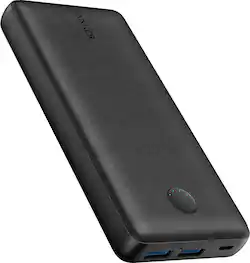
Anker PowerCore 20000

Anker PowerCore 20000

When you're about to settle in for a 10-hour flight, your phone's battery often becomes the most watched number on the screen. Between boarding passes, downloaded Netflix movies, and constant flight tracking, a dependable power source is no longer a luxury—it's a necessity. That's why the Anker PowerCore 20000 has become a staple in so many carry-on bags. But is this exact model still the right choice for long flights in 2025? This guide examines the PowerCore 20000 specifically through the lens of long-haul air travel. We'll look at its real-world capacity, port options, TSA compliance, and how it compares to newer alternatives. We'll also identify the travelers who should stay away from it and give you concrete product recommendations that might serve you better. Our analysis is based on official specifications, verified user feedback, and current market context. We aim to tell you exactly when a classic Anker power bank is a smart, honest purchase and when you'd be better off spending a few extra dollars on something more modern.

✓ Key Strengths

  • Huge 20,000mAh capacity delivers multiple full phone charges
  • Under 100Wh, so it's allowed in carry-on luggage and TSA-approved
  • Dual USB-A ports allow charging two devices at once
  • PowerIQ/VoltageBoost optimize output for various devices
  • Compact and lightweight for its capacity, easy to fit in a personal bag
  • Affordable and widely available
  • Proven reliability and positive user feedback from many frequent flyers

✗ Key Weaknesses

  • No USB-C output or Power Delivery support (original model)
  • Slow recharge via micro-USB (often 10+ hours)
  • Heavier and bulkier than smaller 10000mAh power banks
  • No digital display showing remaining battery percentage
  • Cannot fast-charge modern tablets or laptops
  • May require special cables for USB-C devices

What is Anker PowerCore 20000?

The Anker PowerCore 20000 is a 20,000mAh portable charger that was first introduced in the mid-2010s and quickly became one of Amazon's best-selling power banks. It uses a lithium-polymer battery and delivers charge through two USB-A ports with a total output of 5V/3A (2-3A per port depending on the model). The built-in PowerIQ technology automatically detects connected devices and adjusts the output to maximize charging speed while protecting against overcharging. Despite many newer Anker models using USB-C, the original PowerCore 20000 still relies on a micro-USB input for recharging itself. This is a significant omission for modern travelers, especially those who have moved to all-USB-C devices. However, the capacity remains impressive: about 74Wh of energy, enough to fully charge most smartphones three to five times. The unit also features four LED indicators to display its remaining charge level. Because it's so widely sold, the PowerCore 20000 has a proven track record of durability and customer support. It's not the flashiest or fastest power bank available, but it is one of the most reliable. For many years, it was the default recommendation for travelers who needed to keep their gadgets alive through multi-hour flights.

What is long flights?

Long flights pose a unique challenge for electronics users. You're away from wall outlets for extended periods, airplane power supplies are often unreliable or weak, and your devices are in constant use. The first thing you need is a battery that can deliver multiple full charges. The second is flexibility: you might be charging a smartphone while your child's tablet runs dry. Finally, you need TSA compliance: portable chargers must be under 100Wh to be allowed in carry-on luggage, and the Anker PowerCore 20000 sits at 74Wh, so it's firmly within the legal limit. Beyond the basics, long-flight users need a power bank that can handle the reality of a cramped economy seat. A huge, heavy brick may be a hassle, especially if you're already juggling headphones, snacks, and a neck pillow. A good long-flight power bank should be compact enough to hold on your lap or slip into the seatback pocket, and it should have a comfortable battery indicator. It also helps if the power bank itself can be recharged overnight in a hotel, not during a 45-minute layover. Ultimately, the use case is about endurance and convenience. You need to land with enough battery to call your ride, navigate to the hotel, and maybe send a few work emails. A power bank is a safety net, but on a long flight it's usually the primary source of power for your devices.

Detailed Analysis

The biggest question for any travel power bank is 'Will it keep my devices alive for the whole flight?' With 20,000mAh, the Anker PowerCore 20000 roughly equates to 74Wh. TSA and international aviation regulators allow lithium-ion batteries up to 100Wh in carry-on luggage, so this model is legal and easy to pack. In practical terms, that capacity can fully recharge an iPhone 15 Pro about four times, a 10-inch tablet once or twice, and a pair of earbuds many times over. For a typical passenger with a phone and tablet, this is more than enough for even a 14-hour flight. However, the original PowerCore 20000's port setup is dated. It provides two USB-A output ports but no USB-C output or Power Delivery. For an older iPhone or Android phone, that's fine. For a USB-C tablet or laptop, you'll need a USB-A-to-C cable, and you won't get the fast charging that modern PD adapters provide. A tablet might charge slowly, especially if you're using it while streaming. This isn't a dealbreaker for many travelers, but it matters if you need quick top-ups between connections or if you want a one-cable ecosystem. Another consideration is how long the power bank itself takes to recharge. Its micro-USB input typically accepts 5V/2A, so refilling all 20,000mAh can take over 10 hours. This means you should charge the power bank the night before your flight, not during a short layover. For long-haul flyers who travel often and may sleep in airports, a model with USB-C Power Delivery input (like the Anker PowerCore Essential 20K) recharges much faster and may be a better investment. User reviews consistently highlight the power bank's dependable build and predictable output. Frequent flyers on Amazon say it gets their phone through long international trips and even keeps tablets topped off in coach. The biggest real-world complaint is the lack of modern ports and slow power bank recharging. Still, for most people on a long flight, simultaneous charging of two phones from the twin USB-A ports is a handy feature. Compared to newer Anker models, the PowerCore 20000 is inexpensive and reliable, but not feature-rich. The Anker PowerCore Essential 20K PD adds a USB-C port and faster recharging for around the same price. If you're buying today specifically for long flights, that modern version is arguably the smarter buy. If you already own the older PowerCore 20000, it remains a very useful travel buddy because the core capacity is still perfect for airplane use.

👍 Perfect For

  • Travelers who only need to charge smartphones and small tablets
  • Families with multiple devices on long flights
  • Budget-conscious flyers who want a proven, affordable power bank
  • People already in the Anker ecosystem with micro-USB cables

👎 Not Ideal For

  • Digital nomads who need to charge laptops on the plane
  • Users who want USB-C fast charging and one-cable simplicity
  • Minimalist travelers who prefer a lighter, smaller power bank
  • Those who need to recharge the power bank quickly during layovers

Use Case Scenarios

Frequent Flyer with a Smartphone and Tablet

A professional who spends long-haul flights watching downloaded videos and working offline on a tablet.

Overall Score:excellent (88/100)

✓ Strengths

  • Capacity comfortable for both devices
  • Dual ports let you charge at the same time
  • Fits in the seatback pocket
  • TSA-friendly capacity

✗ Weaknesses

  • Slower charging for USB-C tablets
  • No USB-C output to use native cables

💡 Workarounds

  • Bring a high-quality USB-A to USB-C cable
  • Lower screen brightness while charging
  • If fast charging matters, update to the Anker PowerCore Essential 20K PD

The large battery and two output ports match exactly what a phone + tablet user needs on a long flight. The only limitations are slower transfer speeds, but they rarely prevent you from reaching your destination charged.

Parent Entertaining Kids

A parent with two young children, each carrying a tablet or smartphone and needing endless battery life for cartoons and games.

Overall Score:good (82/100)

✓ Strengths

  • Two ports for simultaneous charging
  • High capacity for multiple devices
  • Durable enough for family travel
  • Reliable charging to prevent meltdowns

✗ Weaknesses

  • Heavier to carry in a family bag
  • No fast charging for newer tablets

💡 Workarounds

  • Use a 3-in-1 cable to cover all devices
  • Store the power bank in a stable organizer to avoid cable tangles
  • Charge the power bank fully before leaving home

The power bank handles the job well, but the extra bulk and lack of USB-C could become a small headache. Still, it's a dependable backup for a parent's long flight.

Digital Nomad with a Laptop

A remote worker hoping to charge a MacBook or Windows laptop during a long flight.

Overall Score:poor (35/100)

✓ Strengths

  • Can keep your phone topped up while the laptop runs off internal battery
  • Provides basic power for small peripherals

✗ Weaknesses

  • Cannot charge most laptops
  • No USB-C PD output
  • Capacity is too low for laptop use

💡 Workarounds

  • Bring a separate lightweight laptop charger
  • Use the power bank only for phones and small USB gadgets
  • Elect a USB-C PD power bank such as the Anker 737

For a digital nomad whose primary device is a laptop, the PowerCore 20000 is not the right tool. It lacks the wattage and port type to keep a laptop alive for a long flight.

Minimalist Traveler with Only a Smartphone

A light packer who carries just a phone and earbuds on shorter domestic flights but occasionally takes an international trip.

Overall Score:good (75/100)

✓ Strengths

  • You will never run out of phone battery
  • Can top up earbuds and other small gadgets
  • Still fits in a small carry-on

✗ Weaknesses

  • Heavier than necessary
  • Takes up valuable space in a tiny bag

💡 Workarounds

  • Swap the PowerCore 20000 for a 10000mAh model like the Anker PowerCore 10000
  • Only bring the bigger unit for flights over 10 hours

The power bank works perfectly, but it's not an optimal weight-to-capacity package for someone who only carries a phone. It still earns a 'good' score because it gets the job done.

Related Products You Should Consider
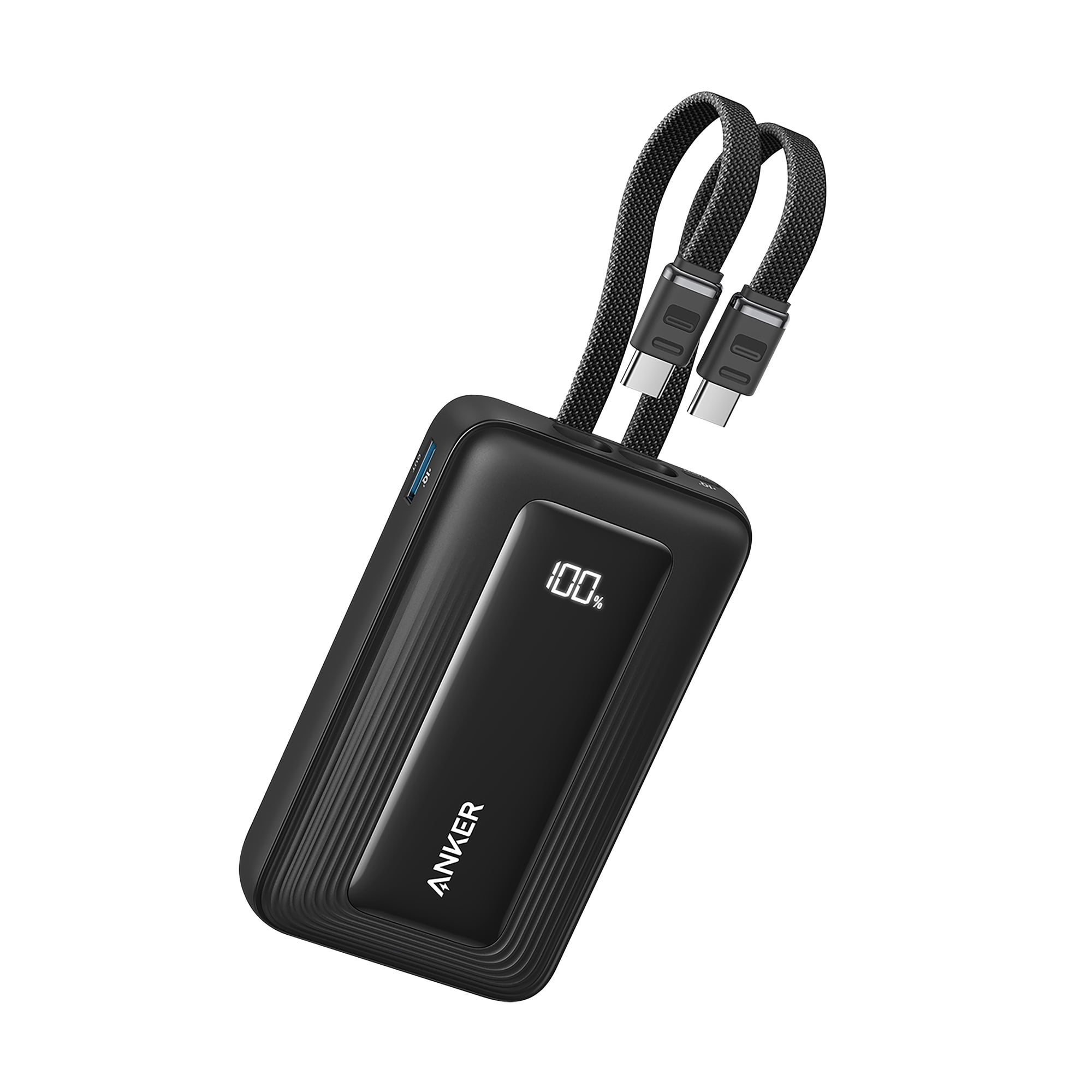
Anker PowerCore Essential 20000 PD
🔄 Alternative

Anker PowerCore Essential 20000 PD

$39.99

highly recommended
A modernized version of the classic 20K. It adds a USB-C port with 20W Power Delivery input and output, so it charges your phone or tablet faster and can also be recharged quickly. It has 20,000mAh capacity and remains TSA-friendly. If you're buying new for long flights, this is a much better choice than the older PowerCore 20000.

Why recommend: Addresses the PowerCore 20000's biggest weaknesses: no USB-C and slow recharge.

Best for: Travelers with modern USB-C devices who want future-proof charging.

🔄 Alternative

Anker PowerCore+ 26800

$79.99

recommended
A high-capacity 26,800mAh companion with two USB-A ports and one USB-C port. It sits closer to the 100Wh carry-on limit, giving you more charging cycles for tablets and phones. It's heavier, but for a long-haul flight with multiple devices or a family, the extra capacity can be a lifesaver.

Why recommend: If you need more charging cycles and can handle the extra weight, this is an excellent upgrade.

Best for: Travelers with multiple tablets and phones or those who take very long multi-leg flights.
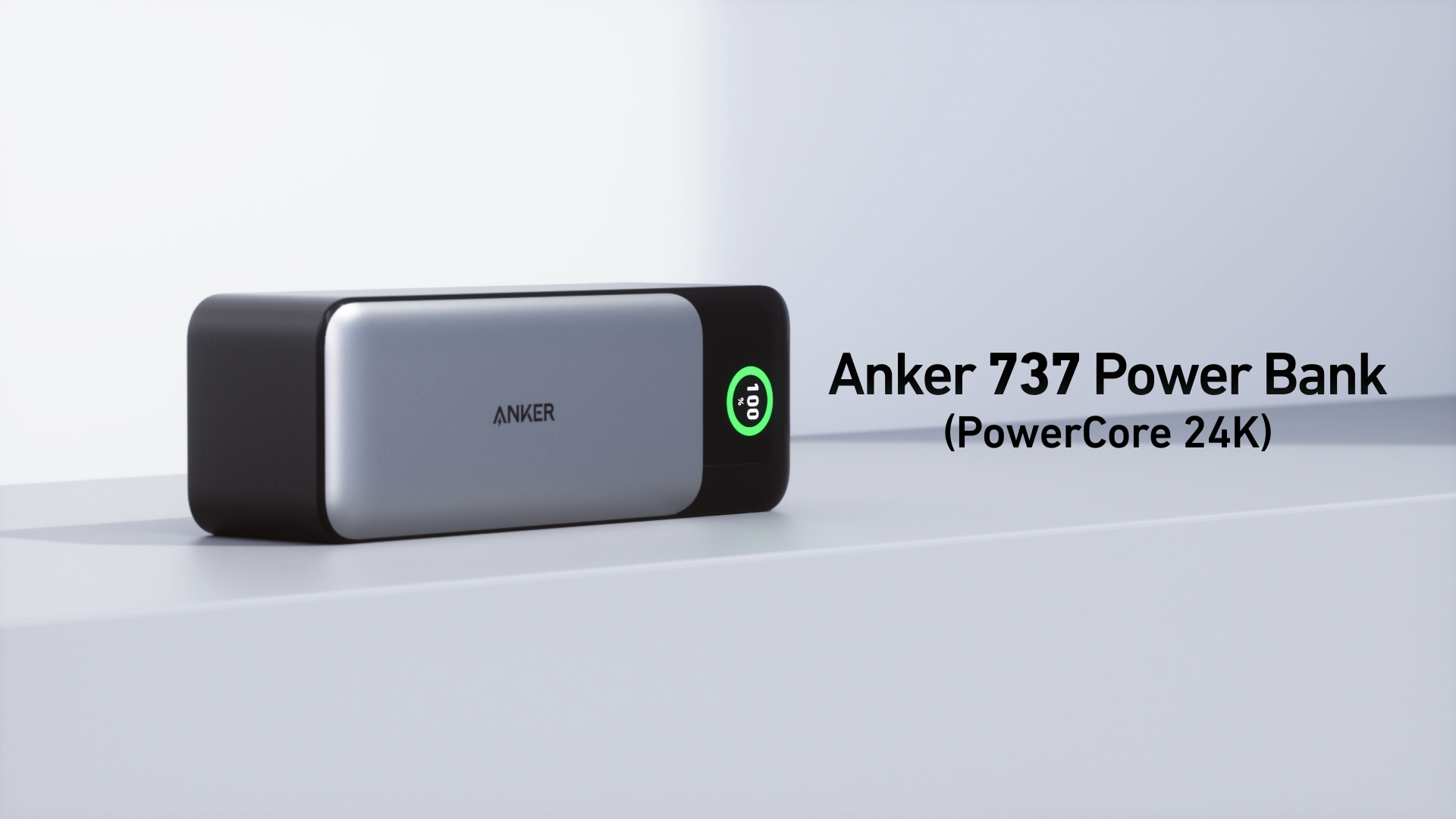
Anker 737 Power Bank (PowerCore 24K)
⬆️ Upgrade

Anker 737 Power Bank (PowerCore 24K)

$149.99

highly recommended
A premium portable charger with 24,000mAh and 140W USB-C Power Delivery. You can charge a MacBook Pro at full speed while also topping off your phone, making it a true airplane companion for professionals. It's bigger and heavier than the PowerCore 20000, but its 140W output turns a power bank into a serious workstation.

Why recommend: For anyone who needs laptop charging on long flights, this is the modern, capable solution.

Best for: Digital nomads and business travelers who carry laptops.
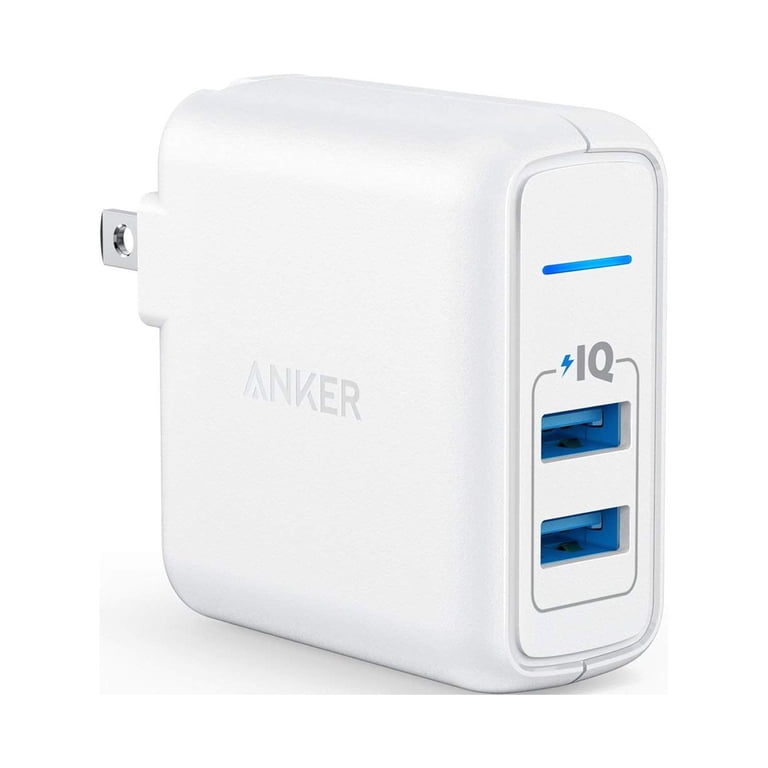
Anker PowerPort 2 24W Charger
🤝 Complement

Anker PowerPort 2 24W Charger

$19.99

recommended
A compact wall charger with two USB-A ports, each outputting up to 2.4A. It's the perfect way to fully recharge the original PowerCore 20000 before your flight. The 24W total output also lets you charge your phone and power bank overnight from a single wall outlet.

Why recommend: Ensures your power bank is fully juiced before a long flight, eliminating the slow recharge issue.

Best for: Travelers who want to reliably charge their power bank the night before departure.
Anker PowerLine II 3-in-1 Cable
🔧 Accessory

Anker PowerLine II 3-in-1 Cable

$17.99

recommended
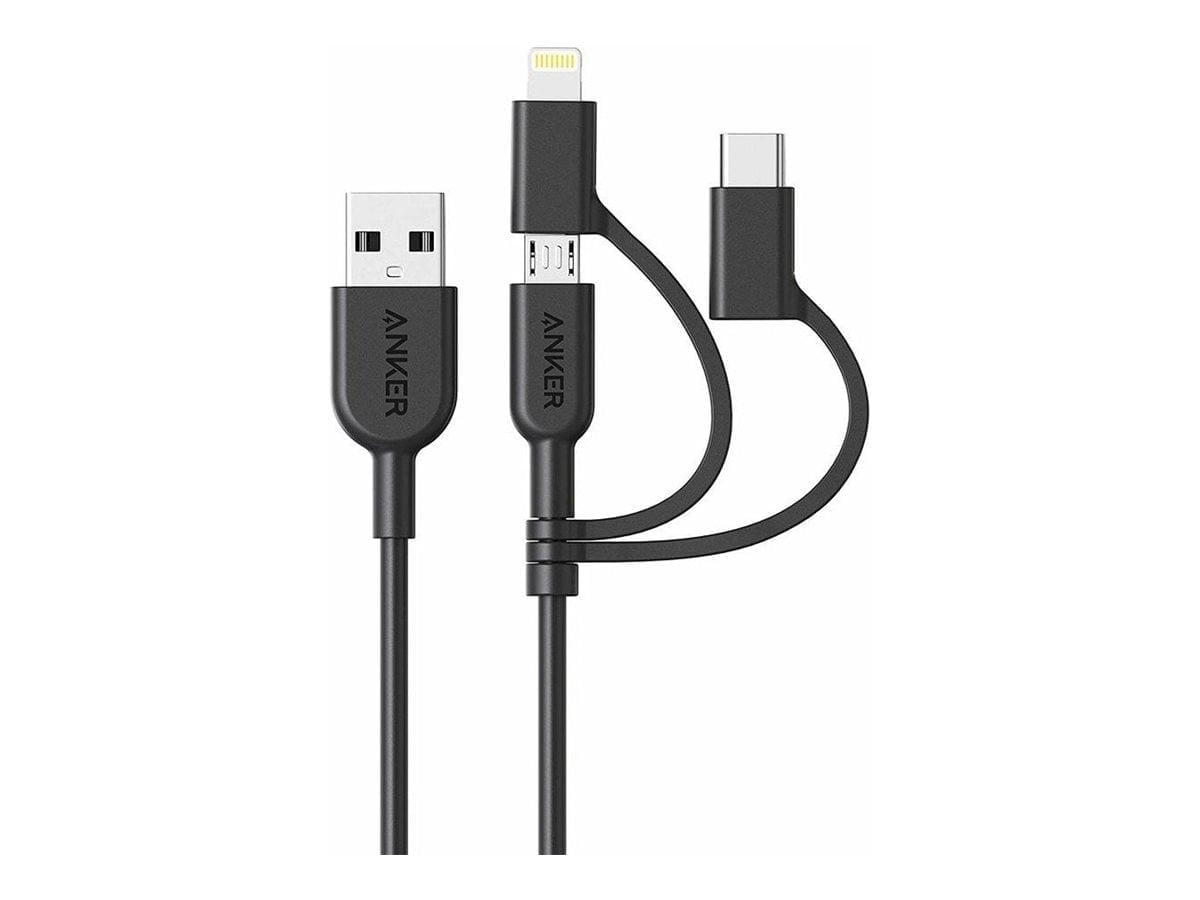
A braided cable with Lightning, Micro USB, and USB-C ends. This one cable can connect any device to the PowerCore 20000's USB-A ports, which is especially useful for families and mixed-device households. It's durable and long enough to let you charge your device while it's sitting in the seatback pocket.

Why recommend: Adds convenience and solves the cable compatibility problem of the old PowerCore.

Best for: Travelers carrying multiple device types or helping kids charge their gadgets.
BAGSMART Cable Organizer
🔧 Accessory

BAGSMART Cable Organizer

$11.99

consider
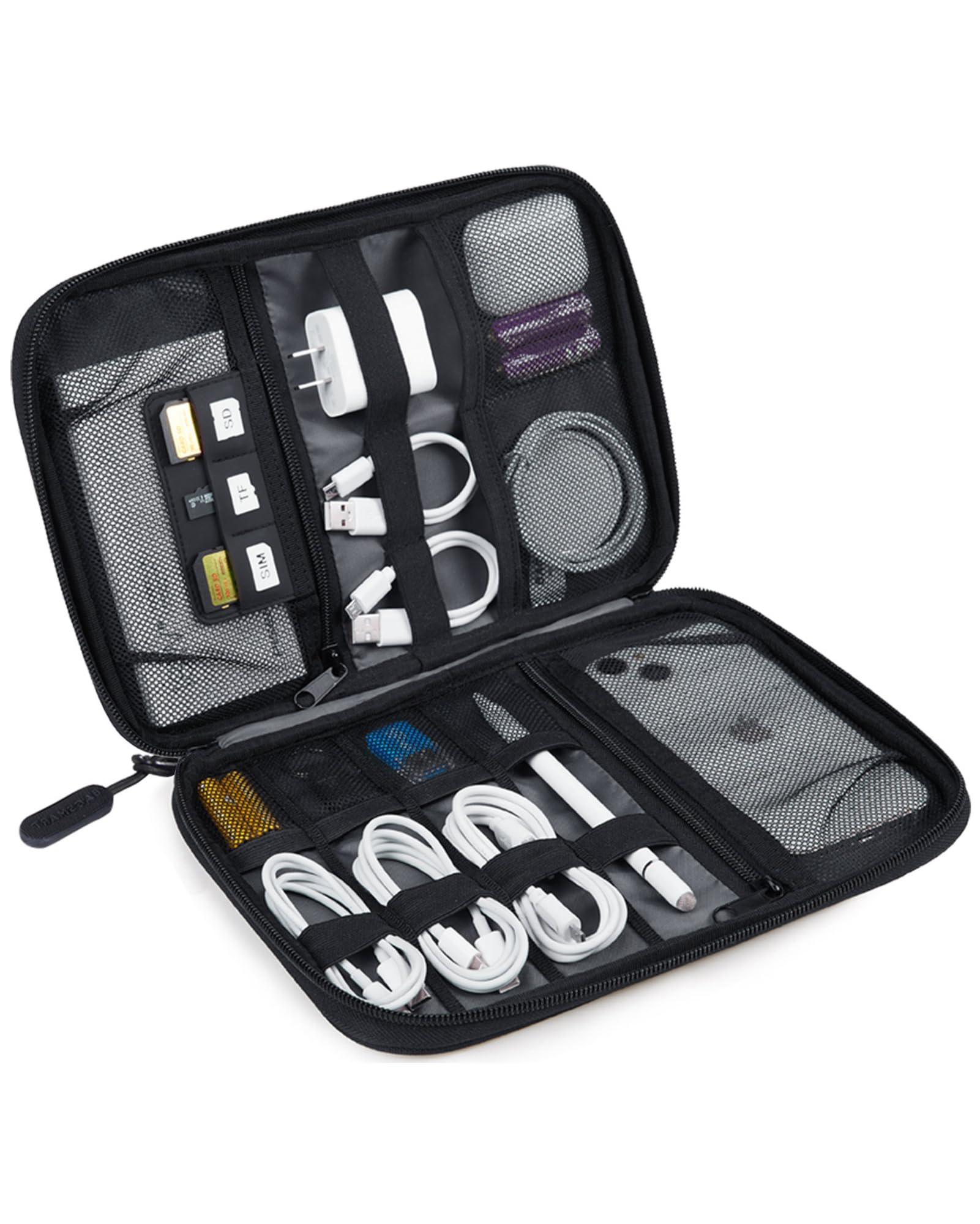
A small zippered pouch designed to hold cables, adapters, and the power bank in your carry-on. It keeps your travel tech neat and makes security checks easier because you won't be digging through a tangle of cords. Available in multiple sizes, it's a simple way to keep your Anker PowerCore 20000 and its cables together.

Why recommend: Keeps cables from tangling and speeds up airport security screening.

Best for: Organized travelers who want a clutter-free personal bag.
Anker PowerCore 10000
💰 Budget Option

Anker PowerCore 10000

$29.99

consider
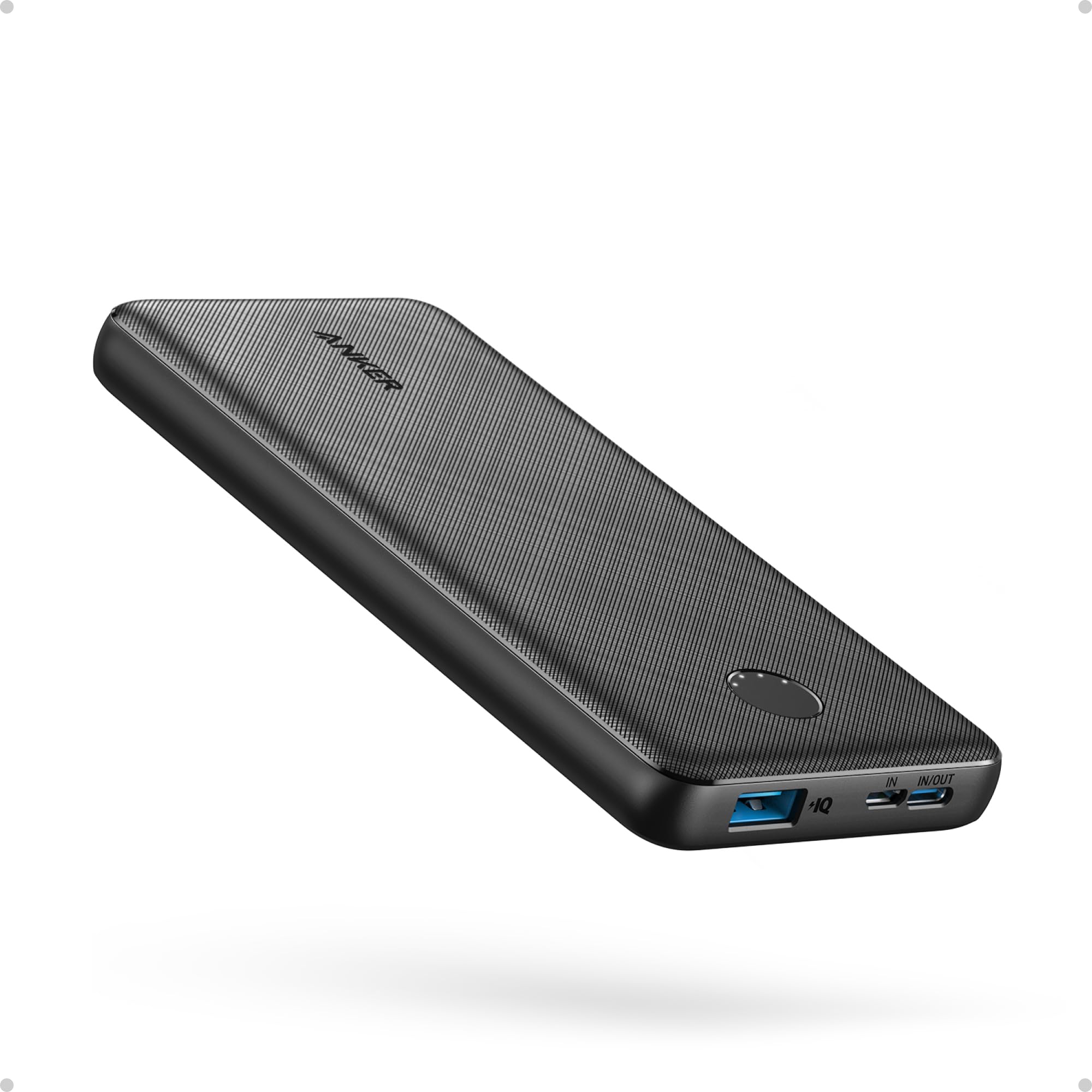
A much smaller 10,000mAh power bank that still offers two USB-A ports. It's about half the weight and size of the PowerCore 20000, making it ideal for short flights or minimalist packing. For shorter domestic flights, it can charge a typical smartphone one to two times. It's less powerful than the 20K, but it's a great travel partner when you don't need a full marathon.

Why recommend: For travelers who prioritize lightness and don't need huge capacity.

Best for: Minimalists and those flying routes under six hours.

Bottom Line

For most long-haul travelers, the Anker PowerCore 20000 is a solid, dependable power bank that can keep your phone and tablet going from takeoff to landing. However, because of its lack of USB-C and slow recharge time, it earns a rating of 'good' rather than 'excellent.' If you already own one, absolutely bring it on your next flight—it will almost certainly get you through a 12-hour journey. If you're buying new today, consider the Anker PowerCore Essential 20000 PD instead. It offers USB-C input and output, faster device charging, and a similar size and weight. It's usually available at a comparable price on Amazon, and it'll do a better job for travelers with modern devices. You can check current prices for both the PowerCore 20000 and its modern alternatives on Amazon below, and remember to pack a quality cable and a small organizer to keep everything tidy. Click 'Buy on Amazon' to see today's price and availability.

Ready to get the Anker PowerCore 20000? Check the latest price on Amazon.

🛒 Buy on Amazon

As an Amazon Associate we earn from qualifying purchases.

Frequently Asked Questions

Can I bring the Anker PowerCore 20000 on a plane?

Yes. 20,000mAh equals about 74Wh. FAA and IATA rules allow lithium-ion batteries under 100Wh in carry-on baggage. You cannot pack it in checked luggage, and you should keep it accessible in case security asks to see it.

How many times can it charge my phone?

Depending on the phone, you can get roughly 4-5 full charges for an iPhone 15 Pro, or 3-4 charges for a 5,000mAh Android phone. A 10-inch tablet will charge about one to two times. Actual results depend on cable quality, device settings, and temperature.

Does it support fast charging?

The original supports Anker's PowerIQ and VoltageBoost, which optimize output up to 5V/3A total, but it doesn't support Qualcomm Quick Charge or USB-C Power Delivery. Charging is reliable but may be slower than modern fast chargers. On a long flight, this usually doesn't matter.

Can the PowerCore 20000 charge a laptop?

No. The USB-A ports output only 5V and insufficient wattage for modern laptops. You need a power bank with USB-C Power Delivery, like the Anker 737, which can deliver 140W.

How long does it take to recharge the power bank itself?

With the included micro-USB cable and a 5V/2A adapter, expect roughly 10-12 hours. A lower-power charger will take even longer. If you need faster recharging, look for a power bank with USB-C Power Delivery.

Is 20,000mAh enough for a 15-hour flight?

For most people, yes. If you're charging one phone and using it continuously, you'll land with plenty of reserve. If you're also charging a tablet or kids' devices, you may need to be strategic. For multiple heavy users, a 26,000mAh model might be safer.

What's the difference between PowerCore 20000 and PowerCore Essential 20000 PD?

The Essential adds USB-C Power Delivery (up to 20W output and faster input), which allows faster device charging and quicker power bank recharging. The older PowerCore 20000 has two USB-A ports but no USB-C. For modern devices, the Essential is usually the better option.

Is it better to bring a power bank or use airplane outlets?

Airplane outlets exist, but they can be low-power, shared, or broken. A power bank lets you stay in your seat, share between devices, and continue charging when the airplane outlet fails. For long flights, a large power bank is more reliable.

What cables should I pack with the PowerCore 20000?

Since the original PowerCore outputs USB-A, bring the cable your device uses: Lightning, USB-C, or old micro-USB. A 3-in-1 cable like the Anker PowerLine II 3-in-1 covers all devices and is a smart addition to any carry-on.

Should I buy the Anker PowerCore 20000 or a newer Anker model for long flights?

The newer Anker PowerCore Essential 20K PD is generally better because it offers USB-C and faster recharging at a similar price. If you already own the PowerCore 20000, keep using it; if you're buying new, the Essential is a more future-proof choice.