Review Atlas

Menu

Shop by Category

Get the App

Better experience on mobile

Beginners GuideYoga

Best Yoga Mat for Beginners 2025

Everything beginners need to choose their first yoga mat with confidence, avoid mistakes, and start practicing at home today.

Starting yoga at home is exciting, but choosing your first yoga mat can feel overwhelming. With endless options promising 'superior grip' or 'eco materials,' beginners often worry about wasting money on the wrong one or slipping during their first downward dog.

This guide cuts through the confusion. We'll explain why beginners struggle, what features really matter, and share top Amazon picks that are forgiving, easy to use, and perfect for home practice. No jargon – just simple advice to build your confidence.

By the end, you'll know exactly which mat to buy, what accessories to add, and how to progress from total newbie to comfortable yogi.

📋 In This Guide

  • • Why Beginners Struggle with Yoga Mat
  • • What to Look For (Key Features)
  • • Top 4 Beginner-Friendly Yoga Mat
  • • Essential Accessories for Beginners
  • • Common Beginner Mistakes to Avoid
  • • Your Progression Path
  • • FAQ & Learning Resources

😰 Why Beginners Struggle with Yoga Mat

Beginners face a flood of choices on Amazon – thin mats, thick ones, rubber, foam, you name it. Without knowing basics, it's hard to tell a good mat from a slippery disaster. Reviews mention 'grip when sweaty' but don't explain what that means for dry home sessions.

Jargon like TPE, PVC, or 'proprietary alignment system' sounds fancy but confuses newcomers. Many fear buying too thin (ouch on hard floors) or too heavy (hard to store). Forums like Reddit's r/yoga are full of 'my first mat slipped and I quit' stories.

The biggest fear? Spending $50 on something that ends up in the closet. Over 30% of beginner reviews complain about poor value or quick wear, leaving newbies paralyzed by choice.

🔍 What to Look For: Key Beginner-Friendly Features

For beginners, focus on comfort and safety first. Look for 4-6mm thickness – thick enough to cushion knees and hips on hard floors without feeling wobbly. Non-slip surfaces (textured top and bottom) prevent slides during basic poses like child's pose or warrior.

Must-haves: Easy to roll up and carry (under 5 lbs), simple cleaning (wipe with water), and standard size (68x24 inches) for full-body support. Nice-to-haves: Alignment lines to check pose form and eco materials like TPE (safe, no bad smells).

Skip fancy extras like extra-long mats or cork overlays – they're for advanced users. Beginner-friendly mats are forgiving (tolerate sweat/mistakes), lightweight, and have clear tutorials online.

✅ Essential Features for Beginners

  • 4-6mm thickness for joint cushioning without instability
  • Non-slip grip on both sides for safety in any pose
  • Lightweight (under 5 lbs) and easy to roll/store
  • Standard 68x24 inch size for most body types
  • Easy-clean surface (no harsh chemicals needed)
  • Alignment markers to learn proper form
  • Durable edges that don't curl after rolls

🏆 Top 4 Best Yoga Mat for Beginners

#1
💰 Budget

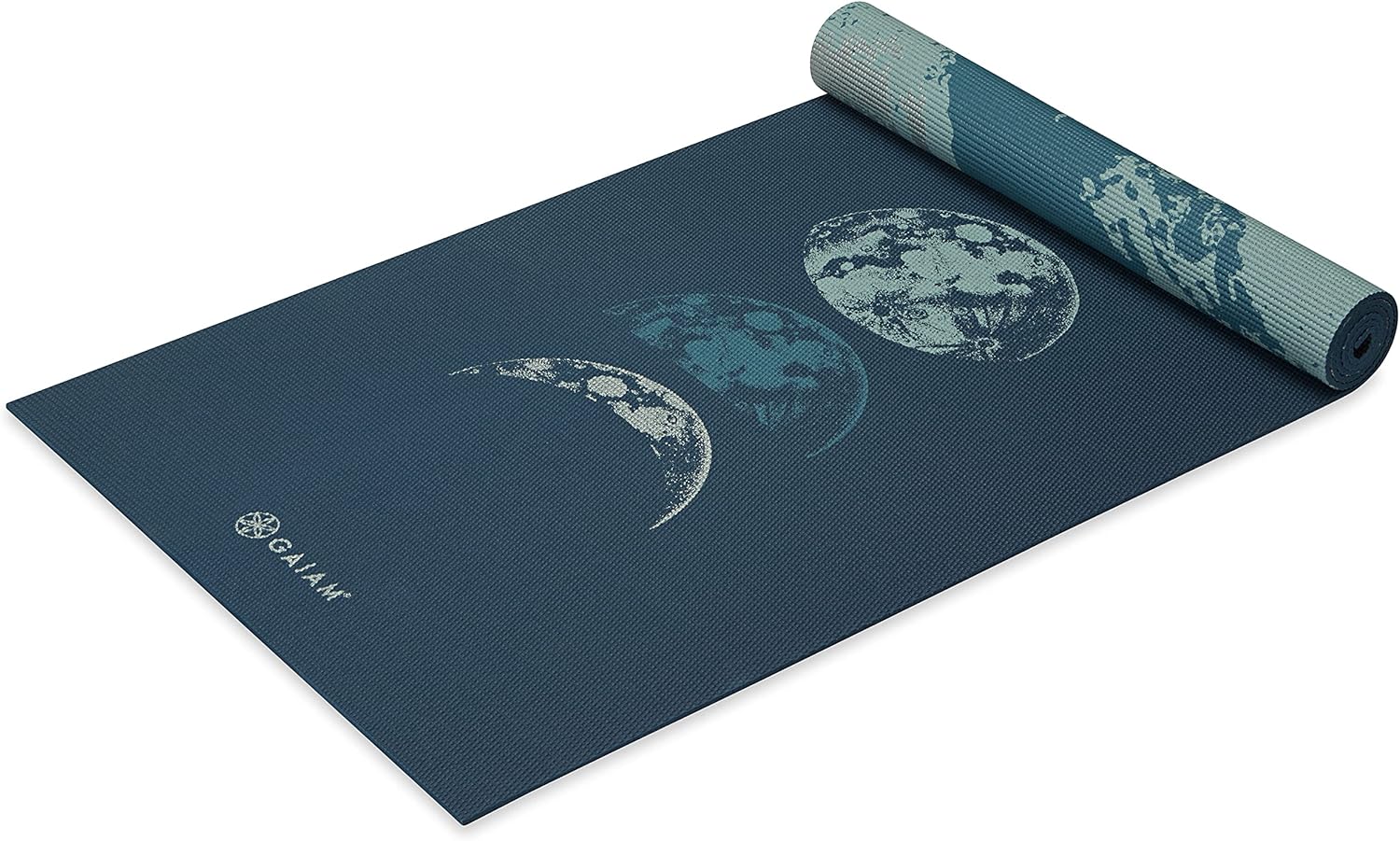
Gaiam Essentials Thick Yoga Mat

Learning Curve: Easy

$24.99
Difficulty: 1/5
Gaiam Essentials Thick Yoga Mat - Image 1 of 2

Why Great for Beginners:

This mat offers 6mm cushioning perfect for protecting knees on hardwood floors, with a simple non-slip surface that's forgiving for sweaty hands. It's lightweight and rolls easily for small spaces, making home setup a breeze. Beginners love how it stays put during basic flows without fancy features.

Beginner Pros

  • +Extra thick for joint comfort
  • +Affordable entry point
  • +Easy to clean and store
  • +No strong odor

Beginner Cons

  • -Grip weakens if very sweaty
  • -Basic design, no alignment lines
👍 Best for: Budget-conscious newbies testing home yoga
👎 Not for: Hot yoga enthusiasts needing max grip

#2
👍 Recommended

Manduka eKO Lite Yoga Mat

Learning Curve: Easy

$49.99
Difficulty: 1/5
Manduka eKO Lite Yoga Mat - Image 1 of 9

Why Great for Beginners:

Made from natural rubber, it provides excellent grip that improves with use, ideal for building confidence in poses. Lightweight for travel/home and naturally anti-microbial for easy maintenance. Perfect sweet-spot value without overwhelming options.

Beginner Pros

  • +Superior sweat-resistant grip
  • +Eco-friendly and durable
  • +Portable at 2.2 lbs
  • +Sticky texture activates quickly

Beginner Cons

  • -Initial rubber smell fades in days
  • -Not as cushy as foam (4mm)
👍 Best for: Most home yoga beginners wanting reliability
👎 Not for: Those sensitive to natural rubber scent
#3
👍 Recommended

Alo Yoga Warrior Mat

Learning Curve: Easy

$38.00
Difficulty: 2/5
Alo Yoga Warrior Mat - Image 1 of 2

Why Great for Beginners:

This TPE mat has a unique grip fabric top that prevents slips even damp, with 5mm cushion for comfort. Alignment lines help check form, building skills fast. Affordable yet premium feel for daily use.

Beginner Pros

  • +Fabric grip for wet/dry
  • +Printed pose guides
  • +Quick-dry and washable
  • +Balanced thickness

Beginner Cons

  • -Slightly heavier at 5 lbs
  • -Top can pill if machine washed often
👍 Best for: Beginners focused on form and hot yoga lite
👎 Not for: Ultra-minimalists wanting plain mats
#4
✨ Premium

Jade Harmony Yoga Mat

Learning Curve: Easy

$74.95
Difficulty: 1/5
Jade Harmony Yoga Mat - Image 1 of 2

Why Great for Beginners:

Natural rubber with lotus design grips like magic, even sweaty, and opens perfectly flat. Lifetime warranty means no worries, and it's tree-planting eco bonus motivates. Serious beginners invest here for growth without upgrade.

Beginner Pros

  • +Best-in-class grip
  • +Durable for years
  • +Alignment dots
  • +Eco and supportive brand

Beginner Cons

  • -Higher price
  • -Rubber scent initially
👍 Best for: Committed beginners planning daily practice
👎 Not for: Casual users on tight budgets

📖 Complete Beginner's Guide to Yoga Mat

A yoga mat is your stable base for home practice – like a magic carpet that doesn't fly away mid-pose. Basics: Made from foam-like materials, it provides cushion, grip, and space. Thickness matters most for beginners: 4mm for balance work, 6mm for restorative poses.

Types: PVC (cheap, grippy but less eco), TPE (natural-feeling, recyclable, odor-free), Natural rubber (super grippy but heavy/smelly initially), NBR (extra thick foam for knees). Best for beginners: TPE or PVC mats – forgiving, affordable, no strong odors.

Beginner-friendly means intuitive: No setup needed, just unroll and go. Realistic expectations: You'll hold basic poses 10-30 seconds at first; a good mat boosts confidence by preventing slips. Evaluate by reading 'beginner home yoga' reviews on Amazon.

Marketing traps: 'Pro-grip' often means slippery when new; 'eco' can be thin/unpadded. Check for double-sided texture and real-user photos of rolled mats.

🔧 Essential Accessories for Beginners

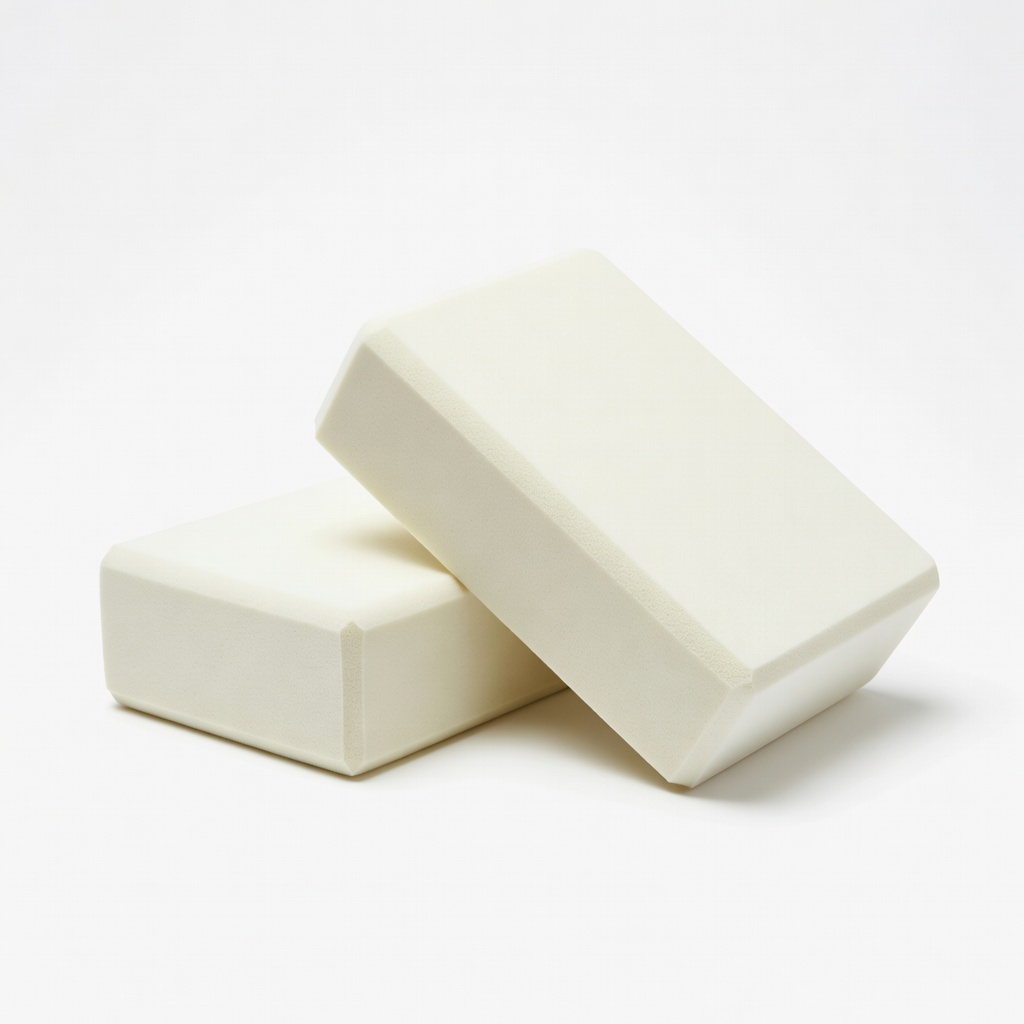
Crown Sporting Goods 2-Pack EVA Foam Yoga Blocks

⚠️ Essential

$15.99

When to buy:
Day one

Blocks support modifications for tight hamstrings or wrists, making poses accessible without strain. Beginners use them daily for forward folds or low lunges. Prevents injury and builds confidence faster.

Beginner Benefits:

  • Easier pose entry
  • Injury prevention
  • Form improvement
Gaiam Yoga Mat Towel - Image 1 of 2

Gaiam Yoga Mat Towel

👍 Recommended

$19.99

When to buy:
First month

Absorbs sweat to keep your mat grippy during longer sessions. Microfiber suctions to mat, preventing slips as you progress. Essential for home flows turning sweaty.

Beginner Benefits:

  • Maintains grip when sweaty
  • Quick dry
  • Adds cushion

Yoga Mat Strap Carrier

⚠️ Essential

$9.99

When to buy:
Day one

Keeps rolled mat secure for easy storage/transport. Beginners forget how bulky unstrapped mats get – this solves closet chaos.

Beginner Benefits:

  • Easy storage
  • Portable for class
  • Prevents unrolling
Manduka Yoga Mat Wash Spray - Image 1 of 2

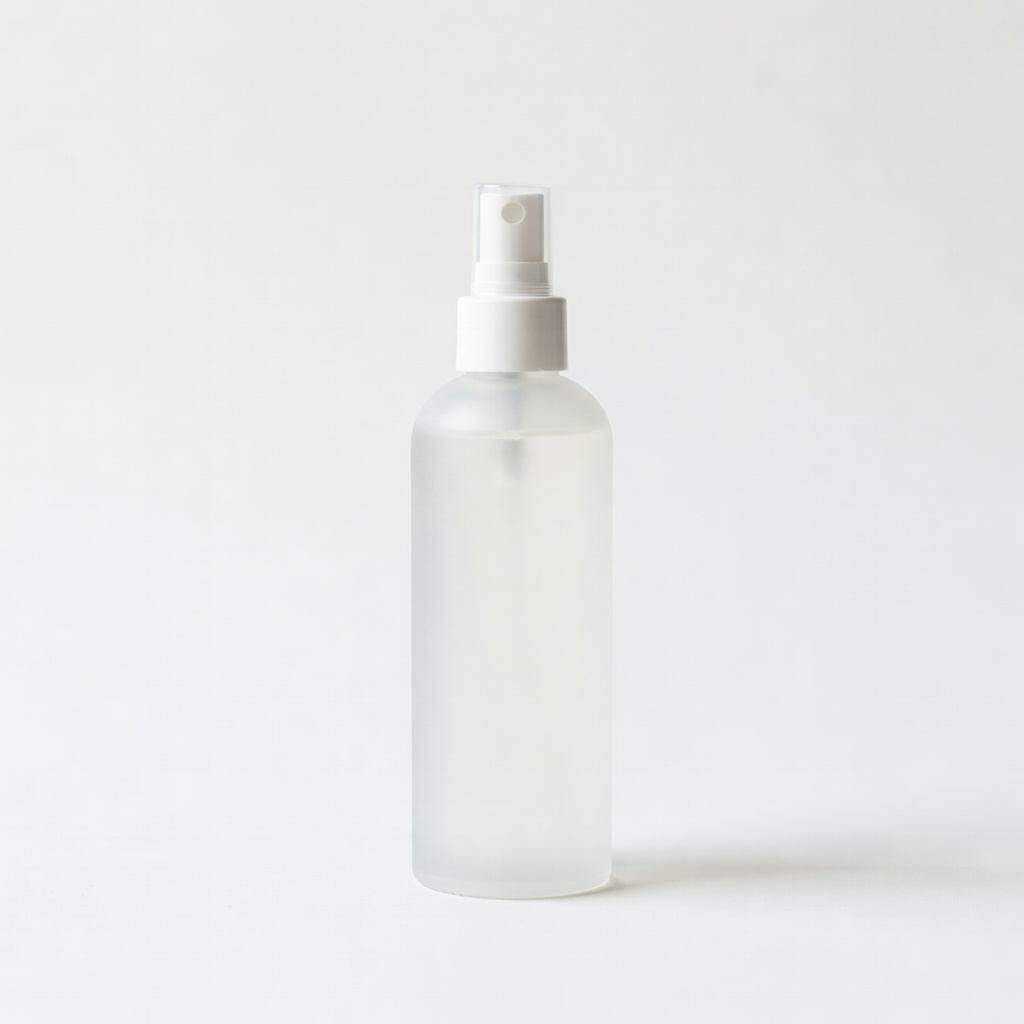
Manduka Yoga Mat Wash Spray

👍 Recommended

$14.99

When to buy:
First month

Keeps mat clean and grippy longer – beginners spill water or sweat weekly. Natural formula safe for all mats.

Beginner Benefits:

  • Restores grip
  • Odor control
  • Quick clean

🤔 How to Choose Your First Yoga Mat

Ask: What's your budget and space? For home yoga 3x/week, sweet spot $25-50 gets lasting quality. Apartment dweller? Pick lightweight. Sore joints? Prioritize 6mm thick.

Scenarios: Casual beginner – budget TPE mat. Serious home practice – recommended with alignment lines. Budget tight? Entry under $25 to test. Premium if you want no-upgrades-ever.

Red flags: Mats under 3mm (too thin), over 10 lbs (storage nightmare), strong chemical smells. Plan for growth: Start basic, upgrade to textured rubber in 6 months.

💰 Budget Guide for Beginners

80+

Advanced entry – ultra-durable pro mats for hot yoga or travel, overkill for pure beginners.

25 - $50

Sweet spot – best balance of comfort, durability, and features like alignment lines; lasts 2+ years for most beginners.

50 - $80

Premium beginner – superior natural materials, extra grip, and eco perks; ideal for daily practice without quick outgrowing.

Under $ - $25

Entry level – basic cushion and grip, great for testing yoga without commitment, may slip slightly when sweaty.

⚠️ Common Beginner Mistakes to Avoid

Beginners grab the $10 Walmart mat, then complain of pain and slips after one week – false economy. Experienced yogis say invest $25+ upfront.

Many pick 'pretty' printed mats that lack grip, or ignore home space (rolled size matters). Avoid by checking thickness/grip in Q&A.

Skipping blocks means forcing poses, risking tweaks. Instead, read beginner reviews: 'Wish I got thicker + blocks Day 1.'

  • ×Buying super-cheap thin mats (<3mm) that hurt joints
  • ×Ignoring grip – slipping in warrior pose
  • ×Skipping strap, leading to storage mess
  • ×Choosing heavy mats hard to move/store
  • ×Overlooking size – too small for tall users
  • ×Buying PVC with bad odors for home use
  • ×No accessories like blocks for modifications

📈 Your Progression Path: Beginner to Intermediate

Start with 10-15 min daily: Breathing, child's pose, cat-cow on your mat. Week 2: Sun salutations using alignment lines/blocks.

Build to 30-min flows in 1-2 months. Outgrow beginner mat when grip fades in vinyasa or you crave more cushion/texture.

Upgrade signs: Daily practice, trying hot yoga, or joint pain gone. Intermediate: Thicker rubber mats (~6 months). Stay beginner level 3-6 months.

📚 Learning Resources for Beginners

  • 📖Yoga for Beginners DVD by Barbara Benagh (ASIN: B00062J03W) – Step-by-step home videos.
  • 📖"The Beginner's Guide to Yoga" book by Lucy Treloar (ASIN: 1844838449) – Illustrated poses.
  • 📖"Yoga for Dummies" book (ASIN: B0030MHW5A) – Fun, no-pressure intro.
  • 📖Gaiam Yoga Journal for tracking progress (ASIN: B07G9K3Z5P).
  • 📖"Light on Yoga" beginner sections by B.K.S. Iyengar (ASIN: B00012BCN6).
  • 📖Yoga Deck for Beginners card set (ASIN: 0811829919) – Pose prompts.

🎯 Bottom Line: Our Recommendations

Best overall for most beginners: Manduka eKO Lite (B07G9J6Z3F) – grip, light, value.

Budget: Gaiam Essentials (B01N4IGYPA). Premium: Jade Harmony (B09JCY7Z3Q). Grab blocks and strap Day 1.

You're ready – unroll, breathe, and enjoy. Yoga is forgiving; your mat will grow with you. Start today!

❓ Frequently Asked Questions

The Manduka eKO Lite (B07G9J6Z3F) for its easy grip and light weight, or budget Gaiam Essentials (B01N4IGYPA) for cushion.