Review Atlas

Menu

Shop by Category

Get the App

Better experience on mobile

Beginners GuideWellness

Best Yoga Mat for Beginners 2025

Everything beginners need to choose their first yoga mat with confidence and avoid common pitfalls.

Choosing your first yoga mat can feel overwhelming with endless options, thicknesses, materials, and prices. As a beginner, you worry about slipping during poses, knee pain from hard floors, or buying something too cheap that unravels quickly. Don't stress – this guide is designed for total newcomers to yoga, especially Hatha styles with gentle flows and holds.

We'll break down what really matters, share top Amazon picks that are forgiving and easy to use, and help you build confidence from day one. No jargon, just simple advice to get you on the mat feeling supported and excited to start.

📋 In This Guide

  • • Why Beginners Struggle with Yoga Mat
  • • What to Look For (Key Features)
  • • Top 4 Beginner-Friendly Yoga Mat
  • • Essential Accessories for Beginners
  • • Common Beginner Mistakes to Avoid
  • • Your Progression Path
  • • FAQ & Learning Resources

😰 Why Beginners Struggle with Yoga Mat

Beginners often feel lost because yoga mats look similar but perform differently – some slip when you sweat, others are paper-thin causing sore joints, and cheap ones bunch up mid-pose. Forums like Reddit's r/yoga are full of newbies frustrated after buying the 'hottest' mat that doesn't grip or smells off-gassing.

Technical terms like 'PU coating,' 'TPE vs. natural rubber,' or 'mm thickness' confuse everyone starting out. Plus, with Amazon showing 10,000+ options, it's easy to fear wasting money on the wrong one, especially if you're practicing at home without a teacher to guide you.

The biggest fear? Starting yoga motivated, then quitting because the mat makes poses uncomfortable or unsafe.

🔍 What to Look For: Key Beginner-Friendly Features

For beginners, prioritize mats that are thick enough (at least 4-6mm) to cushion knees and hips on hard floors without feeling wobbly. Look for non-slip surfaces that grip even when sweaty – textured tops and alignment lines help with pose placement.

Choose lightweight, easy-to-roll mats (around 2-4 lbs) that come with a strap for carrying. TPE or PVC materials are forgiving starters: durable, affordable, and simple to wipe clean. Avoid super thin travel mats or heavy eco ones until later.

Beginner-friendly mats tolerate mistakes like poor form or sweat, have good reviews from newbies (check 'first mat' mentions), and won't need replacing soon.

✅ Essential Features for Beginners

  • Thickness (4-6mm): Cushions joints without instability
  • Non-slip grip: Stays put during sweaty Hatha holds
  • Alignment lines: Helps line up poses easily
  • Lightweight (2-4 lbs): Simple to carry and store
  • Easy clean: Wipe with soap, no special care
  • Carrying strap included: Rolls up neatly
  • Standard size (68x24 inches): Fits most bodies

🏆 Top 4 Best Yoga Mat for Beginners

#1
💰 Budget

BalanceFrom GoYoga All-Purpose 1/2-Inch Extra Thick Yoga Mat

Learning Curve: Easy

$19.99
Difficulty: 1/5
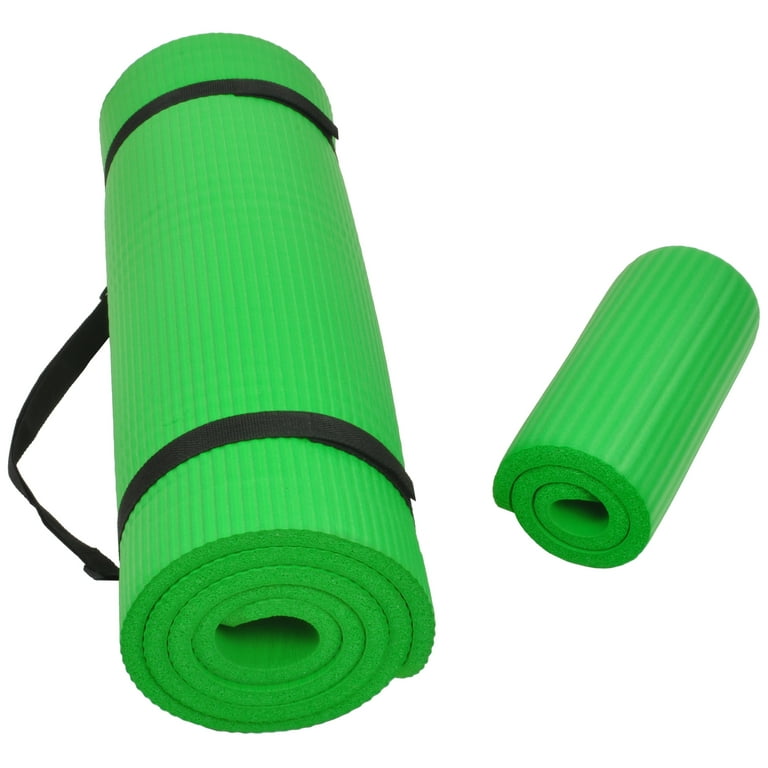
BalanceFrom GoYoga All-Purpose 1/2-Inch Extra Thick Yoga Mat

Why Great for Beginners:

This mat offers double thickness for joint protection at a steal price, perfect for testing yoga without commitment. Its carrying strap and anti-tear design make it forgiving for clumsy newbies who drop or roll it wrong.

Beginner Pros

  • +Extra cushion prevents knee pain
  • +Includes strap for easy storage
  • +Affordable to start immediately
  • +Grips decently dry or light sweat

Beginner Cons

  • -Less grip when very sweaty
  • -Slight rubbery smell at first
👍 Best for: Budget-conscious total beginners trying Hatha at home
👎 Not for: Heavy sweaters or outdoor use

#2
👍 Recommended

Amazon Basics 1/2-Inch Thick High-Density Anti-Tear Yoga Mat

Learning Curve: Easy

$35.99
Difficulty: 1/5
Amazon Basics 1/2-Inch Thick High-Density Anti-Tear Yoga Mat - Image 1 of 7

Why Great for Beginners:

Sweet spot thickness and superior grip make poses stable and pain-free, ideal for Hatha beginners building confidence. Easy to clean and store, it grows with you to intermediate flows.

Beginner Pros

  • +Excellent non-slip even sweaty
  • +Thick for joints
  • +Lightweight and portable
  • +Great value durability

Beginner Cons

  • -No alignment lines
  • -Basic color options
👍 Best for: Most home practitioners wanting reliability
👎 Not for: Eco-purists avoiding synthetics
#3
👍 Recommended

Gaiam Essentials Thick Yoga Mat

Learning Curve: Easy

$29.99
Difficulty: 2/5
Gaiam Essentials Thick Yoga Mat - Image 1 of 2

Why Great for Beginners:

Balanced grip and cushion tailored for newbies, with pretty designs to motivate practice. Forgiving material handles sweat and folds well for small spaces.

Beginner Pros

  • +Sticky surface for holds
  • +5mm comfort
  • +Fun patterns
  • +Quick dry

Beginner Cons

  • -Strap sold separate
  • -May pill over time
👍 Best for: Beginners who want style + function
👎 Not for: Very tall users needing longer mat
#4
✨ Premium

Manduka PROlite Yoga Mat

Learning Curve: Moderate

$69.99
Difficulty: 2/5
Manduka PROlite Yoga Mat - Image 1 of 2

Why Great for Beginners:

Legendary no-slip grip and lifetime durability mean you won't outgrow it soon, perfect for committed newbies investing in wellness. Ultra-comfortable for long Hatha sessions.

Beginner Pros

  • +Best-in-class grip
  • +4.5mm dense cushion
  • +Light for premium
  • +Lasts years

Beginner Cons

  • -Higher price
  • -Needs break-in
👍 Best for: Serious beginners planning daily practice
👎 Not for: Casual triers on tight budget

📖 Complete Beginner's Guide to Yoga Mat

A yoga mat is your stable base for poses, preventing slips and providing cushion. Basics: thickness for comfort, grip for safety, material for durability. Beginners do best with 'all-purpose' mats – versatile for Hatha yoga's floor work and gentle stretches.

Types: Thin (1-3mm) for travel (avoid for home beginners), standard (4-6mm) for most newbies, extra-thick (6mm+) for joint issues. PVC/TPE are synthetic, grippy, affordable; natural rubber is eco but pricier/slippery when new; cork is premium grip but heavy.

Best for beginners: Standard thickness TPE or PVC – forgiving, no break-in, great value. Realistic expectations: You'll hold basic poses comfortably, not master advanced flows yet. Evaluate by reading newbie reviews: 'No slipping!' or 'Knees don't hurt.'

Marketing traps: 'Eco-friendly' doesn't mean beginner-ready; 'extra long' often unnecessary. Beginner-friendly means simple setup, instant usability, room to improve skills without gear limits.

🔧 Essential Accessories for Beginners

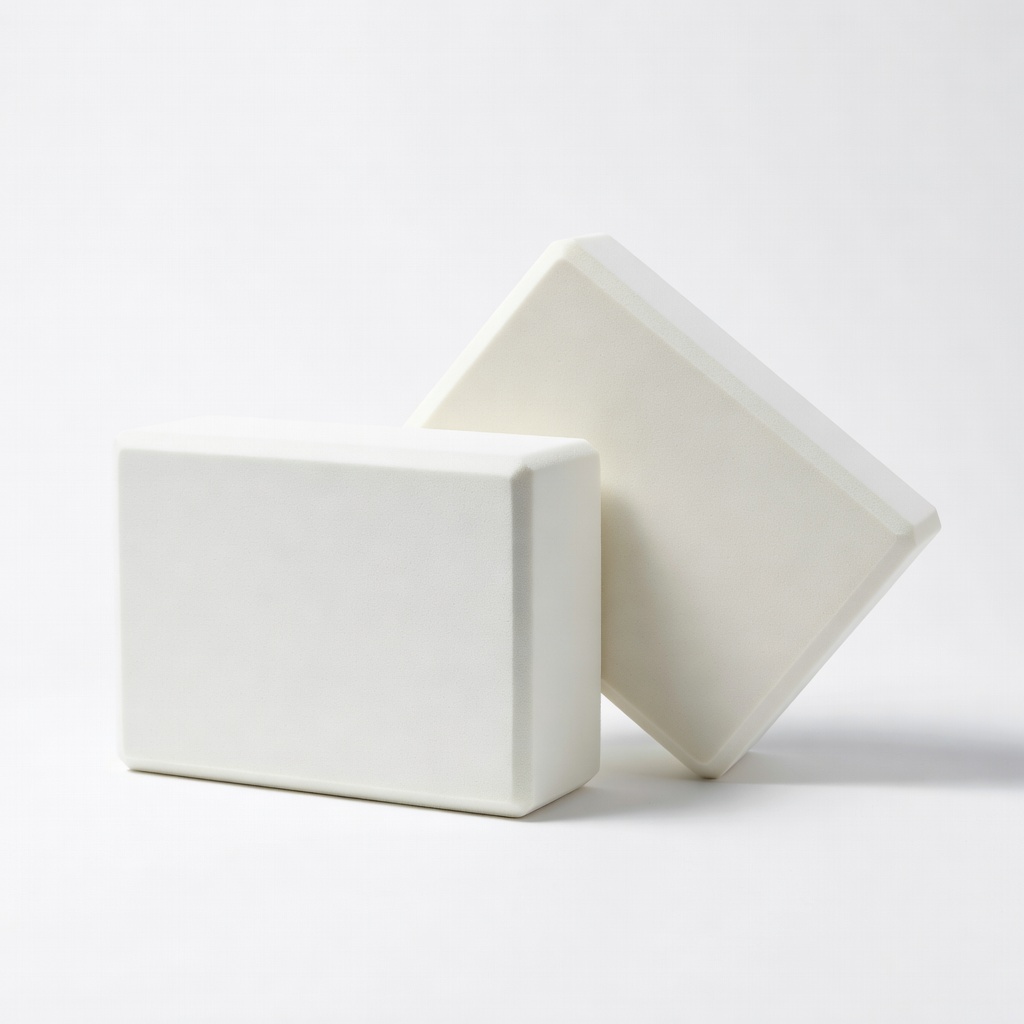
EVEREST FITNESS Yoga Blocks 2 Pack

⚠️ Essential

$15.99

When to buy:
Day one

Blocks prop up hips or hands in beginner poses like bridge or downward dog, making them accessible without strain. Prevents injury and builds confidence as form improves.

Beginner Benefits:

  • Easier pose modifications
  • Joint protection
  • Faster progress
  • Affordable set

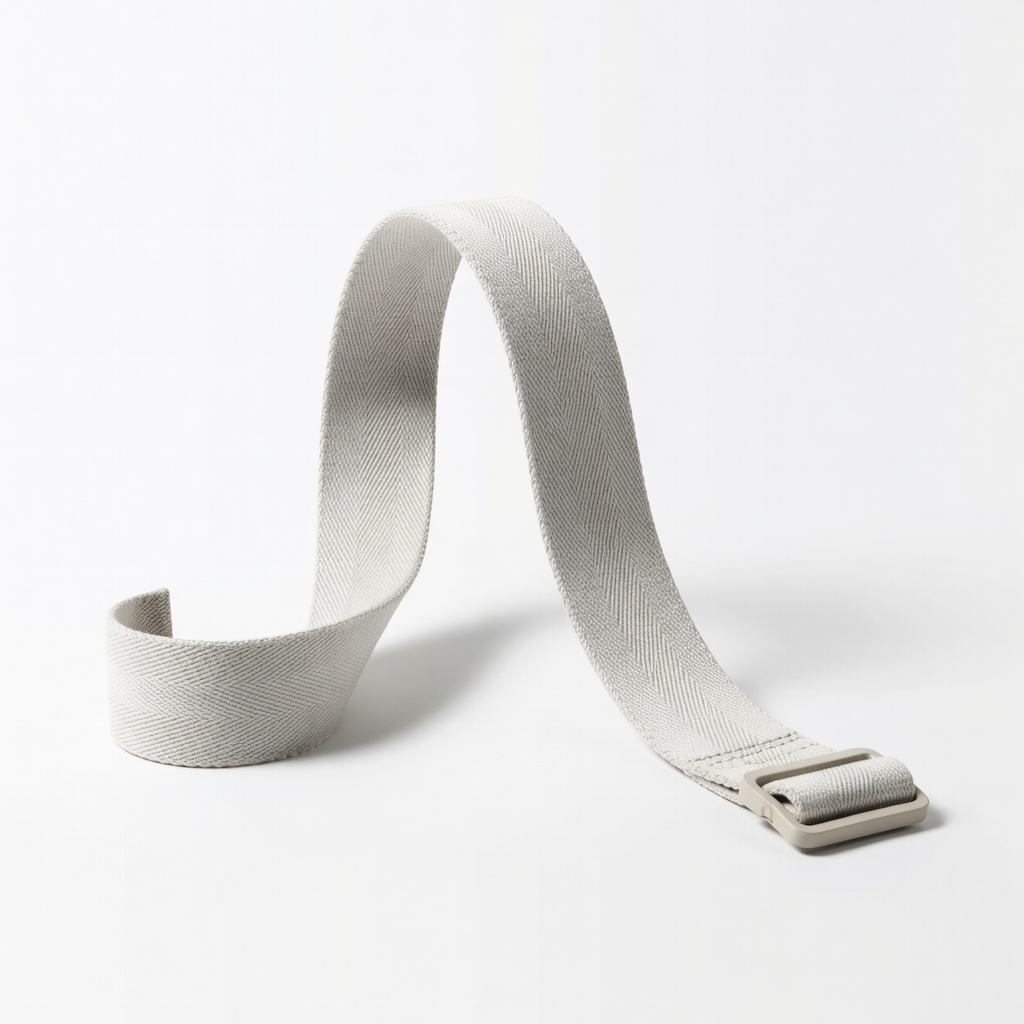
Crown Sporting Goods Yoga Strap

👍 Recommended

$8.99

When to buy:
First week

Straps extend reach in forward folds or binds, helping inflexible newbies feel success early. Keeps mat rolled when not in use.

Beginner Benefits:

  • Improves flexibility safely
  • Pose assistance
  • Mat organization
  • Cheap essential
YOGDEY Yoga Mat Bag - Image 1 of 2

YOGDEY Yoga Mat Bag

👍 Recommended

$12.99

When to buy:
First month

Carries mat to classes easily, protects from dirt. Adjustable for most sizes, keeps gear organized.

Beginner Benefits:

  • Portable to studio
  • Clean storage
  • Comfy carry
  • Durable
Shandian Microfiber Yoga Mat Towel - Image 1 of 2

Shandian Microfiber Yoga Mat Towel

💡 Nice to Have

$19.99

When to buy:
After first month

Adds extra grip over mat when sweaty, absorbs moisture for secure holds. Quick-dry for back-to-back sessions.

Beginner Benefits:

  • Sweat management
  • Enhanced grip
  • Machine washable
  • Versatile

🤔 How to Choose Your First Yoga Mat

Ask: What's your budget? What's your budget? Home or class? Joint sensitivity? Practice 3x/week? For most, sweet spot $25-50 gets grip + cushion. Budget under $25 for trying yoga; premium $50+ if investing long-term.

Scenarios: Home Hatha – standard grip mat. Sensitive knees – thicker. Future growth: Pick one with good grip to last 1-2 years. Go budget to test interest; recommended for commitment; premium for comfort-focused.

Red flags: No grip reviews, off-gassing complaints, too thin (<4mm), missing strap. Test unroll/roll ease in videos.

💰 Budget Guide for Beginners

80+

Pro-level: Ultra-thick or custom; for serious hobbyists planning daily practice.

25 - $50

Sweet spot: Best value – thick, grippy, durable for 1+ years of regular use.

50 - $80

Premium beginner: Superior comfort/grip, eco-materials; outgrow only after years.

Under $ - $25

Entry level: Basic cushion and grip to try yoga without big spend; may wear faster.

⚠️ Common Beginner Mistakes to Avoid

Beginners grab the cheapest mat, then complain of bruises or slips, quitting yoga fast. Others splurge on fancy eco-mats that are slippery new. Avoid by prioritizing thickness/grip in reviews.

Skipping accessories like blocks leads to forced poses and injury. Instead, start with core features. Experienced users say: 'Invest in grip first, upgrade looks later.' Real example: Reddit newbie returned thin mat after one sore-knee session.

  • ×Buying too-thin mats causing joint pain
  • ×Ignoring grip – slipping mid-pose
  • ×Skipping blocks/straps for modifications
  • ×Choosing pretty over functional
  • ×Overpaying for 'eco' without grip check
  • ×Forgetting cleaning – bacteria buildup
  • ×Not reading newbie reviews
  • ×Buying travel-thin for home use

📈 Your Progression Path: Beginner to Intermediate

Start with 10-15 min daily Hatha basics: child's pose, cat-cow, down dog – use mat + blocks for support. Build to 30-min flows weekly, focusing breath.

Outgrow beginner mat when grip fails in hot yoga or you need alignment for vinyasa (6-12 months). Upgrade to longer/thicker. Intermediate: Heated classes, props mastery.

Stay beginner 3-6 months; signs ready: Holding poses 1min+, no props needed for basics.

📚 Learning Resources for Beginners

  • 📖"Yoga for Beginners" by Mark Stephens - ASIN B07Z5G9H2K - Step-by-step poses with mat tips.
  • 📖"Light on Yoga" beginner sections - ASIN B000OFAS2G - Classic Hatha guide.
  • 📖Gaiam Yoga for Beginners DVD - ASIN B00J5IAO5W - 90min home practice.
  • 📖Yoga Deck for Beginners cards - ASIN B00B5I5J2Q - Pose flashcards.
  • 📖Beginner Yoga Journal - ASIN B08L3M4N5P - Track progress.

🎯 Bottom Line: Our Recommendations

Best overall: Amazon Basics (B09U3V4W5X) – grip, comfort, value for most newbies. Budget: BalanceFrom (B07P8R9S2T). Premium: Manduka (B08T1U2V3W).

Grab blocks + strap day one. You've got this – a good mat makes yoga inviting, not intimidating. Unroll, breathe, start small; consistency beats perfection.

❓ Frequently Asked Questions

The Amazon Basics Thick Yoga Mat (B09U3V4W5X) – 6mm cushion, great grip, $36, perfect for Hatha home practice without slips or pain.