Everything beginners need to brew their first batch of wine at home with simple kits, top picks, and mistake-proof advice.
Choosing your first wine making kit can feel intimidating—like you're stepping into a science lab without a manual. Beginners often worry about complicated equipment, spoiled batches, or wasting money on something too hard. But it doesn't have to be that way. Wine making at home is forgiving and fun when you start simple.
This guide cuts through the confusion with beginner-focused advice. We'll explain why kits overwhelm newcomers, what features really matter, and our top Amazon picks that are easy to use and forgiving. By the end, you'll confidently pick a kit and make your first gallon of wine without stress.
Our recommendations prioritize ease, value, and growth, so you can enjoy quick wins and build skills over time.
📋 In This Guide
• Why Beginners Struggle with Wine Making Kit
• What to Look For (Key Features)
• Top 4 Beginner-Friendly Wine Making Kit
• Essential Accessories for Beginners
• Common Beginner Mistakes to Avoid
• Your Progression Path
• FAQ & Learning Resources
😰 Why Beginners Struggle with Wine Making Kit
Beginners dive into wine making excited about homemade wine but quickly hit roadblocks. Forums like Reddit's r/Homebrewing and Amazon reviews are full of stories: 'I bought a kit with too many parts and gave up,' or 'The instructions were confusing jargon.' Technical terms like 'specific gravity' or 'primary fermenter' sound scary without explanations.
The market floods you with 100+ options, from cheap concentrates to pro setups. Fear of buying wrong—too basic or too advanced—leads to paralysis. Many don't know sanitation or fermentation basics, risking bad batches and frustration. Without guidance, it's easy to skip essentials and fail early.
Real pains from reviews: Messy cleaning, unclear recipes, and no hand-holding for first-timers. This guide fixes that by focusing on forgiving, all-in-one kits.
🔍 What to Look For: Key Beginner-Friendly Features
For beginners, seek kits that are complete, idiot-proof, and forgiving. Must-haves: All equipment included (no hunting for buckets), pre-measured ingredients for one batch, and crystal-clear instructions with pictures. Look for 'no-boil' recipes to skip scary steps and plastic gear that's easy to sanitize.
Nice-to-haves: Multiple recipes to experiment, reusable equipment for growth, and customer support. Avoid: Glass carboys (breakable), advanced hydrometers (confusing), or kits needing extra buys. Beginner-friendly means 4-6 week process, not months, and tolerance for small errors like imperfect temps.
In simple terms: Fermentation is yeast eating sugar to make alcohol—kits handle the details so you just mix and wait. Prioritize kits labeled 'starter' or 'beginner' with 4+ star reviews from newbies.
✅ Essential Features for Beginners
•Complete all-in-one kit with all tools included
•Step-by-step instructions with photos and no jargon
•Pre-packaged yeast and ingredients for foolproof batches
•Easy-to-clean plastic fermenters and siphon
•Quick 4-6 week process to see results fast
•Multiple recipes to try without buying more
•Forgiving design that tolerates minor temp swings
🏆 Top 4 Best Wine Making Kit for Beginners
#1
💰 Budget
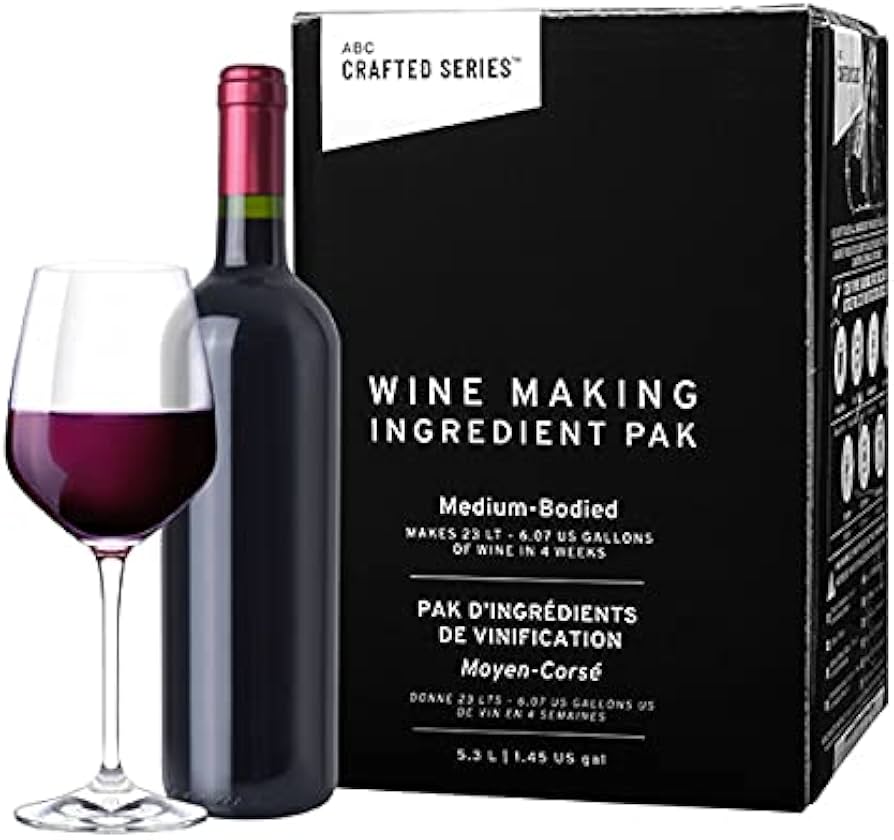
Maker Wine Making Kit | Makes 6 Gallons
Learning Curve: Easy
$79.99
Difficulty: 1/5
Why Great for Beginners:
This kit includes everything but a bucket for your first 6-gallon batch, with simple instructions that guide total newbies. Pre-measured ingredients mean no guesswork, and it's cheap to start without commitment.
✓ Beginner Pros
+All essentials included
+28-day quick results
+Affordable entry
+Clear photo guide
✗ Beginner Cons
-Needs separate bucket
-Basic recipes only
-Plastic gear wears faster
👍 Best for: Total newbies testing the hobby on a tight budget
👎 Not for: Those wanting premium reusable equipment
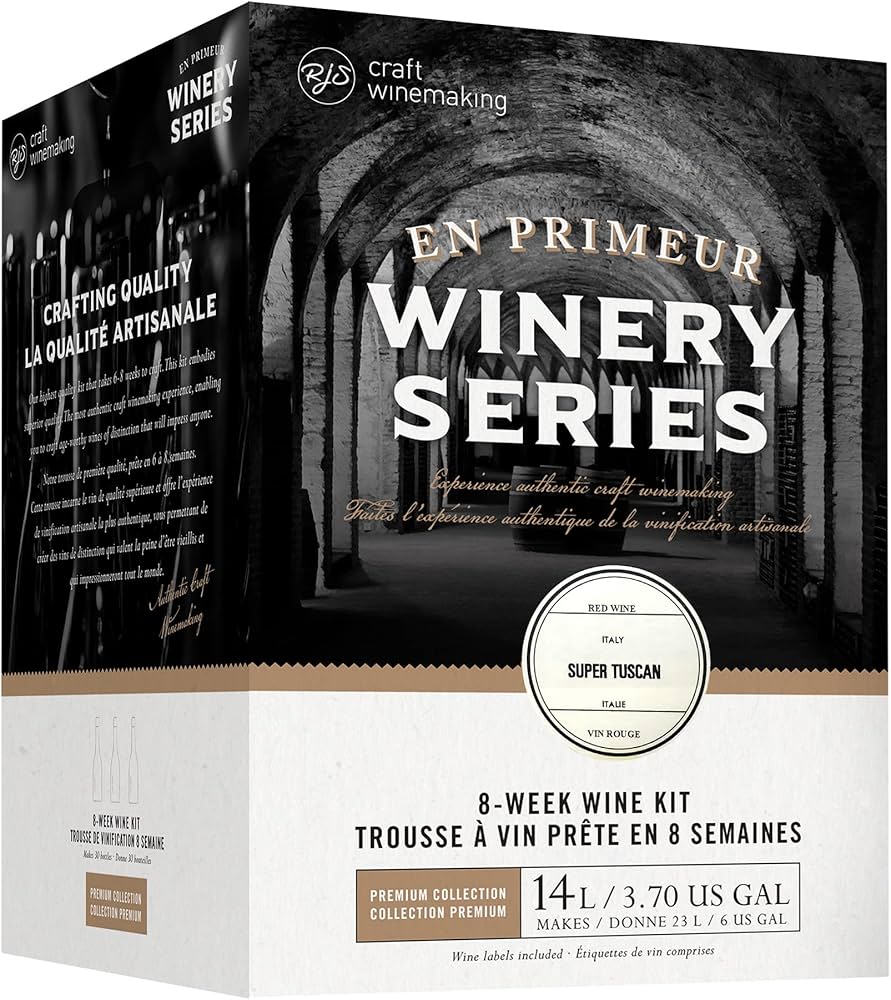
Sweet spot kit with high-quality concentrates for tasty wine, full equipment set, and detailed guides. Forgiving process tolerates beginner errors like slight temp issues.
✓ Beginner Pros
+Complete equipment
+Great tasting results
+Multiple styles
+Reusable gear
✗ Beginner Cons
-Slightly more steps
-Bucket included but basic
👍 Best for: Beginners wanting good wine without upgrades soon
Wine making kits turn fruit juice, sugar, and yeast into drinkable wine via fermentation: yeast eats sugars, producing alcohol and CO2. Beginner kits are concentrate-based (juice powder + water), simplest for home.
Types: Concentrate kits (easiest, 1-gallon to 6-gallon), all-grain (advanced, too much for newbies), fruit-specific (fun but pricier). Best for beginners: 6-gallon concentrate kits—big yield, low cost per bottle.
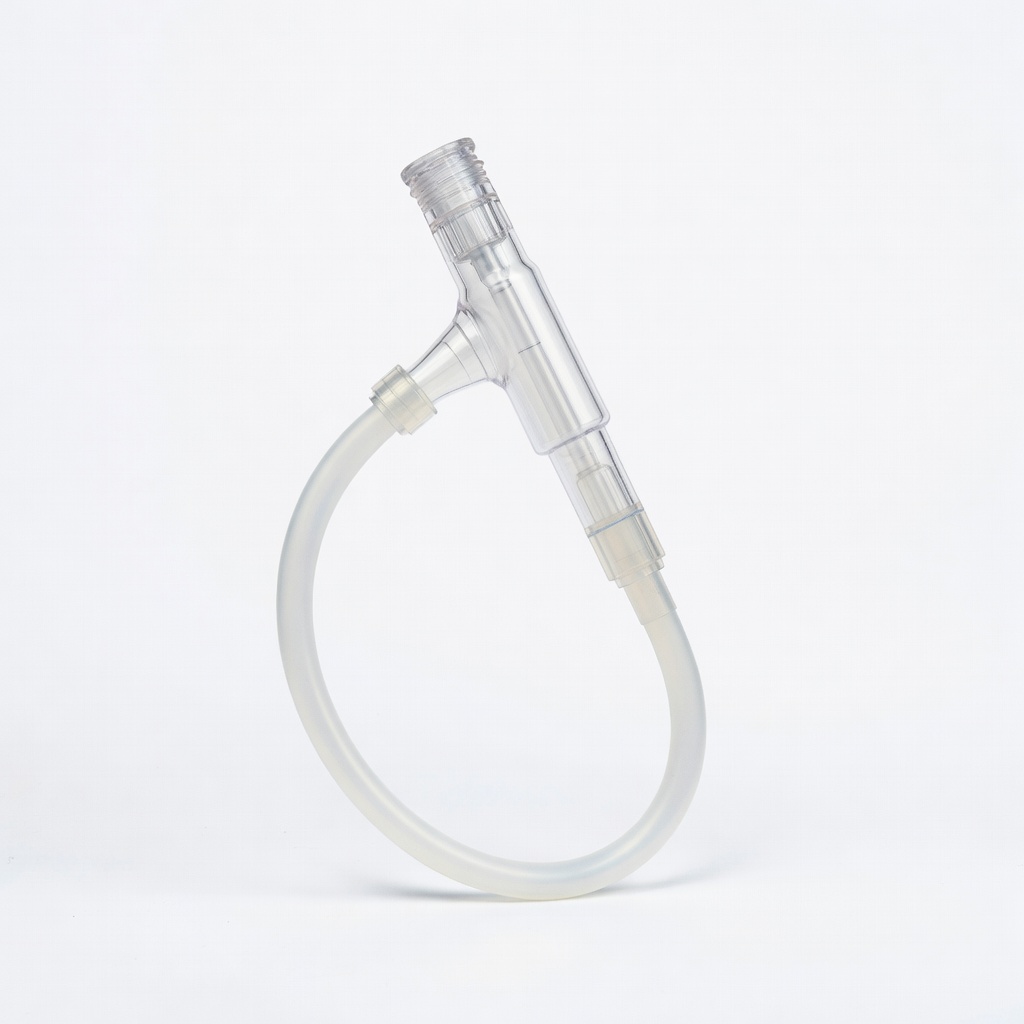
Expect 10-14% ABV wine that's good, not winery-great, in 28-45 days. 'Beginner-friendly' means no measuring scales, auto-syphons, and video links. Evaluate by reviews: Search 'first batch success.' Marketing like 'pro results' is hype—focus on ease ratings.
🔧 Essential Accessories for Beginners
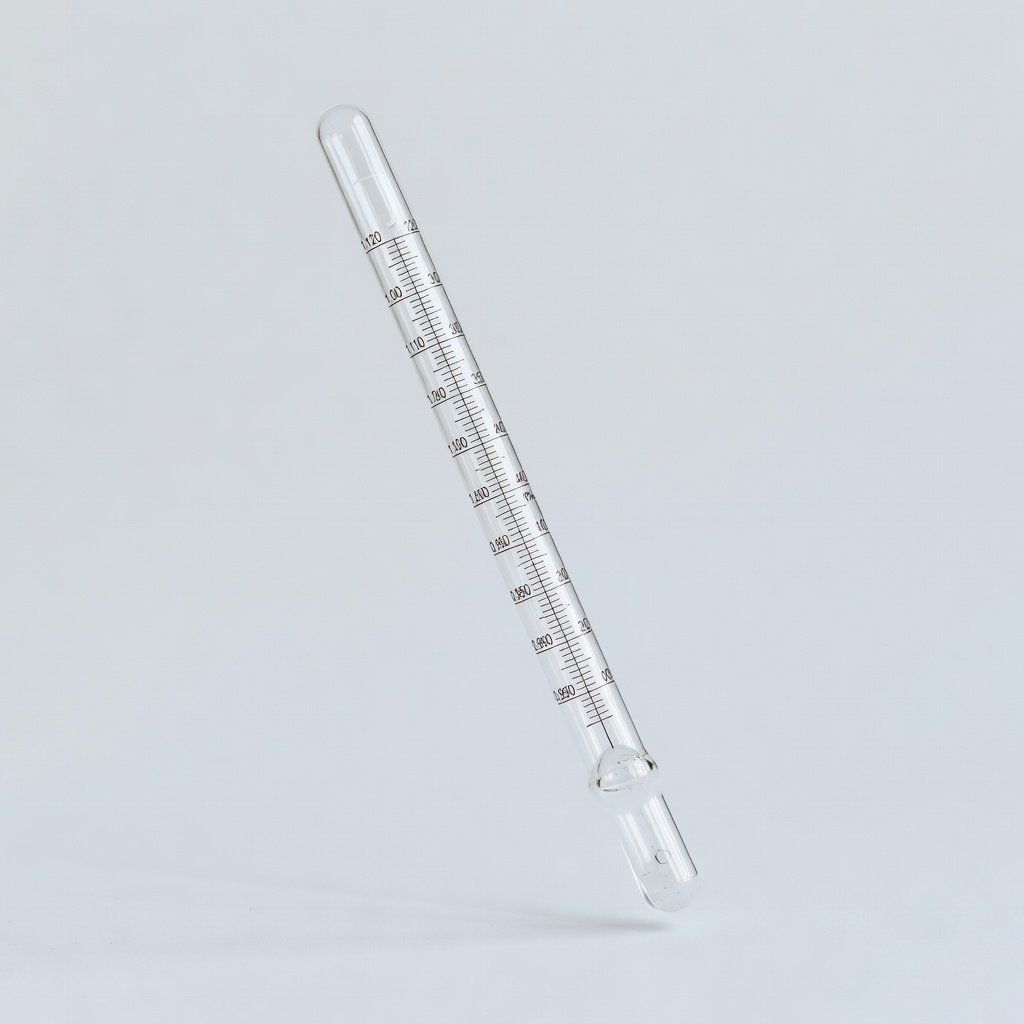
Triple Scale Hydrometer for Wine Making
⚠️ Essential
$12.99
When to buy:
Day one
Tracks fermentation progress simply—no guessing if your wine is done. Prevents over/under-fermenting common newbie fails.
Ask: Space? (Closet ok for 6-gal). Time? (1-2 hrs/week). Budget? Goal—try once or hobby?
Budgets: Under $100 for test, $100-200 sweet spot (quality + extras), $200+ premium (reusable). Small batches if space-tight; 6-gal for value. Go budget to dip toes, recommended for repeat fun, premium if committed.
Red flags: Missing parts lists, vague instructions, under 4 stars. Test via Q&A: 'Good for total newbie?' Future: Pick reusable gear. Match to use—red wine kit if preferred.
💰 Budget Guide for Beginners
100 - $200
Sweet spot: Complete kits with extras, forgiving, room to brew multiple batches without frustration.
200 - $400
Premium beginner: High-quality reusable gear, pro-like results, lasts years as you advance.
Under $ - $100
Entry level: Basic test kit, makes 1-6 gallons, may need quick upgrade but great for trying.
⚠️ Common Beginner Mistakes to Avoid
Newbies grab cheapest kits, then frustration hits: missing parts mean extra Amazon orders, halting fun. Reviews lament 'instructions like hieroglyphs.' Solution: Check 'complete kit' and photo guides.
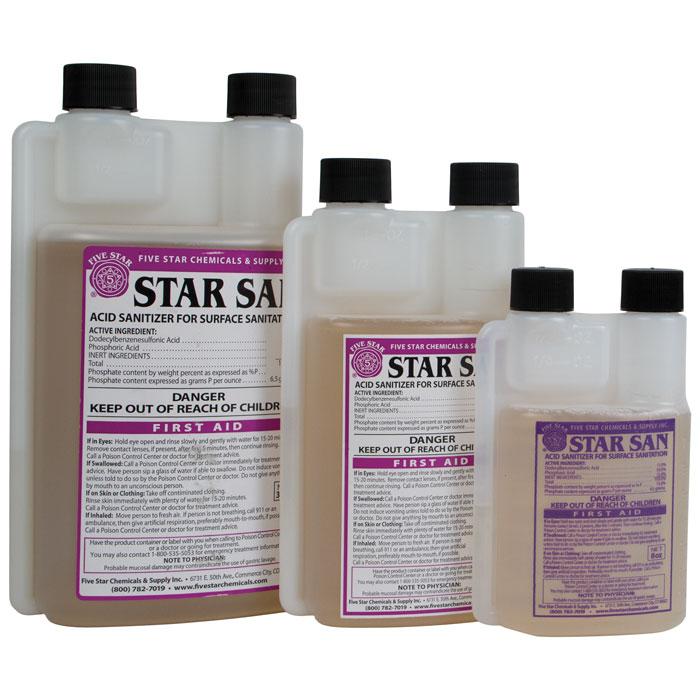
Sanitation skip is killer—'vinegar bomb' stories abound. Always sanitize. Temps wrong (under 65F stalls yeast). Use closet thermometer. Avoid: Pro kits early, overwhelming. Instead, master one recipe. Plan growth—buy reusable.