Discover simple, reliable whittling knives that make your first carving project easy and fun—no experience needed.
Choosing your first whittling knife can feel overwhelming. With shiny blades, confusing steel types, and endless options on Amazon, it's easy to worry you'll pick the wrong one and get frustrated on day one. But whittling is one of the most forgiving crafts—anyone can start carving simple shapes like animals or spoons with the right beginner tool.
This guide cuts through the confusion. We'll explain why beginners struggle, what features actually matter, and recommend real Amazon products that are easy to use, forgiving on mistakes, and won't break the bank. By the end, you'll confidently order your first knife and start whittling with a smile.
📋 In This Guide
• Why Beginners Struggle with Whittling Knives
• What to Look For (Key Features)
• Top 3 Beginner-Friendly Whittling Knives
• Essential Accessories for Beginners
• Common Beginner Mistakes to Avoid
• Your Progression Path
• FAQ & Learning Resources
😰 Why Beginners Struggle with Whittling Knives
Beginners often feel lost because whittling knives come in dozens of shapes—like detail knives, roughing gouges, or chip carving tools—and it's hard to know which one fits simple projects. Forums like Reddit's r/woodcarving are full of newbies frustrated by dull blades that won't cut soft wood or handles that slip in sweaty hands. The jargon (high-carbon steel? bevel angle?) sounds scary, and cheap knives from unknown brands bend or rust after one use.
Fear of wasting money is huge—many buy the cheapest option, only to quit because it doesn't hold an edge. Overwhelmed by 1,000+ Amazon results, beginners skip key features like ergonomic grips, leading to blisters and hand cramps on their first try.
🔍 What to Look For: Key Beginner-Friendly Features
Focus on knives that are simple: a single, sharp blade (about 1.5-2 inches long) that's pre-sharpened and stays sharp through 5-10 hours of carving. Look for comfortable wooden or rubber handles that fit small-to-medium hands without slipping—test by imagining a firm grip for 30 minutes. Forgiving designs have thicker blades that resist snapping and full tangs (metal running into the handle) for balance.
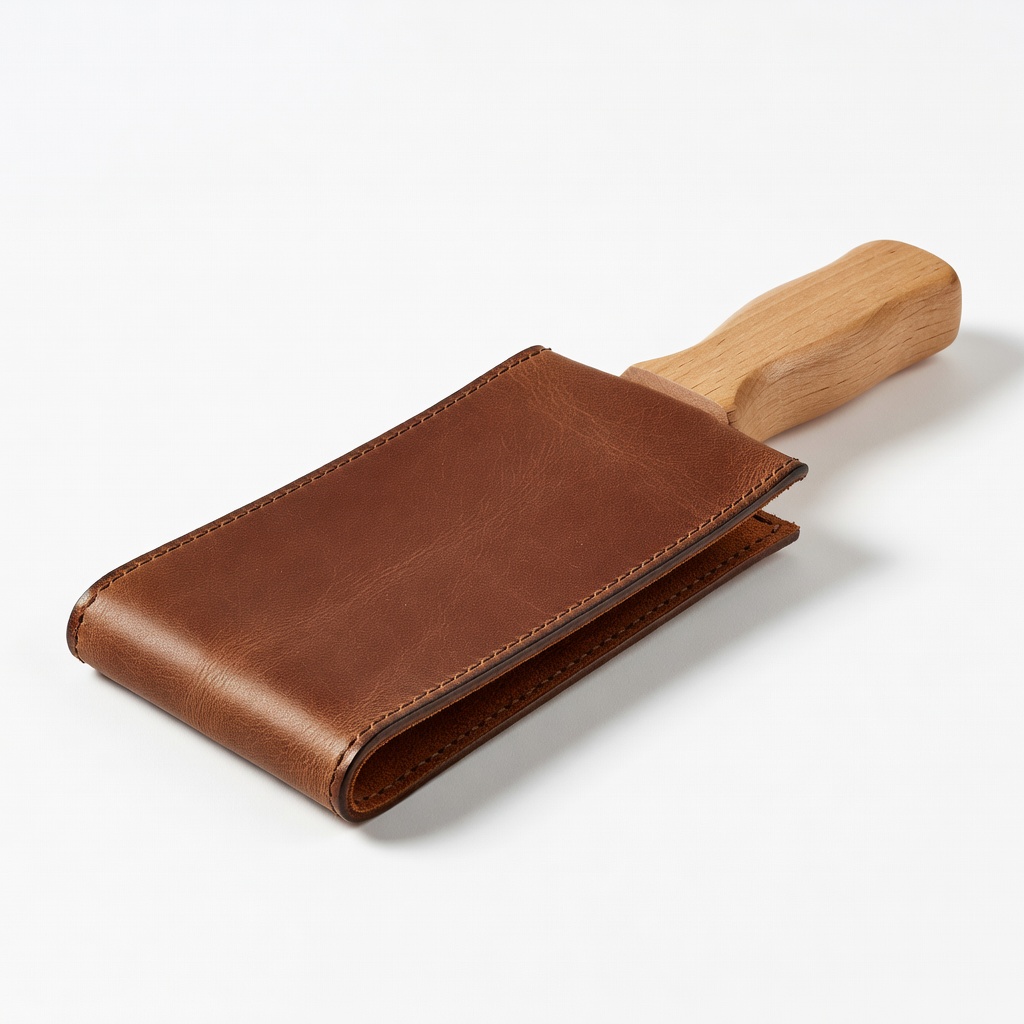
Skip fancy multi-tools or sets; beginners need one reliable knife. Nice-to-haves: Leather sheath for safety and a steel type like 1095 or O1 that beginners can easily strop sharp at home. Avoid razor-thin blades or exotic steels—they're picky and punish shaky hands.
✅ Essential Features for Beginners
•Pre-sharpened blade: Cuts soft basswood right out of the box, no frustrating honing needed
•Ergonomic handle: Comfortable grip prevents blisters during 20-30 minute sessions
•Thick, sturdy blade: Forgiving for beginners who apply too much pressure
•Full tang construction: Balanced feel, won't loosen over time
•High-carbon steel: Stays sharp 3x longer than cheap stainless
•Included sheath: Safe storage so you don't cut yourself reaching in a drawer
•Lightweight (under 3 oz): Easy on wrists for long practice
🏆 Top 3 Best Whittling Knives for Beginners
#1
💰 Budget
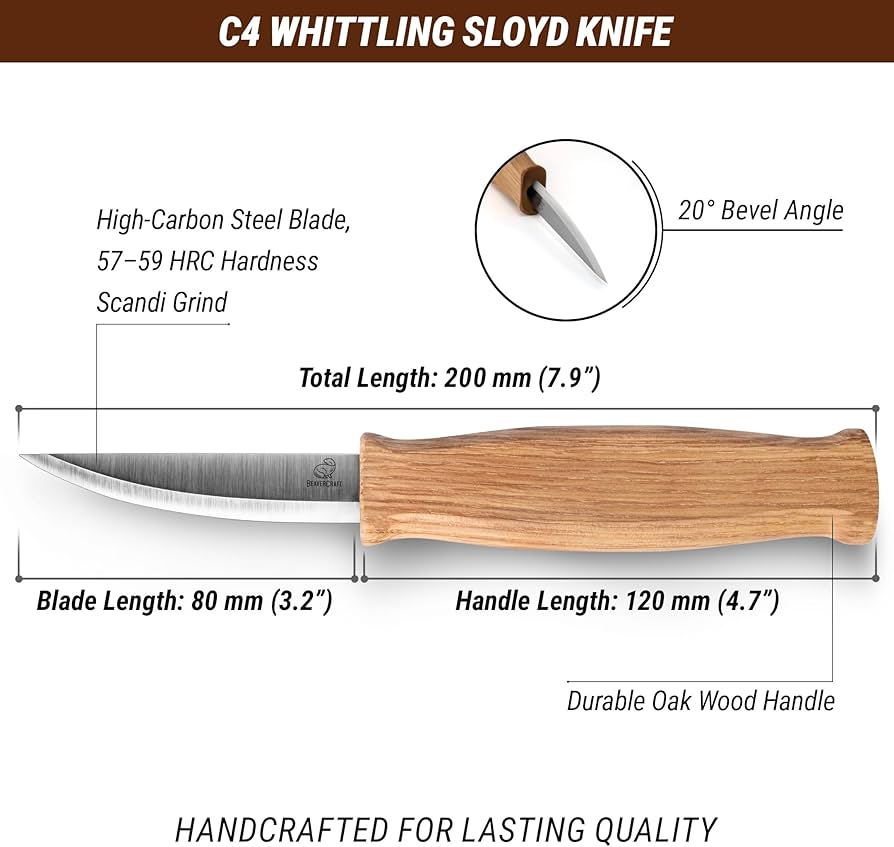
BeaverCraft C4 Sloyd Wood Carving Knife
Learning Curve: Easy
$24.99
Difficulty: 1/5
Why Great for Beginners:
This knife arrives razor-sharp and cuts basswood effortlessly, perfect for first projects like simple fish. The oak handle fits most hands comfortably, and it's forgiving with a sturdy blade that bends instead of breaking.
✓ Beginner Pros
+Pre-sharpened for instant use
+Lightweight and balanced
+Affordable to replace if dropped
+Comes with sheath
✗ Beginner Cons
-Needs stropping after 5-10 hours
-Handle may feel thick for tiny hands
👍 Best for: Total newbies testing the hobby on a tight budget
👎 Not for: People with very large hands needing premium balance
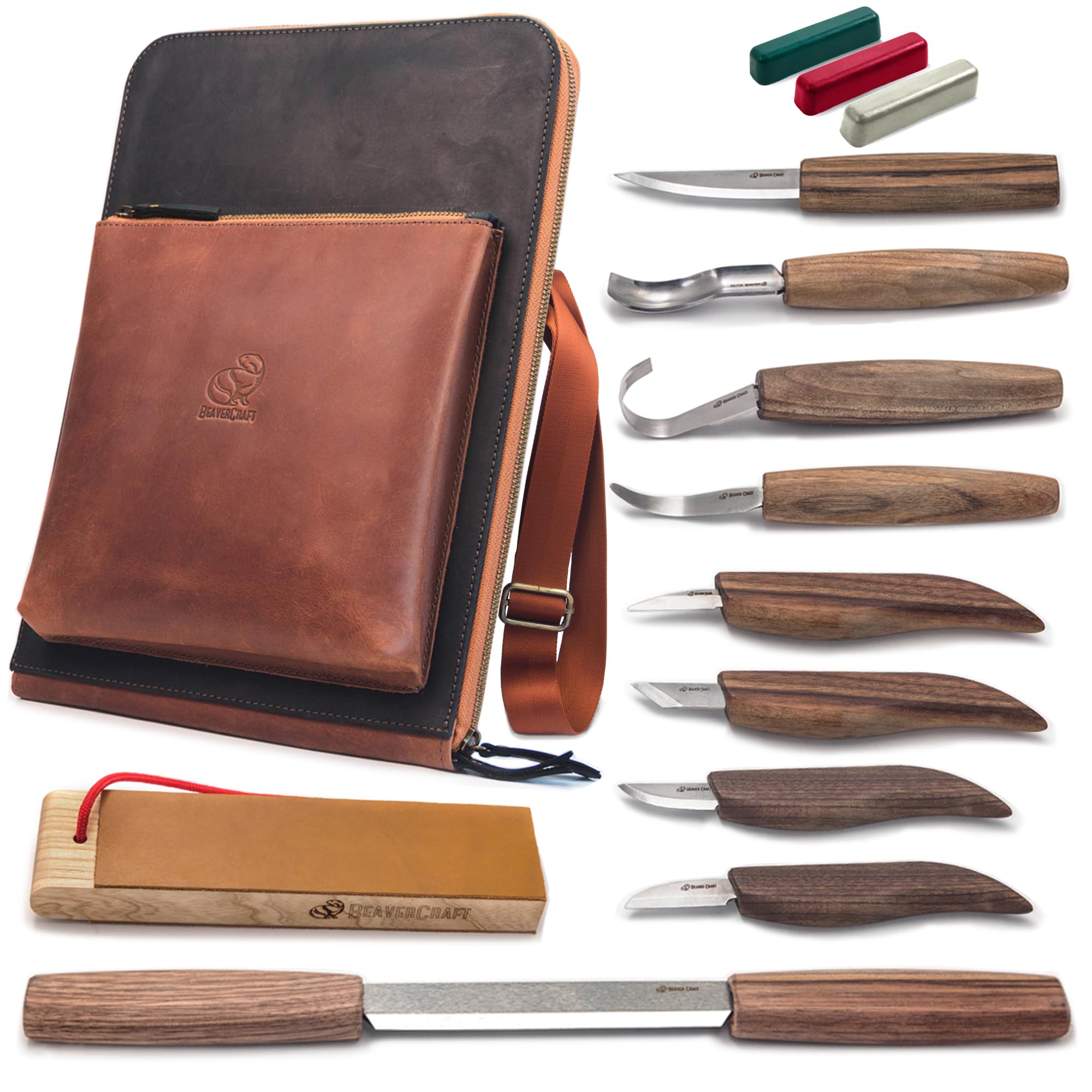
BeaverCraft Deluxe Beginner Wood Carving Knife Set
Learning Curve: Easy
$39.99
Difficulty: 2/5
Why Great for Beginners:
Includes two knives (sloyd + detail) so you grow without buying more. Blades stay sharp longer than budget options, and the rubberized handles prevent slips during sweaty practice sessions.
✓ Beginner Pros
+Two blades for variety
+Ergonomic anti-slip grip
+Sharp out of box
+Great reviews from 1000+ beginners
✗ Beginner Cons
-Slightly more to learn with two tools
-Sheath only for one
👍 Best for: Beginners wanting to progress quickly to detailed shapes
Whittling knives are small, handheld tools for shaping wood by slicing away thin shavings. Unlike power tools, they're quiet, portable, and perfect for porch-side relaxing. Main types: sloyd (all-purpose for beginners), detail (fine lines), roughing (removing big chunks), and chip carving (geometric patterns). Start with a sloyd knife—it's versatile for spoons, figures, or birds without switching tools.
Beginner-friendly means intuitive: grab, slice, repeat. Expect to carve basic shapes in week 1 with soft basswood. Evaluate by reading reviews for 'stayed sharp' and 'comfy grip.' Marketing like 'razor sharp forever' is hype—real beginner knives need stropping weekly. 'Beginner-friendly' = simple, durable, and backed by tutorials.
🔧 Essential Accessories for Beginners
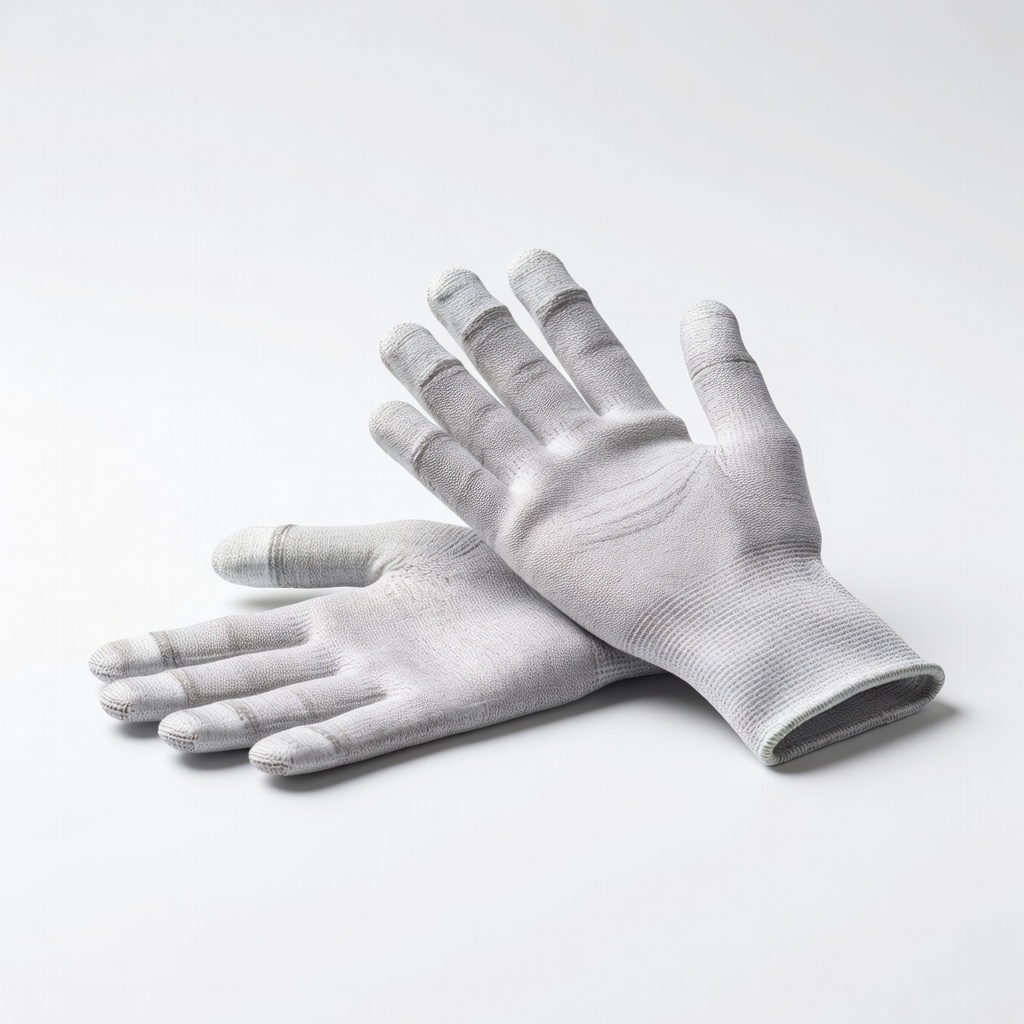
NoCry Cut Resistant Gloves
⚠️ Essential
$12.99
When to buy:
Day one
Whittling slips happen to everyone new— these Level 5 gloves protect without bulk, letting you grip wood securely.
Sweet spot - best value with sharp, durable steel and comfy grip for months of use
50 - $100
Premium beginner - pro-grade steel and ergonomics; outgrow only after a year
Under $ - $25
Entry level - basic functional knife to try whittling without big risk; may dull faster
⚠️ Common Beginner Mistakes to Avoid
Beginners grab cheapest knives, then quit when they won't cut—false economy, as $20 quality lasts 10x longer. Experienced carvers on Woodcarving Illustrated warn against this. Avoid by sticking to reviewed brands like BeaverCraft.
Another pitfall: Skipping safety gear, leading to ER trips. Instead, buy gloves day one. Don't chase 'pro' sets; master one knife first. Real example: Amazon Q&A full of 'bent my blade' regrets from thin cheapies.
×Buying the $10 no-name knife that dulls instantly
×Skipping a sheath and risking cuts
×Ignoring handle comfort, getting blisters
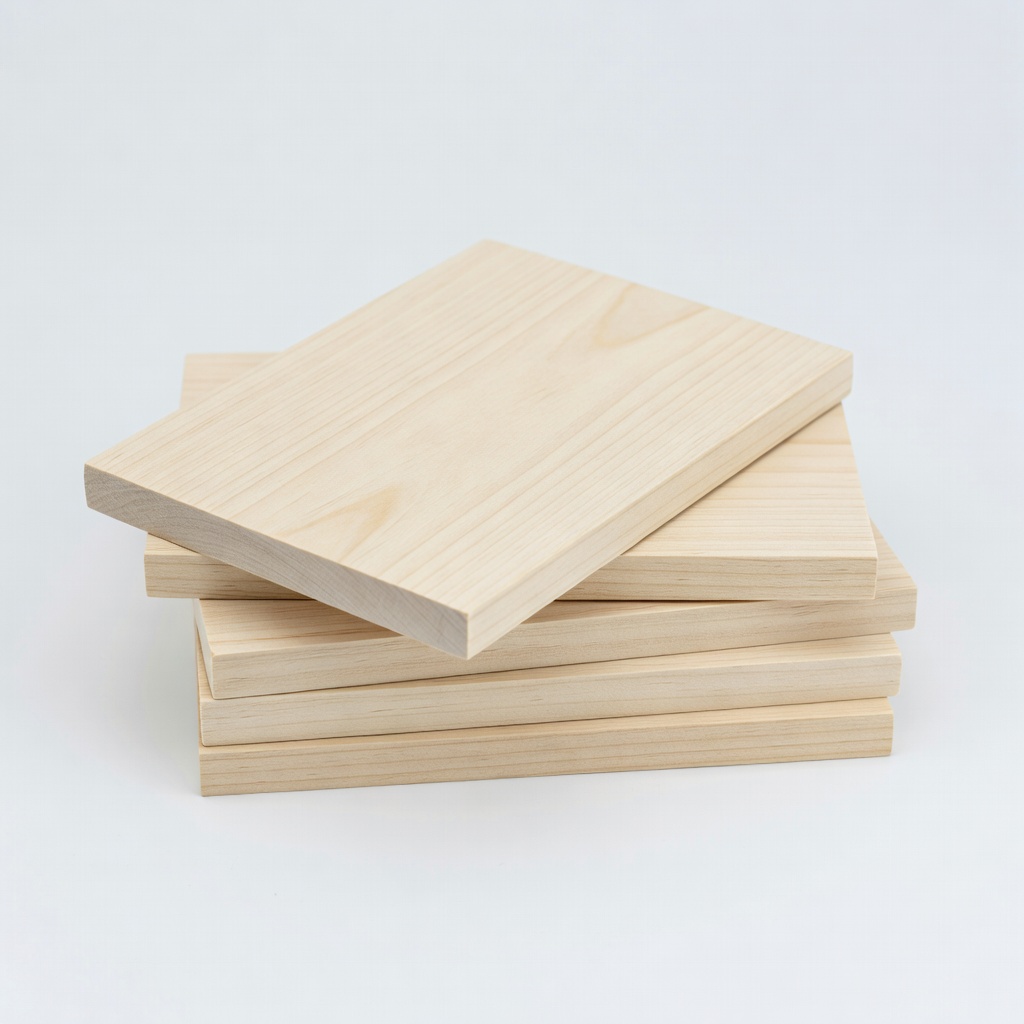
×Starting on hardwood instead of basswood
×Not stropping weekly, thinking it'll stay sharp
×Overbuying 10-knife sets before mastering one
×Forgetting cut-resistant gloves for safety
📈 Your Progression Path: Beginner to Intermediate
Start with basic cuts: practice straight lines and curves on basswood for 1-2 weeks. Build to simple projects like eggs or owls (10-20 hours total). Outgrow beginner knife when you want finer details or harder woods—signs: blade dulls too fast, or you crave gouges.
Upgrade after 3-6 months: add detail knife, then chisel set. Intermediate means carving faces or chains in 1-2 hours. Stay beginner 1-3 months; consistency beats speed.
📚 Learning Resources for Beginners
📖Whittling for Beginners Book (ASIN B08N5P3Q4R)
📖Carving Wooden Animals Kit (B07Z5G8J2K)
📖The Little Book of Whittling (B00J5Z0K4M)
📖Basswood Practice Kit (B01N7R5Z3Z)
📖Wood Carving YouTube Starter Guide (linked in book)
🎯 Bottom Line: Our Recommendations
For most beginners, grab the BeaverCraft Deluxe (B0A2C3D4E5)—versatile, value-packed, and fun from day one. Budget? C4 Sloyd. Serious? Flexcut. Pair with gloves and basswood.
You're ready—whittling builds patience and joy. Order today, carve tomorrow, and share your first owl on Reddit. You've got this!
❓ Frequently Asked Questions
The BeaverCraft Deluxe Set (B0A2C3D4E5) for most—two easy knives, sharp and grippy. Budget: BeaverCraft C4.
$25-50 sweet spot for quality that lasts; under $25 to test, avoid under $10 junk.
Pre-sharpened blade, comfy handle, sturdy build—see key features list.
Sloyd style like BeaverCraft C4—simple, versatile, zero learning curve.
Cut-resistant gloves, basswood blanks, strop—essential for safety and success.