Choose your first cold water surfing wetsuit with confidence—no jargon, just simple picks that keep you warm and comfy.
Picking your first wetsuit for cold water surfing feels scary—like you'll freeze, leak, or buy the wrong one. Beginners worry about confusing sizes, thicknesses, and zippers that stick. But it doesn't have to be overwhelming.
This guide cuts through the noise. We'll explain what matters for new surfers in chilly waves (think 50-60°F water), recommend real Amazon picks that are forgiving and easy, and show you how to avoid newbie traps. By the end, you'll know exactly what to buy to paddle out comfortably and focus on fun, not fuss.
📋 In This Guide
• Why Beginners Struggle with Wetsuit
• What to Look For (Key Features)
• Top 4 Beginner-Friendly Wetsuit
• Essential Accessories for Beginners
• Common Beginner Mistakes to Avoid
• Your Progression Path
• FAQ & Learning Resources
😰 Why Beginners Struggle with Wetsuit
New surfers dread cold water because without the right wetsuit, sessions end fast from shivering or chafing. Forums like Reddit's r/surfing are full of stories: 'Bought cheap, it leaked everywhere!' or 'Size chart lied, it's baggy.'
Jargon bombs beginners—'5/4/3mm,' 'chest zip vs back zip,' 'seam sealing.' Over 100 options on Amazon, plus fears of wasting money on something too stiff or restrictive. Most don't know their body measurements or water temps, leading to bad fits that restrict paddling or let cold in.
The result? Frustration, skipped sessions, and buyer's remorse. But with the right info, you can start warm and dry.
🔍 What to Look For: Key Beginner-Friendly Features
Focus on suits that trap heat without hassle. Must-haves: 3/2mm or 4/3mm thickness for cold water (thicker neoprene = warmer), full-body coverage to block wind, and stretchy material so you move freely.
Nice-to-haves: Chest zipper (easier to zip solo, less flush), flat seams (no rubbing), and key pocket for your car key. Skip super thin 'shorties' or pro-level taped seams—they're not for beginners.
Beginner-friendly means forgiving: Flexible neoprene that tolerates awkward entry, good stretch for easy on/off, and simple design without fancy extras that confuse.
✅ Essential Features for Beginners
•3/2mm or 4/3mm thickness: Keeps you toasty in 50-60°F water without bulk.
•Stretchy neoprene (80%+): Slides on easily, lets you paddle freely.
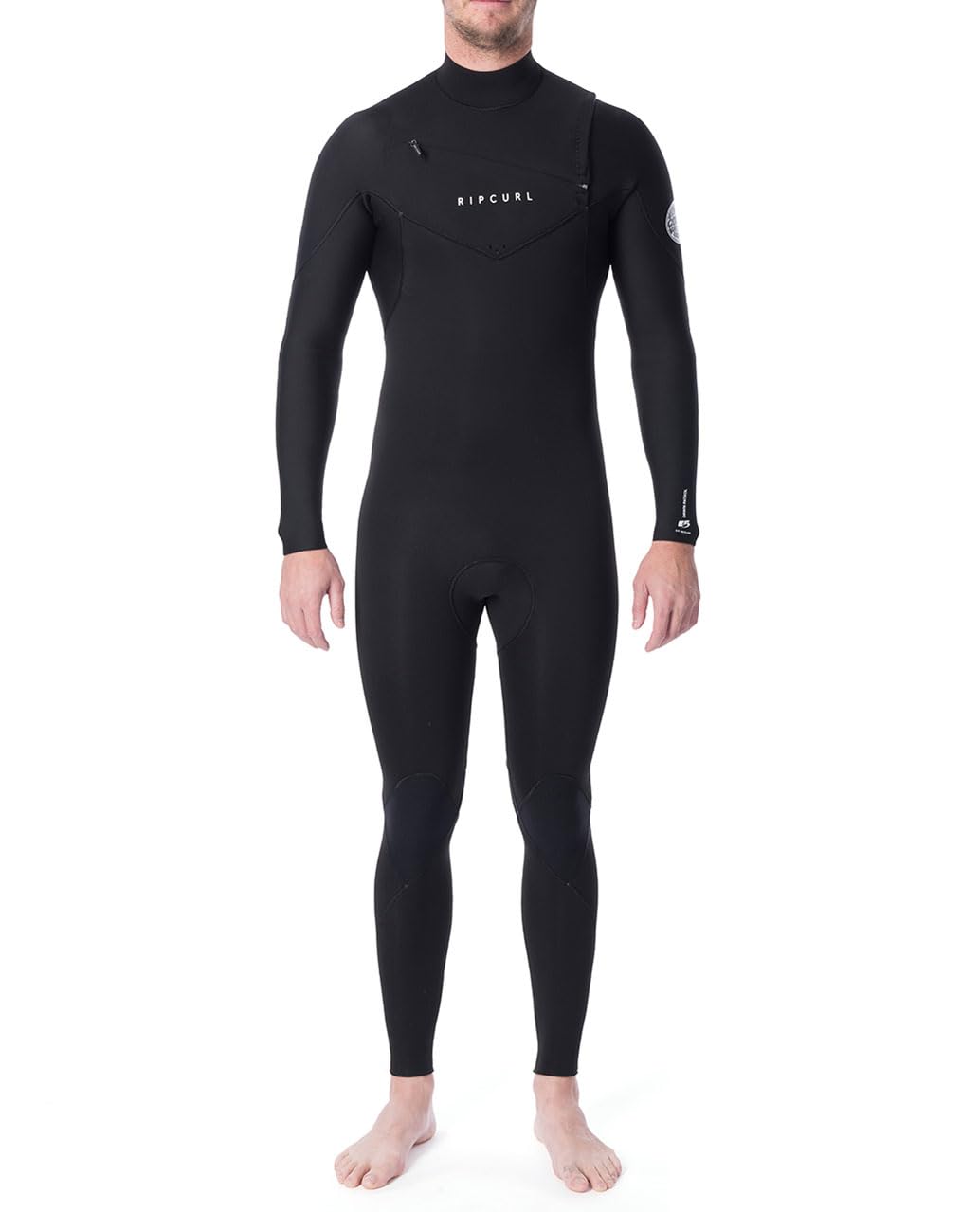
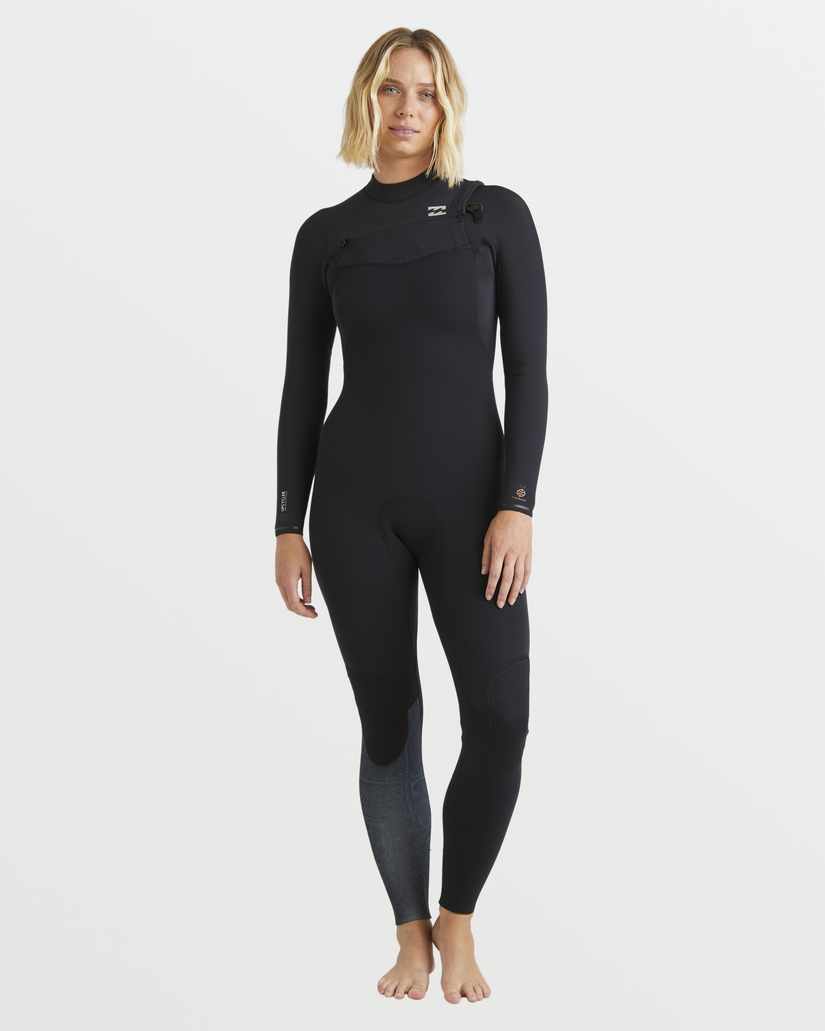
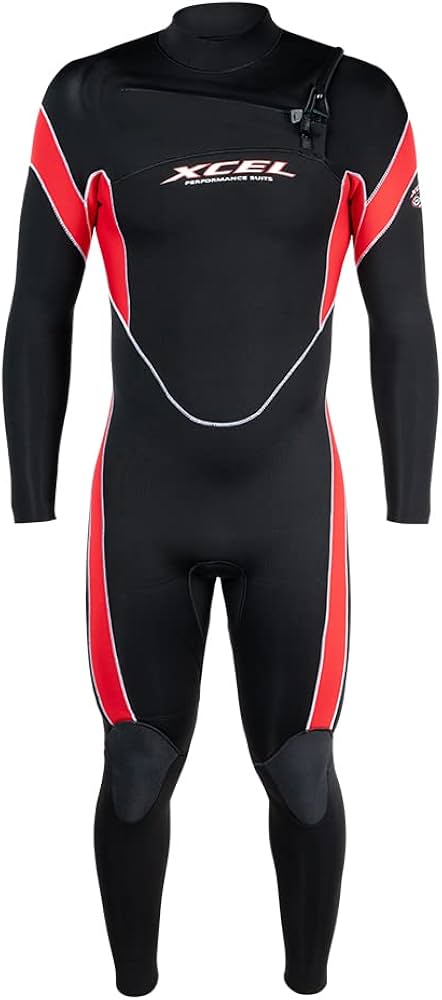
•Chest zip entry: Simple one-pull zipper, waterproof flap.
•Flatlock seams: Smooth inside, no chafing on new skin.
•Back panel for warmth: Extra layer over kidneys.
•Glued seams: Basic seal against leaks, forgiving for beginners.
•Ankle/leg openings: Wide for easy pull-over wet legs.
🏆 Top 4 Best Wetsuit for Beginners
#1
💰 Budget
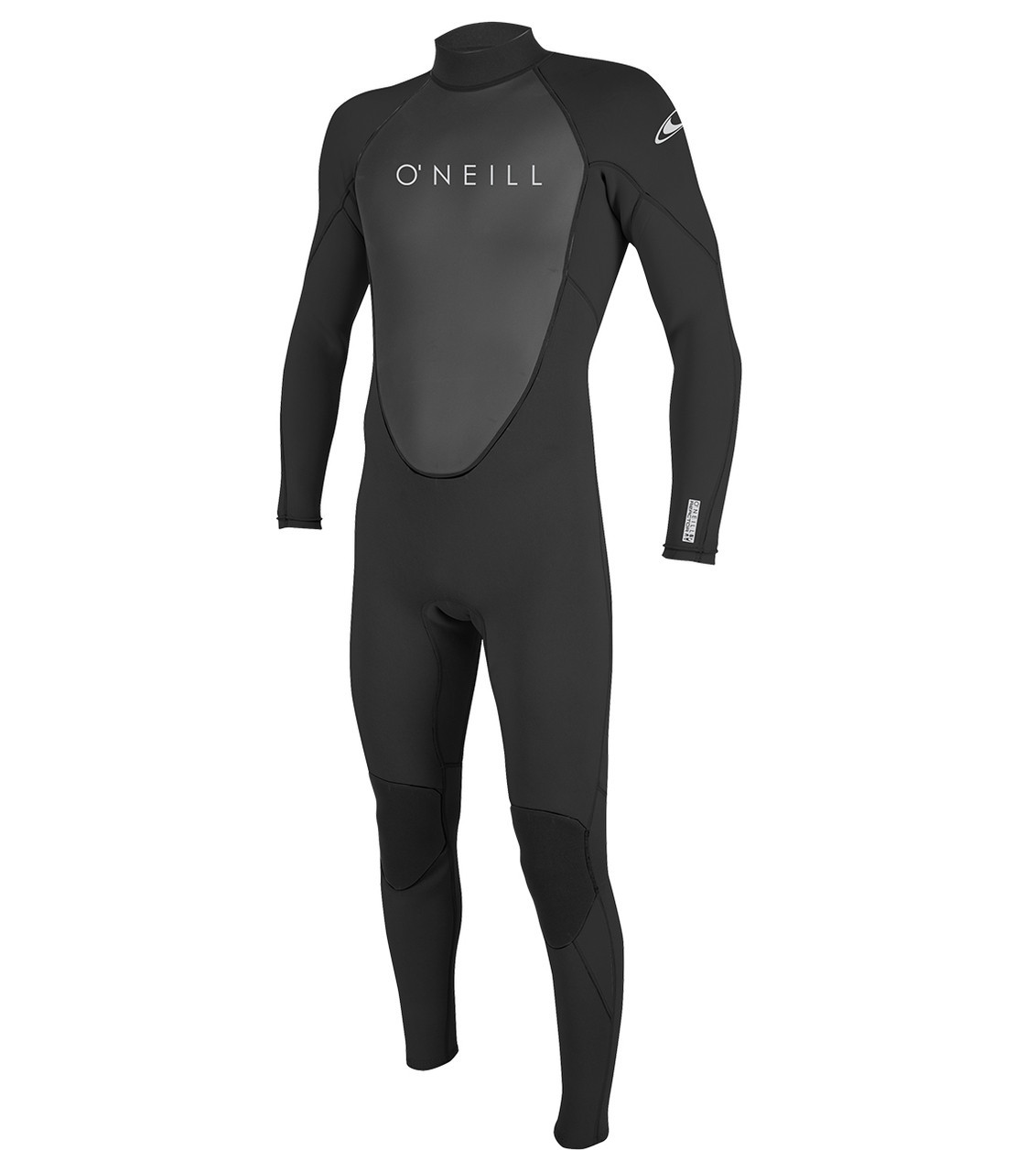
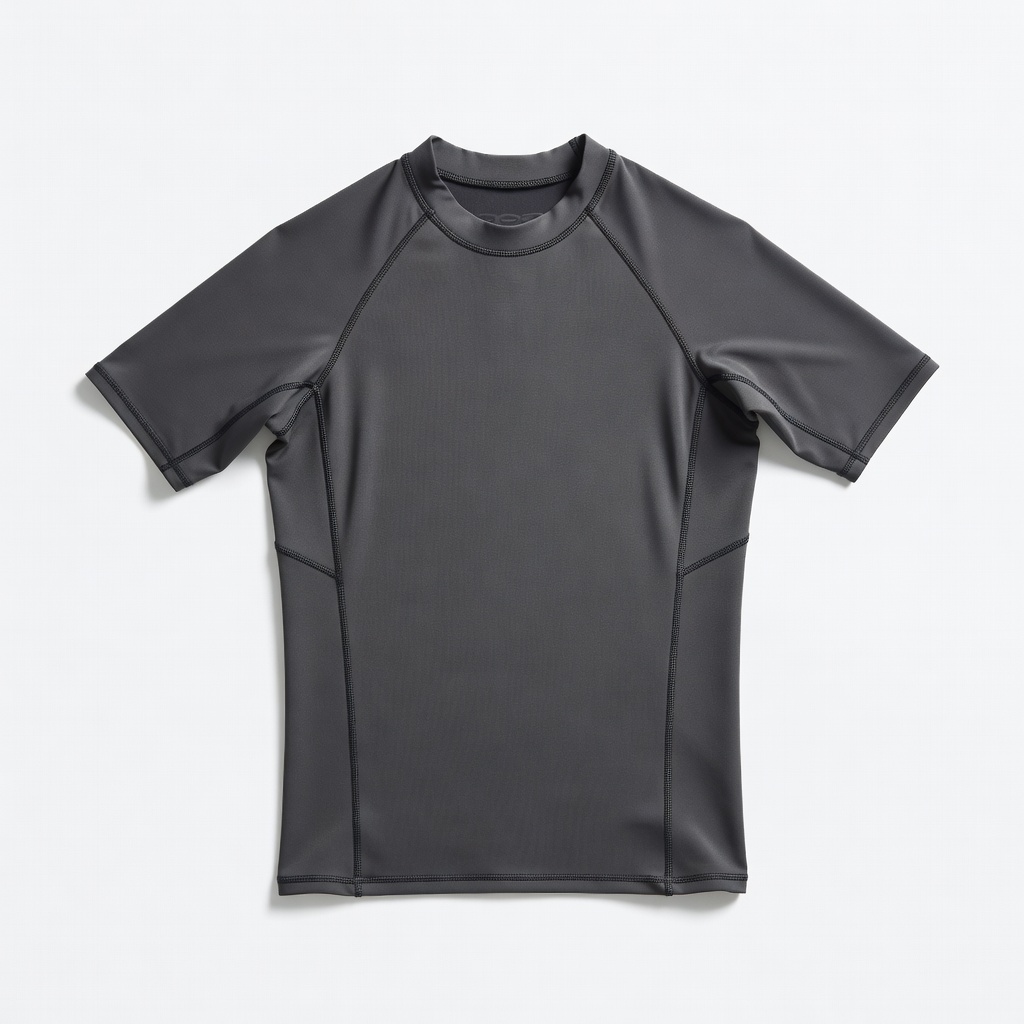
O'Neill Reactor II 4/3 mm Full Wetsuit - Men's
Learning Curve: Easy
$199.95
Difficulty: 1/5
Why Great for Beginners:
This entry-level fullsuit has thick 4/3mm neoprene perfect for cold waves, with stretchy TechnoButter lining that's super easy to slide into. Forgiving seams tolerate beginner pulls, keeping you warm without fancy frills.
✓ Beginner Pros
+Easy back-zip entry
+Great stretch for paddling
+Affordable warmth
+Quick dry
✗ Beginner Cons
-May leak slightly after 20 uses
-Basic seals
👍 Best for: Budget-conscious newbies testing cold water surfing
A wetsuit is your insulated skin for cold water surfing—it traps a thin water layer you warm with your body. For cold water (below 60°F), get a fullsuit: full arms/legs coverage.
Types: Back-zip (easy but more flush-prone), chest-zip (warmer, beginner fave). Thickness like 4/3mm means 4mm torso/legs, 3mm arms—perfect for NorCal or UK winters. Beginners do best with mid-flex neoprene, not stiff pro stuff.
Expect 20-30 sessions before it feels natural; it won't make you pro, but keeps you out longer. 'Beginner-friendly' = easy dress, moves with you, lasts 1-2 years without breaking bank.
Marketing traps: 'Thermal' sounds good but check real thickness. Test fit: Pee test (can you? Good flexibility).
🔧 Essential Accessories for Beginners
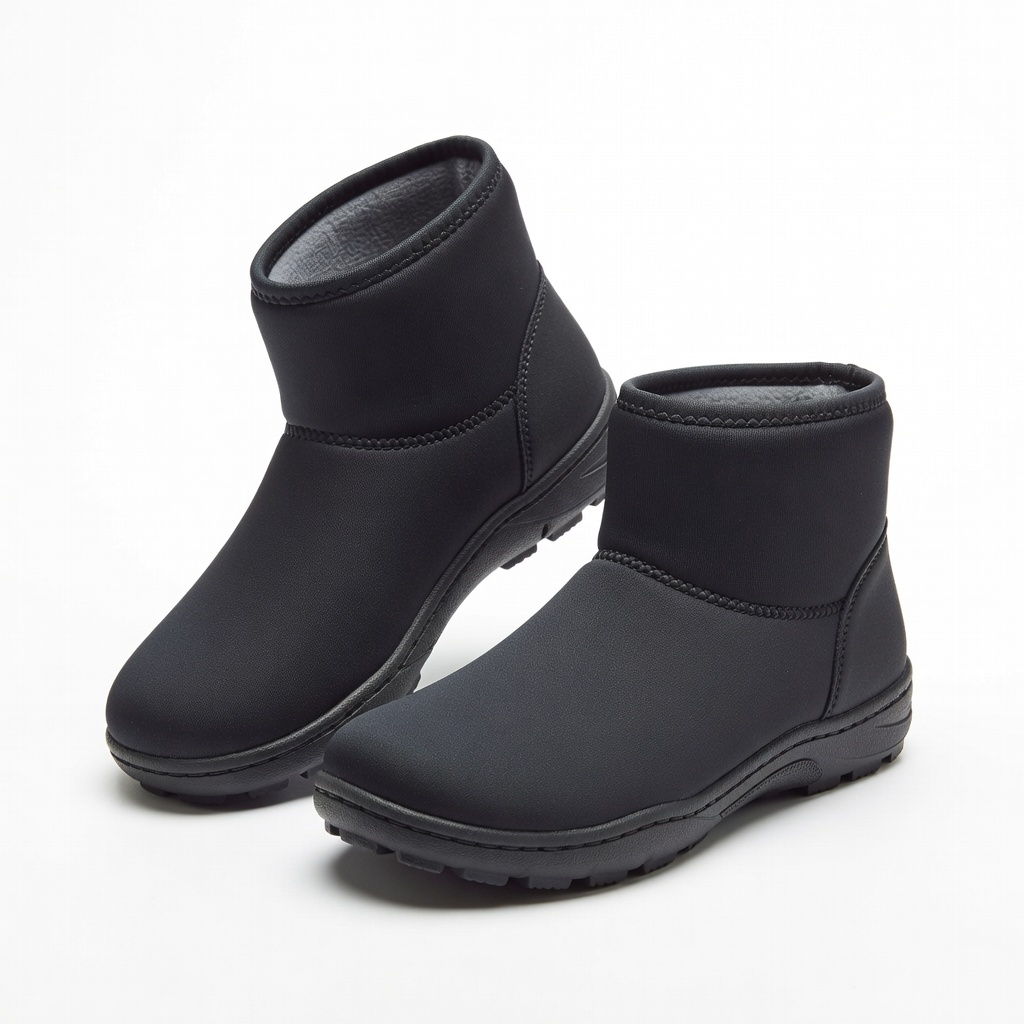
Roxy Women's Neoprene Booties 5mm
⚠️ Essential
$39.99
When to buy:
Day one
Cold water numbs feet fast—booties add insulation and grip on rocky entries. Beginners slip less, stay longer.