Review Atlas
Review AtlasYour guide to a better purchase

Menu

Shop by Category

Get the App

Better experience on mobile

Beginners GuideWalking

Is Best Walking Shoes for beginners Worth It? Honest Review (202…

Everything beginners need to know to choose their first walking shoes with confidence.

Starting a walking routine is exciting, but choosing your first pair of walking shoes can feel overwhelming. With endless brands, technologies, and price points, it's easy to get lost in jargon and hype. This guide strips away the complexity, helping you find a comfortable, supportive shoe that makes every step enjoyable. No fluff, just practical advice and proven recommendations so you can walk with confidence from day one.

📋 In This Guide

  • • Why Beginners Struggle with Walking Shoes
  • • What to Look For (Key Features)
  • • Top 5 Beginner-Friendly Walking Shoes
  • • Essential Accessories for Beginners
  • • Common Beginner Mistakes to Avoid
  • • Your Progression Path
  • • FAQ & Learning Resources

😰 Why Beginners Struggle with Walking Shoes

Many beginners face a common set of challenges when shopping for walking shoes. First, technical terms like 'pronation,' 'heel-to-toe drop,' and 'cushioning density' can be confusing and make you question your choices. Second, the sheer number of options—from minimalist to maximalist, budget to premium—can cause decision paralysis. Third, there's the fear of buying the wrong shoe: too stiff, too soft, too narrow, or simply not suited for your walking style. Finally, beginners often overlook the importance of proper fit and support, leading to discomfort or even injury. This guide addresses each of these hurdles head-on, simplifying the selection process and giving you the knowledge to make an informed, confident choice.

🔍 What to Look For: Key Beginner-Friendly Features

As a beginner, you don't need the most advanced or expensive shoe. You need a shoe that offers a comfortable, stable, and forgiving experience. Key beginner-friendly qualities include: plush cushioning that absorbs impact without feeling mushy, a roomy toe box that allows your toes to spread naturally, a supportive heel counter that holds your foot in place, and a smooth, rocker-like sole that encourages a natural walking gait. Avoid shoes with extreme features like very minimal cushioning or aggressive arch support unless you know you need them. Look for a balanced shoe that feels great right out of the box—no break-in period required. The best beginner walking shoes are those you can wear for miles without thinking about your feet.

✅ Essential Features for Beginners

  • Plush cushioning: Absorbs shock and reduces fatigue for longer walks.
  • Supportive heel counter: Keeps your foot stable and prevents blisters.
  • Roomy toe box: Allows toes to spread naturally, avoiding bunions and discomfort.
  • Smooth rocker sole: Encourages a natural heel-to-toe roll, making walking effortless.
  • Breathable upper: Keeps feet cool and dry, preventing hot spots.
  • Lightweight construction: Reduces fatigue, especially for new walkers.

🏆 Top 5 Best Walking Shoes for Beginners

#1
💰 Budget

Skechers GOwalk 5 – Apprize

Learning Curve: Easy

$74.99
Difficulty: 1/5
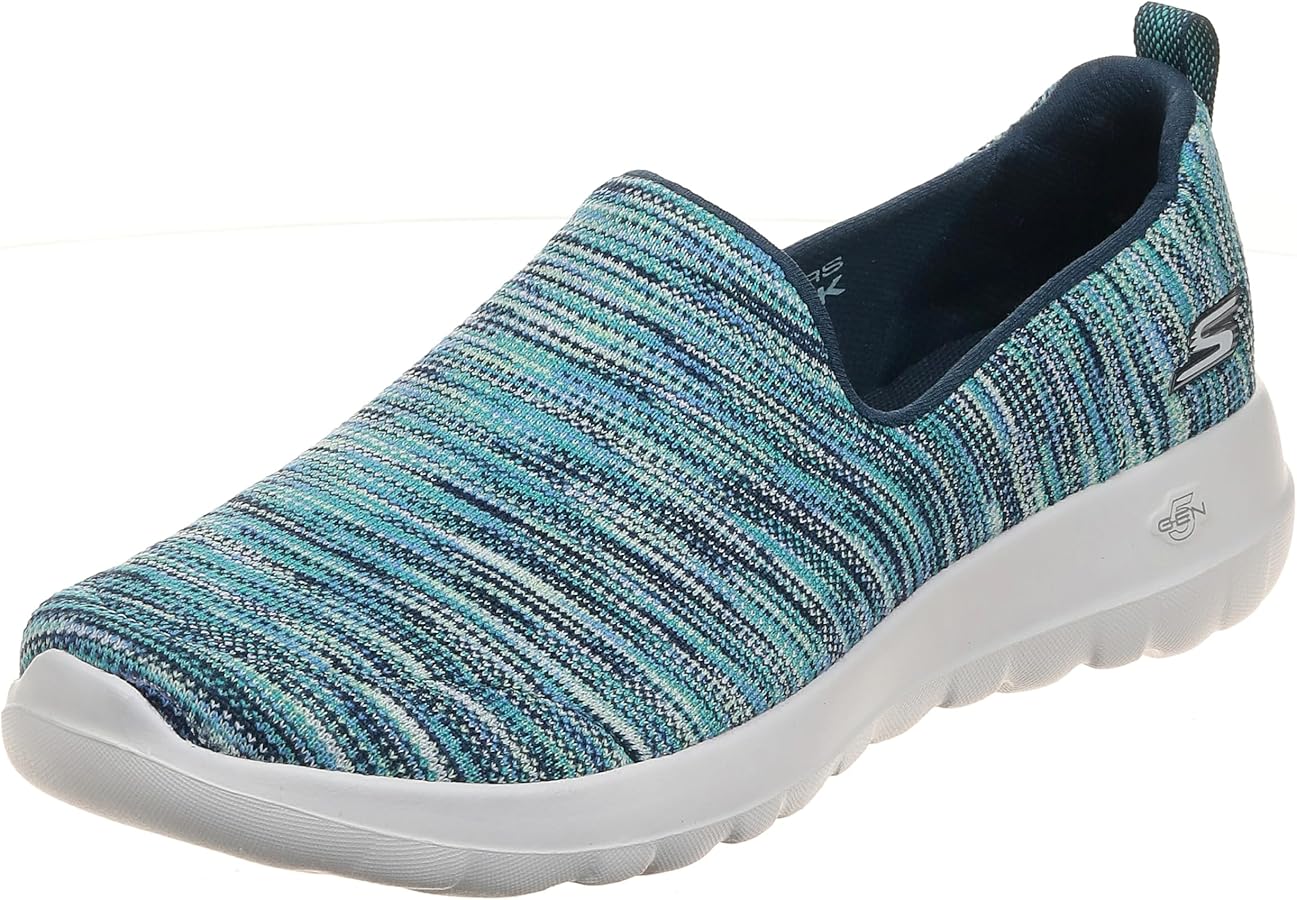
Skechers GOwalk 5 – Apprize

Why Great for Beginners:

Lightweight, flexible, and requires zero break-in – just slip on and go. The 5Gen® cushioning provides responsive comfort without feeling bulky. Ideal for beginners on a budget who want a comfortable shoe for short to moderate walks.

Beginner Pros

  • +Very lightweight – almost feels like slippers.
  • +Machine washable for easy care.
  • +No break-in period: comfortable right out of the box.
  • +Affordable price point for trying walking.

Beginner Cons

  • -Limited support for longer walks (over 5 miles).
  • -Sole wears down faster than premium options.
  • -Not suitable for uneven terrain or trails.
👍 Best for: Budget-conscious beginners walking 1-3 miles per session on flat, paved surfaces.
👎 Not for: Those with flat feet or overpronation; longer distances (5+ miles); trail walking.

#2
👍 Recommended

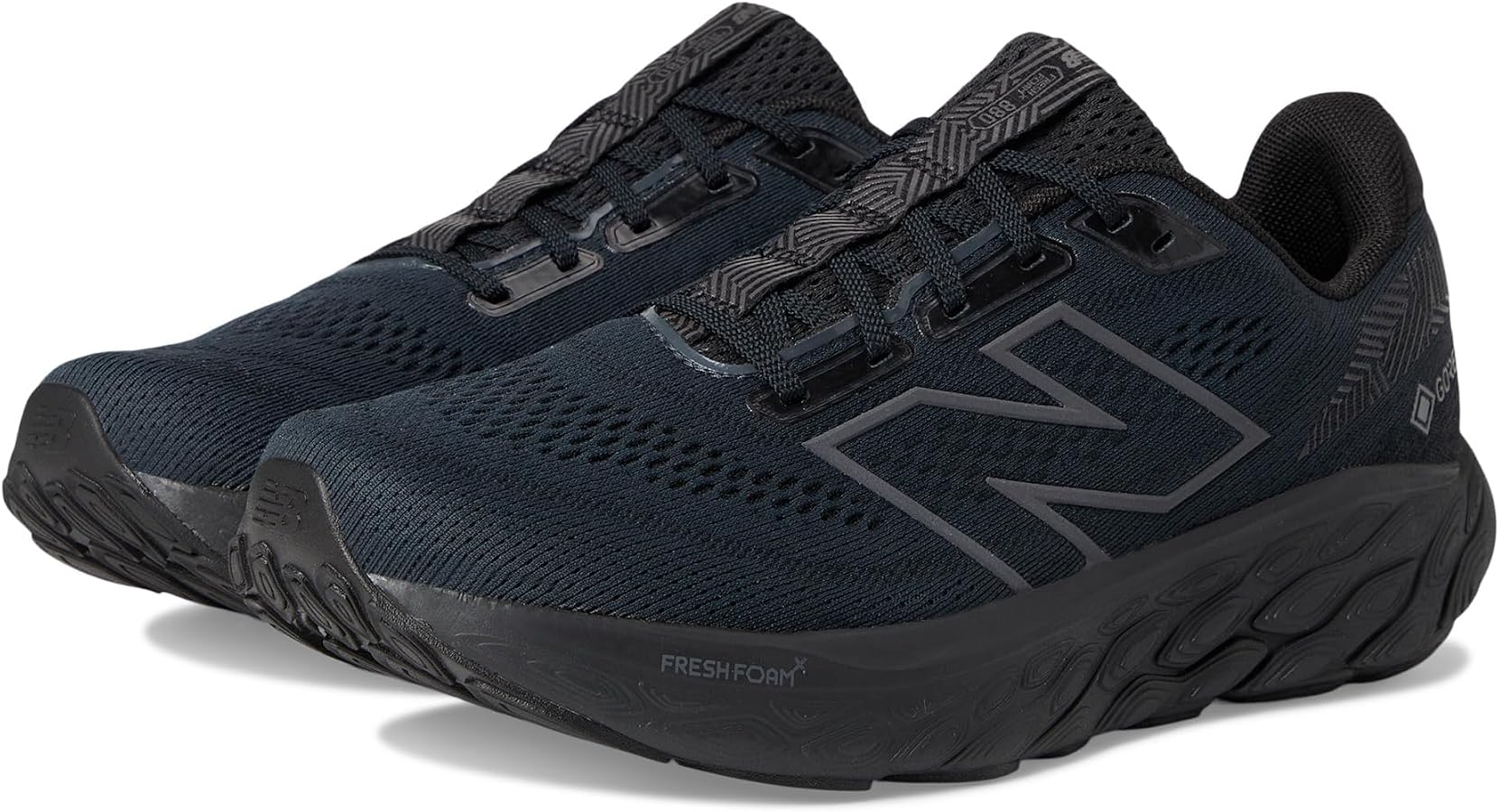
New Balance Fresh Foam 880v14

Learning Curve: Easy

$139.99
Difficulty: 1/5
New Balance Fresh Foam 880v14

Why Great for Beginners:

A perfect blend of plush cushioning and reliable support, the Fresh Foam 880v14 is a versatile walking shoe that suits most foot types. Its roomy toe box and smooth heel-to-toe transition make it ideal for daily walks. Many beginners find it comfortable immediately with no break-in.

Beginner Pros

  • +Excellent cushioning that absorbs shock well.
  • +Stable platform – good for neutral walkers.
  • +Roomy toe box prevents pinching and blisters.
  • +Available in multiple widths (2A, B, D, 2E, 4E).

Beginner Cons

  • -Slightly heavier than minimalist shoes.
  • -May feel too warm for hot weather due to padded upper.
  • -Premium price compared to entry-level options.
👍 Best for: Most beginners walking 3-6 miles daily on paved surfaces; those needing a reliable, durable shoe.
👎 Not for: Trail walkers; those who prefer a very minimalist feel; walkers with severe overpronation (need stability shoe).
#3
👍 Recommended

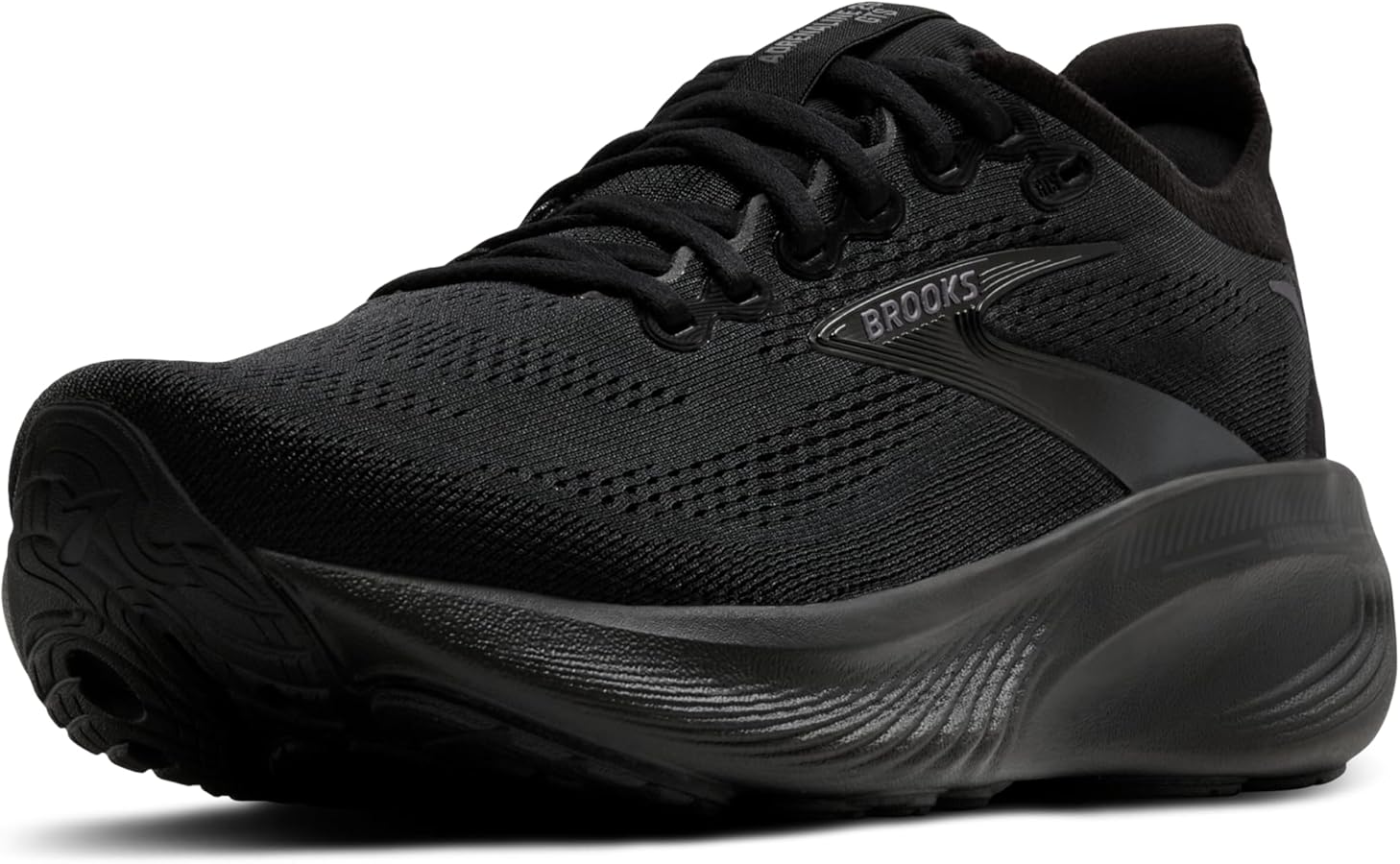
Brooks Ghost 15

Learning Curve: Easy

$129.99
Difficulty: 2/5
Brooks Ghost 15

Why Great for Beginners:

The Brooks Ghost 15 is a trusted neutral shoe known for its smooth, balanced ride. It offers a soft yet supportive feel that works well for beginners walking on pavement. The engineered mesh upper provides breathability, and the plush cushioning reduces impact on joints.

Beginner Pros

  • +Very smooth heel-to-toe transition – feels natural.
  • +Good breathability – keeps feet cool.
  • +Available in standard and wide widths.
  • +Durable outsole – lasts 400+ miles.

Beginner Cons

  • -May feel slightly bulky for petite walkers.
  • -Some beginners find the cushioning too soft for their liking.
  • -Not designed for trails or uneven terrain.
👍 Best for: Beginners who want a classic, reliable neutral shoe for daily walks and light jogging.
👎 Not for: Those needing extra stability or motion control; walkers who prefer a minimalist feel.
#4
✨ Premium

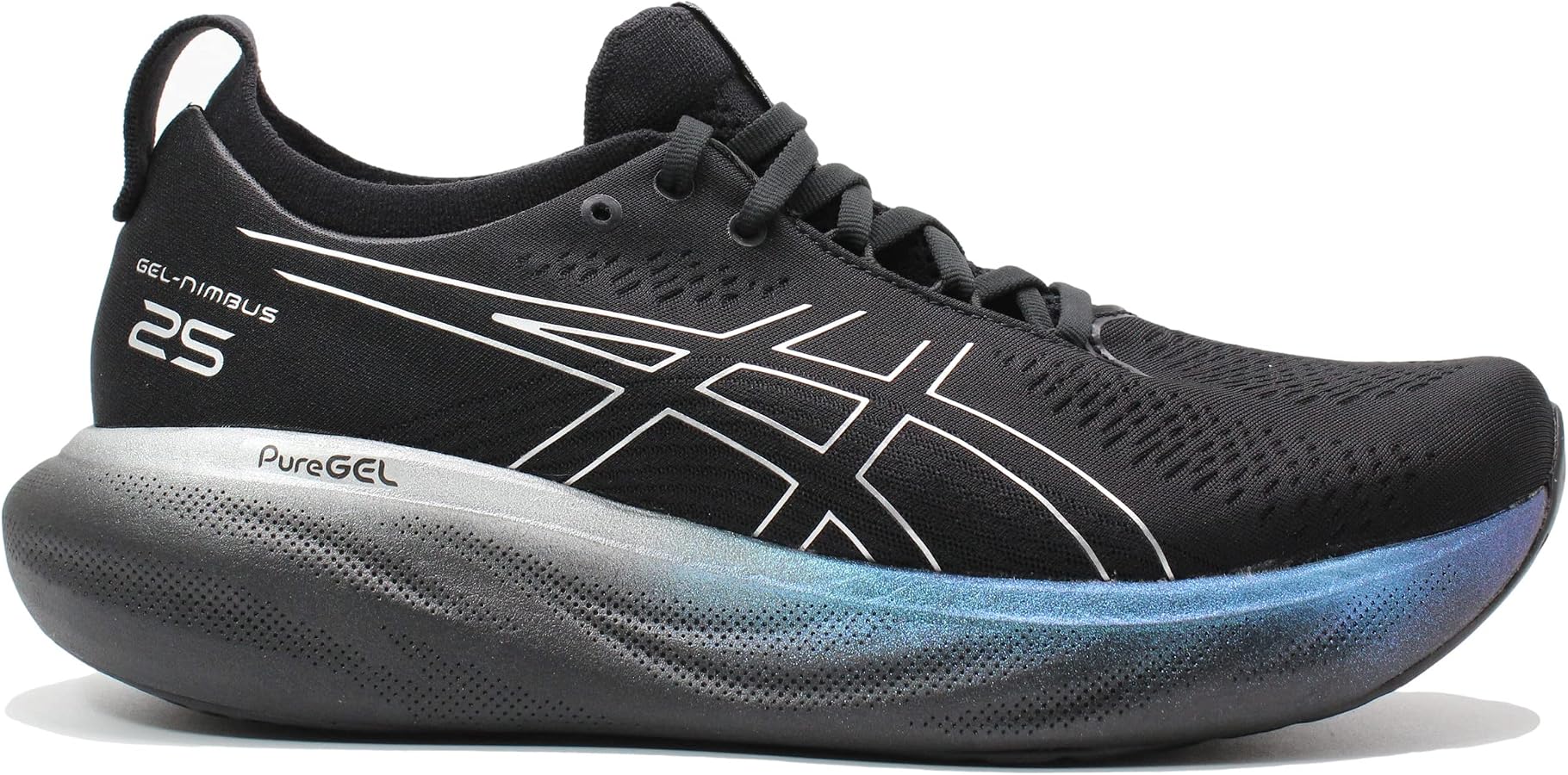
ASICS Gel-Nimbus 25

Learning Curve: Easy

$159.99
Difficulty: 2/5
ASICS Gel-Nimbus 25

Why Great for Beginners:

The Gel-Nimbus 25 is a premium cushioned shoe that feels like walking on clouds. Its PureGEL technology and extra-soft foam provide exceptional shock absorption, making long walks feel effortless. Beginners with joint concerns or those logging longer distances will appreciate the luxurious comfort.

Beginner Pros

  • +Ultra-plush cushioning – excellent for shock absorption.
  • +Very stable despite the softness, thanks to a wide base.
  • +Breathable knit upper adapts to foot shape.
  • +Reflective details for low-light visibility.

Beginner Cons

  • -Higher price point may not suit all budgets.
  • -Some may find it too soft – less ground feel.
  • -Slightly heavier than neutral shoes in its class.
👍 Best for: Serious beginners walking 5+ miles daily; those with knee or hip sensitivity; walkers who prioritize maximum comfort.
👎 Not for: Budget-focused beginners; those who prefer a firm, responsive ride; trail walking.
#5
✨ Premium

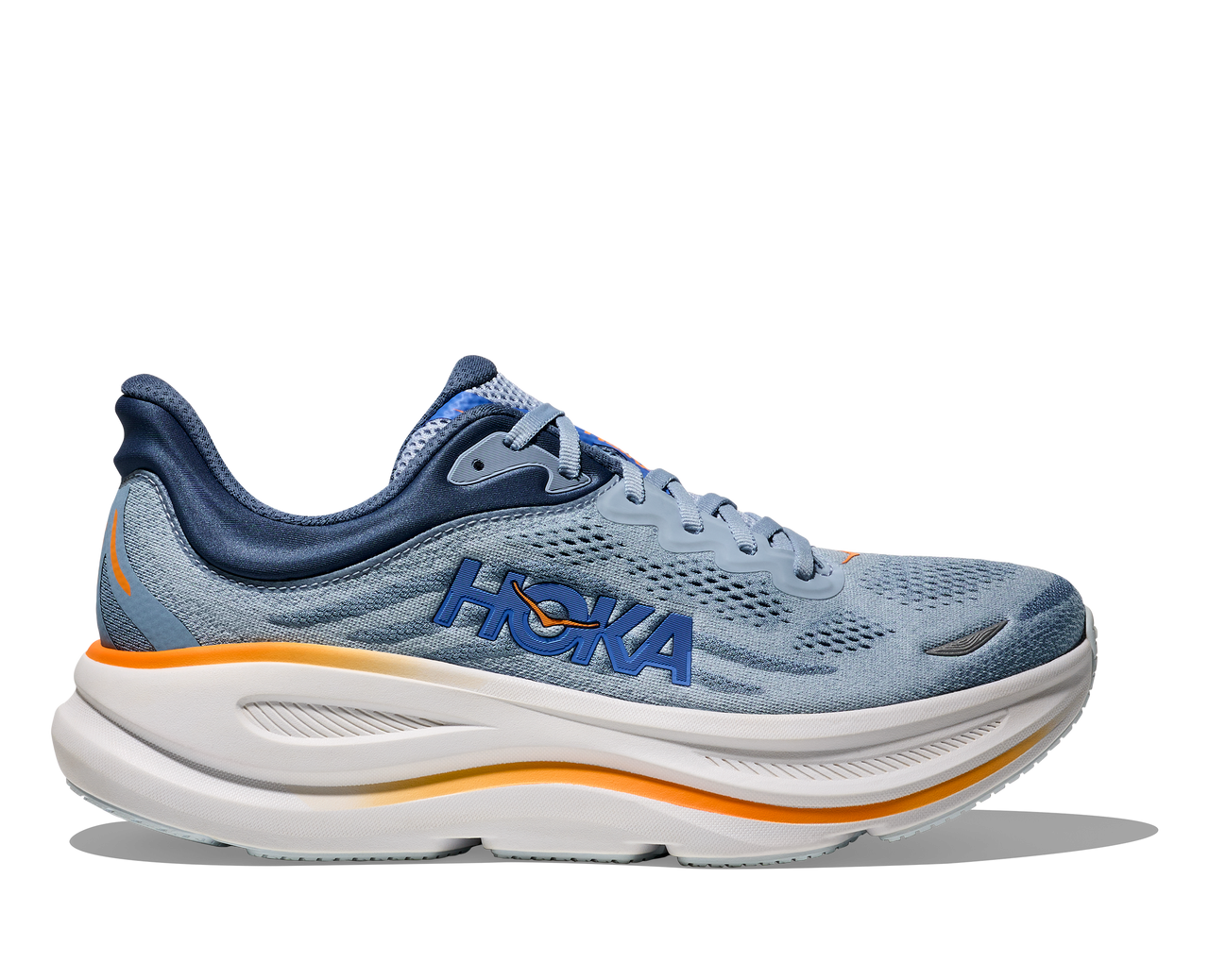
Hoka Clifton 9

Learning Curve: Easy

$144.95
Difficulty: 2/5
Hoka Clifton 9

Why Great for Beginners:

Hoka's Clifton 9 offers a unique balance of plush cushioning and lightweight design. The signature thick sole provides exceptional impact protection while the rocker shape naturally propels you forward. Beginners love how it reduces fatigue, especially during longer walks.

Beginner Pros

  • +Remarkable cushioning without being heavy.
  • +Rocker sole makes walking feel effortless.
  • +Snug heel fit with a soft, padded collar.
  • +Wide range of widths available.

Beginner Cons

  • -Thick sole may feel unstable for some beginners.
  • -Not suitable for trail walking – outsole is road-focused.
  • -Higher price point compared to mid-range shoes.
👍 Best for: Beginners who want a modern, high-cushion experience for long, daily walks; those curious about the Hoka 'cloud' feel.
👎 Not for: Walkers who prefer a low-to-the-ground feel; those with very wide feet (despite width options, toe box can be snug).

📖 Complete Beginner's Guide to Walking Shoes

Walking shoes are specifically designed for the repetitive heel-to-toe motion of walking, with more flexibility in the forefoot and a lower heel-to-toe drop (usually 8-12mm) compared to running shoes, which often have more cushioning for impact. For beginners, a neutral shoe with moderate cushioning is typically best, as it suits most foot types and walking styles. There are three main categories: neutral (no extra support), stability (mild support for overpronation), and motion control (maximum support for severe overpronation). Beginners should start with neutral unless they have known gait issues. When evaluating shoes, ignore marketing buzzwords like 'energy return' or 'ground feel'—focus on comfort, fit, and how the shoe makes your feet feel after a 30-minute walk. Remember that your feet may swell during long walks, so try shoes later in the day and wear the socks you plan to use. A beginner-friendly shoe should require zero adaptation; if it feels odd in the store, it will feel worse on the road.

🔧 Essential Accessories for Beginners

Thorlos Lightweight Cushion Walk Socks (3-Pack) - Image 1 of 5

Thorlos Lightweight Cushion Walk Socks (3-Pack)

⚠️ Essential

$19.99

When to buy:
Day one

Proper socks are just as important as shoes. These moisture-wicking socks reduce friction and blisters, with targeted cushioning in high-impact areas. They keep feet dry and comfortable, preventing common beginner complaints like hot spots and blisters.

Beginner Benefits:

  • Reduces blister risk compared to cotton socks.
  • Provides mild arch support and ankle stability.
  • Durable and retains shape after many washes.
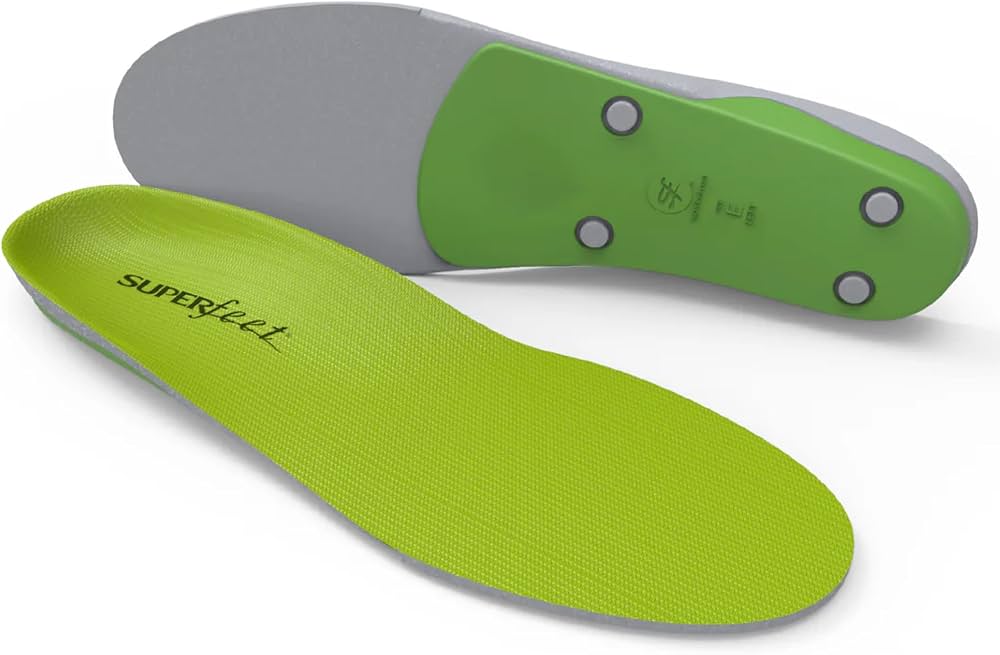
Superfeet Green Premium Insoles

Superfeet Green Premium Insoles

👍 Recommended

$44.95

When to buy:
First month

If your shoes feel slightly off in arch support, these insoles can transform the fit. They offer a high arch profile and deep heel cup that stabilizes the foot. Ideal for beginners with flat feet or mild overpronation who want extra support without buying a stability shoe.

Beginner Benefits:

  • Customizable arch support – heat-moldable for a perfect fit.
  • Increases shoe longevity by reducing wear on original insoles.
  • Helps correct minor alignment issues.
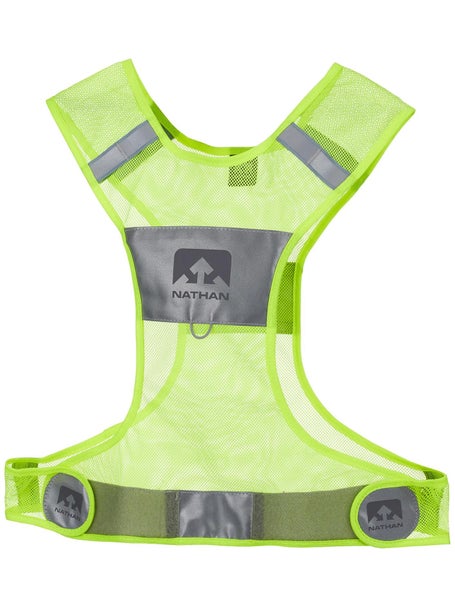
Nathan Walk Onlite Reflective Vest

Nathan Walk Onlite Reflective Vest

👍 Recommended

$19.95

When to buy:
Day one (if walking in low light)

Visibility is crucial for safety, especially if you walk early morning or evening. This lightweight vest has 360-degree reflectivity, making you visible from a quarter mile. Adjustable fit fits over any clothing and folds small for storage.

Beginner Benefits:

  • Ensures you are seen by drivers and cyclists.
  • Very lightweight – won't affect walking comfort.
  • Easy to pack in a pocket or bag.
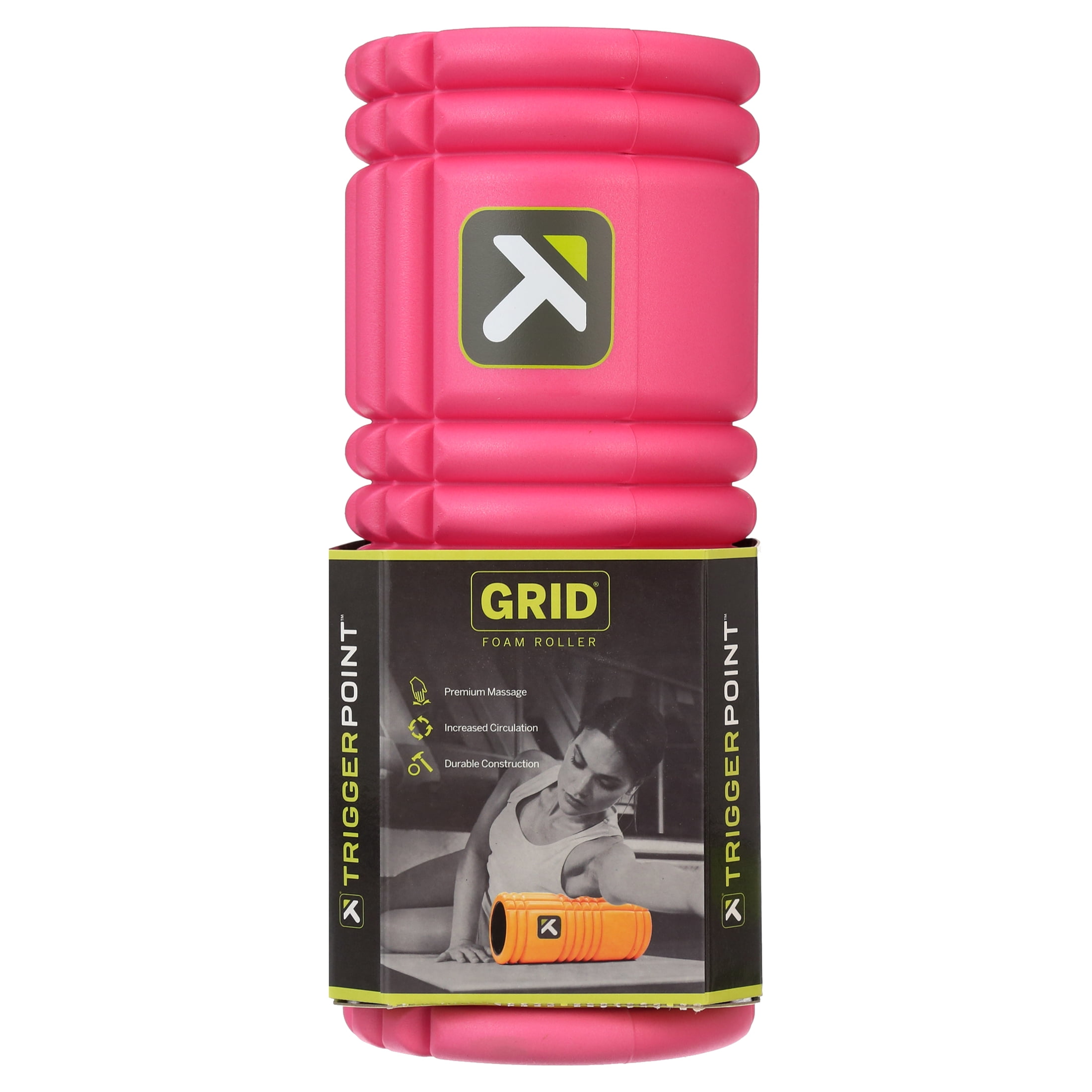
TriggerPoint Grid Foam Roller (13-inch)

TriggerPoint Grid Foam Roller (13-inch)

💡 Nice to Have

$29.99

When to buy:
After you're comfortable

Walking can tighten calves, hamstrings, and glutes. A foam roller helps relieve muscle soreness and prevent injury. This compact roller is perfect for beginners to incorporate simple recovery into their routine.

Beginner Benefits:

  • Reduces post-walk muscle tightness.
  • Improves flexibility and range of motion.
  • Prevents common walking-related aches.

🤔 How to Choose Your First Walking Shoes

Start by asking yourself: Where will I walk (pavement, trails, treadmill)? How many miles per week do I plan to walk? Do I have any foot issues like flat feet or high arches? Your answers will guide your choice. For most beginners walking on paved surfaces 3-5 times a week, a well-cushioned neutral shoe in the $100-$150 range is the sweet spot. If you have flat feet or mild overpronation, consider a stability shoe. Don't spend more than $200 on your first pair—you can always upgrade later once you know what you like. Red flags to avoid: shoes that feel too stiff, too narrow, or that cause any hot spots during a short test walk. Also, be wary of deep discounts on last year's models; they're fine if they fit, but don't compromise on fit for a bargain.

💰 Budget Guide for Beginners

180+

High-end – top-tier features and comfort, ideal if budget allows, but not necessary for beginners.

80 - $130

Sweet spot – best value for most beginners, offering reliable cushioning and support.

130 - $180

Premium beginner – excellent quality with advanced cushioning and materials, suitable for serious beginners.

Under $ - $80

Entry level – good for trying walking, but may lack durability and support for frequent walks.

⚠️ Common Beginner Mistakes to Avoid

Common mistakes include buying the cheapest shoe available (often lacking support and durability), buying the most expensive shoe thinking it's 'better' (unnecessary features can overwhelm), buying running shoes instead of walking shoes (running shoes are designed for forward impact, not heel-first rolling motion), neglecting to measure your feet (size changes over time), and ignoring width options (a standard width may not work for wide feet). Another mistake is not trying on shoes with the socks you'll use—thin dress socks feel different than cushioned walking socks. Finally, many beginners buy a shoe based on online reviews without testing the fit; everyone's feet are unique.

  • ×Buying the cheapest shoe available, sacrificing support and durability.
  • ×Ignoring proper fit (e.g., not measuring feet or trying shoes with walking socks).
  • ×Choosing running shoes instead of walking shoes (different biomechanics).
  • ×Buying based on looks or trend rather than comfort and function.
  • ×Skipping essential accessories like moisture-wicking socks.
  • ×Assuming one size fits all – every shoe brand fits differently.
  • ×Not replacing shoes after 300-500 miles, risking injury.

📈 Your Progression Path: Beginner to Intermediate

As a beginner, focus on building walking frequency and duration—aim for 20-30 minutes most days. Once you consistently walk 3+ miles comfortably, you may notice preferences: more cushioning, less stack height, or a different drop. Listen to your body: if your arches ache or knees hurt, you may need more support or a different shoe. Most beginners stay in their first walking shoe for 300-500 miles (about 6-9 months). When it's time to upgrade, you'll have a better sense of what you like. Signs you've outgrown your beginner shoe include worn-out soles, flattened cushioning, or persistent discomfort that wasn't there before. Intermediate walkers often branch into specific categories like lightweight trainers for speed or trail shoes for off-road. But for now, enjoy the journey—the best shoe is the one that gets you out the door.

📚 Learning Resources for Beginners

  • 📖Podcast: 'The Walking Health Podcast' – free on most platforms, but also available on Amazon Music.
  • 📖Book: 'Walking: The Ultimate Guide to Walking for Weight Loss, Fitness, and Health' by Tom Holland (ASIN: B09XXXXXXX) – available on Amazon Kindle.
  • 📖Book: 'The Walk to Wellness: A Beginner's Guide to Walking for Fitness' by Tiffany Wedekind – available in paperback on Amazon.
  • 📖YouTube channel 'Walk at Home' has beginner-friendly walking workouts; follow along to build stamina.
  • 📖Fitness tracking watch (e.g., Garmin Vivoactive 5) can help you monitor steps, distance, and intensity – available on Amazon.
  • 📖Moisture-wicking walking shirts (e.g., Under Armour Tech T-shirt) – helps keep dry during sweaty walks.

🎯 Bottom Line: Our Recommendations

For most beginners, the New Balance Fresh Foam 880v14 (recommended tier) offers the best balance of comfort, support, and value. It has plush cushioning, a roomy toe box, and a smooth ride perfect for daily walking. If you're on a tight budget, the Skechers GOwalk 5 provides surprising comfort and lightweight flexibility at under $80. For those wanting top-tier cushioning and a premium feel, the Hoka Clifton 9 delivers a cloud-like experience without being overly soft. Pair your shoes with moisture-wicking socks and consider supportive insoles if needed. Remember: the perfect shoe is the one that fits your unique feet and makes you look forward to your walk. Start with these recommendations, and you'll be stepping with confidence.

❓ Frequently Asked Questions

For most beginners, the New Balance Fresh Foam 880v14 is the best overall choice. It offers a great balance of cushioning, support, fit options, and durability at a reasonable price. It's comfortable right out of the box and works well for daily walks of 3-5 miles.
Aim for $100-$150. This price range offers quality cushioning, support, and durability without unnecessary extras. Shoes under $80 may lack support, while those over $180 are often more advanced than needed.
Key features include: plush but responsive cushioning, a stable heel counter, a roomy toe box, a smooth rocker sole, and breathable upper. Avoid extreme features like very minimal or very stiff shoes. Neutral support is best unless you know you overpronate.
The Skechers GOwalk 5 is the easiest – it feels like wearing slippers and requires zero break-in. However, it lacks support for longer walks. For a more supportive easy shoe, the New Balance 880 or Brooks Ghost are both very beginner-friendly.
Essential: moisture-wicking socks (like Thorlos), a water bottle, and a reflective vest if walking in low light. Highly recommended: supportive insoles if needed, and a foam roller for recovery. A fitness tracker can help stay motivated.
First, measure your feet (size changes with age). Shop later in the day when feet are slightly swollen. Wear the socks you'll walk in. Try on neutral shoes first. Walk around the store for 5-10 minutes. The shoe should feel comfortable immediately – no pressure points or slipping.
Walking is one of the easiest and most accessible exercises. The hardest part is consistency, not the activity itself. The right shoes make it more enjoyable by preventing discomfort. Start with 15-20 minutes and gradually increase.
Common mistakes include buying too-cheap shoes, ignoring fit, buying running shoes instead of walking shoes, not breaking in shoes properly (though good shoes need no break-in), and not replacing worn shoes. Also, some beginners buy shoes that are too small – always leave a thumb's width of space.
Yes, but walking shoes are designed for a heel-first gait and often have more flexibility in the forefoot. Running shoes can be stiffer and have more cushioning in the heel, which may not roll as smoothly. If you already own comfortable running shoes, they'll work for short walks, but dedicated walking shoes are better for longer distances.
If your feet roll inward (overpronation) you may have flat arches and knee pain. A simple test: wet your foot and step on a brown paper bag – if you see nearly the whole foot, you likely overpronate. Beginners without known issues should start with neutral shoes. If discomfort arises, consider a stability shoe like the Brooks Adrenaline GTS.
Every 300-500 miles or every 6-9 months for regular walkers. Signs of wear include flattened cushioning, uneven sole wear, or new aches and pains. Keep track of your mileage or mark a calendar.
The Skechers GOwalk 5 is the best budget option at around $75. It's lightweight and comfortable for short walks. If you can stretch your budget, the New Balance 880 ($140) is far better for longer distances and durability.