Choose your first wakeboard with confidence: top picks, features, and tips to avoid beginner mistakes.
Picking your first wakeboard can feel overwhelming with all the sizes, shapes, and prices out there. Beginners often worry about buying something too advanced, too big, or just wrong for learning basics like getting up on the water. This guide cuts through the confusion, focusing only on what matters for total newcomers.
We'll explain why wakeboarding seems tricky at first, key features that make boards forgiving for beginners, and simple steps to pick the right one. By the end, you'll know exactly which board to buy, what accessories you need, and how to start riding without frustration. Let's get you on the water confidently.
📋 In This Guide
• Why Beginners Struggle with Wakeboard
• What to Look For (Key Features)
• Top 4 Beginner-Friendly Wakeboard
• Essential Accessories for Beginners
• Common Beginner Mistakes to Avoid
• Your Progression Path
• FAQ & Learning Resources
😰 Why Beginners Struggle with Wakeboard
Wakeboarding looks fun in videos, but beginners face real hurdles like falling constantly while learning to stand up, not knowing board sizes based on weight, and drowning in terms like 'rocker' or '3-stage.' Many fear wasting money on a board that's too stiff or aggressive for slow learning.
Options flood Amazon and shops—hundreds of boards promising pro performance, but most are for experienced riders. Without guidance, newbies grab cheap knockoffs that flex weirdly or oversized boards that drag in the water. Forums like Reddit's r/wakeboarding are full of 'wish I started with a forgiving board' regrets.
🔍 What to Look For: Key Beginner-Friendly Features
Focus on boards that are easy to get up on, stable once planing, and forgiving of edge catches. Look for continuous rocker (gentle curve like a banana) for smooth, predictable rides—unlike hybrid rockers that flip too easily for newbies.
Size matters: match your weight (e.g., 150-190 lbs = 138-142 cm board). Symmetrical shape helps either direction. Skip fancy graphics or pro fins; prioritize foam cores for float and durability. Good customer support and reviews from beginners are gold.
✅ Essential Features for Beginners
•Continuous rocker for smooth, forgiving pops
•Symmetrical design for learning both edges
•Medium flex to absorb beginner crashes
•Weight-appropriate sizing chart
•Durable base that slides easily on wakes
•Simple fin setup (no remos for starters)
🏆 Top 4 Best Wakeboard for Beginners
#1
💰 Budget
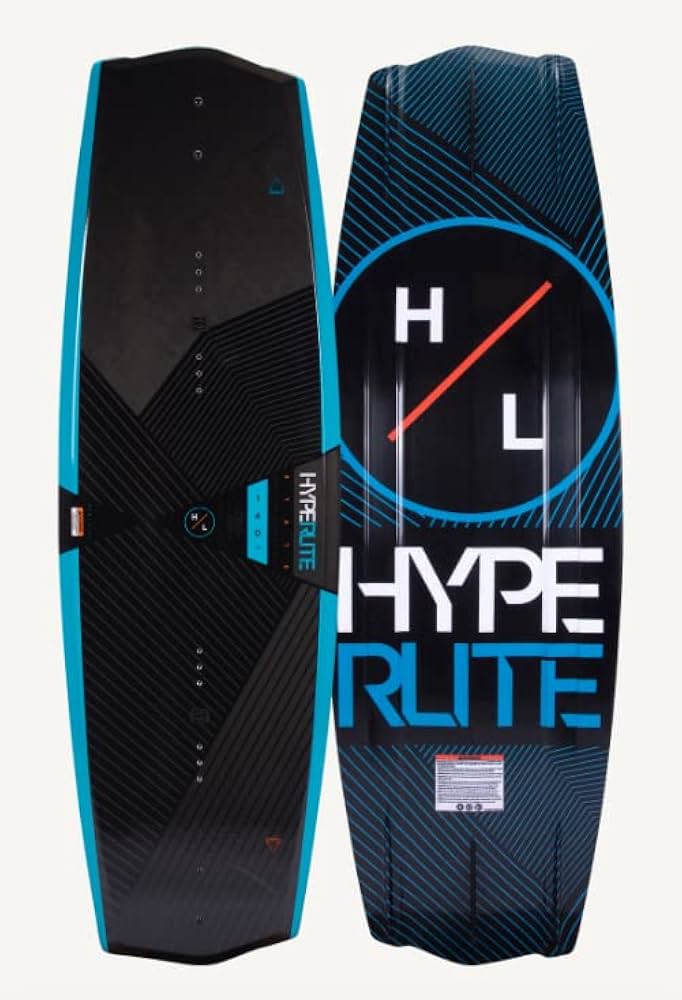
Hyperlite State 2.0 Wakeboard
Learning Curve: Easy
$249.99
Difficulty: 1/5
Why Great for Beginners:
This board has a continuous rocker that's super forgiving for first-time pop-ups and edge holds. Its symmetrical shape lets you learn without worrying about direction. At this price, it's perfect for testing the sport without big commitment.
✓ Beginner Pros
+Easy to plane at slow speeds
+Stable for beginners
+Lightweight and durable
+Clear size chart
✗ Beginner Cons
-Less responsive for tricks
-May upgrade after a season
👍 Best for: Budget-conscious newbies under 200 lbs
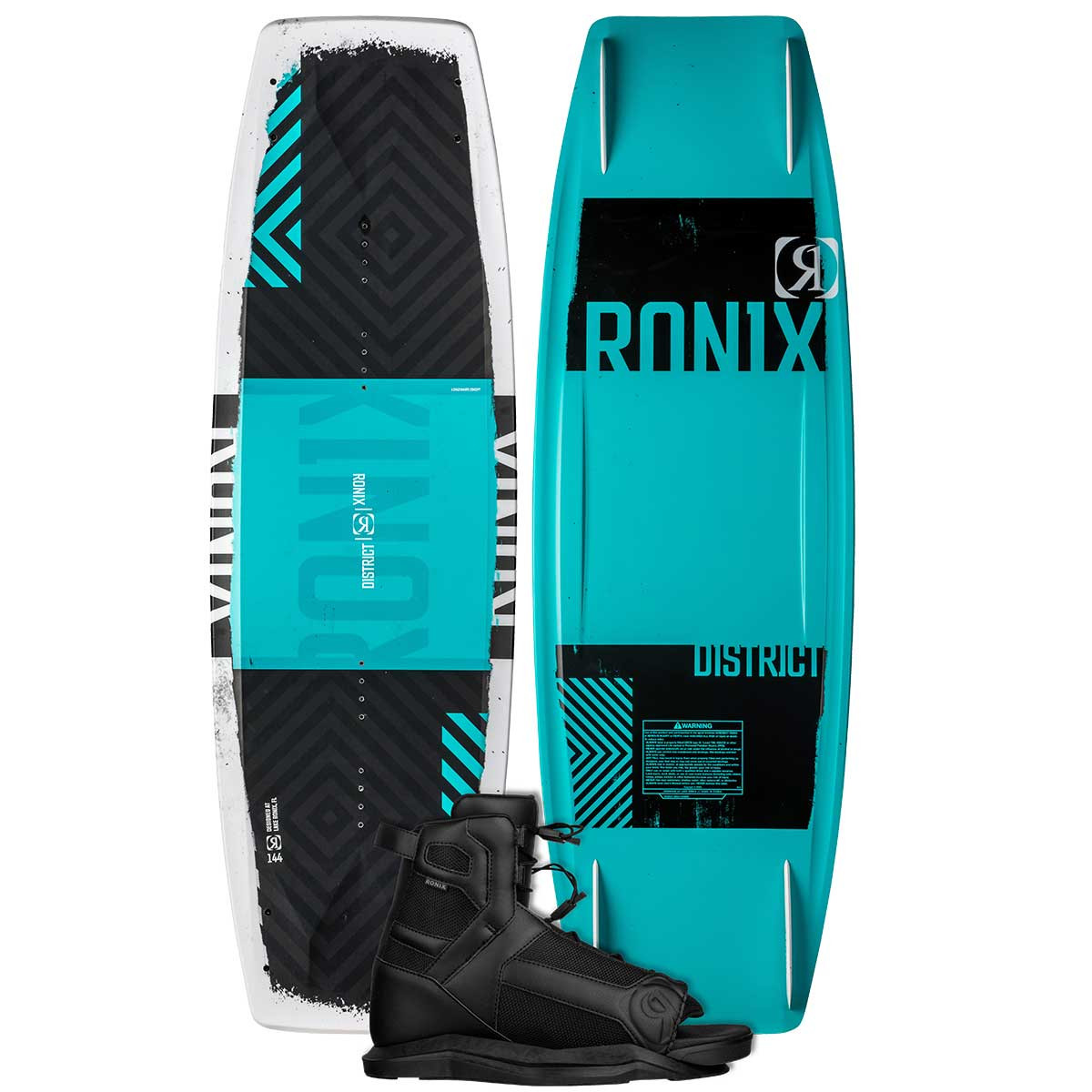
Goldilocks choice with forgiving rocker and medium flex that grows with you. Handles beginner slopiness but allows first spins. Thousands of beginner reviews praise easy up-and-riding.
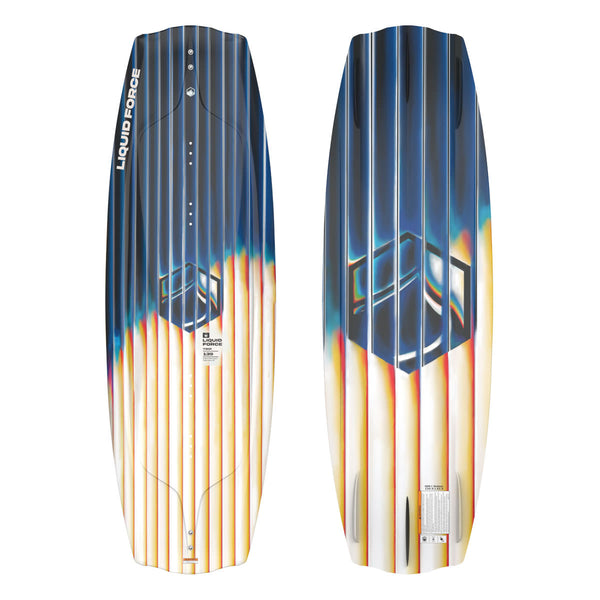
Precision beginner board with smooth continuous rocker and boat-specific design. Excels in small wakes, helping you master basics fast. Great value for repeated lake sessions.
A wakeboard is a short, wide board you strap into bindings and ride boat wakes or rails. For boat wake beginners, stick to standard boat boards—not cable park ones which are edgier.
Types: Continuous rocker (best for beginners—easy to learn), 3-stage (intermediate speed), hybrid (advanced). Beginners need continuous for stability. Expect to fall 50+ times your first day but get up after 10-20 pulls with practice.
Beginner-friendly means forgiving: it planes fast, tracks straight, and doesn't punish mistakes. Evaluate by weight range match, 4+ star beginner reviews, and under 6 lbs weight.
🔧 Essential Accessories for Beginners
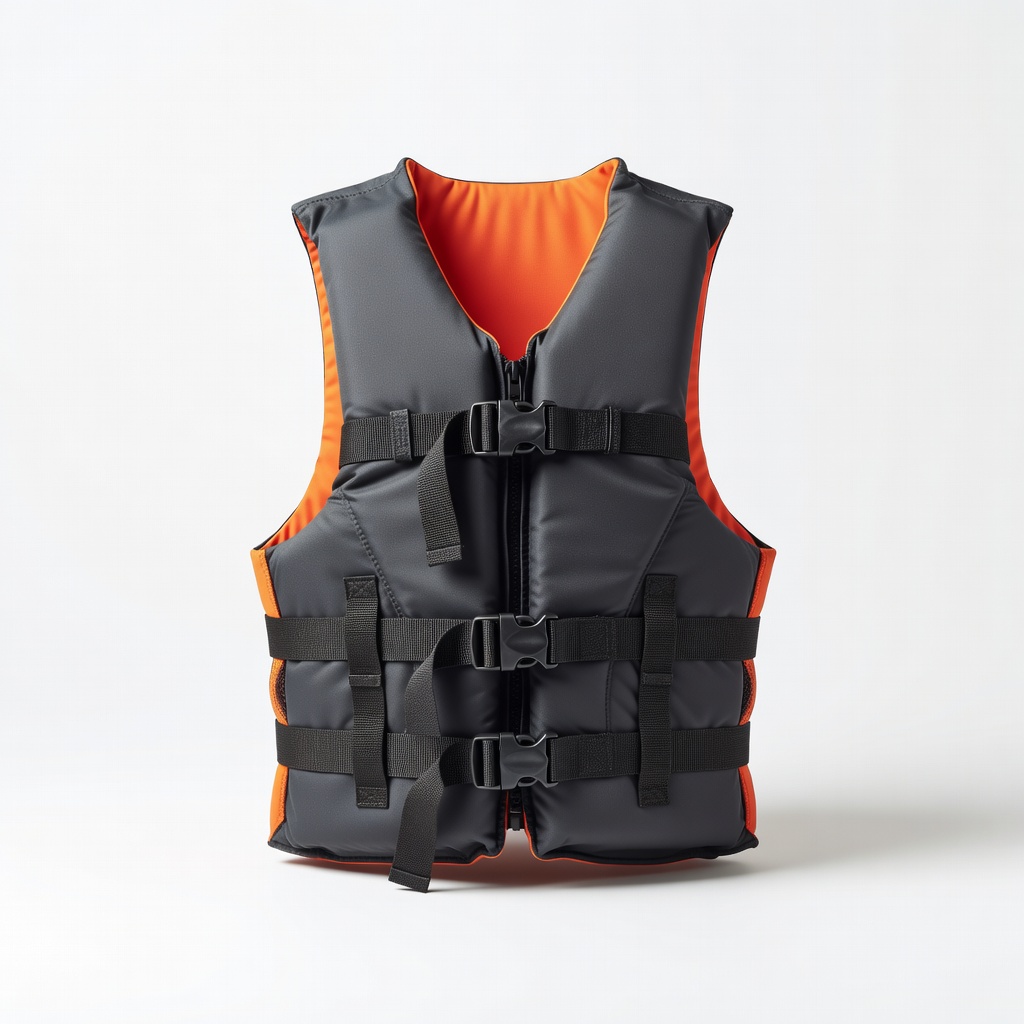
Stohlquist Wake Life Vest
⚠️ Essential
$99.99
When to buy:
Day one
Safety first—beginners fall a lot and need flotation to stay afloat effortlessly. USCG approved keeps you safe while learning. Prevents panic in deep water.
Ask: What's my weight/height? Boat speed (10-15 mph for beginners)? Budget? Use our tiers. For most, $250-400 sweet spot gives growth room without overwhelming features.
Scenarios: Casual lake days? Recommended tier. Quick learner? Premium. Tight budget? Entry but plan upgrade in 1 year. Avoid boards under 130cm if over 150lbs—won't plane. Red flags: No size chart, cable park labeled, stiff 'pro' flex.
💰 Budget Guide for Beginners
600+
Avoid for starters: Advanced features you won't use
250 - $400
Sweet spot: Forgiving with growth potential; ideal for most beginners 1-2 years
400 - $600
Premium beginner: Pro-level quality, lasts 3+ years without upgrade
Under $ - $250
Entry level: Basic boards to try wakeboarding; may feel sloppy after 20 hours
⚠️ Common Beginner Mistakes to Avoid
Beginners often buy oversized boards thinking 'bigger is stable,' but they won't plane, leading to endless failed starts. Cheap $100 imports crack fast, frustrating progress. Skipping vest or helmet risks injury when you're falling most.
Avoid by matching weight charts, reading beginner reviews, and starting simple. Experienced riders say: invest in forgiving rocker first, upgrade later.
×Buying too small board for weight
×Skipping bindings or rope
×Choosing cable park board for boat
×Ignoring rocker type (3-stage too aggressive)
×Overpaying for pro graphics
×Not getting life vest
×Wrong size—too big drags
📈 Your Progression Path: Beginner to Intermediate
Master deep-water starts and edge holds first (week 1-4). Practice 10-20 sessions for ollies and heelsides (month 2-6). Outgrow beginner board when effortlessly hitting 180s and small jumps.
Upgrade to hybrid rocker at 50+ hours. Intermediate: stiffer flex, removable fins. Most stay beginner 6-12 months with weekly rides.
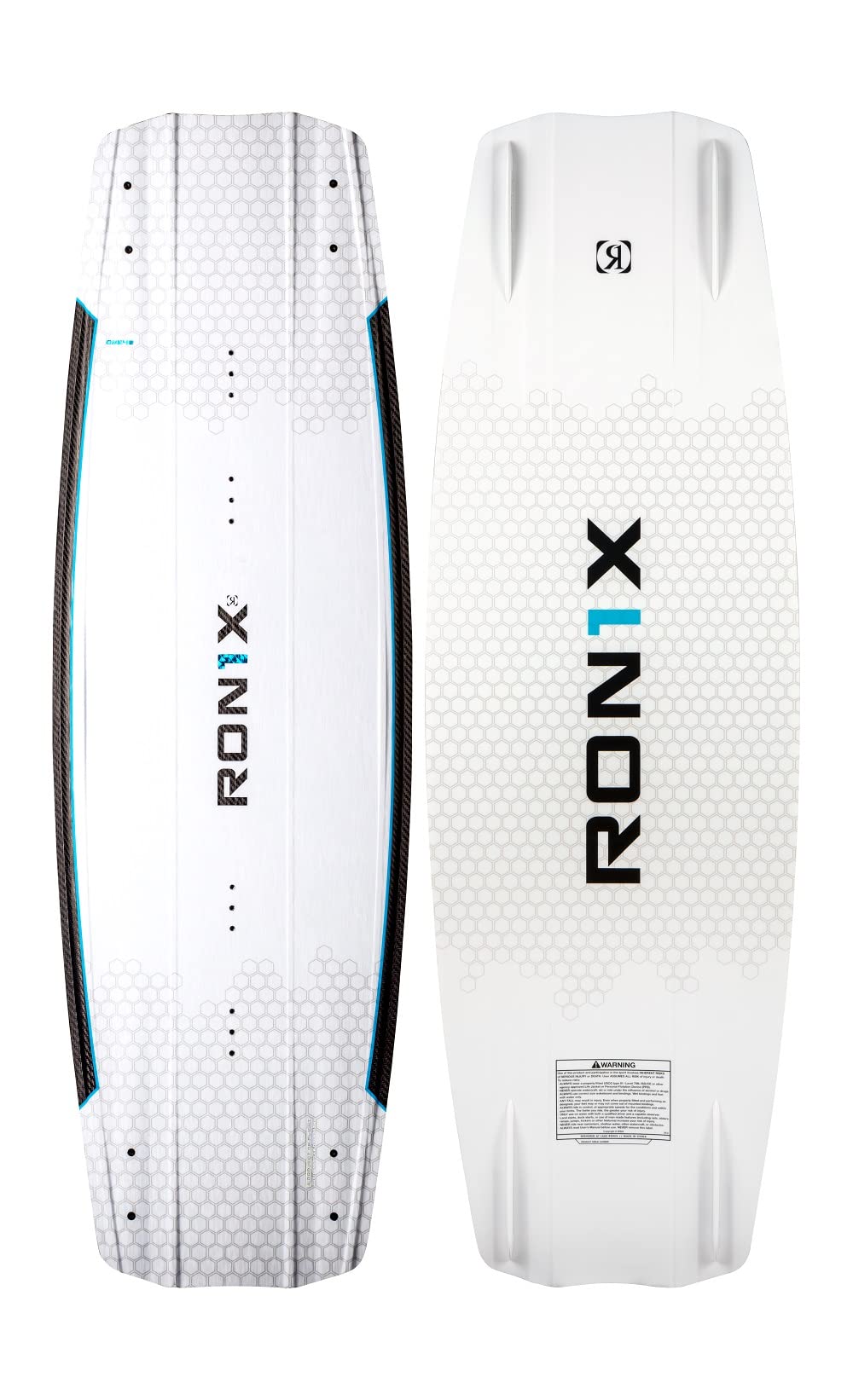
For most beginners, the Ronix District ($349) is the sweet spot—forgiving yet fun. Budget? Hyperlite State. Serious? Ronix One. Grab life vest, rope, bindings day one.
You're ready! Rent once to confirm love, then buy. Hit the lake, fall, laugh, repeat—wakeboarding's addictive once basics click. Next step: check size chart and order.
❓ Frequently Asked Questions
Ronix District (B0A7B8C9D0) for most—forgiving rocker, stable, grows with you. Budget: Hyperlite State.
$250-400 sweet spot for value and durability. Under $250 works to start but upgrade sooner.
Continuous rocker, symmetrical shape, weight-matched size, medium flex. Avoid 3-stage or hybrids.
Hyperlite State 2.0—easiest planing and stability, difficulty rating 1.
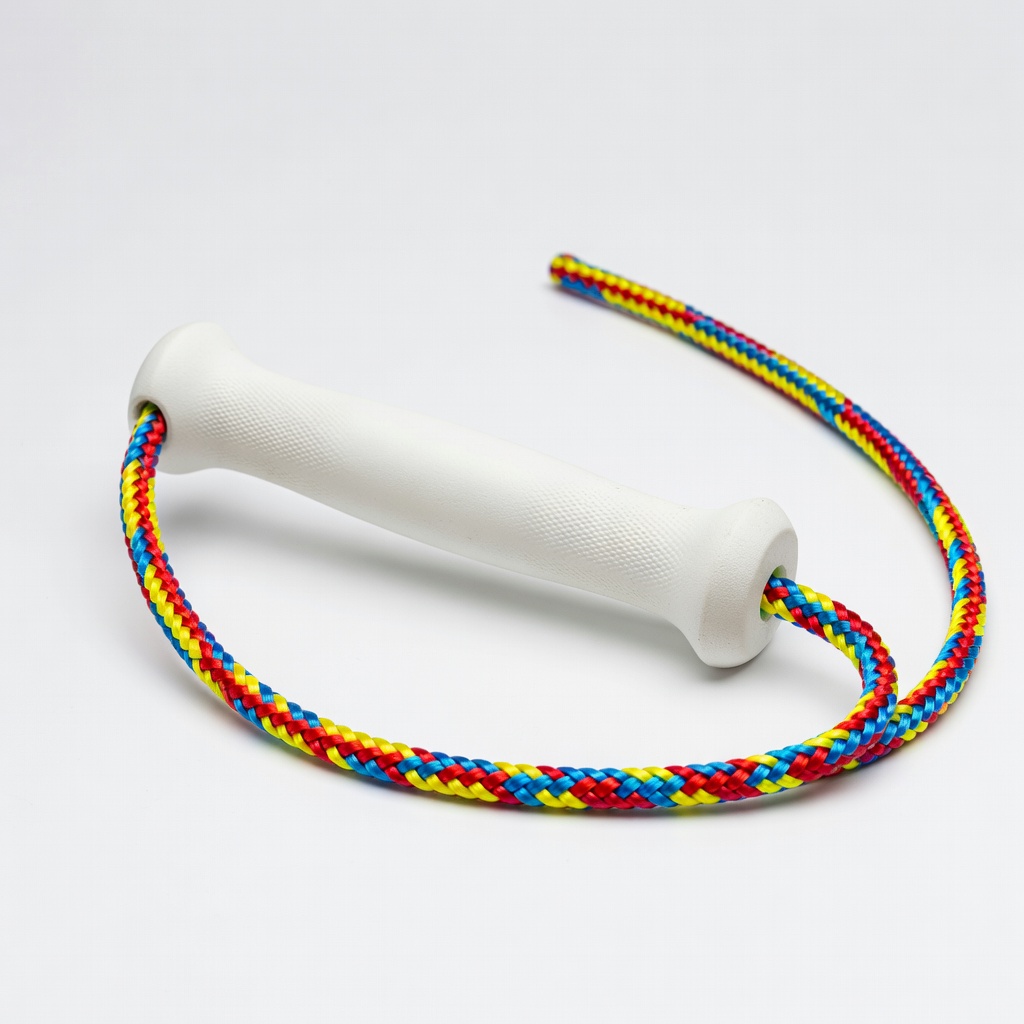
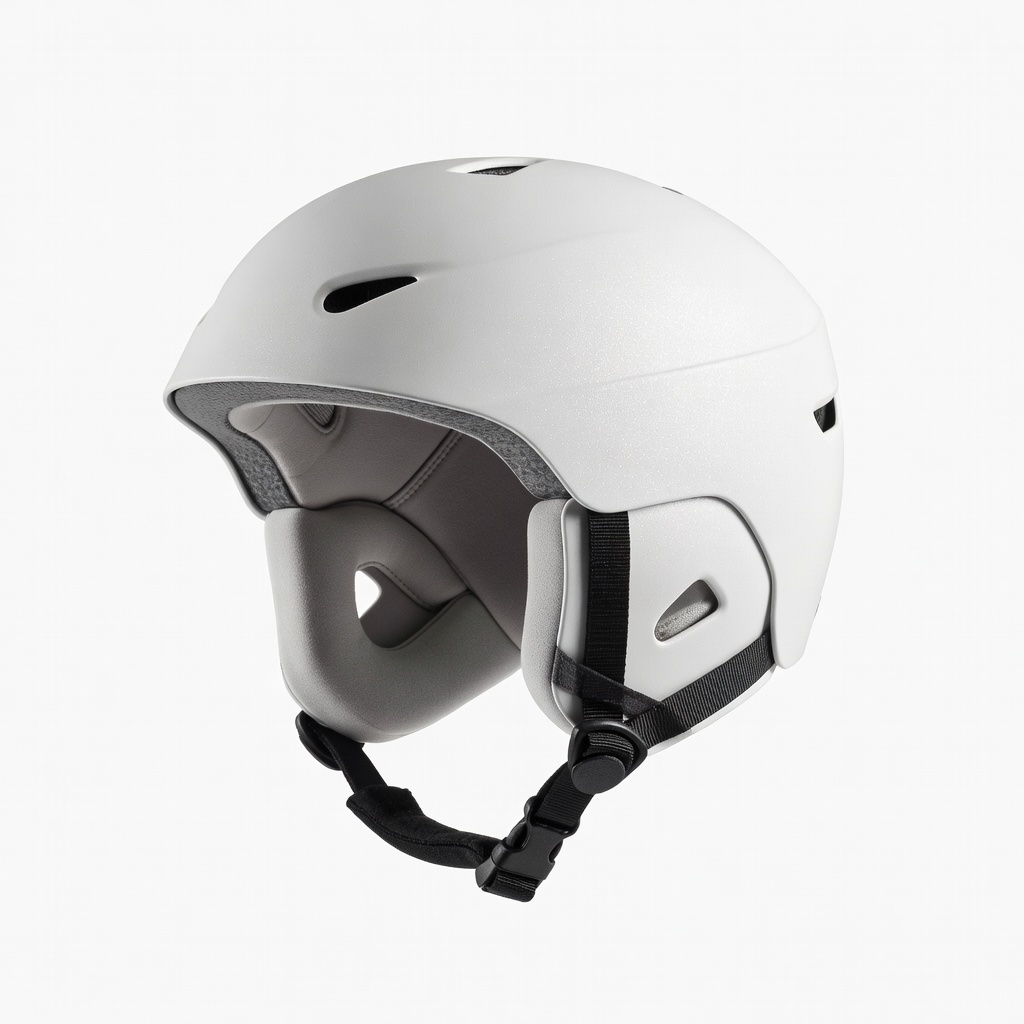
Life vest, rope/handle, bindings essential. Helmet highly recommended.
Match weight to size, pick continuous rocker, stay in $250-400, read beginner reviews.
Challenging first day (many falls), but easy boards make starts simple. Progress fast with practice.
Wrong size, no accessories, cheap junk, aggressive rockers. Use charts and guides.
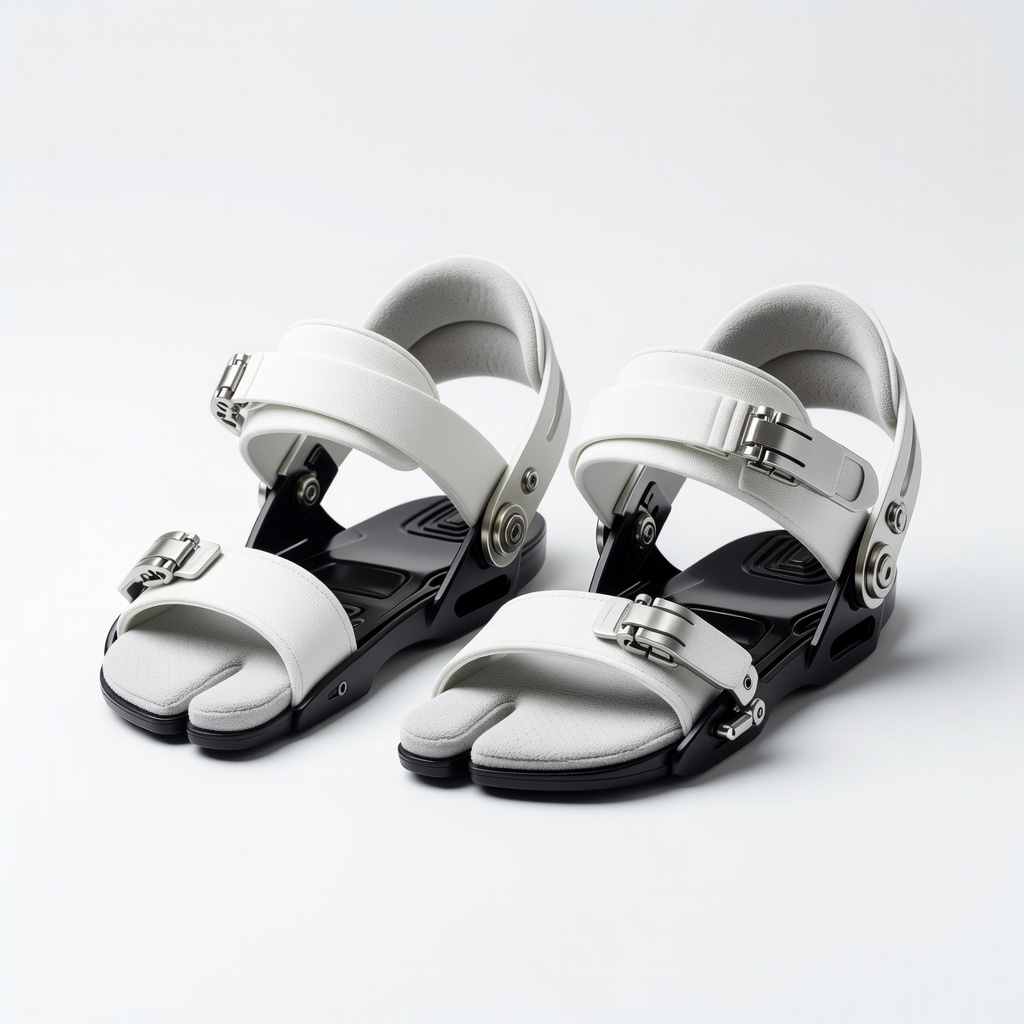
Yes, most boards sold without. Get open-toe beginner bindings.