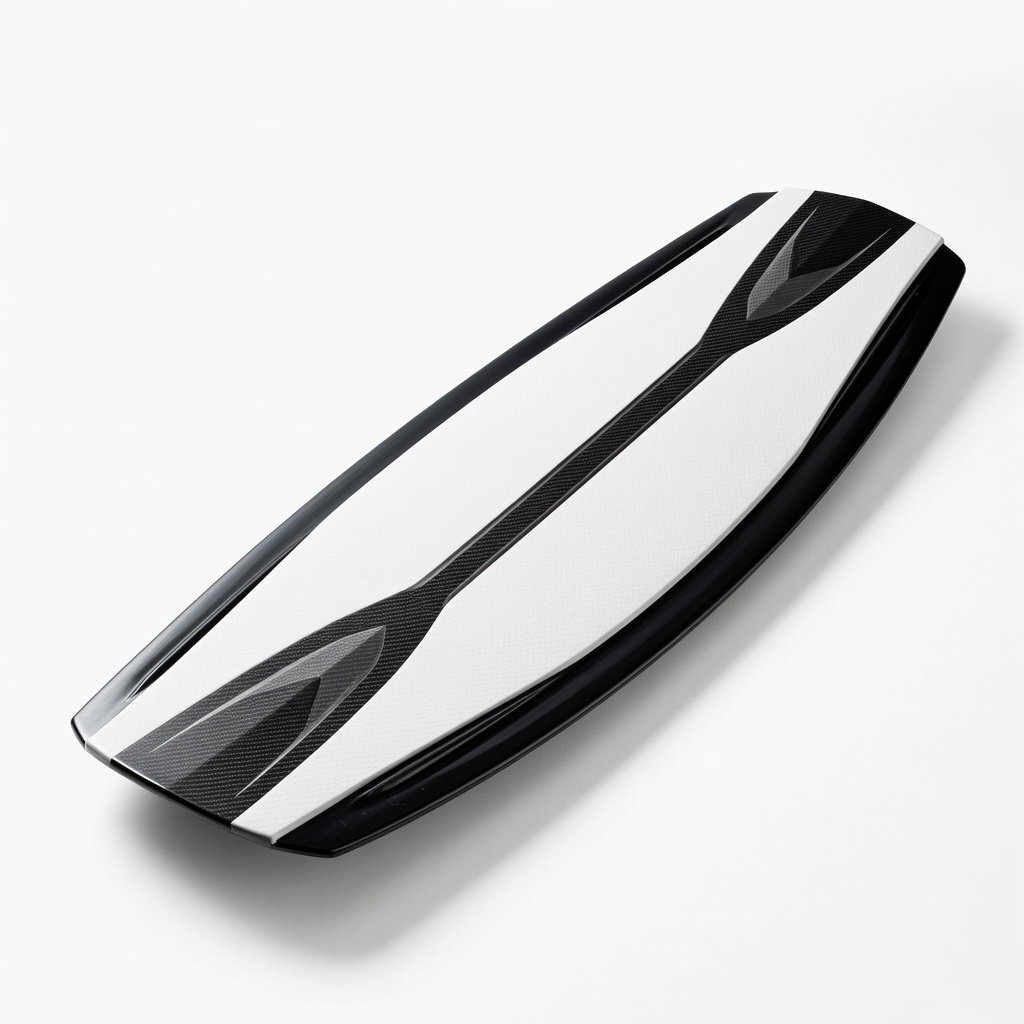
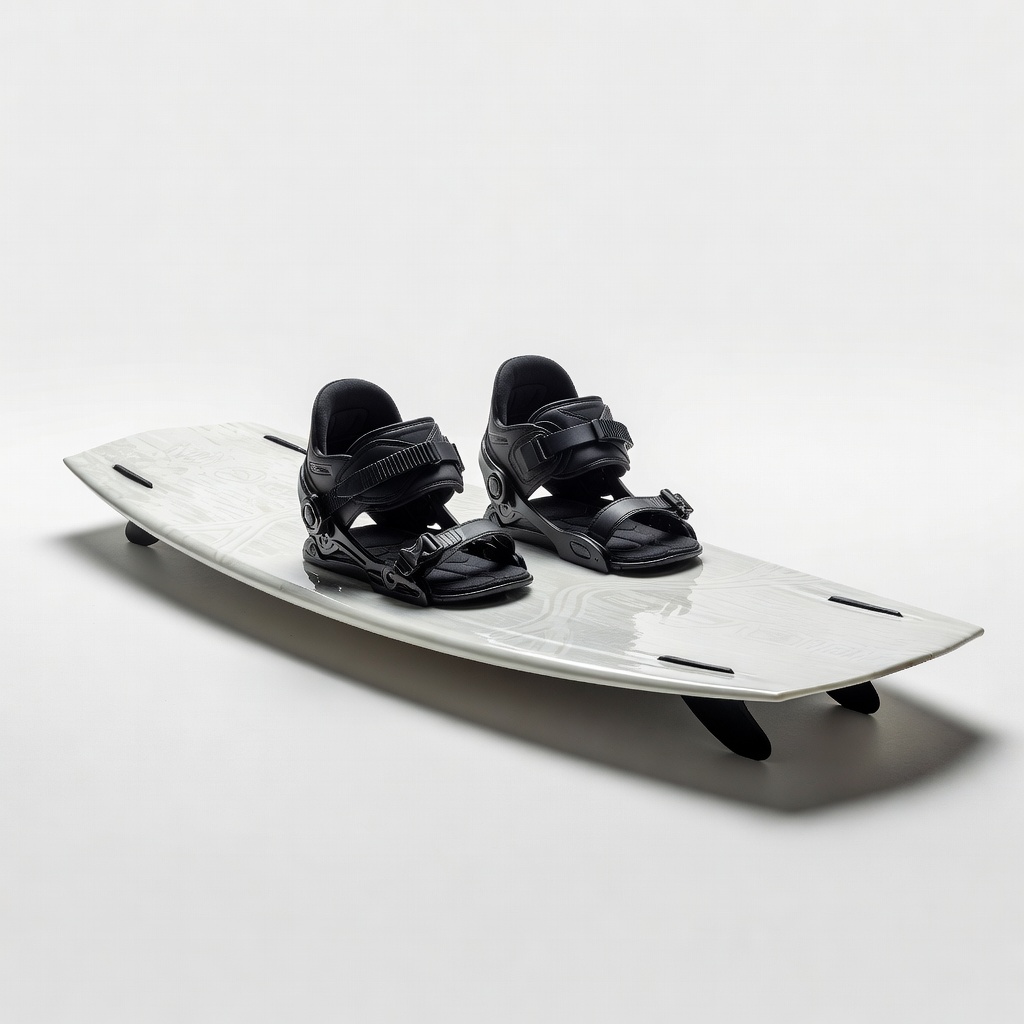
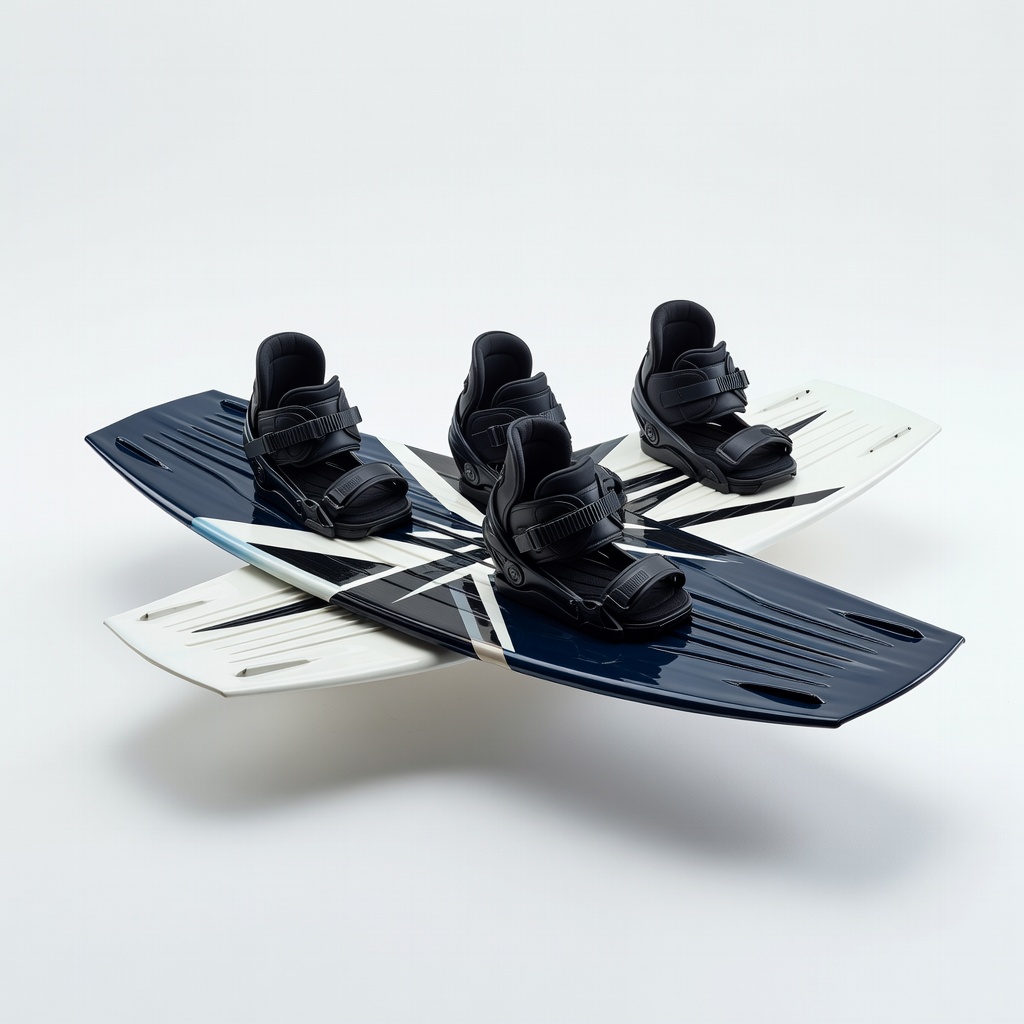
Everything beginners need to choose their first wakeboard with confidence, avoid mistakes, and get on the water fast.
Picking your first wakeboard can feel overwhelming with all the sizes, rockers, and brands out there. Beginners often worry about getting the wrong size, spending too much, or buying something too advanced that frustrates them from day one. The good news? You don't need pro-level gear to have fun and learn.
This guide cuts through the confusion, focusing on continuous rocker wakeboards - the most forgiving type for new riders. We'll cover what matters, top Amazon picks across budgets, must-have accessories, and pitfalls to skip so you can focus on progressing from falls to first jumps.
📋 In This Guide
• Why Beginners Struggle with Wakeboard
• What to Look For (Key Features)
• Top 4 Beginner-Friendly Wakeboard
• Essential Accessories for Beginners
• Common Beginner Mistakes to Avoid
• Your Progression Path
• FAQ & Learning Resources
😰 Why Beginners Struggle with Wakeboard
Wakeboarding looks easy in videos, but beginners face real hurdles like sizing by weight (not height), understanding rocker types, and needing separate bindings. Forums like Reddit's r/Wake show newbies frustrated by boards that feel unstable or too aggressive. Jargon like '3-stage rocker' or 'edge hold' confuses everyone starting out.
The fear of wasting $300+ on a board you outgrow quickly or can't control is huge. Over 50% of beginner reviews mention returning gear because it wasn't forgiving enough for sloppy technique. Endless options on Amazon make decisions paralyzing without guidance.
🔍 What to Look For: Key Beginner-Friendly Features
Focus on continuous rocker for smooth, predictable rides that pop easily without punishing mistakes. Look for boards sized to your weight (e.g., 150-165cm for 120-180lbs), forgiving edges that release easily, and durable bases that handle crashes. Skip removable fins or hybrid shapes - they're for later.
Beginner-friendly boards tolerate crossed-up landings, provide stability at slow boat speeds (15-20mph), and have good floatation for easy starts. Check for clear sizing charts and brands with tutorials. Value means $250+ for quality that lasts beyond lessons.
✅ Essential Features for Beginners
•Continuous rocker: Smooth arc for easy learning and forgiving landings
•Forgiving rails/edges: Releases easily to prevent catch-outs
•Weight-based sizing: Matches your body for stability and control
•Durable core/base: Survives beginner crashes without delaminating
•Center fin or small side fins: Helps tracking without being aggressive
•Asymmetrical design: Easier toe-side edging for newbies
•Wide nose/tail: More floatation for surface passes
🏆 Top 4 Best Wakeboard for Beginners
#1
💰 Budget
Liquid Force Trip Wakeboard
Learning Curve: Easy
$229.99
Difficulty: 1/5
Why Great for Beginners:
This continuous rocker board is super forgiving with a wide profile for easy starts. It's lightweight and floats well, perfect for learning basics without frustration. Great entry to wakeboarding on a tight budget.
Gold standard for new riders with smooth continuous rocker and forgiving design. Balances stability and playfulness, helping you progress to simple spins quickly. Excellent reviews from beginners.
✓ Beginner Pros
+Predictable ride
+Lightweight
+Versatile sizing
+Strong construction
✗ Beginner Cons
-Bindings extra
-Mid-price jump
👍 Best for: Most beginners wanting value and growth
Proven beginner board with forgiving continuous rocker and easy edging. Wide base provides confidence on toeside edges. Many schools use it for lessons.
Premium continuous rocker with top-tier forgiveness and durability for long-term use. Advanced materials make it lightweight yet tough, ideal for frequent sessions without quick upgrade.
A wakeboard is a short, wide board you strap to your feet and ride behind a boat at 15-25mph, using the wake for jumps and tricks. Continuous rocker (one smooth curve) is best for beginners - it gives mellow pops, stability, and forgiveness vs. 3-stage (abrupt jumps, harder control).
Expect to fall a lot first sessions; aim for getting up and riding straight. Evaluate by reading 'beginner' reviews, checking weight range, and ensuring continuous rocker. 'Forgiving' means it helps correct errors. Marketing like 'all-conditions' often hides advanced features - stick to simple specs.
🔧 Essential Accessories for Beginners
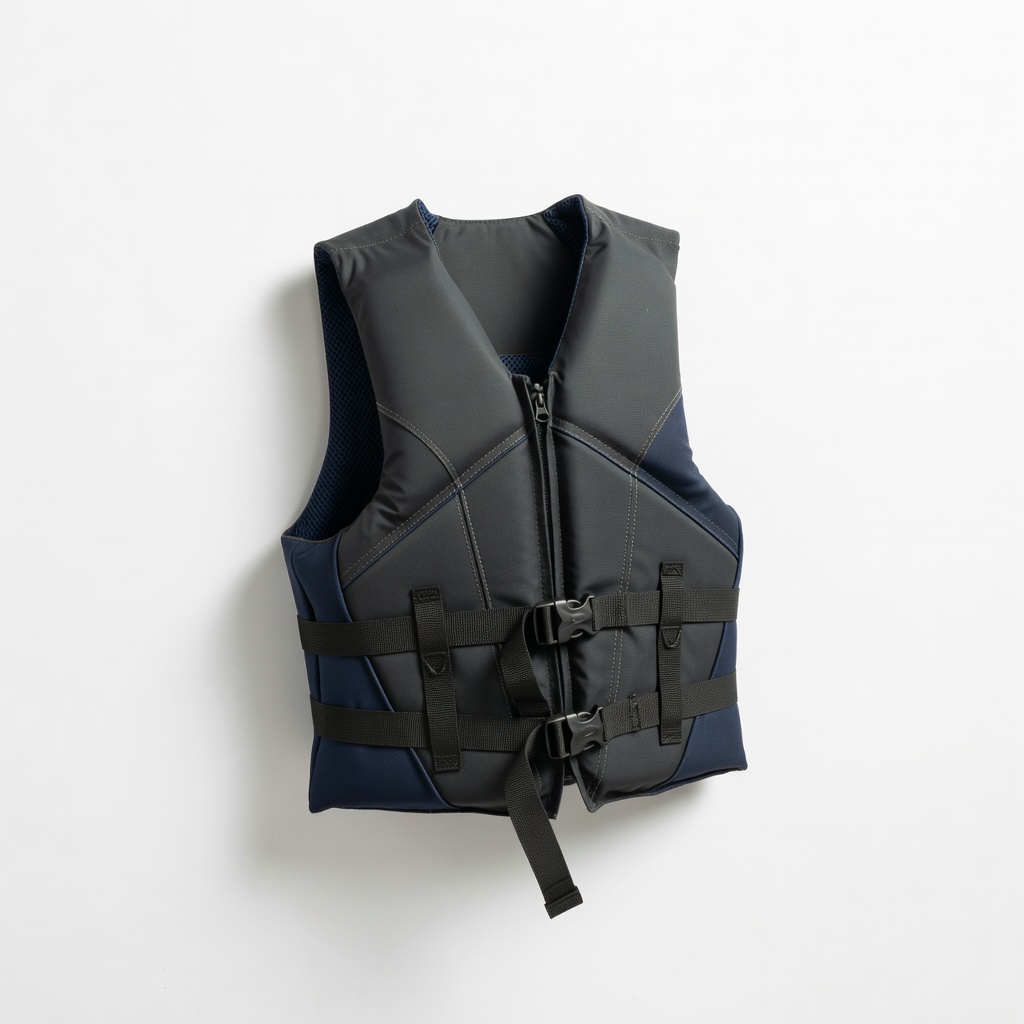
O'Brien Men's Fusion CGA Life Vest
⚠️ Essential
$59.99
When to buy:
Day one
Safety first - beginners fall constantly and need USCG-approved flotation. This vest is comfy, doesn't restrict movement for edging, and keeps you afloat effortlessly.
Ask: What's my weight/height? (Size 138-144 for 130-190lbs avg beginner.) Budget? Boat speed? Solo or lessons? Continuous rocker always for starters.
Under $250: Try it cheap, upgrade soon. $250-400: Sweet spot, grows with you 1-2 years. $400+: Serious commitment. Avoid if overweight/underweight for size or high-speed boats. Red flags: No size chart, 3-stage rocker, pro shapes, vague specs.
Test via rentals first if possible; buy used locally but new on Amazon for warranty.
💰 Budget Guide for Beginners
600+
Advanced entry - pro features for dedicated newbies, overkill for casual
250 - $400
Sweet spot - forgiving performance with growth room for first tricks, best for most beginners
400 - $600
Premium beginner - top durability and smooth ride, lasts 2+ years without upgrade
Under $ - $250
Entry level - basic continuous rocker to try the sport, may feel basic after 10 hours
⚠️ Common Beginner Mistakes to Avoid
Beginners grab cheapest Amazon board, then complain it's 'wobbly' because poor construction. Reviews show sizing errors cause 40% returns. Skipping bindings/vest leads to no-rides. Avoid by using weight charts, continuous rocker only, bundle accessories.
Experienced riders say rent first, but if buying, start mid-budget. Don't chase 'trick-ready' hype - focus forgiving.
×Buying too cheap (<$200) - flexes too much, unstable
×Wrong size by height not weight - unstable or slow
×Skipping bindings - can't ride without
×Choosing 3-stage rocker - too aggressive, frustrating
×Ignoring boat speed compatibility - won't plane
×No life vest/rope - unsafe and can't start
×Buying pro boards - steep curve, overwhelming
📈 Your Progression Path: Beginner to Intermediate
First: Deep water starts, straight riding (5-10 sessions). Then toeside/heelside edges, surface passes. Outgrow beginner board when butter slides and 180s easy (6-12 months weekly).
Upgrade to hybrid rocker/bindings first. Intermediate: Removable fins, stiffer flex. Practice progression: Lessons > solo > tricks. Most stay beginner 3-6 months.
📖Online Course Bundle (Amazon): ASIN B0A5B6C7D8 - Video series
🎯 Bottom Line: Our Recommendations
Best overall: Ronix District (B08E0F1G2H) - perfect balance for most. Budget: Liquid Force Trip. Premium: Ronix Vision. Grab life vest, bindings, rope day one.
You're ready - start simple, fall often, progress fast. Rent once, buy confident. Hit the water!
❓ Frequently Asked Questions
Ronix District (continuous rocker, forgiving) for most; Liquid Force Trip for budget.
$250-400 sweet spot for quality that grows with you; avoid under $200.