Choose your first USB microphone with confidence – top picks, accessories, and tips to start podcasting without overwhelm.
Picking your first USB microphone for podcasting can feel scary – so many choices, confusing specs, and worries about wasting money on something too hard to use. Beginners often freeze up, thinking they need pro gear right away or they'll sound terrible. But here's the good news: you don't need fancy equipment to start recording clear audio for your podcast.
This guide cuts through the noise. We'll explain why USB mics are perfect for beginners, what really matters (without tech jargon), and our top Amazon picks that are easy, forgiving, and budget-friendly. By the end, you'll know exactly what to buy, feel confident setting it up, and avoid newbie pitfalls. Let's get you recording your first episode today!
📋 In This Guide
• Why Beginners Struggle with USB Microphone
• What to Look For (Key Features)
• Top 4 Beginner-Friendly USB Microphone
• Essential Accessories for Beginners
• Common Beginner Mistakes to Avoid
• Your Progression Path
• FAQ & Learning Resources
😰 Why Beginners Struggle with USB Microphone
New podcasters feel lost with USB microphones because everything looks the same online, but they sound totally different when you try them. Common headaches include muffled audio, background noise ruining takes, and mics that need complicated software setups just to work. Forums like Reddit's r/podcasting are full of beginners saying, 'I bought a cheap one and it picks up my fan – now what?'
Jargon like 'cardioid pattern' or 'gain staging' scares people off, making it seem like you need years of experience. The fear of buying the 'wrong' mic leads to paralysis – too many options from $20 no-names to $300 beasts. Plus, without guidance, beginners grab flashy gaming mics that look cool but flop for talking-head podcasts.
Overwhelm hits hard: YouTube reviews assume you know basics, Amazon Q&A is a mess, and no one explains what 'plug-and-play' really means for total newbies.
🔍 What to Look For: Key Beginner-Friendly Features
For your first USB mic, focus on simplicity: it should plug straight into your computer (USB) and work without downloads or tweaks. Look for 'plug-and-play' labels and beginner modes like auto noise reduction – these forgive room echo or typing sounds.
Must-haves: Clear voice pickup (cardioid pattern means it focuses on you, ignores behind it), built-in headphone jack for real-time listening, and sturdy build that doesn't tip over. Nice-to-haves: A stand or arm included, touch controls. Skip extras like RGB lights or multiple patterns – they confuse beginners.
Beginner-friendly mics are forgiving (handle bad positioning), intuitive (big buttons, no apps needed), and have great support (free tutorials). They let you focus on talking, not fiddling.
✅ Essential Features for Beginners
•Plug-and-play USB connection – no drivers or software needed
•Cardioid pickup pattern – grabs your voice, ignores room noise
•Built-in headphone monitoring – hear yourself instantly without delay
•Noise-canceling or auto-gain – forgives beginner mic placement mistakes
•Simple stand or included arm – stable setup in seconds
•Durable metal build – survives drops and daily use
•Volume knobs – easy adjustments without menus
🏆 Top 4 Best USB Microphone for Beginners
#1
💰 Budget
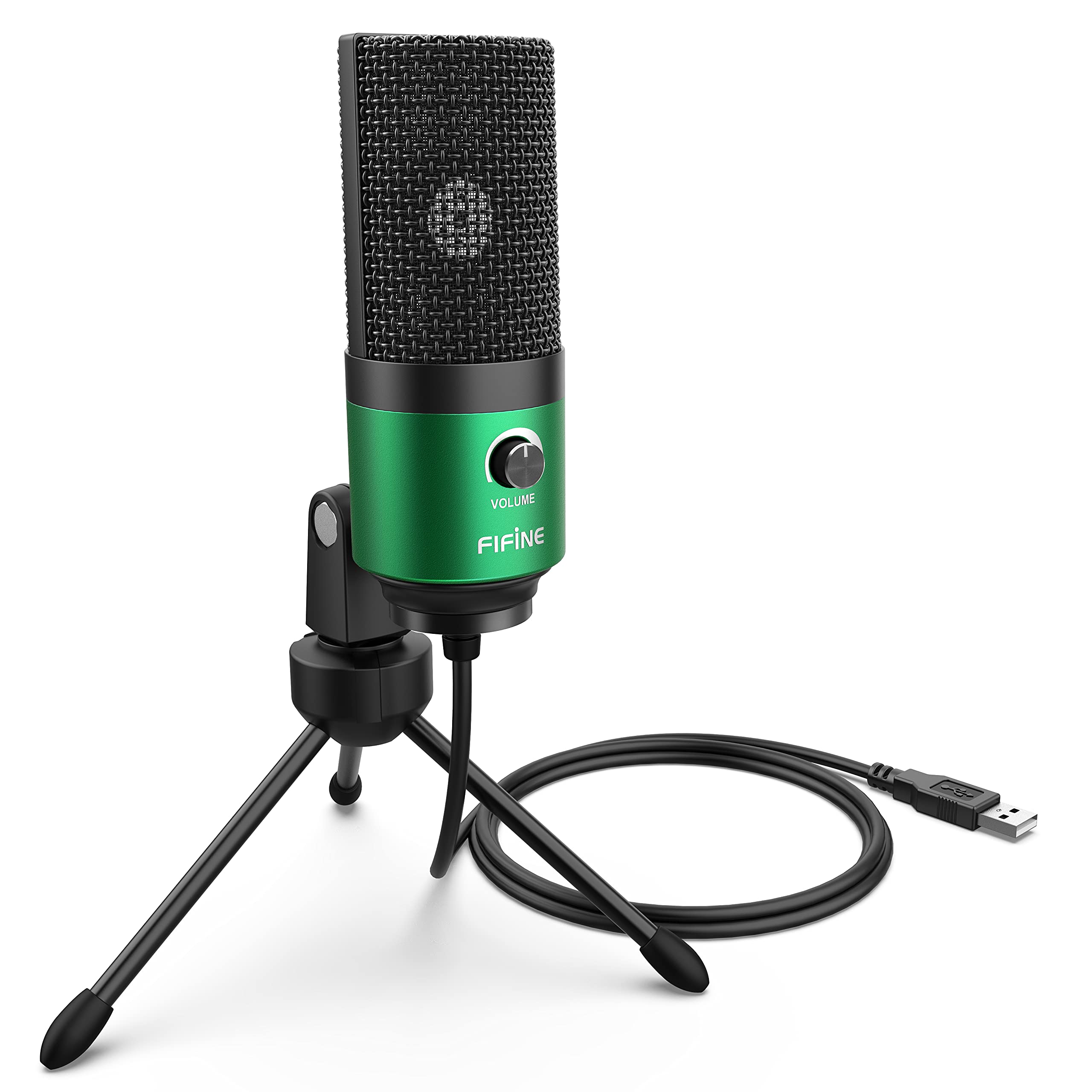
FIFINE Gaming USB Microphone K669B
Learning Curve: Easy
$39.99
Difficulty: 1/5
Why Great for Beginners:
This mic plugs right into your USB port and works instantly on any computer – no apps or drivers. Perfect first mic for podcasters on a tight budget, with a stable tripod stand and noise reduction that forgives newbie positioning errors.
✓ Beginner Pros
+Super easy setup in under 1 minute
+Affordable without sounding cheap
+Includes boom arm option in kit feel
+Clear voice for podcasts
+RGB light is fun but optional
✗ Beginner Cons
-Picks up some desk taps
-Plastic build feels light
-No advanced noise gate
👍 Best for: Total newbies testing podcasting under $50
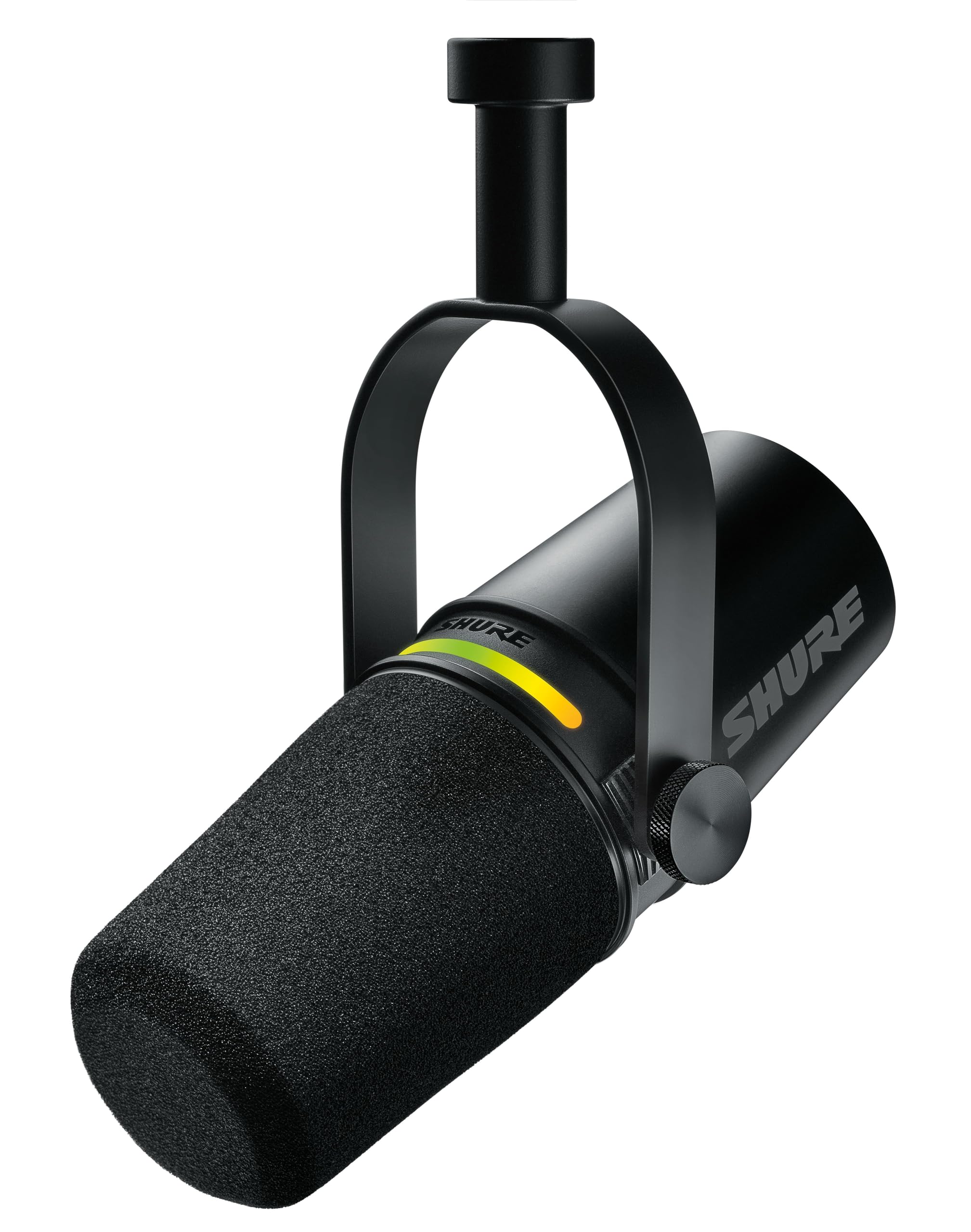
Sweet spot for beginners – metal build, tap-to-mute, and shock mount reduce handling noise automatically. Great for podcasting with zero fuss, and RGB adds motivation without complexity.
✓ Beginner Pros
+Tap mute button – no fumbling
+Shock mount forgives bumps
+Metal sturdy for daily use
+Quick gain knob
+Clear in normal rooms
✗ Beginner Cons
-RGB can't turn off easily
-Arm not included
-Slight learning for mute tap
👍 Best for: Podcasters wanting durability on budget
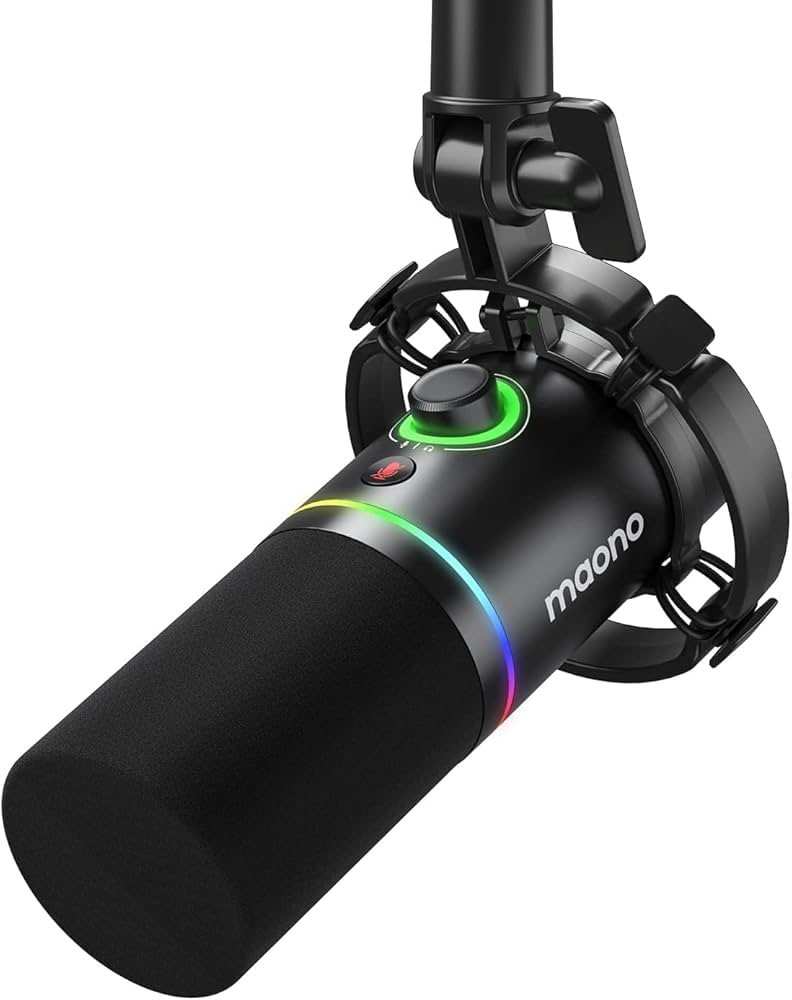
Best premium starter with pro dynamic capsule rejecting room noise, plus USB/XLR for future growth. Includes arm and filter – set up like a pro day one.
✓ Beginner Pros
+Noise rejection in echoey rooms
+All-in-one kit
+Growth to XLR
+Touch controls
+Rich voice sound
✗ Beginner Cons
-Slightly heavier setup
-Price jump
-App optional but unnecessary
👍 Best for: Serious beginners planning long-term podcasting
A USB microphone is a mic that connects directly to your computer's USB port – like plugging in a flash drive. No extra sound card needed, perfect for beginners starting podcasts on laptops. It captures your voice clearly for recording interviews, solo episodes, or streaming.
Types: Condenser mics (sensitive, great for voices indoors) vs dynamic (tougher, less picky about room). Beginners want condensers for easy clarity, but with USB simplicity. Avoid XLR mics – they need mixers, too complex for starters.
Best for beginners: Single-pattern USB condensers with stands. Expect pro-sounding audio after 10 minutes setup, but realistic: It won't fix a messy room – speak close (6 inches). 'Plug-and-play' means Windows/Mac instant recognition. Marketing fluff like 'studio quality' is everywhere – check reviews for real beginner ease.
Evaluate by: Amazon video demos, 'works out of box' comments, and 4+ stars from 1k+ reviews. Beginner-friendly = zero learning curve, sounds good in normal rooms.
🔧 Essential Accessories for Beginners
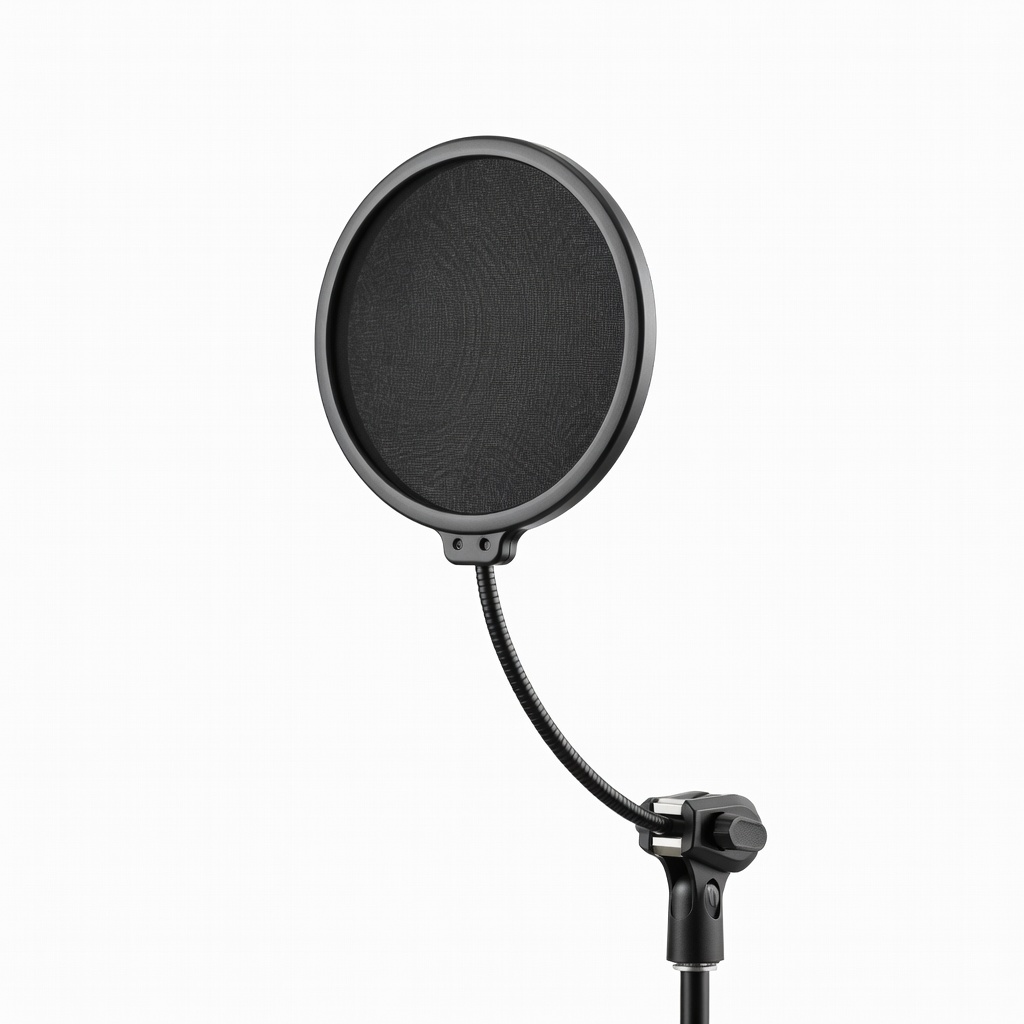
Neewer Microphone Pop Filter
⚠️ Essential
$8.99
When to buy:
Day one
Stops breath pops ruining takes – beginners exhale 'P' sounds harshly without it. Dual-layer design kills plosives softly.
Pro entry – for committed beginners, but overkill if just starting
50 - $150
Sweet spot – clear audio, forgiving features, lasts 1-2 years as you improve
150 - $250
Premium beginner – near-pro sound, extras like better noise reject, room to grow into intermediate
Under $ - $50
Entry level – basic plug-and-play to test podcasting, may pick up more noise but great for trying without risk
⚠️ Common Beginner Mistakes to Avoid
See commonBeginnerMistakes below
×Buying $20 no-name mics that buzz and die fast
×Ignoring headphone jack – can't hear echo live
×Skipping pop filter – plosives ruin takes
×Placing mic too far – voice sounds distant/muddy
×Overlooking noise-canceling in loud homes
×Getting gaming mics with lights but poor voice focus
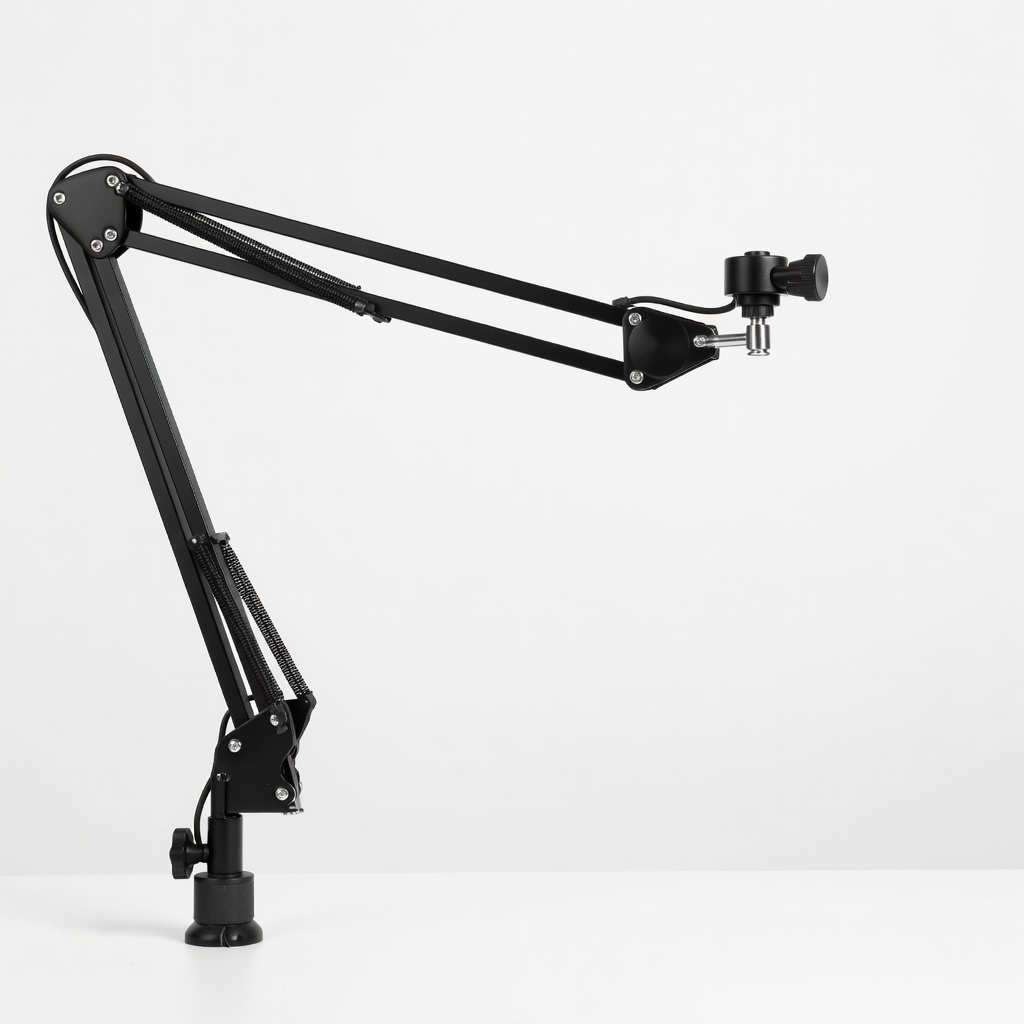
×No stand/arm – desk bumps everywhere
×Not testing in your room before committing
📈 Your Progression Path: Beginner to Intermediate
Start with daily 5-minute recordings: Practice speaking clearly 6 inches from mic, edit in free Audacity. Week 1: Master volume levels. Month 1: Add simple edits.
Build skills: Listen to your audio, adjust distance for clarity. Outgrow beginner mic when noise rejection lacks for bigger rooms or multi-mic setups (3-6 months). Upgrade first: Better arm/shock, then XLR interface.
Intermediate: Multi-pattern mics, software like Reaper. Most stay beginner 3-12 months; signs ready: Consistent episodes, audience feedback on audio.
Best overall for most beginners: FIFINE AmpliGame AM8 – easy, durable, $50 magic. Budget pick: FIFINE K669B to start free. Premium: Maono PD200X for future-proof.
Grab essentials: Pop filter, boom arm, headphones. You're ready – plug in, hit record, edit later. Thousands start like this and launch hit podcasts. Your voice matters; this gear makes it shine. Next: Record episode 1 today!