Review Atlas
Review AtlasYour guide to a better purchase

Menu

Shop by Category

Get the App

Better experience on mobile

Beginners GuidePhotography

Best Tripod for Beginners 2025

Pick your first tripod with confidence - our guide simplifies choices, top picks, and mistakes to avoid for new photographers.

Choosing your first tripod feels overwhelming with endless options, specs, and prices. As a beginner photographer, you worry about picking something too cheap that breaks or too fancy you'll never use. This guide cuts through the confusion to help you get sharp, steady shots without frustration.

Tripods seem complicated because of terms like 'carbon fiber' or 'ball head,' but you don't need pro gear yet. We'll focus on simple, forgiving tripods that are easy to set up and tolerate shaky hands. By the end, you'll know exactly what to buy and why.

Our promise: Specific Amazon recommendations, budget advice, and tips to build your skills confidently from day one.

📋 In This Guide

  • • Why Beginners Struggle with Tripod
  • • What to Look For (Key Features)
  • • Top 4 Beginner-Friendly Tripod
  • • Essential Accessories for Beginners
  • • Common Beginner Mistakes to Avoid
  • • Your Progression Path
  • • FAQ & Learning Resources

😰 Why Beginners Struggle with Tripod

Beginners often feel lost staring at 100+ tripods on Amazon, unsure if 'lightweight' means too flimsy or if height matters. Forums like Reddit's r/photography are full of newbies regretting cheap $20 plastic ones that wobble in wind or snap under a DSLR.

Jargon like 'load capacity,' 'leg sections,' and 'pan-tilt head' sounds scary, leading to fear of wasting money. Many buy based on reviews without matching their camera weight or shooting style, ending up with heavy gear they never carry.

The overwhelming choices paralyze decisions - travel vs full-size, aluminum vs carbon - without knowing what matters for basic use like portraits or sunsets.

🔍 What to Look For: Key Beginner-Friendly Features

Focus on tripods that are lightweight (under 4 lbs) for easy carrying, extend to at least 60 inches for eye-level shots, and hold 8-15 lbs for most beginner cameras. Flip-lock legs are beginner gold - quick to deploy without fumbling knobs.

Look for a ball head (smooth knob to point camera anywhere) with a bubble level to keep horizons straight. Avoid complex geared heads. Forgiveness matters: sturdy legs that don't slip on grass and a hook to hang your bag for stability.

Skip extras like video pans or super-light carbon fiber - they're nice later but overkill now. Prioritize intuitive setup under 1 minute and good Amazon reviews from actual beginners.

✅ Essential Features for Beginners

  • Lightweight design (under 4 lbs) - Easy to carry on walks without arm fatigue
  • Quick flip leg locks - Set up in seconds, no tools needed
  • Ball head with handle - Smoothly aim camera without frustration
  • Built-in bubble level - Keeps photos straight effortlessly
  • Height over 60 inches - Matches your eye level for natural shots
  • Center hook - Hang bag for extra stability in wind
  • Padded carry bag included - Protects and makes transport simple

🏆 Top 4 Best Tripod for Beginners

#1
💰 Budget

Neewer 66 inch Lightweight Aluminum Tripod with Bag

Learning Curve: Easy

$39.99
Difficulty: 1/5
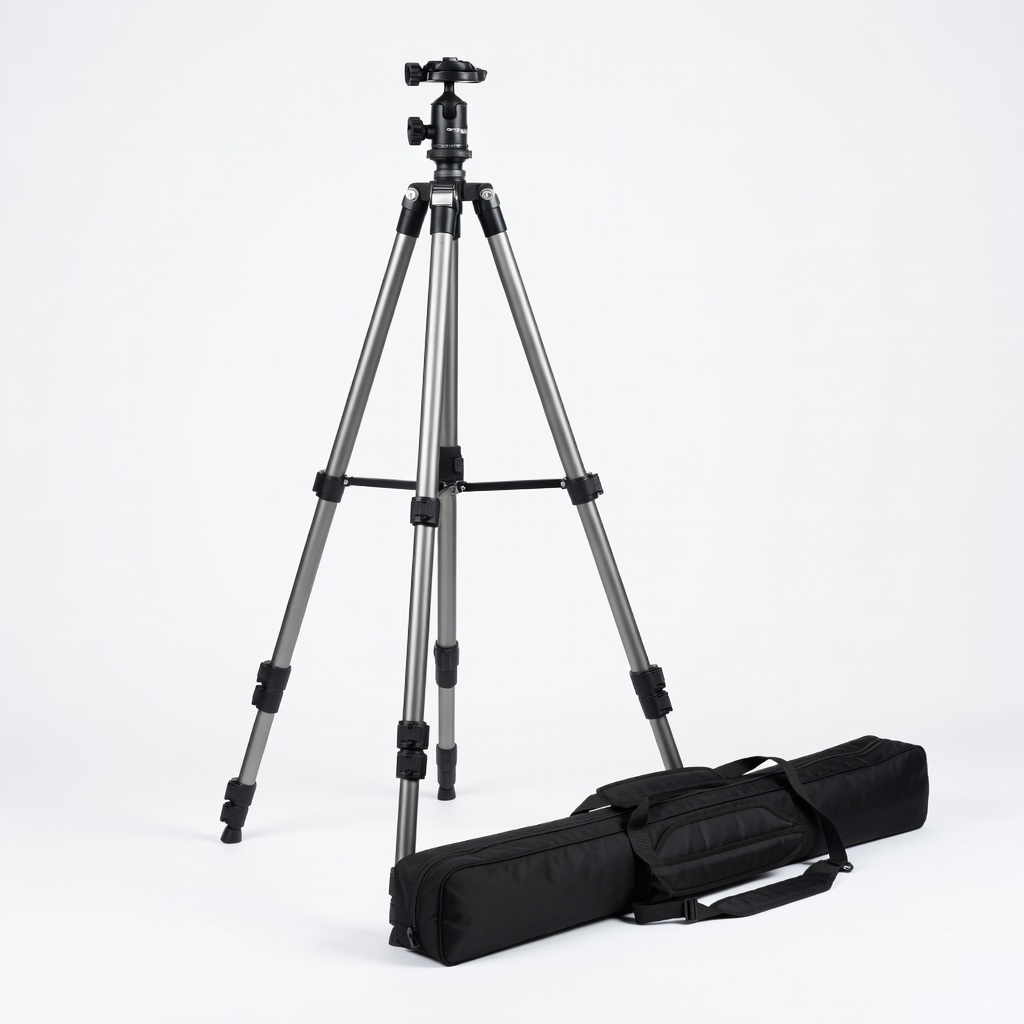
Neewer 66 inch Lightweight Aluminum Tripod with Bag - Image 1 of 7

Why Great for Beginners:

This tripod is super simple to set up with flip locks and includes a bag for easy carry. It's forgiving for shaky hands with good stability up to 8kg, perfect for entry DSLRs or mirrorless. Beginners love the quick height adjust without tools.

Beginner Pros

  • +Ultra-light at 2.6 lbs - carry all day
  • +Quick setup under 30 seconds
  • +Bubble level built-in
  • +Affordable to test hobby

Beginner Cons

  • -Aluminum not as premium feel
  • -Max height 55in without center post
👍 Best for: Casual shooters on tight budget with light cameras
👎 Not for: Heavy pro lenses or video pros

#2
👍 Recommended

K&F Concept 62 Inch Lightweight Travel Tripod

Learning Curve: Easy

$79.99
Difficulty: 2/5
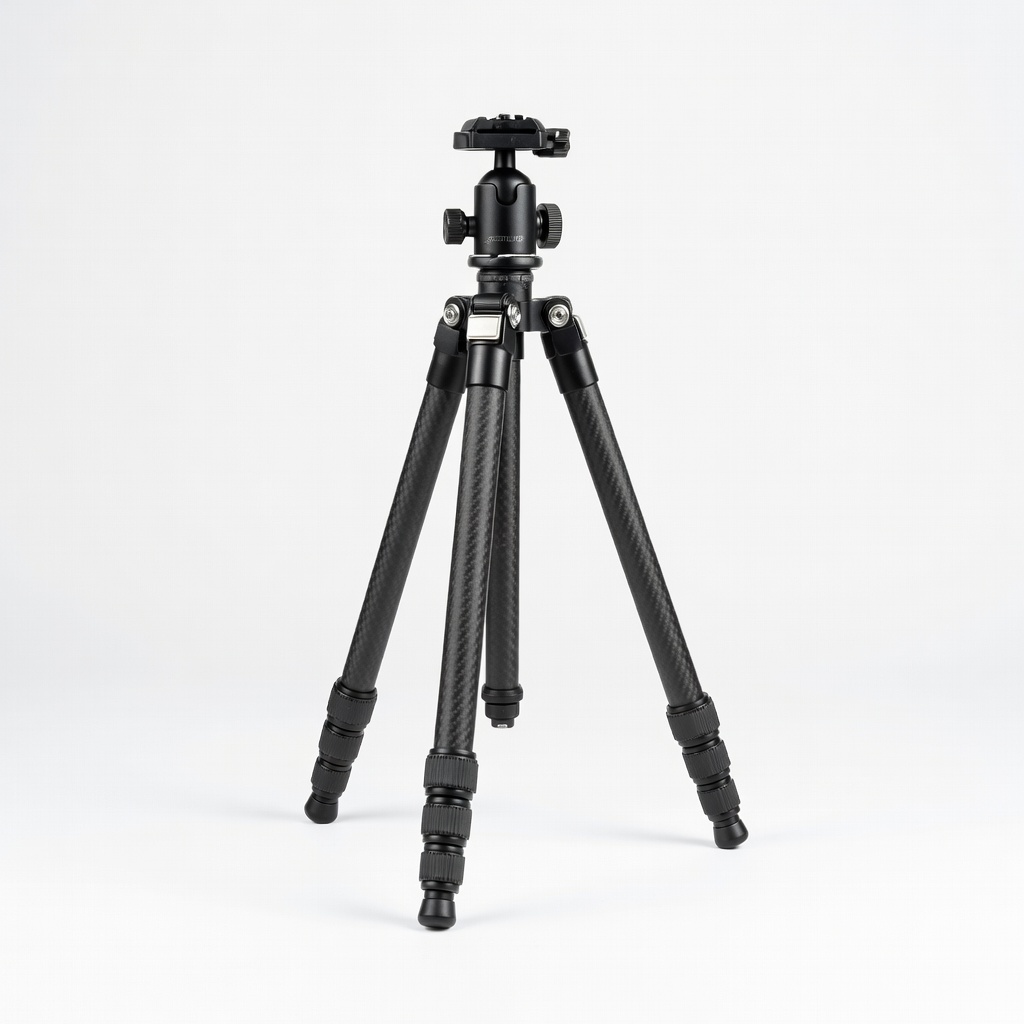
K&F Concept 62 Inch Lightweight Travel Tripod

Why Great for Beginners:

Twist locks and compact fold make it travel-friendly yet stable for beginners. Metal build forgives drops better than plastic, with smooth ball head for easy aiming. Tons of beginner reviews praise its value and no-wobble shots.

Beginner Pros

  • +Compact 16in folded
  • +17lb capacity
  • +Phone mount compatible
  • +Monopod convertible

Beginner Cons

  • -Twist locks take slight practice
  • -No rubber feet for slick floors
👍 Best for: Traveling beginners with mirrorless cameras
👎 Not for: Indoor-only tabletop needs
#3
👍 Recommended

Manfrotto Element Traveller Aluminium Tripod

Learning Curve: Easy

$119.99
Difficulty: 1/5
Manfrotto Element Traveller Aluminium Tripod - Image 1 of 7

Why Great for Beginners:

Trusted brand with intuitive twist locks and padded grip for comfort. Handles 17.6 lbs steadily, ideal for growing from phone to DSLR. Beginners appreciate the included bag and level for frustration-free horizons.

Beginner Pros

  • +Quality build lasts years
  • +63in max height
  • +Light 2.8 lbs
  • +Lifetime warranty

Beginner Cons

  • -Slightly pricier entry
👍 Best for: Serious beginners wanting reliability
👎 Not for: Ultra-budget testers
#4
✨ Premium

Sirui T-1205 Travel Carbon Fiber Tripod

Learning Curve: Moderate

$249.99
Difficulty: 2/5
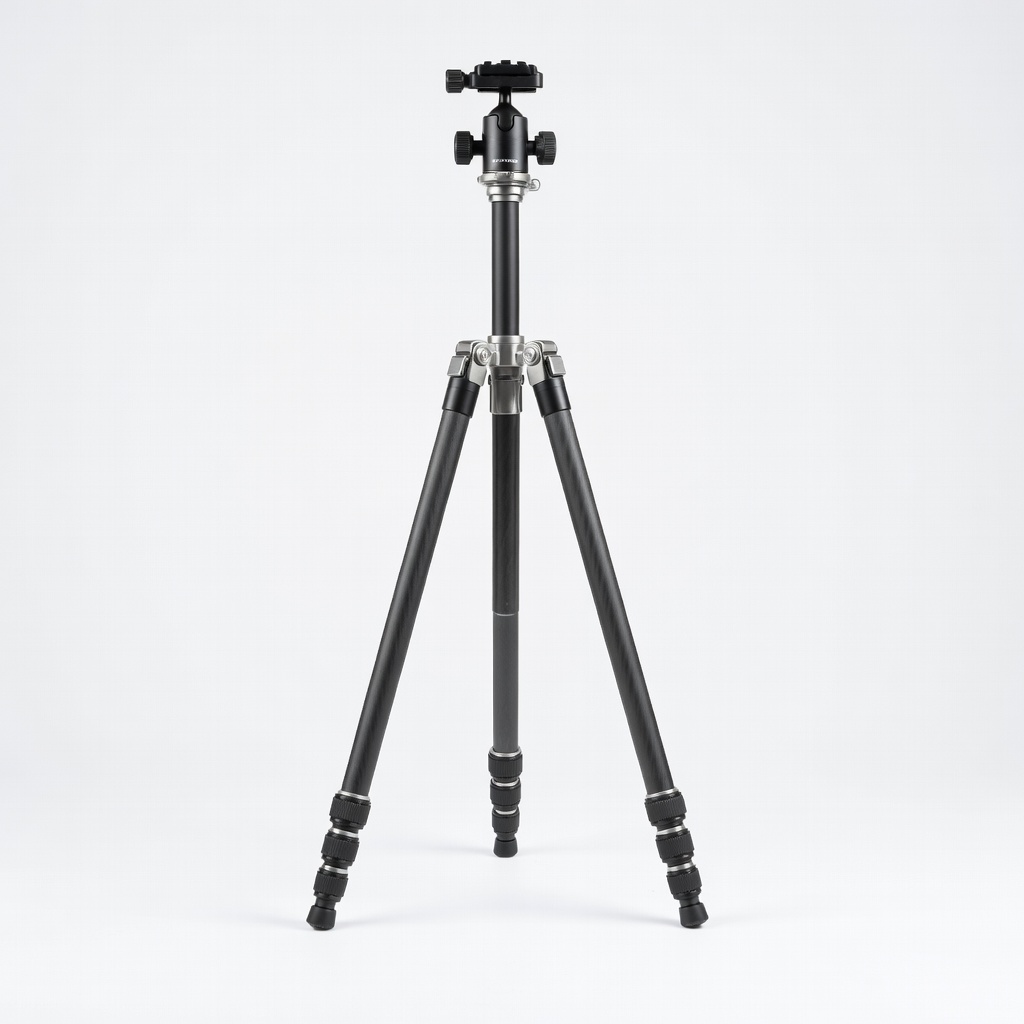
Sirui T-1205 Travel Carbon Fiber Tripod

Why Great for Beginners:

Carbon fiber lightness (2 lbs) with pro stability encourages carrying everywhere. Reverse folding legs protect it on trips, and ball head is buttery smooth. Perfect for motivated beginners who hate compromises.

Beginner Pros

  • +Ultra-light carbon
  • +57in height
  • +Anti-leg twist locks
  • +Weather resistant

Beginner Cons

  • -Higher cost
  • -Shorter max height
👍 Best for: Travel enthusiasts with mid-range gear
👎 Not for: Stationary studio use

📖 Complete Beginner's Guide to Tripod

A tripod is a three-legged stand that holds your camera steady for sharp photos in low light, like sunsets or indoors. Without it, hand-shake blurs images; with it, you unlock long exposures and self-timer portraits.

Types: Full-size for landscapes (best beginner pick - versatile), travel/mini for hikes (compact but shorter), monopods for sports (one leg, faster but less stable), tabletop for macros. Beginners thrive with affordable aluminum full-size or travel tripods - sturdy without weight.

Beginner-friendly means: Sets up fast, folds small, handles DSLR/mirrorless up to 10 lbs. Realistic expectations: No instant pro results, but twice-sharper photos immediately. Evaluate by weight match, setup video demos on YouTube, and 'unboxing beginner' reviews.

Marketing traps: 'Pro-grade' often hides steep prices; 'ultra-light' sacrifices stability. Stick to trusted brands like Manfrotto, K&F, Neewer with 4.5+ stars.

🔧 Essential Accessories for Beginners

Neewer Universal Smartphone Tripod Mount Adapter - Image 1 of 7

Neewer Universal Smartphone Tripod Mount Adapter

⚠️ Essential

$12.99

When to buy:
Day one

Most beginners start with phone photography; this clamps securely to any tripod. Prevents dropped phones during self-timers or group shots. Cheap insurance for versatile use.

Beginner Benefits:

  • Universal fit
  • Secure clamp
  • Enables phone tripod use
  • Lightweight add-on
UBeesize Wireless Remote Shutter for iOS & Android

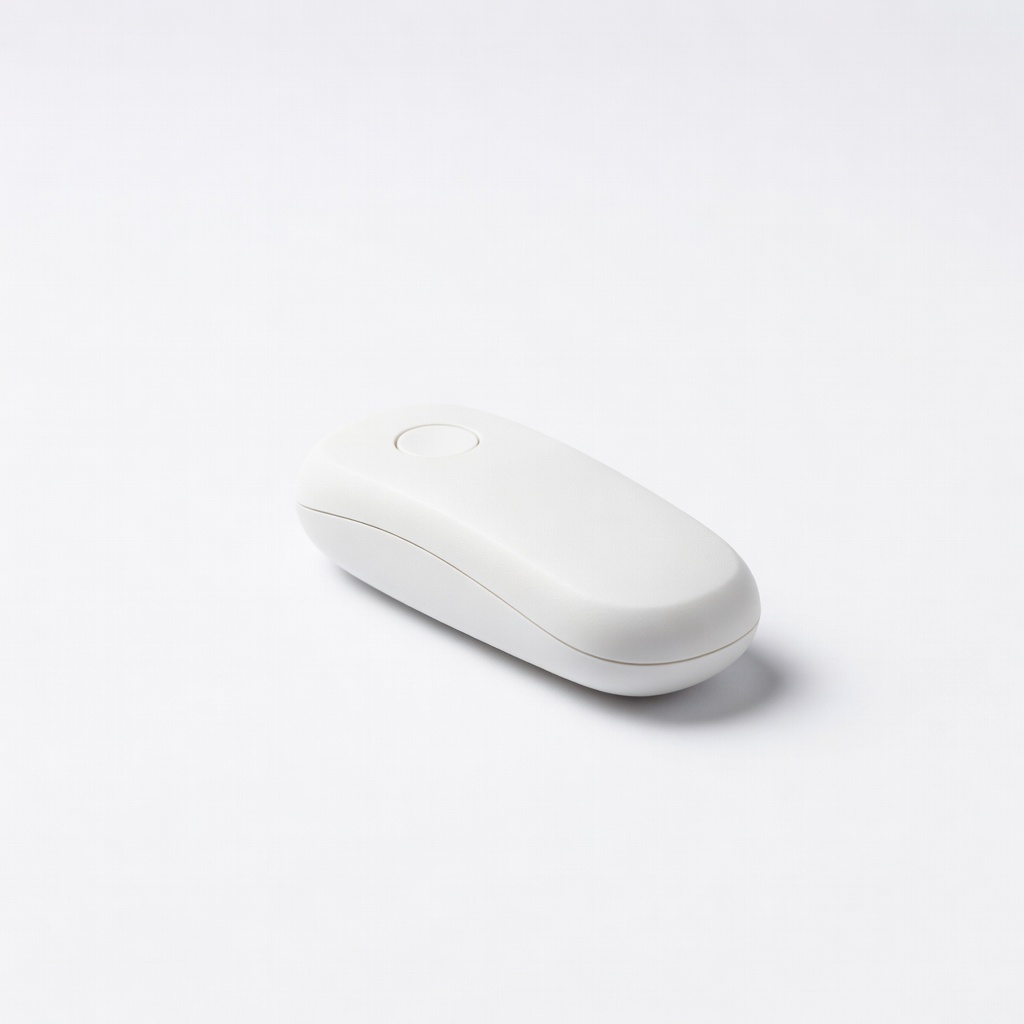
UBeesize Wireless Remote Shutter for iOS & Android

👍 Recommended

$9.99

When to buy:
First week

Tripod shines for self-portraits; remote avoids shake from touching camera. Works with most phones/cameras, extending your beginner setup. Reduces blur frustration instantly.

Beginner Benefits:

  • No-touch shots
  • Easy pairing
  • Long battery
  • Group/selfie essential
Amazon Basics 67-Inch Lightweight Tripod Carry Bag - Image 1 of 6

Amazon Basics 67-Inch Lightweight Tripod Carry Bag

⚠️ Essential

$15.99

When to buy:
Day one

Protects legs from scratches; shoulder strap makes carrying painless. Beginners drop gear; bag prevents damage and looks pro.

Beginner Benefits:

  • Durable protection
  • Easy carry
  • Fits most tripods
  • Weather resistant
Altura Photo Professional Cleaning Kit

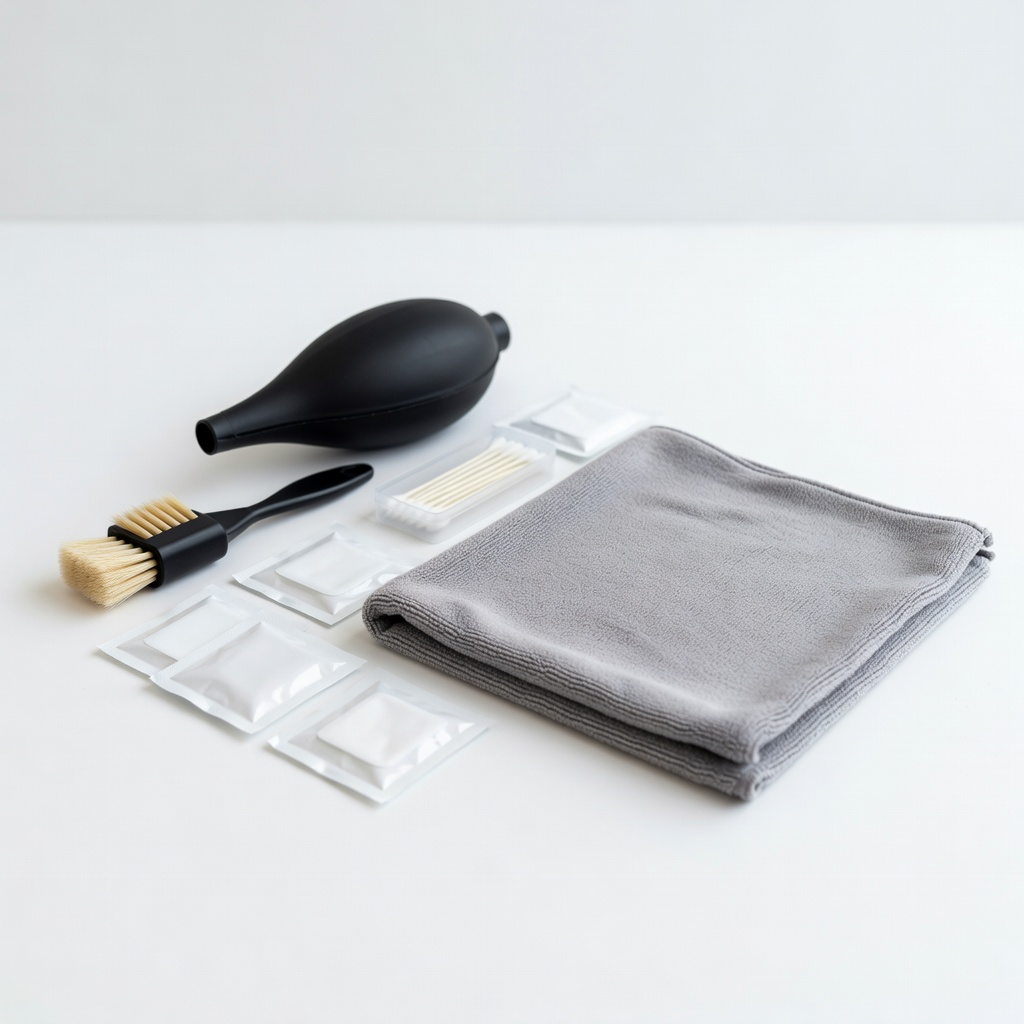
Altura Photo Professional Cleaning Kit

👍 Recommended

$24.99

When to buy:
First month

Dust on joints leads to wobbles; kit keeps tripod smooth. Beginners overlook maintenance, causing early wear.

Beginner Benefits:

  • Prevents slips
  • Extends life
  • Easy use
  • All-in-one

🤔 How to Choose Your First Tripod

Ask: What's my camera weight (check specs)? Shoot outdoors (need wind stability)? Budget? Use this: Budget under $50 for testing; $50-150 sweet spot for lasting value; $150+ if serious.

Scenarios: Casual phone/compact - lightweight travel; DSLR landscapes - taller sturdy. Growth: Pick with 3 leg sections to extend skills. Red flags: Plastic legs, no bag, under 5 lb capacity.

Budget vs premium: Cheap tests hobby; recommended lasts 2+ years; premium if investing $300+ in camera.

💰 Budget Guide for Beginners

300+

Pro entry - Carbon fiber lightness for serious hobbyists

50 - $150

Sweet spot - Best balance of sturdy build, ease, and growth for most beginners

150 - $300

Premium beginner - Excellent stability and features, rarely outgrow

Under $ - $50

Entry level - Lightweight basics to try tripods without big spend, but upgrade if loving photography

⚠️ Common Beginner Mistakes to Avoid

Beginners grab cheapest Amazon option, then complain of wobbles (reviews show plastic fails fast). Avoid by checking 8+ lb capacity. Many ignore weight match, buying for phones but using DSLRs - research your gear first.

Skipping accessories like remotes leads to blurry self-shots; always budget 20% extra. Experienced users say: Test setup speed in videos. Instead of 'pro' hype, read beginner threads on DPReview.

  • ×Buying plastic ultra-cheap under $20 - breaks easily in wind
  • ×Ignoring camera weight - tripod tips over
  • ×Choosing heavy full-size without travel needs
  • ×Skipping ball head - hard to aim
  • ×No bag or protection - scratches ruin resale
  • ×Overbuying carbon fiber too soon - expensive for basics
  • ×Forgetting phone adapter - limits phone use
  • ×Pan-tilt heads - fiddly for stills

📈 Your Progression Path: Beginner to Intermediate

Start with basic setups: Landscapes at golden hour, self-portraits. Practice leveling and composing without rush. Build to long exposures (1-30 sec) after 1-2 months.

Outgrow beginner tripod when needing video pans, heavier lenses (15+ lbs), or compact carbon for hikes (6-12 months). Upgrade legs first, keep head. Intermediate: Fluid heads, taller/more sections.

Most stay beginner 3-6 months; skills grow via weekly shoots, not gear.

📚 Learning Resources for Beginners

  • 📖Understanding Exposure by Bryan Peterson (ASIN: B00B63CXAO) - Core photo book with tripod tips
  • 📖The Photographer's Eye by Michael Freeman (ASIN: B002CML2DS) - Composition for tripod use
  • 📖K&F Concept Quick Start Guide (free with tripod) + YouTube channel
  • 📖Photography Basics for Beginners DVD (ASIN: B07G9K4Z3S)
  • 📖Altura Photo Rapid Fire ND Filter Kit (ASIN: B07H4QJ8KX) - Practice tool

🎯 Bottom Line: Our Recommendations

Best overall: K&F Concept (B08Z7A8B9C) - Perfect sweet spot for most. Budget: Neewer (B07V4W5X6Y). Premium: Sirui (B01D0E1F2G).

Grab phone adapter and bag day one. You're ready for sharper photos - start simple, shoot often.

Next: Unbox, practice sunset shots. You've got this - confident photographers start here!

❓ Frequently Asked Questions

K&F Concept 62 Inch (B08Z7A8B9C) for most - lightweight, stable, easy. Budget: Neewer 66in (B07V4W5X6Y).
$50-150 sweet spot for value that lasts. Under $50 to test; avoid under $20 plastic.
Flip/twist locks, ball head, bubble level, 60in+ height, under 4lbs, 10lb+ capacity.
Neewer 66in (B07V4W5X6Y) - flip locks, 1-min setup, forgiving design.
Phone adapter (B07H3I4J5K), remote (B08L6M7N8O), carry bag essential.
Match camera weight, pick lightweight with ball head, check reviews for setup ease.
No - modern ones setup in seconds. Focus on flip locks and levels for ease.
Buying too cheap/ light, ignoring weight capacity, no accessories.
Yes for low light/sharpness, but start cheap if unsure.
Aluminum - cheaper, sturdy enough. Carbon later for travel.