Discover the easiest mini trampolines to start your bouncing fitness journey with confidence and avoid costly mistakes.
Choosing your first mini trampoline can feel overwhelming with endless options, confusing sizes, and worries about safety or stability. As a beginner, you might fear picking something too bouncy, hard to assemble, or not fun for fitness. Don't worry—this guide cuts through the noise.
Mini trampolines (also called rebounders) are perfect for home workouts, offering low-impact cardio, lymph drainage, and fun bouncing without needing a backyard. We'll simplify everything so you can bounce confidently from day one.
This complete guide covers beginner struggles, key features, top Amazon picks, accessories, mistakes to avoid, and your growth path. By the end, you'll know exactly what to buy.
📋 In This Guide
• Why Beginners Struggle with Trampoline
• What to Look For (Key Features)
• Top 4 Beginner-Friendly Trampoline
• Essential Accessories for Beginners
• Common Beginner Mistakes to Avoid
• Your Progression Path
• FAQ & Learning Resources
😰 Why Beginners Struggle with Trampoline
Beginners often feel lost because mini trampolines come in confusing sizes (36-48 inches), with options for springs vs. bungees, handles or no handles, and foldable vs. fixed. Forums like Reddit's r/Rebounding show newbies frustrated by wobbly models, noisy springs hurting joints, or setups taking hours.
Fear of injury is huge—will it tip over? Is the bounce too high? Overwhelmed by 'weight capacity' or 'tension bands,' many grab the cheapest Amazon option, only to return it. Plus, not knowing if it's for fitness, kids, or yoga adds paralysis.
Without guidance, beginners waste money on unstable junk or skip essentials like handles, leading to frustration instead of fun workouts.
🔍 What to Look For: Key Beginner-Friendly Features
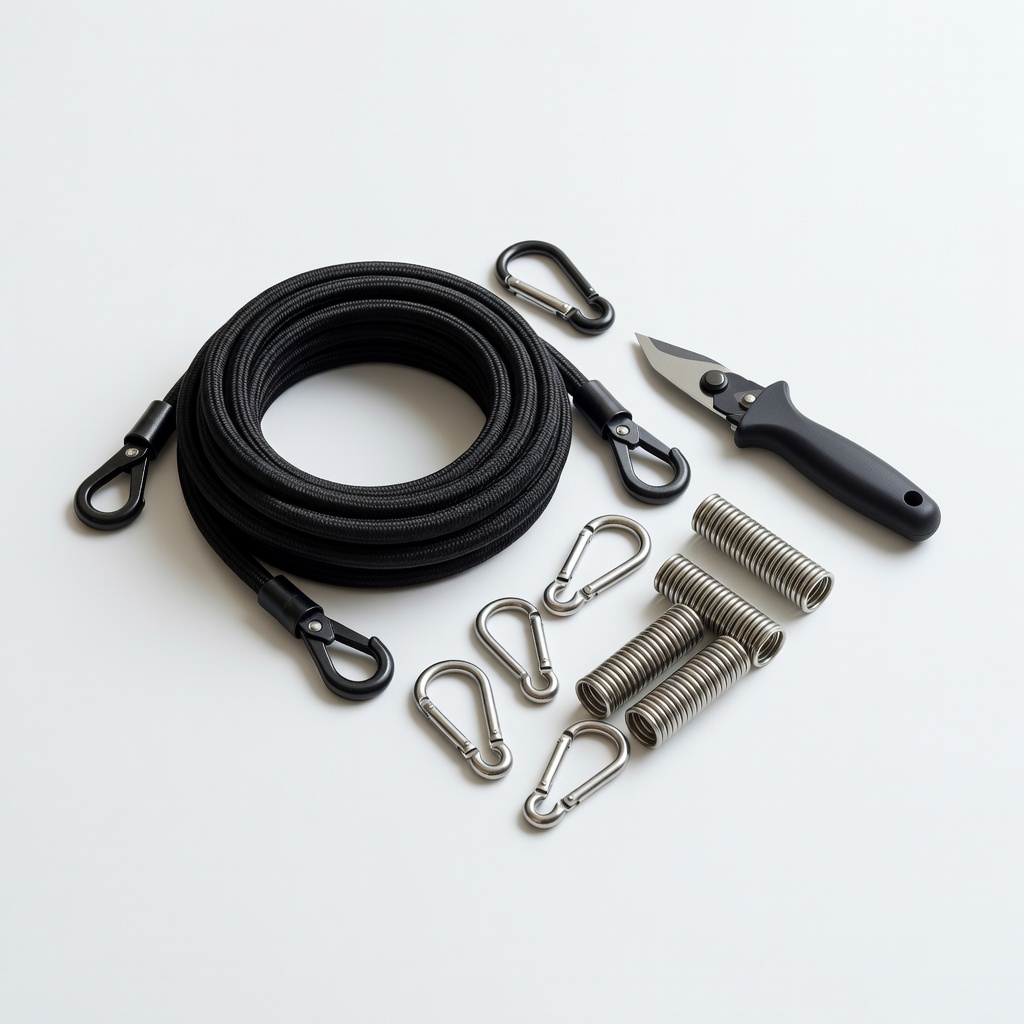
Focus on stability first: look for a sturdy steel frame with legs that don't splay out. Bungee cords (stretchy bands) are quieter and gentler on joints than metal springs—perfect for forgiving beginner bounces.
Must-haves: adjustable handle bar for balance (prevents falls), padded jumping mat, and weight limit 250lbs+. Nice-to-haves: foldable for storage, non-slip feet. Skip extras like LED lights or huge sizes—you don't need them yet.
Beginner-friendly means easy assembly (under 30 mins), intuitive setup, and room to grow skills without upgrading soon.
✅ Essential Features for Beginners
•Stable frame with wide legs for no-wobble bounces
•Bungee tension cords for quiet, joint-friendly rebound
•Adjustable handle bar for safe balance learning
•Padded, grippy mat to prevent slips
•Foldable design for easy storage
•High weight capacity (250lbs+) for all beginners
•Simple assembly with clear instructions
🏆 Top 4 Best Trampoline for Beginners
#1
💰 Budget
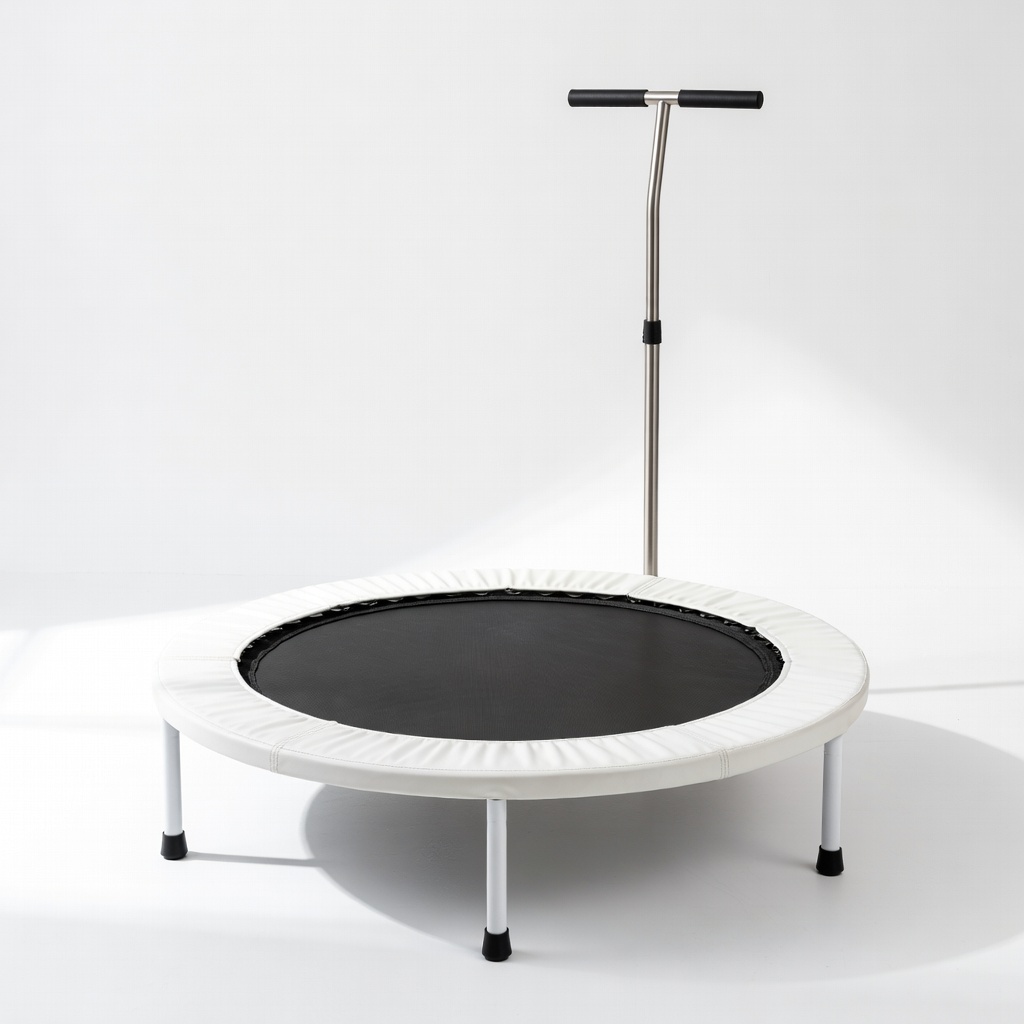
ZENOVA Fitness Trampoline with Adjustable Handle Bar, 40 Inch
Learning Curve: Easy
$129.99
Difficulty: 1/5
Why Great for Beginners:
This affordable rebounder has a stable frame and bungee cords for gentle, quiet bounces that forgive off-center jumps. Easy 10-min assembly builds confidence fast. Perfect entry without overwhelming features.
✓ Beginner Pros
+Super stable legs prevent tipping
+Handle bar adjusts for all heights
+Folds flat for small spaces
+Joint-friendly bungees
+Grippy mat for safety
✗ Beginner Cons
-Basic tension may feel soft later
-Mat thinner than premium
👍 Best for: Budget-conscious first-timers wanting handle support
👎 Not for: Heavier users over 250lbs or pros needing stiff bounce
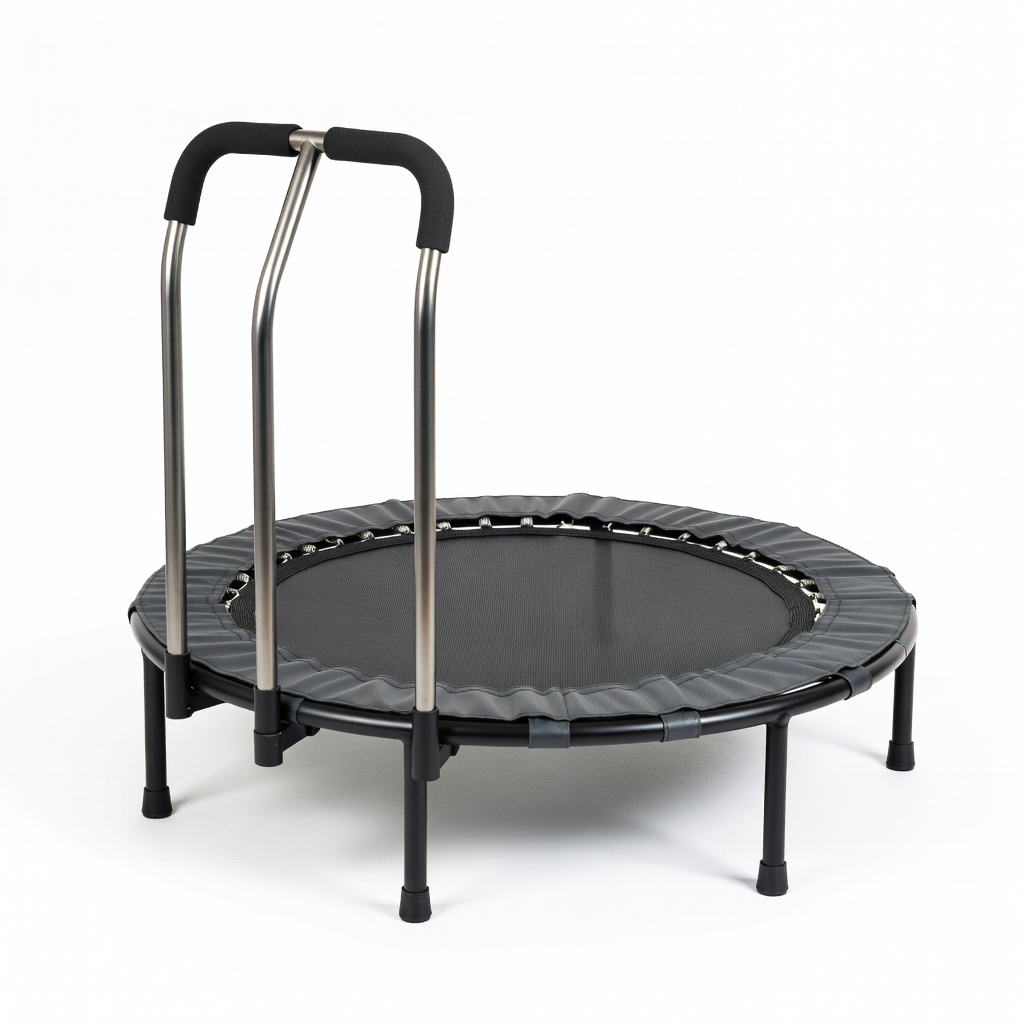
BCAN Foldable Mini Trampoline Fitness Rebounder 40"
Learning Curve: Easy
$159.99
Difficulty: 1/5
Why Great for Beginners:
Sweet spot value: Quiet bungees and rock-solid frame make learning balance fun, not frustrating. Quick setup and padded everything keeps beginners safe and motivated.
✓ Beginner Pros
+Whisper-quiet operation
+Extra wide legs for stability
+Comfortable padded handle
+Stores upright
+300lb capacity
✗ Beginner Cons
-Handle not removable
-Slightly heavier to fold
👍 Best for: Most beginners doing daily fitness routines
👎 Not for: Tiny apartments (takes more space unfolded)
Mini trampolines are compact 36-48 inch rebounders for indoor fitness bouncing, unlike big outdoor trampolines. Types: basic (no handle, cheap), fitness (with bar, bungees), pro (advanced tension). Beginners thrive on fitness types—stable, low-impact for cardio, core work, and fun.
Expect gentle bounces building to 10-20 min sessions; realistic results: better energy in weeks, not Olympic flips. Evaluate by reading reviews for 'easy setup' and 'stable.' 'Beginner-friendly' means forgiving (handles mistakes like off-center jumps) and intuitive (no tools needed).
Marketing traps: 'Pro-grade' often means stiff for experts; ignore. Prioritize user photos showing real stability.
🔧 Essential Accessories for Beginners
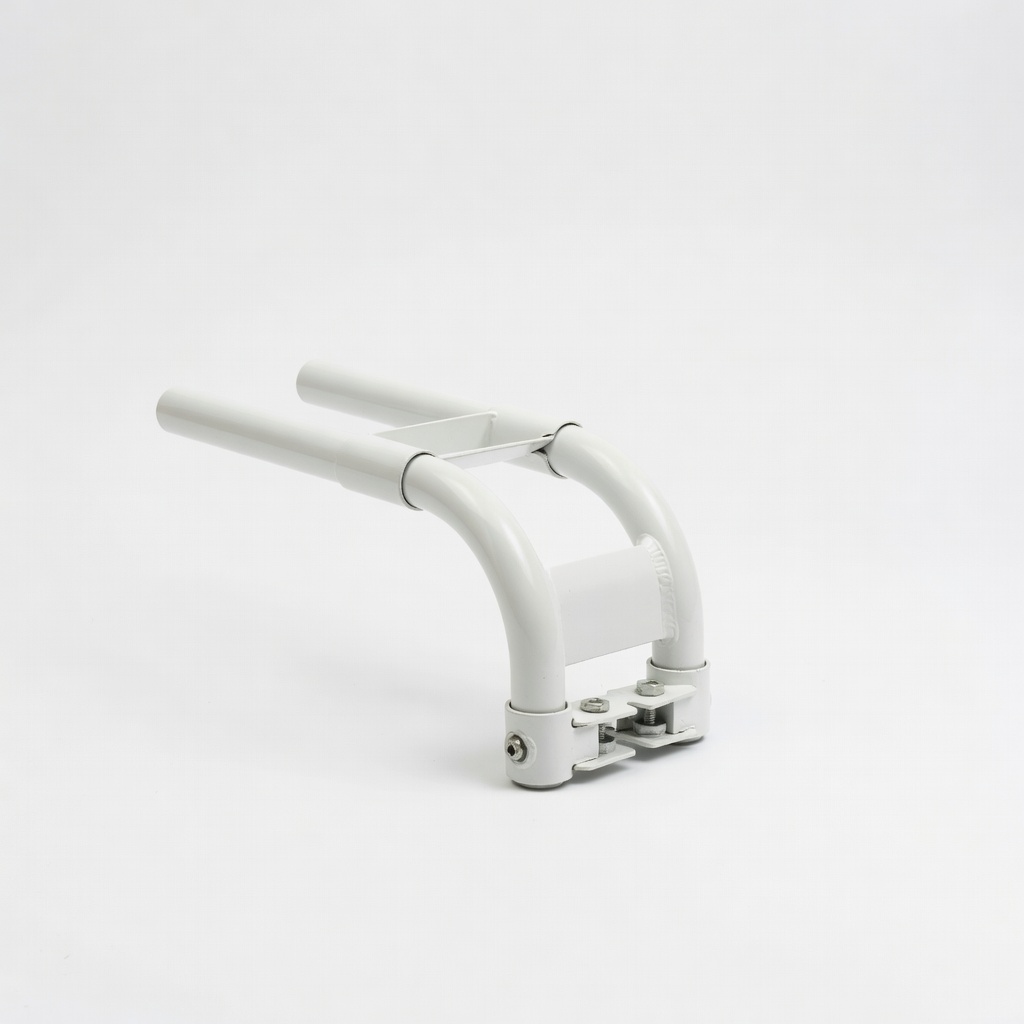
Trampoline Handle Bar Attachment (Universal)
⚠️ Essential
$39.99
When to buy:
Day one
Most newbies lack balance— this padded bar prevents falls during first bounces. Adjustable height fits everyone.
Ask: What's my space (under 50 sq ft? Foldable.)? Budget? Use (fitness only? Handle bar yes.) Goals (fun cardio? Basic ok; serious? Premium.)
Budgets: Under $100 for trial, $100-250 sweet spot (durable growth), $250+ premium (investing long-term). Go budget if testing, recommended for most (value), premium if investing long-term. Avoid no-handle if balance scares you; red flags: under 220lb capacity, spring-only (noisy), vague reviews.
Test growth: Pick one with bungees adjustable later.
💰 Budget Guide for Beginners
350+
Advanced entry: Custom tension, extras—for committed with space/budget.
100 - $200
Sweet spot: Sturdy fitness rebounder with handle, bungees—best value, lasts years, room to grow skills.
200 - $350
Premium beginner: Top stability, quiet pro bounce, foldable—serious starters won't outgrow quickly.
Under $ - $100
Entry level: Basic trial model, lightweight, may wobble or wear fast—good for 1-2 months testing.
⚠️ Common Beginner Mistakes to Avoid
Beginners chase 'cheap' but get wobbly frames that tip, per Amazon Q&A. Springs jar knees vs. gentle bungees. Skipping handles leads to quits.
Avoid: Read 100+ reviews for 'stable.' Buy handle-ready. Start small. Experienced rebounders say: invest in bungees/handle, save returns.
Instead: Use our picks—proven stable for newbies.
×Buying spring-based (noisy, harsh on joints)
×Skipping handle bar (falls and fear)
×Cheapest no-name brand (wobbles/breaks)
×Ignoring weight capacity (unsafe)
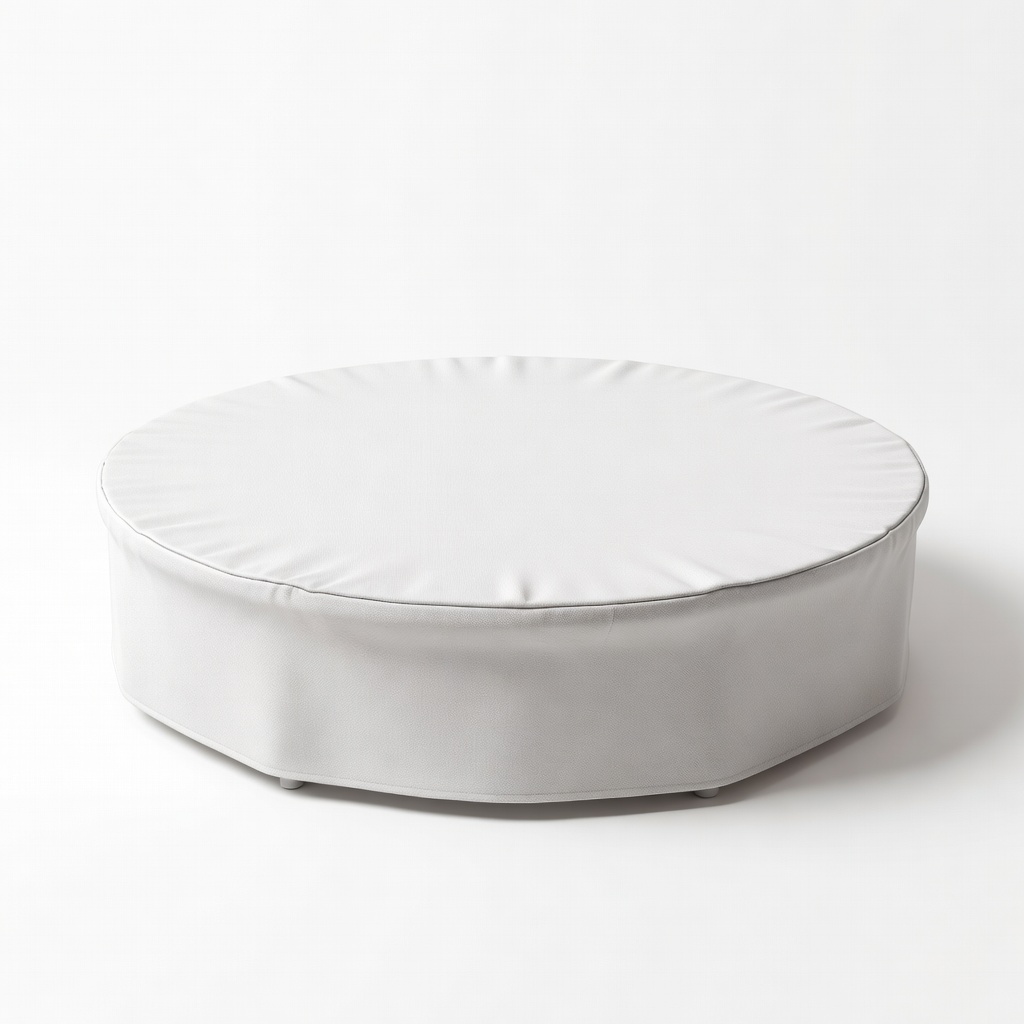
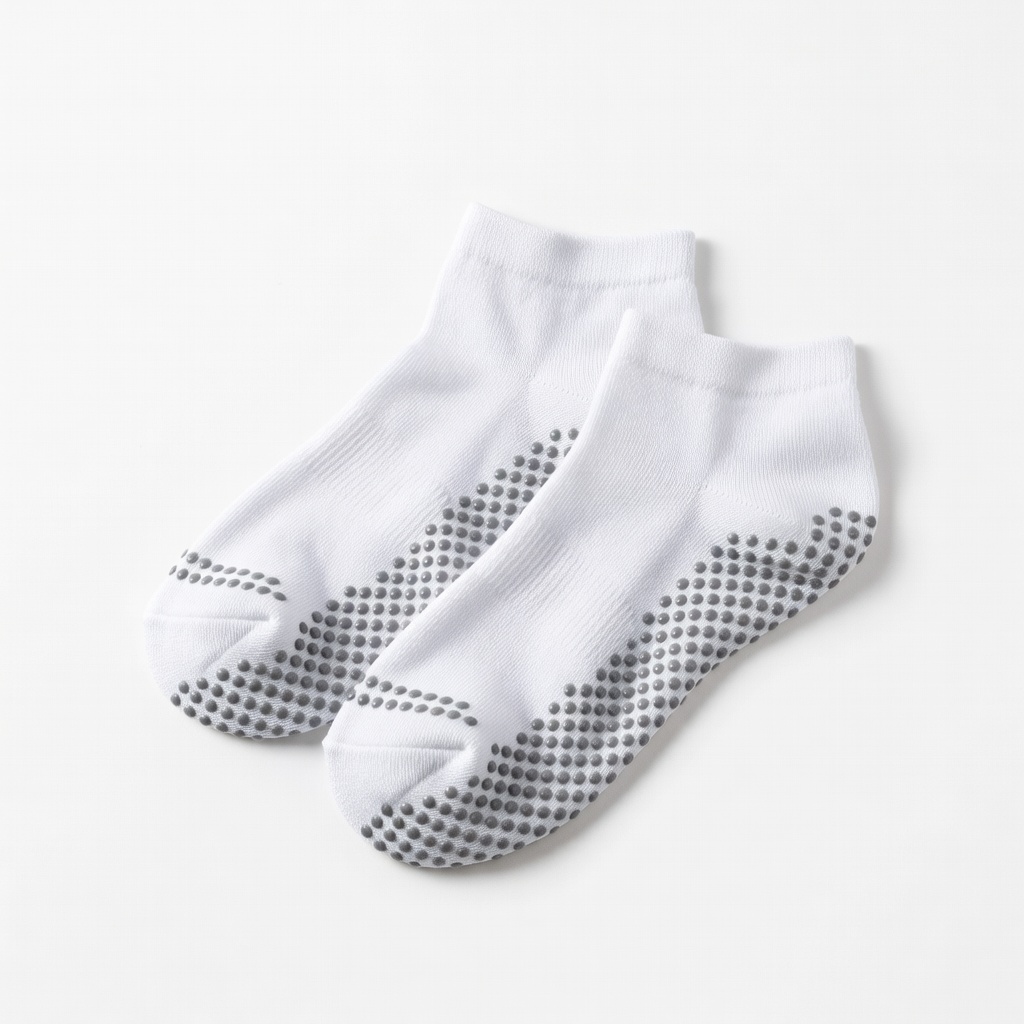
×Forgetting non-slip socks/cover (slips)
×Big outdoor trampoline for fitness (wrong type)
×Not checking space/foldability (storage issues)
×Overlooking assembly time/reviews
📈 Your Progression Path: Beginner to Intermediate
Start with 5-min bounces holding handle, focusing balance/core. Progress to marches, jumps (2-4 weeks). Add twists after month 1.
Outgrow beginner when doing 30-min routines confidently, wanting firmer bounce. Upgrade bungees/handle first (3-6 months). Intermediate: variable tension models, classes.
Most stay beginner 1-3 months; skills build fast with consistency.
📚 Learning Resources for Beginners
📖Rebounding: The Ultimate Guide to Cellular Exercise (Book, ASIN B08N5P3Q4R, $12.99)
📖Fitness Trampoline Workout DVD (ASIN B07H8J9K0L, $19.99)