Review Atlas
Review AtlasYour guide to a better purchase

Menu

Shop by Category

Get the App

Better experience on mobile

Beginners GuideTrail Running

Best Trail Running Shoes for Beginners 2025

Discover simple steps to pick your first trail running shoes that feel great on any path and build your confidence from day one.

Picking your first trail running shoes can feel scary with all the options and techy terms thrown around. As a beginner, you worry about slipping on mud, blisters from bad fit, or wasting money on something too advanced. But don't stress—this guide cuts through the noise to help you choose shoes that are comfy, grippy, and forgiving right away.

Trail running shoes are built for dirt paths, rocks, and roots—not smooth roads. Beginners often get overwhelmed by lugs, drop, stacks, and brands like Salomon or Hoka. This guide simplifies it all, focusing on what you truly need to start running trails safely and enjoyably.

By the end, you'll know exactly which shoes to buy, what to avoid, and how to feel like a pro from your first run. Let's get you trail-ready with confidence!

📋 In This Guide

  • • Why Beginners Struggle with Trail Running Shoes
  • • What to Look For (Key Features)
  • • Top 4 Beginner-Friendly Trail Running Shoes
  • • Essential Accessories for Beginners
  • • Common Beginner Mistakes to Avoid
  • • Your Progression Path
  • • FAQ & Learning Resources

😰 Why Beginners Struggle with Trail Running Shoes

Beginners dive into trail running excited but quickly hit roadblocks with shoes. Forums like Reddit's r/trailrunning are full of stories: 'Bought cheap sneakers, twisted my ankle on roots,' or 'Road shoes shredded on gravel.' The jargon—'5mm drop,' 'rock plate,' 'Vibram outsole'—sounds like rocket science and leaves you frozen.

Over 100 brands and thousands of models make Amazon searches endless. You fear buying the wrong pair: too tight (blisters galore), too stiff (sore feet), or no grip (dangerous slips). Plus, without knowing your foot shape or terrain, it's a gamble.

Many skip trying them on or ignore fit, leading to returns and frustration. This guide fixes that by focusing on forgiving, easy-to-wear shoes that tolerate rookie mistakes like poor lacing or uneven strides.

🔍 What to Look For: Key Beginner-Friendly Features

For beginners, prioritize grip that sticks to wet rocks without feeling clunky, cushioning that absorbs trail bumps like a soft pillow, and a breathable upper to keep feet cool and dry. Shoes should fit like gloves but with toe wiggle room—snug midfoot, roomy front for swelling.

Look for 'forgiving' designs: moderate cushion (20-30mm stack) that's plush yet responsive, and lugs (rubber nubs) 4-5mm deep for bite without dragging on pavement. Avoid super-minimalist zero-drop shoes unless you're ready for calf aches.

Beginner-friendly means lightweight (under 11oz per shoe), quick-drying materials, and good support without bulk. Check reviews for 'true to size' and 'great for newbies'—these tolerate wide feet, pronation, and learning curves.

✅ Essential Features for Beginners

  • Grippy outsole with 4-5mm lugs for mud and rocks without slipping
  • Moderate cushioning (20-30mm stack) that protects joints on uneven ground
  • Breathable mesh upper to prevent sweaty blisters
  • Rock plate for underfoot protection from sharp stones
  • Wide toe box for natural foot splay and swelling
  • Lightweight design (9-11oz) for easy movement
  • Quick-lace system for secure, fast fit

🏆 Top 4 Best Trail Running Shoes for Beginners

#1
💰 Budget

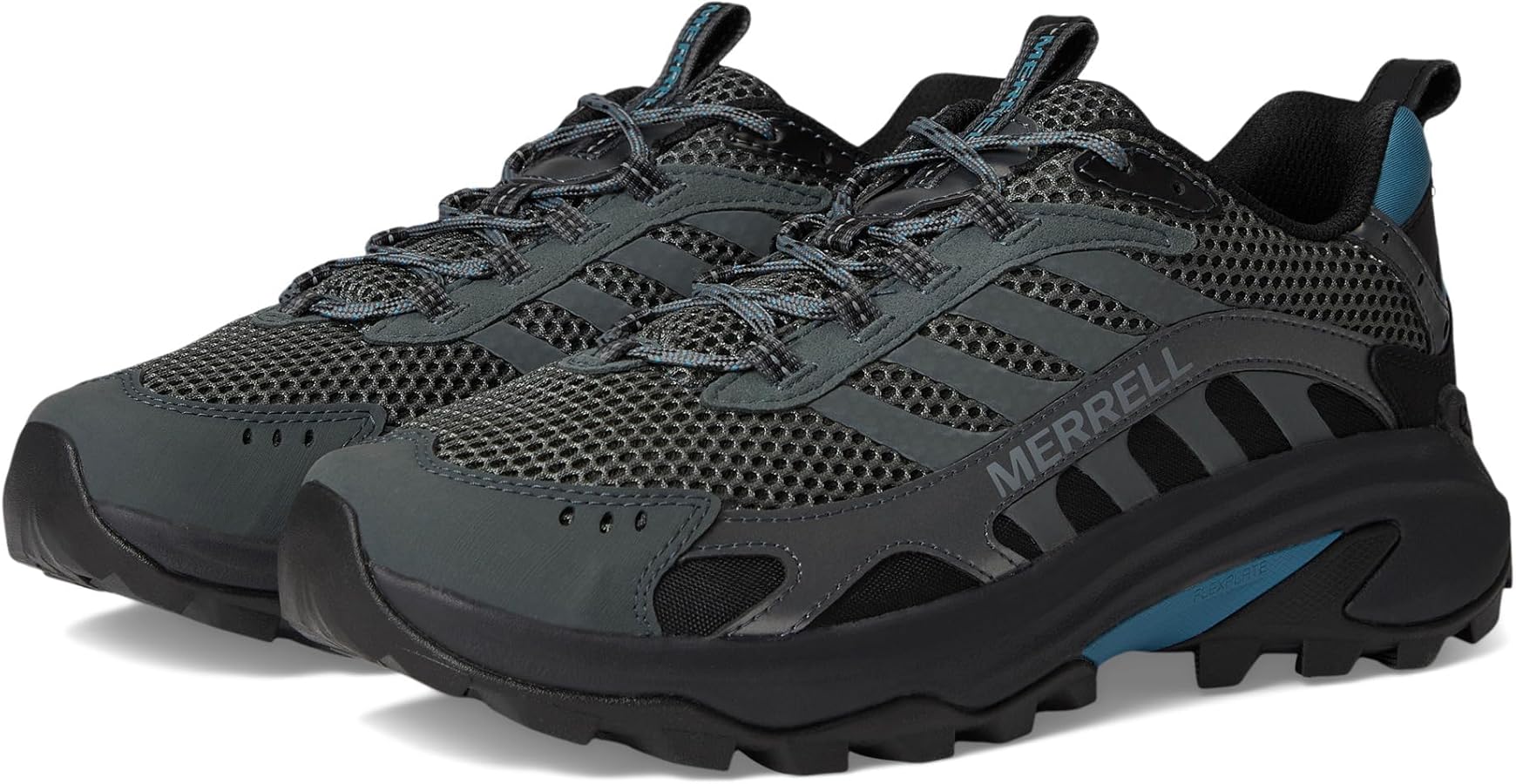
Merrell Men's Moab Speed 2

Learning Curve: Easy

$74.99
Difficulty: 1/5
Merrell Men's Moab Speed 2

Why Great for Beginners:

Affordable entry with solid grip and breathability that handles light trails without overwhelming newbies. Forgiving fit reduces blisters, perfect for testing the sport.

Beginner Pros

  • +Easy slip-on feel
  • +Good mud traction
  • +Lightweight comfort
  • +Breathable to stay dry

Beginner Cons

  • -Less cushion on long runs
  • -May need sizing up
👍 Best for: Casual weekend warriors on easy paths
👎 Not for: Heavy rock scrambling or daily long runs
#2
👍 Recommended

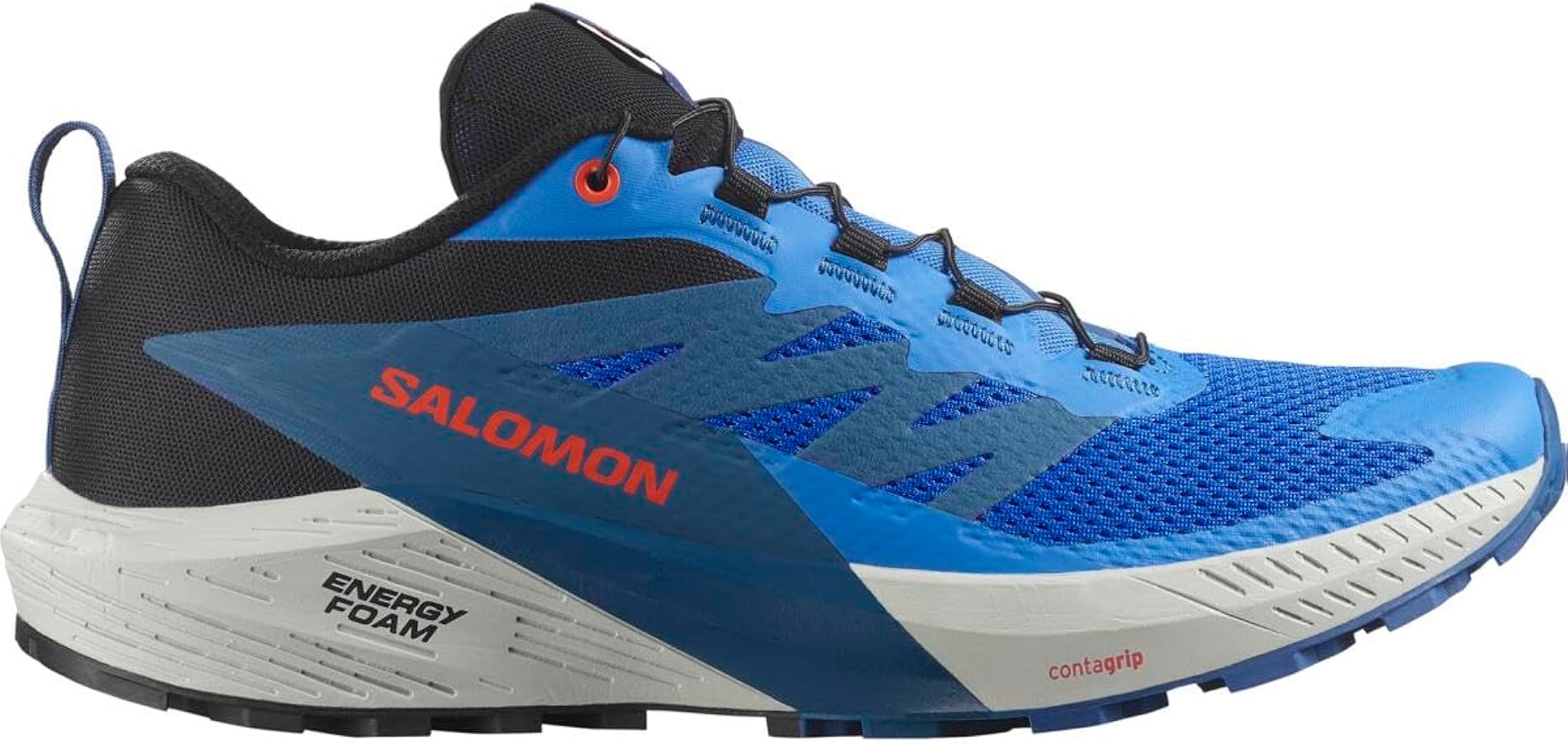
Salomon Sense Ride 5

Learning Curve: Easy

$119.99
Difficulty: 2/5
Salomon Sense Ride 5

Why Great for Beginners:

Versatile sweet-spot shoe with plush cushion and aggressive grip that forgives uneven strides. Quick lacing and protective toe cap build instant confidence on mixed trails.

Beginner Pros

  • +Balanced cushion/grip
  • +Secure heel hold
  • +Quick dry
  • +True to size

Beginner Cons

  • -Narrow for very wide feet
  • -Lugs collect pebbles
👍 Best for: Most beginners doing 3-5 runs/week
👎 Not for: Minimalist fans
#3
👍 Recommended

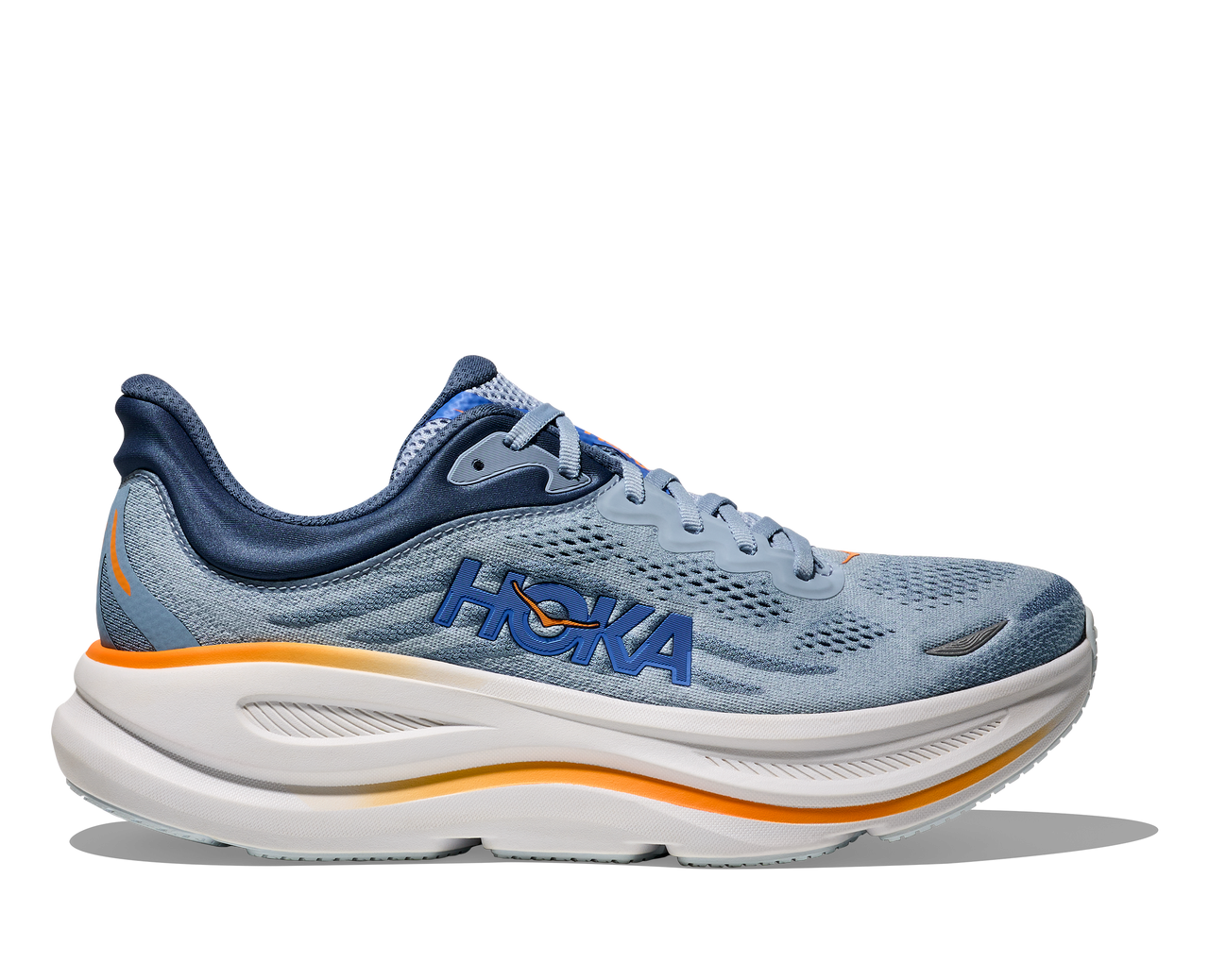
Hoka Challenger ATR 7

Learning Curve: Easy

$144.99
Difficulty: 1/5
Hoka Challenger ATR 7

Why Great for Beginners:

Max comfort with meta-rocker for smooth roll and rock protection, ideal for joint-wary newbies transitioning from roads.

Beginner Pros

  • +Plush EVA cushion
  • +Wide base stability
  • +Versatile road-to-trail

Beginner Cons

  • -Bulkier feel
  • -Higher price
👍 Best for: Beginners with knee issues or longer runs
👎 Not for: Speed-focused racers
#4
✨ Premium

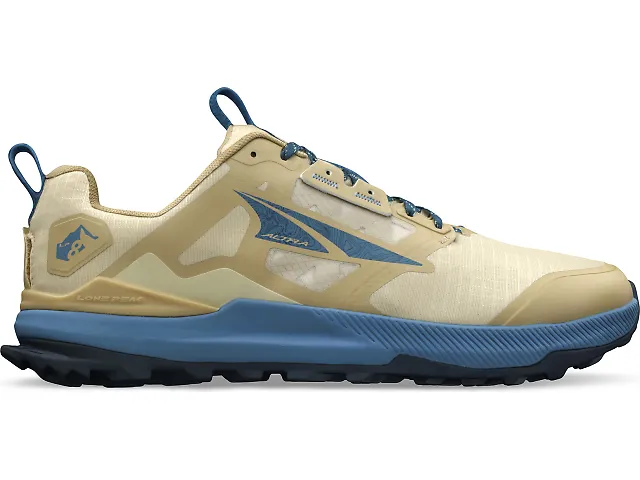
Altra Lone Peak 8

Learning Curve: Moderate

$139.99
Difficulty: 3/5
Altra Lone Peak 8

Why Great for Beginners:

Zero-drop with mega toe box promotes natural form gently, with stone guard for protection—great for foot strength building without pain.

Beginner Pros

  • +Foot-shaped fit
  • +Excellent ground feel
  • +TrailClaw lugs

Beginner Cons

  • -Transition needs time
  • -Less cushion
👍 Best for: Natural runners wanting wide fit
👎 Not for: High arch or heel strikers

📖 Complete Beginner's Guide to Trail Running Shoes

Trail running shoes differ from road shoes by having aggressive tread for traction, protective layers, and durability for rough terrain. Basics: Upper (mesh/nubuck for breathability), midsole (EVA foam cushion), outsole (rubber lugs for grip). Drop (heel-to-toe height diff) 4-8mm is beginner gold—feels natural without shocking calves.

Types: Max cushion (Hoka-style, plush for long runs), moderate (versatile daily trainers), zero-drop (Altra, builds foot strength but steeper curve). Beginners thrive on moderate cushion—forgiving on roots/rocks, less intimidating than maximalist fluff or minimalist pain.

Realistic expectations: Your first shoes won't make you ultra-marathon ready, but they'll handle 5-10 mile hikes/runs on easy trails. Evaluate by trying on (half-size up), walking rocky paths if possible, and reading newbie reviews.

'Beginner-friendly' means intuitive fit, no break-in pain, and versatility for mixed surfaces. Marketing like 'carbon plate' or 'super aggressive lugs' is overkill—stick to proven newbie picks with wide platforms.

Common terms: Stack height (cushion total), forgiving fit (roomy), gaiter-compatible (dirt-proof collar). Test for heel lockdown to avoid blisters.

🔧 Essential Accessories for Beginners

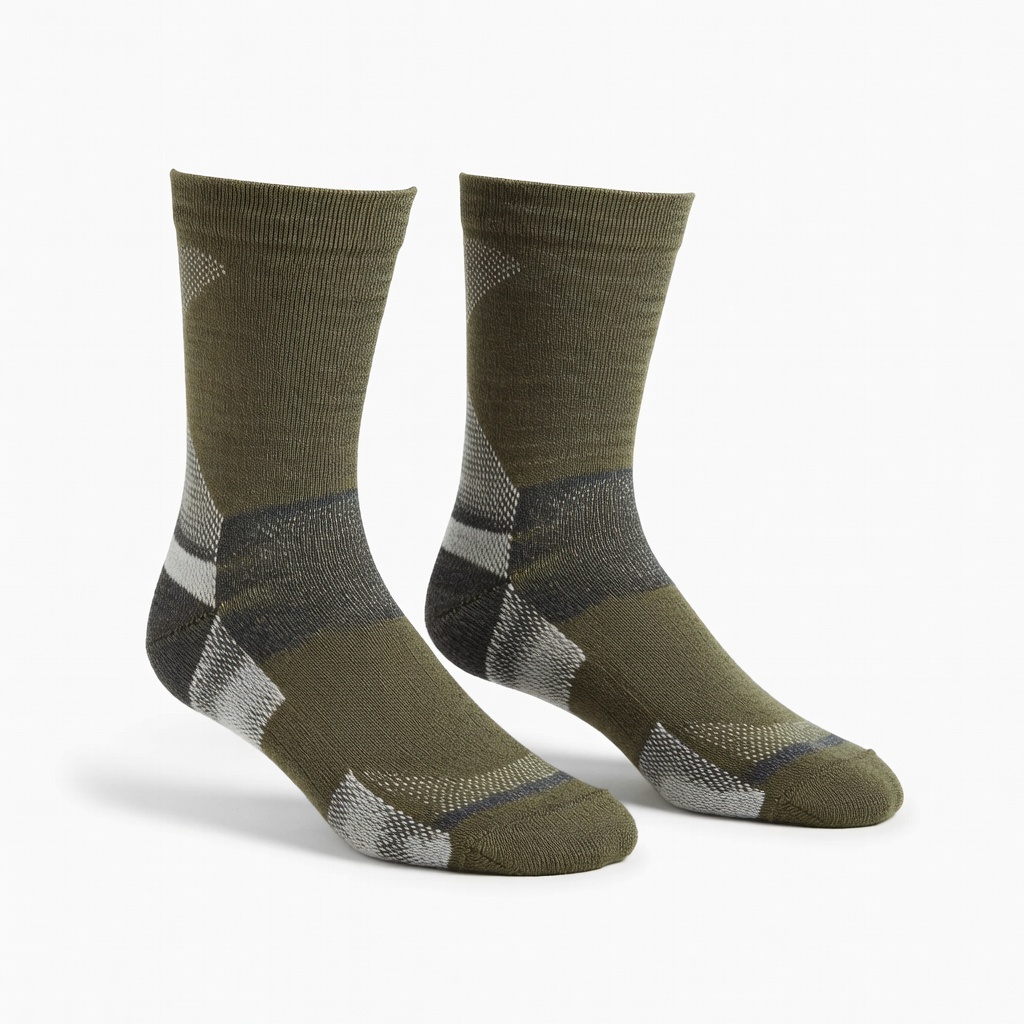
Darn Tough Trail Quarter Ultra-Lightweight Hiking Socks

Darn Tough Trail Quarter Ultra-Lightweight Hiking Socks

⚠️ Essential

$19.99

When to buy:
Day one

Blisters kill first runs— these merino wool socks wick sweat, cushion heels, and fight odor for all-day comfort on trails.

Beginner Benefits:

  • Blister prevention
  • Temp regulation
  • Durable for rough terrain
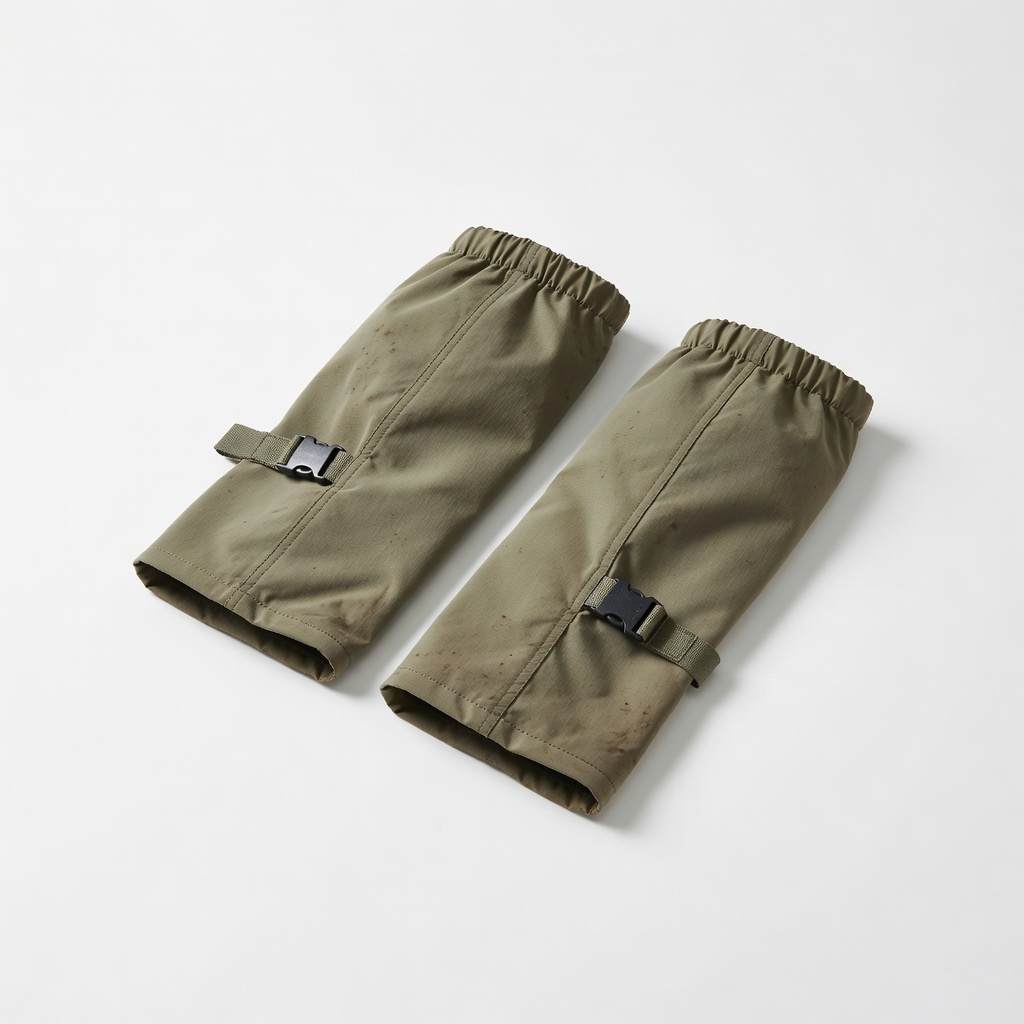
Dirty Girl Gaiters

Dirty Girl Gaiters

👍 Recommended

$24.95

When to buy:
First month

Sand and pebbles sneak in low shoes—gaiters seal them out, keeping runs fun not gritty.

Beginner Benefits:

  • Debris protection
  • Easy install
  • Washable
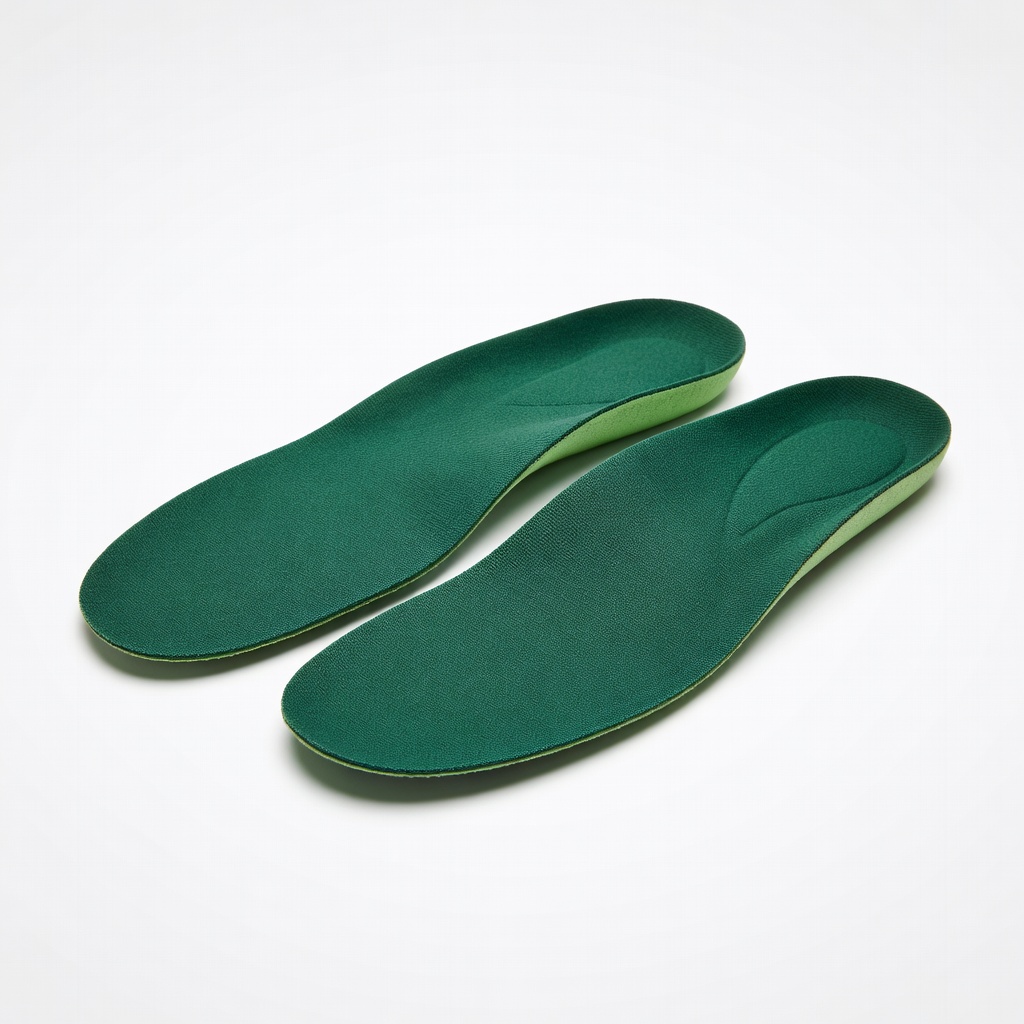
Superfeet Green Insoles

Superfeet Green Insoles

👍 Recommended

$49.99

When to buy:
Day one

Stock insoles flatten fast— these add arch support and shock absorption to prevent fatigue.

Beginner Benefits:

  • Custom-like fit
  • Joint relief
  • Longevity boost
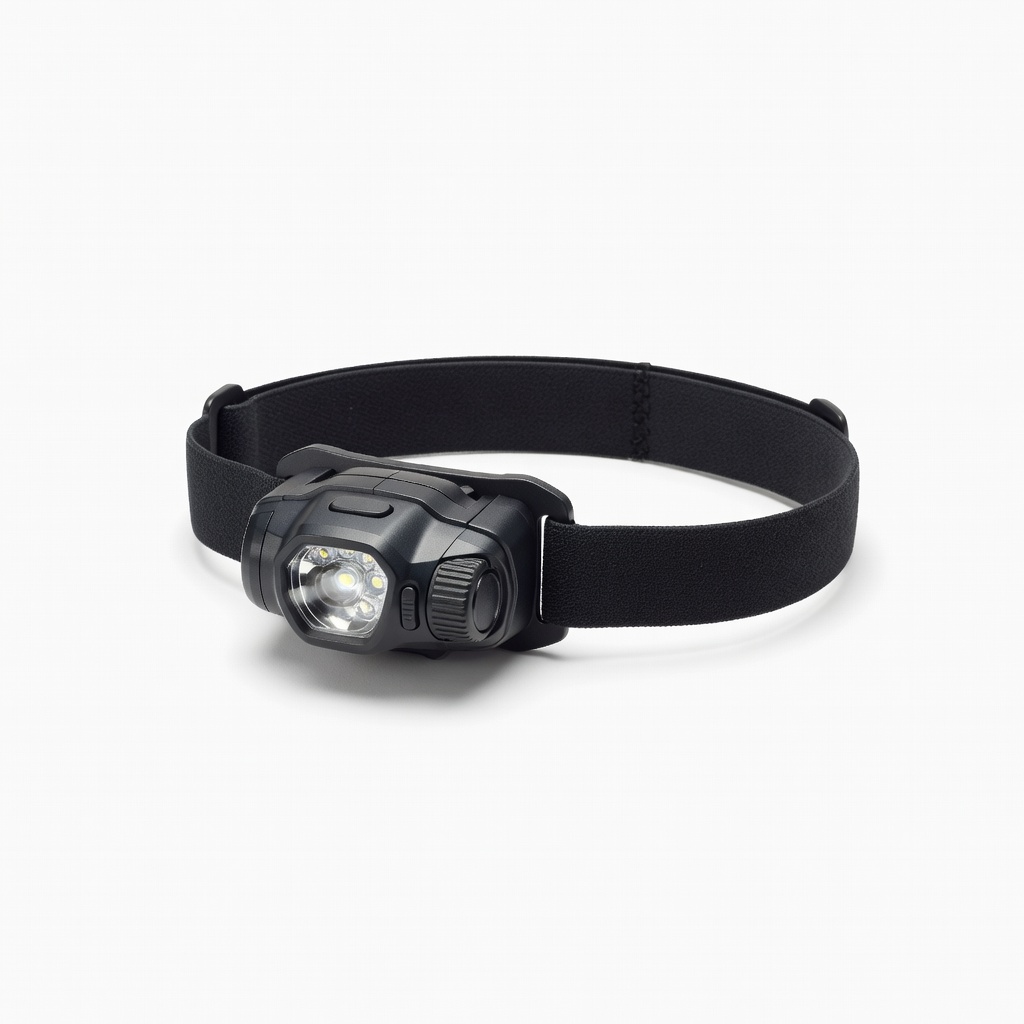
Black Diamond Spot 400 Headlamp

Black Diamond Spot 400 Headlamp

💡 Nice to Have

$49.95

When to buy:
After comfortable

Evening trails need light—these are simple, bright, and hands-free for safety.

Beginner Benefits:

  • Easy one-button
  • Long battery
  • Trail visibility

🤔 How to Choose Your First Trail Running Shoes

Ask: What's your terrain (easy dirt vs rocky)? Foot width (narrow/medium/wide)? Runs per week (under 20 miles)? Budget? Beginners: Start with moderate cushion, 6-8mm drop, unisex sizing.

Budget framework: Under $80 for testing waters (basic grip, quick upgrade). $80-150 sweet spot (durable, cushioned, 1-2 years use). $150+ premium (top materials, longer life). Go budget if casual, recommended for 3+ runs/week, premium if injury-prone.

Scenarios: Short easy trails? Lightweight trainer. Hilly/rocky? More protection. Future growth: Pick versatile shoes you won't outgrow in 6 months. Red flags: Cheap no-name (poor grip), racing flats (no protection), ignoring fit (online only buys risky—check return policy).

💰 Budget Guide for Beginners

250+

Pro entry - advanced tech for serious starters, overkill unless high volume or specific needs

80 - $150

Sweet spot - best balance of comfort, durability, and features for most beginners, lasts 300-500 miles

150 - $250

Premium beginner - superior cushion, grip, and fit; ideal for frequent runners, minimal break-in

Under $ - $80

Entry level - basic grip and cushion to try trails, may wear out fast or lack protection

⚠️ Common Beginner Mistakes to Avoid

Beginners grab familiar road shoes, but they skid on wet leaves (per REI forums). Or chase sales on stiff racers with steep curves. Avoid by prioritizing grip/cushion reviews.

Many forget swelling: feet expand 1/2 size on trails—size up, add insoles. Cheap $40 pairs shred after 100 miles, false economy. Instead, spend $100+ for value.

Lessons: Test walk in-store, read 'newbie' Amazon Q&A. Pair with socks/gaiters day one—experienced runners swear by it to skip pain.

  • ×Buying road running shoes for trails—no grip leads to slips
  • ×Ignoring fit—too tight causes blisters, too loose ankle rolls
  • ×Cheapest option—poor durability means frequent replaces
  • ×Skipping socks/gaiters—debris and sweat ruin runs
  • ×Overlooking drop/cushion—calf pain from wrong biomechanics
  • ×Not sizing for swelling—half-size up needed
  • ×Fancy features like plates—unnecessary weight/complexity

📈 Your Progression Path: Beginner to Intermediate

Start with 20-30min easy trails, focus on form (short strides, land midfoot). Build to 3x/week, mix flats/hills. Track via app like Strava.

Outgrow beginner shoes at 400-600 miles or when craving more cushion/speed. Signs: Hot spots, less bounce, or tackling technical trails. Upgrade midsole first (premium cushioned).

Typically 6-12 months at beginner level. Intermediate: Lighter racers, custom fit. Progressively add distance, strength train calves/feet.

📚 Learning Resources for Beginners

  • 📖Born to Run by Christopher McDougall (ASIN B001Q3HR6O) - Inspiring trail stories for motivation
  • 📖Trail Running: Get Started! by Lizzy Hawker (ASIN B08N5P6Q7R) - Beginner technique guide
  • 📖Hal Higdon's Half Marathon Training (ASIN B07S8T9U0V) - Trail-adaptable plans
  • 📖Training Peaks App Starter Guide book (ASIN B09V1W2X3Y)
  • 📖Merrell Trail Running Guide DVD (ASIN B00A1B2C3D)

🎯 Bottom Line: Our Recommendations

Best overall for most: Salomon Sense Ride 5—versatile, grippy, comfy from run one. Budget: Merrell Moab Speed 2. Premium: Hoka Challenger ATR 7.

Grab essential socks and insoles day one. You're not buying pro gear—you're getting tools to love trails safely.

Next: Lace up, hit a flat trail, smile at progress. You've got this—happy running!

❓ Frequently Asked Questions

Salomon Sense Ride 5—balanced grip, cushion, and fit that's forgiving and versatile for new trails.
$80-150 sweet spot for durable, comfy shoes that last 500 miles without extras.
Grippy lugs, moderate cushion, breathable upper, rock plate, and secure fit.
Hoka Challenger ATR 7—plush rocker eases strides, minimal learning.
Merino socks, gaiters, insoles—prevent blisters/debris from ruining runs.
Match terrain/foot width, size up 1/2, prioritize grip/cushion in $100 range.
No—with right shoes (moderate drop/cushion), it's intuitive and fun quickly.
Road shoes, wrong size, no accessories—lead to slips/blisters. Stick to guides.
Yes if natural runner—Altra Lone Peak shines; others for narrow feet.
300-600 miles with rotation; watch for worn lugs/smooth midsole.

Related Articles