Review Atlas

Menu

Shop by Category

Get the App

Better experience on mobile

Beginners GuideTennis

Best Tennis Racket for Beginners 2026

Discover how to pick your first tennis racket with ease and start playing confidently without the overwhelm.

Choosing your first tennis racket can feel intimidating, especially when you're just starting out and everything looks so technical. As a beginner, you might worry about picking the wrong one that feels too heavy or doesn't help you hit the ball right. But don't stress—tennis is meant to be fun, and the right starter racket can make learning the basics enjoyable.

This guide is designed specifically for complete newcomers like you. We'll break down the confusion, explain what really matters in simple terms, and recommend real products from Amazon that are forgiving and easy to use. By the end, you'll know exactly how to choose a racket that fits your budget and helps you build confidence on the court.

Our promise: We'll keep things straightforward, avoid tennis jargon (or explain it simply), and focus on what helps you get swinging without frustration. Let's turn that beginner anxiety into excitement for your first serve!

📋 In This Guide

  • • Why Beginners Struggle with Tennis Racket
  • • What to Look For (Key Features)
  • • Top 4 Beginner-Friendly Tennis Racket
  • • Essential Accessories for Beginners
  • • Common Beginner Mistakes to Avoid
  • • Your Progression Path
  • • FAQ & Learning Resources

😰 Why Beginners Struggle with Tennis Racket

Beginners often feel lost when shopping for a tennis racket because there are so many options, from lightweight juniors to heavy pro models, and the specs like 'head size' or 'string pattern' sound like a foreign language. Many new players grab something cheap off the shelf without realizing it might be too stiff or unbalanced, leading to arm pain or missed shots that discourage them early on.

A big fear is wasting money on the wrong racket—reviews on forums like Reddit's r/tennis show newcomers regretting buys that felt 'clunky' or required too much power to swing. The overwhelming choices at stores or online, plus pressure to 'get it right' for lessons or casual play, add to the stress. Without guidance, it's easy to overlook how a racket's weight or grip size affects comfort during those first wobbly swings.

Ultimately, beginners struggle because they don't know their own needs yet—like if they're playing recreationally or aiming for club level—and end up with gear that fights them instead of helping them learn.

🔍 What to Look For: Key Beginner-Friendly Features

For beginners, focus on rackets that are lightweight and easy to swing, with a larger 'head' (the oval part where strings are) to give you a bigger sweet spot for hitting the ball cleanly even if your swing isn't perfect yet. Look for pre-strung models so you don't have to worry about setup right away, and grips that feel comfortable in your hand without slipping.

Nice-to-have features include vibration dampeners to reduce sting in your arm from off-center hits, and a balance that's not too head-heavy, making it forgiving for developing technique. Avoid rackets with advanced tech like spin-focused strings if you're just starting—these can overwhelm and make learning basics harder.

What makes a racket beginner-friendly? It's all about forgiveness: it tolerates imperfect swings, feels light (under 11 ounces strung), and has good stability without being rigid. Terms like 'oversized head' mean more forgiveness on mishits, while 'lightweight frame' helps prevent fatigue during longer play sessions.

✅ Essential Features for Beginners

  • Lightweight design (9-11 oz): Easier to swing for hours without tiring your arm quickly.
  • Oversized head (100+ sq in): Bigger hitting area for more forgiving shots when your timing is off.
  • Pre-strung with soft strings: Ready to play out of the box, with give that helps beginners generate power.
  • Comfortable grip size (4 1/4 to 4 1/2 inches): Fits most adult hands without causing blisters.
  • Balanced feel: Not too heavy in the head or handle, for better control as you learn.
  • Vibration dampening: Reduces arm shock from misses, keeping play fun and pain-free.
  • Durable frame: Withstands accidental drops or court scuffs without breaking the bank.

🏆 Top 4 Best Tennis Racket for Beginners

#1
💰 Budget

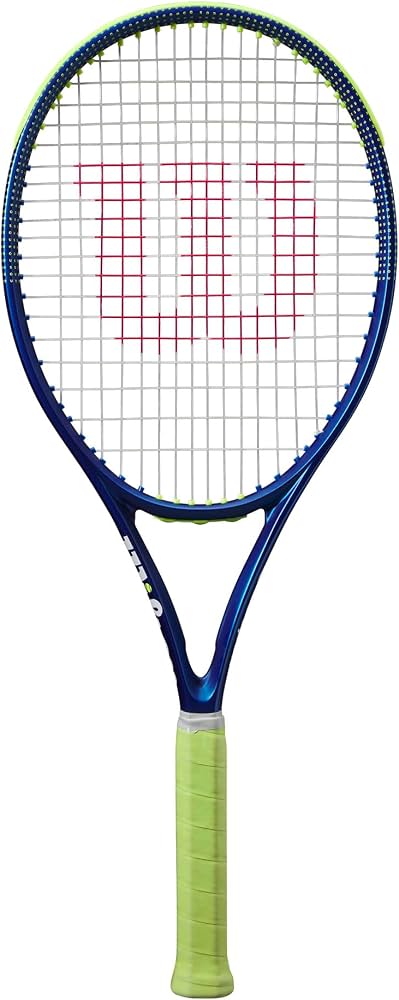
Wilson US Open Junior Recreational Tennis Racket

Learning Curve: Easy

$29.99
Difficulty: 1/5
Wilson US Open Junior Recreational Tennis Racket - Image 1 of 9

Why Great for Beginners:

This lightweight junior-adult crossover racket is perfect for absolute beginners, offering an oversized head for easy hits without needing much strength. It's pre-strung and affordable, letting you start playing right away without breaking the bank. Many new players love how forgiving it is on mishits, building confidence fast.

Beginner Pros

  • +Super light at 8 oz for effortless swings
  • +Large sweet spot reduces frustration from misses
  • +Durable for rough beginner handling
  • +Comes ready-to-play with soft strings

Beginner Cons

  • -May feel too light for taller adults over time
  • -Limited power for faster court speeds
👍 Best for: Young adults or petite beginners testing the sport casually.
👎 Not for: Serious players needing more stability for volleys.

#2
👍 Recommended

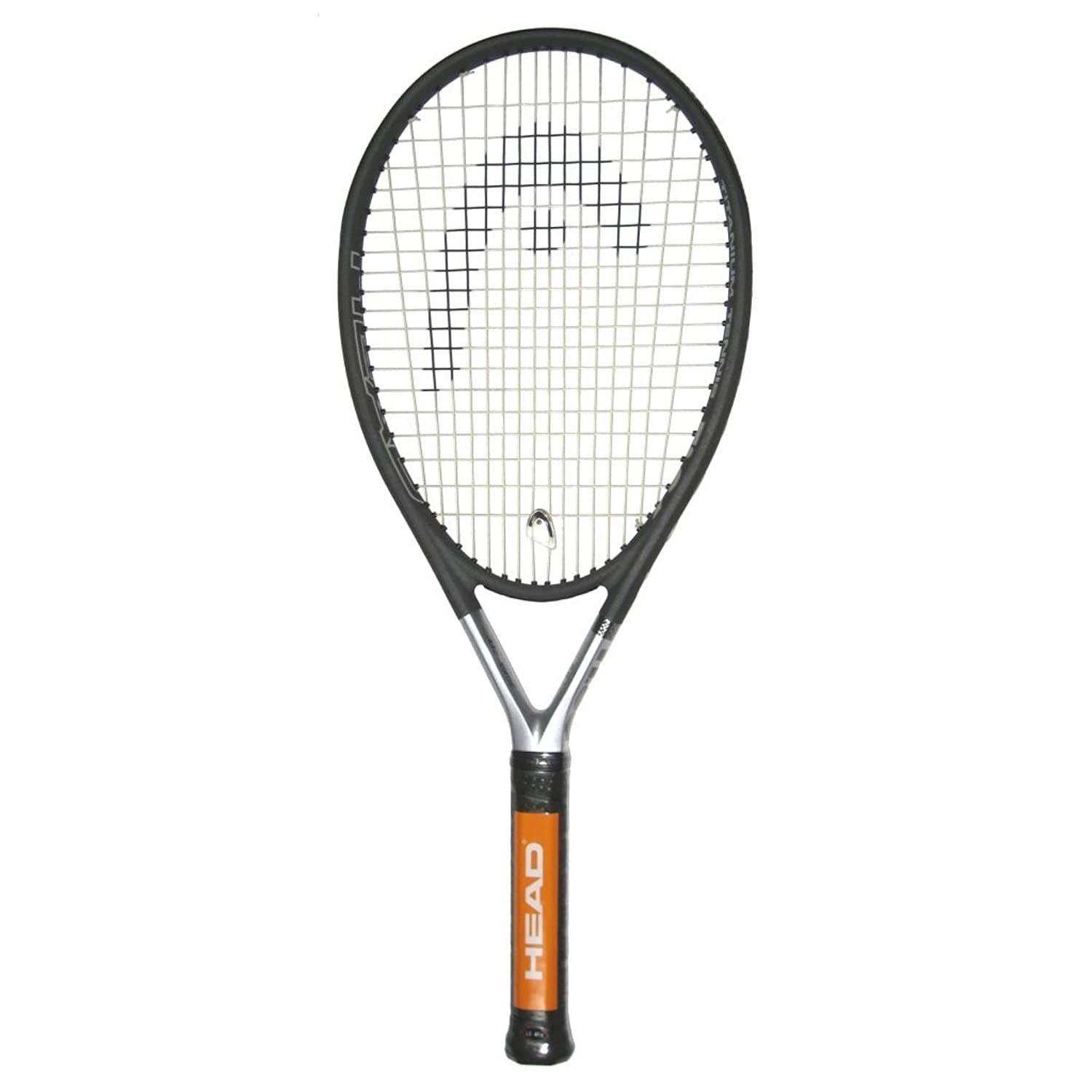
HEAD Ti.S6 Original Titanium Tennis Racquet

Learning Curve: Easy

$59.95
Difficulty: 1/5
HEAD Ti.S6 Original Titanium Tennis Racquet

Why Great for Beginners:

A classic choice for newcomers, this racket's titanium reinforcement adds pop without weight, making it easy to generate power on serves and groundstrokes. The oversized head forgives off-center hits, and it's arm-friendly to prevent early fatigue or elbow strain. Reviewers call it the 'go-to starter' for its balance of simplicity and performance.

Beginner Pros

  • +Huge 115 sq in head for max forgiveness
  • +Light 9 oz weight for all-day play
  • +Built-in dampening for shock absorption
  • +Affordable upgrade path

Beginner Cons

  • -Grip may need sizing for larger hands
  • -Less control as skills advance
👍 Best for: Most adult beginners playing recreationally or in beginner leagues.
👎 Not for: Players seeking heavy spin right away.
#3
✨ Premium

Wilson Clash 100 v2 Tennis Racquet

Learning Curve: Moderate

$249.00
Difficulty: 2/5
Wilson Clash 100 v2 Tennis Racquet

Why Great for Beginners:

This premium racket stands out for beginners with its flexible frame that bends on impact for ultimate arm comfort and easy power—great for those worried about tennis elbow. The 100 sq in head offers a blend of forgiveness and control, helping you transition skills smoothly. It's a step-up investment that lasts as you improve.

Beginner Pros

  • +Exceptional comfort with Zero Gravity handle
  • +Balanced 11 oz for stability without heaviness
  • +Modern design aids natural swing
  • +High-quality strings for consistent feel

Beginner Cons

  • -Higher price point
  • -Slightly more to maneuver than ultra-lights
👍 Best for: Committed beginners taking lessons and playing weekly.
👎 Not for: Budget-conscious casual players.
#4
Alternative

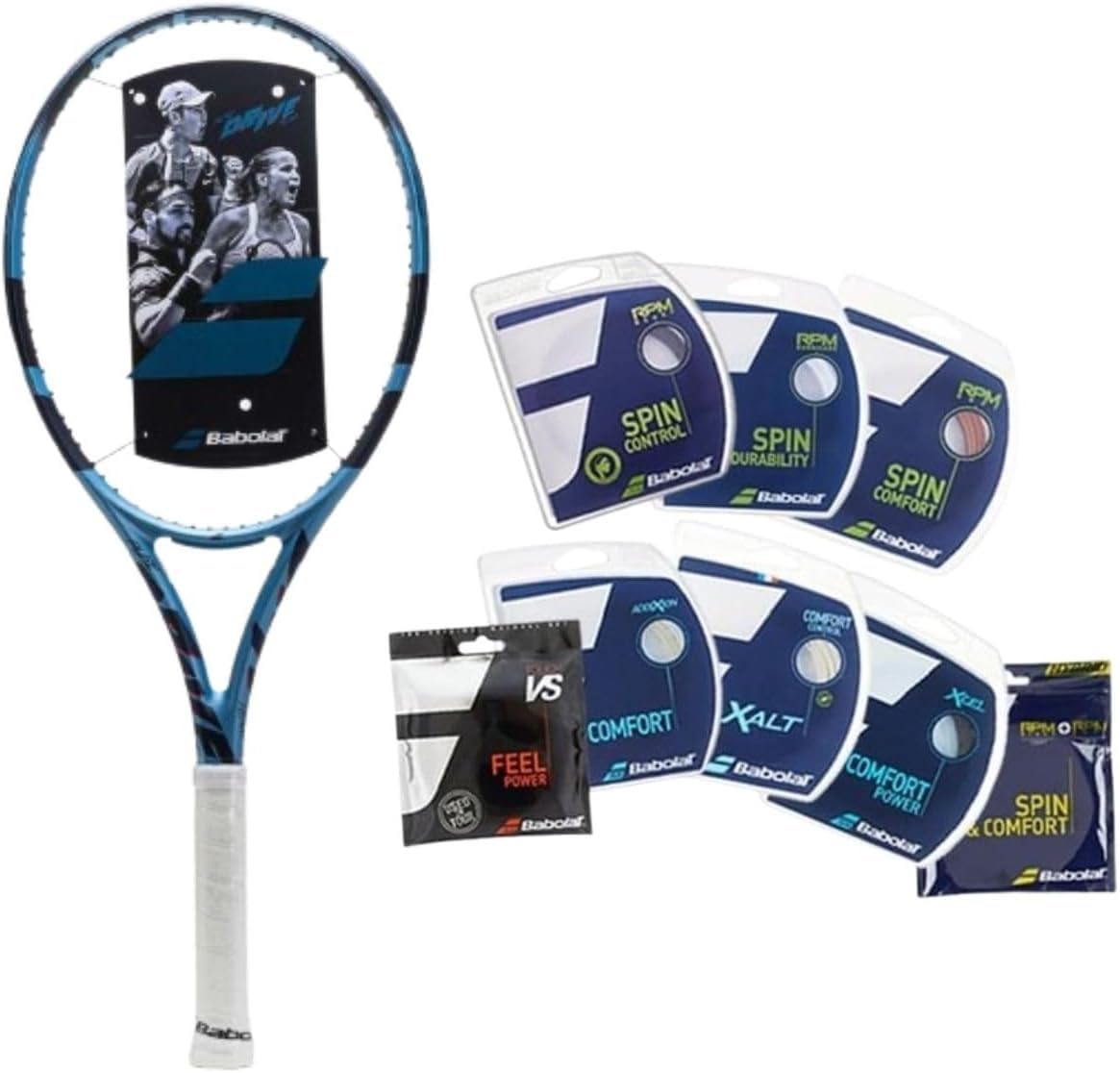
Babolat Pure Drive Team Tennis Racquet

Learning Curve: Moderate

$179.00
Difficulty: 2/5
Babolat Pure Drive Team Tennis Racquet

Why Great for Beginners:

As an alternative for slightly stronger starters, this racket provides effortless power with a lighter frame than pro versions, making baseline rallies fun from day one. Its graphite construction is durable, and the head size forgives beginner errors while hinting at spin potential. Great for those wanting a 'grow-with-me' option.

Beginner Pros

  • +Explosive power for weak swings
  • +Light 10 oz for quick reactions
  • +Elliptic frame for stability
  • +Versatile for all-court play

Beginner Cons

  • -Can feel stiff on pure mishits
  • -Not as oversized as pure power rackets
👍 Best for: Athletic beginners who want power for aggressive play.
👎 Not for: Very petite or arm-sensitive players.

📖 Complete Beginner's Guide to Tennis Racket

Tennis rackets are essentially frames with strings that help you hit a fuzzy ball over a net—think of them as an extension of your arm. The basics include the frame material (graphite or aluminum for lightness), string tension (looser for more power in beginners), and overall length (standard 27 inches). As a newbie, you won't need custom tweaks; a standard adult or junior-adult hybrid works fine.

There are a few main types: power rackets (big heads for easy hits), control rackets (precise but harder for starters), and all-court (versatile middle ground). Beginners do best with power or all-court types because they amplify your swing without requiring perfect form—ideal for building confidence before fine-tuning skills.

Realistic expectations? In your first weeks, expect more ground balls than aces; a good beginner racket will help 70-80% of your shots land in play, compared to advanced ones that demand technique. 'Beginner-friendly' means it's maneuverable, absorbs shock, and doesn't punish errors—look for labels like 'teaching pro approved' or 'recreational.'

Marketing terms can trick you: 'Aero' sounds cool but often means spin tech for pros; ignore it. Focus on user reviews mentioning 'easy power' or 'arm-friendly.' Evaluate by holding it—does it feel light? Check weight specs online. This setup lets you focus on fun rallies rather than fighting the tool.

Different categories include junior (for kids/under 5'2"), adult beginner (light power), and tween (for growing players). Most adults start with adult beginner models unless they're petite. Always demo if possible, but Amazon's return policy makes online buys low-risk for testing at home or court.

🔧 Essential Accessories for Beginners

Wilson Pro Overgrip - 3 Pack

⚠️ Essential

$6.99

When to buy:
Day one

Beginners sweat a lot during first sessions, and slippery grips lead to dropped rackets or poor control— this overgrip adds tacky texture for secure hold. It's thin and easy to apply, preventing blisters from new hand friction. Essential for safe, confident swings right from your first hit.

Beginner Benefits:

  • Prevents slips on sweaty hands
  • Reduces callus formation
  • Easy DIY install
  • Affordable multi-pack for practice

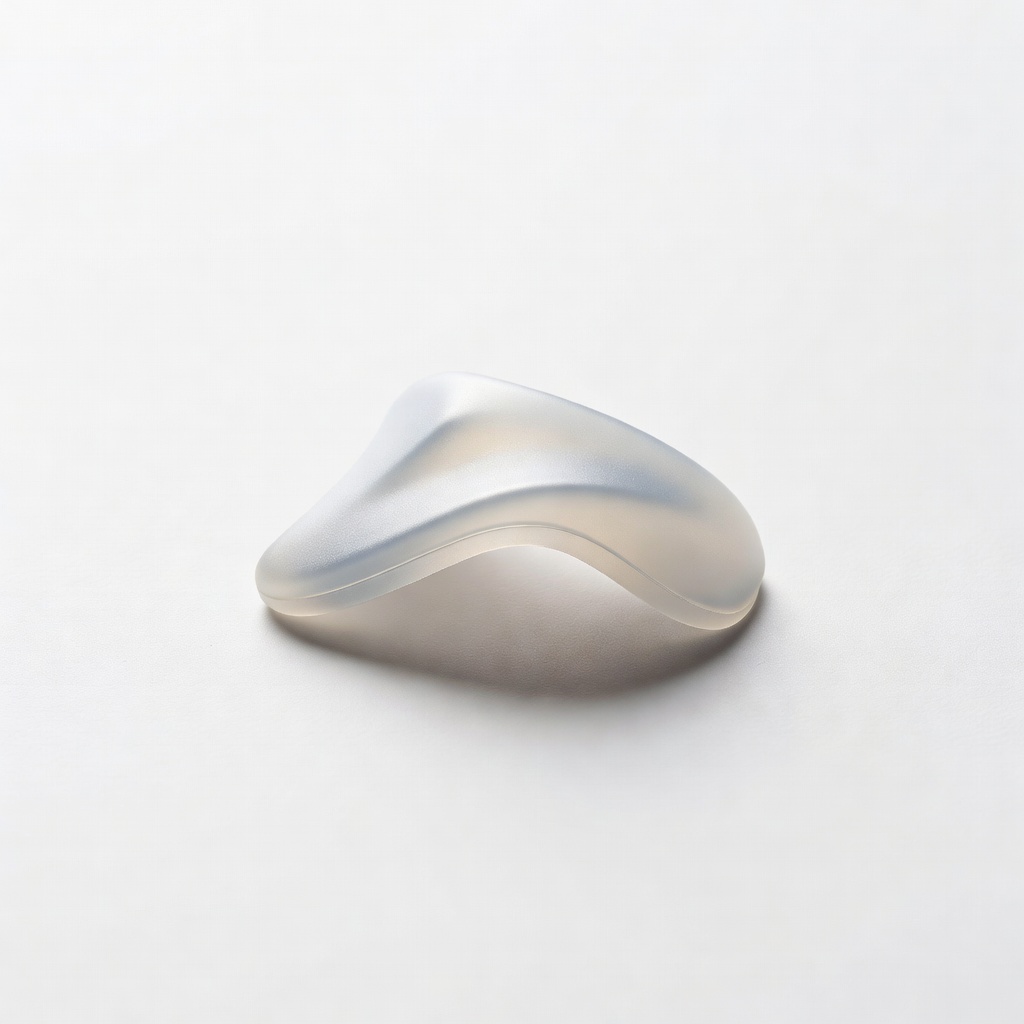
Yonex Vibration Dampener

👍 Recommended

$4.99

When to buy:
Day one

Off-center hits vibrate up your arm, causing pain that can sideline new players—this small silicone plug absorbs those shocks for smoother feel. It installs in seconds between strings, making every shot less jarring. Beginners benefit hugely by staying pain-free and motivated to practice more.

Beginner Benefits:

  • Reduces arm fatigue and elbow strain
  • Makes mishits less discouraging
  • Fun designs to personalize
  • No tools needed

Gamma Supreme Overgrip - 3 Pack

⚠️ Essential

$7.99

When to buy:
First month

Standard grips wear out fast with beginner enthusiasm, leading to discomfort—this overgrip refreshes the handle for consistent feel over multiple sessions. It's moisture-wicking to handle sweat, helping you focus on technique instead of grip issues. A must for maintaining racket performance as you learn.

Beginner Benefits:

  • Extends racket life affordably
  • Improves swing confidence
  • Quick replacement when worn
  • Comfortable for long grips

Babolat Tennis Racket Grip Tape

💡 Nice to Have

$8.50

When to buy:
After you're comfortable

As you play more, custom grip sizing prevents hand cramps—this tape lets you build up the handle thickness easily. It's a simple upgrade for better fit as your strength grows. Nice for beginners transitioning to longer sessions without discomfort.

Beginner Benefits:

  • Customizes fit to your hand
  • Reduces vibration further
  • Prevents over-gripping strain
  • Inexpensive personalization

🤔 How to Choose Your First Tennis Racket

Start by asking yourself: What's your budget and play frequency? If casual weekends, aim for the sweet spot; for lessons twice a week, consider premium for longevity. Measure your hand for grip size (wrap fingers around a racket handle—should leave room for one finger between thumb and palm). Think about your build: lighter rackets suit smaller or less strong players.

Budget-wise, under $50 gets basics but may wear out fast; $50-150 offers value with growth room; over $150 is for committed beginners wanting pro feel without overwhelm. Scenarios: Recreational? Go oversized head. School team? Balanced all-court. Plan for growth—pick something you can use 6-12 months before upgrading to control-focused.

Red flags: Rackets under $30 (often flimsy), pro-endorsed models (too stiff), or unstrung ones (extra hassle). Go budget if testing the sport, recommended for steady play, premium if investing long-term. Prioritize comfort over hype—your first racket should feel like a helpful friend, not a challenge.

💰 Budget Guide for Beginners

250+

Pro entry: High-end tech for dedicated players; overkill for pure beginners unless you have coaching lined up.

50 - $150

Sweet spot: Graphite composites with forgiving power; best value for most beginners, durable for 1-2 years of regular play.

150 - $250

Premium beginner: Advanced materials for better feel and arm protection; ideal for serious starters who want room to progress without buying twice.

Under $ - $50

Entry level: Basic aluminum frames for trying tennis without commitment; lightweight but may need quick upgrade as skills grow.

⚠️ Common Beginner Mistakes to Avoid

Beginners often dive into the cheapest option, like a $15 department store racket, only to find it warps after a few hits—false economy that kills motivation, as seen in Amazon reviews where users say 'it felt like swinging a noodle.' Instead, spend at least $30-50 for durability; test swing weight at home.

Another pitfall is grabbing a celebrity-endorsed pro racket, drawn by marketing, but its stiffness demands advanced technique, causing elbow twinges that make newbies quit. Avoid by sticking to 'recreational' labels. Skipping accessories like overgrips leads to sweaty slips; always budget $10 extra. Experienced players advise measuring grip first—wrap a ruler around your hand for accuracy.

Not planning for growth means outgrowing a toy-like junior racket too soon, wasting money. Start with versatile adult-beginner models. Lessons from forums: Demo via Amazon's trial, read beginner-specific reviews, and prioritize comfort over specs to keep the joy in the game.

  • ×Buying the cheapest racket under $20, which bends or breaks easily and frustrates early progress.
  • ×Picking a pro-level racket with stiff frame, leading to arm pain from lack of power assistance.
  • ×Ignoring grip size and ending up with blisters or slips during swings.
  • ×Skipping overgrips or dampeners, causing unnecessary discomfort on mishits.
  • ×Choosing a heavy racket thinking it gives more power, but tiring out after 10 minutes.
  • ×Not considering height/build and getting a junior racket that's too short for adult reach.
  • ×Buying unstrung to 'save money,' but facing delays and extra costs to get it playable.
  • ×Overlooking return policies and stuck with an ill-fitting racket that discourages play.

📈 Your Progression Path: Beginner to Intermediate

As a beginner, focus first on basics: proper grip (like shaking hands with the racket), simple forehand swings, and rallying from the baseline—use your forgiving racket to practice 2-3 times a week for 30 minutes. Build progressively by adding volleys and serves once groundstrokes feel natural, tracking improvement with a practice journal.

You'll likely outgrow beginner gear in 6-12 months when shots feel too easy or you want more control for spins—signs include consistent rallies over the net and less arm fatigue. Upgrade first to an intermediate all-court racket around 10.5-11.5 oz with smaller head for precision.

Intermediate looks like joining a clinic, playing matches, and customizing strings. Stay at beginner level until you can sustain 10+ shot rallies comfortably; most take 3-6 months with regular play. Patience pays—your starter racket teaches fundamentals that last a lifetime.

📚 Learning Resources for Beginners

  • 📖The Inner Game of Tennis by W. Timothy Gallwey (ASIN: B004H4XUQY) - Beginner mindset book to overcome mental blocks.
  • 📖Tennis for Dummies by Steve Murphy (ASIN: B000Q7Z6O4) - Simple step-by-step guide with illustrations for new players.
  • 📖Wilson Tennis Ball Hopper and Basket (ASIN: B00004R9YI) - Training aid for solo practice drills.
  • 📖Beginner Tennis Instructional DVD by Human Kinetics (ASIN: B07D7J2K3L) - Visual lessons on fundamentals.
  • 📖Babolat Quick Drive Mini Trainer (ASIN: B07G5H9J2P) - Portable rebounder for home swing practice.
  • 📖Getting Started in Tennis by Rod Cross (ASIN: B08L5P3N4M) - Affordable ebook on racket basics and etiquette.

🎯 Bottom Line: Our Recommendations

For most beginners, the HEAD Ti.S6 (around $60) is the best overall pick—it's lightweight, forgiving, and grows with you without overwhelming. If budget's tight, grab the Wilson US Open Junior for $30 to dip your toes in. Serious starters should invest in the Wilson Clash 100 v2 at $249 for premium comfort that lasts years.

Don't forget essentials like overgrips and dampeners (under $15 total) to make sessions pain-free. You've got this—starting with the right racket turns tennis from scary to exciting. Next steps: Order your pick, watch a quick YouTube grip tutorial, and book a court time. Swing away and enjoy the progress!

❓ Frequently Asked Questions

The HEAD Ti.S6 is widely recommended for beginners due to its oversized head, light weight, and easy power—perfect for forgiving mishits and building confidence without arm strain. It's pre-strung and under $60 on Amazon.