Review Atlas

Menu

Shop by Category

Get the App

Better experience on mobile

Beginners GuideAstronomy

Best Telescope for Beginners 2025

Discover the perfect first telescope with our simple guide—top picks, accessories, and tips to stargaze confidently without overwhelm.

Choosing your first telescope can feel intimidating—like stepping into a world full of confusing terms and endless options. Beginners often worry about wasting money on something too complicated or not powerful enough to see stars clearly. But it doesn't have to be that way.

This guide is designed for complete newcomers to astronomy and stargazing. We'll break down everything simply, highlight beginner-friendly features, and recommend real Amazon products that are easy to use right out of the box. By the end, you'll know exactly what to buy and why, so you can start spotting the Moon's craters and Jupiter's moons on your first night.

Our promise: No jargon, no overwhelm—just clear steps to build your confidence and get you outside under the stars.

📋 In This Guide

  • • Why Beginners Struggle with Telescope
  • • What to Look For (Key Features)
  • • Top 4 Beginner-Friendly Telescope
  • • Essential Accessories for Beginners
  • • Common Beginner Mistakes to Avoid
  • • Your Progression Path
  • • FAQ & Learning Resources

😰 Why Beginners Struggle with Telescope

Beginners dive into telescopes overwhelmed by technical talk like 'aperture,' 'focal length,' and 'magnification'—words that sound scary but are simple once explained. Forums like Reddit's r/telescopes are full of newbies frustrated after buying cheap toys that show blurry views or heavy scopes they can't set up alone.

The sheer number of choices paralyzes people: refractors, reflectors, Dobsonians—each promising 'amazing views' but with steep learning curves or setups that take hours. Many fear buying the 'wrong' one, especially with light pollution in cities making faint stars hard to find. Plus, unrealistic expectations from movies lead to disappointment when you can't see distant galaxies right away.

Real reviews show beginners quit because their scope wobbles, needs constant tweaking, or is too bulky for backyard use—issues this guide helps you avoid.

🔍 What to Look For: Key Beginner-Friendly Features

Focus on telescopes that are simple to set up (under 10 minutes), with steady mounts that don't shake when you touch them. Look for aperture (the lens opening) of 70-130mm—big enough for bright Moon and planet views without being unwieldy.

Must-haves: Alt-azimuth mounts (up-down, left-right controls like a joystick), included eyepieces for multiple magnifications, and a finder scope (like a mini sight) to locate objects easily. Avoid computerized 'GoTo' scopes—they're fun but overwhelming and pricey for starters.

Nice-to-haves: Smartphone adapters for photos and lightweight designs under 15 lbs for portability. Skip high magnification claims (they make images dim and shaky) or huge scopes needing 'collimation' (fiddly mirror alignment). Beginner-friendly means forgiving: tolerates wobbles, quick setup, and clear instructions.

✅ Essential Features for Beginners

  • 70-130mm aperture for clear Moon and planet views without frustration
  • Alt-azimuth mount for intuitive pointing like using a camera
  • Pre-assembled tripod to avoid confusing setup
  • Red dot finder scope for easy star location
  • Multiple included eyepieces (low and medium power)
  • Lightweight and portable under 15 lbs
  • Smartphone adapter compatibility for instant photos
  • Clear user manual with star charts

🏆 Top 4 Best Telescope for Beginners

#1
💰 Budget

Celestron AstroMaster 70AZ Refractor Telescope

Learning Curve: Easy

$129.95
Difficulty: 1/5
Celestron AstroMaster 70AZ Refractor Telescope - Image 1 of 9

Why Great for Beginners:

This classic refractor sets up in minutes with a simple alt-az mount, perfect for first-timers scared of assembly. Its 70mm aperture delivers clear Moon and planet views without fiddly adjustments. Lightweight at 11 lbs, it's forgiving for shaky hands.

Beginner Pros

  • +Quick 10-min setup
  • +Stable tripod
  • +Two eyepieces included
  • +Backpack portability

Beginner Cons

  • -Limited to bright objects
  • -No smartphone adapter
  • -Manual tracking only
👍 Best for: Budget-conscious backyard beginners
👎 Not for: Those wanting faint deep-sky views

#2
👍 Recommended

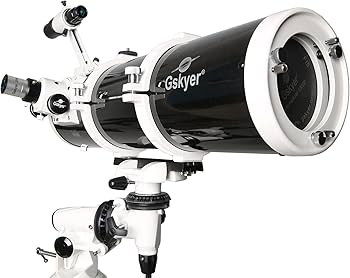
Gskyer 130EQ Telescope with Phone Adapter

Learning Curve: Easy

$189.99
Difficulty: 2/5
Gskyer 130EQ Telescope with Phone Adapter

Why Great for Beginners:

Bigger 130mm aperture grabs more light for sharper planets, plus phone mount for easy photos—huge confidence booster. EQ mount is steady, and extras like Barlow lens multiply power without buying more.

Beginner Pros

  • +Phone photography ready
  • +Three eyepieces
  • +Powerful yet simple
  • +Full accessory kit

Beginner Cons

  • -Slightly heavier 18 lbs
  • -EQ mount needs practice
👍 Best for: Beginners wanting photos and growth
👎 Not for: Ultra-portable needs
#3
👍 Recommended

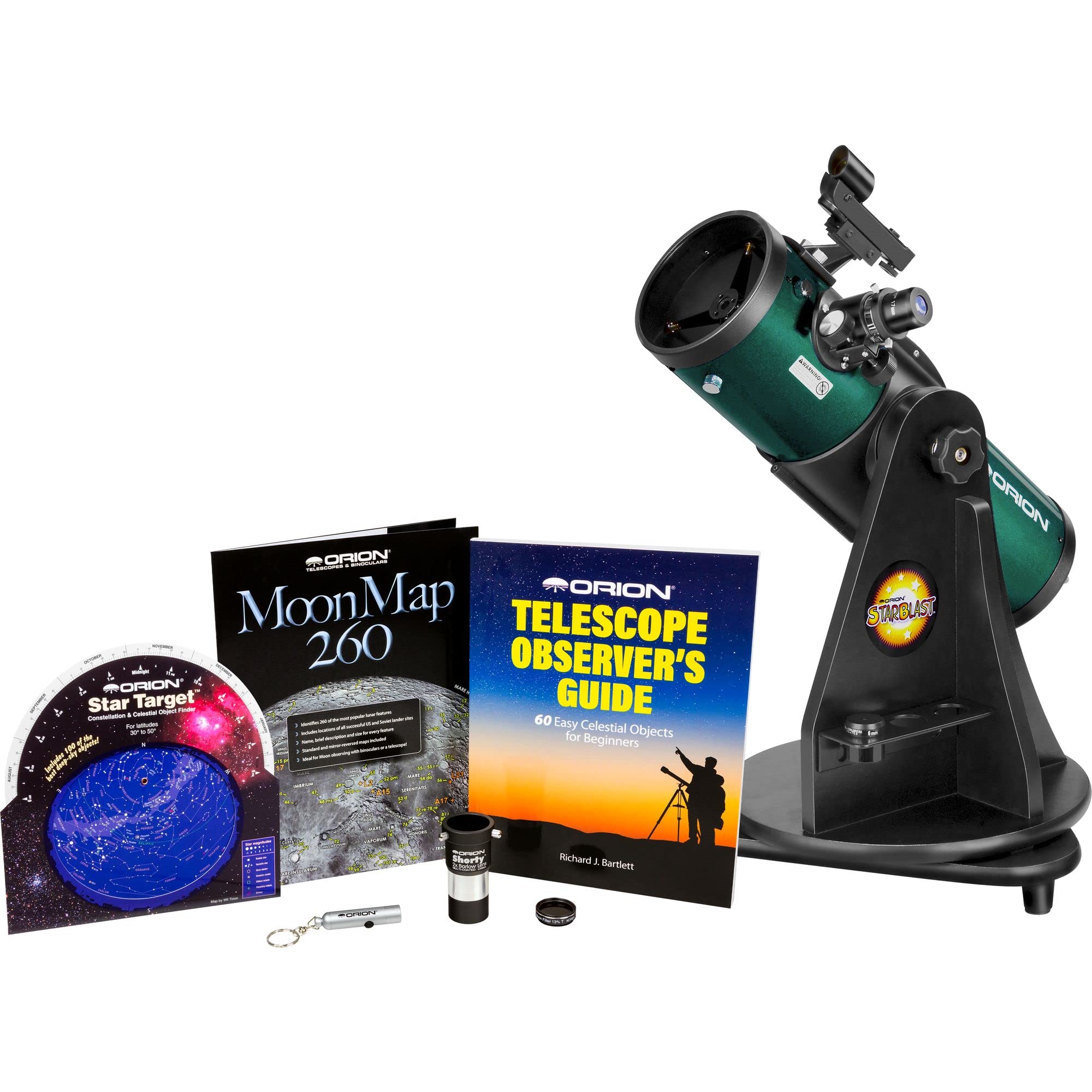
Orion StarBlast 4.5 Astro Reflector

Learning Curve: Easy

$249.99
Difficulty: 1/5
Orion StarBlast 4.5 Astro Reflector

Why Great for Beginners:

Tabletop Dobsonian design is ultra-simple—no tripod hassles, just point and view. 114mm aperture shows clusters beautifully, and it's compact for apartments.

Beginner Pros

  • +No assembly nightmare
  • +Super stable on table
  • +Great for nebulae
  • +Affordable power

Beginner Cons

  • -Tabletop only
  • -Manual push-to
👍 Best for: Apartment dwellers or quick sessions
👎 Not for: Travelers needing portability
#4
✨ Premium

Celestron NexStar 4SE

Learning Curve: Moderate

$499.00
Difficulty: 3/5
Celestron NexStar 4SE - Image 1 of 9

Why Great for Beginners:

Computerized GoTo finds 40,000 objects automatically—removes 'where is it?' frustration. 102mm aperture and sturdy mount handle beginners to intermediates seamlessly.

Beginner Pros

  • +Auto-tracking
  • +App integration
  • +Excellent optics
  • +Database guided

Beginner Cons

  • -Battery needed
  • -Learning GoTo menus
👍 Best for: Tech-savvy serious beginners
👎 Not for: Budget or manual purists

📖 Complete Beginner's Guide to Telescope

Telescopes collect light to magnify distant objects. Basics: Bigger front lens (aperture) = brighter, sharper images. Types include refractors (use lenses, simple for beginners), reflectors (mirrors, more power for price but need occasional tweaks), and hybrids.

Refractors like 70-90mm models are best for starters—sealed, no alignment hassles, great for Moon, planets, and daytime birding. Dobsonians (big reflectors on simple swivel bases) suit home use but are bulkier. Skip catadioptrics (compound) for now; they're advanced.

Expect to see Moon craters, Jupiter's moons, Saturn's rings clearly—galaxies later with dark skies. 'Beginner-friendly' means 80% ready-to-use, forgiving shakes, and apps like Stellarium for finding targets. Marketing like '500x power' is hype; quality optics matter more.

Evaluate by weight, setup time (under 10 min), and reviews from newbies. Test in store if possible, but Amazon's returns make it safe.

🤔 How to Choose Your First Telescope

Ask: What's your budget? Backyard or travel? City or dark skies? Start here: Under $150 for testing, $150-300 sweet spot for lasting joy, $300+ if serious.

Backyard stargazers want stable, manual scopes; travelers pick compact refractors. City dwellers prioritize easy finders over max power. Go budget to dip toes, recommended for growth, premium if budget allows better optics.

Red flags: No mount included, tiny aperture (<50mm), or 'kids' toys' with plastic parts. Plan for growth: Good beginner scopes handle 1-2 years before upgrades.

💰 Budget Guide for Beginners

500+

Advanced entry - Motorized tracking for serious hobbyists, but overkill for pure beginners

150 - $300

Sweet spot - Best value with solid aperture/mount, room to grow without quick replacement

300 - $500

Premium beginner - Superior optics/stability, lasts years even as skills improve

Under $ - $150

Entry level - Basic refractor to try stargazing, views Moon/planets but upgrade soon for sharper images

⚠️ Common Beginner Mistakes to Avoid

Newbies grab cheap Walmart scopes expecting Hubble views—result: frustration and quitting. Avoid by sticking to reputable brands like Celestron/Orion with 4+ star reviews from beginners.

Many overbuy GoTo tech, ignoring batteries/setup time, or undervalue mounts (wobbles ruin 90% of views). Instead, prioritize stability/aperture. Real lesson: Start simple, add later—experienced users say 80% regret first impulse buy.

Don't skip dark-sky apps or accessories; forums echo 'wish I got filters day one' regrets.

  • ×Buying department-store 'toys' under $50 with plastic optics
  • ×Chasing max magnification without stable mount
  • ×Ignoring aperture—tiny lenses show nothing
  • ×Skipping eyepieces/filters for blurry glare
  • ×Choosing heavy computerized over simple manual
  • ×Not accounting for light pollution needs
  • ×Forgetting portability for backyard use
  • ×Upgrading too soon without skill-building

📈 Your Progression Path: Beginner to Intermediate

Start with Moon/planets using apps like SkySafari for locations—practice 3x/week, 30-min sessions. Build to star clusters after 1 month, then deep-sky with filters.

Outgrow beginner gear when manual tracking bores you (3-6 months) or want galaxies routinely—signs: Dark-sky trips, photographing nebulae. Upgrade mount first, then aperture.

Most stay beginner 6-12 months; intermediates add tracking motors/books. Progress feels rewarding—each clear Saturn ring builds skills patiently.

📚 Learning Resources for Beginners

  • 📖{"name":"NightWatch: A Practical Guide to Viewing the Universe","asin":"B0036F7O0M","type":"book","whyBeginner":"Best starter book with star maps, simple tips—no math."}
  • 📖{"name":"The Backyard Astronomer's Guide","asin":"B07G3J6Z4K","type":"book","whyBeginner":"Object lists, observing tips for scopes under 6 inches."}
  • 📖{"name":"Turn Left at Orion","asin":"B000Q5ZOU2","type":"book","whyBeginner":"Tour of 100 objects with drawings—perfect first targets."}
  • 📖{"name":"Stellarium Astronomy Software (App companion book)","asin":"B08L5Y6Z3N","type":"book","whyBeginner":"Learn free planetarium app for phone scope guiding."}
  • 📖{"name":"Astronomy Log Book for Beginners","asin":"B08P3Q4R5S","type":"notebook","whyBeginner":"Track sessions to see progress, stay motivated."}

🎯 Bottom Line: Our Recommendations

For most beginners, the Gskyer 130EQ (recommended) hits the sweet spot—powerful, photo-ready, under $200. Budget pick: Celestron AstroMaster 70AZ to start cheap. Premium: NexStar 4SE for auto-magic.

Grab essential eyepieces and Moon filter on day one. You've got this—your first Jupiter view awaits. Next: Unbox, app-download, dark yard spot. Starry skies ahead!

❓ Frequently Asked Questions

The Gskyer 130EQ (B09T0U1V2W) for most—easy setup, phone photos, great views under $200. Budget: Celestron 70AZ.