Everything beginners need to choose their first tabletop foosball table with confidence and start family game nights right.
Picking your first tabletop foosball table can feel overwhelming with endless options, confusing sizes, and worries about buying something flimsy that breaks after one game. Beginners often fear wasting money on a toy that doesn't last or one too complicated to set up. But don't worry – tabletop foosball is perfect for family fun, quick setup, and hours of laughter without needing a big space.
This guide cuts through the noise to help complete beginners like you make a smart choice. We'll explain what matters, share top picks on Amazon with real prices, and show you how to avoid pitfalls. By the end, you'll feel confident hitting 'buy' and challenging your family to a match.
📋 In This Guide
• Why Beginners Struggle with Tabletop Foosball
• What to Look For (Key Features)
• Top 4 Beginner-Friendly Tabletop Foosball
• Essential Accessories for Beginners
• Common Beginner Mistakes to Avoid
• Your Progression Path
• FAQ & Learning Resources
😰 Why Beginners Struggle with Tabletop Foosball
Beginners often struggle because tabletop foosball tables come in a huge range of sizes from 36 to 48 inches, and terms like 'telescoping rods' or 'counterbalanced players' sound technical and scary. Many first-timers grab the cheapest option from a big box store, only to find it wobbles, has sticky rods, or falls apart after a few plays – leading to frustration and regret.
Online reviews are mixed with pros talking about tournament-level features you don't need, while forums like Reddit's r/foosball highlight newbie pains: hard assembly (hours of frustration), lightweight tables that tip over during excited games, and no idea if it's sturdy for kids. The fear of buying wrong is real, especially with family gaming where durability and ease matter most.
🔍 What to Look For: Key Beginner-Friendly Features
For beginners, focus on tables that are easy to set up (under 30 minutes), stable with non-slip feet, and have smooth-gliding rods that don't pinch fingers. Look for plastic or hollow metal rods (lighter and safer than solid steel), comfortable handles, and built-in scorekeepers or ball returns to keep games flowing without interruptions.
Skip pro features like weighted players or multiple ball entries – they're overkill and add complexity. Prioritize forgiving designs: tables that handle rough play from kids, fold for storage, and weigh 15-25 lbs for portability. Check for 360-degree rotation on goalie rods for fun spins without snags.
✅ Essential Features for Beginners
•Stable legs with rubber feet to prevent wobbling during games
•Smooth plastic or hollow metal rods that glide easily without sticking
•Comfortable ergonomic handles for small hands and long play
•Built-in score trackers so no one forgets the score
•Quick ball return system to keep games fast-paced
•Easy assembly with clear instructions (under 30 mins)
•Foldable design for simple storage in small spaces
🏆 Top 4 Best Tabletop Foosball for Beginners
#1
💰 Budget
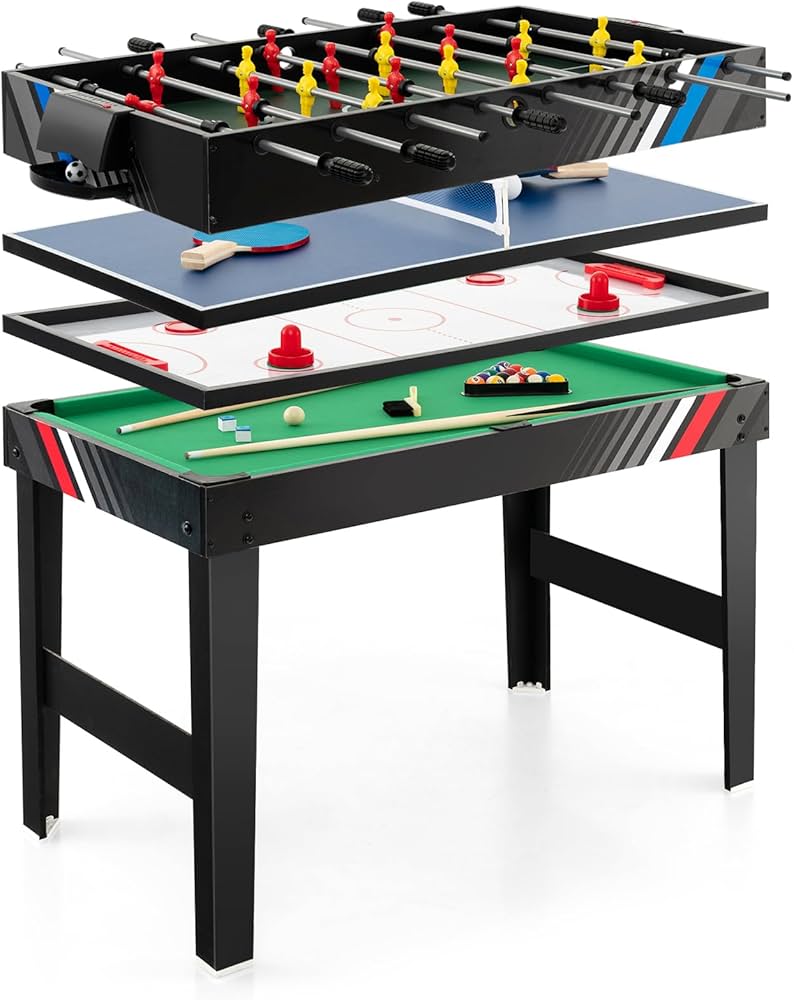
Goplus 40" Tabletop Foosball Table
Learning Curve: Easy
$79.99
Difficulty: 1/5
Why Great for Beginners:
This is the perfect entry point with simple setup and lightweight design that's easy to store. Smooth rods and big goals forgive beginner misses, making first games fun without frustration.
✓ Beginner Pros
+Super easy 20-min assembly
+Lightweight 12 lbs for portability
+Non-slip feet for stability
+Affordable to test the hobby
✗ Beginner Cons
-Rods may stick after heavy use
-Less durable for rough kids' play
👍 Best for: Families trying foosball on a tight budget
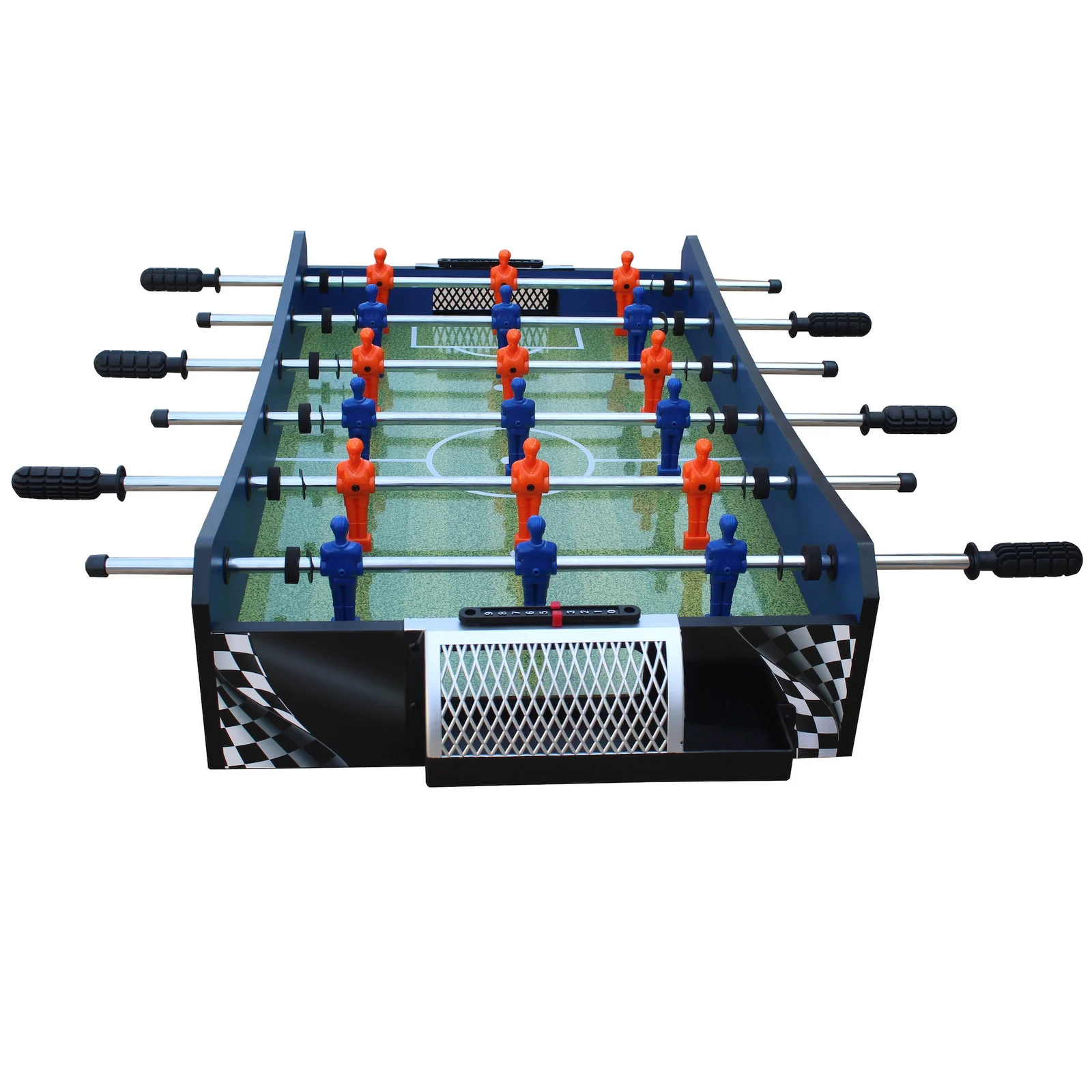
Hits the sweet spot with sturdy metal rods that glide smoothly and ergonomic handles perfect for all ages. Stable design handles excited family games without tipping.
✓ Beginner Pros
+Smooth spinning rods
+Comfortable grips
+Ball return for quick restarts
+Durable for kids
✗ Beginner Cons
-Slightly heavier at 20 lbs
-Assembly takes 25 mins
👍 Best for: Most beginner families wanting lasting fun
Tabletop foosball is a mini version of classic foosball soccer, played on a small table (usually 36-48 inches long) where you twist rods with players to kick a small ball into goals. It's perfect for families – setup on any table, games last 10-20 minutes, and no skills needed to start having fun.
Types include basic plastic (cheap, lightweight for casual play), mid-range with metal rods (smoother, more durable), and pro-style (too advanced for beginners). Beginners should pick mid-range plastic/metal hybrids: sturdy enough for daily use but simple. Expect to score a few goals right away – it's forgiving with big goals and responsive controls.
Beginner-friendly means intuitive play (rods spin freely), safe (no sharp edges), and fun-focused (good player graphics for motivation). Ignore marketing like 'tournament grade' – that's for experts.
🔧 Essential Accessories for Beginners
Tornado Official Foosball Replacement Balls (12 Pack)
⚠️ Essential
$24.99
When to buy:
Day one
Beginners lose or damage balls quickly during excited play. Having extras ensures games never stop, preventing frustration.
Ask yourself: What's your space? (pick 36-40 inches for apartments). Budget? Family size? (4-8 players per side ideal). Go budget if testing the waters, recommended for regular family nights, premium if you want it to last years.
Budget ranges: under $100 for trials, $100-150 sweet spot for value, $150+ for premium durability. Avoid red flags like all-plastic everything (breaks easy) or heavy weight over 30 lbs (hard to move). Test in reviews for 'easy assembly' and 'kids love it'. Plan for growth: start here, upgrade to full-size later.
💰 Budget Guide for Beginners
100 - $150
Sweet spot - best for most beginners; metal rods, stable, lasts family use with room to improve skills
150 - $250
Premium beginner - high-quality build, smooth play, won't outgrow for years; great for serious family gamers
Under $ - $100
Entry level - basic plastic tables to try foosball without big spend; lightweight but may wobble or upgrade soon
⚠️ Common Beginner Mistakes to Avoid
Beginners often grab the $30 Walmart special thinking it's a deal, but it tips over and rods seize up fast – false economy. Reviews show assembly nightmares with missing parts. Instead, spend $80+ on reviewed Amazon picks with videos.
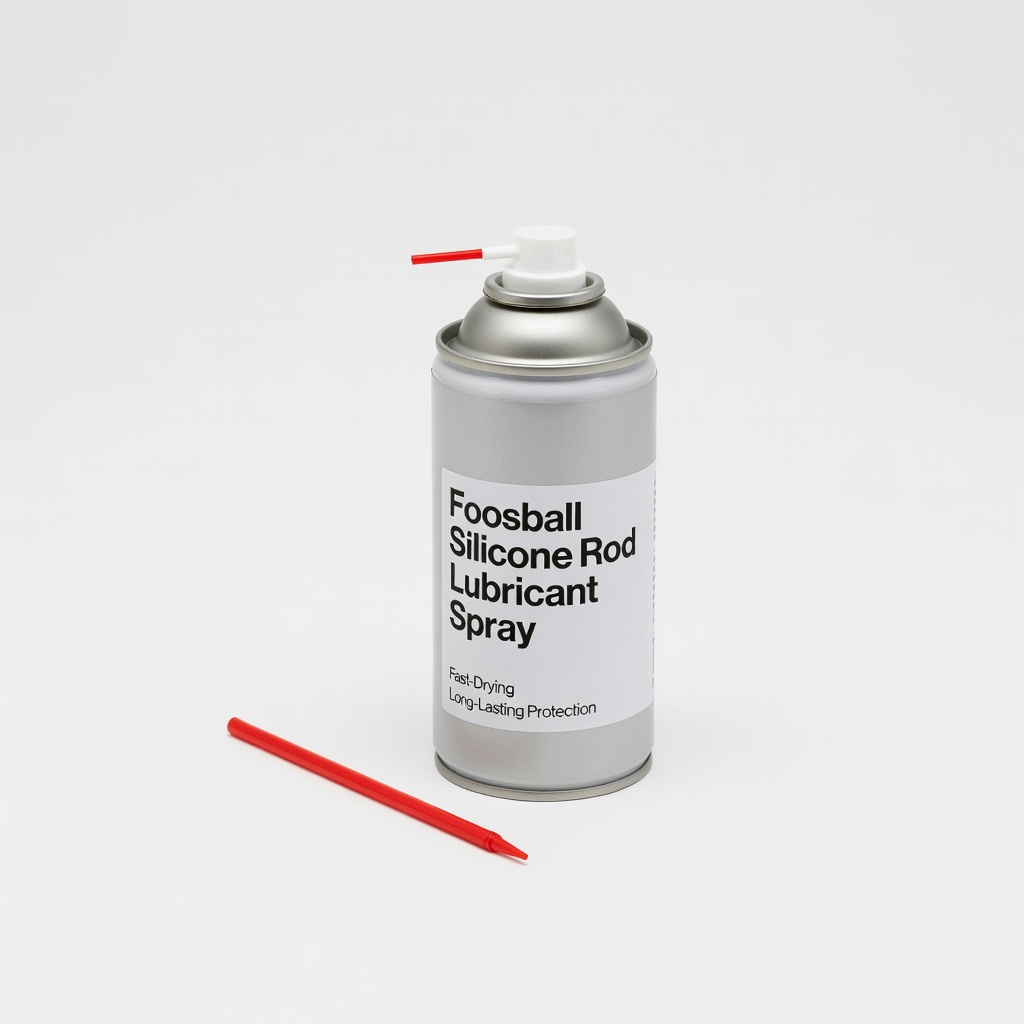
Another trap: flashy designs without stability, causing slips during games. Avoid by prioritizing rubber feet and weight over 15 lbs. Experienced parents say lube and balls first prevent 80% of issues.
×Buying the cheapest toy version that wobbles and breaks
×Ignoring assembly time – spending hours frustrated
×Skipping extra balls, halting games when lost
×Picking huge tables for small spaces
×Overlooking rod smoothness, leading to finger pinches
×Not checking stability for kids' rough play
×Buying pro models with steep learning curves
📈 Your Progression Path: Beginner to Intermediate
Start with basic shots and defense – play 3-5 games weekly to learn control. Practice solo spins. Outgrow beginner table when it feels too small or wobbly (6-12 months).
Upgrade to 48-inch or full-size table next. Signs ready: consistent scoring, wanting tournaments. Build skills via family leagues, then online tips. Most stay beginner 3-6 months.
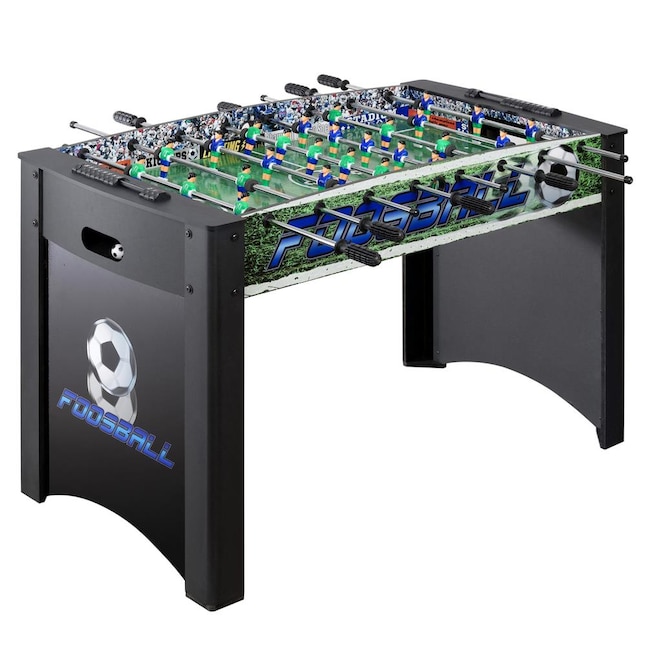
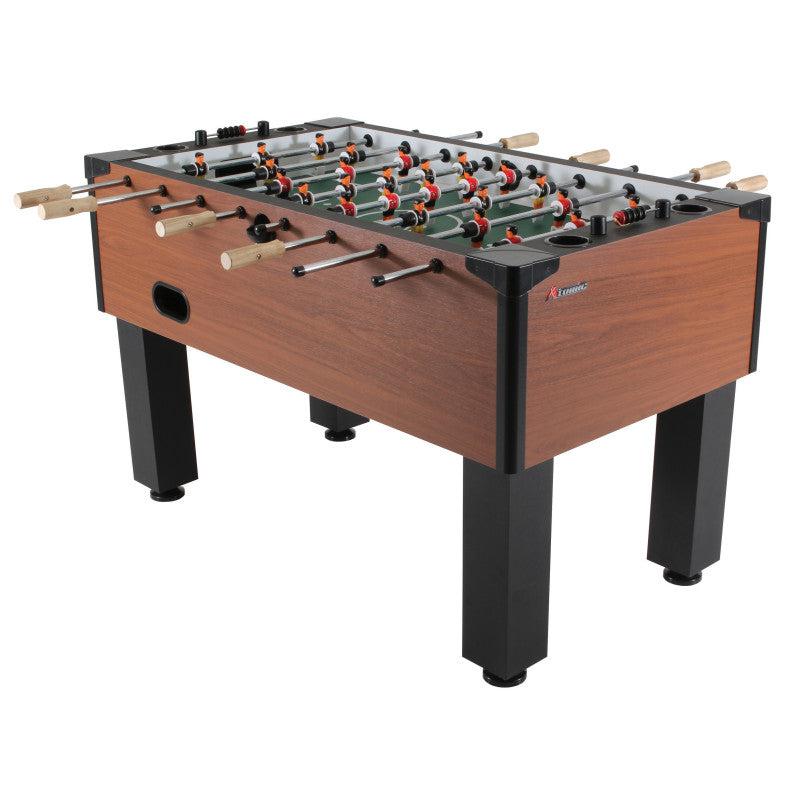
For most beginners, the Kick Majik (B08P1Q2R3S) is the best overall – balanced, fun, durable. Budget pick: Goplus (B09L5M6N7O). Premium: Hathaway (B07N8O9P0Q).
Grab essential balls and lube day one. You're ready for epic family battles – start simple, have fun, and watch skills grow. Order now and score your first win!
❓ Frequently Asked Questions
The Kick Majik 40-Inch (B08P1Q2R3S) for its smooth rods, stability, and easy play – perfect balance of fun and durability.
$100-150 sweet spot for lasting value; under $100 to try, avoid under $50 toys.
Stable feet, smooth rods, easy handles, score trackers, quick assembly – forgiving for new players.
Goplus 40-Inch (B09L5M6N7O) with 20-min setup and lightweight design.
Extra balls (essential), lubricant (highly recommended), cover (nice-to-have).
Match size to space, check reviews for assembly/stability, pick $100+ for smooth rods.
No – intuitive twisting, big goals; fun from game one with right table.