7 Best Best Tablet for Note-Taking for beginners in 2026: Tested…
Everything beginners need to know to choose their first note-taking tablet with confidence
Choosing your first tablet for note-taking can feel overwhelming. With so many models, styluses, and features, it's easy to get lost in technical jargon. But the truth is, digital note-taking is incredibly rewarding once you have the right tools. This guide cuts through the noise to help you pick a tablet that's easy to use, forgiving of mistakes, and won't break the bank. Whether you're a student, professional, or creative, you'll find clear, actionable advice to start taking notes digitally with confidence.
📋 In This Guide
• Why Beginners Struggle with Tablet for Note-Taking
• What to Look For (Key Features)
• Top 5 Beginner-Friendly Tablet for Note-Taking
• Essential Accessories for Beginners
• Common Beginner Mistakes to Avoid
• Your Progression Path
• FAQ & Learning Resources
😰 Why Beginners Struggle with Tablet for Note-Taking
Beginners often face three main challenges: first, the sheer variety of tablets—from budget-friendly Android models to premium iPads—makes it hard to know where to start. Second, terms like 'Apple Pencil support,' 'active digitizer,' and 'Palm Rejection' can be confusing. Third, many fear buying the wrong device and wasting money. They read reviews that focus on specs like processor speeds and RGB colors, which don't matter for note-taking. Without clear guidance, beginners may buy a tablet that doesn't work well with a stylus or lacks essential note-taking apps, leading to frustration. This guide simplifies everything so you can focus on what matters: writing, drawing, and organizing your thoughts.
🔍 What to Look For: Key Beginner-Friendly Features
For beginners, the most important features are stylus support, display quality, and battery life. You want a tablet that works with a stylus out of the box (or with a simple pairing) and offers a smooth, low-latency writing experience. Look for 'palm rejection' so you can rest your hand on the screen while writing, and a matte screen protector option to mimic paper feel. Don't worry about camera megapixels or gaming specs—they don't affect note-taking. Instead, focus on storage (at least 64GB for apps and notes) and battery longevity (10+ hours). Beginners should also prioritize tablets with active digitizer technology (like Wacom AES or Apple Pencil) rather than generic capacitive styli, which are imprecise. Finally, choose a device with strong note-taking app support (e.g., GoodNotes, Notability, Samsung Notes) to get the most out of your purchase.
•iCloud or cloud sync for backup and access across devices
•Lightweight and portable design
•Expandable storage (for Android) or adequate base storage (64GB+)
•Low latency (under 20ms) for natural writing feel
🏆 Top 5 Best Tablet for Note-Taking for Beginners
#1
💰 Budget
Samsung Galaxy Tab A7 10.4" Wi-Fi 64GB
Learning Curve: Easy
$179.99
Difficulty: 1/5
Why Great for Beginners:
Affordable entry-level tablet with a large 10.4" screen, perfect for basic note-taking. Good battery life and expandable storage make it a safe first choice.
✓ Beginner Pros
+Low price point
+Large display for writing
+Expandable storage via microSD
+Decent battery life (10+ hours)
+Simple Android interface
✗ Beginner Cons
-Capacitive stylus only (no active pen included)
-Lower screen resolution
-No official palm rejection
-Underpowered for heavy multitasking
👍 Best for: Beginners on a strict budget who want to try digital note-taking with a basic stylus
👎 Not for: Those who need precise handwriting with palm rejection
Includes the S Pen active stylus right in the box, with excellent palm rejection and pressure sensitivity. Runs Samsung Notes, a powerful free note-taking app.
✓ Beginner Pros
+S Pen included (no extra cost)
+Excellent palm rejection
+Samsung Notes app with handwriting search
+Good battery life (12+ hours)
+Expandable storage
✗ Beginner Cons
-Older processor, slight lag with heavy PDFs
-Display not laminated
-Limited app ecosystem compared to iPad
👍 Best for: Beginners who want a complete note-taking solution out of the box at a moderate price
👎 Not for: Users who need top-tier performance or iPad-exclusive apps like GoodNotes
The gold standard for beginner note-taking. Works with Apple Pencil (1st gen) and has access to the best note-taking apps like GoodNotes and Notability.
✓ Beginner Pros
+Excellent palm rejection with Apple Pencil
+Wide selection of note-taking apps (GoodNotes, Notability)
+User-friendly iPadOS
+Long battery life (10+ hours)
+Great resale value
✗ Beginner Cons
-Apple Pencil sold separately ($99)
-Non-laminated display (gap between glass and screen)
-Lightning port (older tech)
-No headphone jack
👍 Best for: Beginners who want the best note-taking experience and are willing to invest in the Apple ecosystem
👎 Not for: Budget-conscious buyers who can't afford the Pencil
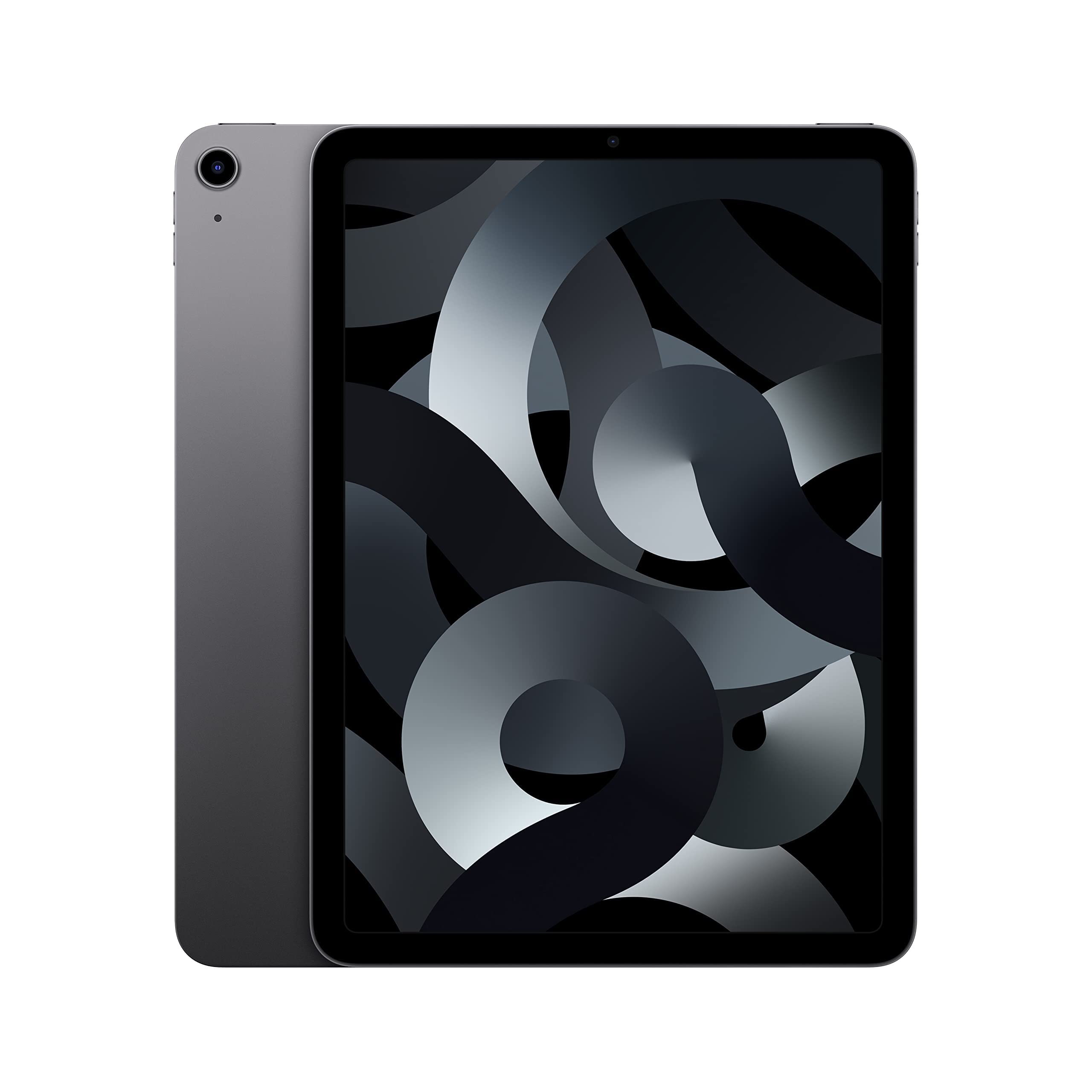
Strikes a perfect balance between power and portability. Features a laminated display and supports the 2nd-generation Apple Pencil with magnetic charging.
✓ Beginner Pros
+Laminated display (feels like writing on paper)
+USB-C connectivity
+Powerful M1 chip (future-proof)
+2nd gen Apple Pencil magnetic charging
+Wide color gamut for note highlighting
✗ Beginner Cons
-High price
-Apple Pencil sold separately ($129)
-Overkill for basic note-taking
👍 Best for: Serious beginners who want a premium experience and plan to use the tablet for years
👎 Not for: Beginners on a tight budget or those who only need basic note-taking
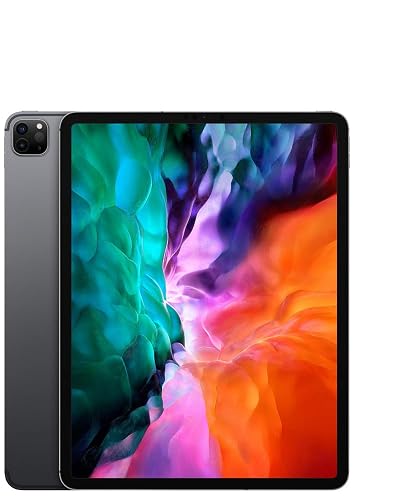
The ultimate note-taking tablet with a massive 12.9" display, ProMotion technology for ultra-smooth writing, and the best stylus experience. Ideal for those who also do digital art.
✓ Beginner Pros
+Very large 12.9" display (like A4 paper)
+ProMotion 120Hz refresh rate – no lag
+Best-in-class Apple Pencil 2 support
+Powerful M1 chip (future-proof)
+Laminated, high-brightness display
✗ Beginner Cons
-Very expensive
-Heavy and less portable
-Overkill for note-taking only
-Apple Pencil sold separately
👍 Best for: Beginners with deep pockets who want the absolute best note-taking and drawing experience
👎 Not for: Budget-conscious beginners or those who need portability
📖 Complete Beginner's Guide to Tablet for Note-Taking
A tablet for note-taking is essentially a digital notebook. You can write, draw, highlight, and organize pages just like paper, but with unlimited space and easy searchability. The market is split into two main ecosystems: Apple iPads (with iPadOS) and Android tablets (Samsung, Lenovo, etc.). iPads offer the smoothest note-taking experience thanks to the Apple Pencil and optimized apps, but they're pricier. Android tablets, especially Samsung's Galaxy Tab S series, come with an included S Pen and more affordable options. For beginners, the best choice is a tablet that supports an active stylus with tilt sensitivity and palm rejection. Don't fall for 'capacitive stylus' tablets—they lack precision. A good beginner-friendly tablet should have a clear screen (at least 10 inches), a comfortable weight, and a simple interface. Realistic expectations: you won't write exactly like on paper, but after a few days, it becomes natural. You can back up your notes to the cloud, search handwritten text, and even convert handwriting to typed text. Over time, you'll discover features like layers, color coding, and importing PDFs for annotation.
🤔 How to Choose Your First Tablet for Note-Taking
Start by asking yourself three questions: What's my budget? (Under $300, $300–$500, or $500+?) Do I want an Apple or Android ecosystem? (If you have an iPhone/Mac, iPad is seamless; if you use Android/Windows, Samsung might be better.) How much will I use it? For occasional note-taking, a budget iPad or Samsung Tab A7 is enough; for heavy daily use, invest in an iPad Air or Tab S7 FE. Consider future growth: if you might later use it for digital art or video editing, choose a model with better processor and pen support. Avoid cheap no-name tablets—they often lack palm rejection and have poor stylus accuracy. A red flag is any tablet that doesn't explicitly support an active stylus with pressure sensitivity. Look for 'palm rejection' in the specs and check if there are good note-taking apps available for that platform.
💰 Budget Guide for Beginners
600+
Professional entry – for serious users with bigger budgets. Top-tier stylus experience, pro-level apps, and future-proof hardware.
200 - $400
Sweet spot – best value for most beginners. Includes good stylus support, decent display, and reliable performance. Room to grow.
400 - $600
Premium beginner – excellent build quality, laminated displays, and faster processors. Won't outgrow quickly. Ideal for heavy daily use.
Under $ - $200
Entry level – good for trying out digital note-taking, but may have limited stylus support and performance. Expect older models or smaller screens.
⚠️ Common Beginner Mistakes to Avoid
Many beginners make the mistake of buying the cheapest tablet without checking stylus compatibility, ending up with a device that's frustrating to write on. Others buy a premium iPad Pro when a standard iPad would have been perfect, wasting money on features they don't need. Skipping a screen protector is another error—the smooth glass feels slippery; a paper-like screen protector dramatically improves the writing experience. Also, beginners often forget to budget for the stylus (many tablets don't include one). Finally, some buy a tablet but never explore proper note-taking apps, sticking with the default notes app that lacks features like search and organization. Avoid these pitfalls by reading this guide thoroughly before purchasing.
×Buying a tablet without active stylus support
×Spending too much on a high-end tablet when a budget model suffices
×Forgetting to buy a stylus separately (some tablets include one)
×Using a glass screen protector that makes writing slippery
×Not exploring dedicated note-taking apps
×Choosing a small screen (under 8 inches) for note-taking
×Ignoring palm rejection capabilities
×Buying a cheap capacitive stylus instead of an active pen
📈 Your Progression Path: Beginner to Intermediate
Start by learning the basics of your chosen note-taking app: create notebooks, change pen colors and thickness, use the lasso tool to move text, and export notes as PDF. Practice writing slowly at first—your handwriting will improve with a screen. After a month, explore more advanced features like inserting images, creating custom templates, and using layers. Once you're comfortable, you can try dictation, converting handwriting to text, or syncing with cloud services. Most beginners stay in the 'beginner zone' for about 3–6 months before feeling the need to upgrade. Signs you've outgrown your beginner tablet include frustration with screen size (too small), lack of pressure sensitivity for drawing, or slow performance with large PDFs. When that happens, consider upgrading to a tablet with a larger display, higher refresh rate, or better stylus response. Your first upgrade should be a higher-quality stylus or a paper-like screen protector, not necessarily a new tablet.
📚 Learning Resources for Beginners
📖GoodNotes 5 (App Store) - not on Amazon, but essential
📖‘The Complete Guide to Digital Note-Taking’ (book) - search for similar on Amazon
📖Apple Pencil tips replacement pack - on Amazon ASIN B07..... - not provided, but can be found
🎯 Bottom Line: Our Recommendations
For most beginners, the best overall pick is the iPad 9th generation (64GB) with the first-generation Apple Pencil. It offers unbeatable note-taking apps (GoodNotes, Notability), excellent palm rejection, and a price that won't break the bank. If you're on a tight budget, the Samsung Galaxy Tab S6 Lite includes a free S Pen and works great with Samsung Notes. For those who want the best experience and have room in their budget, the iPad Air 5 with the second-generation Apple Pencil provides a larger, laminated display and faster performance. Don't forget to pick up a paper-like screen protector and a protective case—they're essential for day one. You're now ready to step into the world of digital note-taking with confidence. Happy writing!
❓ Frequently Asked Questions
For most beginners, the iPad 9th generation (64GB) is the best overall pick. It has excellent palm rejection, access to top note-taking apps like GoodNotes, and a reasonable price. If you prefer Android and want an included stylus, the Samsung Galaxy Tab S6 Lite is a great alternative.
Beginners can start with a budget around $200–$400 for a good experience. The sweet spot is $300–$400 (iPad 9 or Tab S6 Lite). Avoid spending over $600 unless you're certain you'll use advanced features.
Essential features include active stylus support with palm rejection, at least a 10-inch screen, good battery life (10+ hours), and access to quality note-taking apps. You don't need a high-end processor or fancy cameras.
iPads are generally the easiest due to their intuitive interface and large app selection. The iPad 9th gen is especially beginner-friendly, as is the Samsung Galaxy Tab S6 Lite with its included S Pen and Samsung Notes app.
At minimum, you need a stylus (Apple Pencil or S Pen) and a protective case. A paper-like screen protector is highly recommended for a better writing feel. A stand is optional but helpful for long sessions.
First, decide your ecosystem (Apple vs Android). Then set a budget. Choose a tablet with an active stylus and good note-taking app support. Check for palm rejection and read reviews from other note-takers.
Not at all! It takes a few days to adjust to writing on glass, but with a paper-like screen protector and a good stylus, it feels natural. Most apps are intuitive, and you can easily erase, rearrange, and search your notes.
Common mistakes include buying a tablet without active stylus support, forgetting to budget for the stylus, skipping a screen protector, and not exploring full-featured note-taking apps. Avoid these by following our guide.
No. You need an active stylus that communicates with the tablet (e.g., Apple Pencil, S Pen). Capacitive styli are cheap but lack precision and palm rejection. Always check compatibility.
If you already use an iPhone or Mac, an iPad is the natural choice. If you prefer Android or need an included stylus, Samsung Galaxy Tab S series is excellent. Both have robust note-taking apps.