Choose your first surfboard with confidence – our guide simplifies options, picks top beginner boards, and avoids costly mistakes.
Picking your first surfboard can feel overwhelming with endless shapes, sizes, and prices staring back at you. As a beginner, you worry about wasting money on something too hard to use or getting hurt on sharp edges. But it doesn't have to be scary – the right board makes learning to ride waves fun and forgiving.
This guide is built for total newcomers like you. We'll break down what really matters, share top Amazon picks that experts recommend for beginners, and show you how to avoid common pitfalls. By the end, you'll know exactly which surfboard to buy and feel excited to hit the water.
📋 In This Guide
• Why Beginners Struggle with Surfboard
• What to Look For (Key Features)
• Top 4 Beginner-Friendly Surfboard
• Essential Accessories for Beginners
• Common Beginner Mistakes to Avoid
• Your Progression Path
• FAQ & Learning Resources
😰 Why Beginners Struggle with Surfboard
Beginners often feel lost because surfboards come in confusing varieties like shortboards, longboards, and fish shapes – without knowing what they mean. Forums like Reddit's r/surfing are full of newbies frustrated by boards that sink too easily or flip them over in small waves.
The jargon hits hard too: 'volume,' 'rocker,' 'fins' – it sounds like a foreign language. Many fear buying the wrong one, ending up with a board that's too advanced, leading to quick frustration and quitting. Overwhelming options online make it worse, with cheap knockoffs promising the world but delivering duds.
🔍 What to Look For: Key Beginner-Friendly Features
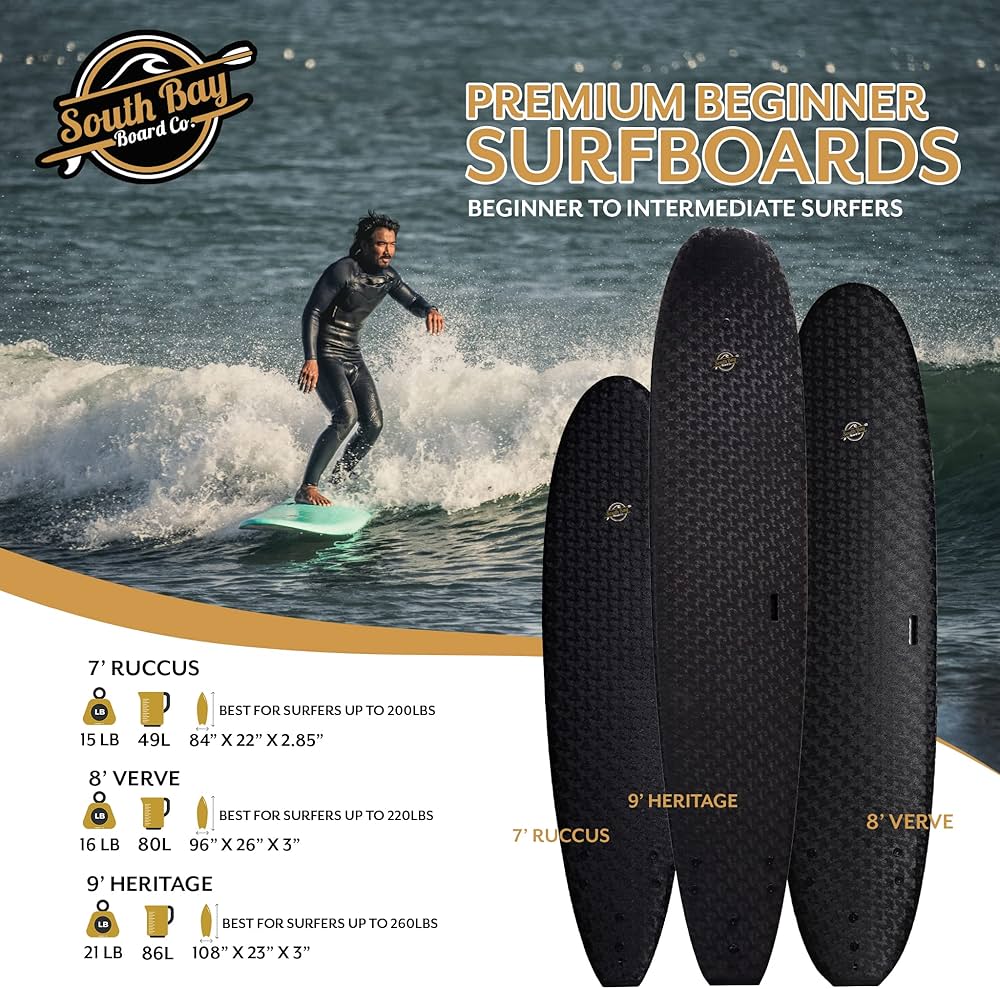
Focus on boards that are stable and forgiving. Look for soft-top foam construction – it's padded like a mattress, safe if you fall on it or others nearby. High 'volume' (think buoyancy) keeps you afloat easily without perfect paddling.
Nice extras: A wide shape for balance and removable fins for easy setup. Skip stiff, narrow boards or heavy glass ones – they're for pros. Beginner-friendly boards tolerate mistakes, like nose-diving, and work in small, mushy waves most newbies start on.
✅ Essential Features for Beginners
•Soft-top foam deck – safe and forgiving on falls
•8-9ft length – super stable for balance
•High volume (100+ liters) – floats you effortlessly
•Wide outline – easy to stand and turn
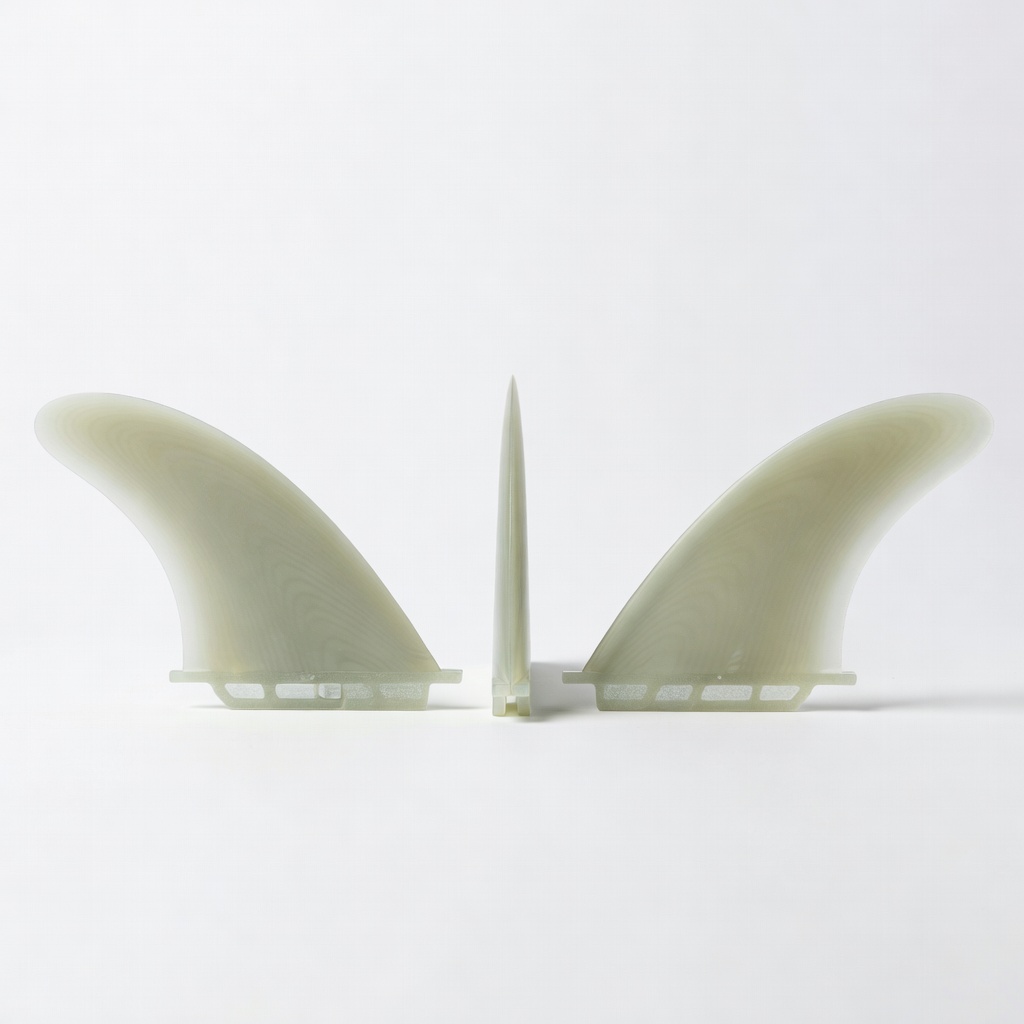
•Three fins (thruster) – good control without complexity
•Leash plug – keeps board from drifting away
•Rounded nose and tail – prevents wipeouts
🏆 Top 4 Best Surfboard for Beginners
#1
💰 Budget
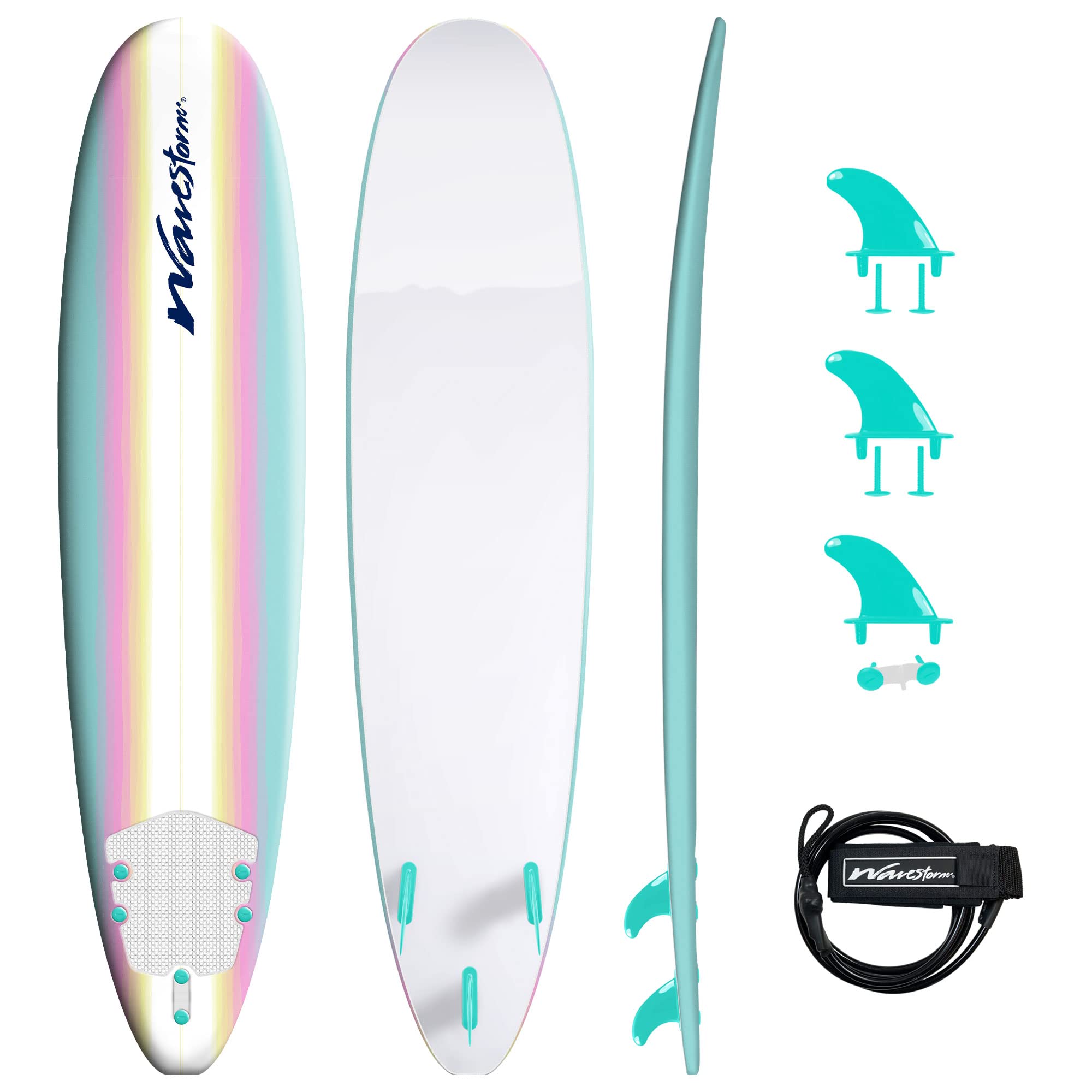
Wavestorm 8ft Classic Complete Surfboard
Learning Curve: Easy
$259.00
Difficulty: 1/5
Why Great for Beginners:
This foamie is the ultimate starter – super stable and safe with soft padding everywhere. Includes fins and leash, ready out of the box. Perfect for small waves and learning without fear.
✓ Beginner Pros
+Ultra-stable 8ft length
+Soft construction prevents injuries
+High buoyancy for easy paddling
+Complete kit included
✗ Beginner Cons
-Heavy to carry alone
-Basic performance in bigger waves
👍 Best for: Total newbies on a tight budget testing the sport
👎 Not for: Anyone over 200lbs or wanting quick progression
Surfboards basics: They're buoyant platforms to paddle into waves, stand on, and ride. Beginners need 'longboards' or 'funboards' (8-10ft), wider and thicker for stability – like training wheels on a bike.
Best for newbies: Soft-top boards made of foam with a slick bottom. They're lightweight, durable, and safe – no fiberglass shards if dinged. Avoid hardboards until skilled.
Expect to paddle a lot first; real riding takes 10-20 sessions. Evaluate by reading reviews for 'easy to catch waves' and 'stable.' 'Beginner-friendly' means high volume, soft rails, minimal rocker (flat curve for paddling).
Marketing traps: 'Pro shape' – ignore, it's not for you. 'EPS core' is light but advanced; stick to basics.
🔧 Essential Accessories for Beginners
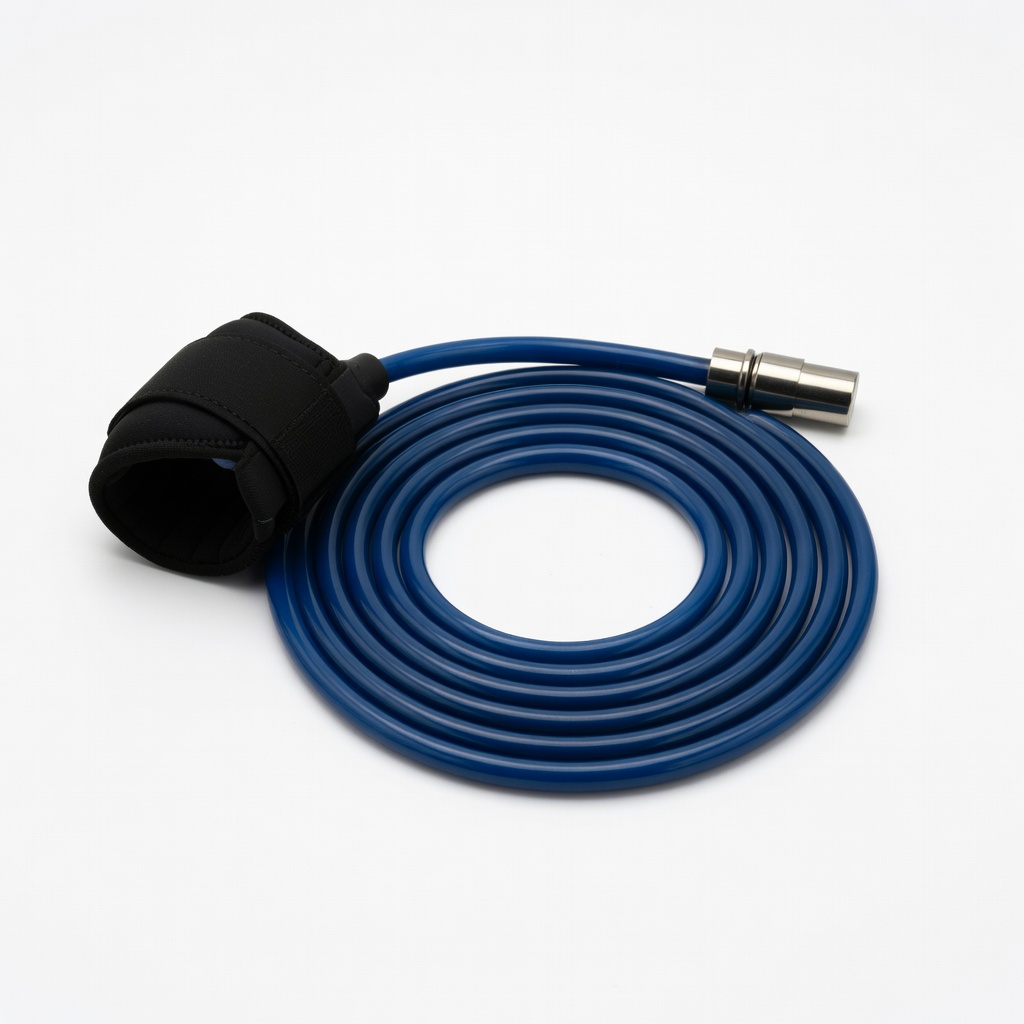
Da Fin Surf Leash 7mm Coiled
⚠️ Essential
$39.99
When to buy:
Day one
Your board will drift away without one – this keeps it close after falls. Coiled design prevents tangles and trips.
Ask: What's your budget? Beach location (small waves? Go long and wide). Height/weight? Heavier folks need more volume (add 30-50 liters to your weight in kg).
Budgets: Under $250 for testing, $250-400 sweet spot, $400+ premium. Start budget if unsure, upgrade later. Scenarios: Family beach – soft longboard; frequent surfer – mid-range.
Red flags: No customer photos/videos, vague specs, under 7ft. Plan growth: Beginner boards last 1-2 years.
💰 Budget Guide for Beginners
600+
Advanced entry – custom-like feel for committed newbies
250 - $400
Sweet spot – stable, durable boards with growth room for most beginners
400 - $600
Premium beginner – high-quality foam, better performance, lasts years
Under $ - $250
Entry level – basic soft-tops to try surfing, may feel basic but safe
⚠️ Common Beginner Mistakes to Avoid
Newbies grab flashy shortboards from movies, but they sink and flip you – stick to long soft-tops. Forums rant about $100 Amazon junk that warps after one use; false economy.
Many skip wax/leash, leading to slips and lost boards. Avoid by matching volume to weight (e.g., 150lb person needs 110L+). Experienced say: Rent first if unsure, but buy quality to stick with it.
×Buying shortboards under 7ft – too tippy
×Skipping leash – lose board every wave
×Cheap no-name boards that delaminate fast
×Ignoring volume – sinks if you're average weight
×No wax – constant slipping off
×Hard epoxy boards – injury risk
×Overlooking weight/height match
×Not getting accessories first
📈 Your Progression Path: Beginner to Intermediate
Start with paddling straight, prone pop-ups on flat water – 5-10 sessions. Progress to knee paddling waves, then standing turns.