Review Atlas
Review AtlasYour guide to a better purchase

Menu

Shop by Category

Get the App

Better experience on mobile

Beginners GuidePaddling

7 Best Best Stand Up Paddleboard for beginners in 2026: Tested &…

Everything beginners need to know to choose their first Stand Up Paddleboard with confidence

Are you ready to glide across calm water, feel the sun on your face, and get a fantastic full-body workout? Stand Up Paddleboarding (SUP) is one of the most accessible and enjoyable water sports, but choosing your first board can feel overwhelming. With dozens of options, confusing specs, and prices ranging from a few hundred to a few thousand dollars, it's easy to get lost.

This guide is here to change that. We've researched the market, listened to what beginners actually struggle with, and distilled everything you need to know into this simple, jargon-free guide. You'll learn what features truly matter, how to avoid common mistakes, and discover our top picks that balance ease, stability, and value. By the end, you'll feel confident ordering your first board and ready to hit the water.

📋 In This Guide

  • • Why Beginners Struggle with Stand Up Paddleboard
  • • What to Look For (Key Features)
  • • Top 4 Beginner-Friendly Stand Up Paddleboard
  • • Essential Accessories for Beginners
  • • Common Beginner Mistakes to Avoid
  • • Your Progression Path
  • • FAQ & Learning Resources

😰 Why Beginners Struggle with Stand Up Paddleboard

The biggest hurdle for beginners is the sheer amount of technical language. Words like 'rocker', 'volume', 'glide', 'fins', and 'drop-stitch' sound like a foreign language. Manufacturers also love to use marketing hype, making every board look amazing. Without guidance, it's nearly impossible to tell which features actually make a board easy to learn on.

Another common fear is buying the wrong thing. Many people worry about investing money and then discovering they bought a board that's too unstable, too fast, or suited for the wrong type of paddling. Then there's the practical side: storage and transport. Hard boards are sturdy but heavy and hard to carry; inflatables are convenient but can feel like a quality gamble. All these uncertainties add up and can paralyze a newcomer. The key is to focus on a few basic principles—stability, size, and build quality—and this guide will walk you through them one by one.

🔍 What to Look For: Key Beginner-Friendly Features

If you're new to paddleboarding, the most important quality is stability. Look for a wide board (32 inches or wider) and a generous thickness (at least 6 inches) to keep you balanced. This is way more forgiving than a narrow racing board that tips at the slightest movement. Next, choose an all-around shape—they're designed for calm lakes, bays, and mild rivers, and they're perfect for learning.

Inflatable boards are often the best choice for beginners because they're easier to store, transport, and tend to be softer (so mistakes don't hurt as much). However, not all inflatables are equal: check the construction and maximum pressure. A higher PSI (pounds per square inch) means a stiffer, more stable board. Also, don't compromise on the accessories that come with it—a good paddle, a leash, and a pump are essentials, not bonuses. Beginners don't need fancy features like carbon fiber paddles or extra rows of tie-downs just yet. Keep it simple, prioritize stability and build quality, and you'll have a great time.

✅ Essential Features for Beginners

  • Wide, stable platform: Look for 32 inches or more in width — it gives you more balance and confidence.
  • High volume (buoyancy): A board with more volume floats better, making it harder to tip over.
  • Soft, non-slip deck: Teaches you that kneeling and stepping are easy and comfortable
  • Moderate length (10-11 feet): Easy to turn and maneuver while still offering good glide
  • Multiple carry handles: Makes it simple to grab and lift the board from both ends
  • Removable center fin: Protects the fin if you run into shallow water or sandbars
  • Easy inflation (for inflatables): A board that reaches 15 PSI quickly reduces setup fuss
  • Complete accessory kit: A good pump, paddle, and leash are included—no extra purchases needed

🏆 Top 4 Best Stand Up Paddleboard for Beginners

#1
💰 Budget

SereneLife Inflatable Stand Up Paddle Board

Learning Curve: Easy

$249.99
Difficulty: 2/5
SereneLife Inflatable Stand Up Paddle Board

Why Great for Beginners:

This is a great entry-level inflatable board that offers wide stability at a low price. It includes a backpack, adjustable paddle, and hand pump, so you can get on the water without buying anything else. User reviews often note it's far more stable than expected for its price.

Beginner Pros

  • +Very affordable
  • +Includes basic accessories
  • +Wide enough for beginners to feel stable
  • +Portable backpack included
  • +6-inch thickness gives decent buoyancy

Beginner Cons

  • -Not the most durable – may show wear after a season
  • -Paddle is on the heavy side
  • -Inflation pump takes time to get to 11-12 PSI
  • -Smaller capacity (up to 220 lbs)
👍 Best for: Budget-conscious beginners who want to try paddleboarding without a big investment and plan to paddle occasionally on calm lakes.
👎 Not for: Heavier paddlers (above 220 lbs), and those who want high endurance or plan to paddle in choppy conditions.
#2
👍 Recommended

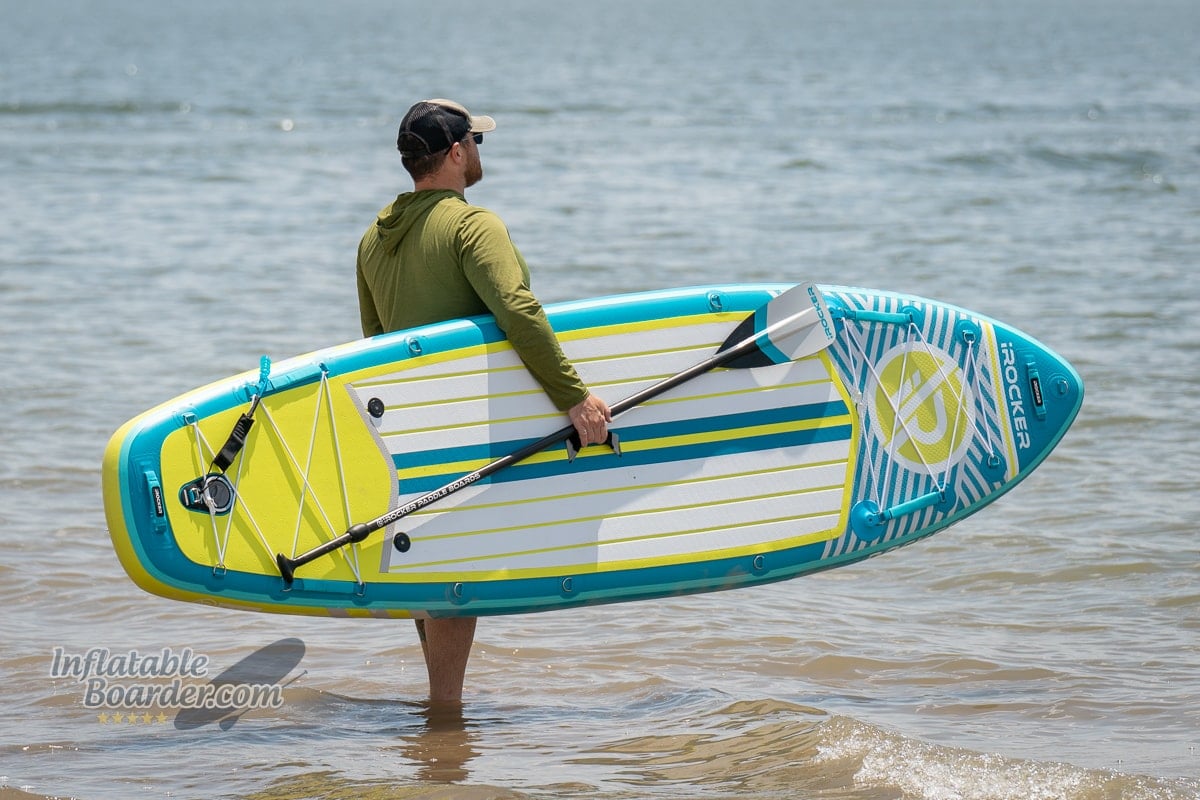
iRocker All-Around 10'8" Inflatable SUP

Learning Curve: Easy

$449.99
Difficulty: 1/5
iRocker All-Around 10'8" Inflatable SUP

Why Great for Beginners:

The iRocker All-Around is a favorite among beginners because of its rock-solid stability (34 inches wide) and high-quality construction. It inflates to a high PSI so it feels sturdy and rigid on water. The included accessories are top-notch, including a premium paddle, coil leash, and electric pump as an optional bundle.

Beginner Pros

  • +Extremely stable platform
  • +High-quality drop-stitch material
  • +Up to 15 PSI for a stiff board
  • +Includes a great bag and paddle
  • +Many tie-down points for gear
  • +Excellent customer support and warranty

Beginner Cons

  • -Pricier than basic boards
  • -Heavier when packed (around 18 lbs)
  • -Optional e-pump costs extra if not bundled
  • -Some users feel it's slower than a touring shape
👍 Best for: Beginners who want a durable, stable, and versatile board that will last for years without needing an immediate upgrade. Perfect for family use and casual paddling.
👎 Not for: Extremely budget-limited users or those looking for a lightweight board to carry long distances.
#3
👍 Recommended

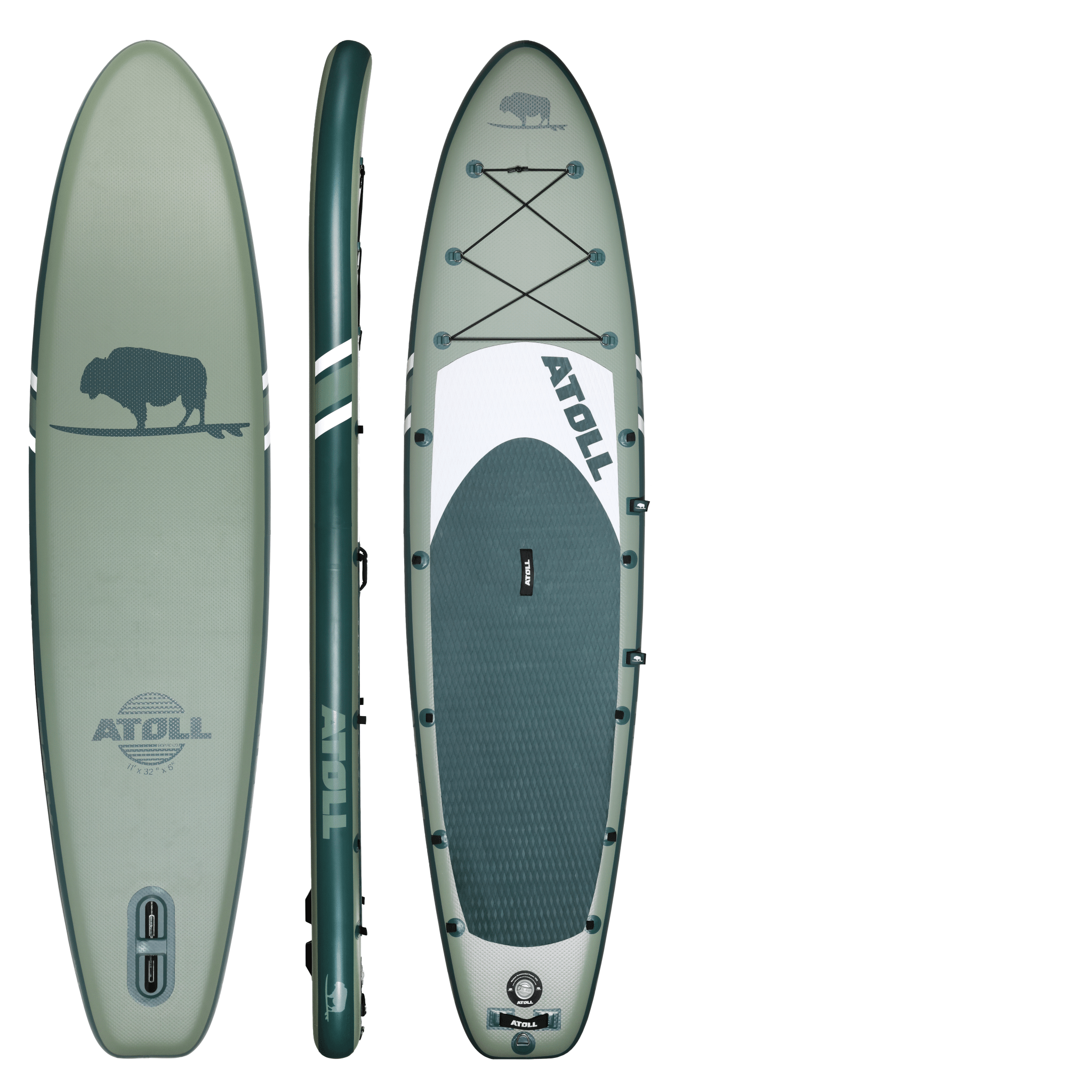
Atoll 11' Inflatable Stand Up Paddle Board

Learning Curve: Easy

$529.00
Difficulty: 2/5
Atoll 11' Inflatable Stand Up Paddle Board

Why Great for Beginners:

Atoll boards are handcrafted and known for their ruggedness. The 11' board is a sweet spot—longer than many all-around boards, so it paddles straighter and faster, but still 32 inches wide for great stability. It comes with a nice backpack, a high-quality paddle, and a pump that actually works efficiently.

Beginner Pros

  • +High-pressure drop-stitch construction
  • +Good glide for longer paddles
  • +Stable width (32")
  • +Includes a premium paddle
  • +Repairable material and great warranty
  • +Attractive design

Beginner Cons

  • -A little more expensive than other all-around boards
  • -Not as wide as the iRocker (32 vs 34) so slightly less stable for extremely green paddlers
  • -Grip pad may be less cushioned than some competitors
  • -Only one size considered
👍 Best for: Beginners who plan to cover some distance and want a board that can grow into light touring.
👎 Not for: Very cautious beginners who want maximum stability on their first outings.
#4
✨ Premium

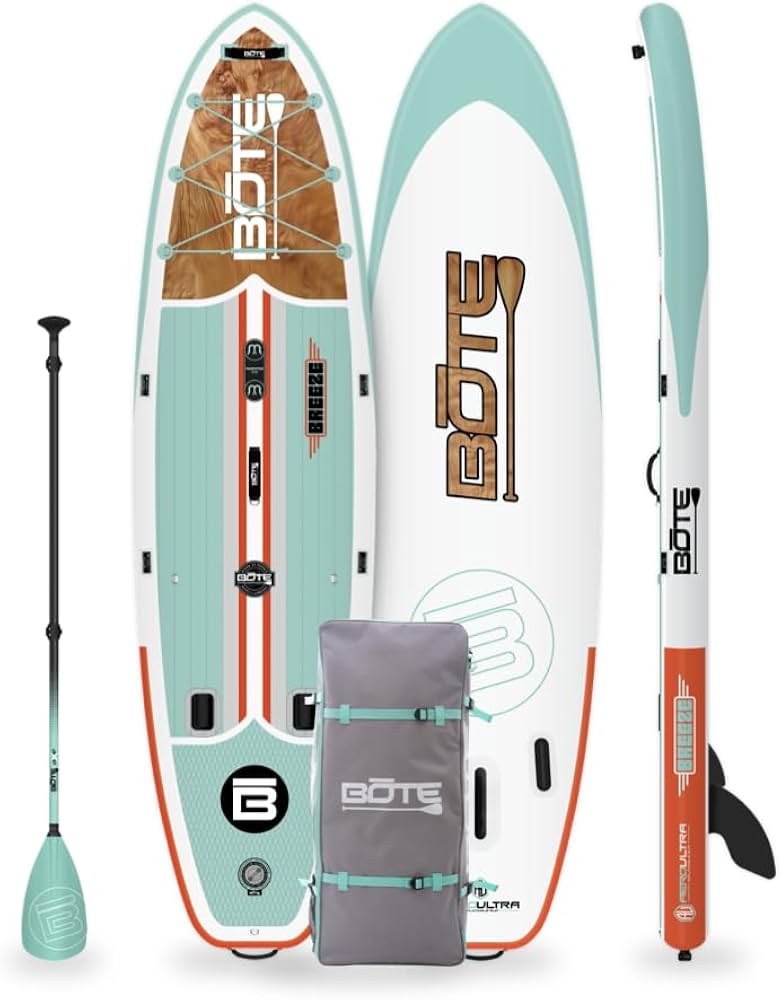
BOTE Breeze Inflatable Stand Up Paddleboard

Learning Curve: Easy

$999.00
Difficulty: 1/5
BOTE Breeze Inflatable Stand Up Paddleboard

Why Great for Beginners:

The BOTE Breeze is our premium pick because it combines luxury with forgiving stability. It's a beautifully constructed board with a wide platform and a comfortable riding surface. Beginners who can afford it will appreciate its lightweight feel and the added durability of BOTE's high-end materials. It also looks stunning on the water.

Beginner Pros

  • +High-end materials and craftsmanship
  • +Wide (35.5") for maximum stability
  • +Lighter weight compared to many rivals
  • +Carbon-reinforced rails for rigidity
  • +Aero Compound Foot Pad (ACFP) for comfort
  • +Includes an Aero paddle and pump

Beginner Cons

  • -Clearly expensive for a beginner
  • -Paddle included is basic for the price
  • -Not as widely available as other brands
  • -Less forgiving if you ding it—it's a premium product
👍 Best for: Beginners who have a larger budget and want the best performing inflatable they can get without worrying about upgrade costs.
👎 Not for: Budget-conscious or first-time paddlers who aren't sure if they'll pursue the sport long-term.

📖 Complete Beginner's Guide to Stand Up Paddleboard

Stand Up Paddleboarding is literally standing on a board and propelling yourself with a paddle. It's a fun, low-impact sport that works your core, legs, and arms while giving you a unique perspective on the water. The board itself is like a large, buoyant surfboard, and you stand perpendicular to the board's length, using your paddle to move forward and steer.

There are several categories of paddleboards: all-around, touring, racing, and yoga/fitness. All-around boards are the best for beginners because they offer a good balance of stability, maneuverability, and speed. Touring boards are longer and faster but harder to turn. Racing boards are narrow and fast but very wobbly. Yoga boards are super wide and stable, perfect for stretching but slower to paddle. For your first board, stick with an all-around shape (usually 10 to 11 feet long, 32 to 34 inches wide).

You'll also need to decide between inflatable and rigid (hard) boards. Inflatable boards are made of heavy-duty PVC with a drop-stitch inner core. They're packed into a backpack, easy to store in a closet, and handle small dings well. They're ideal for most beginners because of the convenience. Hard boards are made of foam with a hard outer shell (either epoxy or fiberglass). They're more efficient on the water and lighter to carry, but they require roof racks or a garage and can be easily scratched. For a first board, an inflatable all-around board is the safest, most practical choice.

Being 'beginner-friendly' means the board helps you build skills without punishing mistakes. Look for features like wide width, thick rails (the sides), a large volume (buoyancy), and a soft non-slip deck. The more volume a board has, the harder it is to sink, which makes falling in less frequent. A good beginner board should also have a removable center fin that protects you if you run aground, and multiple handles for easy carrying.

In terms of reality checks, don't expect to master a perfect paddle stroke on day one. You'll likely spend your first session kneeling or sitting. That's completely normal. Choose a calm water body with no waves or wind, and practice getting comfortable before standing. Remember, every paddler falls in—that's part of the fun. What a beginner-friendly board does is reduce how often that happens and make it easier to get back on.

🔧 Essential Accessories for Beginners

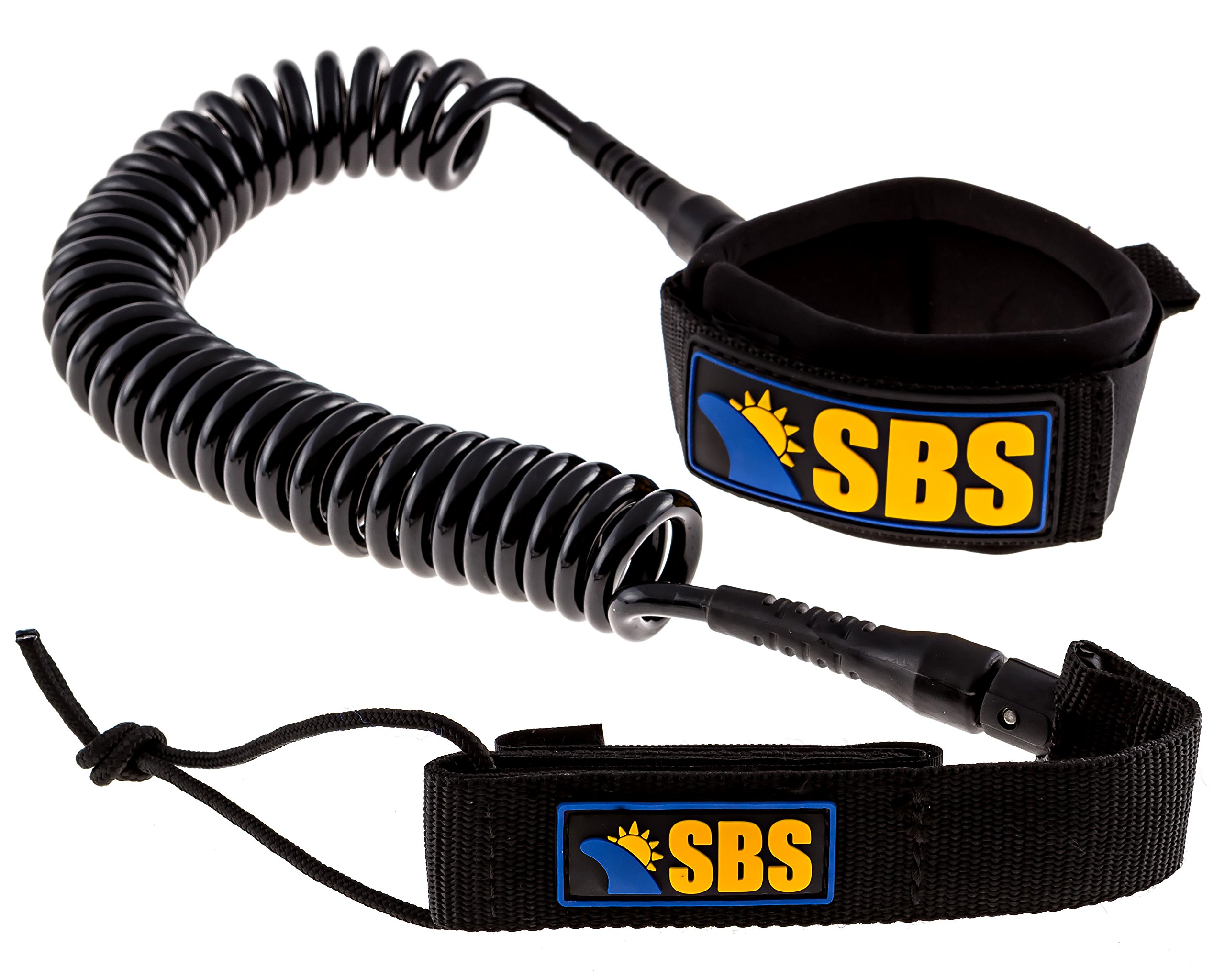
Coiled SUP Leash

Coiled SUP Leash

⚠️ Essential

$19.99

When to buy:
Day one

A leash attaches your ankle to the board. If you fall off, the board won't drift away, keeping you safe and preventing it from being lost. Coiled leashes reduce drag and are less likely to trip you.

Beginner Benefits:

  • Prevents board from drifting away
  • Increases safety without interfering
  • Easy to attach and adjust
  • Coil design keeps it out of the way
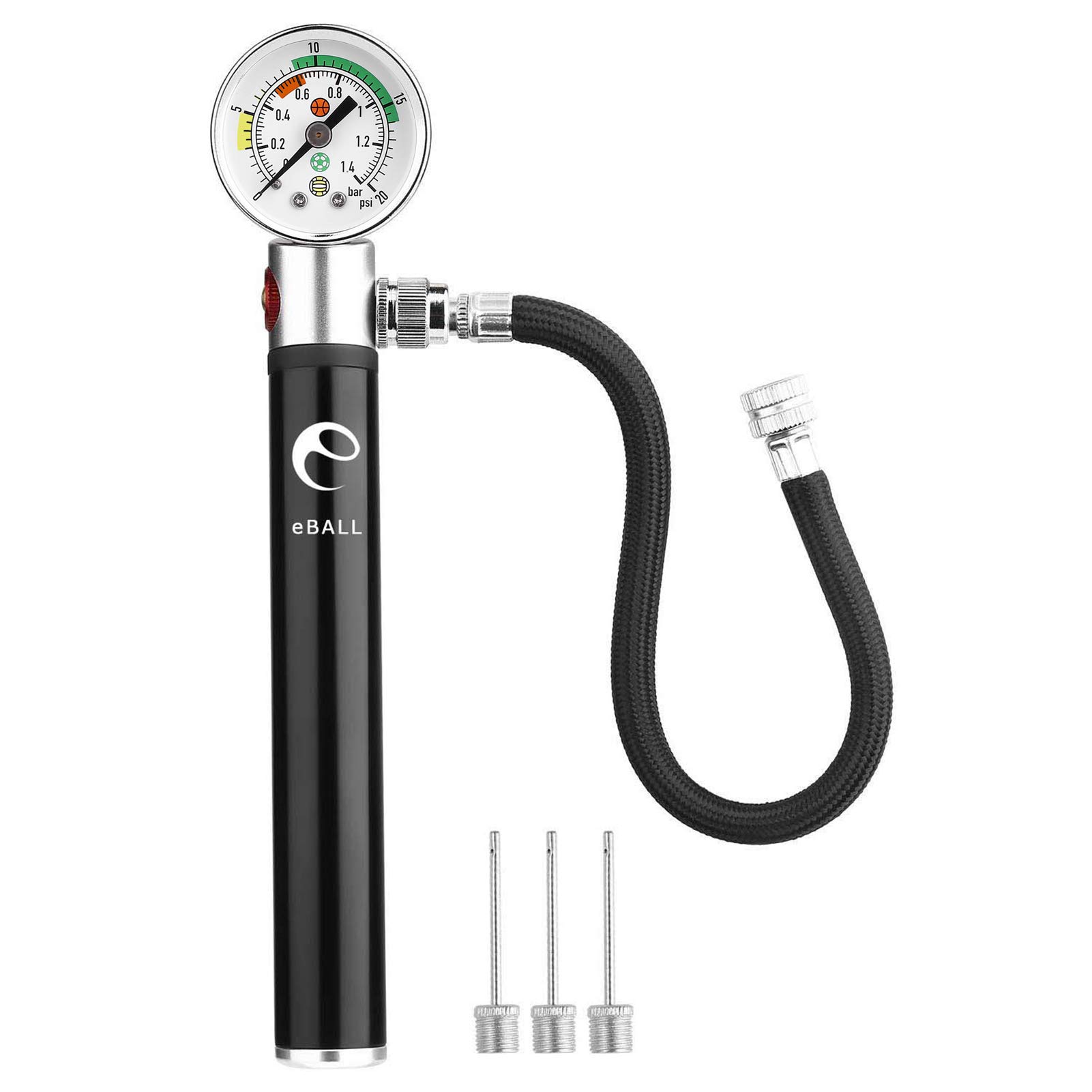
Inflatable Pump with Pressure Gauge - Image 1 of 9

Inflatable Pump with Pressure Gauge

👍 Recommended

$34.99

When to buy:
Day one

Most boards come with a pump, but some are slow and lack a pressure gauge. A high-quality pump with an accurate gauge lets you inflate to the correct PSI quickly and consistently, which is key for a stable ride.

Beginner Benefits:

  • Reach the recommended PSI without guessing
  • Inflates quicker and with less effort
  • Accurate gauge prevents over- or under-inflation
  • Adaptable to most inflatable paddleboards
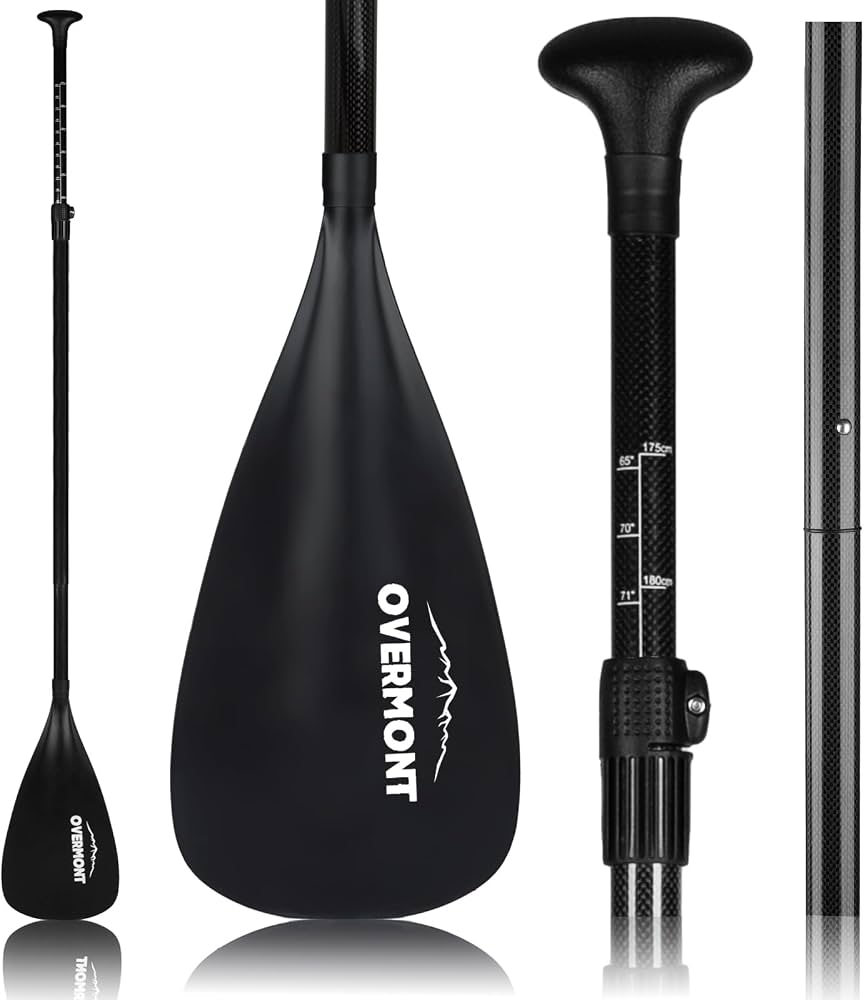
Adjustable SUP Paddle

Adjustable SUP Paddle

👍 Recommended

$49.99

When to buy:
First month

The paddle that comes with budget boards can be heavy and flimsy. A lighter, aluminum or fiberglass adjustable paddle makes strokes easier and less tiring, which is especially important when you're learning proper technique.

Beginner Benefits:

  • Less weight reduces arm fatigue
  • Adjustable length as you learn your proper stance
  • Large blade helps with forward movement
  • Better grip and ergonomics
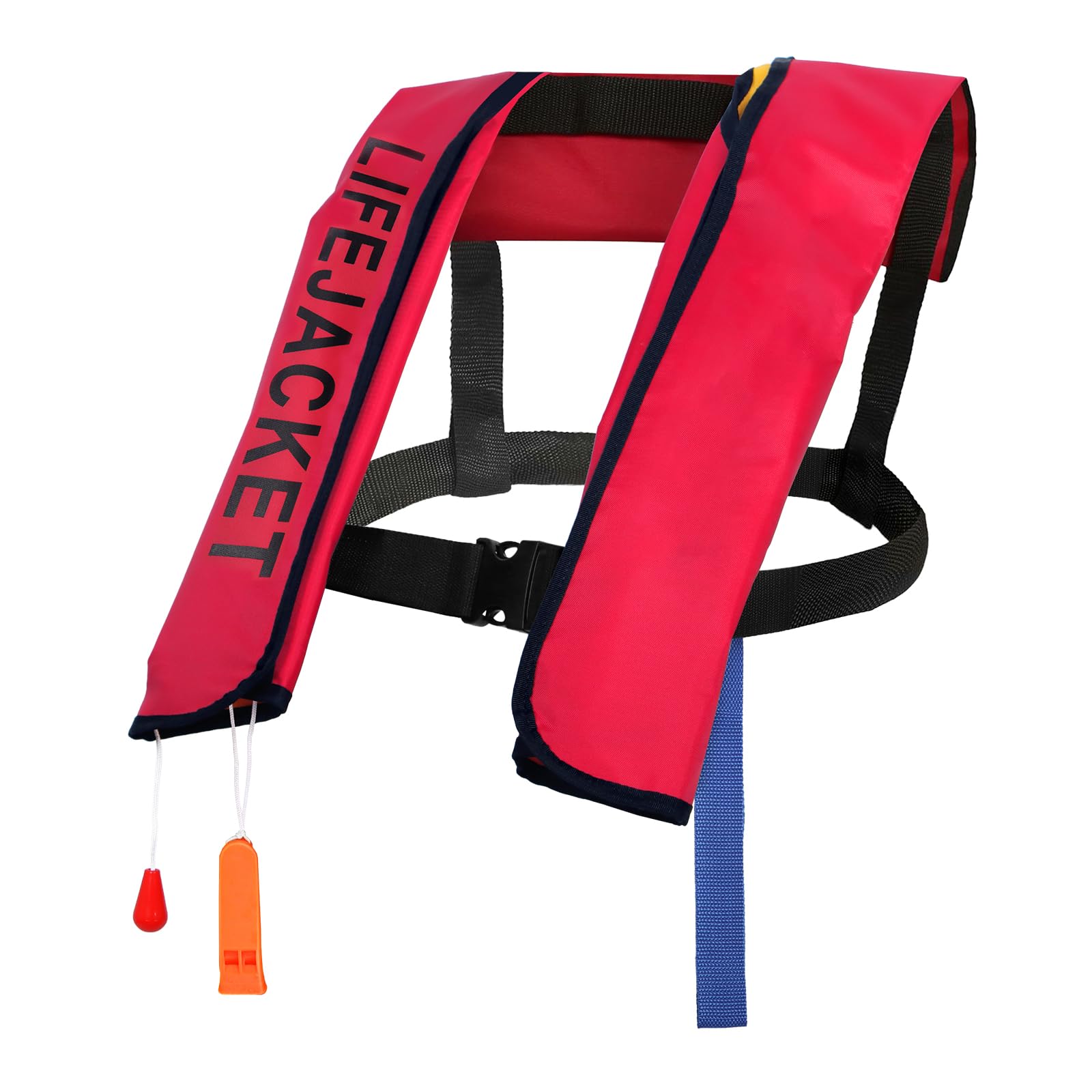
Personal Flotation Device (PFD)

Personal Flotation Device (PFD)

⚠️ Essential

$39.99

When to buy:
Day one

Paddleboarding can be deceptively strenuous. Even strong swimmers should wear a PFD. For beginners, it provides extra buoyancy and peace of mind, especially when paddle far from shore.

Beginner Benefits:

  • Increases safety but not restrictive
  • Helps you relax and focus on balance
  • Simple to put on (belt style)
  • Legal requirement in many states
SUP Repair Kit with Patch and Adhesive - Image 1 of 7

SUP Repair Kit with Patch and Adhesive

⚠️ Essential

$14.99

When to buy:
Day one

Accidents happen—especially with inflatable boards: a sharp rock, a branch, or rough concrete can cause a pinhole leak. Having a repair kit lets you fix it on the spot and extends the board's life.

Beginner Benefits:

  • Makes you self-sufficient if you get a leak
  • Saves money on expensive board repairs
  • Easy to carry in the included backpack
  • Ward off your fear of damaging the board

🤔 How to Choose Your First Stand Up Paddleboard

Start by asking yourself a few simple questions. Where will you use it—lake, ocean, river? If calm flat water, an all-around board is perfect. If you want to do SUP yoga, look for an extra-wide board. If you plan to paddle long distances, consider a touring board. How much space do you have for storage? If you live in an apartment, definitely go inflatable. How will you get to the water? Inflatable boards fit in a car trunk; hard boards need a roof rack.

Your budget is the next big factor. Realistic ranges: entry-level inflatables cost $200–$350, decent mid-range boards are $400–$600, and premium beginner boards are $600–$1,200. We'll outline these tiers later. As a beginner, you don't need the most expensive board, but don't go bargain-basement either—super cheap boards often have poor stability, leaky seams, and weak paddles. A good sweet spot for most people is $400–$600, which gets you a solid inflatable with quality accessories.

Finally, read customer reviews, especially from other first-timers. Look for feedback about ease of inflation, stability, and durability. Red flags to avoid: boards sold without a leash or paddle (unless you already have them), generic brands with no customer support, and overhyped 'racing' boards that appeal to beginners but are actually hard to control. Trust your instincts—if a board looks too narrow or too cheap, there's probably a reason.

💰 Budget Guide for Beginners

1000+

Professional-level boards with advanced materials, but often not necessary for beginners. Only consider if you have specific goals such as long-distance touring or racing, and you've already had some paddling experience.

300 - $600

The sweet spot for beginners. These boards are stable, made with quality materials, and usually come with everything you need. Look for 6" thickness and PSI 15.

600 - $1000

Premium beginner boards – these perform better, last longer, and have nicer construction. If you're sure you'll stick with the sport, this is a great range to invest in.

Under $ - $300

Entry-level inflatable boards – decent for calm water, but often have questionable durability and basic accessories. You may outgrow it quickly but it's a good way to test the waters.

⚠️ Common Beginner Mistakes to Avoid

Buying too cheap is the biggest mistake beginners make. Cheap boards are often narrow, poorly constructed, and don't hold air well. You'll end up frustrated and wanting to upgrade within a few months. Buying too expensive is the flip side—spending $1,500 on a racing board you can't use is a waste of money. Skipping essential accessories like a leash or wearable PFD (personal flotation device) is risky. The leash keeps you attached to your board if you fall, and a PFD keeps you safe in case of fatigue or emergency.

Ignoring the learning curve is another trap. You might assume you'll stand up immediately, but balance takes a few sessions. That's okay—choose a board designed for learning, not a high-performance machine. Also, many beginners overlook weight capacity. Always check the maximum weight rating. If the board's capacity is too low for your body plus gear, it will ride lower in the water, making it easier to tip. Not planning for growth can also be a problem. If you think you might get into touring or yoga later, consider a board that can do both reasonably well, like a wide all-around with tie-downs.

Other mistakes include buying a board with no warranty or customer support, ignoring the included accessories (some boards come with a subpar paddle and pump), and assuming all inflatables are the same. Different brands have very different quality levels, even in the same price range. Take time to compare, read the fine print, and check what's in the box.

  • ×Buying the cheapest board, which often lacks stability and leaks
  • ×Buying a high-performance racing board that's too narrow for learning
  • ×Skipping the leash, leading to dangerous situations if they fall off and the board drifts away
  • ×Not checking the weight capacity and exceeding it, making the ride unstable
  • ×Ignoring storage and transport needs, then struggling with a hard board in an apartment
  • ×Getting a board without proper air pressure, feeling wobbly and thinking they're too heavy
  • ×Choosing a touring board thinking it will allow them to 'grow', but it’s harder to control
  • ×Not researching the brand's reputation, leading to poor customer support after sales

📈 Your Progression Path: Beginner to Intermediate

Your first few paddling sessions should focus on getting comfortable on the board. Start kneeling and work your way up to standing. Practice your paddle stroke—reach forward, pull the blade through the water, switch sides. Learn to steer by moving the paddle in an L-shape or using a reverse stroke. After a few outings, you'll find your balance and feel more confident.

Once you've mastered the basics, you can start exploring different ways to paddle. Try a light workout with intervals of fast paddling, or attempt simple yoga poses while floating. As your skills improve, you might want to venture into longer distances or even mild rivers. At this point, you'll know your board's limits and can decide if it's time for an upgrade.

Signs you've outgrown your beginner board include: you feel stable and want to go faster, you're looking for more glide, or you start paddling in choppy water where your wide all-around board becomes hard to handle. When that happens, consider upgrading to a touring board (for speed and distance) or a performance inflatable with better hydrodynamics. But for most hobbyists, a quality all-around board will keep you happy for years. The best upgrade you can make is not gear, but practice—join a local paddle club or take a lesson to refine your technique.

📚 Learning Resources for Beginners

  • 📖Stand Up Paddling: A Beginner's Guide (book)
  • 📖SUP Yoga 101 DVD
  • 📖Stand Up Paddleboard Instruction Guide (poster)
  • 📖Paddle Board Dry Bag (for essentials)
  • 📖Paddlecraft Proficiency Training (online course)
  • 📖Water Safety Skills Manual

🎯 Bottom Line: Our Recommendations

For most beginners, we recommend an inflatable all-around board from a reputable brand that costs between $400 and $600. It gives you the perfect balance of stability, portability, and durability. Our top pick in that category is the iRocker All-Around 10'8" (featured below), which has been praised by beginners for its easy inflation, stable ride, and premium accessories. If you're on a tighter budget, the SereneLife Inflatable SUP is a solid entry-level option that still won't disappoint. On the other end, if you have more budget and want a board that you won't outgrow quickly, the BOTE Breeze offers top-tier stability and a comfortable riding deck.

Don't forget the essentials: a leash, a floating paddle (already included in most sets), and a properly fitted life jacket. These aren't optional—they keep you safe and make your experience much better. And remember, every expert was once a beginner. The water is waiting, and with the right board and a positive mindset, you'll be paddling with confidence in no time.

Ready to begin? Read our recommended products below, pick the one that matches your budget, and start planning your first session on the water.

❓ Frequently Asked Questions

The best beginner SUP is an inflatable all-around board that's wide (32-34 inches), thick (6 inches), and has a stable platform. Our top pick for most beginners is the iRocker All-Around 10'8" because it balances stability, quality, and price. If you're on a tight budget, the SereneLife board is a good entry-level choice.
For a quality beginner board, you should expect to spend between $400 and $600. Cheap boards under $300 often lack stability and durability. Premium boards over $1,000 are not necessary initially unless you know you'll continue the sport seriously. The sweet spot for value and experience is around $450.
The most important features are width (at least 32 inches), thickness (6 inches for inflatables), and a non-slip deck. You also want a board that comes with a paddle, leash, pump, and bag. A removable fin helps you avoid damage in shallow water. Avoid racing boards—they're too narrow and tippy.
The easiest boards are the widest and most buoyant. The BOTE Breeze (35.5 inches wide) and the iRocker All-Around (34 inches) are exceptionally easy to balance on. In general, look for a board over 33 inches wide and a volume that corresponds to your weight (add 10 lbs to your body weight and aim for that number in liters).
Absolutely essential: a coiled leash, a personal flotation device (PFD), and a high-pressure pump (if your board includes a manual one, consider upgrading to a dual-chamber pump). You might also want a repair kit, an adjustable paddle (if your kit paddle feels poor), and a waterproof phone pouch for safety and photos.
Start by asking: Where will I paddle? If lakes/rivers, an all-around board is ideal. If ocean or long tours, a longer touring shape. Then consider storage—inflatable for apartments or hard for home owners with racks. Set a budget of $400-600, check the weight capacity for your size, and read reviews from other beginners. Always buy a complete package to save money.
It can be challenging at first, but most beginners can kneel, paddle, and stand within the first session. The key is starting on calm water and using a stable board. Expect a few falls—it's normal and fun. Once you find your balance, it becomes easier and very enjoyable.
Common mistakes include buying a cheap or overly narrow board, forgetting a leash or PFD, not inflating the board to the correct PSI, choosing a board with too low weight capacity, and not considering storage/transport. Beginners also often stand up too fast and then get discouraged—start by kneeling and gradually stand.
Inflatable boards are generally better for beginners because they are easier to store and transport, softer if you bump into things, and usually more affordable. Hard boards are faster and have a more traditional feel, but require a roof rack and can be damaged on rocks. Most beginners choose inflatables for their convenience.
Aim for 32 to 35 inches wide. Wider boards provide more stability and are forgiving if you lose your balance. Narrower boards (under 30 inches) are faster but require more skill. For learning, prioritize stability over speed—you can always transition to a narrower board later.
Yes, if you choose a wide, stable board. Yoga boards are typically 34-36 inches wide and have a cushioned pad. Fishing boards may have attachment points for gear. The iRocker and BOTE boards mentioned are versatile. If you plan to do a lot of yoga, prioritize a board with a long, non-slip deck pad and high stability.
Most quality inflatables recommend 15 PSI for optimal rigidity. Budget boards might only allow 8-10 PSI. Higher PSI means a stiffer and more stable board. Always follow the manufacturer's recommended PSI range and use a gauge. Under-inflation makes the board feel wobbly; over-inflation can damage seams.