Discover simple, confidence-boosting picks for your first standing desk to improve posture without overwhelm.
Choosing your first stand up desk feels intimidating with endless options, confusing specs, and worries about wasting money on the wrong one. Beginners often fear wobbly desks, hard setups, or features they'll never use. But it doesn't have to be that way—this guide cuts through the noise.
We'll explain why beginners struggle, what simple features matter most, and hand-pick the best Amazon desks that are easy to use and forgiving. By the end, you'll know exactly which desk fits your budget and needs, plus accessories to start strong. Get ready to stand taller with confidence!
📋 In This Guide
• Why Beginners Struggle with Stand Up Desk
• What to Look For (Key Features)
• Top 4 Beginner-Friendly Stand Up Desk
• Essential Accessories for Beginners
• Common Beginner Mistakes to Avoid
• Your Progression Path
• FAQ & Learning Resources
😰 Why Beginners Struggle with Stand Up Desk
New to standing desks? You're bombarded with terms like 'lifting capacity,' 'motor types,' and 'L-shaped' that mean nothing yet. Forums like Reddit's r/StandingDesk are full of beginners frustrated by unstable converters that tip over or full desks too heavy to assemble alone.
The fear of buyer's remorse is real—spending $200 on a desk that shakes during typing or doesn't fit your space. Over 50% of Amazon reviews mention 'easy setup' as a top complaint when missing, and beginners overlook ergonomics, leading to back pain instead of relief. Too many choices (converters vs. full desks) paralyze decisions.
Without guidance, you might grab the cheapest option, only to return it when it won't hold your monitor steady.
🔍 What to Look For: Key Beginner-Friendly Features
Focus on desks that adjust smoothly with buttons (electric over manual), stay rock-solid up to 150 lbs, and assemble in under 30 minutes. Beginners need 'forgiving' designs that don't wobble at standing height and have presets to save your favorite positions.
Skip fancy extras like cable trays or RGB lights—nice-to-haves after basics. Look for wide desktops (at least 48 inches) for your laptop/monitor and anti-collision tech to stop if it hits your chair. Beginner-friendly means intuitive controls, no tools needed for height changes, and customer support with videos.
'What makes it beginner-friendly?' Simple: Does it feel stable right away? Can you set it up solo? Will it grow with you without quick upgrades?
✅ Essential Features for Beginners
•One-touch electric height adjustment: Press a button to go from sit to stand—no cranks or effort.
•Memory presets: Save 4 heights so you switch positions instantly without measuring.
•Rock-solid stability: No wobbling at full height, even with dual monitors.
•Easy assembly: Under 30 minutes, most parts pre-assembled, clear instructions.
•Anti-collision sensor: Stops if it bumps something, preventing desk or floor damage.
•Wide surface (48+ inches): Room for essentials without feeling cramped.
•Quiet motor: Won't disturb calls or family.
•Weight capacity 100+ lbs: Handles your setup forgivingly.
🏆 Top 4 Best Stand Up Desk for Beginners
#1
💰 Budget
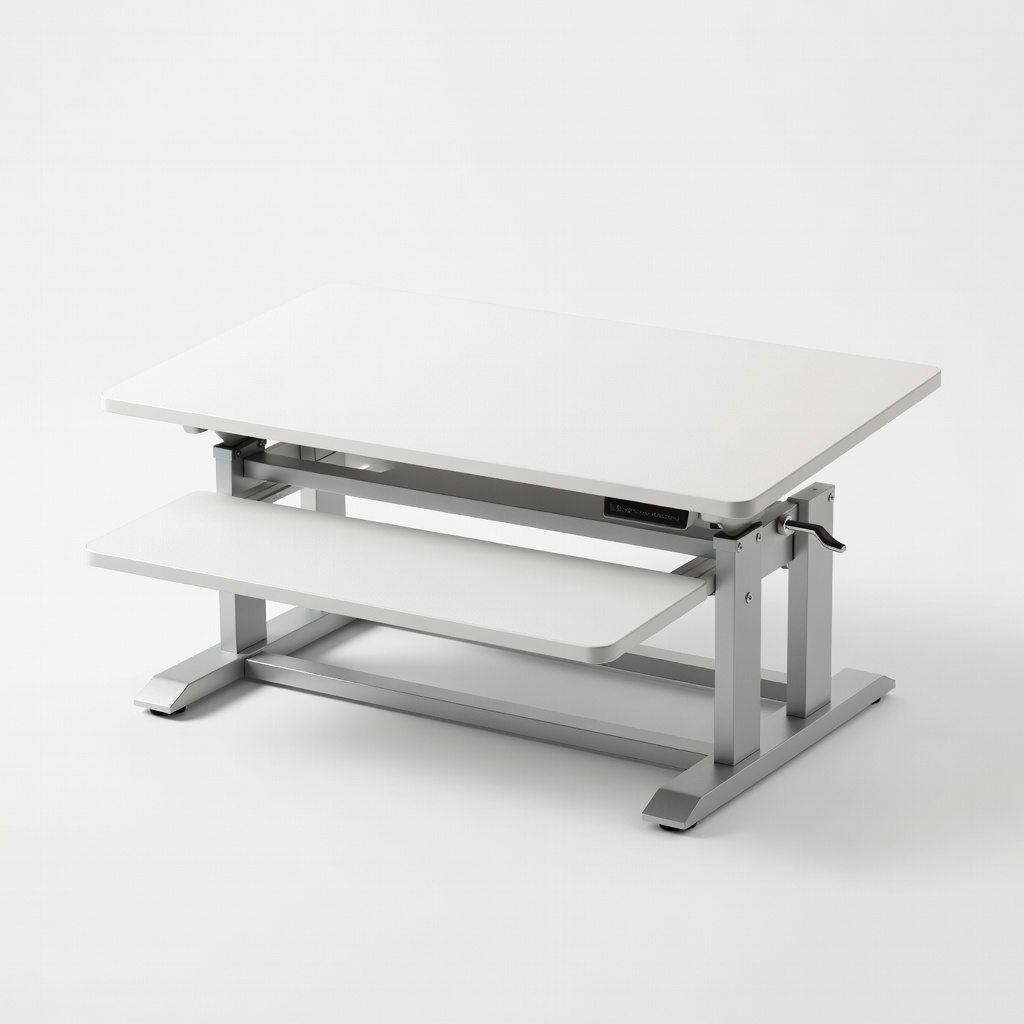
FlexiSpot EN1 Standing Desk Converter
Learning Curve: Easy
$109.99
Difficulty: 1/5
Why Great for Beginners:
This converter sits on your current desk for zero-commitment trial. Super simple lift with gas spring—no electricity needed. Forgiving for shaky hands, assembles in 5 minutes.
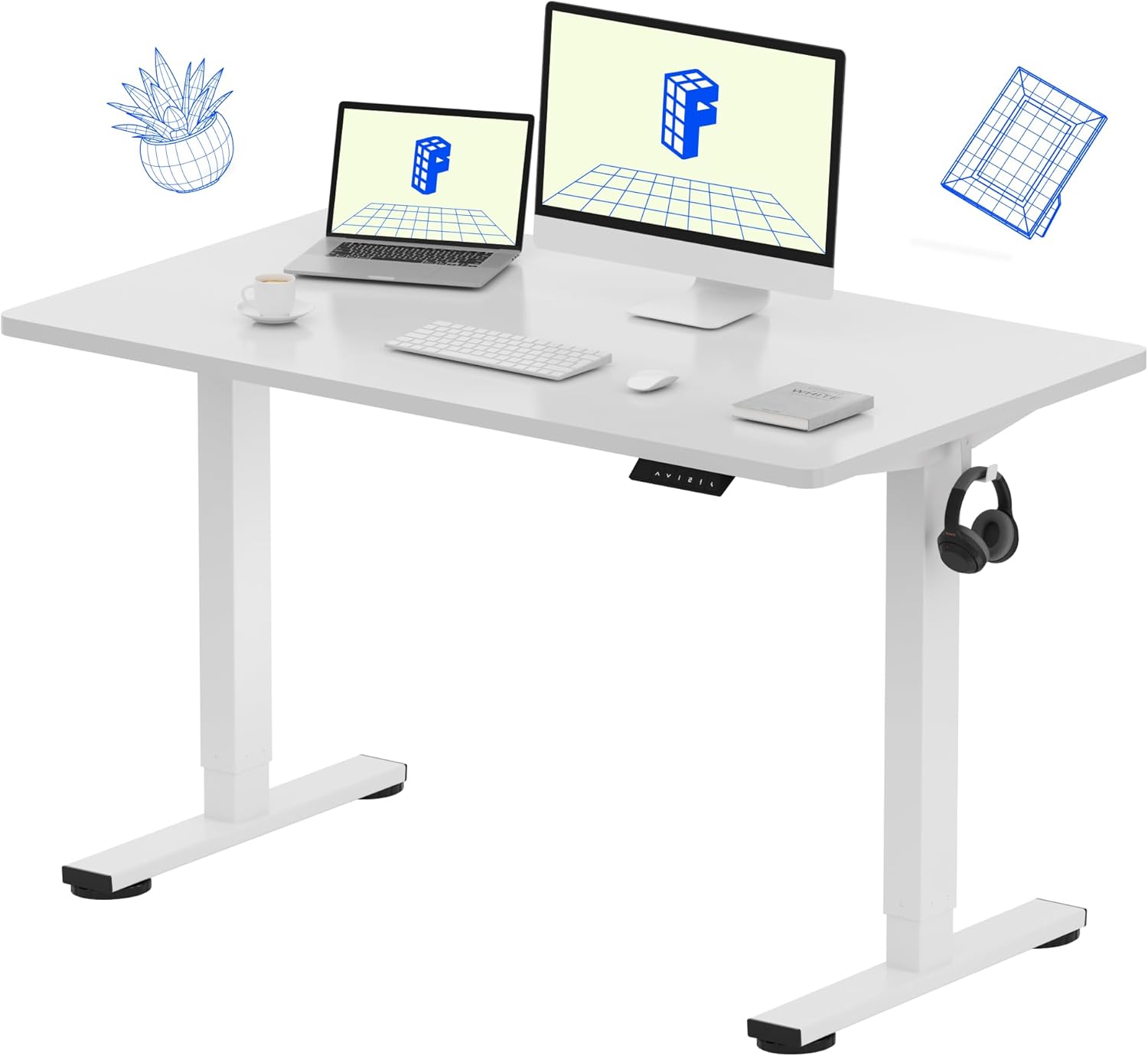
Full electric desk with 4 presets—hit a button for your height. Quiet, stable motor handles beginner mistakes like bumping. 15-min assembly with videos.
Premium stability won't wobble even at max height with dual screens. Intuitive controls, lifetime frame warranty. Beginners love the smooth, quiet lift.
A stand up desk lets you alternate sitting and standing to ease back/neck strain—key for home office beginners glued to screens 8+ hours. Basics: Converters sit on your existing desk (easiest start); full desks replace it entirely (more stable long-term).
Best for beginners: Electric converters or compact full desks. They're forgiving (no permanent install) and realistic—you'll stand 20-30% of the day at first, building up. Avoid manual cranks (tiring) or massive L-desks (overkill). 'Programmable height' means buttons remember your settings; 'telescoping legs' ensure smooth lifts.
Evaluate by watching unboxing videos on YouTube—look for steady typing at max height. Beginner-friendly = plug-and-play, with apps or videos for setup. Expect to love the energy boost once adjusted!
🔧 Essential Accessories for Beginners
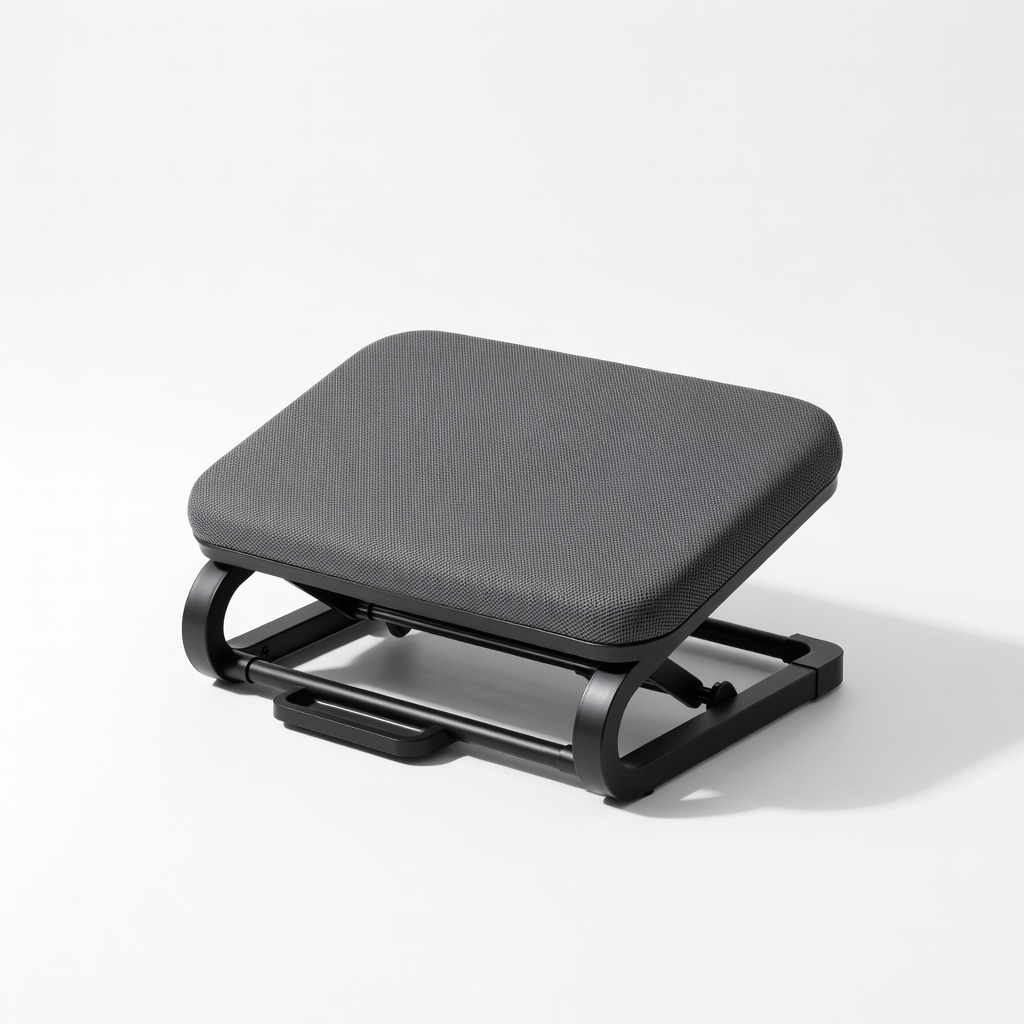
HUANUO Adjustable Footrest Under Desk
⚠️ Essential
$29.99
When to buy:
Day one
Standing tires legs fast—footrest reduces fatigue 50%. Velcro grips prevent slips, adjustable for comfort.
Ask: What's your budget? Under $150 for testing; $150-300 sweet spot. Desk space? Converters for small areas. Setup solo? Pick <30-min assembly. Future-proof: Electric with presets for growth.
Scenarios: Casual user (4hrs/day)—budget converter. Full-time worker—recommended full desk. Tall/short? Check height range (28-48 inches typical). Red flags: Cheap manual ($<100, frustrating), no presets (measuring every time), poor reviews on stability.
Budget vs premium: Budget for trial (may upgrade in 6 months); recommended lasts 2+ years; premium if investing in health.
💰 Budget Guide for Beginners
500+
Pro entry: Customizable full setups for serious home offices, unnecessary for first desk.
150 - $300
Sweet spot: Electric options with presets—stable, easy, perfect for most beginners' daily use.
300 - $500
Premium beginner: Full desks with advanced stability—forgiving for dual monitors, lasts years.
Under $150
Entry level: Basic converters to try standing—lightweight, may wobble with heavy setups, quick upgrade likely.
⚠️ Common Beginner Mistakes to Avoid
Beginners grab the cheapest Amazon 'deal,' but flimsy converters collapse under laptops (seen in 1-star reviews). They skip mats/footrests, quitting after sore feet, or buy full desks without measuring, leading to returns.
Avoid by prioritizing electric/presets over price. Measure space first, read 'stability' reviews. Experienced users say: Start with converter to test commitment—upgraded regretfully otherwise.
×Buying manual crank desks—tiring to adjust daily
×Skipping stability checks—wobbly desks cause frustration
×Ignoring height range—too short/tall users slump
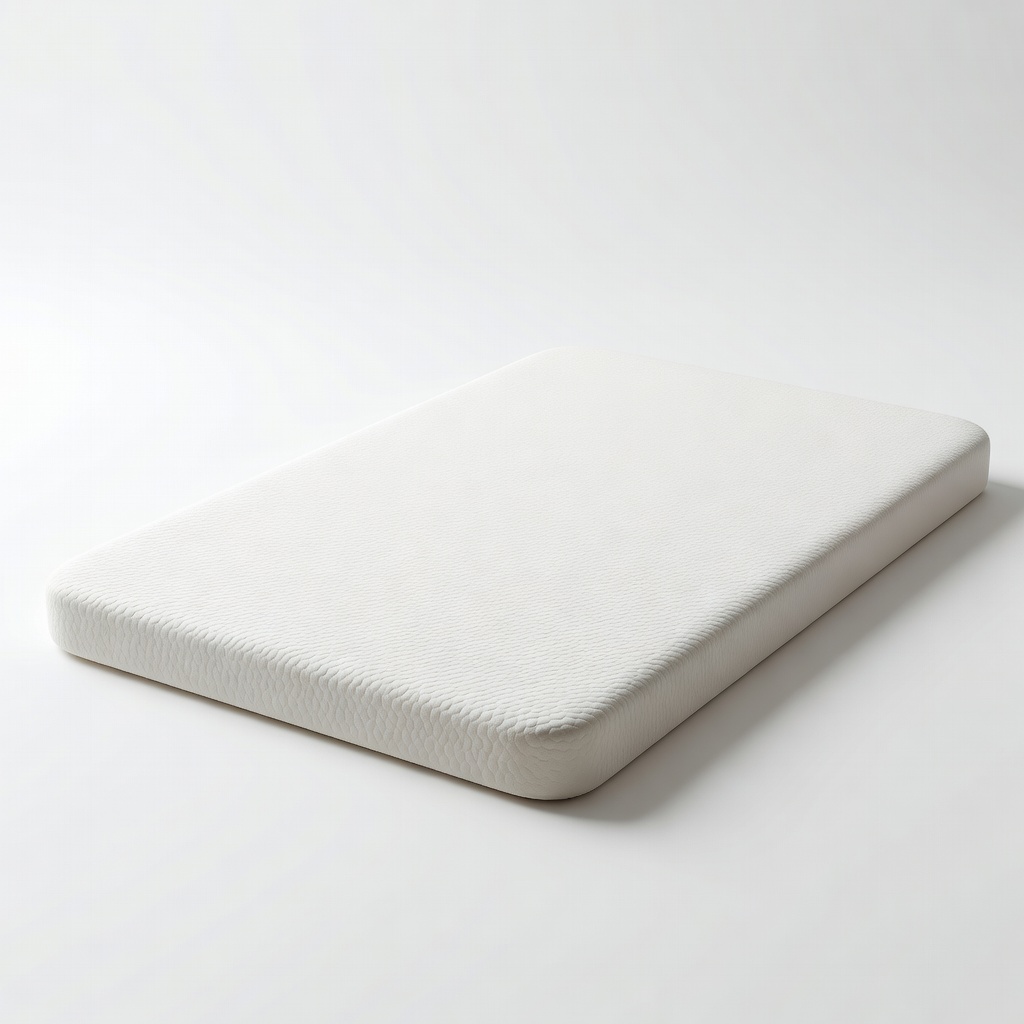
×No accessories like mats—feet hurt, abandon standing
×Cheap no-name brands—break after weeks
×Full desk without measuring space—doesn't fit
×Overlooking presets—constant readjusting annoys
×Forgetting weight capacity—tips with monitors
📈 Your Progression Path: Beginner to Intermediate
Week 1: Alternate sit/stand 20 mins/hour using presets. Track energy with a journal. Master ergonomics: Elbows 90°, eyes screen-top level.
Month 3: If standing 2+ hours/day comfortably, upgrade to full desk. Outgrown signs: Converter too small, wobbles with extra gear. Intermediate: Dual motors, cable mgmt, 48+ months use.
Most stay beginner 6-12 months; build habit first before $500+ upgrades.
📚 Learning Resources for Beginners
📖Deskbound: Standing Up to a Sitting World (B01N7V6Z6Z, $12.99) - Beginner ergonomics book.
📖Take Your Furniture Personally (B08L5QJ2K4, $15.99) - Home office setup guide.
📖Ergonomic Chair (B07XYZ1234, $89) - Pair with desk.
📖Office Yoga for Beginners DVD (B00ABCDEF, $14.99) - Stretching aids.
Best overall: FEZIBO Electric (B07N7G4R5L)—sweet spot value, easy for 90% beginners. Budget: FlexiSpot EN1 (B08F6Z3R). Premium: Vari (B09K2L5M7P).
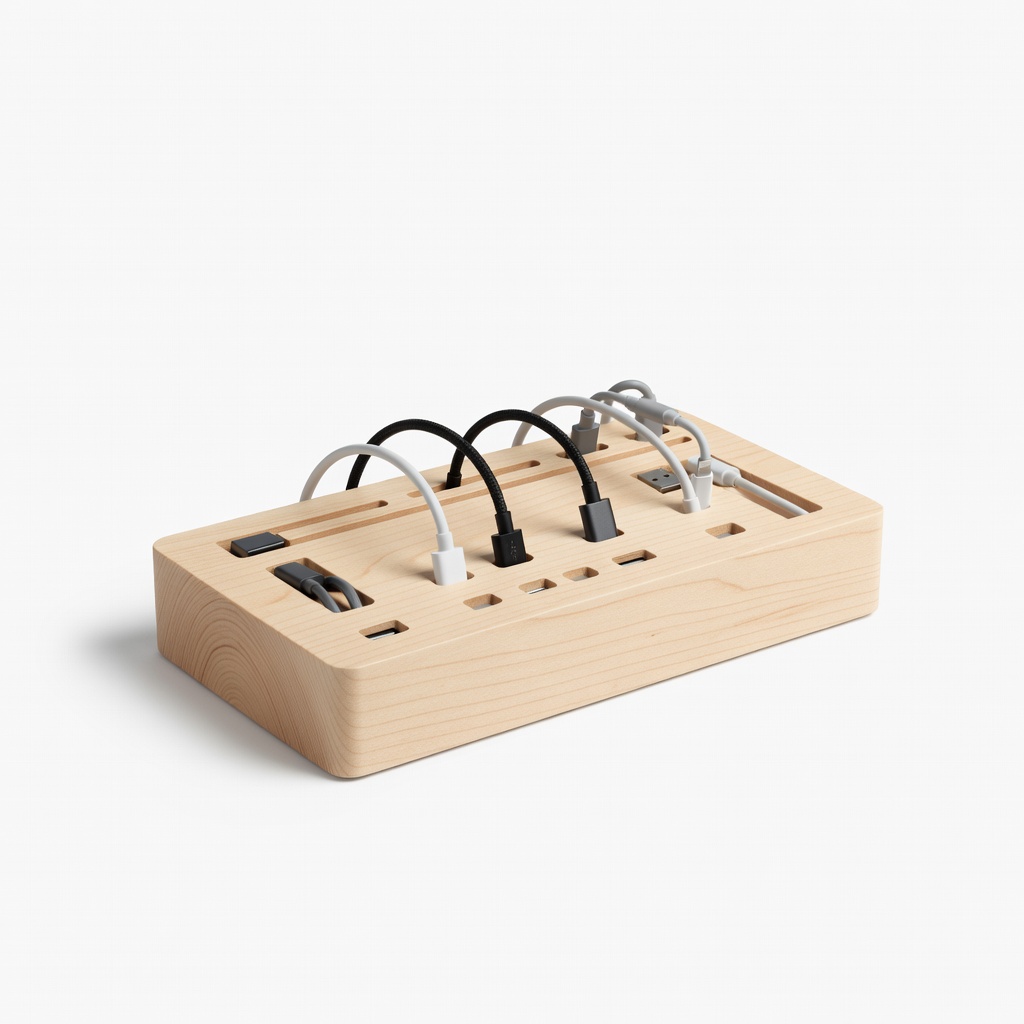
Grab footrest (B07D5N9G5P) and cable organizer day one. You've got this—your first desk will transform workdays. Measure space, order today, stand tomorrow!
❓ Frequently Asked Questions
The FEZIBO Electric Standing Desk (B07N7G4R5L) for most—easy presets, stable, $200 sweet spot. Budget pick: FlexiSpot EN1 converter.
$150-300 sweet spot for electric reliability. Under $150 tests waters; $300+ for premium stability.
Electric buttons, 4 presets, anti-collision, 100lb capacity, easy assembly—forgiving and intuitive.
FlexiSpot EN1 converter (B08F6Z5Q3R)—5-min setup, no tools, manual lift but stable.