Everything beginners need to choose their first pair of soccer cleats with confidence—no jargon, no overwhelm.
Picking your first pair of soccer cleats can feel intimidating with all the options, sizes, and confusing terms like 'FG' or 'k-leather.' Beginners often worry about buying the wrong type for their field, getting blisters from poor fit, or wasting money on cleats that fall apart after a few games. But it doesn't have to be hard.
This guide simplifies it all for complete newcomers to field soccer. We'll cover what really matters, top beginner picks on Amazon, must-have accessories, and pitfalls to dodge. By the end, you'll know exactly which cleats suit you and feel ready to hit the pitch.
📋 In This Guide
• Why Beginners Struggle with Soccer Cleats
• What to Look For (Key Features)
• Top 4 Beginner-Friendly Soccer Cleats
• Essential Accessories for Beginners
• Common Beginner Mistakes to Avoid
• Your Progression Path
• FAQ & Learning Resources
😰 Why Beginners Struggle with Soccer Cleats
Beginners dive into soccer cleats overwhelmed by endless choices—hundreds of brands like Nike, Adidas, Puma, each with stud patterns (FG, SG, AG), materials (synthetic vs. leather), and fits that sound technical. Forums like Reddit's r/bootroom are full of newbies complaining about blisters, slipping on fields, or cleats breaking after one season because they picked cheap knockoffs.
Fear of wrong sizing is huge; cleats run narrow or need half-size up, leading to pain or loose fits. Many don't know field types—firm grass vs. turf—and buy mismatched studs, causing slips or injuries. Plus, hype around pro cleats tempts overspending on features beginners won't use, like speed-focused designs when control matters more at start.
🔍 What to Look For: Key Beginner-Friendly Features
For beginners, prioritize comfort, durability, and simple traction over flashy pro features. Look for synthetic uppers—they're waterproof, easy to clean, and forgiving on muddy fields without cracking like cheap leather. Cushioned midsoles absorb impact during your first awkward sprints and kicks.
Must-haves: Firm Ground (FG) studs for standard grass fields (multi-directional conical studs prevent slips without being too aggressive). Wide toe box and adjustable lacing for easy fit. Avoid soft-ground (SG) unless your field is always wet; they're overkill and studs wear out fast on dry turf.
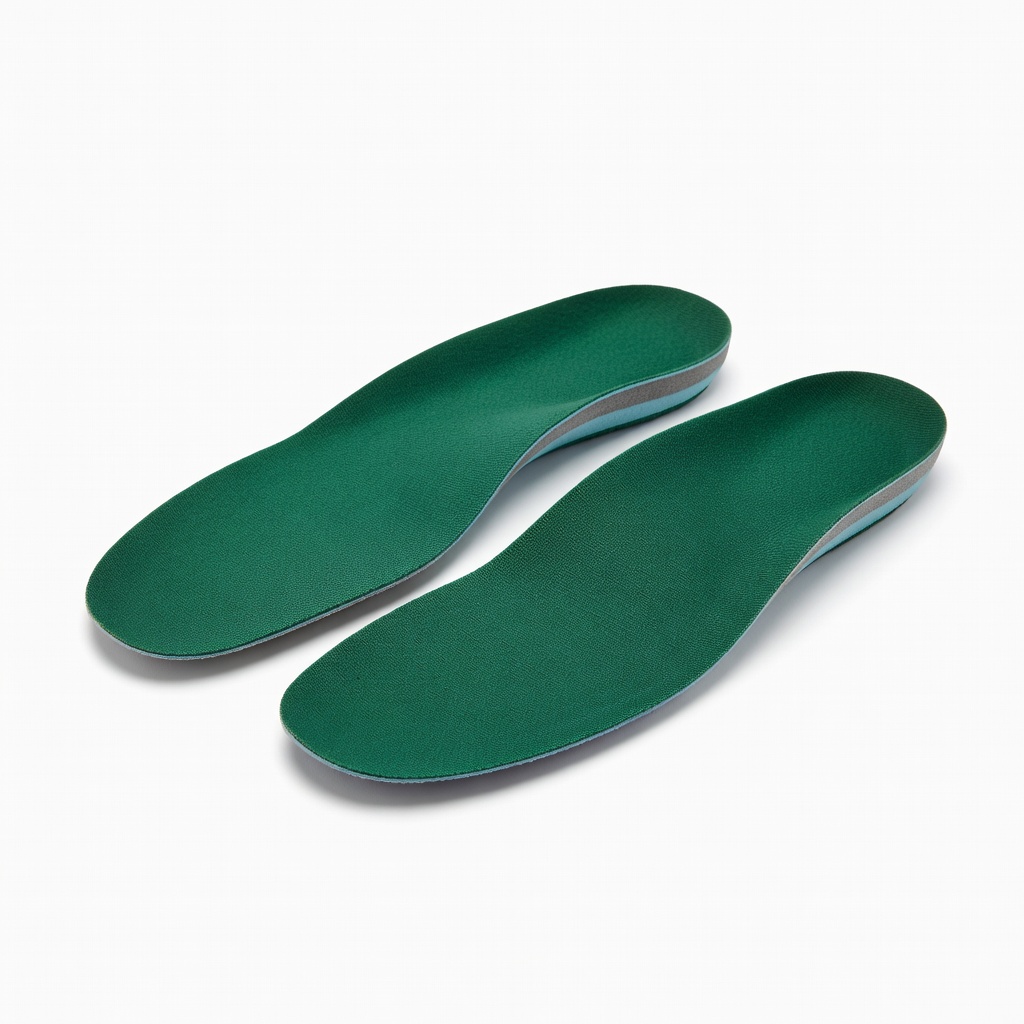
Nice-to-haves: Removable insoles for custom comfort later. Skip kangaroo leather—it's premium but needs break-in and care beginners skip.
✅ Essential Features for Beginners
•Firm Ground (FG) studs: Safe traction on grass without twisting ankles on hard surfaces.
•Synthetic upper: Durable, water-resistant, and low-maintenance for sloppy beginner play.
•Cushioned insole: Reduces blisters and shock during long practices.
•Adjustable lacing: Easy to tighten for secure fit as your foot swells.
•Lightweight design: Under 8 oz per shoe to avoid fatigue in first games.
•Wide fit option: Prevents pinching for average beginner feet.
•Torsion plate: Flexible sole that bends naturally with beginner movements.
🏆 Top 4 Best Soccer Cleats for Beginners
#1
💰 Budget
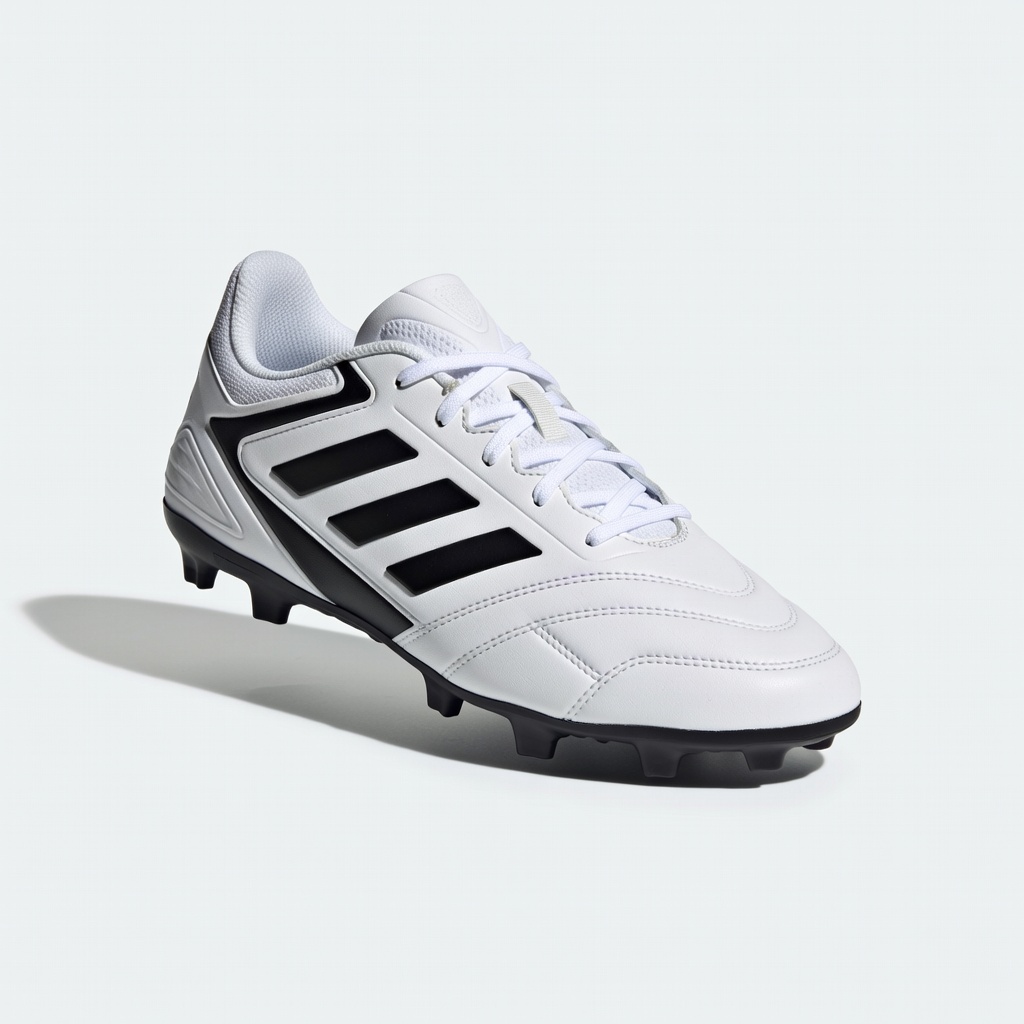
adidas Kids' Goletto VI Firm Ground Soccer Shoe
Learning Curve: Easy
$44.95
Difficulty: 1/5
Why Great for Beginners:
Perfect entry for kids or casual adults testing soccer. Synthetic upper is tough and easy-clean, with basic FG studs that grip grass without overwhelming new feet.
Soccer cleats grip the field with rubber or plastic studs under a lightweight shoe designed for speed and ball control—unlike regular sneakers that slip. Basics: Upper (protects foot), midsole (cushions), outsole (studs for traction). Types include FG (firm grass, best for beginners), AG (artificial turf), TF/MG (multi-ground/turf, versatile), SG (soft/wet grass).
Start with FG for field play—they're forgiving on most community pitches. Synthetic models are beginner gold: tough against scuffs, quick-dry after rain. Realistic expectations: You'll improve dribbling and passing faster with good grip, but cleats won't make you Messi overnight—pair with practice.
'Beginner-friendly' means simple lacing, no stiff break-in, and value that lasts 6-12 months of weekly play. Marketing traps: 'Speed' cleats (narrow, low-cut) suit pros; beginners need stability. Check reviews for 'true to size' and field-tested durability.
🔧 Essential Accessories for Beginners
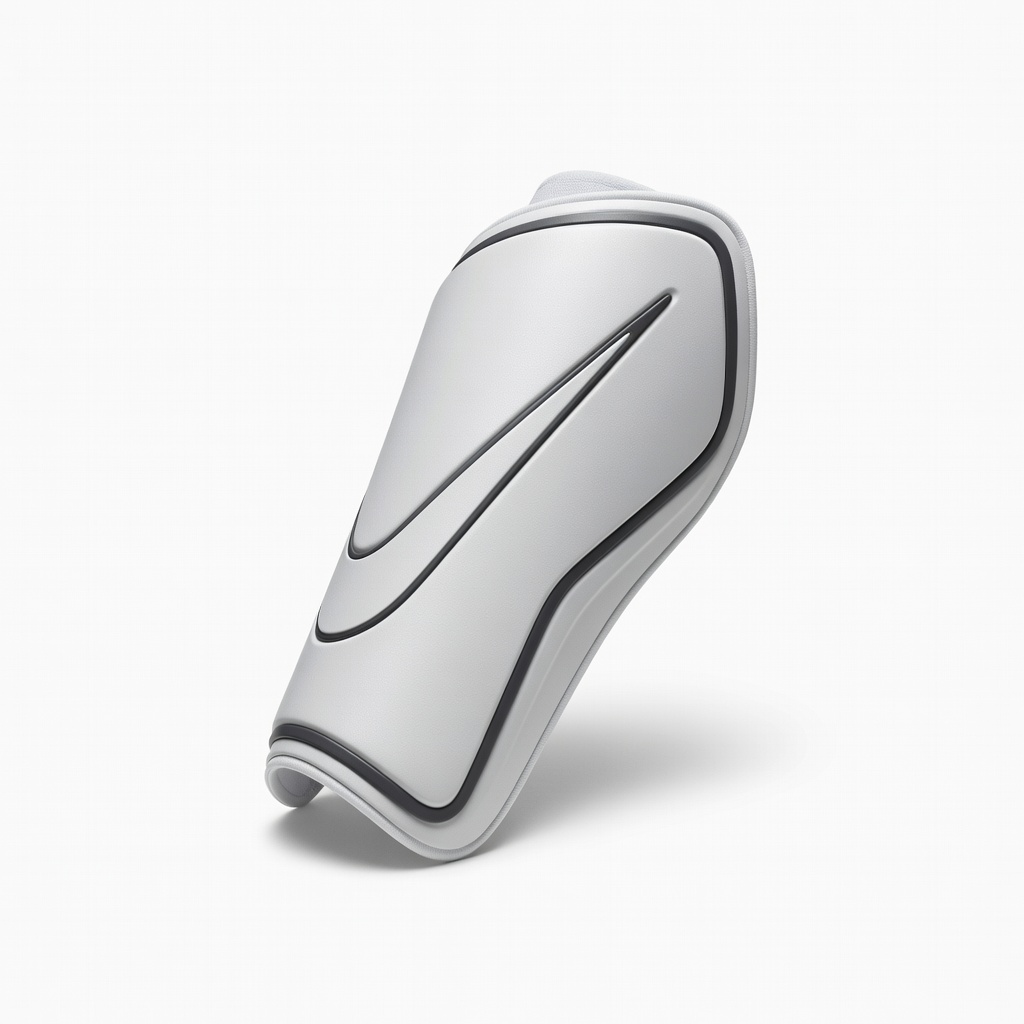
Nike Mercurial Lite Shin Guards
⚠️ Essential
$24.99
When to buy:
Day one
Protects shins from kicks and tackles—mandatory for safety in games. Lightweight design won't slow you down.
Ask: What's your field like (grass? get FG)? Budget? Foot shape (wide? seek options)? Play frequency (weekly? invest mid-tier). Start here: Match stud type to surface, prioritize fit over brand.
Budgets: Under $50 for trials, $50-100 sweet spot (durable, comfy), $100+ premium (longer life). Go budget if testing hobby; recommended for committed newbies; premium if playing tournaments. Growth: Pick with removable insoles for future tweaks.
Red flags: Rock-bottom prices (poor studs snap), pro models (stiff, narrow), ignoring size charts (measure foot at night, add thumb width to toe). Try on if possible, or Amazon's free returns.
💰 Budget Guide for Beginners
150+
Pro entry: High-end synthetics for serious youth/adults planning competitive play.
50 - $100
Sweet spot: Balanced comfort, traction, and durability for 1+ years of beginner play.
100 - $150
Premium beginner: Superior cushioning and materials; outgrow skills before cleats.
Under $ - $50
Entry level: Basic synthetic FG cleats to try soccer without big risk; may wear out after 6 months.
⚠️ Common Beginner Mistakes to Avoid
Newbies grab $20 Amazon basics, then complain of zero grip or instant wear—false economy vs. $50 durable pairs. Reviews show sizing fails from skipping charts; feet swell, so size up 0.5. Many mimic pros with speed cleats but lack stability, twisting ankles.
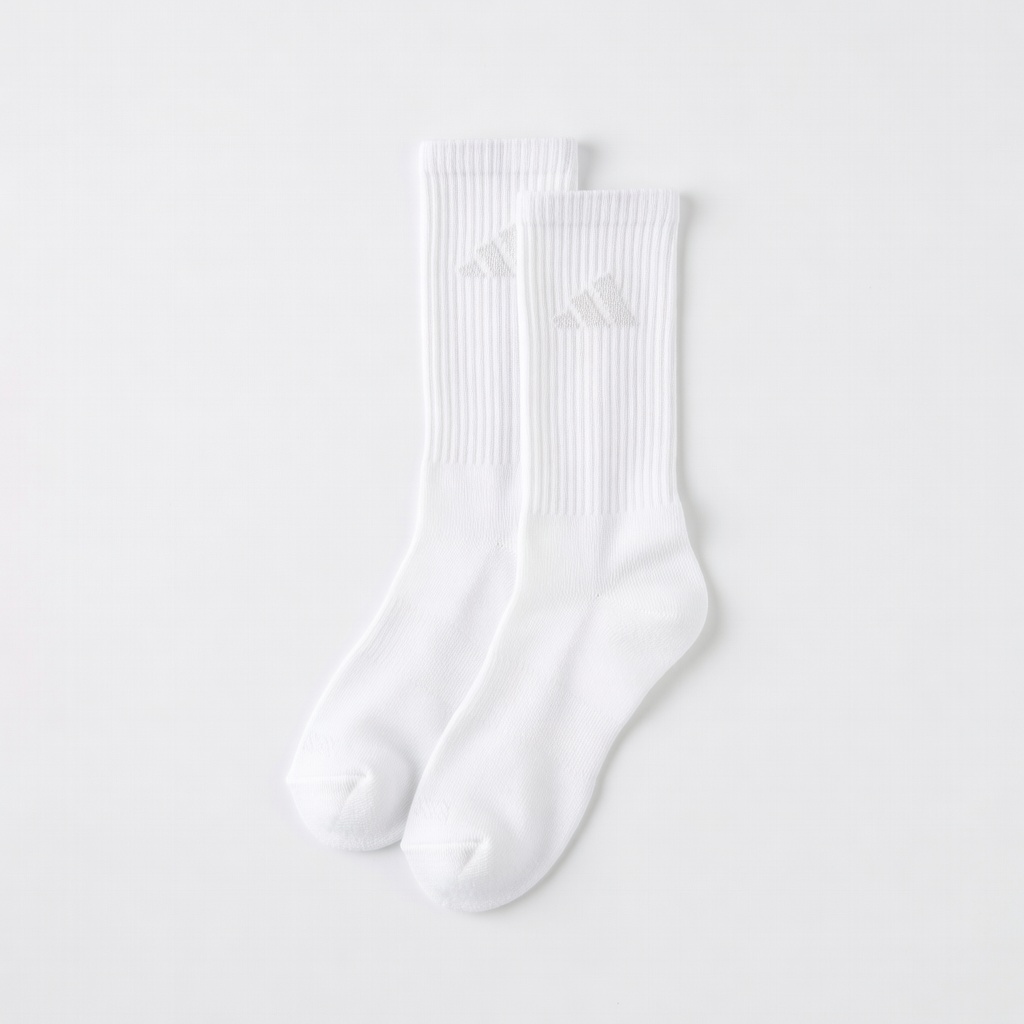
Avoid by sticking to FG synthetics, reading 'beginner' reviews, buying socks/guards first. Experienced players say: 'Fit trumps brand; test walk before games.'
×Buying too cheap—studs snap, uppers tear after few games.
×Wrong stud type (e.g., TF on grass)—slips and injuries.
×Ignoring sizing—too tight causes blisters, too loose loses traction.
×Skipping shin guards/socks—leads to bruises and discomfort.
×Pro models—stiff, narrow, high-maintenance for newbies.
×No field match—SG on firm ground wears studs fast.
First, master basics: Dribble stationary, then moving; focus cleat fit for confidence. Practice 2-3x/week on grass. Outgrow beginner cleats when: No blisters after full games, want more response/speed, or gear lasts <6 months.
Upgrade after 6-12 months to mid-cut AG/MG for versatility, or leather for feel. Intermediate: Custom insoles, position-specific (striker speed vs. defender stability). Most stay beginner 3-6 months.
📚 Learning Resources for Beginners
📖Soccer For Dummies (Book, ASIN B000Q78X0G): Simple rules, drills for total newbies.
📖The Baffled Parent's Guide to Soccer (ASIN 0071415974): Coaching basics for beginners.
📖Adidas Training Soccer Ball (ASIN B07D3F5G7H): Size 4 for skill drills at home.
📖Complete Conditioning for Soccer Book (ASIN 0736079379): Beginner fitness plans.
📖Youth Soccer Drills DVD (ASIN B00008V5Z2): Visual step-by-step practices.
📖SKLZ Quickster Soccer Trainer (ASIN B00E3QJ3OQ): Rebounder for solo training.
🎯 Bottom Line: Our Recommendations
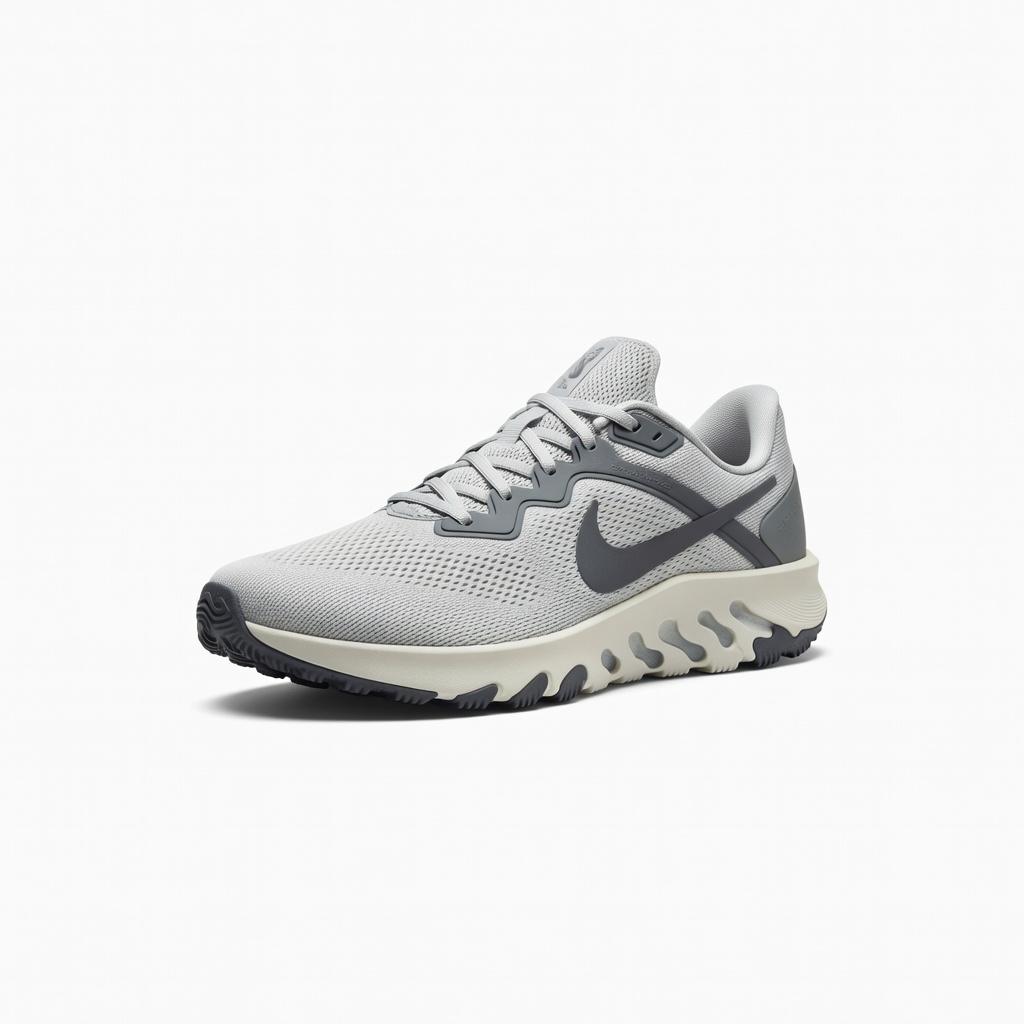
Best overall: PUMA Future 5.4 (versatile sweet spot). Budget: adidas Goletto VI. Premium: Nike Mercurial Vapor 14 Academy. Grab shin guards and socks day one.
You're set to enjoy soccer without regrets—start small, practice often. Confidence comes from good gear; lace up and play!
❓ Frequently Asked Questions
PUMA Future 5.4 FG/AG for most—versatile, comfy, great value at $60. Handles grass/turf with easy fit.
$50-100 sweet spot for durable FG synthetics that last a season. Under $50 for trials.