Review Atlas
Review AtlasYour guide to a better purchase

Menu

Shop by Category

Get the App

Better experience on mobile

Beginners GuideWinter Hiking

Best Snowshoes for Beginners 2025

Pick your first snowshoes confidently with our simple guide, top Amazon picks, must-have accessories, and beginner pitfalls to avoid.

Choosing your first pair of snowshoes can feel intimidating with all the sizes, types, and techy terms thrown around. Beginners often worry about sinking in deep snow, struggling with bindings in the cold, or wasting money on the wrong pair. But snowshoeing is one of the easiest winter sports to start—no steep learning curve, just strap on and walk.

This guide cuts through the confusion, focusing on what complete newcomers need: simple, forgiving snowshoes that work right away on flat to moderate trails. We'll cover key features, top Amazon recommendations across budgets, essential add-ons, and how to avoid newbie traps. By the end, you'll know exactly what to buy and feel excited to hit the snow.

📋 In This Guide

  • • Why Beginners Struggle with Snowshoes
  • • What to Look For (Key Features)
  • • Top 4 Beginner-Friendly Snowshoes
  • • Essential Accessories for Beginners
  • • Common Beginner Mistakes to Avoid
  • • Your Progression Path
  • • FAQ & Learning Resources

😰 Why Beginners Struggle with Snowshoes

Newbies to snowshoeing often feel overwhelmed by the sheer number of options—sizes from 16" to 36", materials like plastic or aluminum, and terms like 'floatation,' 'crampons,' and 'ratcheting bindings.' Forums like Reddit's r/snowshoeing and Amazon reviews are full of stories about buying the wrong size (too small for their weight, so they still sink) or fiddly bindings that freeze up and take forever to adjust in gloves.

Fear of wasting money hits hard too: cheap $50 pairs break after one trip, while $300+ models seem overkill for casual winter walks. Many don't realize snowshoes must match their weight (plus backpack) for proper floatation, leading to frustration on powdery trails. Plus, without guidance, beginners overlook basics like traction for icy patches or comfort for hours of hiking.

🔍 What to Look For: Key Beginner-Friendly Features

Focus on snowshoes that are lightweight (aluminum frame), have easy one-pull bindings, and match your weight for good floatation (e.g., 21-25" length for 120-200 lbs). Crampons (metal teeth underfoot) prevent slipping on ice, and a flexible deck helps on uneven snow without tripping.

Skip advanced stuff like carbon fiber or heel lifts—these are for experts. Prioritize forgiving designs: quick on/off even when cold, comfy straps that don't rub, and a carry bag included. 'Beginner-friendly' means intuitive setup in under 2 minutes, tolerance for sloppy technique, and value that lasts 2-3 seasons without upgrades.

Check reviews for real-world ease: look for 'bindings stayed secure all day' or 'no hotspots after 5 miles.'

✅ Essential Features for Beginners

  • Easy ratcheting or BOA bindings – quick adjust with one hand, no fumbling in cold
  • Lightweight aluminum frame (under 4 lbs/pair) – reduces fatigue on long walks
  • Steel crampons and side teeth – grips ice and crust without needing perfect form
  • Proper floatation sizing (21-25") – keeps you above snow based on your weight
  • Flexible HDPE decking – bounces back from rocks/branches, forgiving on trails
  • Comfortable neoprene straps – stays warm, no blisters for all-day comfort
  • Included carry/storage bag – easy transport and storage for beginners

🏆 Top 4 Best Snowshoes for Beginners

#1
💰 Budget

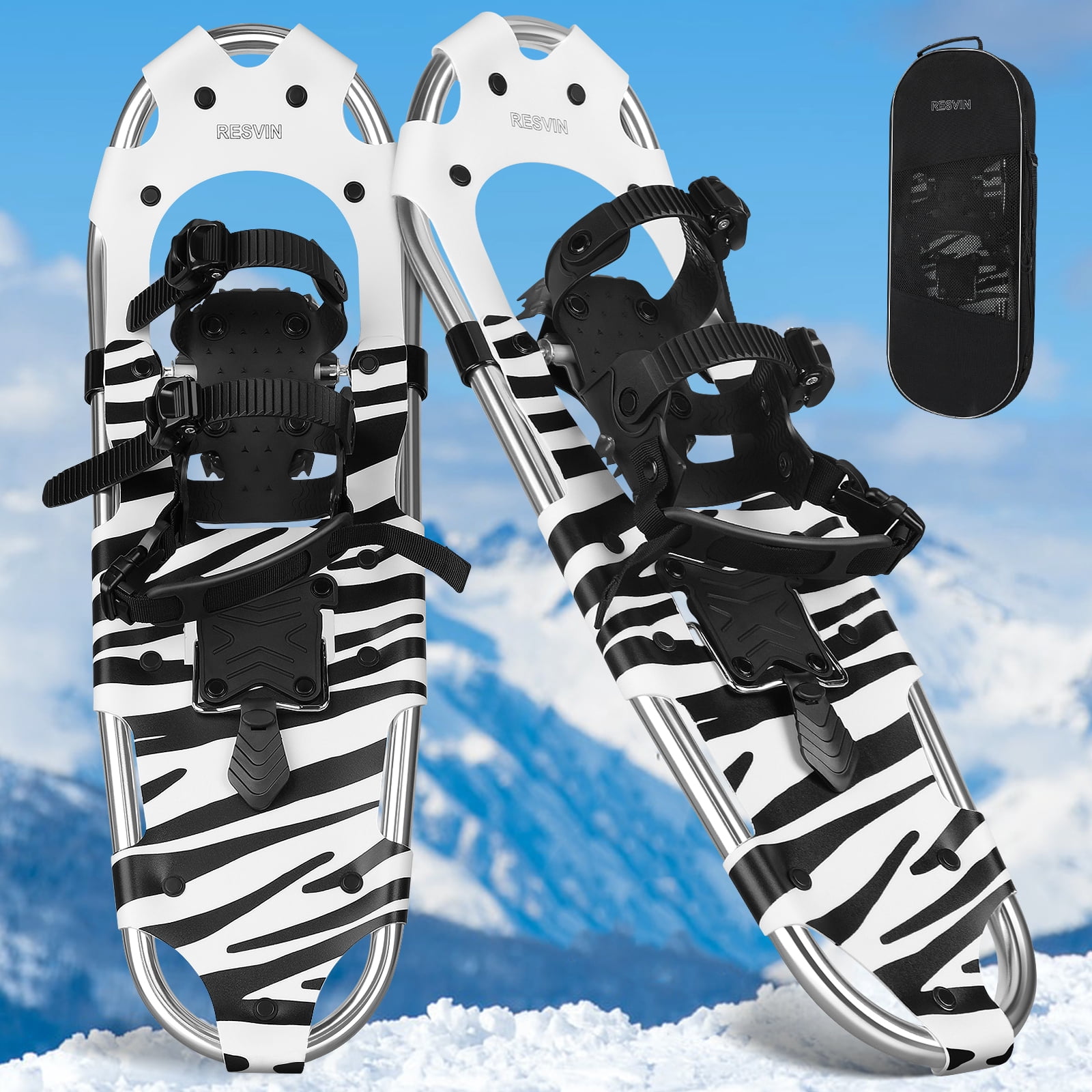
WGD Snowshoes 21" Lightweight Aluminum Snowshoes with Sharpened Teeth

Learning Curve: Easy

$79.99
Difficulty: 1/5
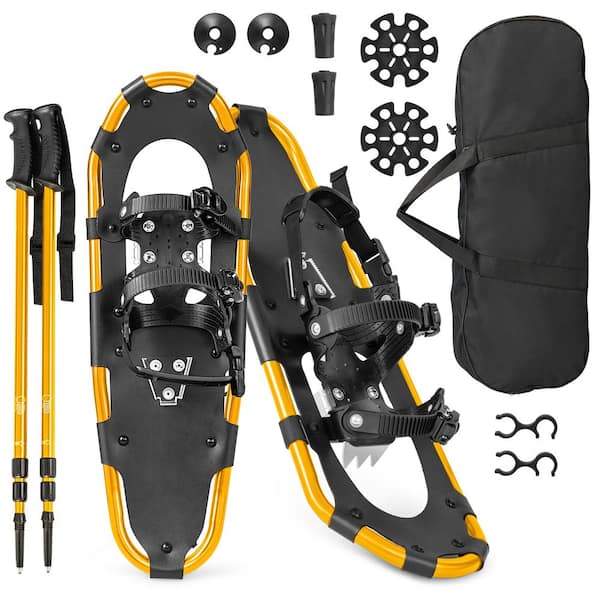
WGD Snowshoes 21" Lightweight Aluminum Snowshoes with Sharpened Teeth

Why Great for Beginners:

Perfect entry point with simple strap bindings and light aluminum frame that handles beginner weights up to 220 lbs without sinking. Includes a carry bag for easy storage. Forgiving on flat trails, cheap enough to try without regret.

Beginner Pros

  • +Super affordable to start
  • +Quick strap-on bindings
  • +Lightweight at 3.5 lbs/pair
  • +Good floatation for most adults
  • +Comes with bag

Beginner Cons

  • -Bindings less secure on steep ice
  • -May flex more on crusty snow
  • -Not for heavy packs over 30 lbs
👍 Best for: Casual park walkers under 200 lbs trying snowshoeing first time
👎 Not for: Frequent users or steep/icy terrain

#2
👍 Recommended

RHINOSNOW 25" Snowshoes for Adults with Quick Release Bindings

Learning Curve: Easy

$129.99
Difficulty: 2/5
RHINOSNOW 25" Snowshoes for Adults with Quick Release Bindings

Why Great for Beginners:

Sweet spot value with ratcheting bindings for glove-friendly setup and aluminum deck for reliable floatation up to 250 lbs. Excellent traction teeth prevent slips, ideal for mixed snow on moderate trails.

Beginner Pros

  • +Easy ratchet bindings
  • +Strong crampons for ice
  • +Durable yet light 4 lbs
  • +Fits most boots
  • +Hypalon deck flex

Beginner Cons

  • -Slightly bulkier to pack
  • -No heel lift for hills
👍 Best for: Beginners doing 3-10 mile hikes on varied winter trails
👎 Not for: Very light users under 120 lbs
#3
✨ Premium

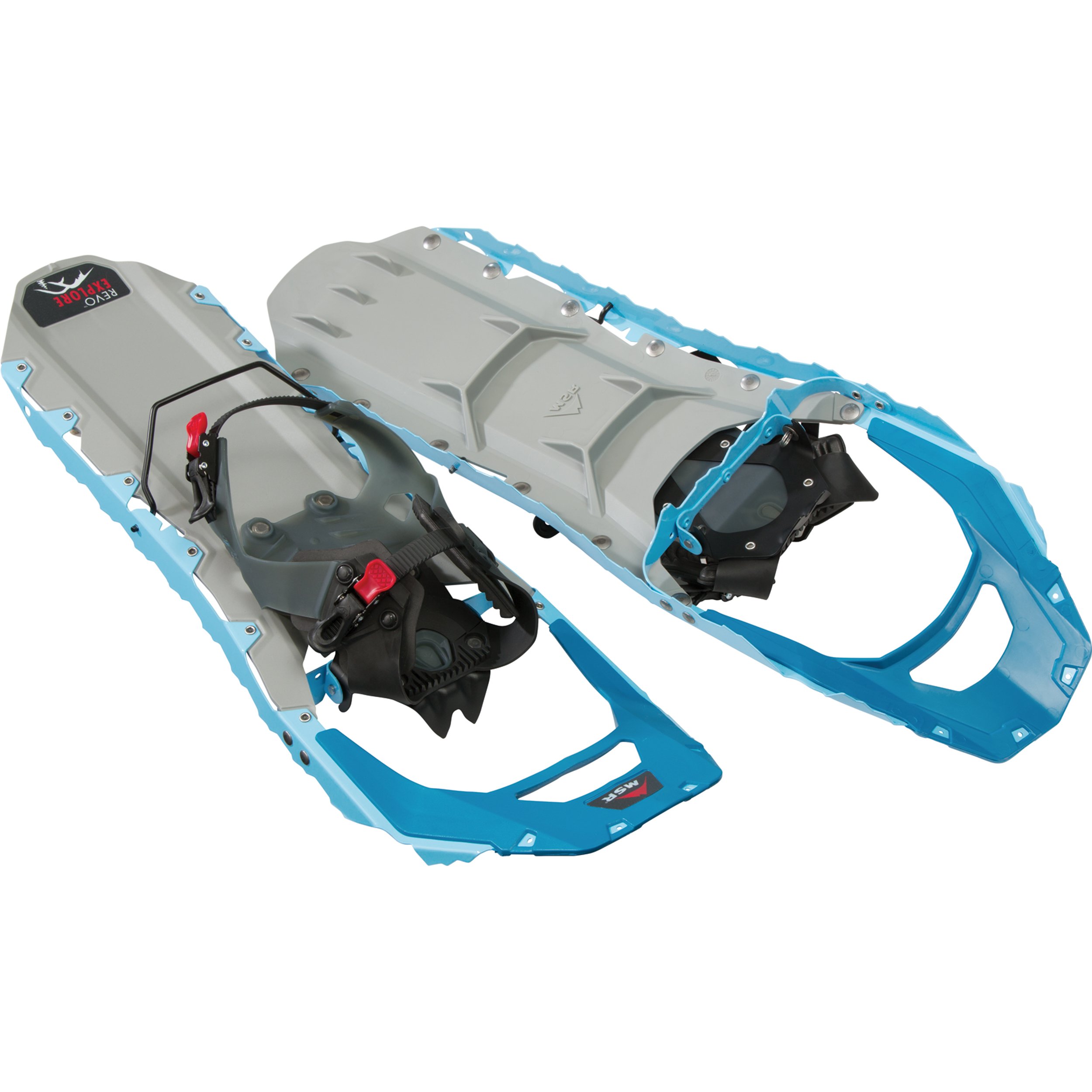
MSR Revo Explore 22" Snowshoes

Learning Curve: Easy

$299.99
Difficulty: 1/5
MSR Revo Explore 22" Snowshoes

Why Great for Beginners:

Pro-level beginner gear with 360° traction and ergonomic bindings that stay secure all day. Lightest in class at 3.2 lbs, modular design grows with you without immediate upgrade.

Beginner Pros

  • +Unbeatable grip on ice/steep
  • +Tool-free binding adjust
  • +Super light/comfy
  • +Modular for upgrades
  • +Lifetime durability

Beginner Cons

  • -Higher price
  • -Overkill for flat only
👍 Best for: Serious beginners planning frequent or adventurous hikes
👎 Not for: One-time users on groomed paths
#4
Alternative

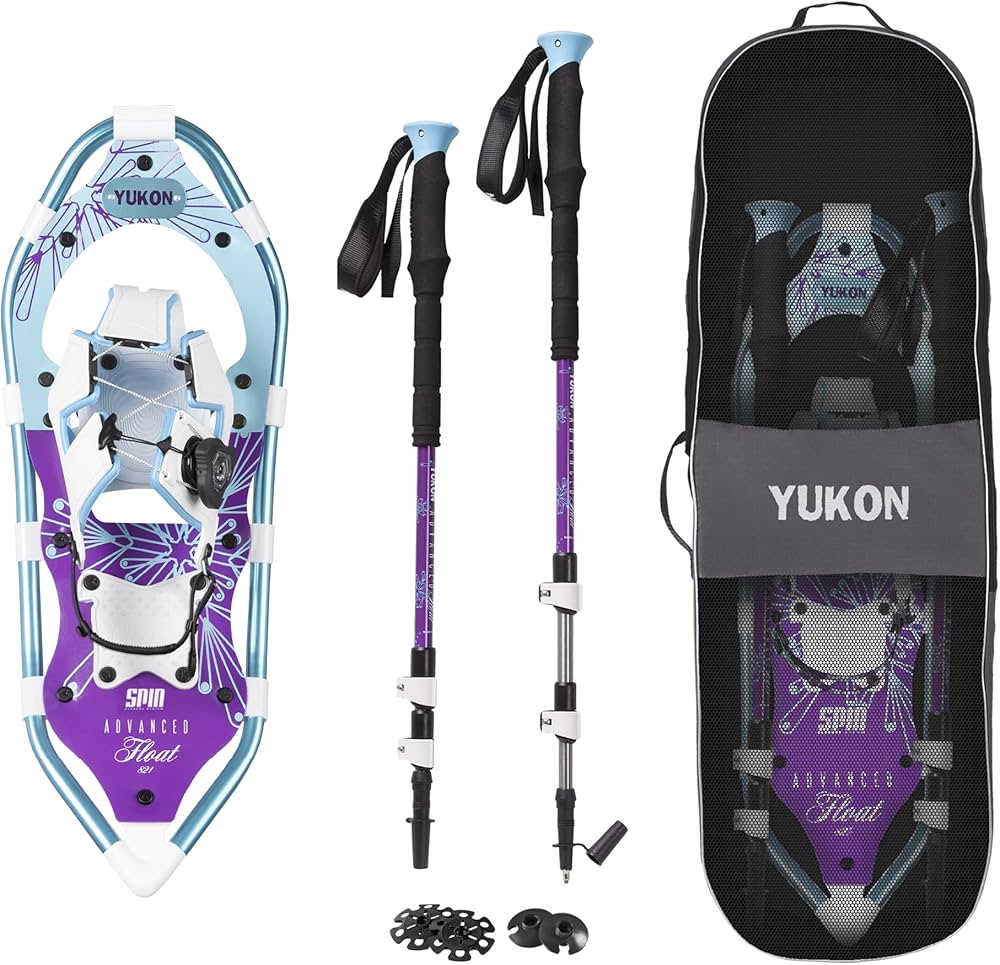
Yukon Trail Snowshoes 27"

Learning Curve: Moderate

$149.99
Difficulty: 2/5
Yukon Trail Snowshoes 27"

Why Great for Beginners:

Great wide-float alternative for deeper powder or heavier users up to 275 lbs. V-strap bindings simple and secure, proven design from trusted brand.

Beginner Pros

  • +Excellent deep snow flotation
  • +Simple V-bindings
  • +Rugged steel frame
  • +High weight limit

Beginner Cons

  • -Heavier at 4.8 lbs
  • -Bulkier for storage
👍 Best for: Heavier beginners or powder-focused trails
👎 Not for: Lightweight speed seekers

📖 Complete Beginner's Guide to Snowshoes

Snowshoes are wide frames you strap over hiking boots to spread your weight, preventing sinking in snow (floatation). They have a deck (surface), bindings (attachment), and traction bits (crampons/teeth). Types include recreational (best for beginners—flat/moderate trails, easy bindings), aerobic (light/racing, too specialized), mountaineering (steep/icy, heavy crampons, steep curve), and kids/youth.

Stick to recreational for starters: 8-10 sq inches per pound of body weight + pack (e.g., 200 lb person needs ~21-25"). Expect 2-4 mph pace on groomed trails, building stamina over time. 'Beginner-friendly' means aluminum (light/durable), not cheap plastic (breaks easy). Marketing like 'ultralight' often hides poor bindings—ignore, check user photos for real fit.

Evaluate by trying on if possible (match boot size), or Amazon's size charts. Realistic first trips: 1-3 miles on packed paths, progressing to powder. Brands like MSR, Atlas excel for noobs with bombproof gear.

🔧 Essential Accessories for Beginners

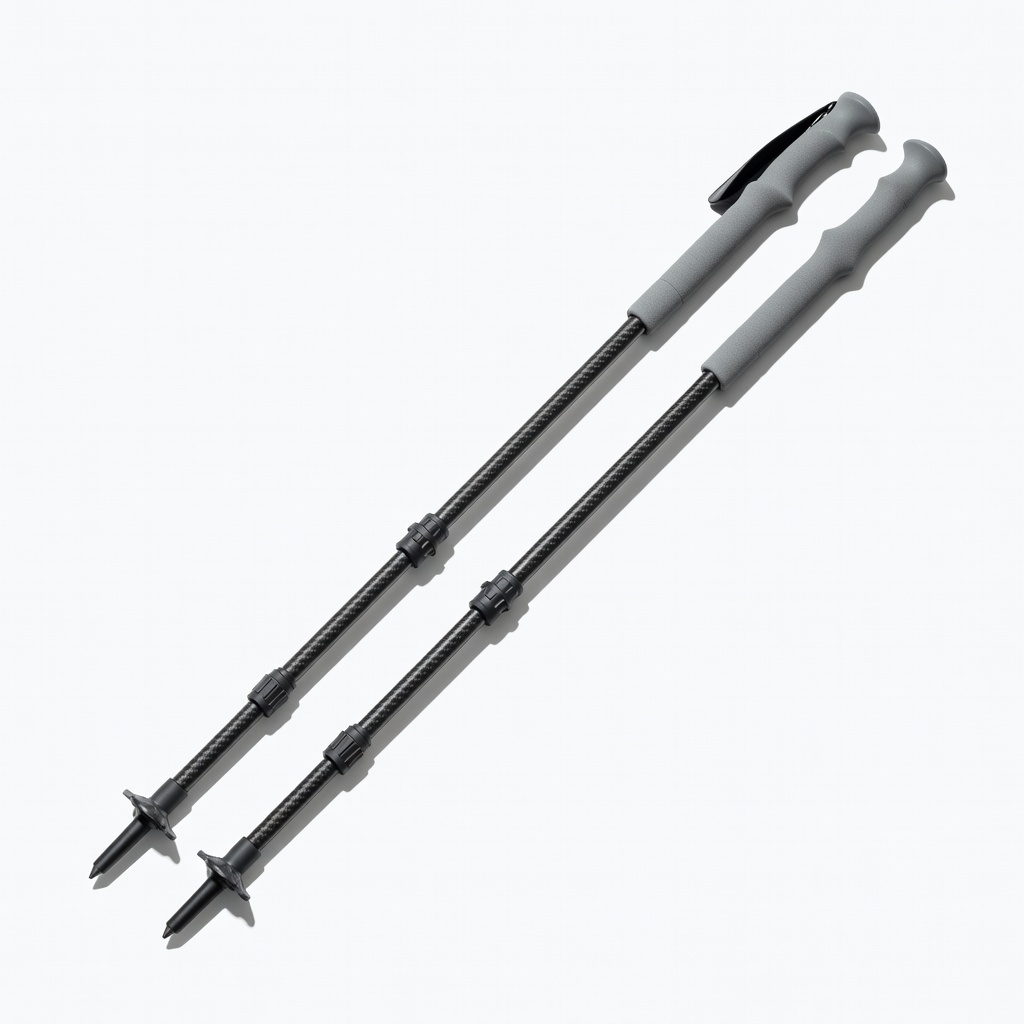
Trekology Trek-Z 2.0 Carbon Fiber Quick Lock Trekking Poles

Trekology Trek-Z 2.0 Carbon Fiber Quick Lock Trekking Poles

⚠️ Essential

$44.99

When to buy:
Day one

Poles provide balance and propulsion, preventing falls when learning snowshoe gait. Adjustable for height, they double as avalanche probes later.

Beginner Benefits:

  • Stabilizes wobbly first steps
  • Boosts distance without fatigue
  • Helps on uphills
  • Folds small for pack
Outdoor Research Crocodiles Gaiters

Outdoor Research Crocodiles Gaiters

👍 Recommended

$39.95

When to buy:
Day one

Keeps snow out of boots, preventing wet feet and blisters on deep snow days. Easy hook-and-loop straps fit over snowshoes.

Beginner Benefits:

  • Dry feet all day
  • No snow buildup
  • Easy on/off
  • Boot protection

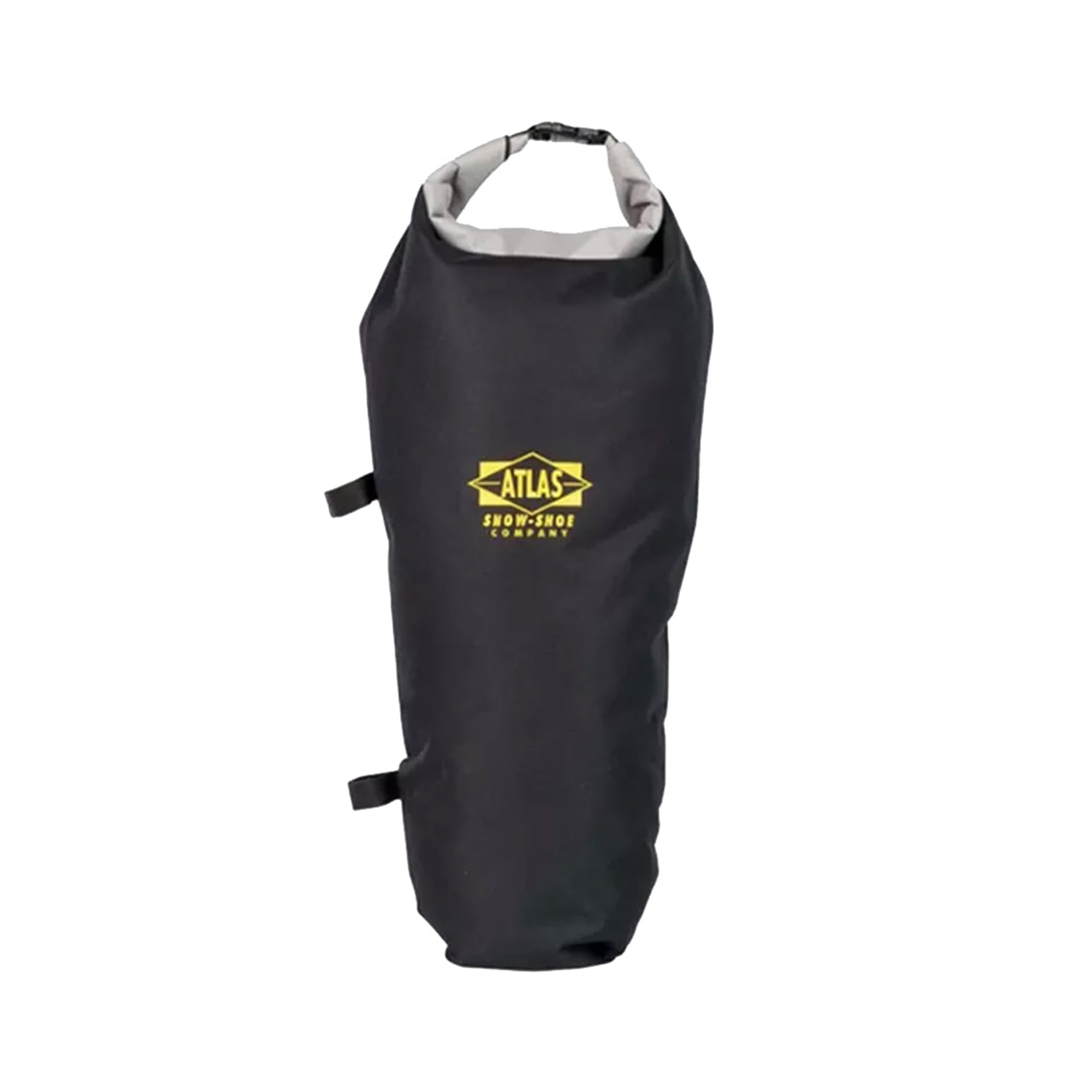
Atlas Snowshoe Carry Bag

⚠️ Essential

$29.99

When to buy:
Day one

Protects snowshoes during transport/storage, keeping bindings clean and deck straight.

Beginner Benefits:

  • Easy car/backpack storage
  • Prevents damage
  • Organized gear
  • Cheap insurance
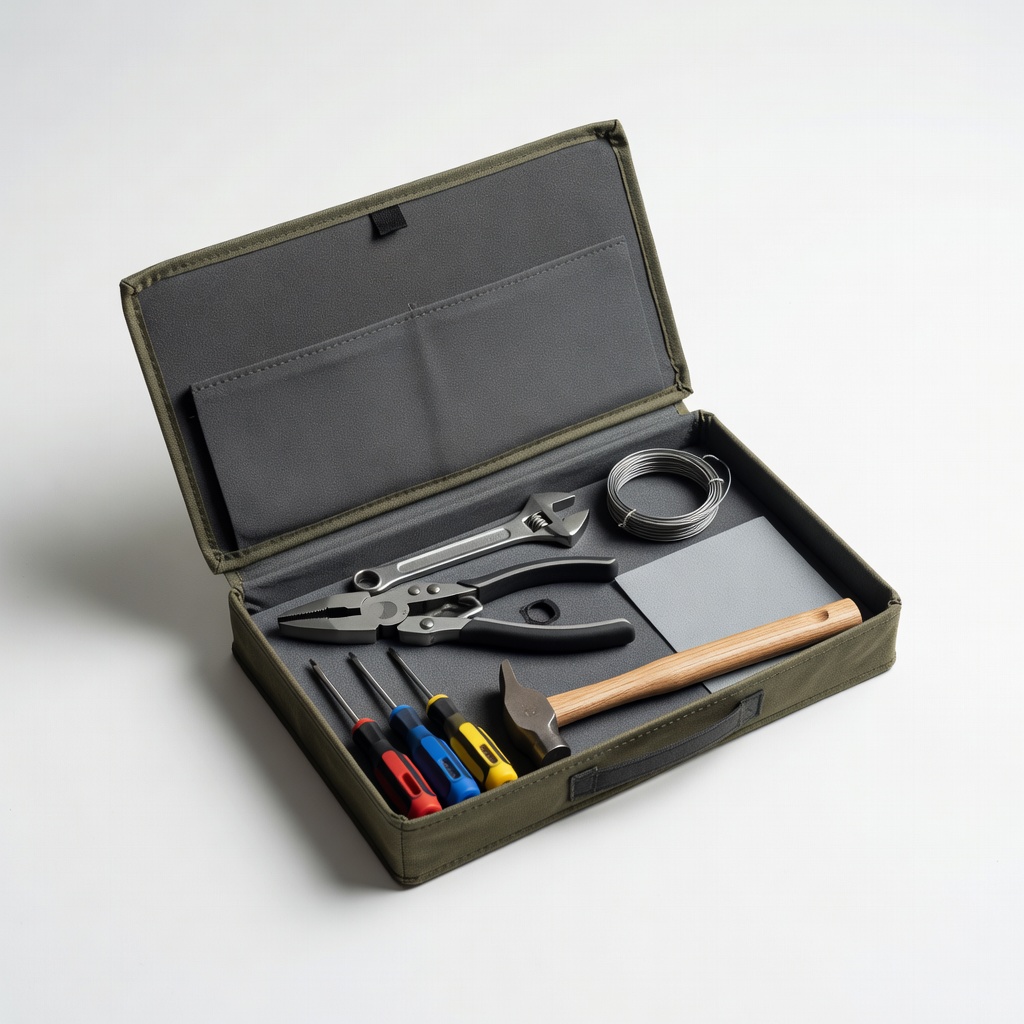
Siena Snowshoe Repair Kit

Siena Snowshoe Repair Kit

💡 Nice to Have

$19.99

When to buy:
First month

Fixes common strap/deck tears on first trips, so one mishap doesn't end your season.

Beginner Benefits:

  • Quick trail fixes
  • Peace of mind
  • Extends gear life
  • Lightweight pack

🤔 How to Choose Your First Snowshoes

Ask: What's my weight + typical pack (add 20 lbs)? Flat park trails or hilly woods? Budget? Rent first if unsure (REI common). Match size: under 150 lbs = 19-21", 150-225 = 22-25", over = larger. Flat trails? Prioritize floatation. Icy? Crampons.

Budgets: under $100 for trials, $100-250 sweet spot (durable aluminum/easy binds), $250+ premium (pro brands). Budget for casual 5-10 trips/year; premium if weekly. Red flags: no size chart, plastic only, vague weight ratings, poor review photos of bindings.

Growth: Start recreational, upgrade when doing 10+ miles or steep terrain.

💰 Budget Guide for Beginners

400+

Expert entry – ultralight or mountaineering; only if committing to advanced winter hiking immediately.

100 - $250

Sweet spot – quality aluminum frames, reliable bindings, great for 1-2 seasons of regular beginner use with room to grow.

250 - $400

Premium beginner – top-tier brands like MSR/Atlas; superior traction/bindings, lasts years without outgrowing.

Under $ - $100

Entry-level – basic aluminum/plastic hybrids to test snowshoeing; lightweight enough for short walks but may wear fast on rough snow.

⚠️ Common Beginner Mistakes to Avoid

Beginners grab the cheapest Amazon option, only to find plastic decks crack on branches and basic straps slip off (reviews cite 'broke first use'). Others overbuy 'ultralight racing' models that lack traction for real snow. Skipping poles leads to arm fatigue and tumbles—experienced users say 'poles make 50% easier.'

Avoid by sticking to aluminum recreational, check 100+ reviews for binding pics, size precisely. Rent locally first ($20/day) to test fit. Instead of 'bargain,' invest in sweet spot for joy from trip 1.

  • ×Picking wrong size – too short sinks you, too long clumsy
  • ×Cheap plastic pairs – break or slip easily
  • ×Skipping poles – lose balance and fall often
  • ×Ignoring weight rating – overload causes poor floatation
  • ×Wrong bindings – frozen fiddly straps waste time
  • ×No gaiters – snow in boots ruins trips
  • ×Buying mountaineering for trails – too heavy/stiff
  • ×Forgetting storage bag – warped decks over summer

📈 Your Progression Path: Beginner to Intermediate

Start with flat groomed trails (parks/golf courses), focus on natural heel-toe roll—no lift needed. Practice 1-2 hr outings weekly, building to 5-10 miles. Learn via free YouTube (search 'snowshoe technique beginner').

Outgrow beginner gear when: craving speed (lighter models), steep/icy routes (better crampons), or deep powder (larger baskets). Typically 1-2 seasons (20-50 trips). Upgrade first: bindings/poles, then full set to aerobic/mountaineering. Intermediate: 10+ mph paces, backcountry overnights.

📚 Learning Resources for Beginners

  • 📖Snowshoeing (Falcon Guides) by Jim Pfitzer – ASIN B00A8HA3O2, $15.95: Step-by-step basics, trail tips, no-jargon intro.
  • 📖The Snowshoe Book by William Rozell – ASIN 1493024183, $18.95: History, techniques, gear advice for total beginners.
  • 📖Ultralight Snowshoes DIY Kit – ASIN 0974092028, $25: Build/test your own to understand design (fun project).
  • 📖Winter Hiking and Snowshoeing Skills DVD – ASIN B001U2W2W4, $19.99: Visual demos of form, safety.
  • 📖REI Snowshoeing Basics eBook (via Amazon Kindle), $9.99: Free-ish quick-start with checklists.

🎯 Bottom Line: Our Recommendations

For most beginners, grab the RHINOSNOW 25" (B09T8U9V0W, $129.99)—best balance of ease, traction, value. Budget? WGD 21" (B08S5T6U7V, $79.99). Serious? MSR Revo (B0U1V2W3X4, $299.99).

Must-haves day one: Trekology poles (B07X4RN7SM) + gaiters (B08L5M5N5P) + bag. You're ready—no more overthinking! Head to local snow, start slow, smile big. Snowshoeing builds confidence fast; your first post-hike beer tastes best.

❓ Frequently Asked Questions

RHINOSNOW 25" (B09T8U9V0W) for most—easy bindings, great traction/floatation. Budget: WGD 21" (B08S5T6U7V). Check weight rating first.
$100-250 sweet spot for durable aluminum/easy use. Under $100 to try; $250+ for premium longevity.
Ratcheting bindings, aluminum frame, crampons, size-matched floatation (21-25"), lightweight under 4 lbs.
Ones with one-pull straps like WGD or RHINOSNOW—setup in 1 min, forgiving technique.
Essential: poles (B07X4RN7SM), gaiters (B08L5M5N5P), bag. Add repair kit later.
Match size to weight (charts online), pick recreational aluminum, read binding reviews, consider terrain/budget.
No—walk naturally after 10 mins. Poles help balance; start flat trails.
Wrong size, cheap plastic, no poles, skipping gaiters. Always check capacity.
Waterproof insulated hiking boots (mid-calf). Gaiters seal gaps.
Body weight + 20 lb pack: <150 lbs=21", 150-225=25", over=larger. Use Amazon charts.