Choose your first all-mountain snowboard with confidence using our simple guide, top Amazon picks, and beginner tips to hit the slopes safely.
Picking your first snowboard can feel overwhelming with endless options, confusing terms, and the fear of wasting money on something that doesn't fit your style. Beginners often worry about getting the wrong size, shape, or type that makes learning harder or leads to injury. But it doesn't have to be scary – snowboarding is an amazing winter thrill that's accessible to everyone with the right start.
This guide cuts through the noise to help complete newcomers choose a forgiving, easy-to-ride all-mountain snowboard perfect for green and blue runs. We'll cover what matters, top Amazon recommendations across budgets, must-have accessories, and pitfalls to avoid. By the end, you'll feel ready to strap in and slide with a smile.
📋 In This Guide
• Why Beginners Struggle with Snowboard
• What to Look For (Key Features)
• Top 4 Beginner-Friendly Snowboard
• Essential Accessories for Beginners
• Common Beginner Mistakes to Avoid
• Your Progression Path
• FAQ & Learning Resources
😰 Why Beginners Struggle with Snowboard
New snowboarders face a steep wall of jargon like 'camber,' 'rocker,' 'flex,' and 'sidecut' that sounds like rocket science. Sizing charts based on height, weight, and boot size add confusion, and one wrong choice means edge catches, falls, and frustration. Forums are full of stories like 'bought a stiff park board and couldn't turn on groomers.'
The market overwhelms with 100+ boards – cheap rentals seem fine, but buying feels risky without knowing if it'll last or grow with you. Fear of injury or quitting after a bad first day keeps many on the couch. Most don't realize boards vary hugely in 'forgiveness' – how much they tolerate beginner mistakes like leaning back or bad weight shifts.
🔍 What to Look For: Key Beginner-Friendly Features
Focus on forgiving designs that make turning easy and prevent edge catches. Look for rocker profile (tips curve up like a banana for smooth slides), soft to medium flex (bends easily without snapping back too hard), and all-mountain shape (versatile for most slopes). Avoid stiff boards or extreme shapes meant for pros.
Key qualities: lightweight for easy control, durable base that holds up to crashes, and vibration dampening to smooth bumpy runs. Size it right – too short and unstable, too long and hard to control. Check reviews for 'beginner-friendly' and good customer support.
✅ Essential Features for Beginners
•Rocker profile: Curves up at edges so you don't catch them on turns – super forgiving for new riders.
•Catch-free edges: Rounded edges reduce accidental snags, building confidence on first runs.
•True center stance: Lets you ride regular or switch without adjustments.
•Durable extruded base: Easy to maintain, holds wax well for consistent speed.
•Lightweight wood core: Maneuverable without tiring you out.
•Wide waist: More stability at slow speeds for beginners.
•Magne-traction edges: Gentle bite for control without sharpness.
🏆 Top 4 Best Snowboard for Beginners
#1
💰 Budget
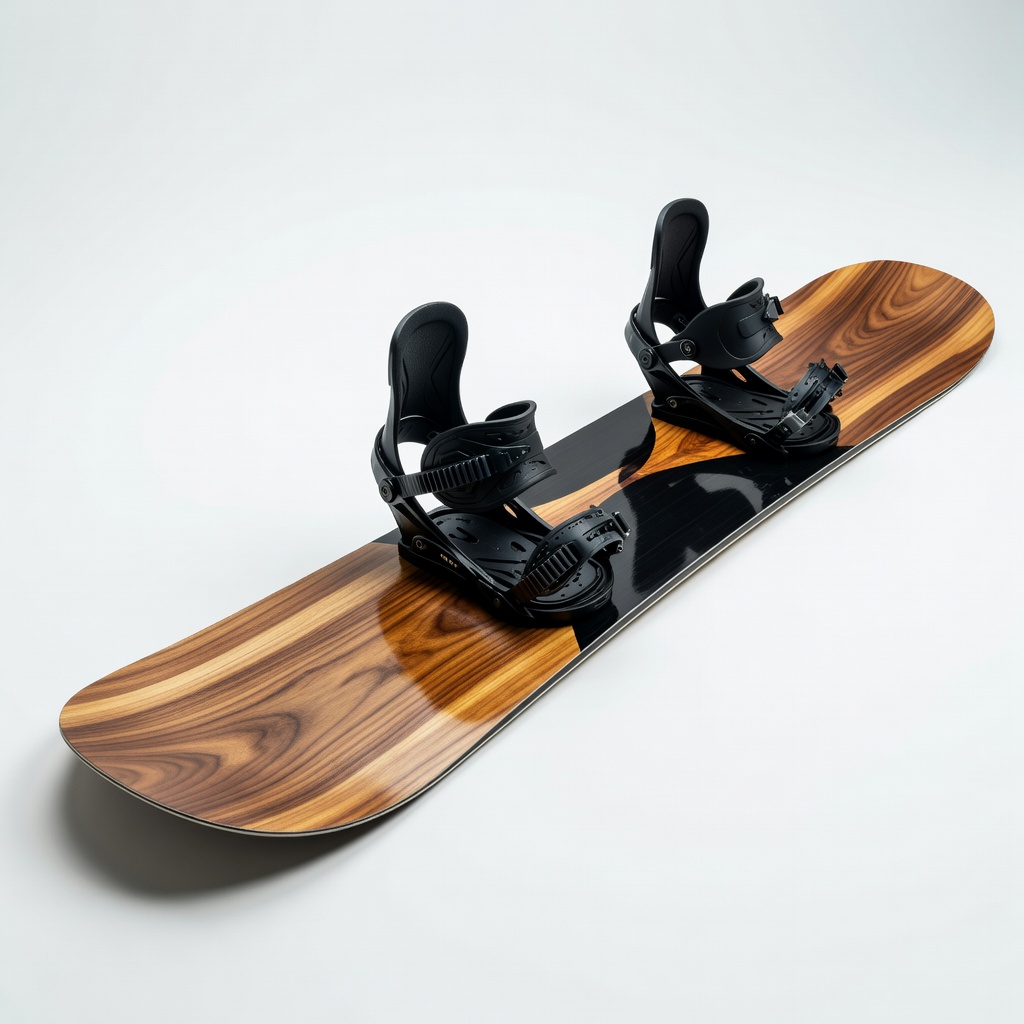
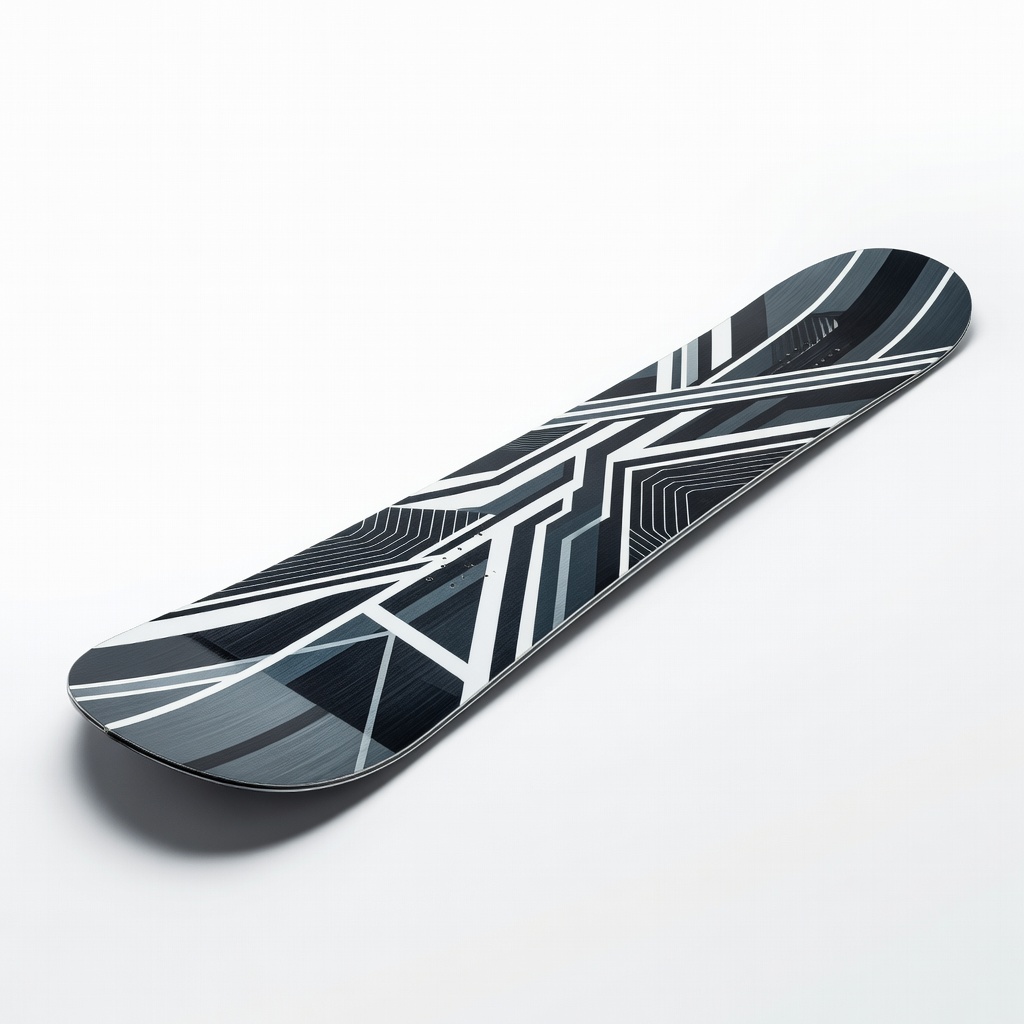
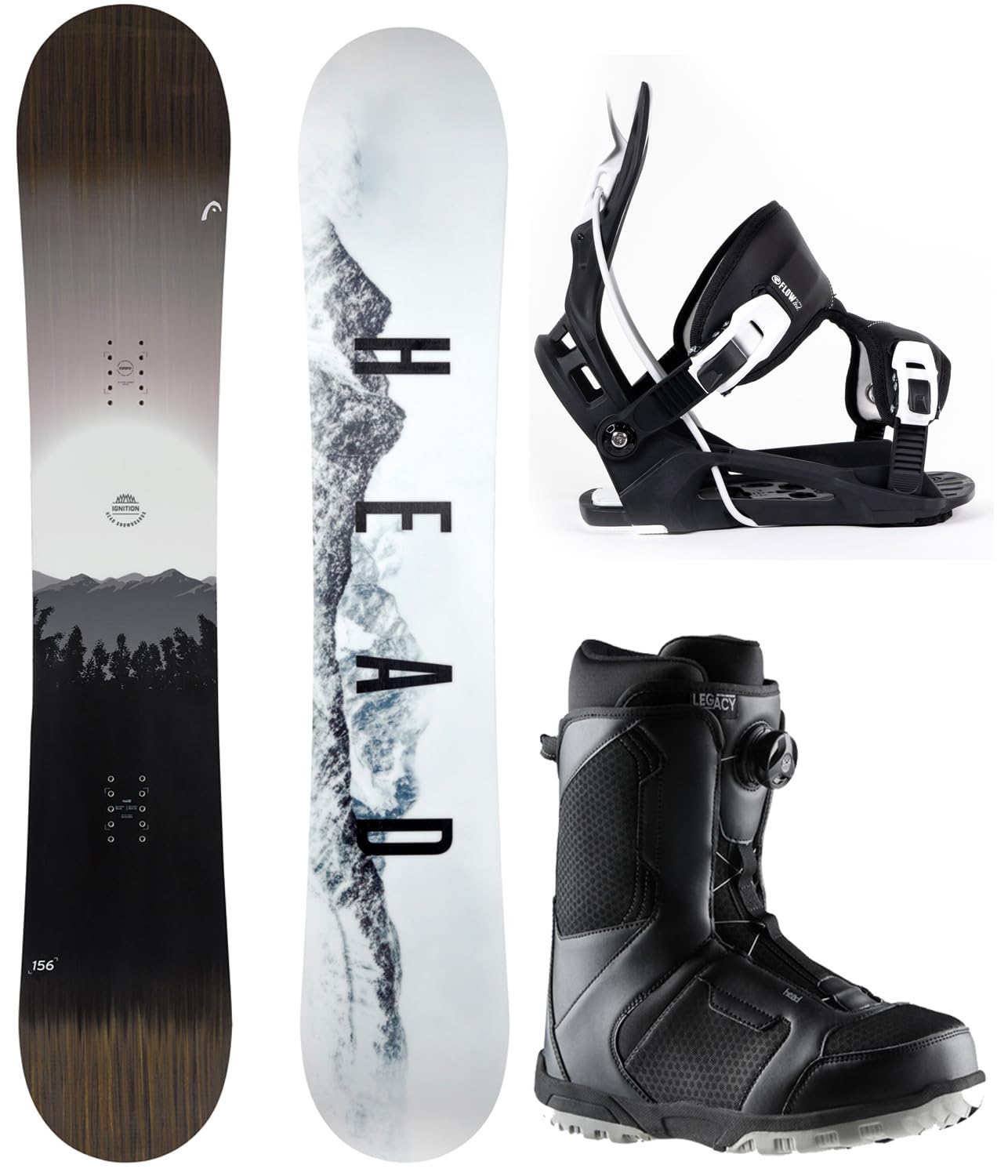
Arbor Roundhouse Snowboard (All-Mountain Rocker)
Learning Curve: Easy
$249.99
Difficulty: 1/5
Why Great for Beginners:
This rocker board with soft flex is ultra-forgiving for edge catches and turns, perfect for green runs. Lightweight and durable for crashes without breaking the bank.
✓ Beginner Pros
+Super easy turning
+Catch-free ride
+Lightweight control
+Great value durability
✗ Beginner Cons
-Less pop for jumps
-Basic graphics
👍 Best for: Budget-conscious first-timers on groomers
👎 Not for: Park tricksters or heavy powder chasers
Advanced hybrid camber/rocker with dampening for buttery smooth rides, durable for years of progression. Premium materials forgive while challenging skill growth.
A snowboard is your base for sliding down snowy hills – think a wide ski you control with feet strapped in bindings. All-mountain boards are the best starter: versatile for groomed runs, light powder, and parks, unlike narrow park boards (jumps/tricks) or fat freeride ones (deep snow).
Beginner-friendly means 'rocker' or hybrid profile (rocker-camber) for easy turns, soft flex (1-5 scale) to forgive leans, and parabolic sidecut for auto-turning. Realistic expectations: Day 1 you'll fall linking turns; by week 2, carving blues. Evaluate by boot size fit (waist width), weight range match, and user reviews saying 'easy to butter.' Marketing like 'all-terrain ripper' often hides stiffness – stick to 'volume shifted' or 'beginner all-mountain.'
🔧 Essential Accessories for Beginners
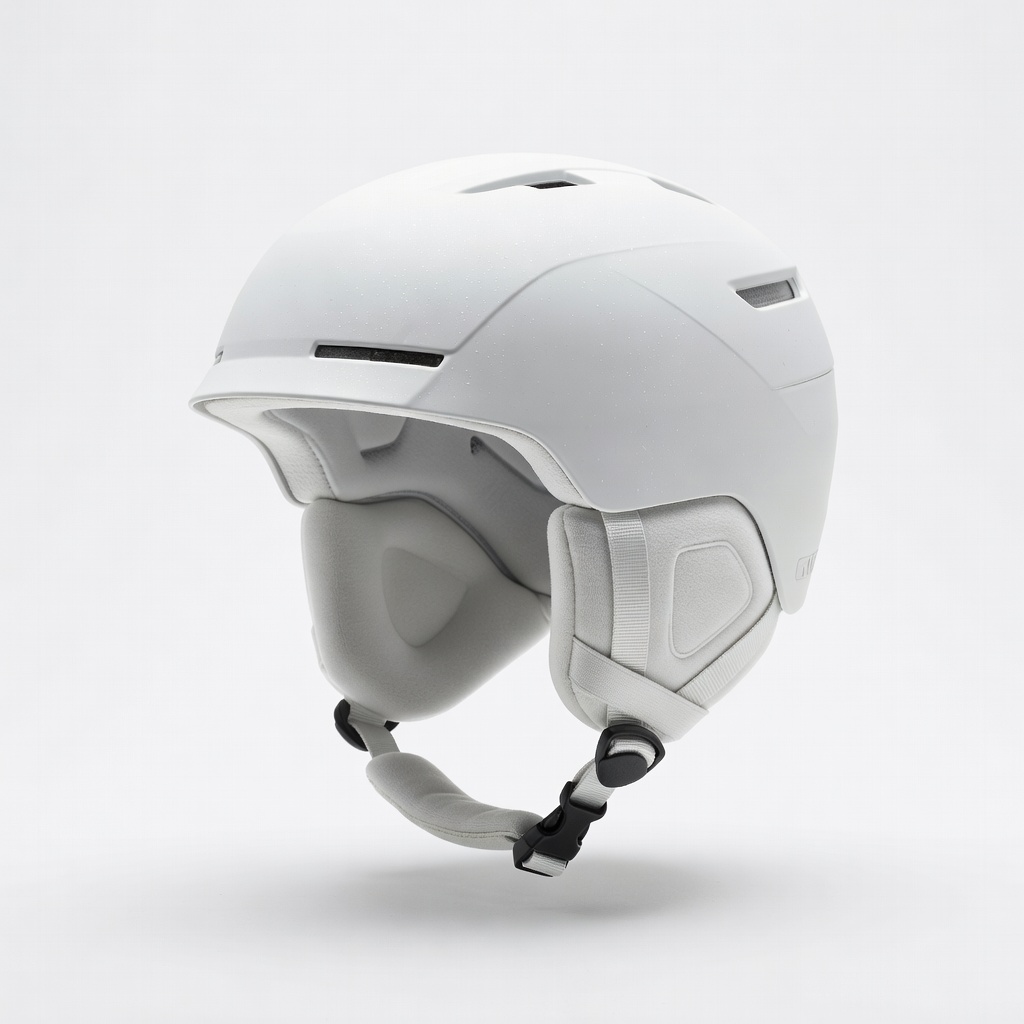
Giro Ledge MIPS Snow Helmet
⚠️ Essential
$89.99
When to buy:
Day one
Head protection is non-negotiable – beginners fall a lot forward. MIPS reduces rotation impacts for safer crashes.
Ask: What's your height/weight/boot size? (Use charts: e.g., 5'6" 150lbs = 152-157cm board). Budget? Rental first if unsure. Use mostly groomers? All-mountain. Plan park later? True center. Budget under $250? Entry ok for 1 season; $250-450 sweet spot lasts years; premium for buttery feel.
Scenarios: Casual weekend? Recommended tier. Aggressive learner? Premium. Red flags: No size chart, stiff flex (5+), directional only (no switch). Growth: Pick scalable flex to avoid quick upgrade.
💰 Budget Guide for Beginners
650+
Pro entry - advanced features for dedicated beginners pushing limits fast.
250 - $450
Sweet spot - best value with room to grow, durable and fun for most beginners through intermediate.
Entry level - basic forgiving board to try snowboarding, may upgrade after 1-2 seasons due to less durability.
⚠️ Common Beginner Mistakes to Avoid
Beginners chase 'pro boards' from YouTube, getting stiff models that fight every turn, leading to quits. Cheap no-names break mid-season, false economy. Forums rant about blisters from ill-fit boots or edge catches on camber boards.
Avoid by sticking to rocker/soft flex, measure twice (height/weight charts), buy kit together. Rent first season if mega-unsure, but matched beginner gear pays off fast. Experienced riders say: 'My first forgiving board hooked me forever.'
×Buying too cheap (<$200) – boards delaminate fast from crashes.
×Wrong size – too short unstable, too long unmanageable.
×Stiff flex board – punishes every mistake.
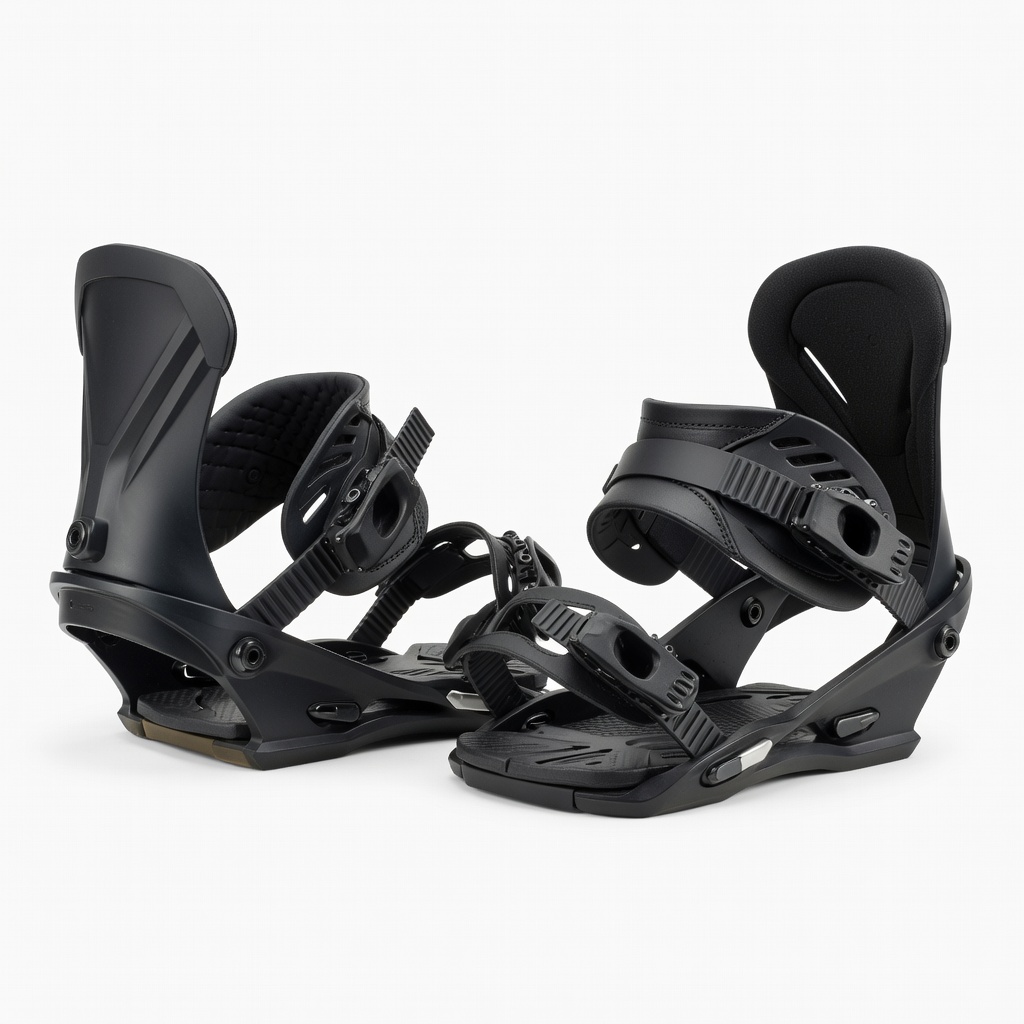
×Skipping bindings/boots – can't control the board.
×Park board for all-mountain – too soft/buttery for speed.
×Directional only – can't ride switch.
×No maintenance knowledge – base dries out.
×Ignoring weight range – poor float/turn.
📈 Your Progression Path: Beginner to Intermediate
Start with stance/balance on flats, then straight-line greens, S-turns, then blues. Practice 10-20 days/season: Week 1 link turns, month 1 ollie/carve. Outgrown when buttering parks, powder surfing, speed carving.
Upgrade at 50+ days: Stiffer flex for pop. First: Better bindings. Typical beginner stage: 1-2 seasons. Build via lessons, apps like SnowBrains.
📚 Learning Resources for Beginners
📖The Snowboard Book: A Guide for All Boarders by Lowell Hart (ASIN B000QJ4Z8K) – Simple basics with pics.
📖Snowboarding to Necking: A Snowboarder's Guide by Rob Dawson (ASIN B001U2W6O4) – Fun beginner tips.
📖Fischer Snowboarding Instructional DVD (ASIN B07D5E6F7G) – Visual lessons.
📖Snowboard Training App Bundle (via Amazon Kindle: Snowboard Addiction Guide)
🎯 Bottom Line: Our Recommendations
For most beginners, the Ride Kink (recommended) or Burton Instigator hits the sweet spot – forgiving, fun, grows with you. Budget? Arbor Roundhouse. Serious? Never Summer premium. Grab essentials: helmet, bindings, boots day one.
You're ready – snowboarding's joy outweighs falls. Rent a lesson first, hit greens, smile through wipeouts. Shred safe!
❓ Frequently Asked Questions
All-mountain rocker boards like Burton Instigator or Ride Kink – forgiving flex, easy turns for greens/blues.
$250-450 sweet spot for durable, growth-ready boards; under $250 entry ok for testing.