Discover the easiest Smart Home Kits to start automating your home with voice control—no tech skills needed.
Starting a smart home feels exciting but scary—like walking into a room full of gadgets that might not talk to each other. Beginners often worry about picking the wrong hub, dealing with confusing apps, or spending money on stuff that ends up in a drawer. You're not alone; most newcomers feel overwhelmed by promises of 'full automation' when they just want lights to turn on with their voice.
This guide cuts through the noise. We'll explain why beginners struggle, what simple features really matter, and hand-pick the best starter kits on Amazon that are forgiving and fun from day one. By the end, you'll confidently choose your first kit, know what accessories to grab, and avoid pitfalls that frustrate others. Let's make your home smarter, one easy voice command at a time.
📋 In This Guide
• Why Beginners Struggle with Smart Home Kit
• What to Look For (Key Features)
• Top 4 Beginner-Friendly Smart Home Kit
• Essential Accessories for Beginners
• Common Beginner Mistakes to Avoid
• Your Progression Path
• FAQ & Learning Resources
😰 Why Beginners Struggle with Smart Home Kit
Beginners dive into smart homes excited for voice-controlled lights and thermostats, but quickly hit walls like devices that won't connect or apps demanding Wi-Fi tweaks. Forums like Reddit's r/smarthome are full of 'nothing works!' posts from people buying mismatched brands—Alexa bulbs ignoring Google speakers, or hubs needing extra wiring.
Jargon like 'Zigbee,' 'Matter,' or 'hub required' sounds like secret code, leaving you guessing what's essential. Fear of wasting $100+ on incompatible gear or privacy nightmares (cameras spying?) freezes decisions. With thousands of options, it's easy to pick flashy but fiddly kits that demand tech know-how you don't have yet.
The result? Frustration and boxes collecting dust. But it doesn't have to be this way—beginner kits focus on plug-and-play joy, not DIY headaches.
🔍 What to Look For: Key Beginner-Friendly Features
For beginners, skip complex hubs or custom coding—look for kits with a built-in voice assistant like Alexa that controls basics out of the box. Must-haves: simple app setup (scan QR code, done), wide compatibility (works with any smart bulb/plug), and no extra hub needed. These tolerate spotty Wi-Fi and guide you with voice tips.
Nice-to-haves: colorful screens for visuals or routines like 'goodnight' shutting everything off. Avoid: pro features like IFTTT scripting or Z-Wave (needs separate hub)—they're overwhelming. Beginner-friendly kits are 'forgiving' (auto-reconnects if you mess up) and intuitive (voice-first, app-second).
A great starter kit feels like magic: say 'Alexa, turn on lights' and it just works. Check reviews for 'easy setup' mentions—over 4.5 stars with beginner praise.
✅ Essential Features for Beginners
•Built-in voice control (Alexa or Google) for hands-free commands
•Easy app pairing—no passwords or hubs needed
•Starter devices included (plug or bulb) to test instantly
•Auto-discovery of other gadgets
•Simple routines like 'movie mode' lights off
•Strong Wi-Fi support (2.4GHz for reliability)
•Privacy controls (mute button, delete history)
🏆 Top 4 Best Smart Home Kit for Beginners
#1
💰 Budget
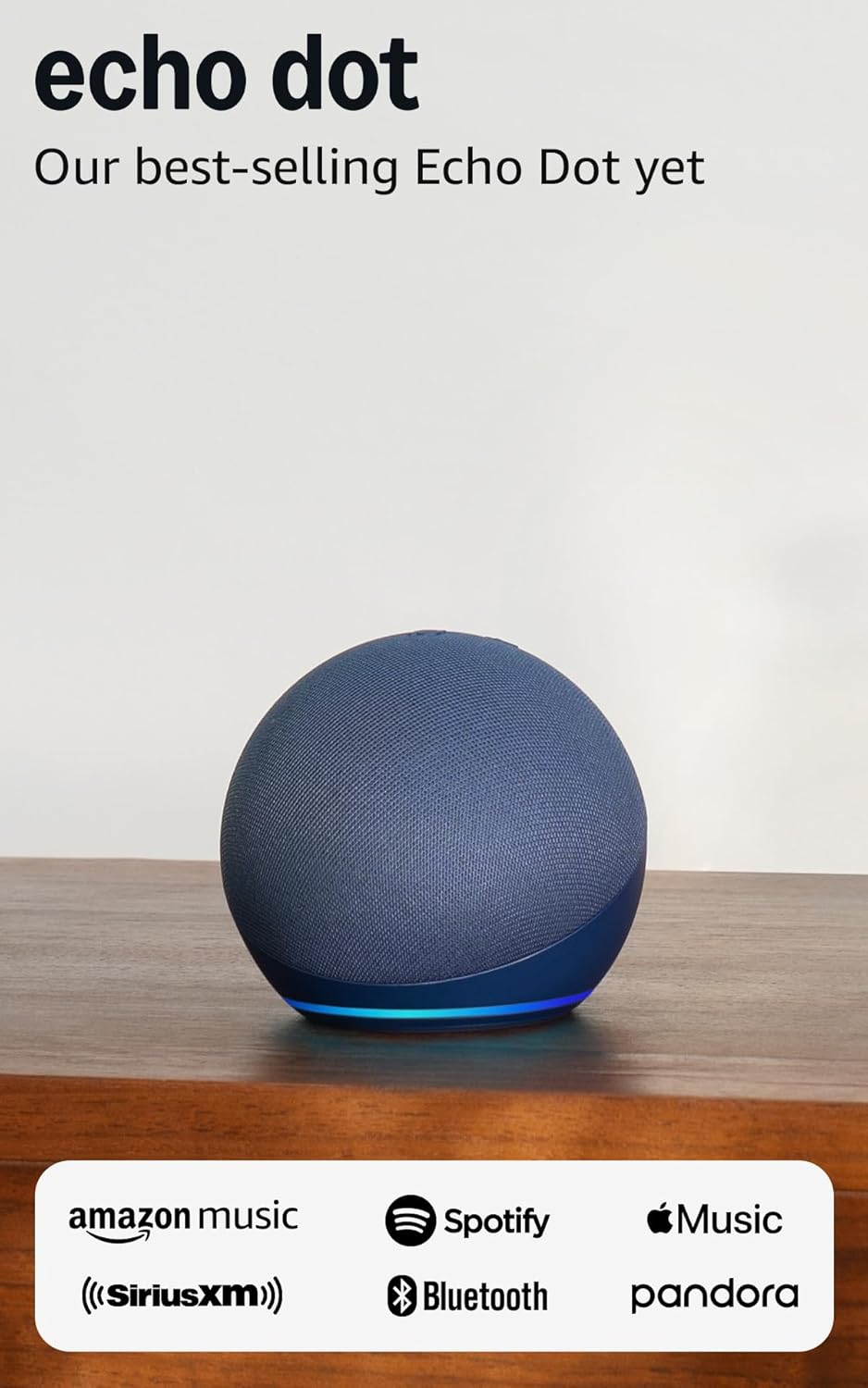
Amazon Echo Dot (5th Gen, 2022 release) | With clock | Smart speaker with Alexa
Learning Curve: Easy
$49.99
Difficulty: 1/5
Why Great for Beginners:
This compact speaker is the ultimate first step—plug in, say 'Alexa,' and control lights/plugs instantly. No screen overwhelm, just voice magic with a clock for quick glances. Perfect for tiny spaces or testing waters without commitment.
✓ Beginner Pros
+5-minute setup via app
+Tap-to-snooze clock forgives sleepy mornings
+Built-in temp sensor for routines
+Affordable to add more Dots later
✗ Beginner Cons
-No video/screen for door checks
-Audio okay, not party-level
👍 Best for: Apartment dwellers or voice-only starters
👎 Not for: Families needing video calls or big sound
Amazon Echo (4th Gen) | With premium sound, hub built-in and Alexa
Learning Curve: Easy
$99.99
Difficulty: 1/5
Why Great for Beginners:
Bigger sound and built-in Zigbee hub means it controls more without extras—ideal sweet spot. Spherical design looks cool, setup is voice-guided, and it grows with your home seamlessly.
Amazon Echo Show 8 (2nd Gen, 2021 release) HD smart display with Alexa
Learning Curve: Easy
$134.99
Difficulty: 2/5
Why Great for Beginners:
8-inch screen shows recipes, calendars, and cameras—voice plus visuals without complexity. Motion detection wakes it, perfect for kitchens where hands are busy.
Amazon Echo Show 10 (3rd Gen) – Large 10.1” smart display with motion, premium sound and Alexa
Learning Curve: Moderate
$399.99
Difficulty: 2/5
Why Great for Beginners:
Screen follows you as you move—feels futuristic yet simple. Premium audio/sound and camera make it family hub-ready, with room to grow into full automation.
A Smart Home Kit is your entry ticket to automation: a voice speaker plus basics like plugs or bulbs that let you control your home by talking. Think 'Alexa, good morning' to start coffee and open blinds—no remotes or apps required.
Types: Voice hubs (Echo/Google Nest—best for beginners, hubless), full hubs (SmartThings—more power, steeper curve), or bulb/plug bundles (limited). Beginners thrive with voice hubs: they're ecosystem-locked (Alexa plays nice with Amazon gear) but simple.
Expect realism: Day 1, control 2-3 devices; Week 1, routines. 'Beginner-friendly' means 5-min setup, voice-guided fixes, and growth via adding plugs. Marketing like '500+ compatible' is fluff—focus on 'works with Alexa out-of-box.'
🔧 Essential Accessories for Beginners
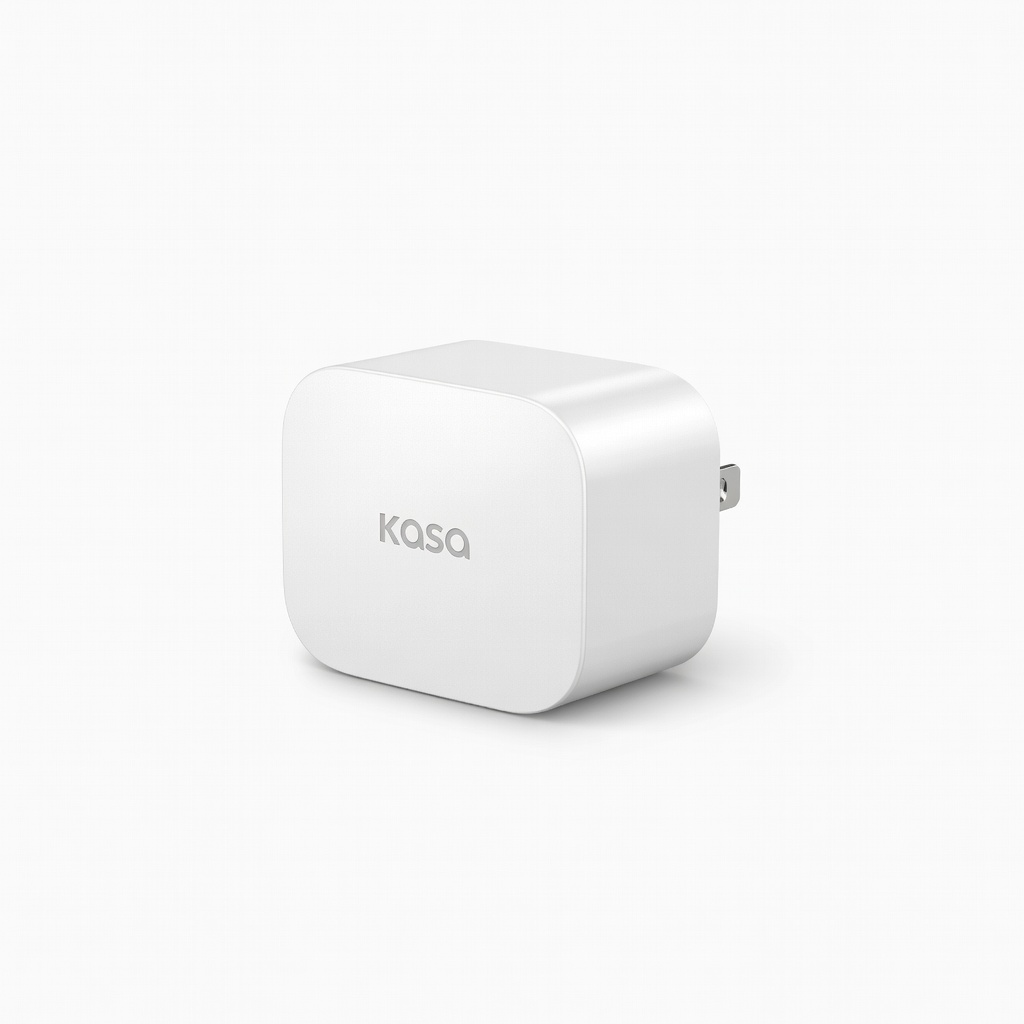
Kasa Smart Plug Mini by TP-Link (Smart WiFi Plug works with Alexa)
⚠️ Essential
$14.99
When to buy:
Day one
Turn any lamp/fan into smart control instantly—no wiring. Say 'Alexa, coffee time' to brew via plug. Beginners need this to see magic without buying new lights.
Ask: What's my budget? Under $100 for basics, $100-250 sweet spot. What do I want first? Lights/plugs (voice kit) or video (screen kit). Home size? Small apartment: compact Dot; bigger: Show with camera.
Match ecosystem: Alexa for Amazon fans (easiest), Google for calendars. Test use: Voice-only or visual? Budget for growth—start small, add $20 plugs later. Red flags: 'Hub required,' poor app reviews, no 2.4GHz Wi-Fi.
Framework: Budget? Go Dot. Want screen? Show 8. Serious? Premium Show. Most beginners pick recommended for balance—easy now, expandable later.
💰 Budget Guide for Beginners
400+
Pro entry: Multi-room bundles. For big homes or committed newbies.
100 - $250
Sweet spot: Full speaker with screen + plugs/bulbs. Best value, controls whole apartment easily.
250 - $400
Premium beginner: Large screen, camera, advanced audio. Won't outgrow for years, family-ready.
Under $ - $100
Entry level: Basic voice speaker + one device. Great to dip toes, but limited rooms/devices.
⚠️ Common Beginner Mistakes to Avoid
Beginners grab $20 mystery plugs that vanish from apps, or splurge on $500 multi-hub setups needing IT skills. Why? Shiny ads promise 'everything,' ignoring your apartment basics. Result: dead devices, refund hassles.
Avoid by sticking to Amazon/Alexa bundles—reviews scream 'easy.' Example: One Redditor mixed brands, spent hours resetting; simple Echo + Kasa fixed it. Instead, start with 1-2 accessories, learn routines before expanding.
×Buying cheap no-name kits that break compatibility
×Ignoring ecosystem—mixing Alexa/Google
×Skipping 2.4GHz Wi-Fi check
×Overbuying hubs without basics
×Forgetting privacy settings
×Not getting plugs/bulbs to test
×Choosing screenless for video needs
📈 Your Progression Path: Beginner to Intermediate
First: Master voice basics (lights on/off) in week 1 via app tutorials. Add routines like 'bedtime' next. Practice daily—Alexa guides you.
Outgrow when: Want scenes across rooms, cameras, or thermostats. Upgrade: Add Echo in other rooms (~6 months). Signs ready: Bored of basics, comfy with app.
Intermediate: Multi-room audio, automations (door unlocks at voice). Stay beginner 3-6 months; grow by adding $20 gear yearly.
📖**Home Automation with Alexa (Audiobook)** ASIN: B07N1F6Z2L - Listen while setting up.
🎯 Bottom Line: Our Recommendations
For most beginners, Echo Show 8 is the best overall—visuals + voice + hub for $135, grows effortlessly.
Budget: Echo Dot $50 magic starter. Premium: Echo Show 10 for wow-factor families.
Grab Kasa Smart Plug and Sengled Bulbs day one. You're ready—order, unbox, say 'Alexa, hello.' Your smart home adventure starts now; it'll be easier and funnier than you think!
❓ Frequently Asked Questions
The Amazon Echo Show 8 (ASIN B08F8MQD8J) strikes the perfect balance: easy voice/screen control, built-in hub, and starter-friendly for under $150.
$50-250 sweet spot. Under $100 tests waters (Echo Dot); $100-250 gets screen/hub for real use.
Built-in Alexa, easy app setup, no extra hub, auto-discovery, and starter plug/bulb compatibility.
Amazon Echo Dot 5th Gen (ASIN B09B8W5NWK)—1/5 difficulty, voice-only simplicity.
Essential: Kasa Smart Plug (B07G5E1K4Q) and Sengled Bulbs (B07P5ZJBN2) to control real stuff instantly.
Voice-only? Dot. Visuals? Show 8. Budget under $100? Dot. Follow ecosystem (Alexa best).
No—pick Echo kits for 5-min setups. Avoid hubs/mixed brands.