7 Best Best Smart Home Starter Kit for beginners in 2026: Tested…
Everything beginners need to know to choose their first Smart Home Starter Kit with confidence
Stepping into the world of smart home automation is exciting, but with so many options, it’s easy to feel overwhelmed. You might wonder which devices work together, what you actually need, and how to avoid wasting money. This guide is designed to cut through the confusion, helping you select your first smart home starter kit with clarity and confidence. We’ll cover the basics, highlight beginner-friendly products, and share tips to get you started on the right foot.
📋 In This Guide
• Why Beginners Struggle with Smart Home Starter Kit
• What to Look For (Key Features)
• Top 5 Beginner-Friendly Smart Home Starter Kit
• Essential Accessories for Beginners
• Common Beginner Mistakes to Avoid
• Your Progression Path
• FAQ & Learning Resources
😰 Why Beginners Struggle with Smart Home Starter Kit
Many beginners struggle because the smart home market is flooded with jargon like 'Zigbee,' 'Z-Wave,' 'hubs,' and 'protocols.' It’s not obvious which ecosystem to choose—Alexa, Google Assistant, or Apple HomeKit—or whether you need a hub. Fear of buying incompatible devices or paying for features you’ll never use often leads to paralysis. Additionally, the sheer number of brands and pricing tiers makes it hard to know where to start. Without guidance, many either buy too cheap and get frustrated or overspend on premium gear they don’t yet need.
🔍 What to Look For: Key Beginner-Friendly Features
For beginners, focus on simplicity and ecosystem. Choose a starter kit that includes a smart speaker or hub (e.g., Amazon Echo or Google Nest Hub) as the brain, plus a few sensors or lights to play with. Look for kits that promise easy setup via a smartphone app, voice control, and compatibility with the most common devices. Avoid kits that require programming or technical tinkering. Key beginner-friendly features include: pre-configured routines, step-by-step app guidance, and devices that work out of the box. You don’t need advanced automation or security features yet—start with lighting, plugs, and basic voice commands.
✅ Essential Features for Beginners
•Simple app setup: Guides you step-by-step with no technical knowledge required
•Voice control: Works with Alexa or Google Assistant so you can say commands naturally
•Expandable: Allows adding more devices later without replacing the hub
•Routines: Pre-built scenes like 'Good Morning' or 'Away' that activate multiple devices at once
•Affordable price: Under $150 for a starter kit that includes hub, lights, and plugs
•No hub required: Uses Wi-Fi directly, avoiding extra hardware complexity
🏆 Top 5 Best Smart Home Starter Kit for Beginners
#1
💰 Budget
Amazon Echo Dot (3rd Gen) with Alexa
Learning Curve: Easy
$29.99
Difficulty: 1/5
Why Great for Beginners:
This is the simplest way to start: just plug in, connect to Wi-Fi, and ask Alexa to control compatible devices. It’s cheap, so you can experiment without big investment.
✓ Beginner Pros
+Very low cost
+Easy setup with Alexa app
+Voice control enables hands-free operation
+Works with thousands of smart devices
✗ Beginner Cons
-Requires separate purchase of smart devices
-No screen for visual feedback
-Limited to Alexa ecosystem
👍 Best for: Absolute beginners on a tight budget who want to try voice control first
👎 Not for: Those who want a complete starter kit with lights and plugs included
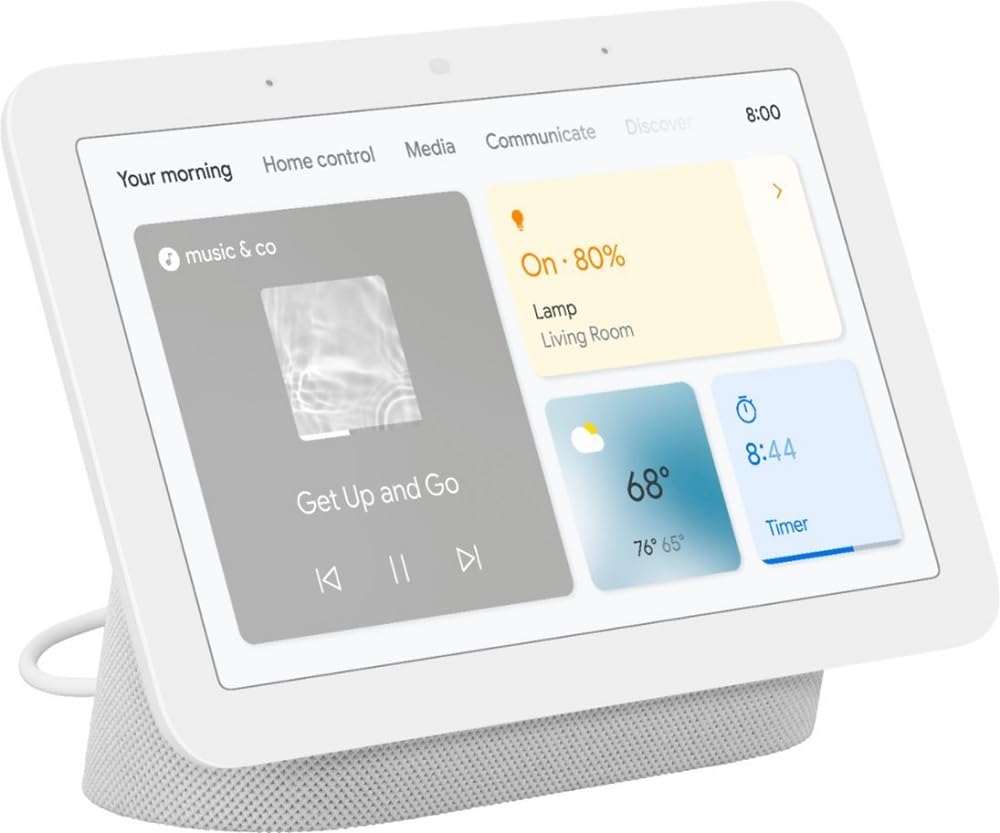
The Google Nest Hub combines a smart display and voice assistant in one, allowing you to see controls, watch videos, and manage routines from a central device. Setup is intuitive via the Google Home app.
✓ Beginner Pros
+Touchscreen makes device control visual
+Built-in speaker and voice assistant
+Supports Google Assistant commands
+Can serve as a digital photo frame
✗ Beginner Cons
-Slightly higher price than basic smart speakers
-Does not include additional sensors or lights
-Video calls require additional setup
👍 Best for: Beginners who prefer visual feedback and want a central hub for their smart home
👎 Not for: Those who want the cheapest possible entry point
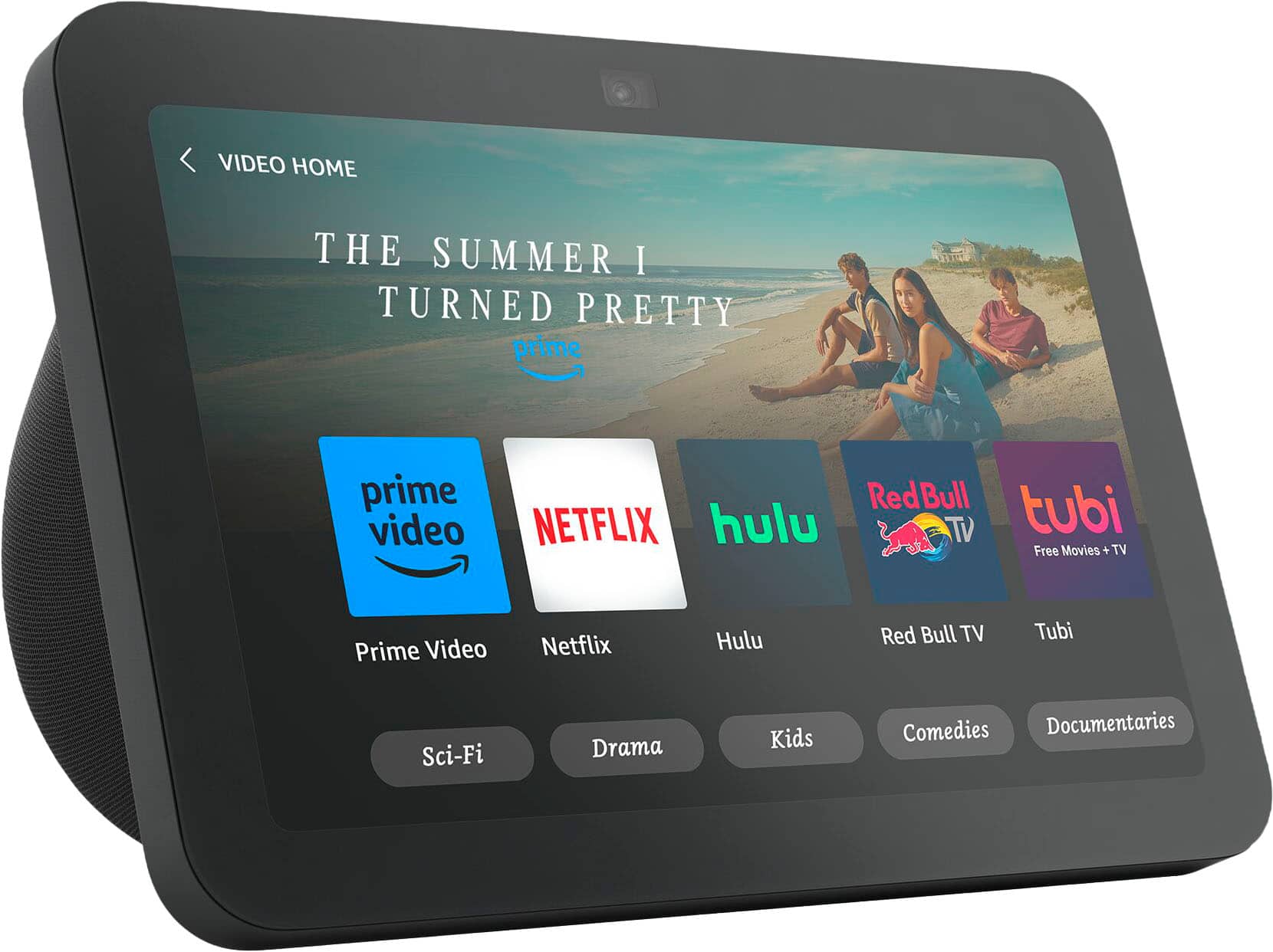
A compact smart display with Alexa that fits on a nightstand or desk. It’s great for beginners who want a mix of voice and visual control, plus the ability to make video calls.
✓ Beginner Pros
+Small footprint
+Built-in camera for video calls
+Alexa skills enable endless customisation
+Affordable smart display
✗ Beginner Cons
-Screen may be too small for some
-No motion sensor or other devices included
-Requires Amazon account
👍 Best for: Beginners who want a bedside smart assistant with visual capabilities
👎 Not for: Those who want a full home automation kit out of the box
This hub is the brain of a more advanced smart home system but remains beginner-friendly with its simple app. It supports Zigbee, Z-Wave, and Wi-Fi, so you can mix and match devices from many brands.
✓ Beginner Pros
+Supports multiple protocols for device compatibility
+Powerful automation capabilities
+Works with Alexa and Google Assistant
+Great for future expansion
✗ Beginner Cons
-Requires a separate purchase of sensors and devices
-Slightly steeper learning curve than all-in-one kits
-Hub itself does not include voice assistant
👍 Best for: Beginners who plan to build a comprehensive smart home over time and want maximum flexibility
👎 Not for: Those who want an immediate, out-of-box experience with lights and plugs
An upgraded Echo Dot with a small LED display that shows time, alarms, and weather. It’s a perfect middle ground: more useful than a plain Dot but cheaper than a full screen.
✓ Beginner Pros
+LED display shows time and temperature at a glance
+Improved sound quality over previous generations
+Alexa voice control is responsive
+Works as an alarm clock with smart features
✗ Beginner Cons
-Very small display (not touchscreen)
-No built-in smart devices included
-Requires other smart devices to build a home automation system
👍 Best for: Beginners who want a smart alarm clock with voice control and future expandability
👎 Not for: Those who want a visual smart display for controlling devices
📖 Complete Beginner's Guide to Smart Home Starter Kit
A smart home starter kit typically includes a central hub (or a voice assistant that acts as one), plus a few compatible devices like smart bulbs, plugs, or sensors. The hub connects to your home Wi-Fi and lets you control everything through a single app or voice commands. There are three main ecosystem families: Amazon Alexa, Google Assistant, and Apple HomeKit. For beginners, Alexa and Google are the most accessible because of their widespread support and affordable devices. Most starter kits are either hub-based (e.g., Samsung SmartThings) or hubless (e.g., Kasa by TP-Link). Hubless kits are easier because each device connects directly to your Wi-Fi, but they require a strong network. Hub-based kits offer more reliability and advanced automation but involve an extra setup step. As a beginner, aim for a kit with 3 to 5 devices—enough to learn the ropes without feeling cluttered. Realistic expectations: you’ll start by turning lights on/off with your voice, setting timers, and maybe creating a simple morning routine. Don’t expect full home automation on day one; it’s a gradual process.
🤔 How to Choose Your First Smart Home Starter Kit
Start by asking yourself: Which voice assistant do you already use or prefer? If you have an Amazon Prime account, Alexa is a natural fit. If you use Google services, Google Assistant is better. Next, decide your budget: under $50 will get you a single smart plug or bulb, but a true starter kit costs between $60 and $150. Consider your living situation: renters might prefer plug-in devices over wired ones. Think about future expansion – choose a kit that is compatible with a wide range of additional devices. Red flags to avoid: proprietary protocols that lock you into one brand, kits that require separate hubs for each device, or overly cheap devices with poor app reviews. For most beginners, the sweet spot is a hubless Wi-Fi kit from a trusted brand like TP-Link Kasa or an Alexa starter bundle.
💰 Budget Guide for Beginners
150+
Professional entry – for serious beginners wanting robust automation, often with a dedicated hub and multiple sensors.
50 - $100
Sweet spot – best value for most beginners. Includes a hub or voice speaker plus 2-3 devices.
100 - $150
Premium beginner – includes more devices (lights, plugs, sensors) and often a screen for visual control.
Under $ - $50
Entry level – you can buy a single smart plug or bulb to test the waters, but it won’t give you the full experience.
⚠️ Common Beginner Mistakes to Avoid
Beginners often jump in without checking compatibility between devices and ecosystems. For example, buying a Google Nest Hub but then purchasing a Kasa bulb that only works with Alexa? Actually, Kasa works with both, but some brands are exclusive. Another mistake is assuming all smart home devices work out of the box—some require separate hubs. The biggest pitfall is buying too many devices at once. It’s better to start with one plug or bulb, learn how to set it up, create a routine, and then expand. Also, neglect of Wi-Fi coverage: smart home devices rely on stable Wi-Fi. If your router is old or placed far away, you’ll face connectivity issues. Finally, many skip reading the fine print about subscription fees for certain features (e.g., cloud recording for cameras). Always check if the kit requires ongoing payments.
×Buying devices from different ecosystems without ensuring compatibility
×Choosing a kit that requires a hub when you prefer hubless simplicity
×Overlooking the need for a strong Wi-Fi network (mesh Wi-Fi may be needed for larger homes)
×Purchasing too many devices at once, leading to setup fatigue
×Ignoring security settings like two-factor authentication for smart home accounts
×Not checking if the kit supports the voice assistant you already use
×Forgetting to consider return policies and warranty
📈 Your Progression Path: Beginner to Intermediate
Start by mastering one device: a smart bulb or plug. Learn to control it via app and voice, then set a simple schedule. Next, group devices into routines (e.g., ‘Goodnight’ turns off all lights). Gradually add more devices like sensors and cameras. You’ll know you’ve outgrown the beginner stage when you start automating complex sequences (lights dim when motion detected, then adjust color at sunset) or integrating non-smart devices with bridges. At this point, consider upgrading to a dedicated hub like SmartThings for advanced automation. Most beginners stay in the learning phase for 3-6 months before feeling ready to expand significantly.
🎯 Bottom Line: Our Recommendations
For most beginners, the best starting point is a Google Nest Hub or Amazon Echo Show 5 paired with a couple of Kasa smart plugs and a Philips Hue bulb. This mix gives you both voice and visual control with proven reliability. If you’re on a strict budget, an Echo Dot and a single Kasa plug will give you a taste. Remember: start small, enjoy the process, and don’t rush. Smart home is a journey, not a destination. With the right foundation, you’ll build a system that makes your life easier and more fun.
❓ Frequently Asked Questions
The best starter kit depends on your preferred ecosystem. For Alexa users, an Amazon Echo Dot plus a Kasa Smart Plug is an excellent first step. For Google users, a Nest Hub is ideal. The TP-Link Kasa Smart Home Starter Kit (with hub and devices) is also highly recommended for its simplicity.
Beginners should start small. Spend between $50 and $100 for a hub/speaker and a couple of devices. You don’t need to spend hundreds until you know what you like.
Look for easy app setup, voice control (Alexa or Google Assistant), pre-built routines, and expandability. Avoid kits that require programming or technical configuration.
The Google Nest Hub is one of the easiest because its touchscreen simplifies device management and the Google Home app guides you through setup. The Amazon Echo Show 5 is similarly beginner-friendly.
At minimum, a smart plug and a smart bulb. These two devices teach the core concepts of remote control and scheduling. As you grow, add a motion sensor for automation.
Decide on your voice assistant preference (Alexa vs Google), then pick a kit that includes a speaker or hub with good reviews. Ensure it’s expandable and has a user-friendly app.
No, modern kits are designed to be plug-and-play. Most setup takes 10-15 minutes per device. The hardest part is deciding which ecosystem to commit to.
Common mistakes include buying incompatible devices, purchasing too many at once, ignoring Wi-Fi strength, and not checking for required hubs or subscriptions.
It depends. Many Wi-Fi devices (e.g., Kasa plugs) don’t need a separate hub. But if you want to use Zigbee devices like Philips Hue, you’ll need a hub or a speaker with built-in Zigbee (e.g., Echo Plus).
Technically yes, but it’s messy. You’ll need to use separate apps and voice commands. For beginners, pick one ecosystem and stick with it for simplicity.
Most devices take less than 10 minutes each. A basic kit with 3 devices can be fully running in under an hour.
The Amazon Echo Dot (3rd Gen) combined with a Kasa Smart Plug is the most affordable entry point at around $50 total.