Is Best Smart Home Hub for beginners Worth It? Honest Review (20…
Everything beginners need to know to choose their first Smart Home Hub with confidence
Getting started with a smart home can feel overwhelming. With so many hubs, protocols, and devices available, it's easy to worry about making the wrong choice. This guide is designed for complete beginners. We'll break down what a smart home hub is, what features actually matter, and help you pick the best one for your needs—without the jargon. By the end, you'll feel confident to automate your home step by step.
📋 In This Guide
• Why Beginners Struggle with Smart Home Hub
• What to Look For (Key Features)
• Top 5 Beginner-Friendly Smart Home Hub
• Essential Accessories for Beginners
• Common Beginner Mistakes to Avoid
• Your Progression Path
• FAQ & Learning Resources
😰 Why Beginners Struggle with Smart Home Hub
Many beginners struggle because they don't know where to start. Terms like Zigbee, Z-Wave, Thread, and Matter can be confusing. You might worry about buying a hub that won't work with your existing devices or that's too complex to set up. The sheer number of options—from Amazon's Echo to Samsung SmartThings to Google Nest—adds to the anxiety. Fear of wasting money on the wrong hub often leads to analysis paralysis. But with a little guidance, you can avoid these pitfalls and choose a hub that grows with you.
🔍 What to Look For: Key Beginner-Friendly Features
As a beginner, look for a hub that is easy to set up, works with popular devices (like smart lights, plugs, and sensors), and is forgiving of mistakes. Key features include: support for Matter (the new universal standard), a simple app, voice assistant compatibility (Alexa or Google Assistant), and the ability to add devices without a hub (if using a smart speaker with built-in Zigbee). Avoid hubs that require complex programming or that only work with one brand. Your first hub should be a friendly gateway, not a headache.
✅ Essential Features for Beginners
•Easy setup with a clear app
•Supports Matter or Zigbee for device compatibility
•Voice assistant integration (Alexa or Google)
•Reliable Wi-Fi connection
•Regular firmware updates
•Routines and scheduling without coding
•Affordable price point
🏆 Top 5 Best Smart Home Hub for Beginners
#1
💰 Budget
Amazon Echo Dot (4th Gen) with Clock and Zigbee Hub
Learning Curve: Easy
$49.99
Difficulty: 1/5
Why Great for Beginners:
This is the most affordable way to get a Zigbee hub. It doubles as a smart speaker, so you can start with voice control. Setup takes minutes via the Alexa app, and it works with thousands of devices.
✓ Beginner Pros
+Very low price
+Easy app setup
+Built-in Zigbee for lights and plugs
+Voice control included
+Regular updates
✗ Beginner Cons
-No Z-Wave support
-Limited local processing (relies on cloud)
-Only works with Alexa ecosystem
👍 Best for: Beginners on a tight budget who already use Alexa or want to try smart home for cheap.
👎 Not for: Those who need Z-Wave devices or prefer Google Assistant.
A step up from the Dot, this Echo has better sound and a built-in Zigbee hub. It's the sweet spot for beginners who want a full smart speaker and reliable hub in one. The Alexa app guides you step by step.
✓ Beginner Pros
+Better audio quality
+Zigbee built-in
+Easy device discovery
+Works with many brands
+Regular Alexa updates
✗ Beginner Cons
-Still no Z-Wave
-Cloud-dependent
-Can be pricey for a speaker
👍 Best for: Beginners who want a central hub and good music playback, using Alexa.
👎 Not for: Those who need offline automation or prefer Google.
This dedicated hub supports Zigbee and Z-Wave, giving more device options. The SmartThings app is intuitive for creating automations. It's a great middle ground for beginners who want to expand beyond Alexa/Google ecosystems.
✓ Beginner Pros
+Supports both Zigbee and Z-Wave
+Local processing (some routines)
+Easy automations with SmartThings app
+Works with Alexa and Google
✗ Beginner Cons
-Setup can be slightly more complex
-Requires separate hub (not a speaker)
-Some features need cloud
👍 Best for: Beginners who want a dedicated hub and plan to use Z-Wave devices (like locks or sensors).
👎 Not for: Those who want an all-in-one speaker/hub or prefer voice assistant only.
This is a premium smart display with a built-in hub. It's the best choice for Google Assistant fans. The large screen shows camera feeds and step-by-step recipes. Setup is simple, and it works with thousands of devices.
✓ Beginner Pros
+Beautiful display for cameras and recipes
+Excellent voice recognition
+Supports Matter and Thread
+Built-in Nest Cam features
✗ Beginner Cons
-Expensive
-No Zigbee or Z-Wave (relies on Wi-Fi and Thread)
-Device setup can be less intuitive than Alexa
👍 Best for: Beginners invested in Google ecosystem who want a smart display for video calls and quick controls.
👎 Not for: Those who need Zigbee/Z-Wave or have strict budget.
If you're an Apple user, this is the easiest way into smart home. It supports HomeKit and Thread. The Home app is simple, and Siri works well. It's compact but surprisingly powerful for its size.
✓ Beginner Pros
+Seamless with Apple devices
+Compact and good sound
+Thread support for fast devices
+Privacy-focused
✗ Beginner Cons
-Only works with Apple HomeKit
-Limited device compatibility vs Alexa
-No Zigbee or Z-Wave
👍 Best for: Apple ecosystem users who want a simple, private smart home start.
👎 Not for: Android users or those needing broad device support.
A smart home hub is the brain of your automated home. It lets you control lights, thermostats, locks, and sensors from one app or voice command. Hubs communicate with devices using wireless protocols like Wi-Fi, Zigbee, Z-Wave, or Matter. For beginners, the best hubs come with built-in support for multiple protocols, so you can mix and match devices. Some smart speakers (like Amazon Echo) include Zigbee hubs, making them a great starting point. Dedicated hubs like Samsung SmartThings offer more control but have a steeper learning curve. When choosing, prioritize hubs that are known for easy setup, reliable performance, and strong community support. Remember: you don't need to automate everything at once. Start with one or two devices and expand gradually.
🔧 Essential Accessories for Beginners
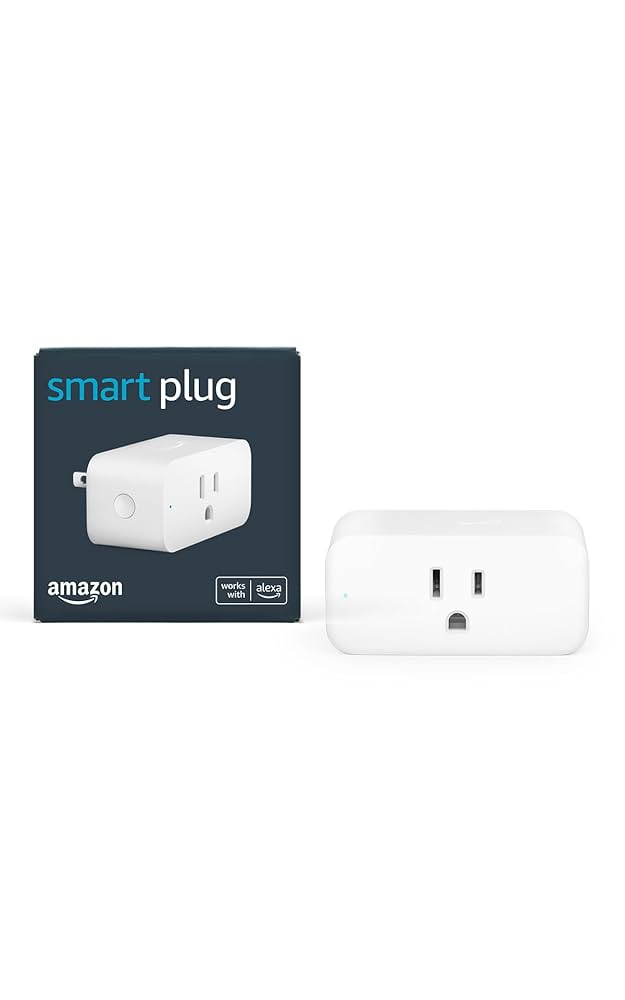
Amazon Smart Plug
⚠️ Essential
$24.99
When to buy:
Day one
A smart plug is the easiest way to start automation. It turns any lamp or appliance into a smart device. You'll learn how hubs work without buying expensive lights.
Motion sensors unlock advanced automation like lights turning on when you enter a room. They're safe, easy to place, and show you the power of triggers.
Smart bulbs are classic beginner devices. The Hue kit includes a bridge and two bulbs—perfect for learning color changes and schedules. It's a bit pricey but very reliable.
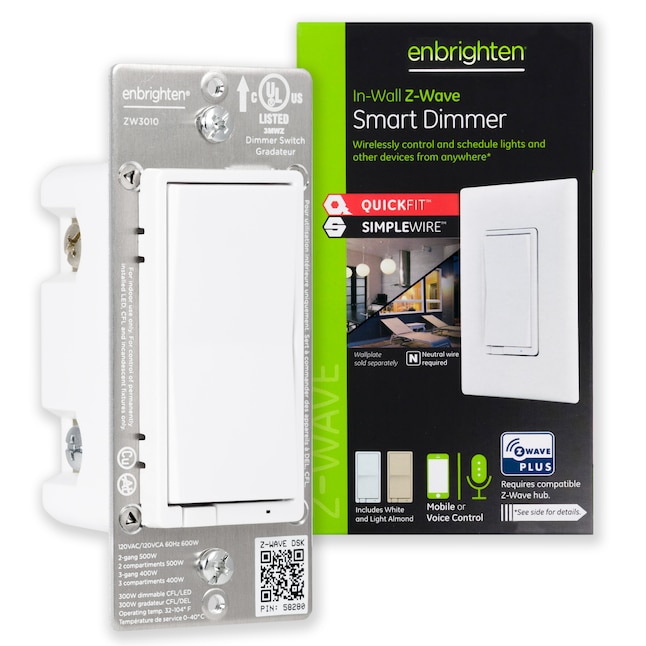
For controlling lights permanently, a smart switch is better than bulbs. It replaces a wall switch and is a next step after mastering plugs and sensors.
Start by asking: Do I already have smart devices? If yes, make sure the hub works with them. What voice assistant do I prefer? Alexa or Google Assistant? How much time do I want to spend tinkering? If you want plug-and-play, pick a smart speaker hub. If you enjoy more control, choose a dedicated hub. Budget matters: you can start under $50 with an Echo Dot (with Zigbee), or invest $100-$200 for a feature-rich hub like SmartThings or Nest Hub Max. Avoid cheap hubs that lack updates or protocol support. Also, consider future growth: a hub that supports Matter will work with many upcoming devices.
💰 Budget Guide for Beginners
250+
Enthusiast entry – for those who want maximum control and are willing to learn more complex systems.
50 - $150
Sweet spot – most beginner-friendly hubs with great app and voice control; room to grow.
150 - $250
Premium beginner – excellent build quality, Matter support, and local processing; won't outgrow quickly.
Under $ - $50
Entry level – good for trying out basic automation, but may lack advanced features and protocol support.
⚠️ Common Beginner Mistakes to Avoid
Beginners often buy a hub that doesn't support their devices, skip checking compatibility, or choose a cheap hub that fails to update. Others buy too many devices at once and get overwhelmed. Some ignore the learning curve of advanced hubs and give up. Always start small, test one device, and expand. Don't assume all devices work with all hubs—check support lists. And avoid buying a hub just because it has many features you'll never use.
×Not checking device compatibility before buying
×Buying too many devices at once
×Choosing a hub with no voice assistant
×Ignoring update policies and support
×Going for the cheapest hub without features
×Overlooking the need for a stable Wi-Fi network
📈 Your Progression Path: Beginner to Intermediate
Start by automating one room—maybe a smart bulb and a plug. Once you're comfortable, add sensors for motion or doors. Then set up routines (e.g., lights turn on at sunset). After a few months, you'll be ready for more complex automations like geofencing or voice scenes. Your first hub will likely serve you for a year or two. Signs you've outgrown it: you need more integrations, faster response, or local processing. Then consider upgrading to a hub like Hubitat or Home Assistant. But for most beginners, an Echo or SmartThings will last a long time.
📚 Learning Resources for Beginners
📖'Smart Home for Dummies' book
📖'The Complete Guide to Smart Home Automation' on Amazon
📖'HEIMAN Smart Home Starter Kit' as a practice set
📖'Amazon Smart Thermostat' for learning temperature automation
🎯 Bottom Line: Our Recommendations
For most beginners, the best choice is an Amazon Echo Plus or Echo Dot with Zigbee (if you have Alexa devices) or a Google Nest Hub (if you prefer Google). Both are easy to set up, have great voice control, and work with thousands of devices. If you want a dedicated hub that's more powerful, the Samsung SmartThings Hub v3 is excellent. Don't forget accessories: a smart plug and a few sensors let you start experiencing automation right away. Remember, every smart home journey starts with a single step. Pick a hub that fits your current devices and budget, and you'll be automating in no time.
❓ Frequently Asked Questions
The best all-around beginner hub is the Amazon Echo Plus (4th Gen) because it combines a powerful smart speaker with a Zigbee hub, making it easy to control devices by voice and app. For Google fans, the Nest Hub Max is excellent. For Apple users, the HomePod mini is the simplest.
Beginners can start for as little as $50 with an Echo Dot that has Zigbee. The sweet spot is $100-$150, which gets you a dedicated hub like SmartThings or a full Echo Plus. Spending over $200 is only necessary if you want a premium display or advanced features.
Must-haves: easy app setup, voice assistant support, compatibility with common devices (Zigbee or Matter), and simple automation rules (routines). Nice-to-haves: local processing, Z-Wave support, and a built-in speaker. Avoid hubs that require coding or have no community support.
The Amazon Echo Dot with Zigbee is the easiest. You plug it in, open the Alexa app, and it discovers devices. No wiring or complex configuration. Google Nest Hub Max is also very intuitive with its touchscreen.
Essential: a smart plug. Highly recommended: a motion sensor. Nice-to-have: a smart bulb starter kit. These let you experience automation without significant investment.
Consider your voice assistant preference (Alexa, Google, or Siri), budget, and any existing smart devices. If you have no devices, pick a hub that supports multiple protocols (Zigbee, Wi-Fi, Matter). Start with a smart speaker hub for simplicity.
No, modern hub are designed for non-techies. Most have apps that walk you through setup. Adding devices is usually as simple as plugging them in and scanning a QR code. The learning curve is very low for basic automation.
Common mistakes: buying a hub that doesn't support their devices, buying too many gadgets at once, ignoring the need for a strong Wi-Fi network, and choosing a hub with poor update support. Also, not checking if the hub works with their preferred voice assistant.
Older Echo devices without Zigbee needed a separate hub. Newer Echo models (4th Gen and up) have built-in Zigbee, so you don't need an extra hub for Zigbee devices. However, if you want Z-Wave or more local control, you might add a dedicated hub later.
Matter is a new smart home standard that makes devices from different brands work together. It's optional but recommended because it future-proofs your hub. Many new hubs support Matter, so your devices will be compatible with other Matter hubs.