#1
💰 Budget
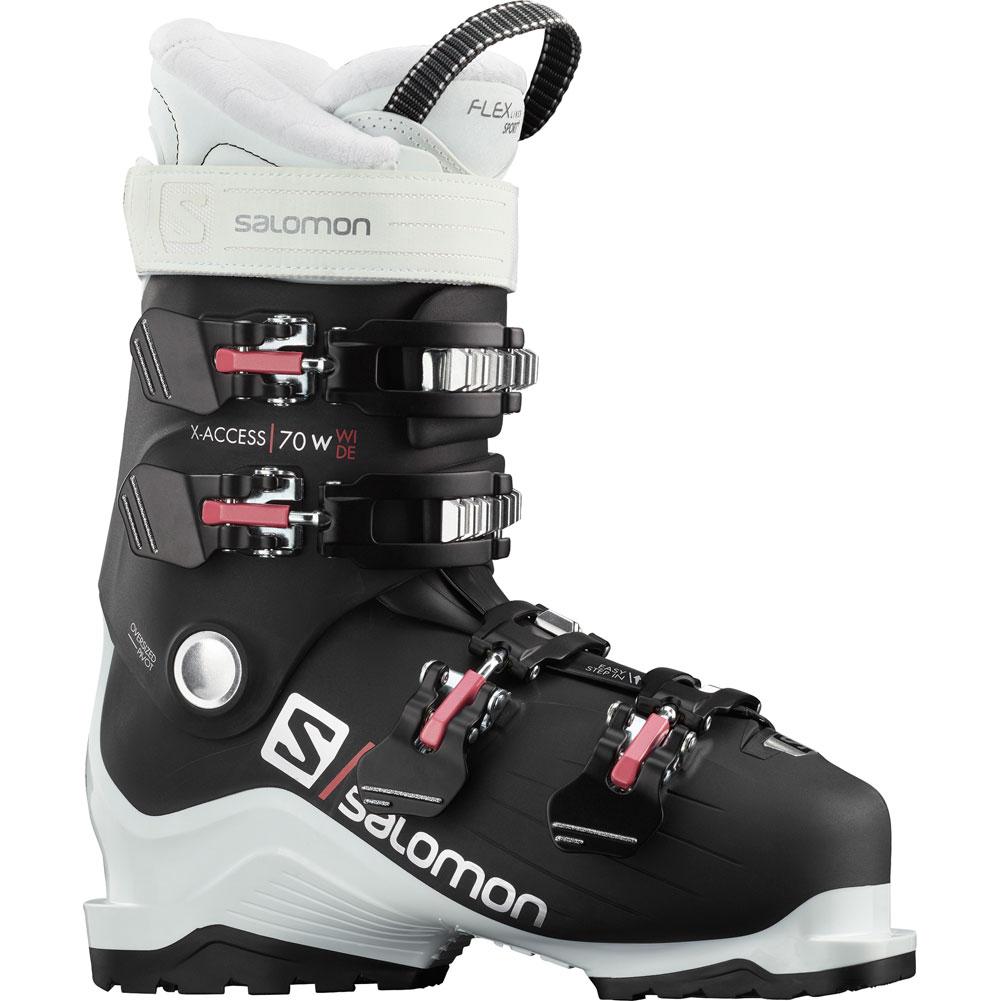
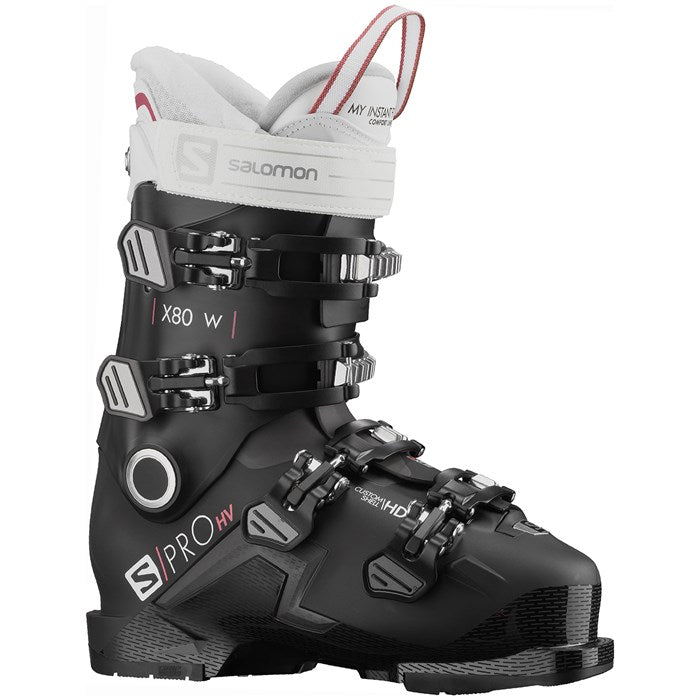
Salomon S/Pro HV 80 W Ski Boots
Learning Curve: Easy
$229.99
Difficulty: 1/5
Why Great for Beginners:
These boots have a wide 106mm last and soft 80 flex, perfect for first-timers with average to wide feet. Easy entry design makes solo buckling simple, reducing frustration on day one. Great value without skimping on warmth or support.
✓ Beginner Pros
- +Super comfy wide fit
- +Easy to put on alone
- +Affordable entry point
- +Forgiving soft flex
- +Good walk mode
✗ Beginner Cons
- -May feel basic after a season
- -Limited color options
👍 Best for: New skiers on a tight budget trying the sport
👎 Not for: Narrow feet or aggressive skiers