Pick your first sketchbook with confidence—no overwhelm, just simple picks that let you start drawing today.
Choosing your first sketchbook feels scary when you're a beginner. Endless sizes, paper types, and brands make it hard to know what's right. Will the paper rip? Will it bleed if you use pens later? Don't worry—this guide cuts through the confusion.
We'll explain why beginners struggle, what features actually matter, and give you top Amazon picks that are forgiving and easy to use. By the end, you'll have a clear plan, specific recommendations, and the confidence to start your daily drawing practice without regret.
📋 In This Guide
• Why Beginners Struggle with Sketchbook
• What to Look For (Key Features)
• Top 4 Beginner-Friendly Sketchbook
• Essential Accessories for Beginners
• Common Beginner Mistakes to Avoid
• Your Progression Path
• FAQ & Learning Resources
😰 Why Beginners Struggle with Sketchbook
Beginners often feel lost with sketchbooks because options seem endless: tiny pocket sizes vs huge pads, cheap newsprint vs fancy archival paper. Forums like Reddit's r/learnart are full of newbies frustrated by paper that pills (tiny balls form when erasing) or bleeds (ink soaks through). They fear wasting money on something unusable.
Jargon like 'gsm' (paper thickness), 'tooth' (texture for pencils), or 'acid-free' (lasts longer) sounds technical and confusing. Many buy the cheapest option, only to hate how it feels, or grab a pretty journal that won't hold up to erasing. Overwhelm leads to paralysis—no drawing happens.
🔍 What to Look For: Key Beginner-Friendly Features
Focus on forgiving paper that handles pencils and light erasing without damage. Look for 60-100gsm thickness—thick enough to not tear but not too fancy. Medium sizes like 9x12 inches are portable yet roomy for practice.
Must-haves: spiral binding (lays flat), at least 50 pages, sturdy cover. Nice-to-haves: bleed-resistant for future inks. Skip watercolor paper or ultra-smooth surfaces—they're tricky for basic pencil sketching. Beginner-friendly means intuitive: no prep needed, tolerates mistakes.
✅ Essential Features for Beginners
•Thick paper (60-100gsm): Won't tear or pill from erasing mistakes
•Toothy texture: Grips pencils easily for smooth shading
•Spiral or lay-flat binding: Stays open while you draw
•Medium size (A5 to 9x12): Portable but enough space to practice
•Sturdy cover: Protects pages from bending or dirt
•Acid-free pages: Keeps drawings nice longer without yellowing
•Blank pages only: No lines to distract your freehand practice
🏆 Top 4 Best Sketchbook for Beginners
#1
💰 Budget
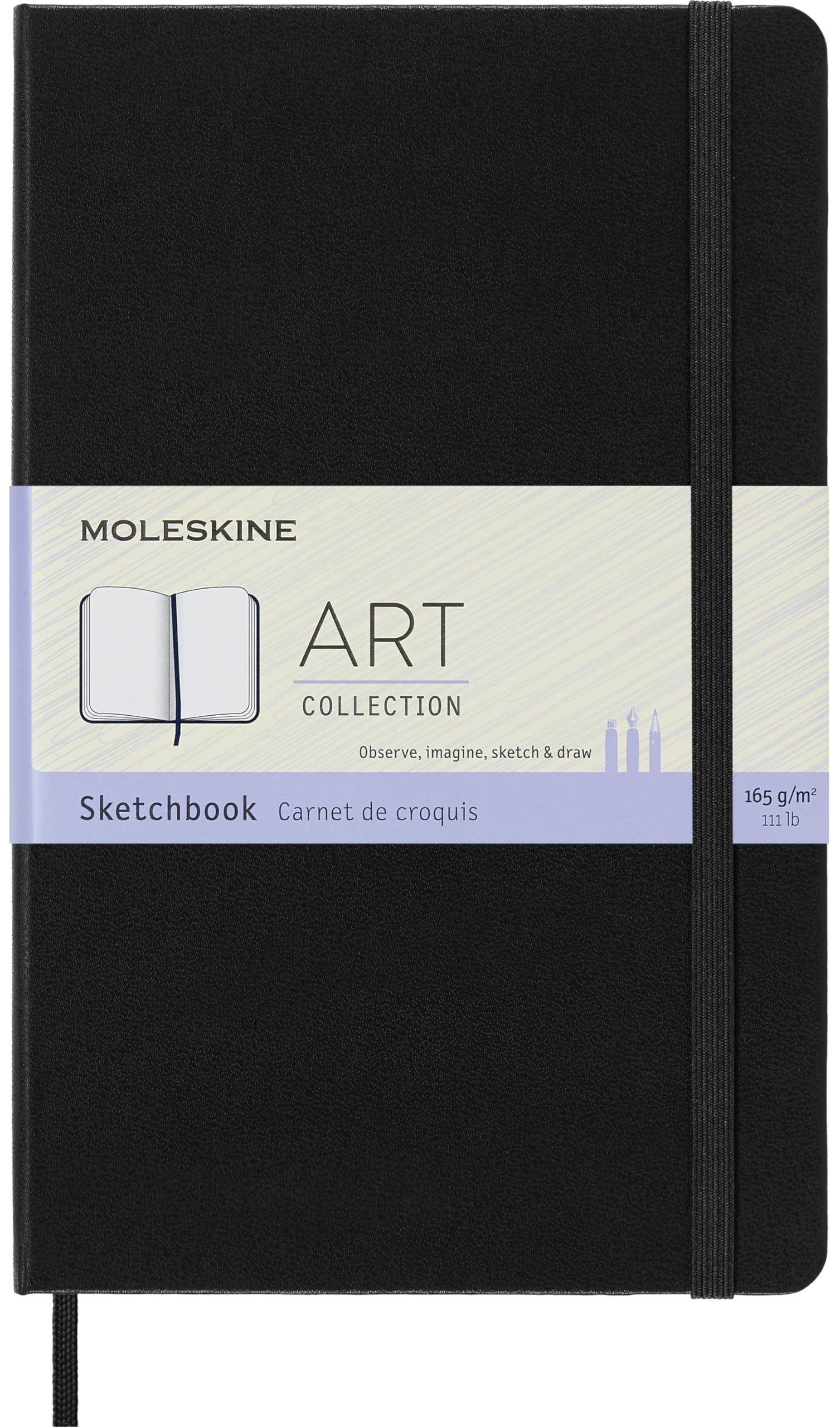
Moleskine Art Sketchbook, Pocket, Black, Hard Cover, 4" x 5.5", 48 Pages
Learning Curve: Easy
$14.99
Difficulty: 1/5
Why Great for Beginners:
This pocket-sized Moleskine has thick, toothy paper perfect for pencil sketches without bleeding or pilling. Its hard cover protects pages, and compact size fits in bags for anytime practice. Beginners love how it feels premium without overwhelming.
✓ Beginner Pros
+Portable for daily carry
+Erases cleanly
+Lays mostly flat
+Affordable to replace
✗ Beginner Cons
-Small size limits big drawings
-Fewer pages (48)
👍 Best for: On-the-go beginners wanting pocket practice
Strathmore 400 Series Sketch Pad, 9x12 inches, 100 Sheets
Learning Curve: Easy
$15.49
Difficulty: 1/5
Why Great for Beginners:
Strathmore's medium-surface paper is forgiving for pencils and erasing, with a spiral binding that lays completely flat. 100 sheets mean months of practice without running out. Trusted by art teachers for newbies.
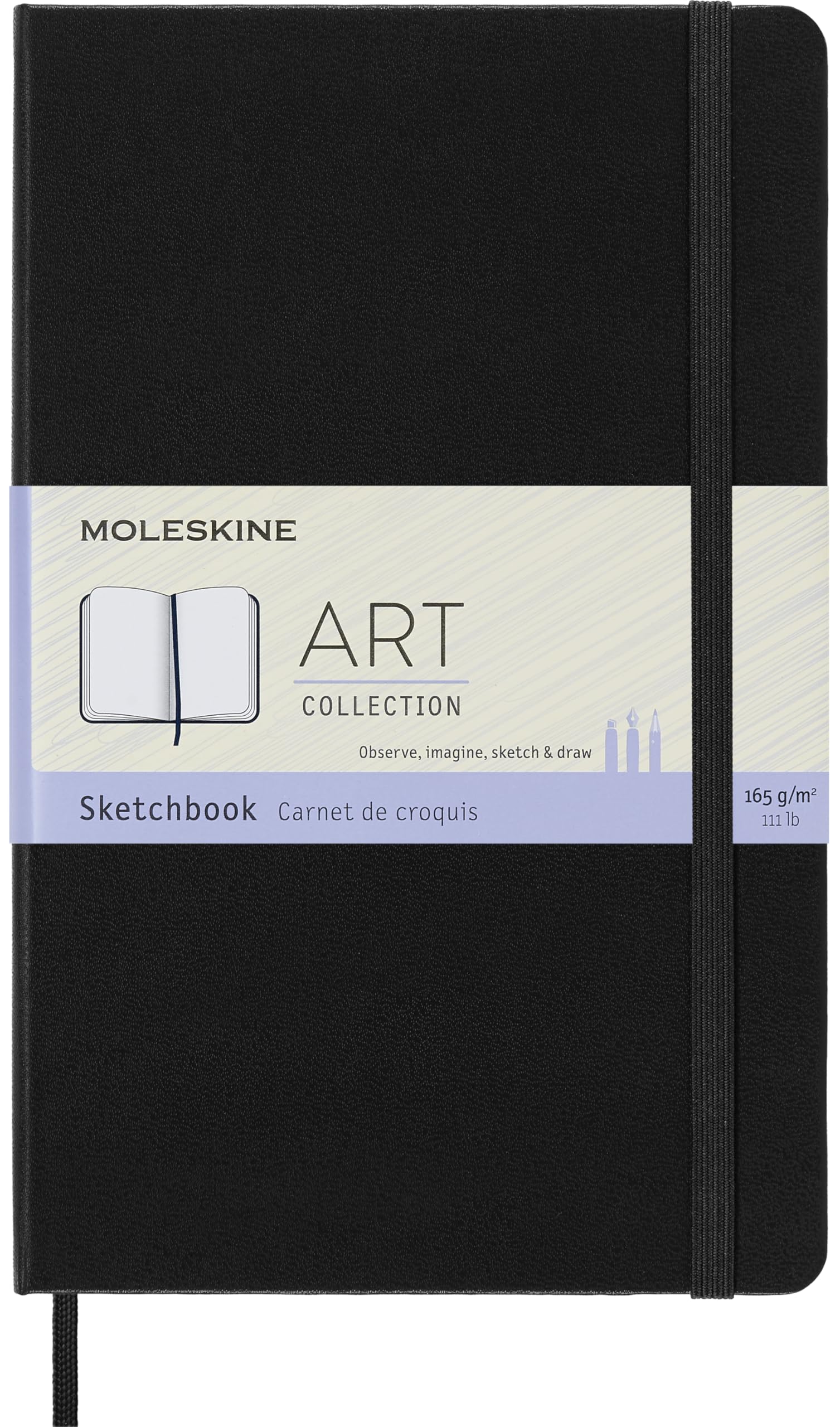
Moleskine Art Sketchbook, Large Plain, Black, Hard Cover, 5.5" x 8.5", 88 Pages
Learning Curve: Easy
$24.99
Difficulty: 1/5
Why Great for Beginners:
Larger than pocket but still portable, with premium 120gsm paper that handles pencils, light ink, and erasing flawlessly. Hard cover gives confidence, and it grows with you to intermediate sketching.
✓ Beginner Pros
+Superior paper quality
+More space for details
+Durable build
+Archival acid-free
✗ Beginner Cons
-Higher price
-Sewn binding less flat
👍 Best for: Beginners committing to daily detailed practice
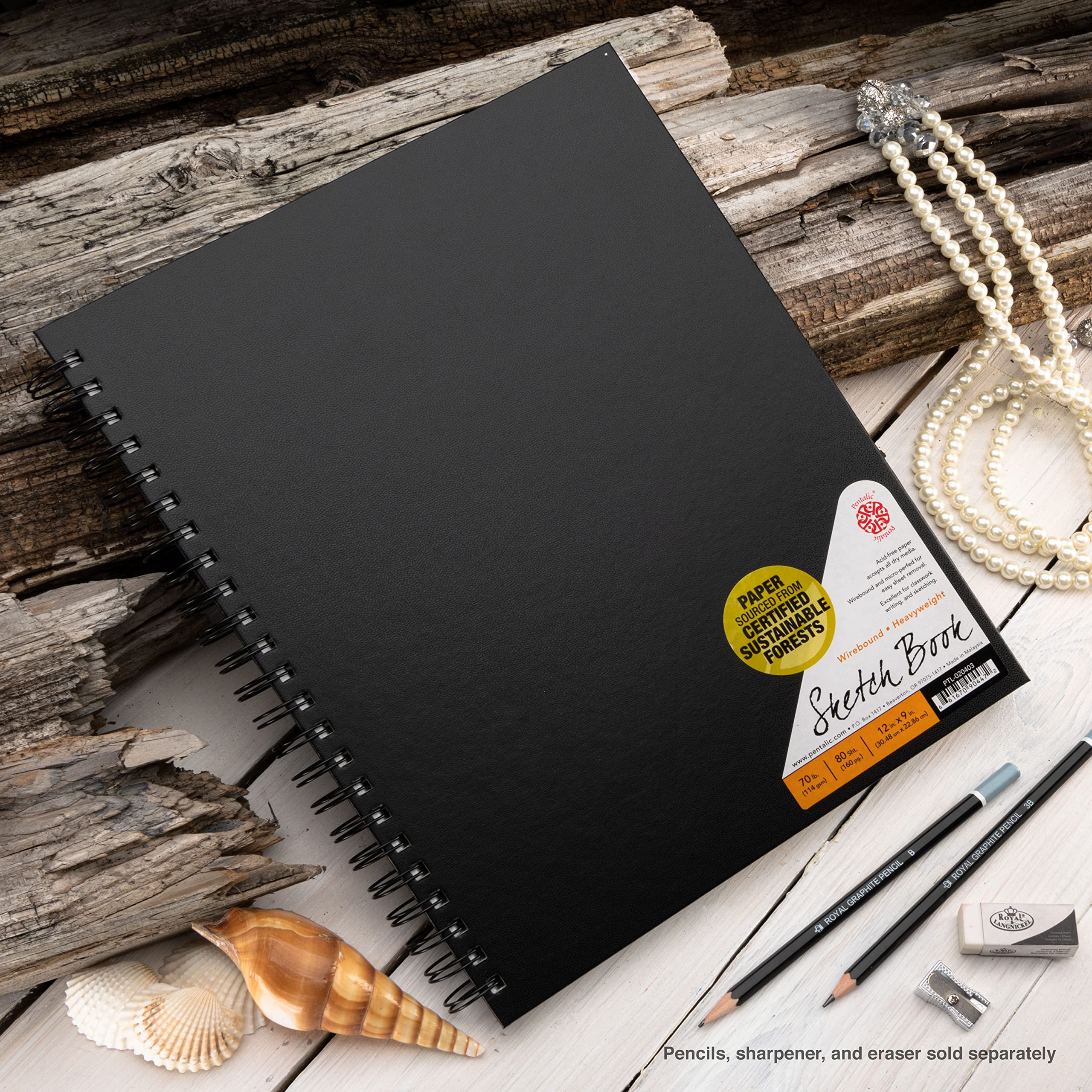
Luxury Italian paper (140gsm) with perfect tooth for shading, plus heavy cover and sewn binding for pro feel. Forgiving for mistakes, lasts forever—ideal if you want one sketchbook long-term.
A sketchbook is just a pad of blank paper for drawing with pencils, pens, or markers. Basics: paper quality determines feel—good paper has 'tooth' for pencils to grab without slipping. Types include sketch pads (spiral-bound, affordable, great for beginners), hardbound journals (premium feel, archival), and mixed-media books (thicker for paints, overkill early on).
Best for beginners: spiral sketch pads. They lay flat on tables, cheap to replace, and forgive erasing. Expect realistic results: wobbly lines at first, but daily 10-minute sketches build skills fast. 'Beginner-friendly' means paper that erases cleanly and doesn't bleed if you experiment with pens. Ignore hype like 'professional grade'—you want simple reliability.
🤔 How to Choose Your First Sketchbook
Ask: What will I draw? (Pencil sketches = basic sketch pad). Budget? Under $15 to try, $15-30 for daily use. Size? 9x12 for home/table practice, pocket for on-the-go. Will I grow? Pick one with good paper to last months.
Budget: Go entry if testing waters. Recommended for serious daily practice. Premium if you hate cheap feel. Red flags: super-cheap newsprint (pills badly), tiny sizes (cramped), non-lay-flat binding. Match to needs: daily doodler? Thick pages.
💰 Budget Guide for Beginners
50+
Pro entry: Mixed-media or large formats for serious hobbyists expanding beyond basics.
15 - $30
Sweet spot: Quality paper with tooth and durability; perfect for most beginners' daily practice.
30 - $50
Premium beginner: Archival, hardbound options with superior feel; lasts years as skills grow.
Under $ - $15
Entry level: Basic pads to test drawing without big spend; may pill slightly but great starter.
⚠️ Common Beginner Mistakes to Avoid
Beginners grab the $5 pad from dollar stores, but it shreds on erase, killing motivation (common Reddit complaint). Or they splurge on leather journals with slick paper unfit for pencils. Avoid by sticking to 60gsm+ sketch pads.
Many forget accessories, staring at blank pages without pencils. Instead, bundle a starter kit. Experienced users say: test paper in-store if possible, but Amazon previews help.
×Buying super-cheap newsprint that pills and discourages practice
×Choosing tiny pocket sizes—too cramped for learning shapes
×Ignoring binding: glued books fall apart
×Skipping pencils/eraser—can't start drawing
×Picking watercolor paper too early—wrong texture for pencils
×Not checking paper tooth: smooth paper slips
×Buying huge pro pads—intimidating and bulky
📈 Your Progression Path: Beginner to Intermediate
Start with 10-min daily pencil doodles: lines, shapes, simple objects. Build to shading, then ink. Outgrow beginner sketchbook when paper can't handle wet media or you need more pages.
Upgrade after 3-6 months: to mixed-media books. Signs ready: consistent sketches, wanting color/charcoal. Stay beginner 1-3 months; focus practice over gear.
📚 Learning Resources for Beginners
📖{"name":"Keys to Drawing by Bert Dodson","asin":"0891343377","type":"book","whyForBeginners":"Step-by-step exercises build confidence—no talent needed."}
📖{"name":"Sketching from the Imagination by 3dtotal Publishing","asin":"1909414004","type":"book","whyForBeginners":"Inspiration with blank pages for copying ideas."}
📖{"name":"How to Draw What You See by Rudy De Reyna","asin":"0399586696","type":"book","whyForBeginners":"Simple realistic drawing lessons."}
📖{"name":"Drawing on the Right Side of the Brain by Betty Edwards","asin":"1585429201","type":"book","whyForBeginners":"Proven beginner method to unlock drawing."}
📖{"name":"Proko Beginner Drawing Course (Digital via Amazon)","asin":"B08JHGZ3N4","type":"course","whyForBeginners":"Video lessons bundled on Amazon."}
🎯 Bottom Line: Our Recommendations
Best overall: Strathmore 400 Series—perfect balance for most beginners. Budget pick: Moleskine Pocket. Premium: Pentalic Tuscany.
Grab pencils and eraser Day 1. Start small, draw daily—you'll be amazed in weeks. You've got this; your first sketchbook is the start of fun skills.
❓ Frequently Asked Questions
Strathmore 400 Series 9x12 (ASIN B00004UEM8)—lays flat, forgiving paper, tons of pages for practice.
$15-30 sweet spot for quality paper that lasts; under $15 to test.
60-100gsm toothy paper, spiral binding, medium size—handles pencils/erasing.
Spiral-bound pads like Strathmore—lay flat, no fuss.
Pencils (HB-6B set), vinyl eraser, sharpener—essentials to start drawing.
Match size to use (9x12 home), check gsm >60, read reviews for erasing.
No—the book is simple; drawing takes practice. Pick forgiving paper.
Cheap pilling paper, wrong size, no accessories—avoid with this guide.
Nice but not essential early; focus on tooth first.