Everything beginners need to know to choose their first sewing machine with confidence and avoid costly mistakes.
Picking your first sewing machine can feel overwhelming with endless options, confusing terms like 'stitch length' and 'bobbin case,' and the fear of wasting money on something too hard to use. Beginners often worry they'll buy a lemon that jams constantly or has features they can't figure out. This guide cuts through the noise to help you choose a machine that's easy, forgiving, and fun from day one.
We'll cover why beginners struggle, what features actually matter, top picks with Amazon links, must-have accessories, and pitfalls to dodge. By the end, you'll know exactly which machine fits your budget and goals, building your confidence to start sewing simple projects like pillows or tote bags right away.
📋 In This Guide
• Why Beginners Struggle with Sewing Machines
• What to Look For (Key Features)
• Top 4 Beginner-Friendly Sewing Machines
• Essential Accessories for Beginners
• Common Beginner Mistakes to Avoid
• Your Progression Path
• FAQ & Learning Resources
😰 Why Beginners Struggle with Sewing Machines
Beginners dive into sewing excited to make clothes or gifts but hit roadblocks fast. Machines jam, threads tangle, and tension settings baffle them because they've never dealt with 'top thread' or 'bobbin winding.' Forums like Reddit's r/sewing are full of newbies frustrated by cheap machines that break after a few seams or expensive ones loaded with buttons they ignore.
The sheer number of models—over 1,000 on Amazon—paralyzes choices. Jargon like 'feed dogs,' 'free arm,' and 'drop-in bobbin' sounds scary, and without guidance, they fear buying wrong for their needs, like simple repairs vs. quilting. Many quit after bad first experiences, feeling defeated instead of creative.
🔍 What to Look For: Key Beginner-Friendly Features
Focus on machines that are simple to thread, jam-resistant, and have just enough stitches for basics—no 1,000-stitch monsters. Look for automatic needle threader, top-drop or drop-in bobbin (easy to see and fill), and a free arm for cuffs/sleeves. These make setup forgiving so beginners succeed without frustration.
Must-haves: 10-20 stitches (straight, zigzag, buttonhole), adjustable speed control, and lightweight design under 15 lbs for easy moving. Nice-to-haves: LED light, extension table. Skip computerized models or embroidery features—they add complexity. Beginner-friendly means intuitive controls, clear manuals, and video tutorials from the brand.
✅ Essential Features for Beginners
•Automatic needle threader: Saves time and prevents eye strain for shaky beginner hands.
•Drop-in bobbin: Easy to load and check thread—no fumbling under the machine.
•Jam-resistant bobbin case: Forgiving if you mess up tension, less frustration.
•Free arm: Sews tubes like pant hems without bulk.
•Simple dial controls: No menus or screens to learn.
•Built-in stitches (6-12 basics): Straight, zigzag, buttonhole for most projects.
•Adjustable presser foot pressure: Handles thick fabrics without puckering.
🏆 Top 4 Best Sewing Machines for Beginners
#1
💰 Budget
Brother XM2701 Lightweight Sewing Machine
Learning Curve: Easy
$129.99
Difficulty: 1/5
Why Great for Beginners:
Super lightweight (12.6 lbs) and simple with 27 stitches—perfect first machine. Automatic needle threader and jam-resistant bobbin make setup a breeze, so you start sewing fast without frustration.
✓ Beginner Pros
+One-step buttonhole
+Free arm for cuffs
+27 built-in stitches
+Easy to carry/store
+Affordable entry
✗ Beginner Cons
-No extension table
-Light duty fabrics only
-Basic accessories
👍 Best for: Apartment dwellers or casual home sewers starting with repairs and pillows.
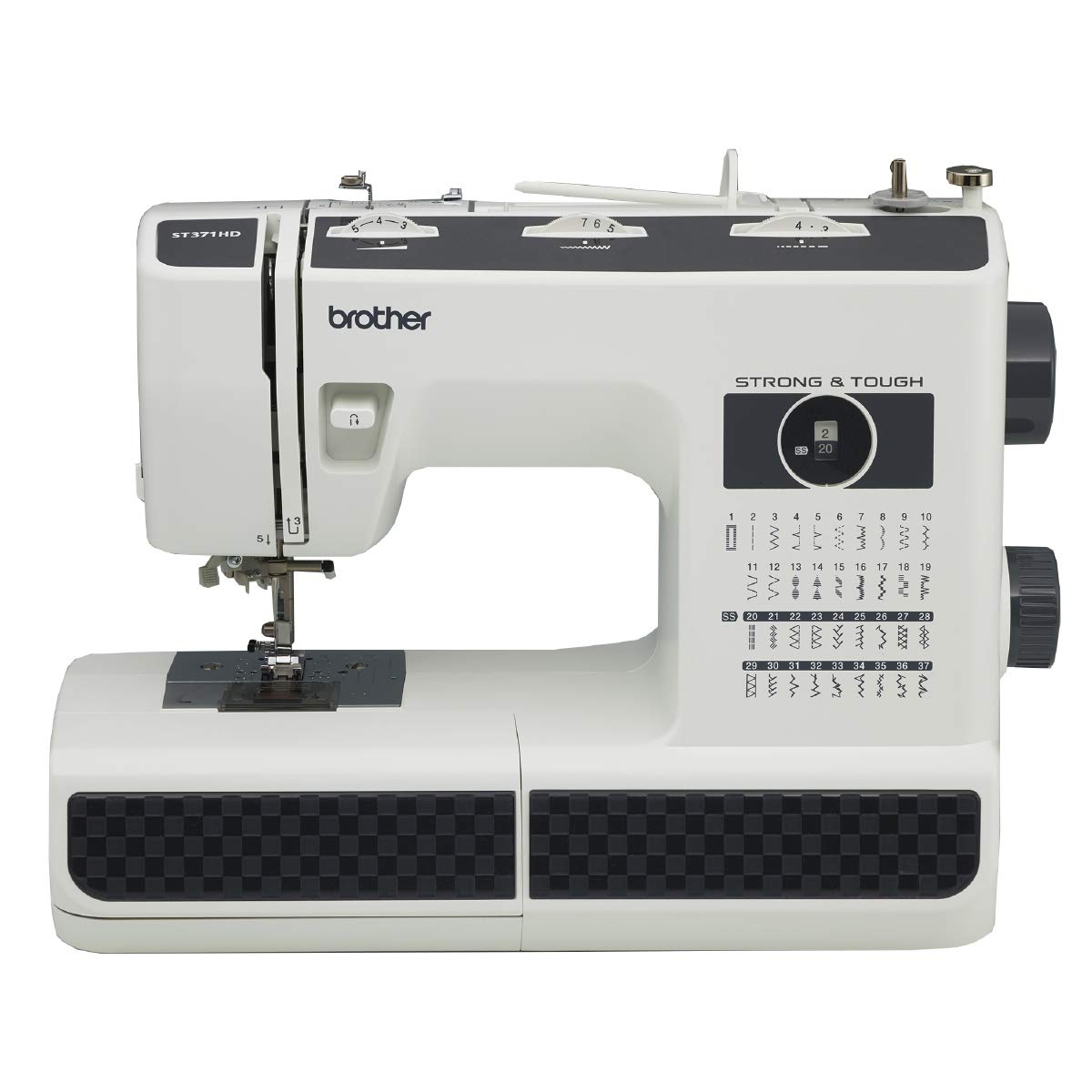
Brother ST371HD Straight Stitch Heavy Duty Sewing Machine
Learning Curve: Easy
$179.99
Difficulty: 2/5
Why Great for Beginners:
Focuses on strong straight stitches with heavy-duty metal frame—forgiving for thicker fabrics. Simple one-dial control and included walking foot help beginners tackle jeans hems without puckering.
✓ Beginner Pros
+Heavy duty for beginners
+Walking foot included
+Large workspace
+Easy threading
+Durable build
✗ Beginner Cons
-Straight/zigzag only
-No auto buttonhole
-Heavier (14 lbs)
👍 Best for: Beginners mending clothes or sewing bags with denim/canvas.
32 stitches including stretch and buttonholes, with auto needle threader—handles most beginner projects smoothly. Sturdy for layers, yet easy controls keep it intuitive.
✓ Beginner Pros
+32 stitches
+Top drop-in bobbin
+Free arm
+Heavy duty
+Lifetime support
✗ Beginner Cons
-Louder operation
-Basic tension dial
-15.8 lbs weight
👍 Best for: Most beginners wanting versatility for garments and home dec.
Brother HC1850 Computerized Sewing and Quilting Machine
Learning Curve: Moderate
$349.99
Difficulty: 3/5
Why Great for Beginners:
185 stitches but with easy LCD screen and presets—scales as skills grow. Excellent for beginners serious about progressing to quilting without immediate upgrade.
✓ Beginner Pros
+185 stitches
+Quilting table
+Auto thread cutter
+Knee lifter
+USB port
✗ Beginner Cons
-Computerized learning curve
-Higher price
-13.2 lbs
👍 Best for: Ambitious beginners eyeing quilting or advanced garments.
Sewing machines are tools that use a needle and thread to join fabric. Mechanical ones (best for beginners) use dials/levers—no electronics to glitch. Types: basic (straight stitch only, too limited), all-purpose mechanical (10-30 stitches, ideal start), computerized (screens/more stitches, overwhelming), heavy-duty (thick fabrics, overkill unless specified), sergers (edges seams, not for beginners).
Stick to mechanical all-purpose for versatility without complexity. 'Beginner-friendly' means quick threading (under 5 mins), clear stitch selection, and sturdy build that tolerates pulled threads. Realistic expectations: Week 1, hem pants; Month 1, pillows; Year 1, skirts. Evaluate by unboxing videos, user reviews for 'easy setup,' and return policy.
🔧 Essential Accessories for Beginners
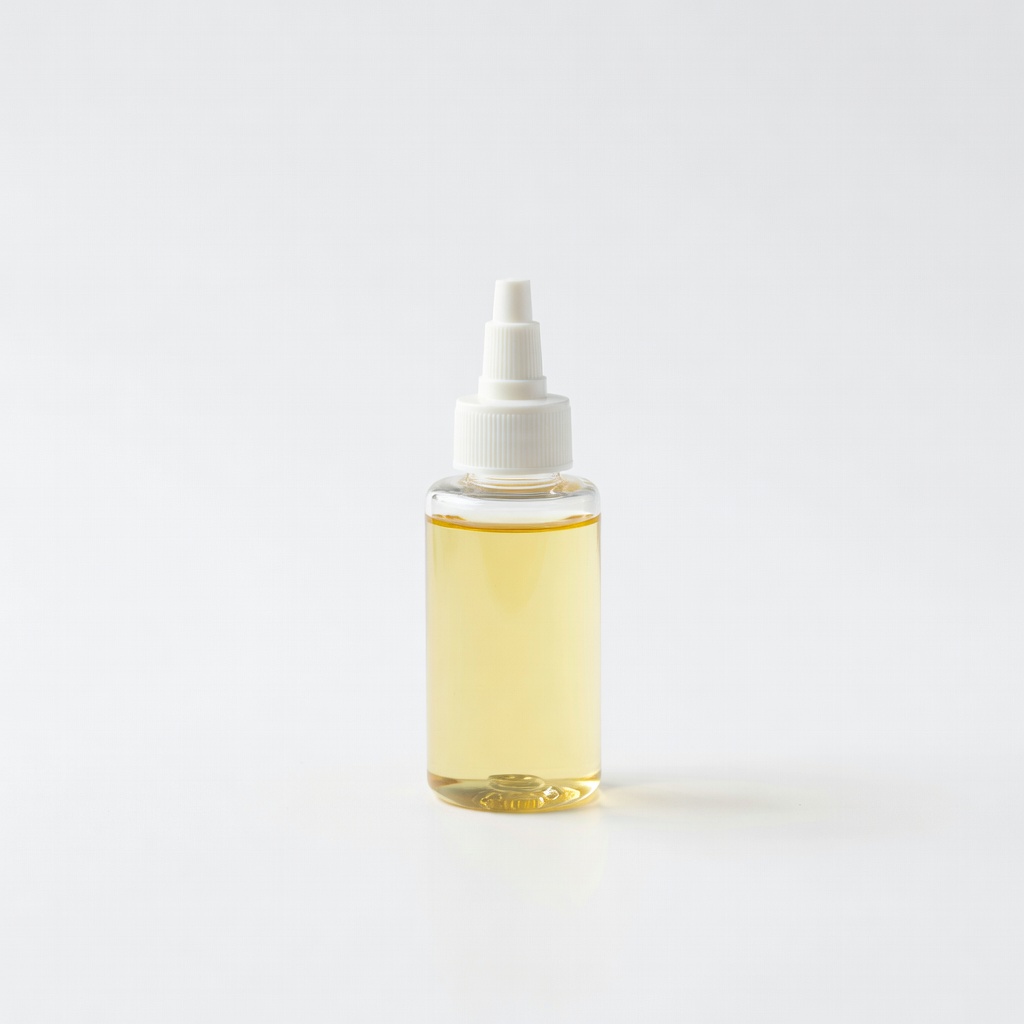
Singer All-Purpose Sewing Machine Oil
⚠️ Essential
$7.99
When to buy:
Day one
Keeps machine running smoothly, preventing jams from lint buildup. Beginners forget maintenance, leading to frustration—oil every 8 hours fixes that.
Ask: What will I sew? (Repairs/home dec = basic; clothes = more stitches). Budget? Space? Time to learn? Start here: Under $100 for trials, $100-250 sweet spot (durable, grows with you), $250+ for lifelong keeper.
Budget if testing hobby; recommended for commitment; premium if sewing often. Scenarios: Apartment dweller = lightweight; Kids' clothes = buttonhole maker. Red flags: No needle threader, heavy (20+ lbs), vague reviews like 'ok for price' without 'easy for newbie.' Test in-store if possible, or buy Amazon Prime for easy returns.
💰 Budget Guide for Beginners
500+
Pro entry - computerized or specialized, for serious hobbyists planning daily use.
150 - $300
Sweet spot - reliable mechanical machines with essentials, great value for most beginners.
300 - $500
Premium beginner - heavy-duty quality, more stitches, lasts years without outgrowing.
Under $ - $150
Entry level - basic mechanics to try sewing, may lack features and need upgrade in 6 months.
⚠️ Common Beginner Mistakes to Avoid
Beginners grab cheapest Amazon 'deal'—it seizes on cotton, breeding hate for sewing. Or splurge on features like embroidery, ignoring basics. Solution: Stick to mechanical $150+ with 4.5+ stars from 5k+ reviews.
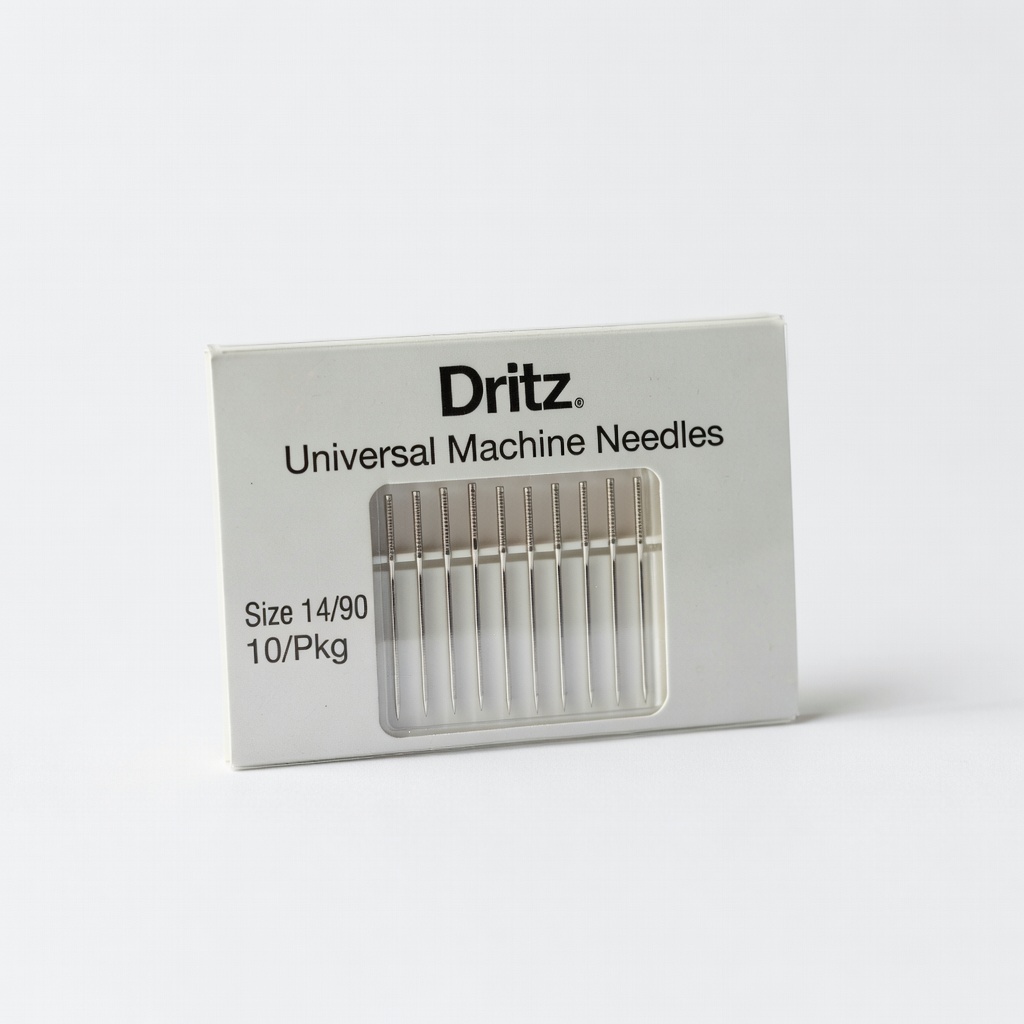
No accessories? Threads snap, seams pucker. Always buy needles/oil first. Forums show ignoring free arm means awkward sleeve sewing. Test thread a scrap first, watch YouTube setup vids. Experienced sewers say: 'Start simple, master tension before fancy stitches.'
×Buying under $100 plastic toys that jam constantly.
×Overbuying computerized with 500 stitches you'll never use.
×Skipping needles/oil, leading to broken machines.
×Ignoring weight/portability for small spaces.
×Not checking bobbin type (horizontal vs vertical).
×Choosing electric without free arm for hems.
×Forgetting practice fabric leads to wasted good cloth.
📈 Your Progression Path: Beginner to Intermediate
Week 1: Straight seams on scrap muslin, learn threading. Month 1: Zigzag edges, buttonholes on pillows. Practice 30 mins/day builds muscle memory. Outgrow beginner when craving 50+ stitches, consistent quilting, or speed.
Upgrade signs: Frequent jams on denim, no auto cutter, cramped workspace (6 months-2 years typical). Next: Add serger for pro finishes, or computerized for utility stitches. Progress by projects: hem > bag > dress > quilt.
📚 Learning Resources for Beginners
📖Sewing For Dummies by Janice Saunders Ghio (ASIN: B00I2X8Z5A) - Step-by-step basics with photos.
📖The Sewing Book by Alison Smith (ASIN: B07G4F5J2K) - Visual machine guide for newbies.
📖Beginner's Guide to Sewing Machine Stitches DVD (ASIN: B01M0K5L2P) - Hands-on demos.
📖Fabric Swatch Sampler Kit (ASIN: B07P5Q3R4T) - Practice without buying yards.
📖Sewing Machine Practice Panel (ASIN: B08N7P8Q9R) - Marked lines for tension tests.
📖Reader's Digest New Complete Guide to Sewing (ASIN: B00J5H4K2M) - Projects from zero.
🎯 Bottom Line: Our Recommendations
Best overall: Brother XM2701 or Singer 4452—easy, versatile sweet spot. Budget: Brother ST371HD for tough fabrics cheap. Premium: Brother HC1850 for growth. Grab needles, oil, seam guide day one.
You're ready—sewing's forgiving craft. Start small, enjoy wins, join r/sewing. Prime/returns make it risk-free. Hem those pants today!
❓ Frequently Asked Questions
Brother XM2701 (budget) or Singer 4452 (recommended)—easy threading, forgiving bobbins, perfect basics without overwhelm.
$150-300 sweet spot for reliable mechanical. Under $150 trials; $300+ serious investment.