Discover the easiest sewing machines for total beginners, with top picks, accessories, and tips to sew your first DIY clothing project confidently.
Choosing your first sewing machine can feel scary—like you're about to buy something complicated that might frustrate you from day one. Beginners often worry about getting tangled in threads, breaking needles, or picking a machine that's too advanced (or too basic). But it doesn't have to be overwhelming.
This guide is designed for complete newcomers to sewing, especially those dreaming of making their own clothes or simple DIY projects. We'll break down everything simply, highlight beginner-friendly features, and recommend real Amazon products that are forgiving and easy to use. By the end, you'll know exactly what to buy and why, so you can start sewing with a smile.
📋 In This Guide
• Why Beginners Struggle with Sewing Machine
• What to Look For (Key Features)
• Top 4 Beginner-Friendly Sewing Machine
• Essential Accessories for Beginners
• Common Beginner Mistakes to Avoid
• Your Progression Path
• FAQ & Learning Resources
😰 Why Beginners Struggle with Sewing Machine
Beginners often feel lost because sewing machines look intimidating with all their buttons, dials, and threads. Common frustrations include machines that jam easily, threads that snap, or confusing instructions that assume you already know sewing terms like 'bobbin' or 'tension.' Many newbies buy based on price alone and end up with cheap models that skip stitches or break needles on basic fabrics.
Online reviews are full of stories like 'I gave up after one hour' because the machine wasn't intuitive. There's also fear of wasting money on something you'll outgrow quickly or that requires constant tinkering. With hundreds of models on Amazon, from $50 toys to $1,000 pros, it's hard to know what's right for casual DIY clothing projects.
🔍 What to Look For: Key Beginner-Friendly Features
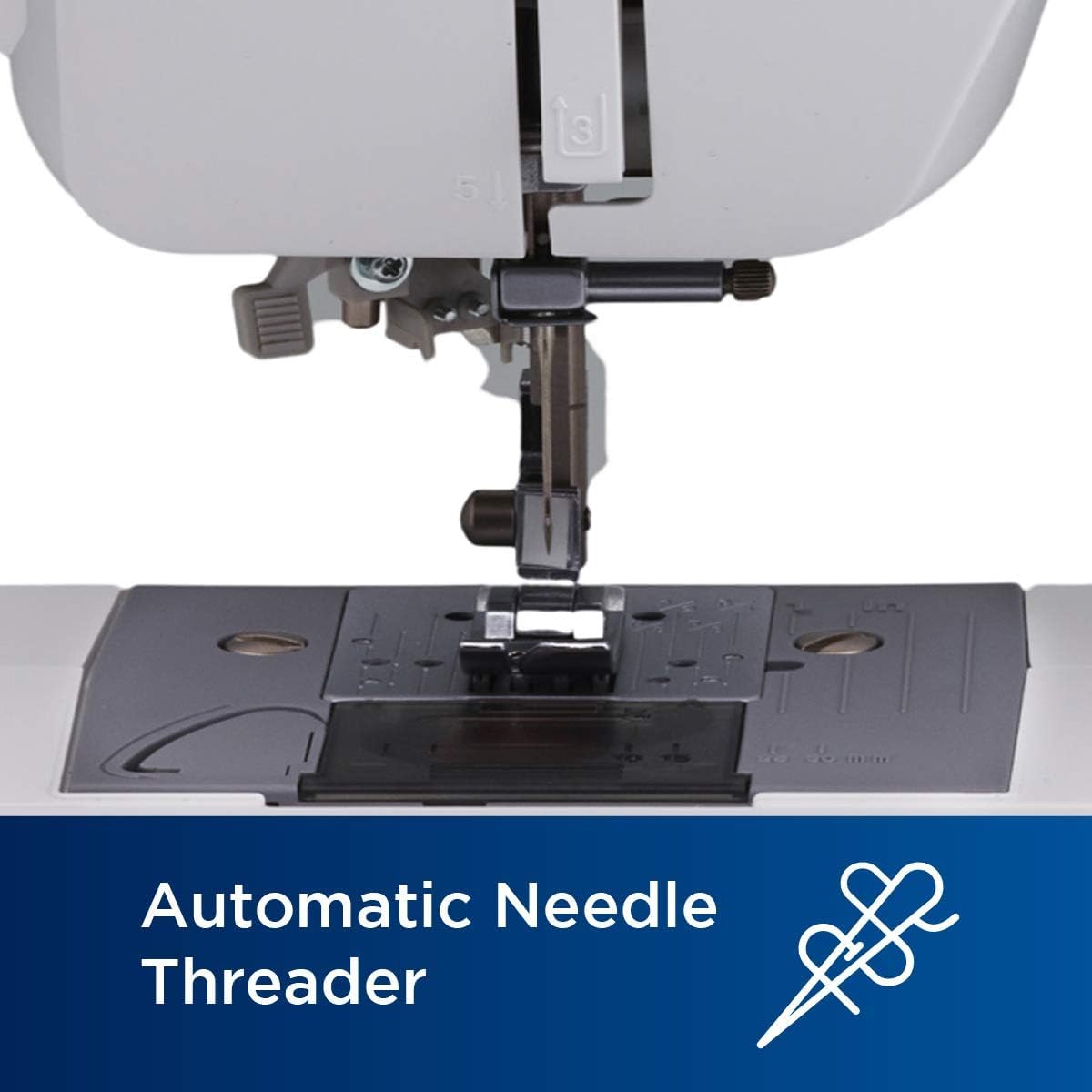
Focus on machines that are simple to set up and forgiving of mistakes—like automatic needle threaders that save time and reduce frustration. Look for lightweight designs (under 15 lbs) that are easy to move and store, plus at least 10-20 built-in stitches for basic hems, seams, and fun patterns without overwhelming you.
Must-haves include a free arm for sewing cuffs and sleeves, adjustable speed control so you don't go too fast, and easy bobbin loading. Skip heavy computerized models with 100+ stitches or embroidery functions—they're fun later but confuse beginners. Beginner-friendly machines have clear manuals, video tutorials, and jam-resistant features to build your confidence.
✅ Essential Features for Beginners
•Automatic needle threader: Puts thread through the eye in seconds—no squinting or frustration.
•Easy bobbin winder and drop-in bobbin: Simple to load and see if it's empty.
•Multiple straight and zigzag stitches: Enough for basics like hems and seams without complexity.
•Adjustable presser foot pressure: Forgiving on thick or thin fabrics.
•Free arm sewing: Perfect for cuffs, hems, and tubes beginners struggle with.
•Built-in LED light: Brightens your work area to see stitches clearly.
•Reverse sewing lever: Easy backstitching to secure seams.
•Lightweight and portable: Under 15 lbs for easy setup anywhere.
This lightweight Brother is perfect for total newbies—sets up in minutes with an automatic needle threader and easy bobbin system. It's forgiving on cotton fabrics for hems and simple clothing, and the included accessories get you sewing day one without extras.
✓ Beginner Pros
+Super lightweight (12 lbs) for easy storage
+27 stitches including basics
+Free arm for sleeves/cuffs
+Jam-resistant one-step buttonhole
✗ Beginner Cons
-Not for very thick denim
-Basic speed control
👍 Best for: Budget-conscious beginners testing DIY clothing.
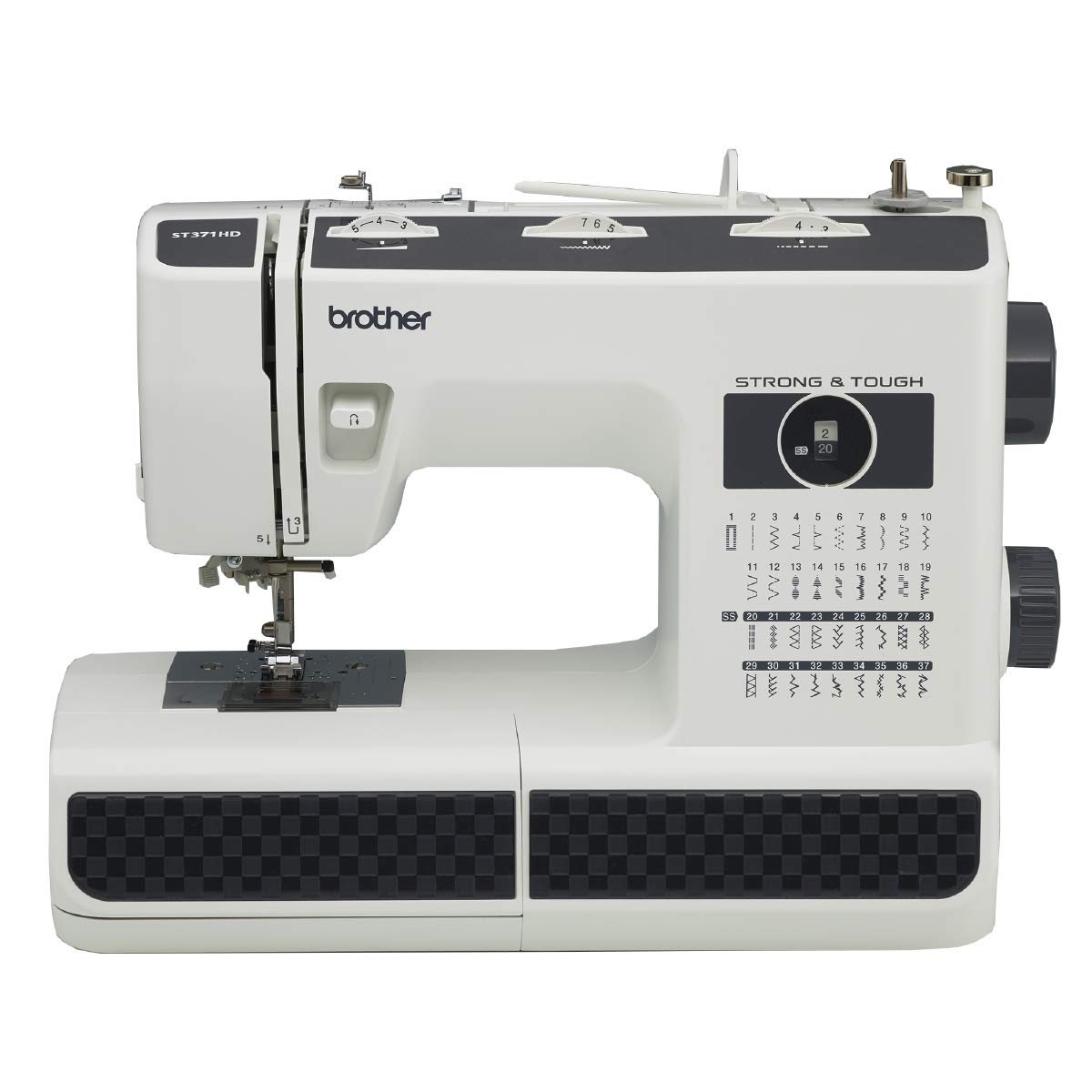
Brother ST371HD Straight Stitch Heavy Duty Sewing Machine
Learning Curve: Easy
$179.99
Difficulty: 2/5
Why Great for Beginners:
Stronger than basics with a metal frame, this handles cotton to light denim easily. Adjustable speed and presser foot make it forgiving, plus clear instructions build confidence fast for clothing projects.
✓ Beginner Pros
+Heavy-duty without bulk
+Variable speed control
+Extra powerful motor
+Easy threading guide
✗ Beginner Cons
-Fewer decorative stitches
-Slightly heavier (14 lbs)
👍 Best for: Beginners wanting durability for everyday fabrics.
Brother HC1850 Computerized Sewing and Quilting Machine
Learning Curve: Moderate
$349.99
Difficulty: 2/5
Why Great for Beginners:
185 built-in stitches with auto-settings feel simple thanks to the LCD screen and one-touch buttons. It's forgiving with jam-resistant bobbin and grows with you into advanced clothing without intimidation.
✓ Beginner Pros
+LCD for easy stitch selection
+Auto tension
+9 presser feet included
+Quiet operation
✗ Beginner Cons
-More features to explore
-Heavier (14 lbs)
👍 Best for: Serious beginners planning long-term sewing.
A sewing machine is basically a tool that uses a needle and thread to join fabrics quickly—think of it as a super-fast hand-sewing helper. For beginners in DIY clothing, mechanical machines (with dials, not touchscreens) are best because they're reliable, affordable, and don't need computer skills.
Types include: portable/lightweight (great for starters), heavy-duty (for thick fabrics like denim), computerized (auto-settings), and sergers (for edges—not for beginners). Stick to portable mechanical ones like Brother or Singer—they're intuitive with 10-30 stitches.
Expect to make pillows or skirts first, not couture gowns. 'Beginner-friendly' means quick setup (under 30 mins), forgiving jams (easy fix), and tutorials online. Marketing like '200 stitches!' sounds great but overwhelms; prioritize ease over extras.
🔧 Essential Accessories for Beginners
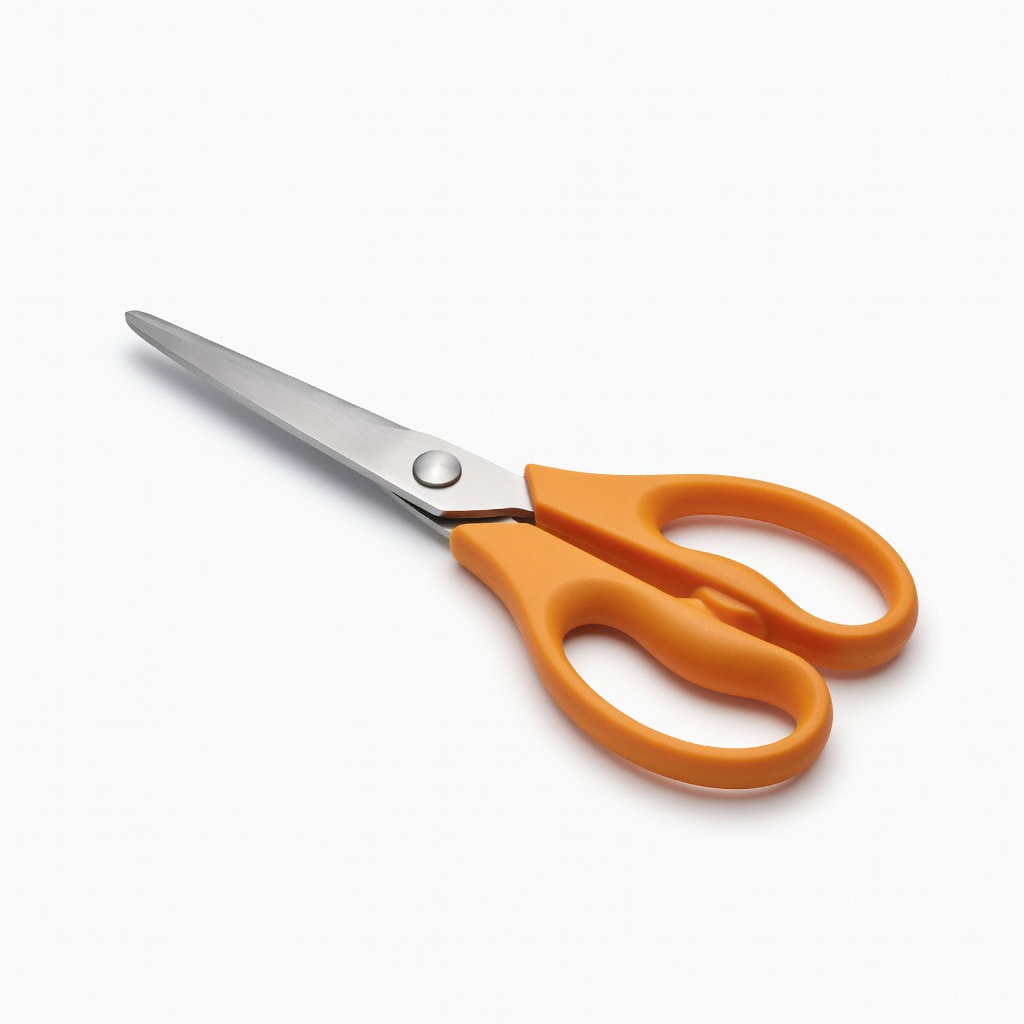
Fiskars Classic 8.5 Inch Comfort Grip Scissors
⚠️ Essential
$19.99
When to buy:
Day one
Sharp, precise cuts prevent ragged edges that cause sewing frustration. Comfort grips reduce hand fatigue during first projects.
Ask: What's your budget? Will you sew thin cotton or jeans? How much space do you have? For most beginners making simple clothes, aim for $100-300 sweet spot—reliable without extras.
Budget tier if testing waters; recommended for daily use; premium if serious about growth. Check weight (light = beginner win), reviews for 'easy threading,' and return policy. Avoid all-plastic toys or pro models over $500. Red flags: No free arm, vague instructions, or heavy (over 20 lbs).
💰 Budget Guide for Beginners
500+
Pro entry: For committed hobbyists; advanced stitches but steeper learning.
150 - $300
Sweet spot: Best value—reliable, 20+ stitches, room to grow for most beginners.
300 - $500
Premium beginner: Durable build, more features, lasts years without upgrade.
Under $ - $150
Entry level: Basic machines to try sewing without big risk; may limit thick fabrics.
⚠️ Common Beginner Mistakes to Avoid
Beginners grab the cheapest option, only to face endless jams and frustration—false economy since repairs cost more. Others splurge on pro machines, ignoring simple needs. Solution: Stick to recommended tiers and read 'easy setup' reviews.
Many skip accessories like good scissors, leading to uneven cuts and poor seams. Always test on scraps and clean lint weekly. Experienced sewers say: 'Start simple, master basics, then upgrade.'
×Buying super-cheap ($50) plastic machines that jam constantly.
×Overbuying computerized models with too many features.
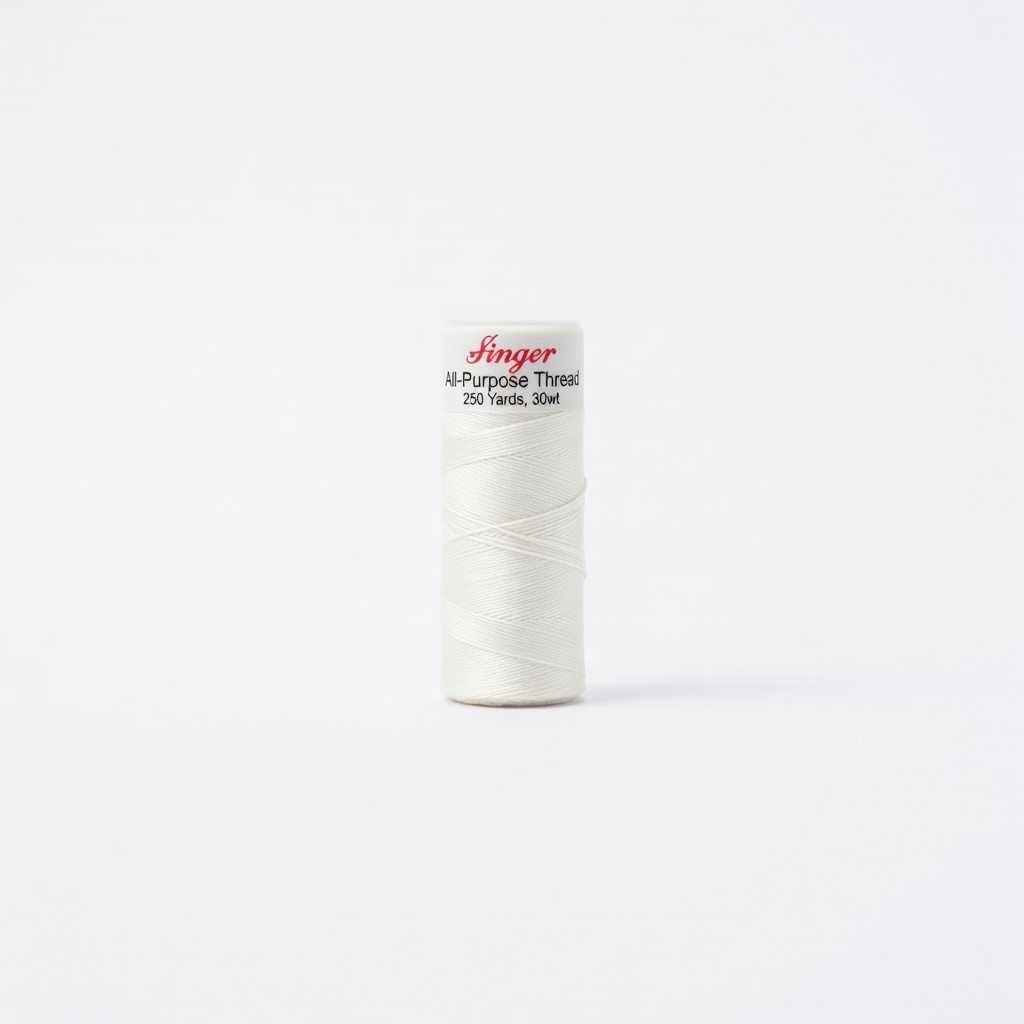
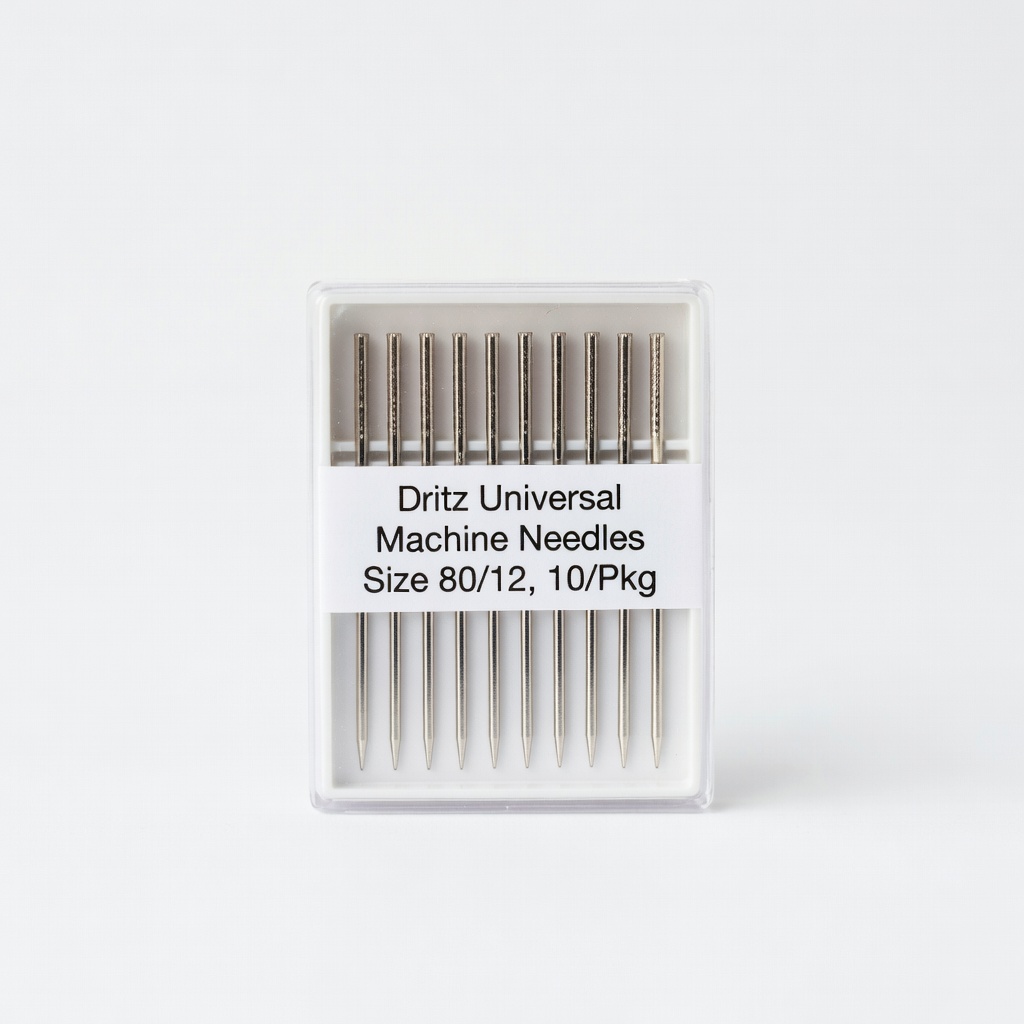
×Skipping quality thread/needles and blaming the machine.
×Ignoring free arm—struggling with sleeves.
×Not practicing tension on scraps first.
×Forgetting maintenance like oiling/lint cleaning.
×Choosing heavy-duty too soon for light fabrics.
📈 Your Progression Path: Beginner to Intermediate
Start with straight seams and hems on cotton scraps—practice 1-2 hours weekly. Move to zigzags, buttonholes, then simple skirts. Outgrow beginner gear when sewing denim/quilts regularly or wanting embroidery (6-12 months).
Upgrade to heavy-duty or computerized next. Signs ready: Consistent straight stitches, no jams. Build skills via free YouTube tutorials, then books.
📚 Learning Resources for Beginners
📖Sewing for Beginners: The Definitive Beginner's Guide (B08L5QJ2N4)
📖The Sewing Book by Alison Smith (B001U2BM6Y)
📖Beginner's Guide to Sewing Video Course DVD (B07D5K4P2Q)
📖Patternmaking for Beginners Book (B09F3H2K1M)
📖Sewing Practice Kit with Fabric Swatches (B08N5J3L2P)
📖YouTube: Professor Pincushion Beginner Series (free companion)
🎯 Bottom Line: Our Recommendations
For most beginners, the Brother ST371HD (recommended tier) is the sweet spot—durable, easy, and versatile for DIY clothes. Budget pick: Brother XM2701. Premium: Brother HC1850.
Grab essential scissors, thread, needles day one. You've got this—start with a pillowcase, celebrate small wins, and soon you'll be making custom tees. Order now and sew tomorrow!
❓ Frequently Asked Questions
The Brother XM2701 or ST371HD—easy threading, lightweight, and forgiving for first projects.
$150-300 sweet spot for reliable quality without overwhelm.