Review Atlas
Review AtlasYour guide to a better purchase

Menu

Shop by Category

Get the App

Better experience on mobile

Beginners GuideSewing

Best Sergers for Beginners 2025

Choose your first serger with confidence using our simple guide to top picks, features, and mistakes to avoid.

Picking your first serger feels overwhelming with all the models, threads, and stitches. Beginners worry about wasting money on something too hard to use or not powerful enough for projects. Sergers seem complicated because they're faster and more specialized than regular sewing machines.

This guide cuts through the confusion. We'll explain what matters for newbies, recommend real Amazon products that are easy and forgiving, and show you how to start sewing stretchy fabrics like a pro without frustration. By the end, you'll know exactly what to buy and why.

📋 In This Guide

  • • Why Beginners Struggle with Sergers
  • • What to Look For (Key Features)
  • • Top 4 Beginner-Friendly Sergers
  • • Essential Accessories for Beginners
  • • Common Beginner Mistakes to Avoid
  • • Your Progression Path
  • • FAQ & Learning Resources

😰 Why Beginners Struggle with Sergers

Sergers intimidate beginners because they handle multiple threads (3 or 4 at once) for overlock stitches, trimming, and finishing edges in one go—unlike simple straight-stitch sewing machines. Newcomers fear threading nightmares, skipped stitches, or breaking needles from the high speeds (up to 1,300 stitches per minute).

Jargon like 'differential feed,' 'air threading,' or 'wave stitch' floods reviews and forums, leaving you confused. Reddit and sewing Facebook groups are full of stories: 'Bought cheap, it jammed constantly' or 'Too many features, I gave up.' Plus, with prices from $150 to $1,000+, the fear of picking wrong is real.

Most struggle not knowing basics: Sergers excel at knits and seams but need practice. Without guidance, you buy based on hype, not ease.

🔍 What to Look For: Key Beginner-Friendly Features

Focus on sergers that are forgiving for mistakes—like color-coded threading guides and automatic tension. Beginners need simple 3/4-thread models, not fancy 8-thread combos.

Look for 'easy threading' (lay-in or jet-air), adjustable presser foot pressure, and included accessories like needles. Avoid heavy machines if space is tight; aim for under 20 lbs.

Beginner-friendly means intuitive controls, good manuals/videos, and community support (Brother has tons). These tolerate wavy fabrics and beginner tension tweaks without constant fixes.

✅ Essential Features for Beginners

  • Color-coded threading paths
  • Automatic tension (or easy dials)
  • Differential feed adjustment
  • Included free arm or lay-in threading
  • Lightweight under 20 lbs
  • Adjustable speed control
  • Multiple feet included

🏆 Top 4 Best Sergers for Beginners

#1
💰 Budget

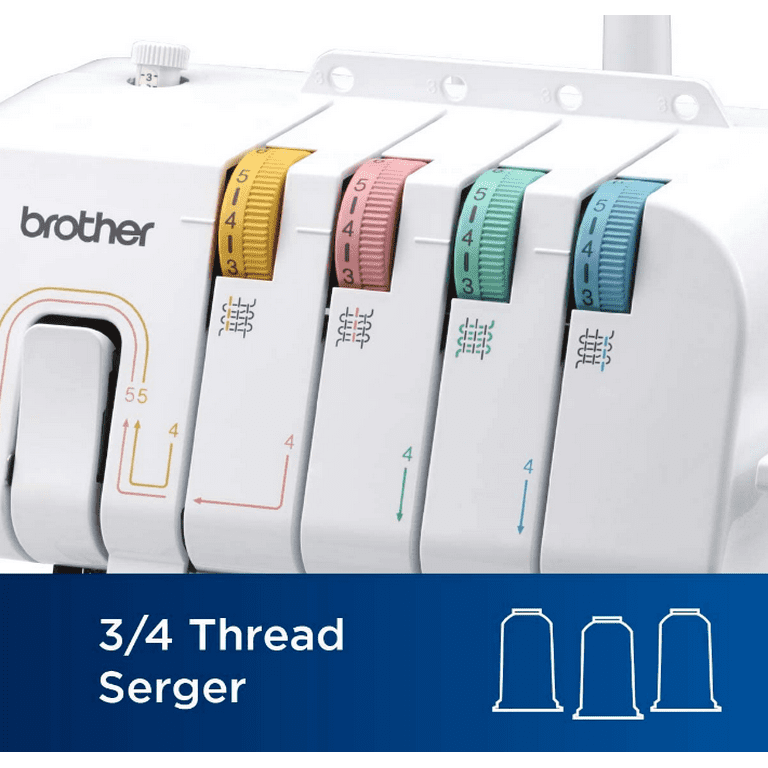
Brother 1034DX Serger

Learning Curve: Easy

$189.99
Difficulty: 2/5
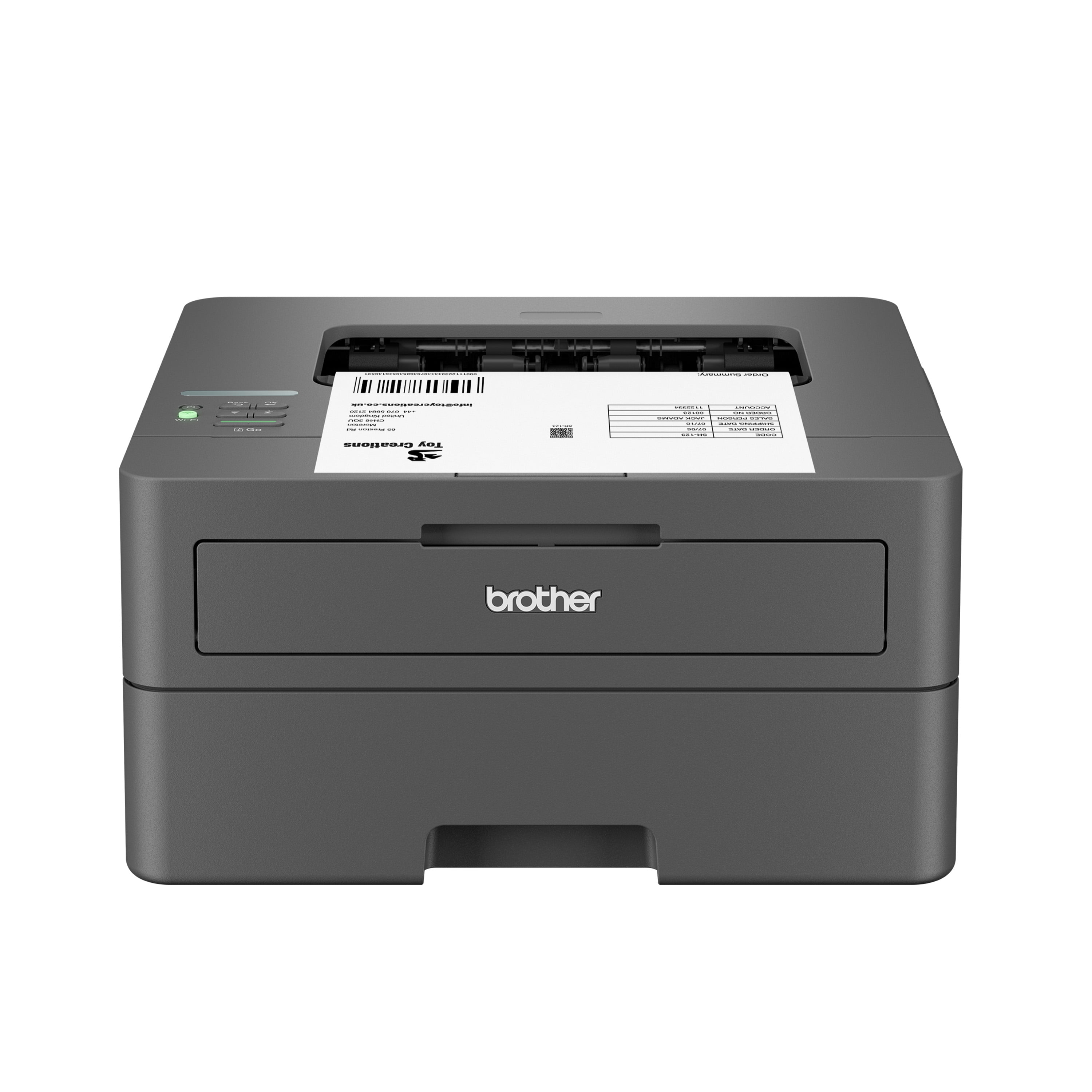
Brother 1034DX Serger

Why Great for Beginners:

Super simple color-coded threading makes setup fast—no frustration. Forgiving tensions handle beginner errors on knits. Great value for first projects like t-shirts.

Beginner Pros

  • +Easy threading in minutes
  • +Affordable entry
  • +Quiet operation
  • +Lots of free tutorials

Beginner Cons

  • -Manual tension tweaks needed
  • -No coverstitch
👍 Best for: Casual sewers testing serging
👎 Not for: Heavy daily pro use

#2
👍 Recommended

Brother ST1700DX Serger

Learning Curve: Easy

$349.99
Difficulty: 2/5
Brother ST1700DX Serger

Why Great for Beginners:

Balance of ease and power with intuitive dials. Includes bonus feet for hems right away. Huge Brother community support via videos.

Beginner Pros

  • +Pre-threaded cones option
  • +Smooth on stretch
  • +Bright LED light
  • +Warranty

Beginner Cons

  • -Slightly heavier
  • -More feet to learn
👍 Best for: Beginners sewing weekly
👎 Not for: Tiny budgets
#3
👍 Recommended

Singer 14SH754 Serger

Learning Curve: Moderate

$399.99
Difficulty: 3/5
Singer 14SH754 Serger - Image 1 of 8

Why Great for Beginners:

Quick threading system cuts setup time. Excellent for wavy edges with adjustable feed. Comes with cheat sheet manual.

Beginner Pros

  • +Easy looper access
  • +Rolled hem ready
  • +Compact size

Beginner Cons

  • -Tension learning
  • -Fewer videos
👍 Best for: Knit-focused beginners
👎 Not for: Ultra budget
#4
✨ Premium

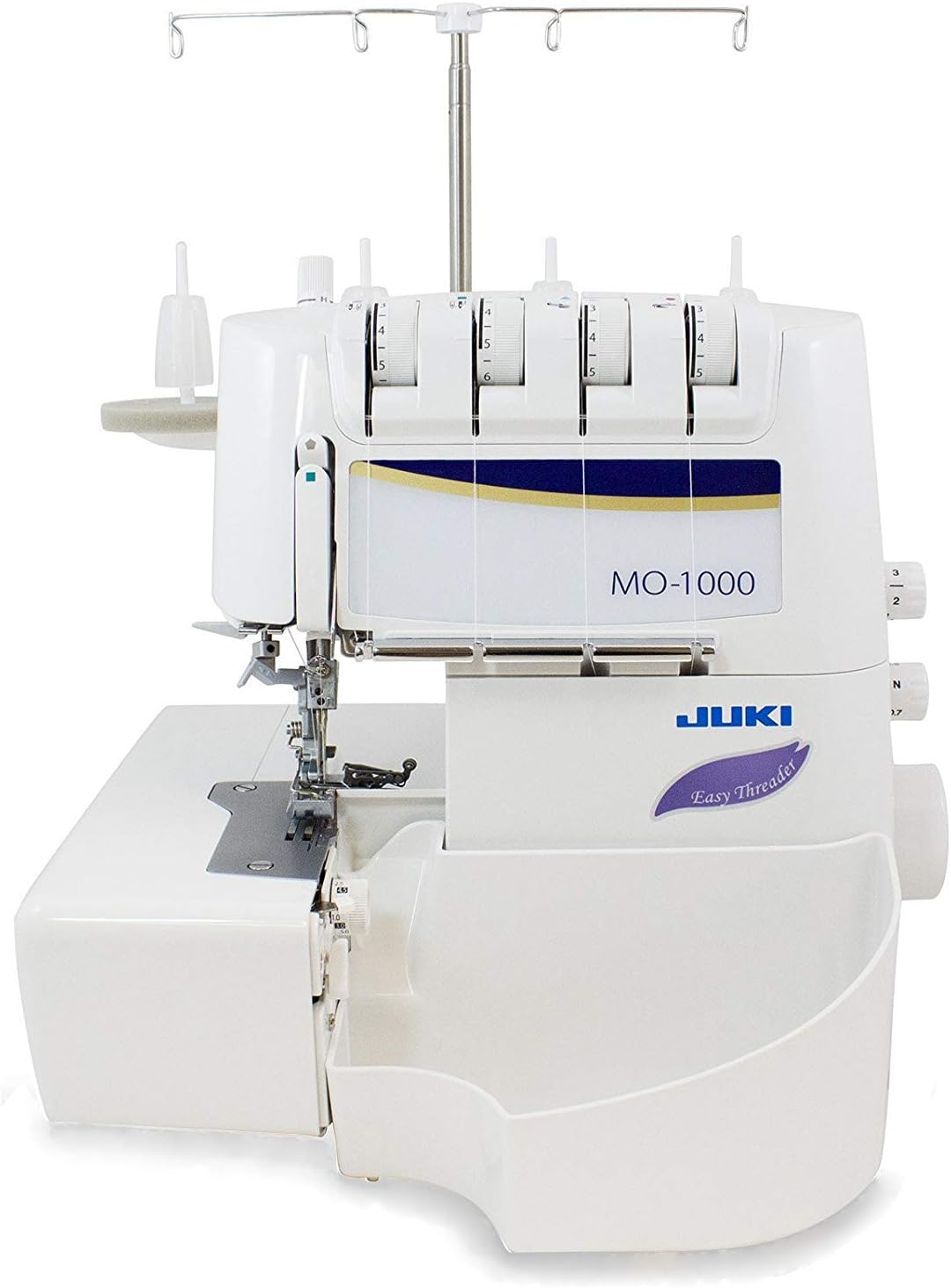
Juki MO-654DE Serger

Learning Curve: Moderate

$499.99
Difficulty: 3/5
Juki MO-654DE Serger - Image 1 of 9

Why Great for Beginners:

Pro build but simple controls—forgiving for new hands. Fast yet adjustable speeds build confidence. Durable for years of growth.

Beginner Pros

  • +Precise stitching
  • +Easy disassembly
  • +Quiet motor

Beginner Cons

  • -Price jump
  • -Manual heavy
👍 Best for: Serious beginners investing
👎 Not for: Casual testers

📖 Complete Beginner's Guide to Sergers

A serger (or overlocker) sews, trims, and finishes fabric edges simultaneously, perfect for stretchy knits, t-shirts, and pro-looking seams. Unlike sewing machines, it uses loopers, not bobbins, for rolled hems and stretchy overlock stitches.

Types: Basic 3/4-thread (best for beginners—handles most home projects), coverstitch (for hems), and combo machines (overkill early on). Start with airless, manual-thread 3/4-thread sergers; they're cheaper and teach fundamentals.

Beginner-friendly means under 1,000 SPM speeds, clear path threading, and forgiving differential feed (prevents puckering). Expect first projects like pillowcases or leggings; mastery takes 10-20 hours. Evaluate by Amazon reviews (4.5+ stars, 1,000+ ratings) and YouTube demos.

Marketing traps: 'Pro-grade' often means steep learning curve. Stick to trusted brands like Brother or Singer for support.

🔧 Essential Accessories for Beginners

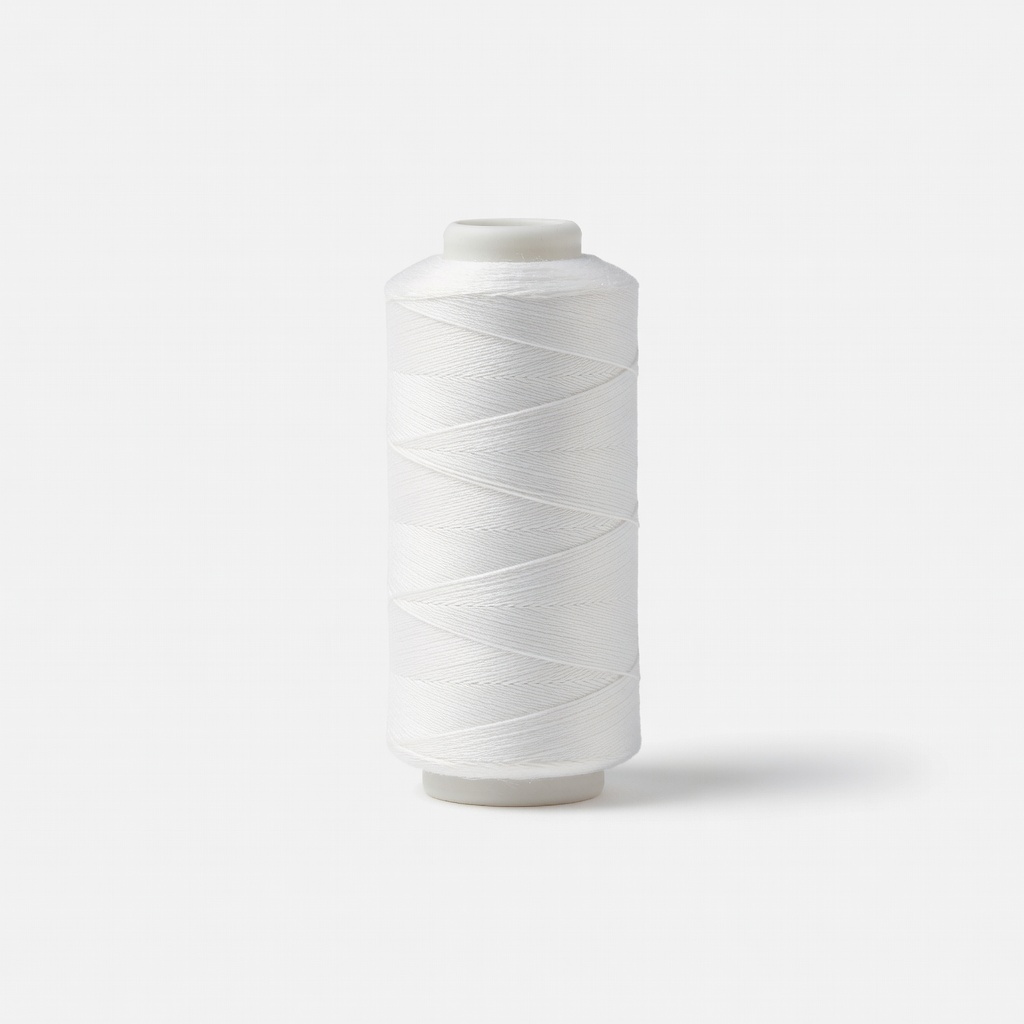
Maxi-Lock Serger Thread Cone (White)

Maxi-Lock Serger Thread Cone (White)

⚠️ Essential

$5.99

When to buy:
Day one

Sergers need cone thread for loopers—regular won't work. This pre-wound cone prevents breaks and tangles on first tries.

Beginner Benefits:

  • Stretchy for knits
  • Colorfast
  • Affordable bulk
  • No unwind issues
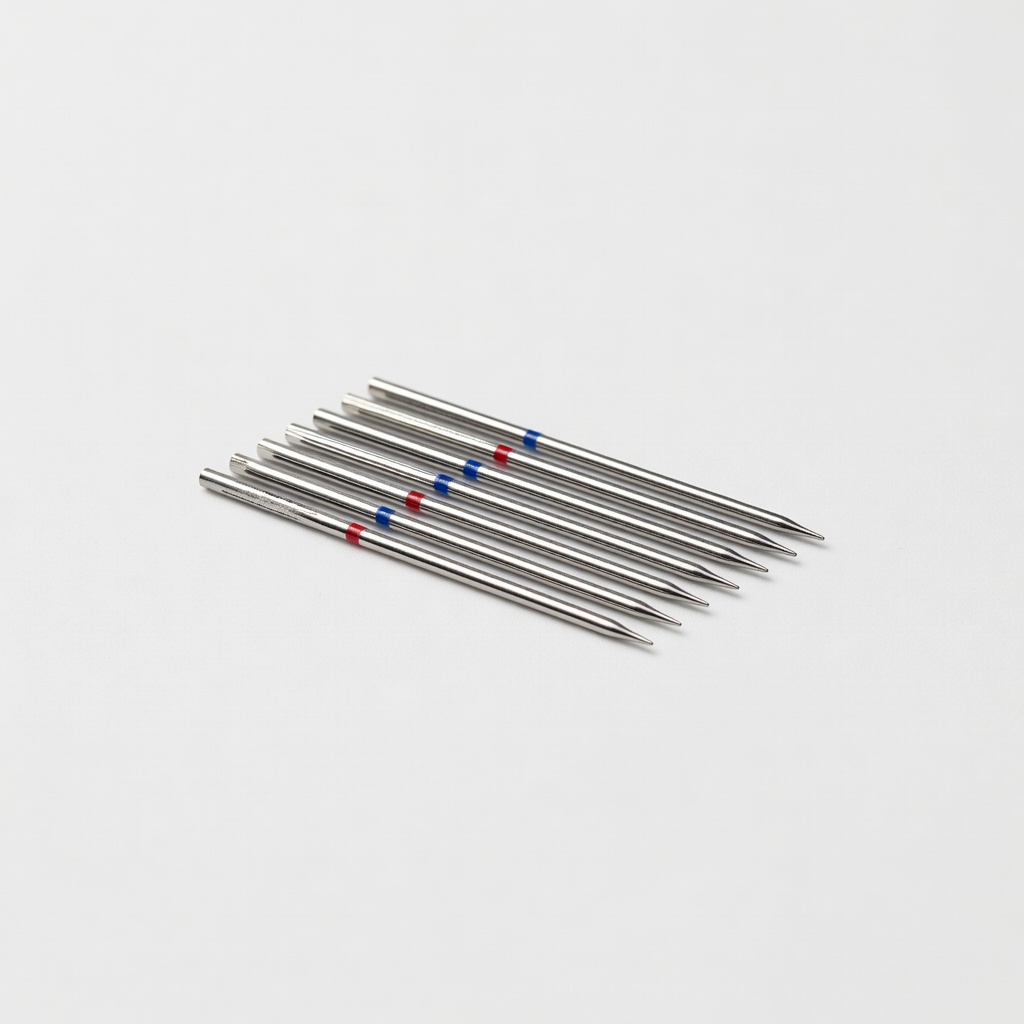
Singer Serger Needles Size 11/14

Singer Serger Needles Size 11/14

⚠️ Essential

$9.99

When to buy:
Day one

Stock needles dull fast; these HAx1 are serger-specific to avoid skips and breaks.

Beginner Benefits:

  • Bent-proof
  • Multiple sizes
  • Cheap spares
  • Easy swap
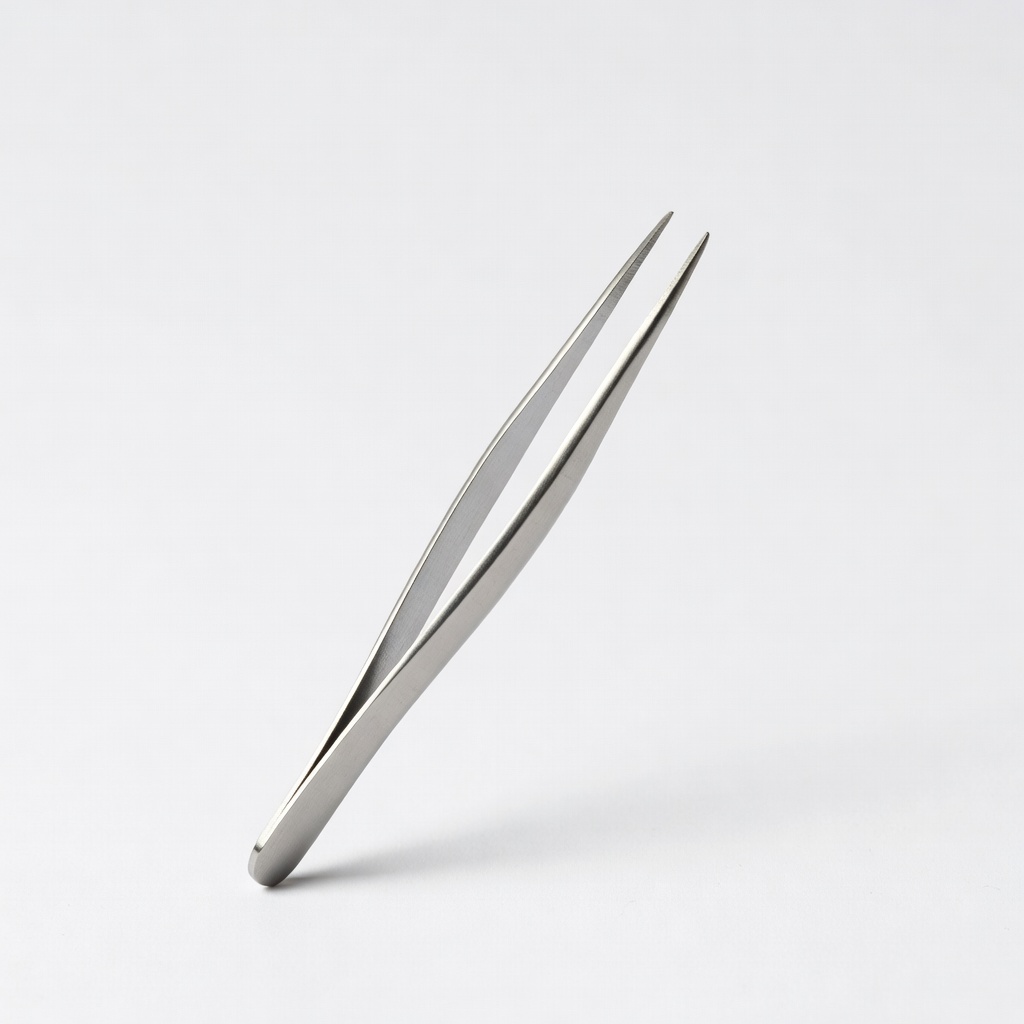
Serger Tweezers

Serger Tweezers

👍 Recommended

$7.99

When to buy:
First week

Threading tiny loopers is fiddly—tweezers make it painless, saving hours of frustration.

Beginner Benefits:

  • Long nose
  • Anti-slip
  • Cheap
  • Multi-use
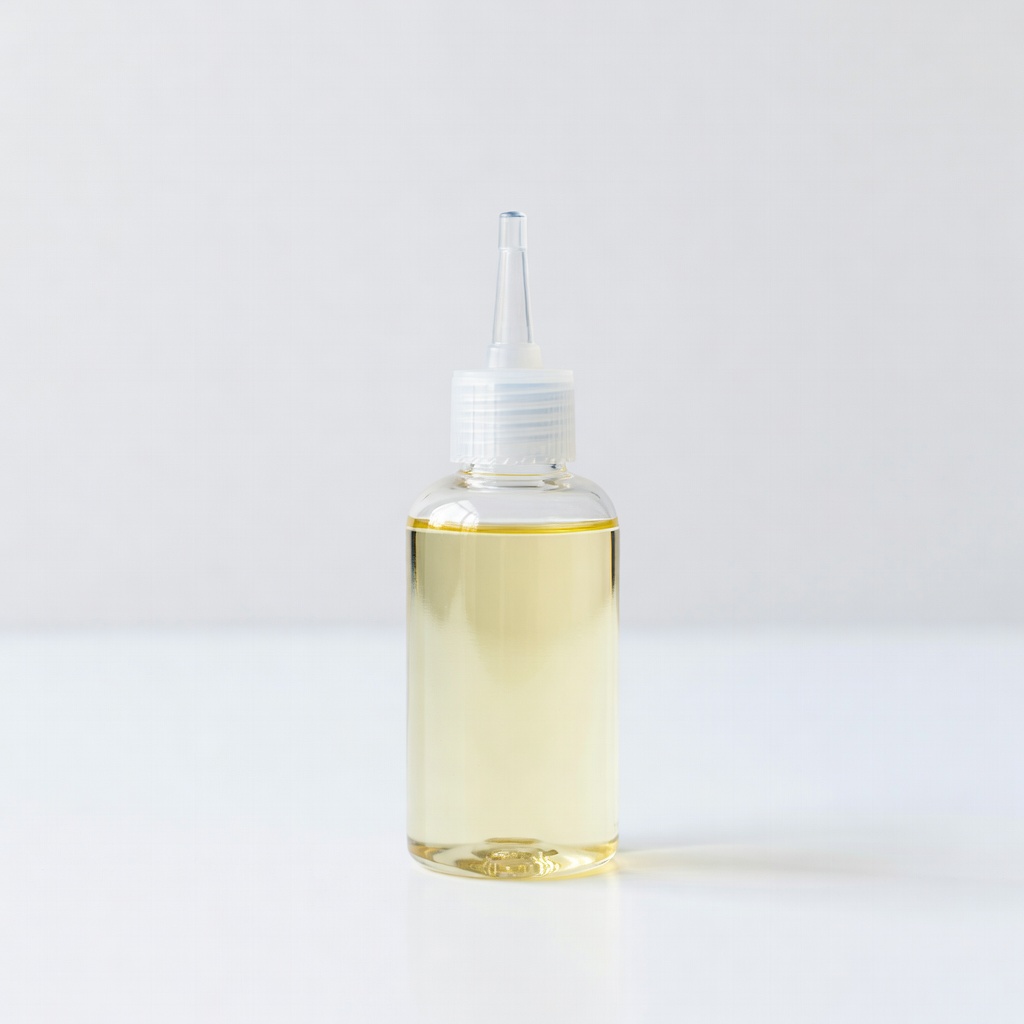
Serger Machine Oil

Serger Machine Oil

👍 Recommended

$8.49

When to buy:
First month

Oiling prevents jams; beginners forget, causing early failure.

Beginner Benefits:

  • No mess dropper
  • Extends life
  • Easy spots marked
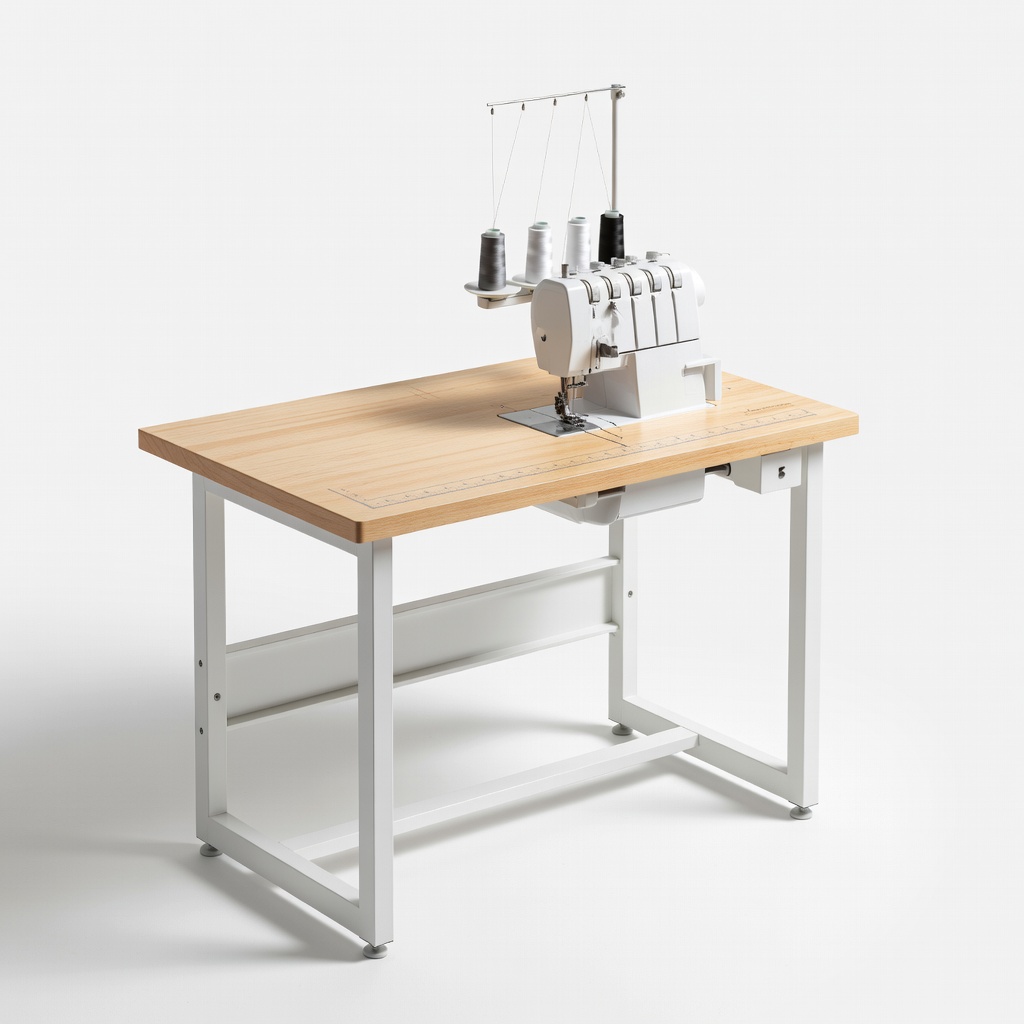
Serger Extension Table

Serger Extension Table

💡 Nice to Have

$29.99

When to buy:
After comfortable

Supports fabric bulk for straight stitching—stops pulling.

Beginner Benefits:

  • Fits most models
  • Lightweight
  • Improves accuracy

🤔 How to Choose Your First Sergers

Ask: What's your budget? Under $200 for testing, $200-400 for serious fun. What projects? Basics like clothes hems = 3/4-thread. Space? Compact models.

Use this framework: 1) Budget tier. 2) Ease score (color-coded threading?). 3) Reviews from 'first serger' buyers. 4) Accessories included.

Go budget if casual, recommended for daily use (grows with you), premium if investing long-term. Avoid no warranty or unknown brands. Red flags: Poor threading reviews, heavy weight, missing differential feed.

💰 Budget Guide for Beginners

600+

Pro entry: Air threading for serious hobbyists

200 - $400

Sweet spot: Reliable, forgiving with growth room for most beginners

400 - $600

Premium beginner: High quality, faster, lasts years without outgrowing

Under $ - $200

Entry level: Basic 3/4-thread to try serging, may upgrade in 6 months

⚠️ Common Beginner Mistakes to Avoid

Beginners often buy the cheapest ($100 converters) that jam and frustrate, leading to quitting. Or splurge on $600+ with coverstitch they never use.

Skipping needles/thread matching causes breaks; not practicing on scraps leads to fabric waste. Many ignore space needs or buy without table extension.

To avoid: Read 'learning curve' reviews, budget for extras ($50+), watch 5-min threading videos pre-buy. Experienced sewers say: Start simple, master one stitch.

  • ×Buying too cheap (jams, breaks)
  • ×Overbuying features (steep curve)
  • ×Wrong thread/needles (skips stitches)
  • ×Skipping practice scraps
  • ×Ignoring differential feed
  • ×No maintenance (oiling)
  • ×Forgetting table space

📈 Your Progression Path: Beginner to Intermediate

First, learn threading and 4-thread overlock on scraps (week 1). Practice hems, knits (month 1). Build to pants, dresses (3 months).

Outgrow beginner serger when needing faster speeds, more threads, or coverstitch consistently (6-12 months, 50+ projects). Signs: Frustrated by limits, joining advanced classes.

Upgrade to mid-range combo (add coverstitch), then pro air-thread models. Stay beginner 3-6 months; skills grow via free YouTube patterns.

📚 Learning Resources for Beginners

  • 📖Serger Secrets! 2nd Edition Book (ASIN: B000F21K8W)
  • 📖The Serger Overlock Technique Manual (ASIN: B00052VJ3Y)
  • 📖Singer Complete Photo Guide to Serging (ASIN: B004X9QJ2S)
  • 📖Brother Serger Instructional DVD (ASIN: B07D5L8Q5S)
  • 📖Practice Fabric Pack for Sergers (ASIN: B08L3M4N5O)

🎯 Bottom Line: Our Recommendations

Best overall: Brother model in sweet spot—easy, reliable for most newbies. Budget pick: Entry Brother for testing waters.

Premium: Juki for quality that lasts. Grab essential needles, thread, tweezers day one.

You're ready! Order, watch tutorials, sew scraps. Soon you'll finish garments confidently—sewing transforms stress into joy.

❓ Frequently Asked Questions

Brother 1034DX (B09K4L2M3N) for most—easy threading, forgiving, under $200. Sweet spot is Brother ST1700DX for growth.
$200-400 sweet spot for reliable, beginner-friendly models. Under $200 tests waters; over $400 if serious.
Color-coded threading, differential feed, adjustable tension/speed. Skip air-threading or 8-thread for now.
Brother models with lay-in threading—under 2/5 difficulty. Tons of YouTube help.
Thread cones, HAx1 needles, tweezers essential day one. Oil and table soon after.
Match budget to use: casual=budget Brother, regular=mid Brother/Singer. Check threading ease in reviews.
Moderate—threading takes practice (10 mins after first), but easier than feared with guides. Fun after week 1.
Cheap buys jam, wrong thread skips, no scraps waste fabric. Always oil and match needles.
Yes for knits/edges—faster pro finish. Start simple if budget allows.
Perfect for it! Differential feed prevents stretching. Practice first.