#1
💰 Budget
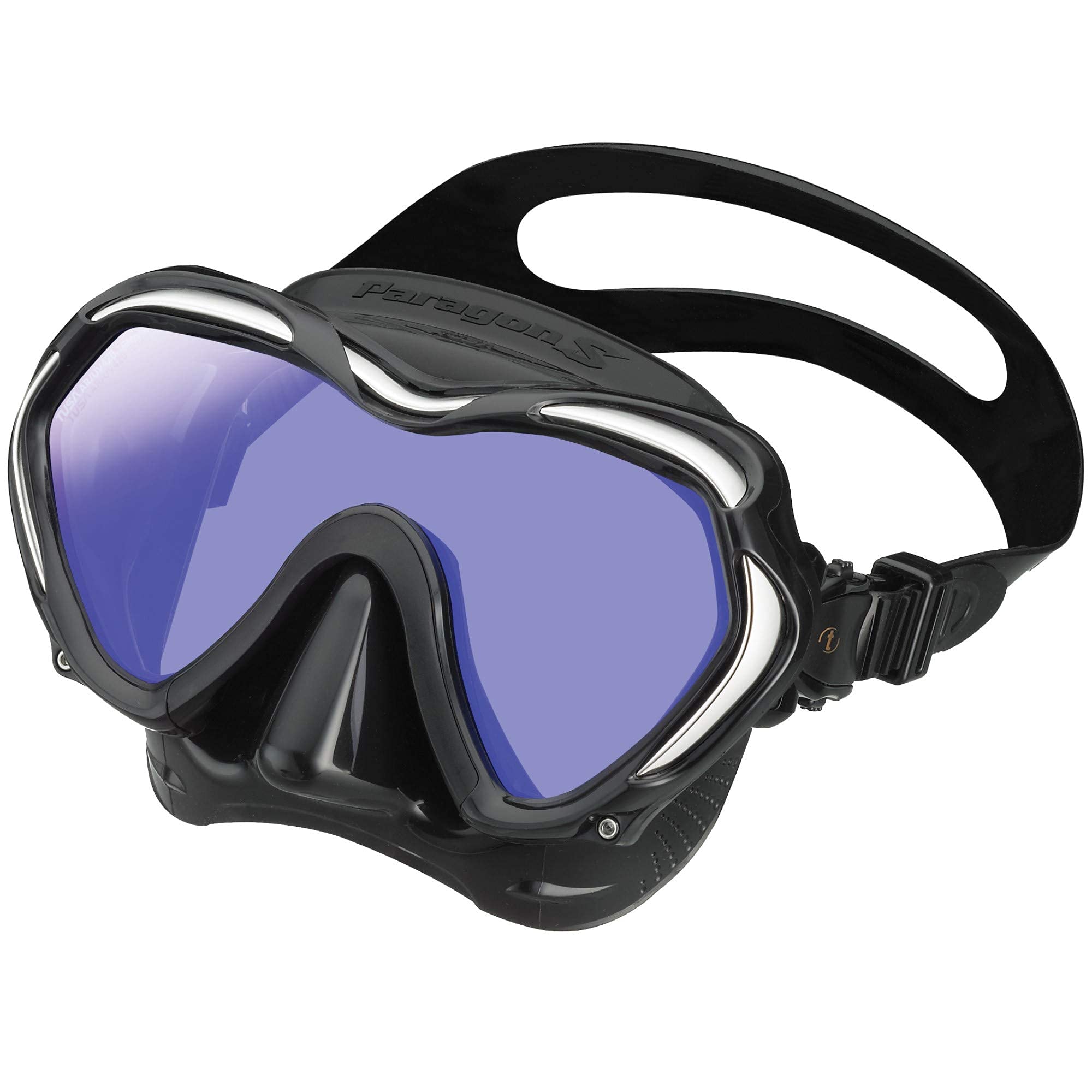
Cressi F1 Frameless Dive Mask
Learning Curve: Easy
$49.99
Difficulty: 1/5

Why Great for Beginners:
This frameless mask has a soft silicone skirt that fits most beginner faces easily, with low volume for simple clearing. It's lightweight and affordable, perfect for your first PADI course without breaking the bank.
✓ Beginner Pros
- +Super comfortable for long sessions
- +Wide view without distortion
- +Easy strap adjustments
- +Forgiving seal even if not perfect fit
✗ Beginner Cons
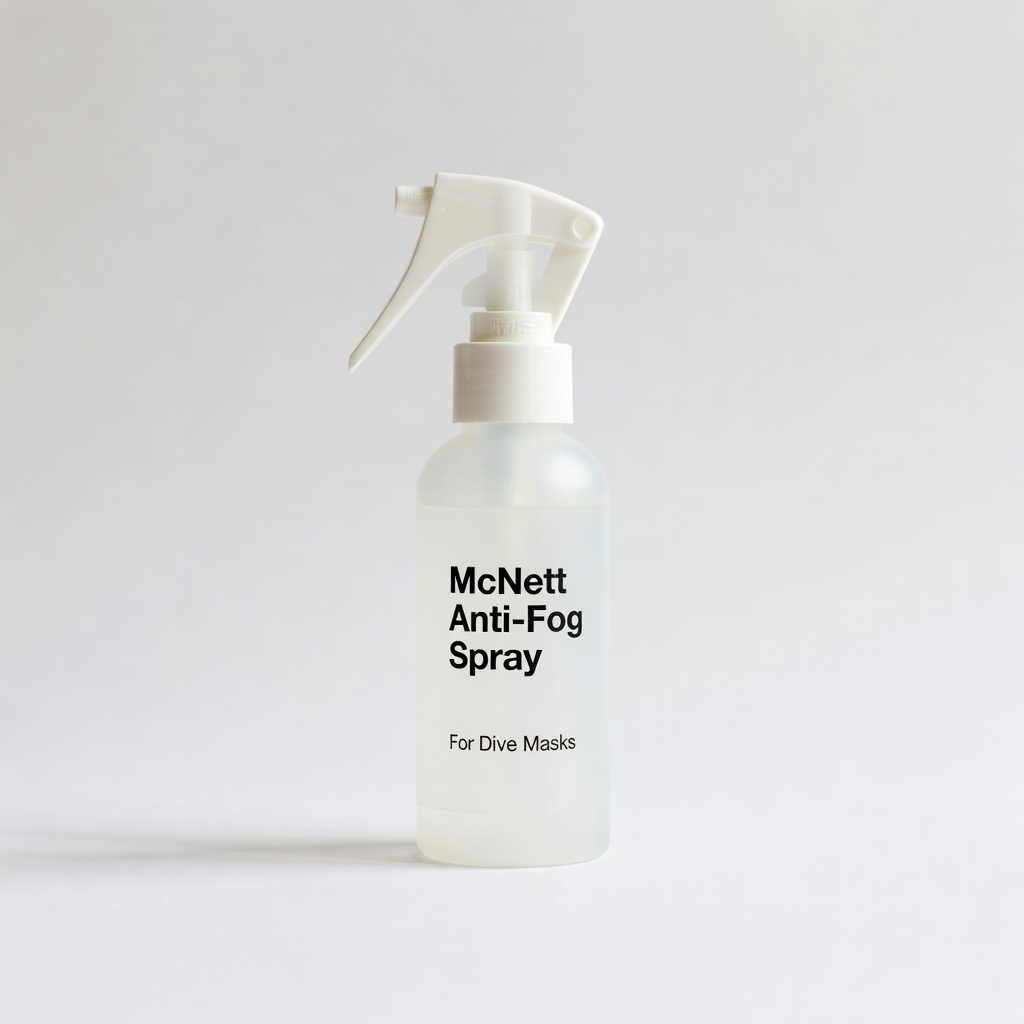
- -Basic anti-fog may need spray
- -Not for very wide faces
👍 Best for: Pool trainees and casual snorkelers starting scuba
👎 Not for: Divers needing prescription lenses