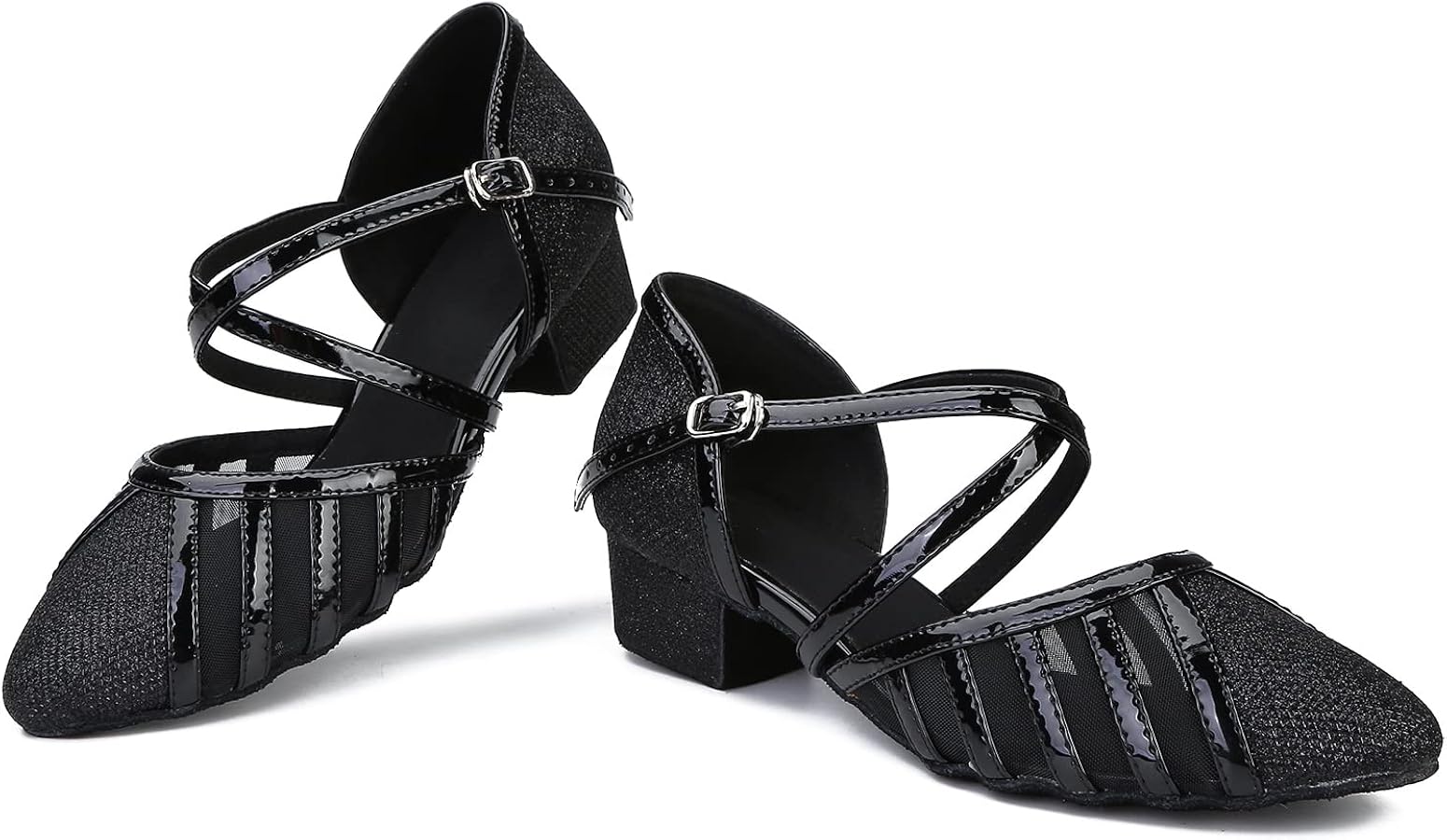
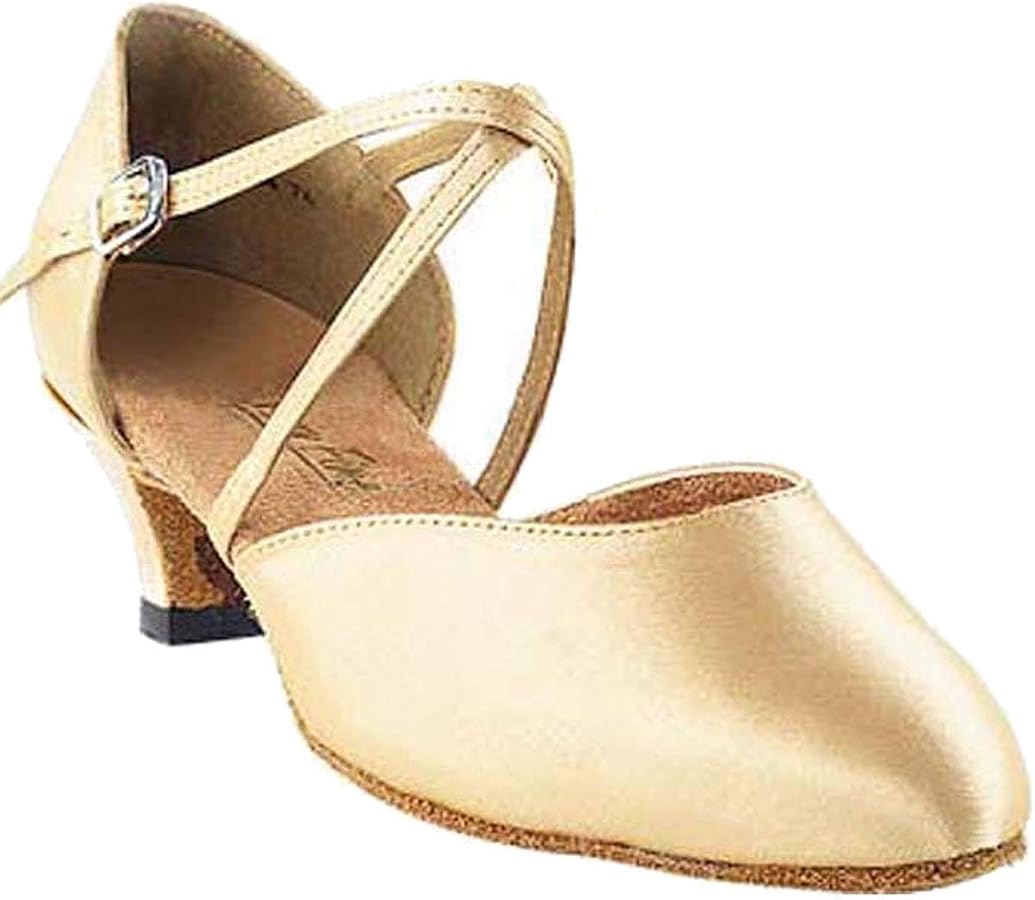
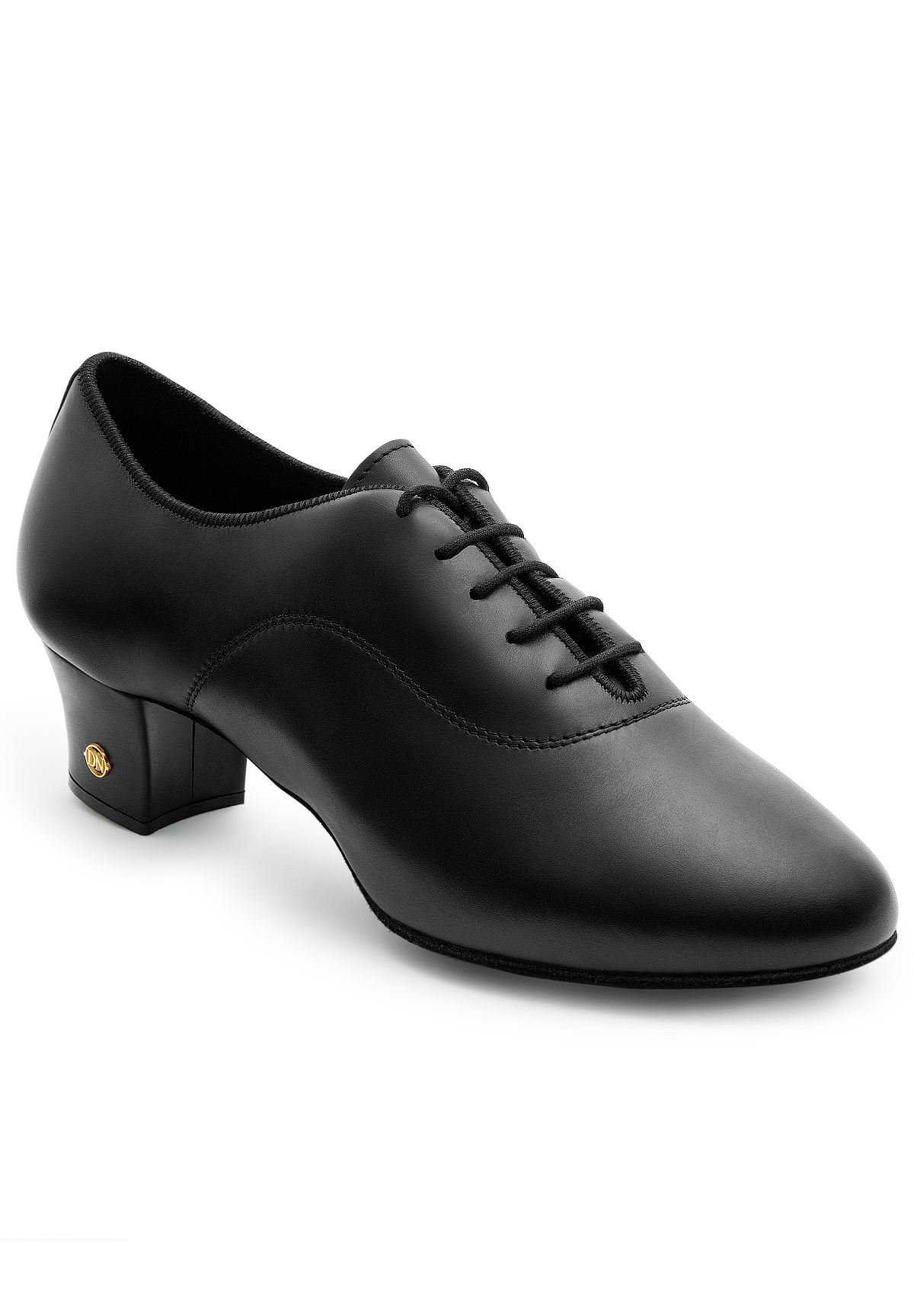
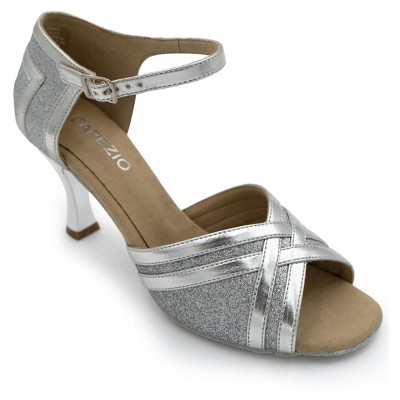
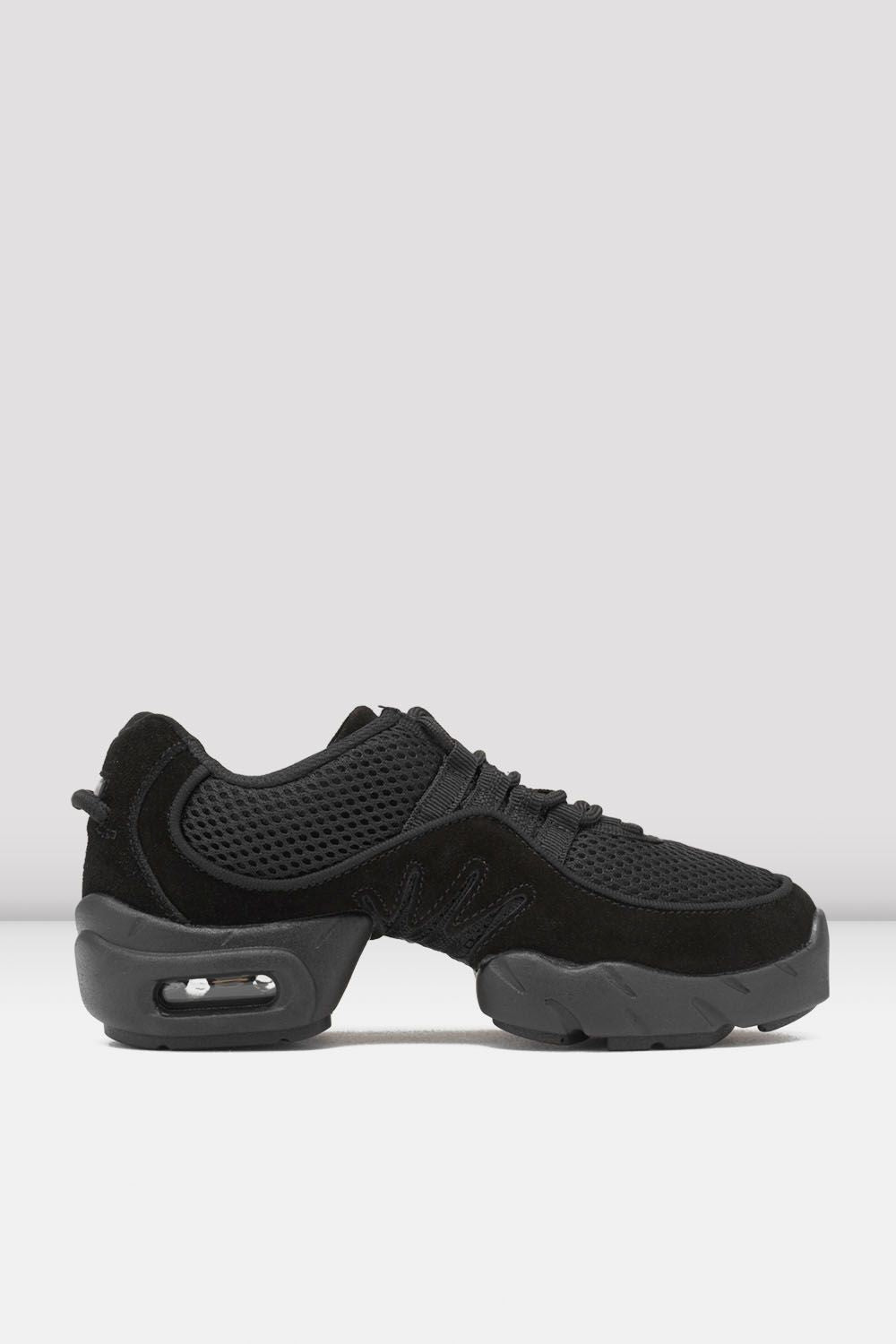
Let's clear up the basics: salsa dancing for beginners almost always happens in a studio, on a wooden or laminated floor. These surfaces are designed to let the dancer glide, and a shoe with a soft, unfinished sole is what makes that gliding happen. That's why the most common salsa shoe has a suede or nubuck leather outsole. Suede is not shiny or waterproof—it's rough and fibrous, which creates just the right amount of 'touch' with the floor without sticking.
There are three main types of salsa shoes you'll see: the classic Latin pump (low cut, heel for women), the Latin sneaker (looks like a trainer but with a suede bottom), and the ballroom-style practice shoe (often with a slight heel for women, and a flat for men). For beginners, the classic pump for women and a comfortable oxford- or boot-style for men are the traditional choice, but many new dancers prefer a 'practice sneaker' because it feels like you're wearing a comfy athletic shoe. Starting with a practice sneaker is totally fine—many schools actually recommend it for the first few months because you'll avoid foot cramping.
The biggest difference between cheap and expensive shoes is durability, not ease. A $35 pair might have a well-glued sole that separates after three months; a $100 pair will last a year or more. You don't need a $200 pair, but don't go bottom-of-the-barrel either. Look for reviews that specifically mention 'used for classes' or 'beginner friendly.'
When evaluating an option, don't rely on product photos alone. Look for actual customer pictures and videos. Check the heel height and material. If a review says the shoe is slippery on the floor, that might be a good sign—they're not rubber. If a review says the shoe runs small, size up half a size. Remember that leather stretches, so a snug fit is okay, but a loose fit is not.
What does 'beginner friendly' really mean? It means forgiving. If you pull a simple turn and your foot is slightly off balance, a good shoe will let you correct without twisting your ankle. A stiff shoe will punish you. It also means you can get them on and off easily, that they don't require an expensive break-in process (though some will need a week), and that you can wear them with the socks or foot coverings you already own. Finally, a beginner-friendly shoe won't scuff up the dance floor or leave marks, so it will be welcome in any studio.