Review Atlas

Menu

Shop by Category

Get the App

Better experience on mobile

Beginners GuideRunning

Best Running Shoes for Beginners: Complete Guide 2026

Discover simple tips to pick your first pair of running shoes without overwhelm, so you can start running comfortably and confidently.

Starting to run can be exciting, but choosing your first pair of running shoes often feels daunting. With so many brands, styles, and technical terms thrown around, it's easy to worry about picking the wrong ones and ending up with sore feet or giving up too soon. As a beginner, you just want shoes that feel good, support your steps, and let you focus on enjoying the run rather than second-guessing your choice.

Running shoes seem overwhelming because they're not one-size-fits-all—factors like foot shape, running surface, and your goals play a role. But don't stress; this guide is designed for complete newcomers like you. We'll break it down into simple steps, highlight what really matters for beginners, and recommend real products that are forgiving and easy to love.

By the end, you'll have a clear plan to choose shoes that fit your budget and needs, plus tips to avoid common pitfalls. You'll walk away feeling empowered to lace up and hit the pavement with confidence.

📋 In This Guide

  • • Why Beginners Struggle with Running Shoes
  • • What to Look For (Key Features)
  • • Top 4 Beginner-Friendly Running Shoes
  • • Essential Accessories for Beginners
  • • Common Beginner Mistakes to Avoid
  • • Your Progression Path
  • • FAQ & Learning Resources

😰 Why Beginners Struggle with Running Shoes

Beginners often feel lost when shopping for running shoes because the options seem endless—hundreds of models promising everything from 'maximum cushioning' to 'zero-drop stability.' Without experience, it's hard to know what these terms mean or if they even apply to casual jogs around the neighborhood. Many new runners end up frustrated after buying shoes that cause blisters, feel too stiff, or wear out quickly, leading to doubts about whether running is for them.

Technical jargon like 'heel-to-toe drop,' 'pronation control,' or 'mesh uppers' sounds intimidating and makes online reviews feel like a foreign language. Forums like Reddit's r/running are full of stories from beginners who skipped a proper fitting and ended up with shin splints or uneven wear. The fear of wasting money on the 'wrong' pair is real, especially when you're just testing the waters.

Overwhelm hits hardest with the sheer variety: road shoes, trail shoes, minimalist designs—how do you pick without trying them all? Beginners also struggle with not knowing their foot type (neutral, overpronating?) or what surface they'll run on, turning a simple purchase into a stressful research project.

🔍 What to Look For: Key Beginner-Friendly Features

For beginners, focus on shoes that prioritize comfort and forgiveness over high-tech features. Look for ample cushioning in the midsole to absorb impact during your first runs, reducing the chance of sore joints. A breathable upper made of mesh keeps your feet cool and dry, preventing blisters on longer outings. Ensure the shoe has a secure fit with adjustable laces or a wide toe box to accommodate swelling feet—something that's intuitive right out of the box.

Nice-to-have features include reflective elements for evening runs and a lightweight design under 10 ounces per shoe, which makes starting easier without feeling bulky. Avoid overly specialized shoes like those for racing or ultra-trails; beginners don't need carbon plates or aggressive lugs yet. Instead, seek 'neutral' shoes that work for most foot types and are versatile for roads or light paths.

What makes running shoes beginner-friendly is their ease of use: they should feel like a natural extension of your foot, tolerating minor fit issues or uneven strides. Good support without rigidity helps you build form gradually. Terms like 'cushioning' simply mean padding that softens landings, while 'drop' (the height difference between heel and toe) should be moderate (8-12mm) for a smooth transition from walking to running.

✅ Essential Features for Beginners

  • Ample cushioning: Soft foam in the sole absorbs shocks, protecting your knees and joints during early runs when your form isn't perfect.
  • Breathable mesh upper: Keeps feet cool and dry, reducing blisters—essential for beginners who might sweat more from excitement or nerves.
  • Secure heel fit: A padded collar locks your heel in place, preventing slips that could cause ankle tweaks on uneven ground.
  • Wide toe box: Allows toes to spread naturally, avoiding cramping during longer beginner sessions.
  • Moderate drop (8-12mm): Helps transition smoothly from walking, making runs feel less jarring.
  • Lightweight design: Under 10 oz, so you don't feel weighed down while learning to run efficiently.
  • Reflective accents: Improves visibility for safety during dawn or dusk jogs, when beginners often squeeze in runs.
  • Durable outsole: Grippy rubber that lasts 300-500 miles, forgiving for trial-and-error mileage building.

🏆 Top 4 Best Running Shoes for Beginners

#1
💰 Budget

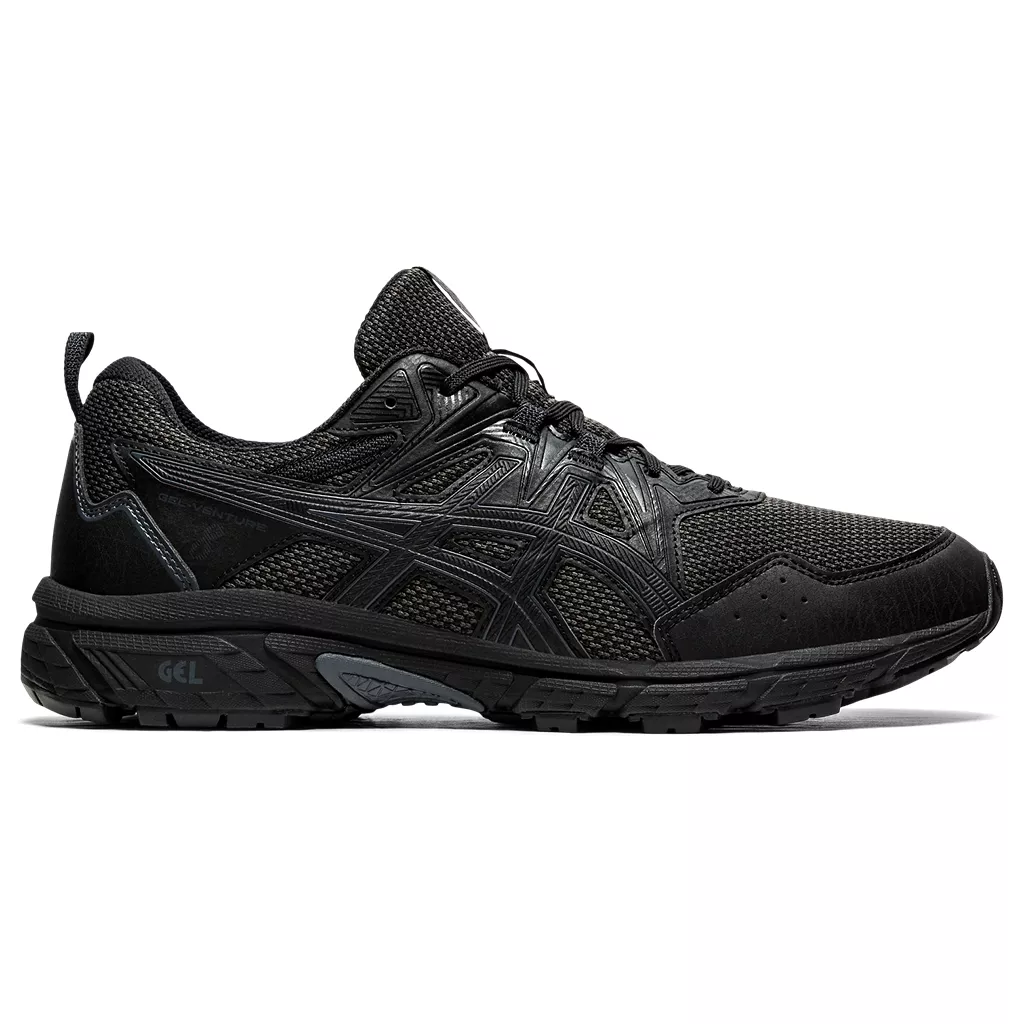
ASICS Men's Gel-Venture 8 Running Shoes

Learning Curve: Easy

$69.99
Difficulty: 1/5
ASICS Men's Gel-Venture 8 Running Shoes

Why Great for Beginners:

This shoe offers reliable cushioning and durability at an entry price, perfect for new runners testing the sport. Its simple design forgives beginner strides without complex features. Beginners appreciate the easy fit and trail versatility for mixed surfaces.

Beginner Pros

  • +Affordable entry point
  • +Good shock absorption for joint protection
  • +Breathable and lightweight
  • +Versatile for road or light trails
  • +Quick break-in period

Beginner Cons

  • -Less plush than premium options
  • -May feel narrow for wide feet
  • -Outsole wears faster on heavy use
👍 Best for: Budget-conscious beginners starting with short jogs on varied paths
👎 Not for: Runners needing maximum stability or long-distance cushioning
#2
👍 Recommended

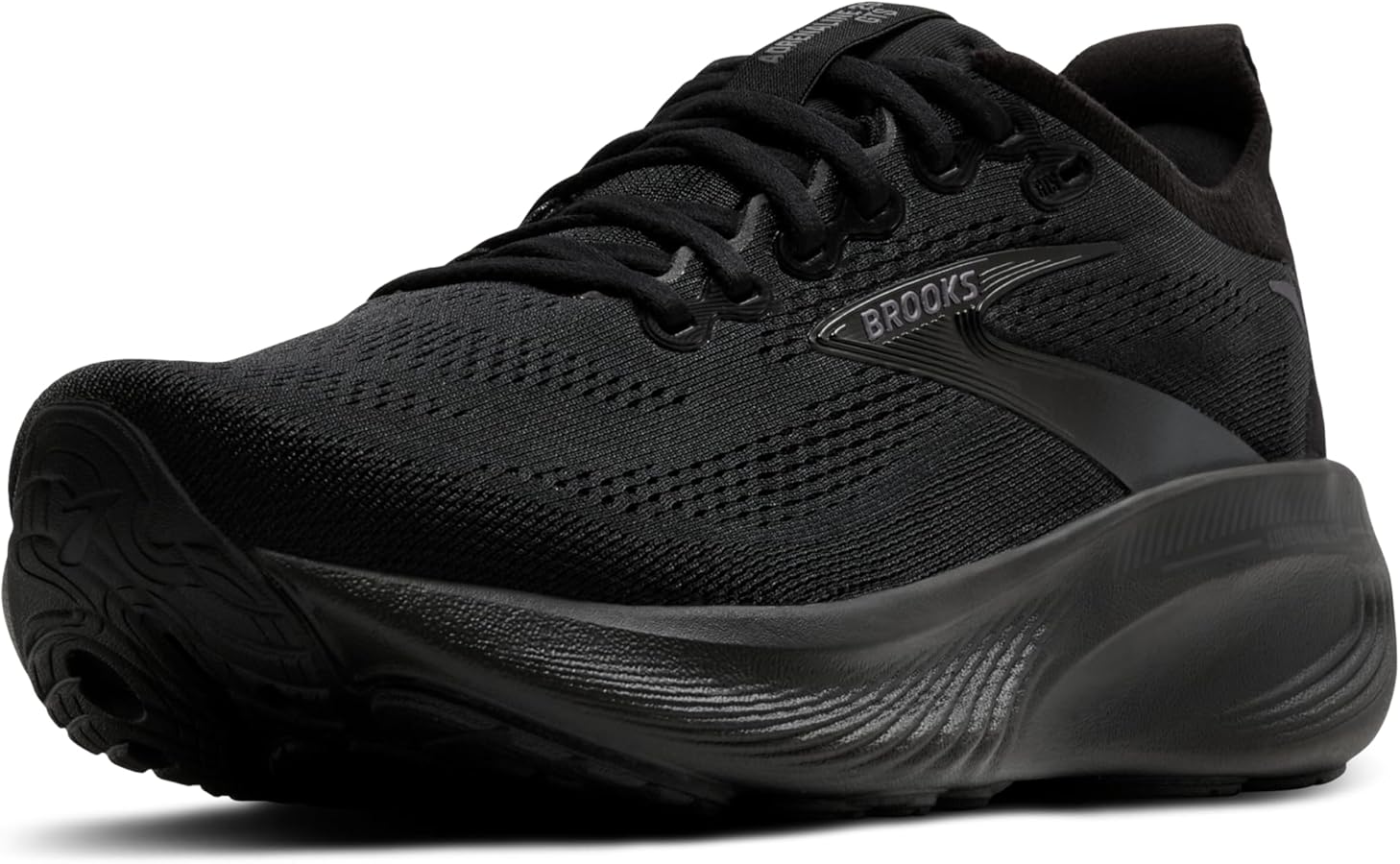
Brooks Ghost 15 Running Shoe

Learning Curve: Easy

$129.99
Difficulty: 1/5
Brooks Ghost 15 Running Shoe

Why Great for Beginners:

The Ghost 15 balances comfort and support, making it ideal for novices building mileage. Its DNA Loft cushioning adapts to your stride, reducing injury risk. Beginners love the smooth ride that encourages longer runs without fatigue.

Beginner Pros

  • +Excellent all-around comfort
  • +Neutral support for most feet
  • +Breathable engineered mesh
  • +Long-lasting 400+ miles
  • +Easy to clean and maintain

Beginner Cons

  • -Slightly higher price than budget
  • -Heel might slip if not laced tight
  • -Not ideal for very wide feet
👍 Best for: Everyday beginners running 10-20 miles weekly on roads
👎 Not for: Trail runners or those with severe pronation
#3
👍 Recommended

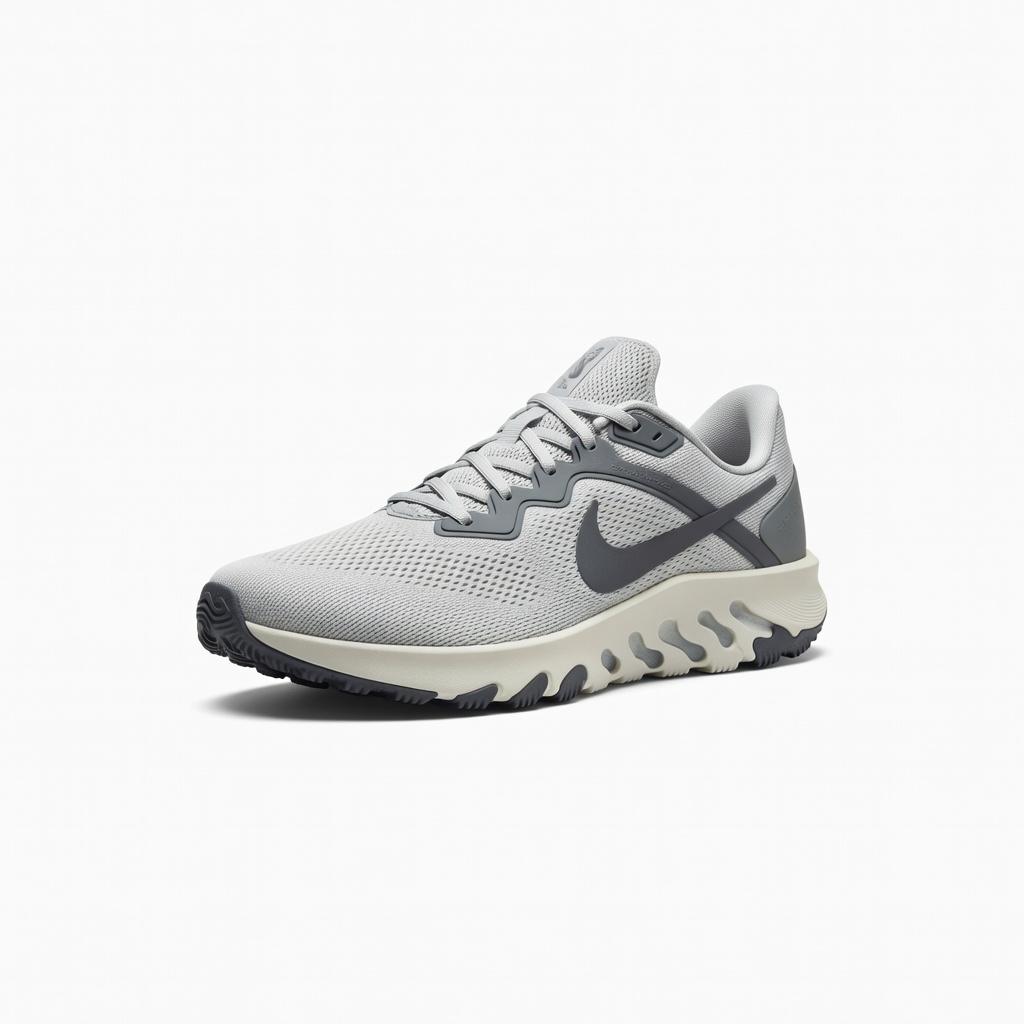
Nike React Infinity Run Flyknit 3

Learning Curve: Easy

$139.99
Difficulty: 2/5
Nike React Infinity Run Flyknit 3 - Image 1 of 2

Why Great for Beginners:

This shoe's React foam provides a bouncy, forgiving feel that motivates new runners. The wide base adds stability for wobbly strides. It's intuitive for beginners, with a design that grows with your improving form.

Beginner Pros

  • +Energy-return cushioning boosts confidence
  • +Stable platform reduces overpronation
  • +Flyknit upper for custom fit
  • +Lightweight at 9.5 oz
  • +Versatile for gym or outdoors

Beginner Cons

  • -Break-in takes a few runs
  • -Higher cost for casual use
  • -Less durable on rough terrain
👍 Best for: Beginners seeking a fun, responsive shoe for road running
👎 Not for: Budget shoppers or trail enthusiasts
#4
✨ Premium

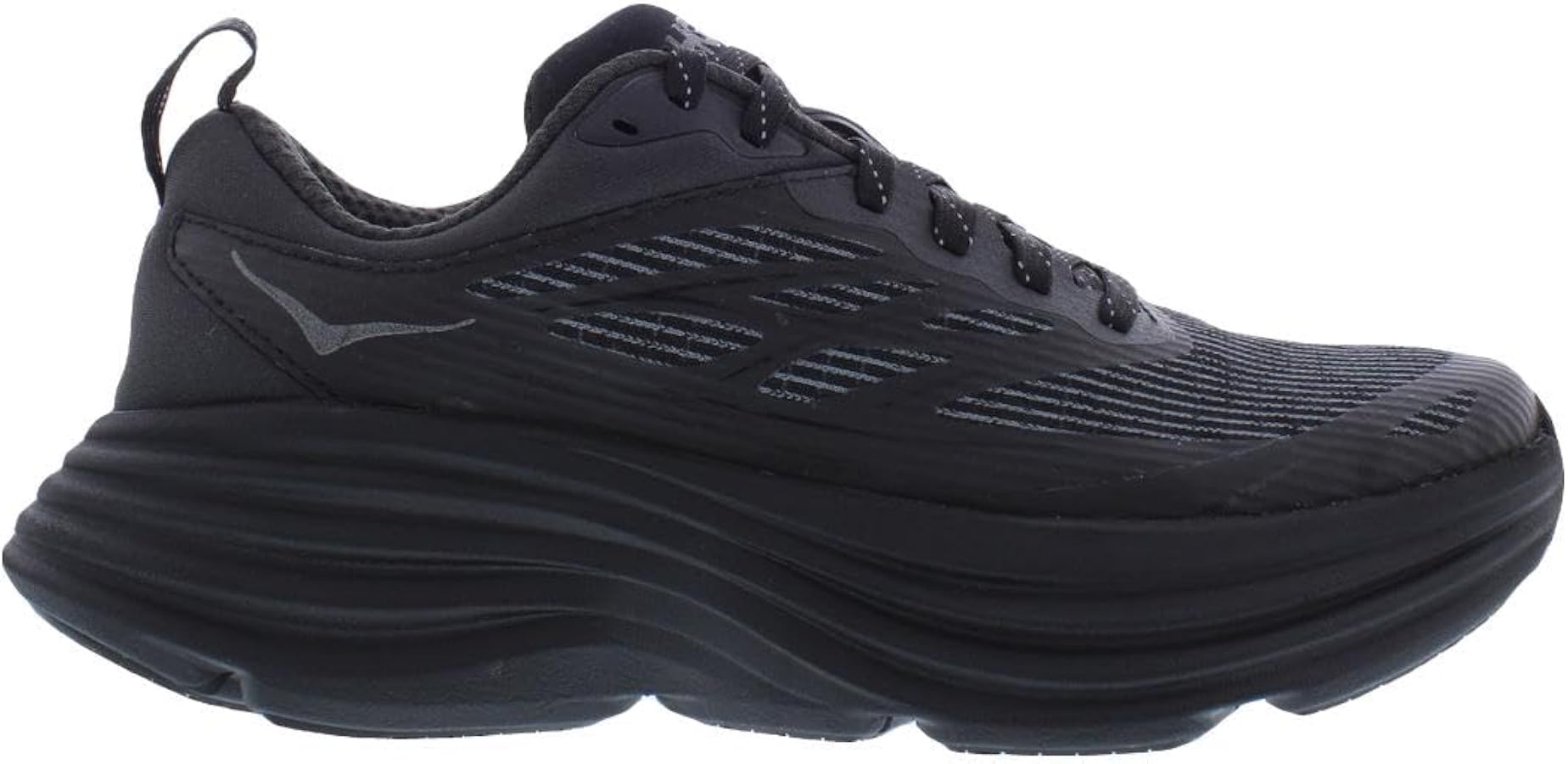
HOKA Men's Bondi 8

Learning Curve: Easy

$164.95
Difficulty: 1/5
HOKA Men's Bondi 8 - Image 1 of 9

Why Great for Beginners:

HOKA's maximal cushioning feels like walking on clouds, ideal for joint-sensitive beginners. It supports longer sessions without fatigue. The meta-rocker geometry promotes natural strides, helping you build endurance comfortably.

Beginner Pros

  • +Superior plush cushioning
  • +Excellent shock absorption
  • +Wide fit options available
  • +Durable for 500+ miles
  • +Reduces impact on knees

Beginner Cons

  • -Bulky feel for some
  • -Higher price point
  • -Heavier than minimalists
👍 Best for: Beginners with joint concerns or aiming for half-marathons
👎 Not for: Speed-focused runners wanting lightweight shoes

📖 Complete Beginner's Guide to Running Shoes

Running shoes are essentially padded footwear designed to make jogging safer and more comfortable than regular sneakers. At their core, they have a cushioned midsole for shock absorption, an upper for fit, and an outsole for traction. For beginners, start with 'road running shoes'—versatile for pavement or treadmills—rather than trail or minimalist styles that demand more skill.

There are main types: neutral shoes for straight strides, stability shoes for mild overpronation (feet rolling inward), and cushioned maximalists for extra padding. Beginners should opt for neutral or lightly cushioned options unless a gait analysis (free at many stores) shows otherwise. These are forgiving, letting you run without overthinking biomechanics.

Realistic expectations: Your first shoes won't make you a marathoner overnight, but they'll help you run 1-3 miles comfortably 2-3 times a week. 'Beginner-friendly' means easy break-in (no stiff materials), versatile use, and room to improve form. Evaluate by trying them on—walk, jog in-store—and checking for no hot spots.

Marketing terms like 'responsive foam' just mean bouncy cushioning for energy return, great for motivation. 'Flyknit' uppers are lightweight knits for breathability. Skip hype around 'energy-return plates'—beginners benefit more from basic durability. Focus on fit: half-size up from street shoes, as feet swell during runs.

As a beginner, evaluate by budget, intended distance (under 10K?), and surface (mostly road?). Test for cushion that feels plush yet supportive, not squishy or rigid. This setup builds confidence, letting you focus on breathing and enjoyment rather than gear woes.

Ultimately, beginner-friendly shoes tolerate imperfect strides, offer all-day comfort for walking-to-running transitions, and come with simple care (wipe clean, air dry). They set you up for success without complexity.

🔧 Essential Accessories for Beginners

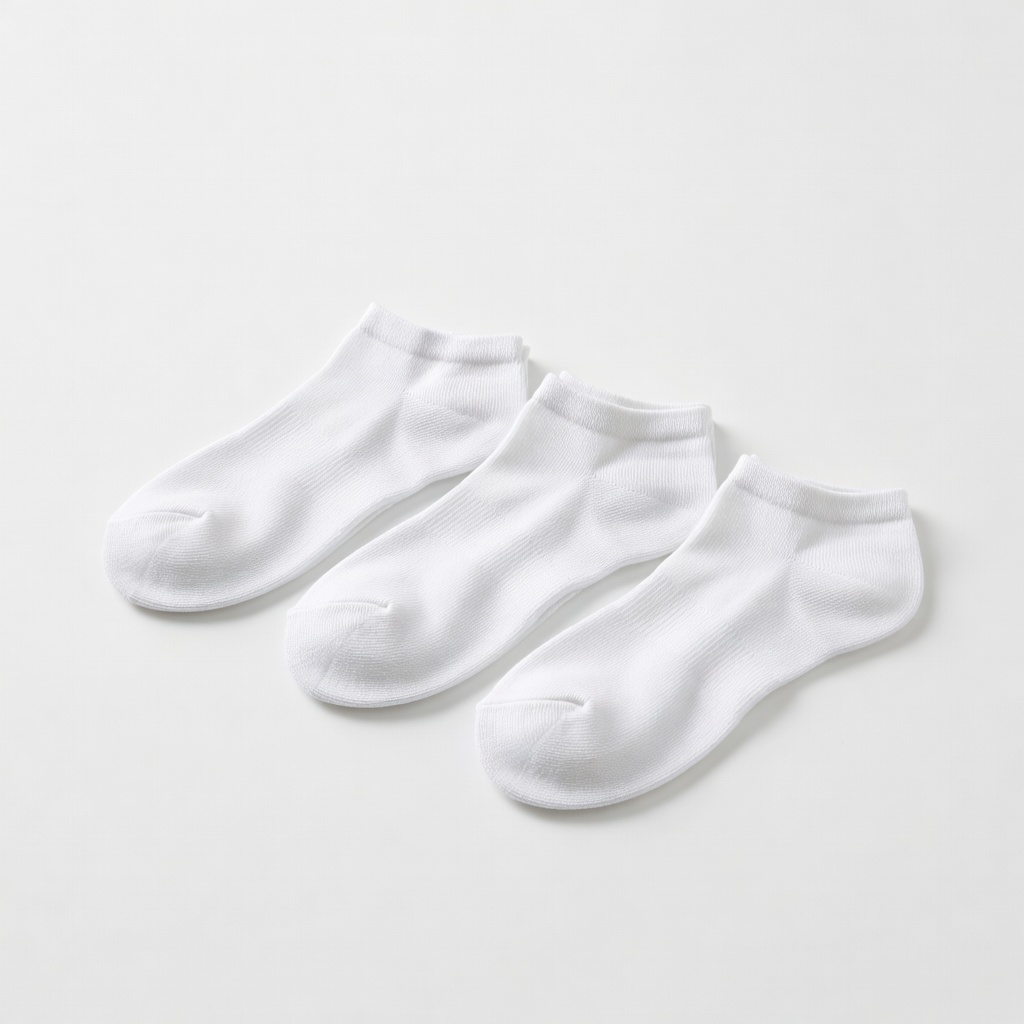
Balega Hidden Comfort Running Socks (3 Pack)

⚠️ Essential

$19.99

When to buy:
Day one

Blisters are a top complaint for new runners, and these socks prevent them with moisture-wicking fabric. They cushion feet during the break-in period of new shoes. Beginners need this to keep runs enjoyable from day one.

Beginner Benefits:

  • Reduces friction for blister-free runs
  • Wicks sweat to keep feet dry
  • Cushions impacts for comfort
  • Durable for frequent washing

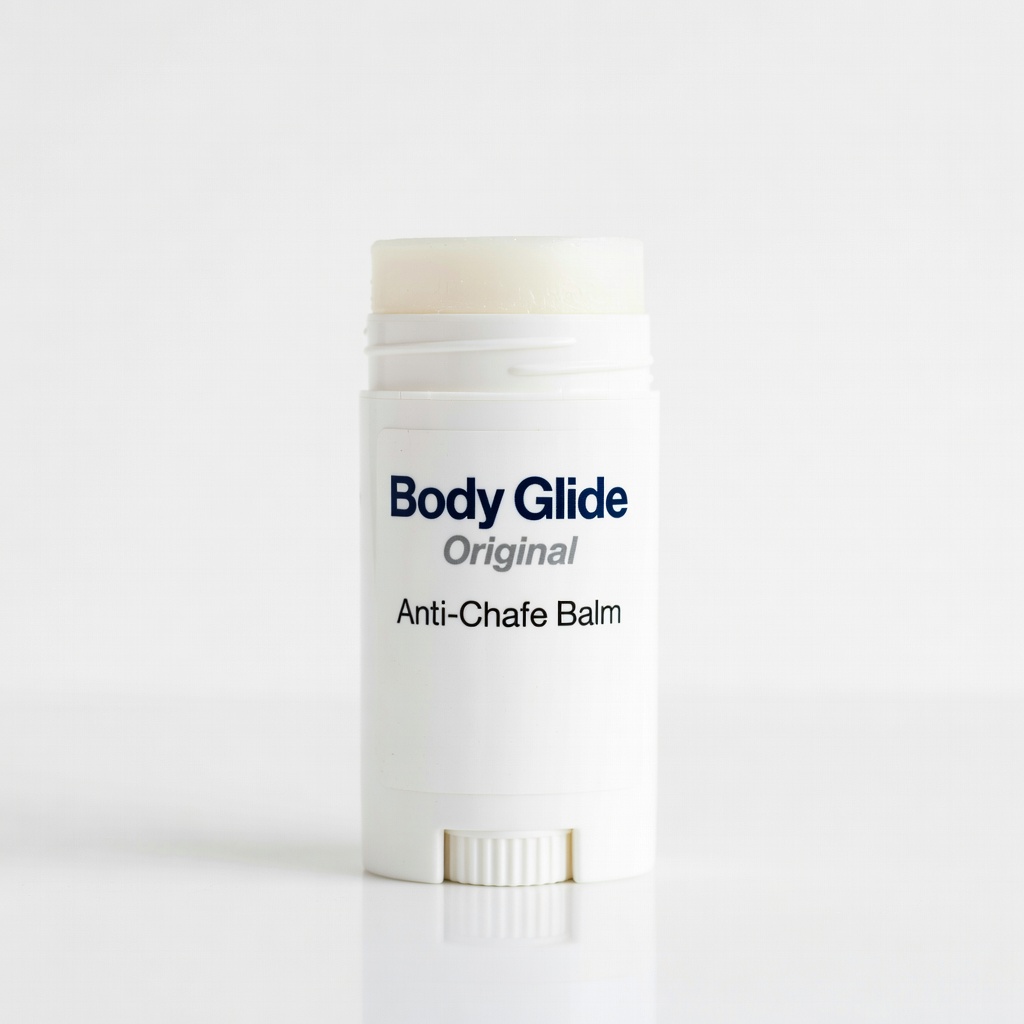
Body Glide Original Anti-Chafe Balm

👍 Recommended

$8.99

When to buy:
First month

New runners often chafe in shoes or from sweat; this balm creates a protective barrier. It saves painful spots during longer jogs. Essential for building confidence without interruptions.

Beginner Benefits:

  • Prevents hot spots and blisters
  • Easy to apply before runs
  • Non-greasy and long-lasting
  • Safe for sensitive skin
Nathan Sports Running Hydration Belt - Image 1 of 9

Nathan Sports Running Hydration Belt

💡 Nice to Have

$34.99

When to buy:
After you're comfortable

As runs lengthen, staying hydrated is key, but carrying water can be awkward for starters. This belt holds essentials hands-free. It helps beginners focus on pace without gear hassles.

Beginner Benefits:

  • Encourages longer runs with hydration
  • Bounce-free fit for comfort
  • Organizes small items
  • Lightweight for easy carrying

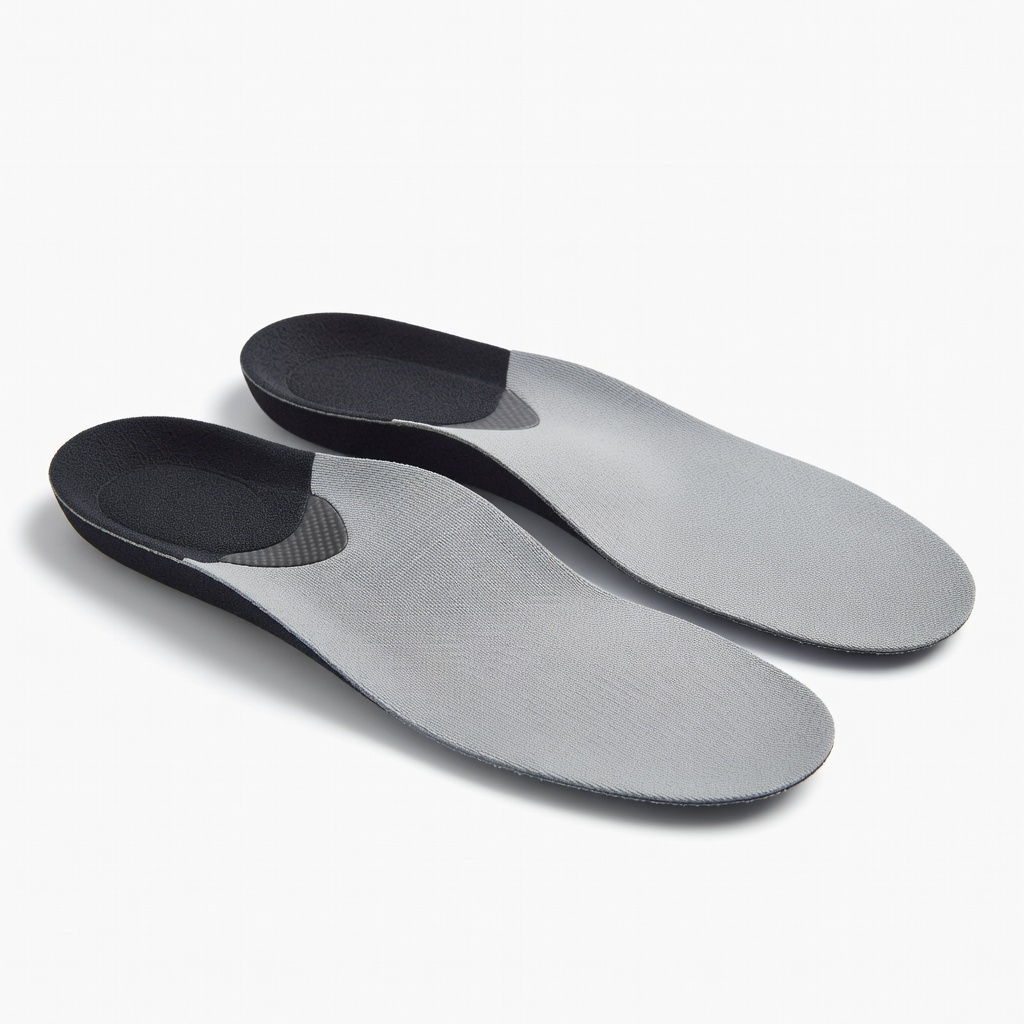
Superfeet All-Purpose High Arch Support Insoles

⬆️ Upgrade

$49.99

When to buy:
When upgrading

If stock insoles feel flat, these add custom support to prevent fatigue. Great for tweaking fit as you learn your stride. Beginners benefit from better alignment without buying new shoes.

Beginner Benefits:

  • Improves foot alignment
  • Reduces overpronation risks
  • Extends shoe life
  • Customizable trim-to-fit

🤔 How to Choose Your First Running Shoes

Start by asking yourself: What's your weekly mileage goal (e.g., 5-10 miles)? Will you run on roads, trails, or treadmill? Do you have wide feet or pronation issues (ask a store for a quick check)? These guide your type—neutral road shoes for most starters. Consider growth: Pick versatile shoes that last 6-12 months as you ramp up.

Budget-wise, aim for the sweet spot to avoid cheap pairs that break down fast. Realistic ranges: under $100 for basics, $100-150 for value, $150+ for premium comfort. Go budget if testing running; recommended for commitment; premium if you have foot issues or bigger budget. Red flags: Shoes under $50 (poor cushioning leads to injury), overly narrow fits, or hype-focused marketing without real reviews.

Scenarios: For casual neighborhood jogs, prioritize cushioning. Gym-only? Lightweight breathables. Future growth: Choose with replaceable insoles for tweaks. Walk into a running store for fitting—it's free and beats online guesses. This framework simplifies: Match needs to features, test fit, and buy confidently.

💰 Budget Guide for Beginners

200+

Advanced entry - For committed beginners with specific needs like extra stability; invest if planning races soon.

100 - $150

Sweet spot - Best value for most beginners, offering durable comfort and support that lasts 400+ miles without overwhelming features.

150 - $200

Premium beginner - High-quality materials for serious starters, with extra padding and longevity to support growing distances.

Under $ - $100

Entry level - Affordable starters for trying running, with basic cushioning; may need replacement after 200-300 miles as you progress.

⚠️ Common Beginner Mistakes to Avoid

Beginners often grab the lowest-priced shoes thinking they'll 'do the job,' but these lack proper cushioning, leading to joint pain and early replacement—false economy that discourages continuation. Reviews on Amazon show many regret this, with shoes falling apart after 100 miles. Instead, invest in mid-range for longevity; try on in-store to ensure fit.

Another pitfall is skipping professional advice like gait analysis at a running shop, assuming all shoes are similar. This results in mismatched support—neutral for overpronators causes imbalances. Real example: Forum users report knee issues from ill-fitting pairs. Avoid by getting a free fitting and reading beginner reviews focused on comfort.

Many forget accessories like quality socks, leading to blisters that sideline runs. Or they buy trendy minimalists too soon, straining calves unused to impact. Lessons from veterans: Start simple, prioritize fit over flash, and plan for 300-mile shoe life. This prevents frustration and builds a positive running habit.

  • ×Buying the cheapest shoes available, leading to quick breakdown and potential injuries from poor support.
  • ×Ignoring foot measurement and buying based on style, resulting in blisters or instability.
  • ×Skipping a gait analysis, choosing wrong stability type and causing shin splints.
  • ×Overlooking break-in time, running long distances immediately and getting sore feet.
  • ×Not considering running surface, picking road shoes for trails and slipping.
  • ×Forgetting socks or anti-chafing products, ending up with painful blisters on first runs.
  • ×Buying oversized for 'growth,' leading to heel slippage and twisted ankles.
  • ×Focusing on brand hype over fit, wasting money on uncomfortable pairs.

📈 Your Progression Path: Beginner to Intermediate

As a beginner, focus first on consistent short runs (1-2 miles, 3x/week) to build endurance and form—use your shoes for walking warm-ups too. Track progress with a simple app like Strava. Over 1-3 months, increase distance gradually (10% rule) while noting how shoes feel; replace if cushion thins.

You've outgrown beginner gear when runs exceed 20 miles/week, or you notice less support (e.g., harder impacts). Signs: Needing more stability for speed, or wanting lighter weight for races. Intermediate level means structured training—add speed work or hills. Upgrade to stability shoes if pronation worsens, or carbon-plated for races.

Typically, beginners stay at entry level 6-12 months. Build skills by joining a local run group for tips. Next: Custom orthotics or trail-specific shoes as hobbies evolve. This path turns novices into confident runners without rushed buys.

📚 Learning Resources for Beginners

  • 📖{"resourceName":"Born to Run: A Hidden Tribe, Superathletes, and the Greatest Race the World Has Never Seen","asin":"B001S2P9QY","type":"book","whyForBeginners":"Inspirational read that demystifies running history and motivates starters with real stories.","price":10.99}
  • 📖{"resourceName":"Runner's World Complete Book of Running: Everything You Need to Run for Fun, Fitness, and Competition","asin":"B000WDSMB8","type":"book","whyForBeginners":"Step-by-step guide with training plans, shoe advice, and injury prevention for new runners.","price":15.99}
  • 📖{"resourceName":"ChiRunning: A Revolutionary Approach to Effortless, Injury-Free Running","asin":"B003GYEGO8","type":"book","whyForBeginners":"Teaches efficient form to avoid common pains, with simple exercises for beginners.","price":12.49}
  • 📖{"resourceName":"Foam Roller for Myofascial Release - Trigger Point Massage Tool","asin":"B07D7J8Z3K","type":"training aid","whyForBeginners":"Helps recover muscles post-run, preventing soreness; easy to use at home.","price":24.99}
  • 📖{"resourceName":"Running with the Mind of Meditation: Lessons for Training Body and Mind","asin":"B00B91AU8O","type":"book","whyForBeginners":"Combines mental tips with physical advice to build confidence and reduce anxiety.","price":11.89}
  • 📖{"resourceName":"Gait Analysis Mat for Foot Strike Pattern","asin":"B08N5QJ2P4","type":"tool","whyForBeginners":"Simple home tool to check pronation, helping choose better shoes early.","price":19.99}

🎯 Bottom Line: Our Recommendations

For most beginners, the Brooks Ghost 15 is the best overall pick—its balanced comfort and support make starting runs enjoyable and sustainable. If budget is tight, go with the ASICS Gel-Venture 8 for solid basics. Serious starters should consider the HOKA Bondi 8 for plush protection.

Don't skip essentials: Grab Balega socks and Body Glide balm on day one to prevent blisters. Start slow, listen to your body, and remember—good shoes are your foundation, but consistency builds the habit.

You're ready to run! Head to Amazon or a store, try a pair, and take that first jog. With this guide, you've got the tools to choose wisely and love the process. Lace up and go—you've got this.

❓ Frequently Asked Questions

The Brooks Ghost 15 (ASIN: B07Y1FVS3F) is top for most beginners due to its cushioned, neutral support and easy fit. It's forgiving for new strides and versatile for roads. For budgets, try ASICS Gel-Venture 8.